Touring motorcycles are built for long-distance adventures, daily commuting, and years of dependable service. Riders who invest in these machines often expect them to handle hundreds of thousands of miles with proper maintenance. However, not every touring bike achieves the same level of durability.
Some models have earned strong reputations among owners for crossing the 100,000-mile mark with fewer major issues, while others have struggled with reliability concerns before reaching that milestone.
This article looks at owner experiences, long-term reports, engineering choices, and common maintenance patterns to compare touring motorcycles known for lasting and those that often fall short.
Also Read: 5 Cars With the Highest Theft Rates in New York & 5 With Lowest
Touring Bikes Known to Reach 100K Miles
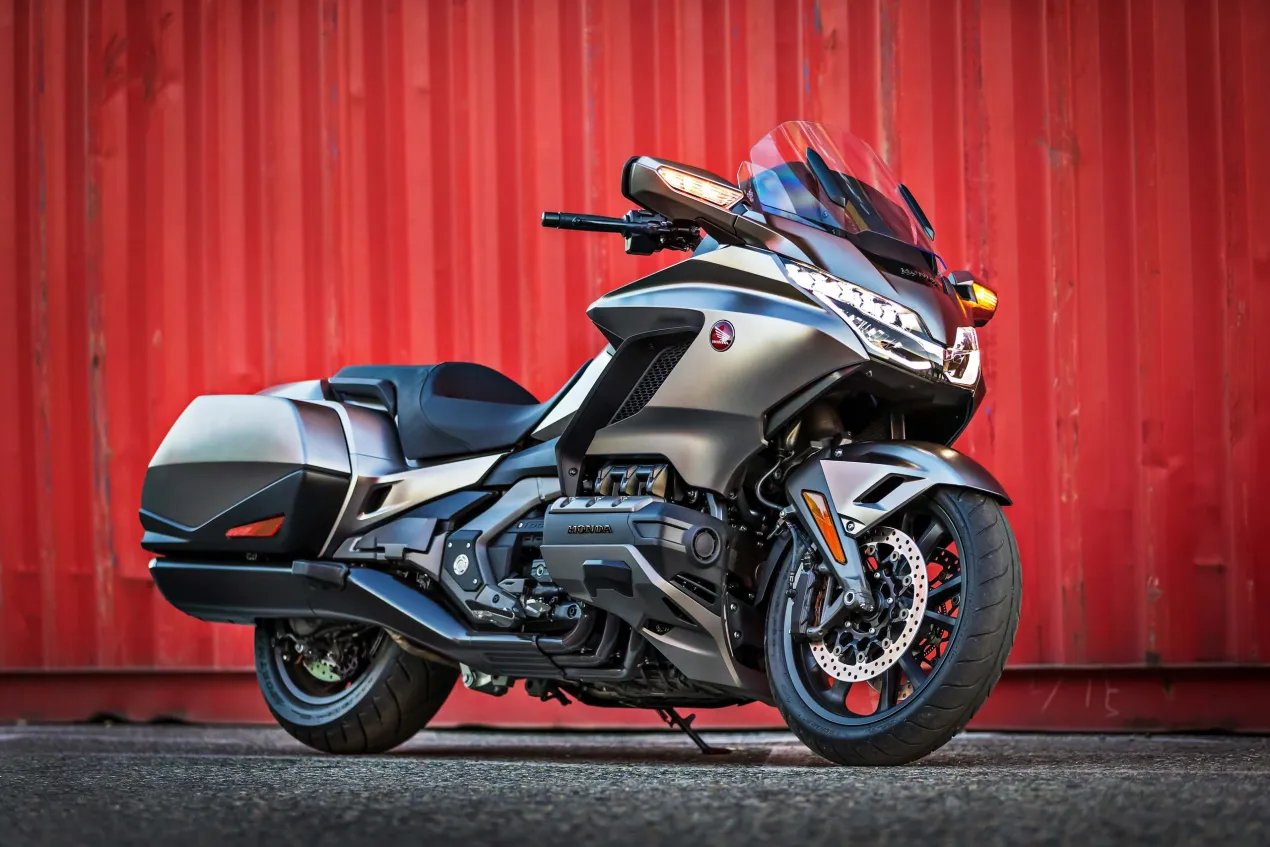
- Engine: 1,833cc liquid-cooled horizontally opposed 6-cylinder engine
- Torque: 170 Nm (125 lb-ft) @ 5,500 rpm
- Horsepower: Approximately 126 hp @ 5,500 rpm
- Length: 2,615 mm (102.9 inches)
- Width: 905 mm (35.6 inches)
1. Honda Gold Wing
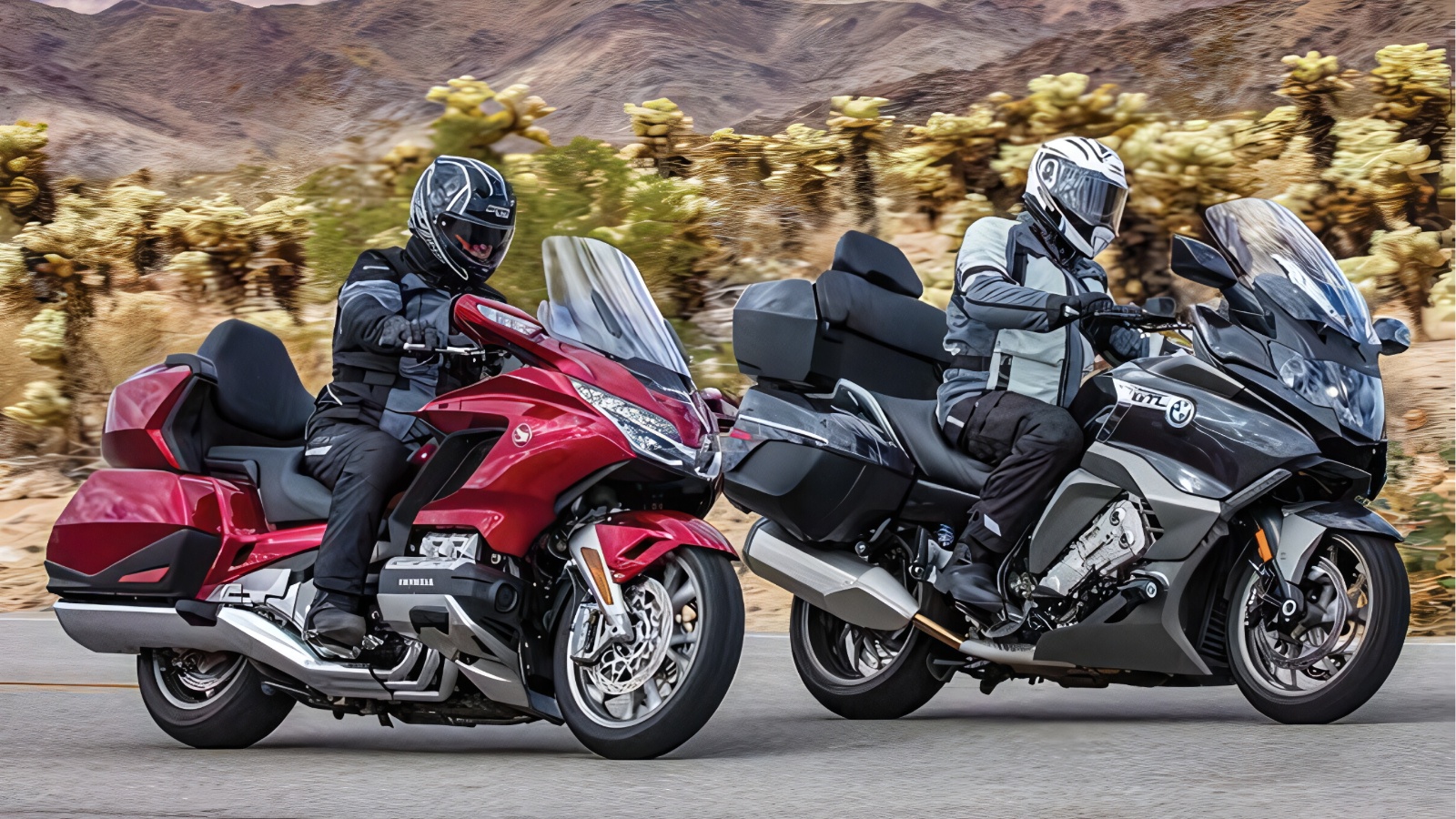
The Honda Gold Wing has built a legendary reputation for long-distance reliability among motorcycle owners around the world. Since its introduction in the 1970s, the Gold Wing has developed a strong following among riders who spend thousands of miles on highways, cross-country trips, and daily rides.
Many owners report reaching 100,000 miles, 200,000 miles, and even higher mileage figures with regular servicing. The motorcycle’s smooth six-cylinder engine, strong internal components, and comfortable riding position make it a preferred choice for riders who want a machine capable of handling serious mileage.
A major reason for the Gold Wing’s durability is Honda’s focus on engine refinement and mechanical balance. The flat-six engine design produces smooth power delivery with reduced vibration compared with many traditional motorcycle engines.
Less vibration helps reduce stress on components, which can contribute to longer service life when maintenance schedules are followed. Owners frequently mention that oil changes, cooling system care, brake maintenance, and regular inspections are key factors in keeping these motorcycles running for decades.
Many high-mileage Gold Wing owners share similar maintenance habits. They avoid skipping service intervals, replace worn parts before failure, and keep detailed records of repairs.
Components such as timing belts on older models, suspension parts, tires, and electrical systems require attention over time, but the core engine and transmission are often praised for their strength. A properly maintained Gold Wing can remain reliable long after many motorcycles have reached the end of their useful life.
The motorcycle’s touring-focused design also supports long-term ownership. Large fuel capacity, weather protection, comfortable seating, and luggage capacity allow riders to use the bike for extended journeys without excessive physical strain.
When a motorcycle is comfortable enough for frequent riding, owners are more likely to maintain it properly and continue using it instead of letting it sit unused for long periods. This consistent use combined with proper care contributes to impressive mileage numbers.
Owner reports provide some of the strongest evidence of the Gold Wing’s endurance. Motorcycle communities contain many examples of riders surpassing 100,000 miles without major engine rebuilds.
While no motorcycle is immune to problems, the Gold Wing remains a benchmark for touring motorcycles that can accumulate extremely high mileage. Riders searching for a long-term touring companion often consider it among the safest choices for durability and dependable performance.
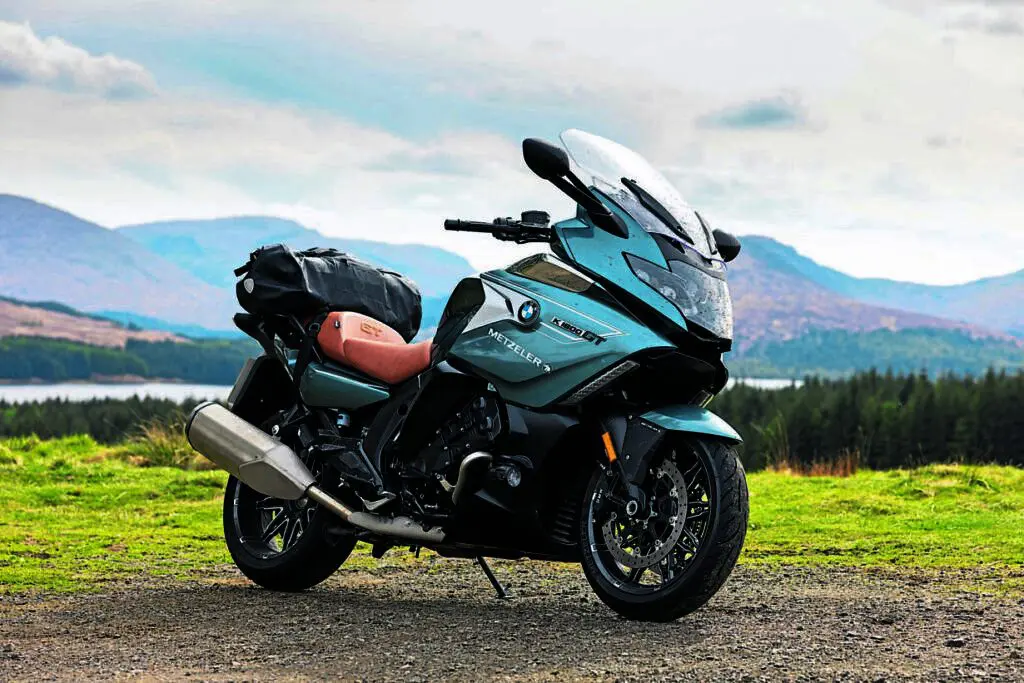
- Engine: 1,649cc liquid-cooled inline 6-cylinder engine
- Torque: 175 Nm (129 lb-ft) @ 5,250 rpm
- Horsepower: 160 hp @ 6,750 rpm
- Length: Approximately 2,489 mm (98 inches)
- Width: Approximately 1,000 mm (39.4 inches) including mirrors
2. BMW K1600GT and K1600GTL
BMW’s K1600 series entered the touring market with a focus on combining performance, technology, and long-distance comfort. Powered by a six-cylinder engine, these motorcycles deliver strong acceleration while maintaining smooth operation during extended highway travel.
Many owners have reported reaching high mileage numbers, including the 100,000-mile range, when the motorcycle receives proper maintenance and attention. The combination of advanced engineering and touring capability has helped the K1600 earn respect among experienced riders.
The inline-six engine is a major highlight of the K1600 platform. Its smooth power delivery allows riders to cover long distances without excessive engine vibration or fatigue. BMW designed the engine to provide both performance and refinement, making it suitable for riders who want touring ability without sacrificing excitement.
Regular oil changes, fluid checks, and scheduled services are important because the motorcycle uses complex systems that require careful maintenance.
Long-term ownership experiences with the K1600 vary more than with simpler touring motorcycles because of its advanced electronics and technology.
Features such as electronic suspension adjustment, riding modes, navigation systems, and integrated controls improve the riding experience but also introduce additional components that may require repairs as the motorcycle ages. Owners who maintain these systems properly often continue enjoying reliable performance even after many years of use.
Many high-mileage BMW touring riders emphasize the importance of following factory maintenance recommendations. Unlike some simpler motorcycles that tolerate neglected servicing, the K1600 benefits greatly from consistent care.
Preventive maintenance can help identify small problems before they become expensive repairs. Experienced owners often replace aging parts proactively, especially when preparing for long-distance trips.
The K1600 series demonstrates that a technologically advanced motorcycle can still achieve impressive mileage when treated correctly. It may require more attention than some mechanically simpler touring bikes, but owners who invest time and money into maintenance often report excellent long-term results.
For riders seeking a premium touring motorcycle with strong performance and the ability to cover major distances, the K1600 remains a respected option.
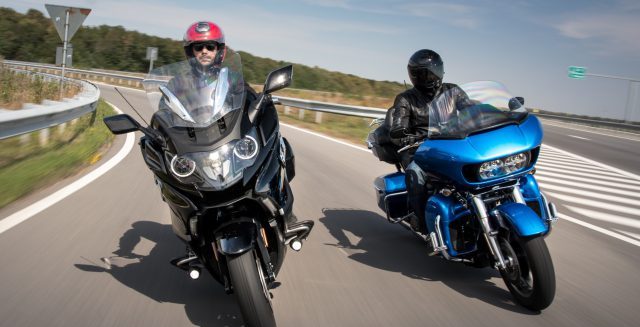
- Engine: 1,868cc Milwaukee-Eight 114 V-twin engine (varies by year)
- Torque: Approximately 164 Nm (121 lb-ft) @ 3,250 rpm
- Horsepower: Approximately 92 hp (varies by model year)
- Length: Approximately 2,450 mm (96.5 inches)
- Width: Approximately 990 mm (39 inches)
3. Harley-Davidson Electra Glide
The Harley-Davidson Electra Glide has been a favorite among touring riders for decades. Built around Harley-Davidson’s touring platform, the Electra Glide has accumulated a large community of owners who regularly travel long distances.
Many examples have exceeded 100,000 miles through consistent maintenance and careful ownership. The motorcycle’s strong frame, comfortable touring design, and durable V-twin engines have helped it maintain popularity among riders who enjoy extended road trips.
The touring models produced over different generations have used several versions of Harley-Davidson’s V-twin engines. While each generation has its own strengths and weaknesses, many engines have proven capable of high mileage when maintained properly.
Owners commonly focus on regular oil changes, proper belt maintenance, clutch inspections, and attention to cooling systems. These basic maintenance practices play a significant role in extending the motorcycle’s lifespan.
The Electra Glide’s appeal comes from more than just engine durability. The motorcycle is designed around rider comfort, offering features such as a large fairing, comfortable seating, storage capacity, and highway stability.
These qualities make it suitable for riders who spend long hours on the road. A motorcycle that encourages frequent touring often receives more consistent maintenance because owners rely on it for travel.
Owner communities have provided many examples of Electra Glides reaching impressive mileage figures. Some riders have documented motorcycles exceeding 150,000 miles while still using the original engine and transmission components.
These achievements usually involve careful ownership rather than simple luck. High-mileage motorcycles often belong to riders who understand maintenance, monitor performance changes, and address problems early.
The Electra Glide proves that a traditional touring motorcycle can achieve excellent longevity. It may not have the latest technology or the highest performance figures in its class, but its proven design and large owner base provide valuable information about long-term reliability. Riders who appreciate classic American touring motorcycles often choose the Electra Glide because it offers a realistic path toward reaching six-digit mileage numbers.
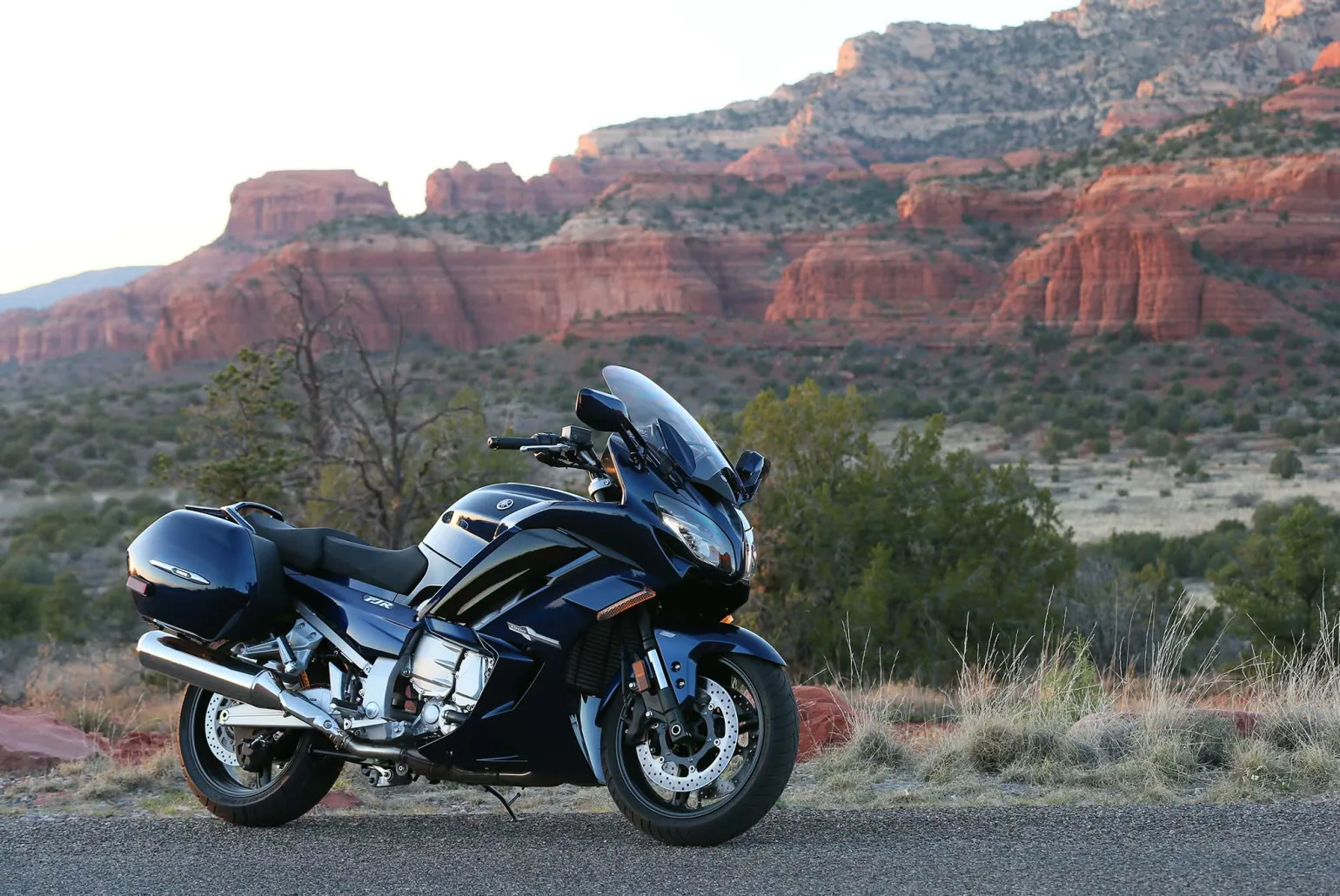
- Engine: 1,298cc liquid-cooled inline 4-cylinder engine
- Torque: 138 Nm (102 lb-ft) @ 7,000 rpm
- Horsepower: Approximately 141 hp @ 8,000 rpm
- Length: 2,230 mm (87.8 inches)
- Width: 750 mm (29.5 inches)
4. Yamaha FJR1300
The Yamaha FJR1300 has earned a strong reputation among sport touring riders who want a motorcycle capable of covering massive distances while still offering engaging performance. Since its introduction, the FJR1300 has been recognized for its reliable engine, strong chassis design, and ability to handle demanding touring conditions.
Many owners have reported reaching and surpassing 100,000 miles with routine maintenance. Its combination of speed, comfort, and mechanical strength has made it a popular choice among riders who spend years traveling long distances.
The heart of the FJR1300 is its 1,298cc inline-four engine, which is known for durability and smooth power delivery. Yamaha designed this engine to provide strong performance while remaining dependable during extended use.
The liquid-cooled design, shaft drive system, and well-engineered transmission contribute to reduced maintenance demands compared with some chain-driven motorcycles. Riders often appreciate the convenience of shaft drive because it eliminates frequent chain cleaning, lubrication, and replacement.
Many high-mileage FJR1300 owners credit the motorcycle’s durability to its straightforward mechanical design. While the bike includes modern features, it avoids unnecessary complexity in many important areas.
The engine is built to handle highway speeds for long periods, which is important for touring riders who regularly cover hundreds of miles in a single day. Regular oil changes, valve inspections, tire replacements, and fluid checks are usually enough to keep these motorcycles performing well for many years.
Owner experiences show that the FJR1300 can handle serious mileage without major engine problems when maintained correctly. Riders often share stories of motorcycles reaching 100,000 miles while still providing strong performance.
Some examples have reached even higher mileage numbers, proving that the platform is capable of long-term ownership. These reports are especially common among riders who use the motorcycle for commuting, touring, and frequent highway travel.
The Yamaha FJR1300 represents a different approach to touring compared with larger luxury motorcycles. It focuses on efficiency, reliability, and performance rather than maximum size or comfort features.
For riders who want a machine that can handle daily riding and long-distance adventures without excessive maintenance requirements, the FJR1300 remains a highly respected option. Its proven engine and loyal owner community continue to support its reputation as a motorcycle built for serious mileage.
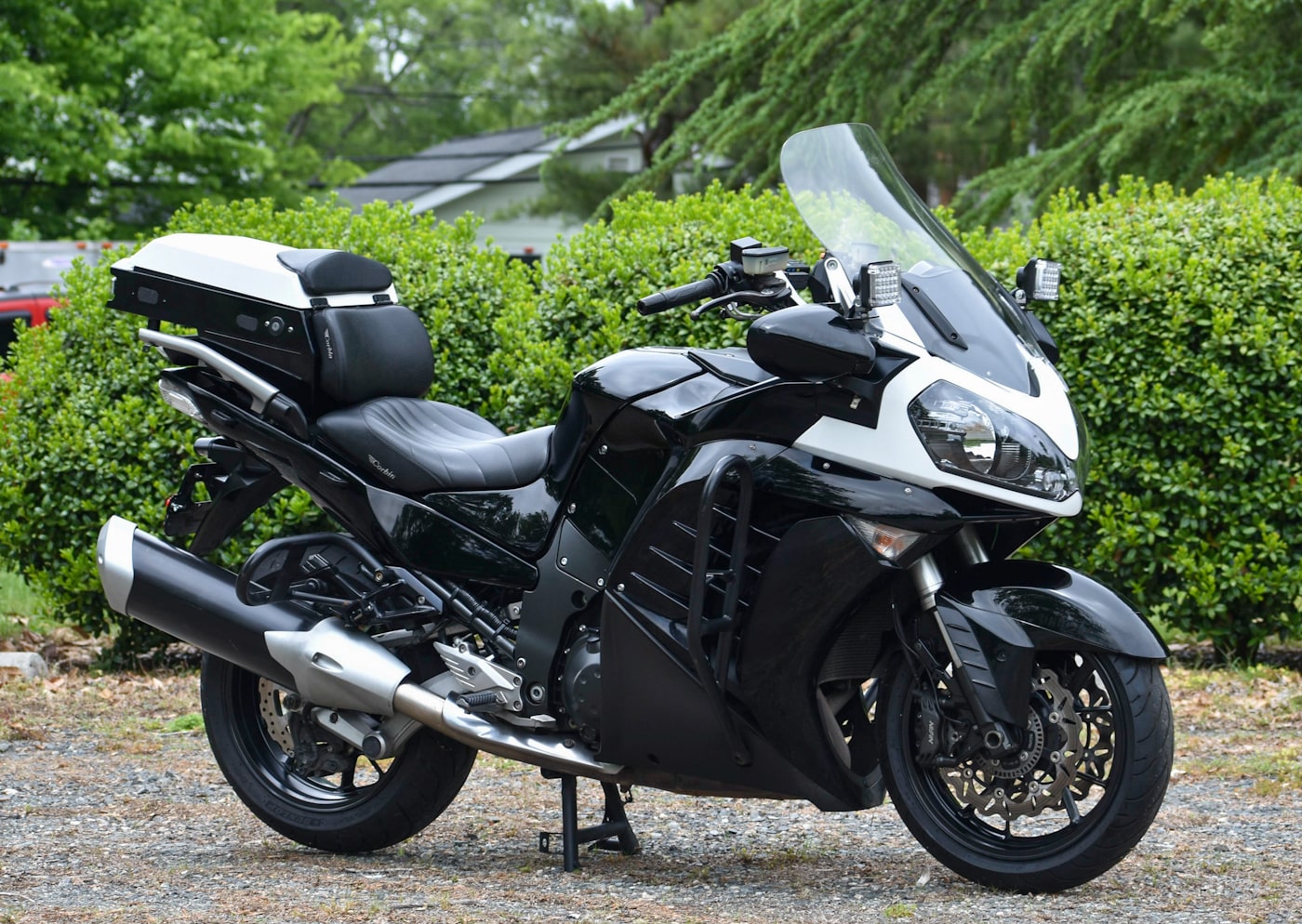
- Engine: 1,352cc liquid-cooled inline 4-cylinder engine
- Torque: 136 Nm (100 lb-ft) @ 6,200 rpm
- Horsepower: Approximately 158 hp @ 8,800 rpm
- Length: 2,230 mm (87.8 inches)
- Width: 790 mm (31.1 inches)
5. Kawasaki Concours 14
The Kawasaki Concours 14 is another sport touring motorcycle that has developed a reputation for impressive durability. Based on Kawasaki’s high-performance platform, the Concours 14 combines a powerful engine with touring features designed for long-distance travel.
Many owners have reported reaching 100,000 miles with proper maintenance, showing that a performance-oriented motorcycle can still provide excellent long-term reliability.
The motorcycle uses a 1,352cc inline-four engine derived from Kawasaki’s sport-focused engineering experience. This engine provides strong acceleration while maintaining the smooth operation needed for touring.
The use of shaft drive adds convenience for riders who travel frequently because it reduces routine maintenance compared with chain-driven systems. The strong frame and stable handling characteristics also make the Concours 14 suitable for long highway trips.
Maintenance plays a major role in the long-term success of the Concours 14. Owners who achieve high mileage usually follow recommended service schedules and pay attention to common wear items.
Brake components, tires, suspension parts, and electrical systems require replacement over time, but the main engine and drivetrain have shown strong durability. Regular inspections help prevent small issues from becoming expensive repairs.
Many riders appreciate the Concours 14 because it offers touring comfort without feeling slow or heavy. The motorcycle provides strong performance while still carrying luggage and handling extended trips. This balance attracts riders who want a practical touring machine that can cover large distances but still provide an enjoyable riding experience on winding roads.
The Concours 14’s owner history demonstrates that reliability is not limited to traditional touring motorcycles. A motorcycle with sport-oriented engineering can still achieve impressive mileage when designed with quality components and maintained properly.
For riders looking for a powerful sport touring machine capable of reaching six-digit mileage, the Concours 14 remains a strong candidate.
Touring Bikes That Often Struggle to Reach 100K Miles
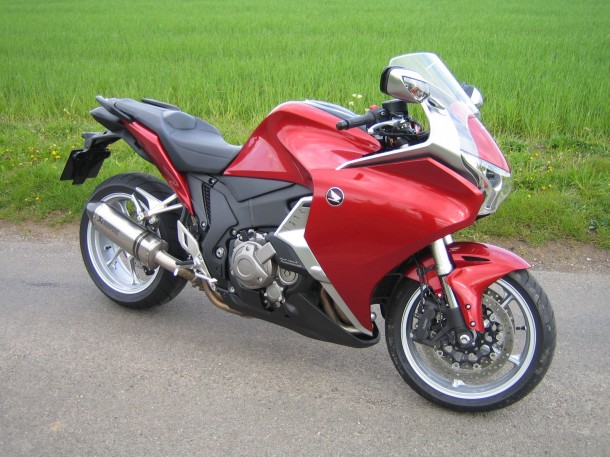
- Engine: 1,237cc liquid-cooled V4 engine
- Torque: 129 Nm (95 lb-ft) @ 8,750 rpm
- Horsepower: Approximately 172 hp @ 10,000 rpm (claimed crank output)
- Length: 2,250 mm (88.6 inches)
- Width: 755 mm (29.7 inches)
1. Honda VFR1200F
The Honda VFR1200F was designed as a sport touring motorcycle that combined performance with long-distance capability. It featured advanced engineering, including a powerful V4 engine and shaft drive system.
However, compared with some of Honda’s other long-lasting motorcycles, the VFR1200F has not developed the same reputation for extremely high mileage ownership. Some owners have reached impressive mileage numbers, but the model has faced challenges that can make reaching 100,000 miles less common.
One factor affecting the VFR1200F’s long-term ownership experience is its complex engineering. The motorcycle introduced advanced features and a sophisticated engine design that provided excellent performance but also increased maintenance requirements.
Components such as valve adjustments, electronic systems, and specialized parts can make long-term ownership more expensive compared with simpler motorcycles. Owners who maintain the bike carefully can still enjoy many years of service, but neglect can become costly.
The VFR1200F also entered a market where riders had many alternatives with stronger touring reputations. Some owners expected Honda-level reliability similar to models like the Gold Wing or older VFR motorcycles.
While the VFR1200F is generally considered a quality motorcycle, it did not develop the same widespread reputation for reaching extremely high mileage figures. Its focus on performance created a different ownership experience.
Reports from owners show mixed results. Some riders have crossed significant mileage milestones without major issues, while others have experienced expensive repairs before reaching 100,000 miles.
Factors such as riding style, maintenance quality, and usage conditions influence these outcomes. Motorcycles used aggressively or maintained poorly are more likely to experience problems earlier.
The Honda VFR1200F remains an impressive motorcycle with strong performance and engineering quality. However, when compared with touring machines specifically known for extreme longevity, it has a less consistent record. Riders searching for a motorcycle mainly for achieving very high mileage may prefer models with simpler designs and stronger long-term owner data.
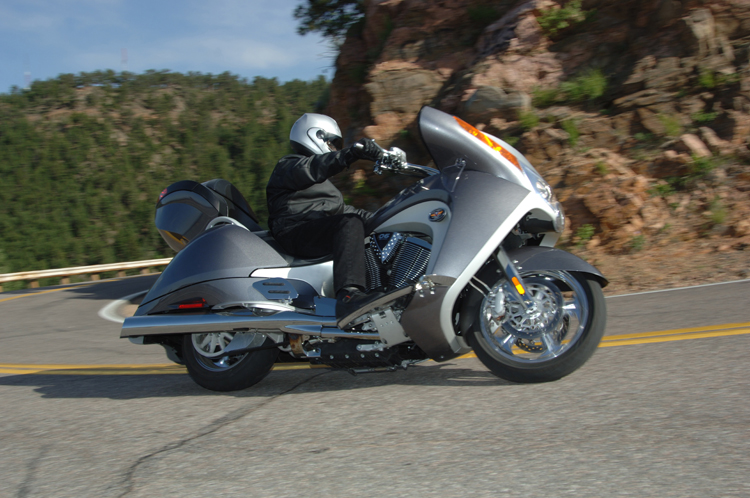
- Engine: 1,731cc Freedom 106 liquid-cooled V-twin engine
- Torque: Approximately 153 Nm (113 lb-ft) @ 3,000 rpm
- Horsepower: Approximately 97 hp
- Length: 2,660 mm (104.7 inches)
- Width: Approximately 1,020 mm (40.2 inches)
2. Victory Vision
The Victory Vision was an ambitious touring motorcycle created by Polaris Inc. under the Victory brand. It featured a distinctive design, large touring bodywork, and a powerful V-twin engine. Many owners appreciated its comfort, stability, and unique appearance. However, reaching 100,000 miles became more challenging because production ended when the Victory brand was discontinued.
The motorcycle itself had several strengths. Its Freedom 106 engine was known for producing strong torque and smooth performance.
Many owners praised the bike’s comfort during long-distance travel, especially its seating position, wind protection, and highway stability. With proper maintenance, some Vision motorcycles accumulated high mileage and continued operating reliably.
The biggest challenge for long-term ownership is parts availability and manufacturer support. When a motorcycle model is discontinued, obtaining certain specialized components can become more difficult over time.
Owners may need to search harder for replacement parts or depend on specialized suppliers. This situation does not necessarily mean the motorcycle is unreliable, but it can affect ownership convenience as the years pass.
The Vision’s large size also means that repairs and maintenance can sometimes require more time and effort. Touring motorcycles with extensive bodywork and additional features may involve more complicated servicing compared with simpler machines. Owners who understand the motorcycle and maintain it carefully can still achieve strong mileage results.
The Victory Vision remains an interesting example of a motorcycle that offered excellent touring ability but faced long-term ownership challenges.
Its engine and comfort features were respected by many riders, yet market support and discontinued production affected its reputation for reaching extremely high mileage.
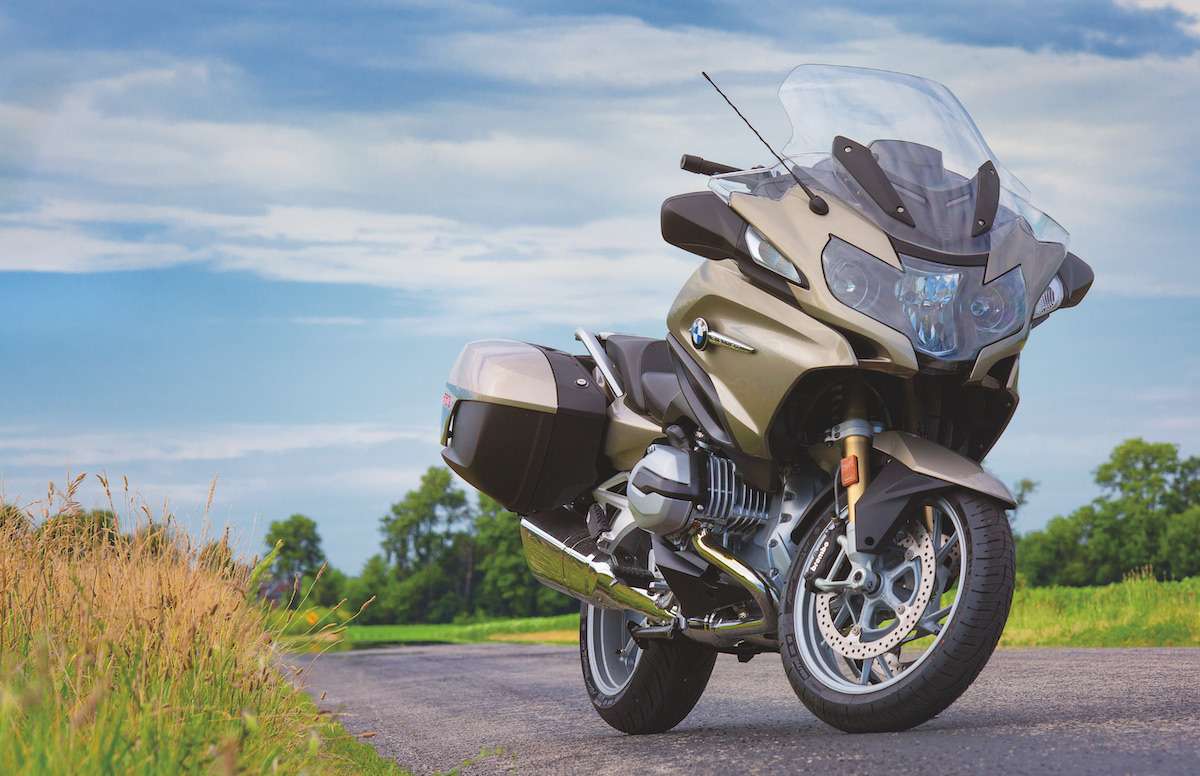
- Engine: 1,170cc air/liquid-cooled boxer twin engine (varies by generation)
- Torque: Approximately 125 Nm (92 lb-ft) @ 6,500 rpm
- Horsepower: Approximately 125 hp @ 7,750 rpm (LC models)
- Length: 2,222 mm (87.5 inches)
- Width: Approximately 985 mm (38.8 inches)
3. BMW R1200RT
The BMW R1200RT has long been considered a capable sport touring motorcycle with excellent comfort, handling, and technology.
Many riders choose it for long-distance travel because of its comfortable ergonomics, strong wind protection, and advanced features. However, when the discussion focuses specifically on consistently reaching 100,000 miles with minimal major repairs, owner experiences become more varied compared with some simpler touring motorcycles.
The R1200RT uses BMW’s well-known boxer twin engine design, which has been produced for decades and has many loyal followers. The engine provides strong low-end torque, balanced handling, and a unique riding experience.
Many examples have accumulated high mileage when owners follow maintenance schedules carefully. Regular oil changes, valve inspections, clutch servicing, and attention to electronic systems are important parts of keeping the motorcycle dependable over time.
The complexity of the R1200RT is both a strength and a challenge. Features such as electronic suspension, advanced braking systems, onboard computers, and integrated controls improve comfort and safety during touring. However, additional technology introduces more components that may require attention as the motorcycle ages.
Older motorcycles with complicated electronics can become more expensive to maintain compared with machines built around simpler mechanical systems.
Owner reports show that the R1200RT can achieve impressive mileage, but reaching 100,000 miles often depends heavily on maintenance quality and repair history. Riders who perform preventive maintenance and address issues early frequently report positive ownership experiences. Those who delay repairs may face larger expenses as multiple systems require attention at the same time.
The BMW R1200RT remains a respected touring motorcycle because of its comfort and riding ability. It is not considered unreliable, but its path to very high mileage can require more dedication than motorcycles with fewer electronic systems and simpler designs.
Riders who enjoy premium touring features may accept the additional maintenance requirements in exchange for the motorcycle’s excellent road manners.
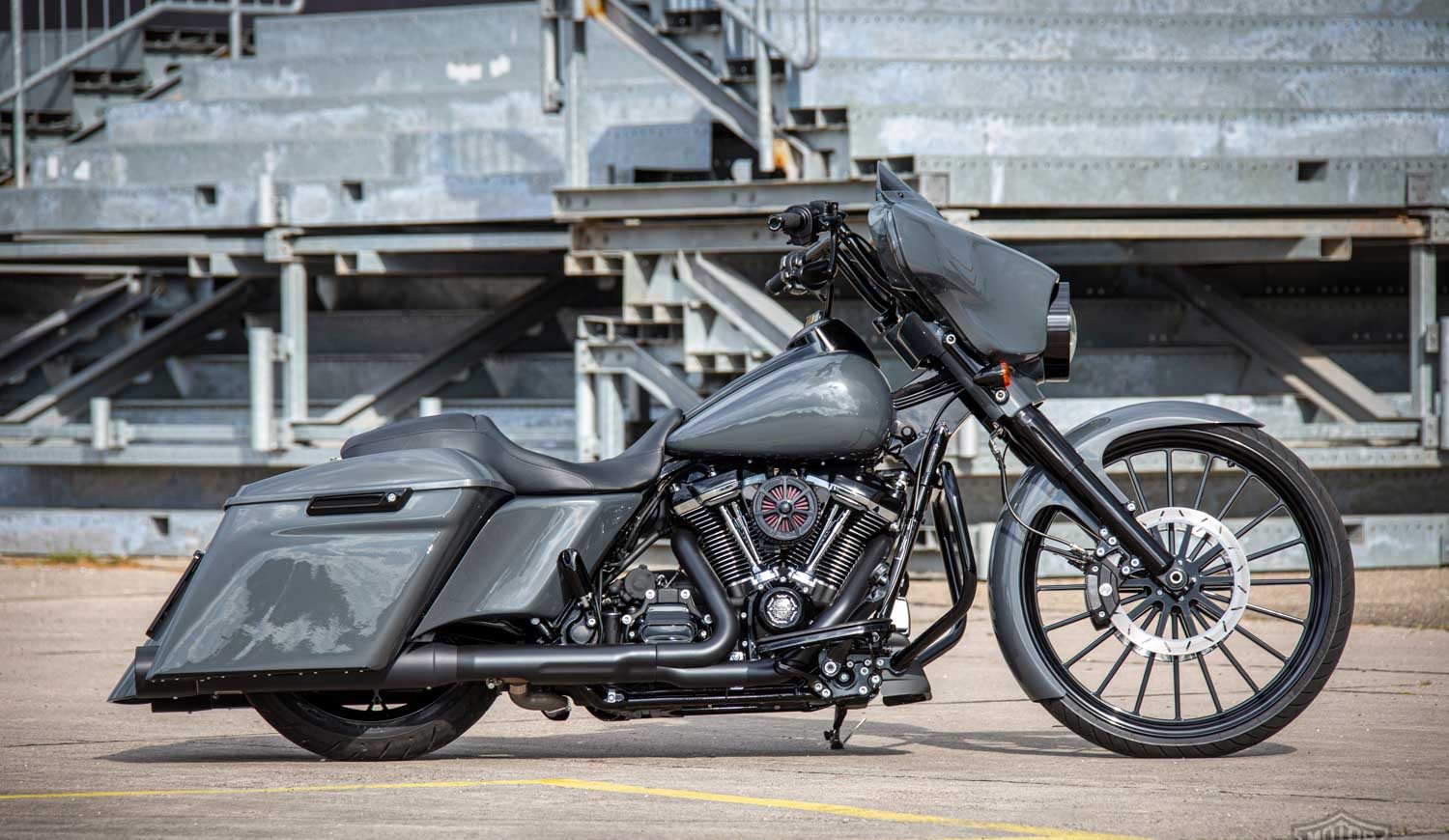
- Engine: 1,868cc Milwaukee-Eight 114 V-twin engine (varies by year)
- Torque: Approximately 164 Nm (121 lb-ft) @ 3,250 rpm
- Horsepower: Approximately 92 hp
- Length: Approximately 2,410 mm (94.9 inches)
- Width: Approximately 970 mm (38.2 inches)
4. Harley-Davidson Street Glide
The Harley-Davidson Street Glide is among the most recognizable touring motorcycles on the market. It has attracted thousands of riders who enjoy long-distance travel, customization options, and the traditional V-twin riding experience.
Many Street Glide owners have achieved high mileage, including examples exceeding 100,000 miles. However, compared with some touring motorcycles known specifically for extreme durability, the Street Glide has a more mixed record depending on model year, engine generation, and maintenance history.
The motorcycle’s popularity comes from its comfortable touring setup and strong aftermarket support. Riders can customize nearly every part of the motorcycle, from suspension components to seats and luggage systems.
This large owner community provides valuable knowledge about repairs and upgrades. Many long-term owners keep their motorcycles running for decades by replacing worn parts and improving areas that need attention.
Different generations of the Street Glide have experienced different reliability patterns. Some engines and components have performed exceptionally well, while certain years have been associated with specific mechanical concerns.
Issues involving cooling systems, electrical components, clutch systems, or internal engine parts have affected some owners. These problems do not affect every motorcycle, but they can influence whether a particular bike reaches six-digit mileage.
Maintenance habits play a major role in the Street Glide ownership experience. Riders who regularly service the motorcycle, monitor fluid levels, replace aging components, and avoid ignoring warning signs are more likely to achieve higher mileage. Touring motorcycles often carry heavy loads and travel long distances, which increases the importance of proper care.
The Street Glide remains a popular choice for riders who value comfort, style, and the Harley-Davidson experience.
While many examples have reached 100,000 miles, the motorcycle does not have the same universal reputation for reaching extreme mileage as some models with simpler engineering. Buying history, maintenance records, and individual care make a major difference in long-term results.
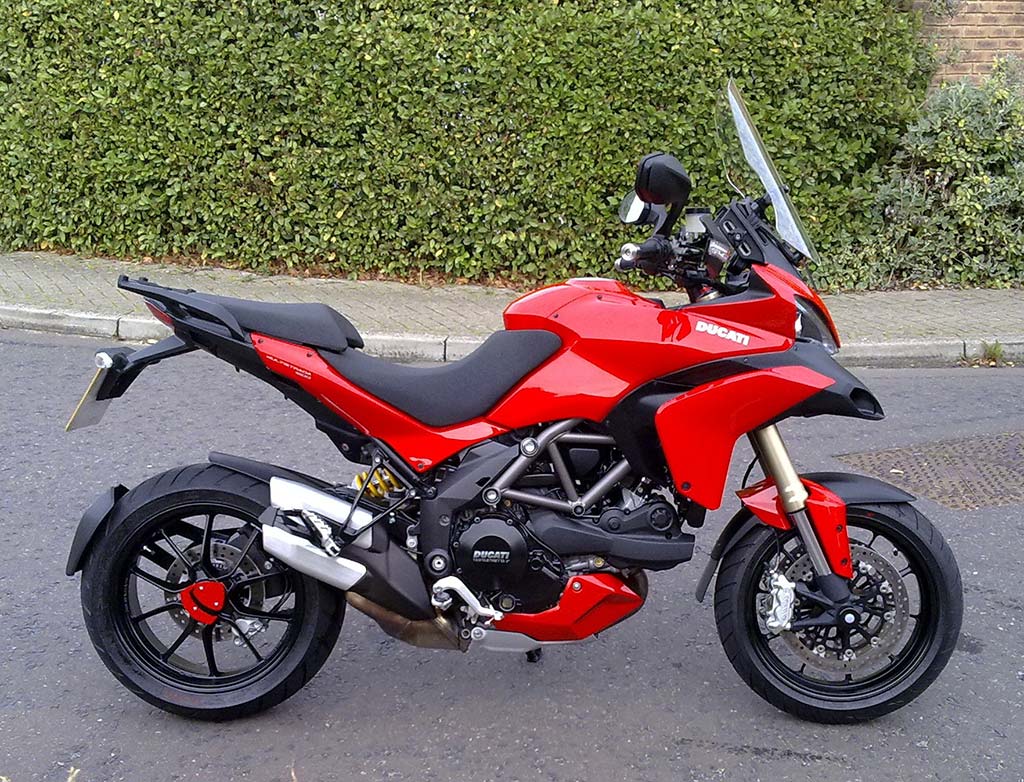
- Engine: 1,198cc liquid-cooled Testastretta V-twin engine
- Torque: Approximately 136 Nm (100 lb-ft) @ 7,500 rpm
- Horsepower: Approximately 160 hp @ 9,500 rpm
- Length: 2,200 mm (86.6 inches)
- Width: Approximately 1,000 mm (39.4 inches)
5. Ducati Multistrada 1200
The Ducati Multistrada 1200 brought a different approach to touring by combining adventure capability, sporty performance, and advanced technology.
It offered impressive engine performance, sharp handling, and modern electronics that attracted riders looking for a more exciting touring experience. However, achieving 100,000 miles on a Multistrada 1200 is generally less common compared with motorcycles designed primarily around long-term touring reliability.
The motorcycle’s Testastretta engine provides strong performance and a thrilling riding experience. Ducati designed the Multistrada around performance, which means the motorcycle requires careful maintenance to remain in excellent condition.
Service intervals, valve inspections, and proper use of quality fluids are especially important. Neglecting scheduled maintenance can lead to expensive repairs.
Ducati motorcycles are often appreciated for their engineering, character, and performance, but ownership typically requires more involvement than many Japanese touring motorcycles. Specialized servicing and replacement parts can increase long-term costs.
Riders who are committed to maintaining the motorcycle properly can enjoy many years of reliable use, but the ownership experience may not suit those seeking a low-maintenance machine.
Owner experiences with the Multistrada 1200 vary significantly. Some riders report strong reliability and successful long-distance touring, while others encounter costly repairs before reaching very high mileage. Riding style also influences longevity, as aggressive riding places additional stress on performance-focused components.
The Multistrada 1200 is an excellent example of a motorcycle designed around excitement and versatility rather than maximum mileage records.
It can handle touring duties and deliver outstanding performance, but riders searching for a machine specifically known for reaching 100,000 miles may find more predictable results with models built around simpler, proven touring platforms.
Also Read: 5 Cars With the Highest Theft Rates in California & 5 With Lowest