
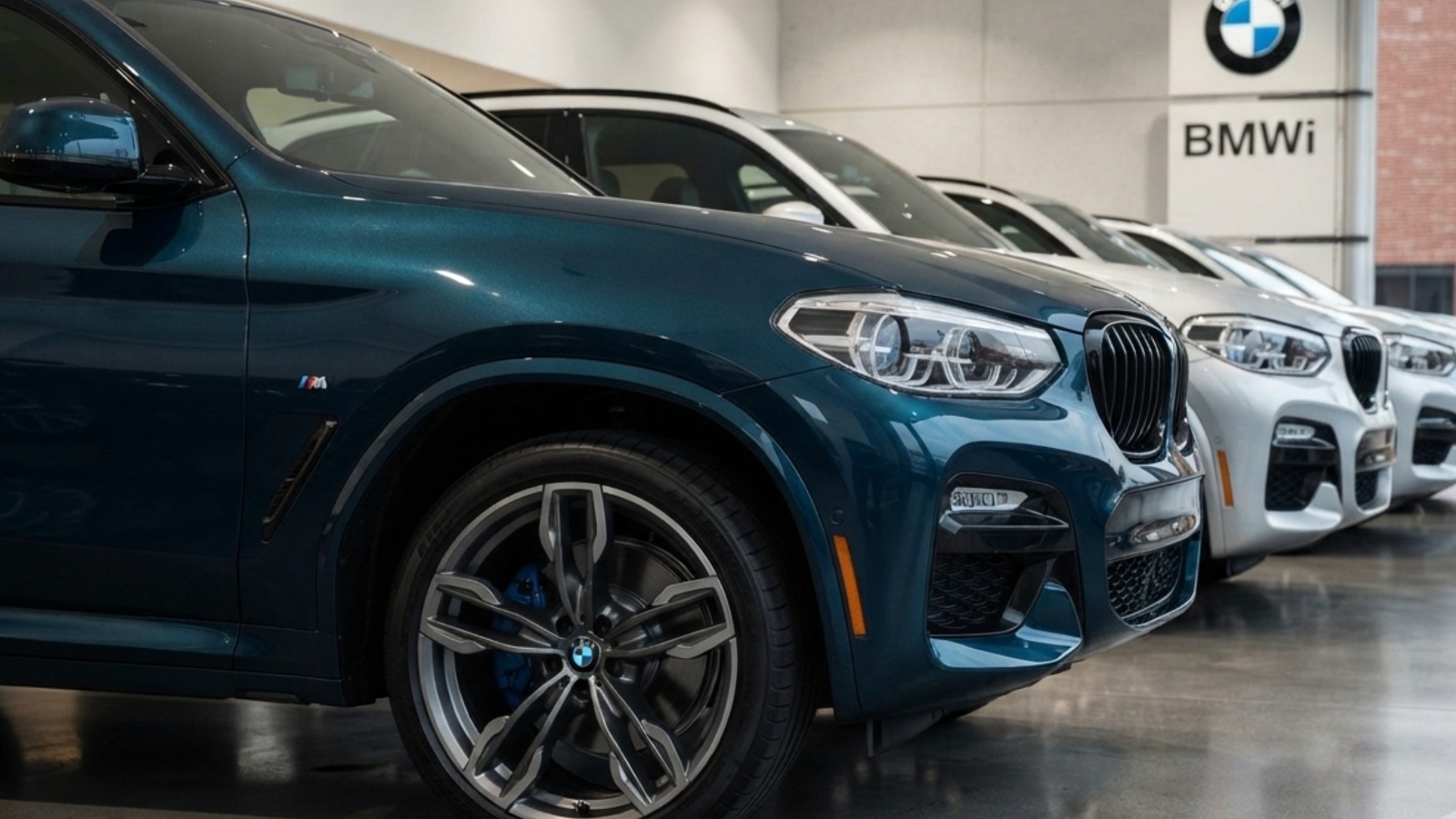
A Certified Pre-Owned (CPO) vehicle offers buyers added confidence because it has passed a manufacturer inspection and qualifies for an extended factory-backed warranty. However, not every used car can earn that certification.
Every automaker sets strict eligibility requirements covering vehicle age, mileage, title history, accident damage, recall completion, and mechanical condition. Once a vehicle falls outside those standards, an authorized dealer can no longer market it as certified pre-owned, even if it still drives well.
Understanding which vehicles commonly lose CPO eligibility helps buyers avoid confusion and better evaluate the difference between a certified vehicle and a standard used car.
Also Read: 8 Used Motorcycles Selling Above Original MSRP
1. 2018 Toyota Camry With a Salvage or Rebuilt Title
Many buyers assume a late-model Toyota Camry automatically qualifies for Certified Pre-Owned status because of its excellent reliability record. In reality, title history is one of the first factors reviewed during the certification process.
A Camry that has received a salvage, rebuilt, junk, flood, or similar branded title cannot be sold as a Toyota Certified Used Vehicle by an authorized Toyota dealer.
Manufacturer CPO programs are designed to reduce risk for both customers and the automaker. A salvage title indicates the vehicle was previously declared a total loss by an insurance company after sustaining significant collision, flood, fire, theft recovery, or other major damage.
Even when professionally repaired, the manufacturer cannot verify that every structural repair restored the vehicle to original factory specifications.
Toyota’s certification standards require a clean title history before a vehicle proceeds through the comprehensive inspection process. Structural integrity, air bag deployment history, electronic safety systems, and long-term durability become more difficult to guarantee after a vehicle has been declared a total loss.
Many rebuilt vehicles continue providing dependable transportation and may even pass independent inspections. That does not change their eligibility for manufacturer-backed certification. Dealers can still sell these vehicles as conventional used cars where permitted by state law, but they cannot advertise them as Toyota Certified Pre-Owned vehicles.
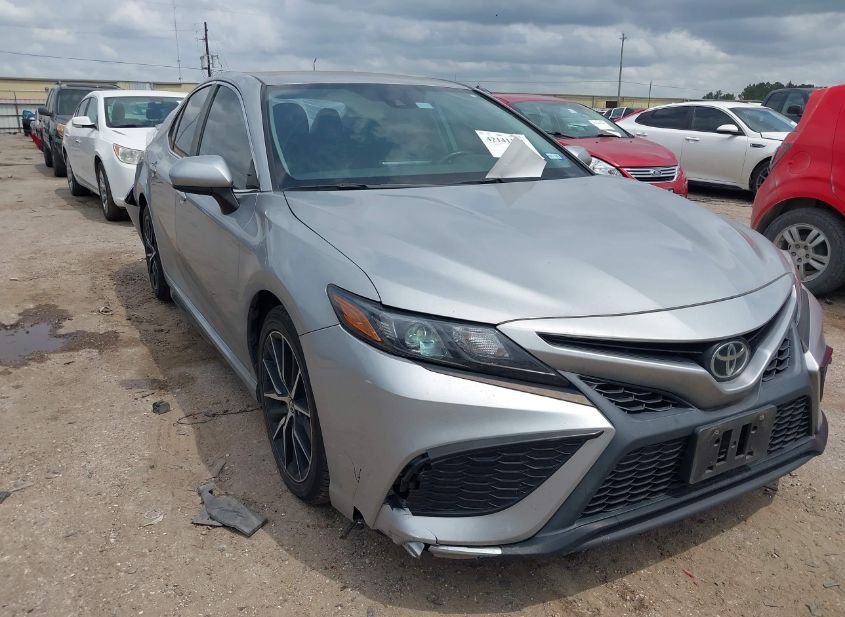
Before purchasing any used Camry, buyers should review the vehicle history report carefully. A lower purchase price may seem attractive, but losing factory-backed certification often means giving up warranty coverage, roadside assistance, and other benefits associated with the manufacturer’s CPO program.
Specifications
- Engine: 2.5-liter Inline Four
- Torque: 184 lb-ft
- Horsepower: 203 hp
- Length/Width: 192.1 inches / 72.4 inches
2. 2019 Honda CR-V With More Than 80,000 Miles
Mileage plays a critical role in every manufacturer’s Certified Pre-Owned program. The Honda CR-V remains one of America’s most popular compact SUVs, yet a well-maintained example can still become permanently ineligible for HondaTrue Certified or HondaTrue Certified+ once it exceeds the mileage limits established by Honda’s certification program.
Manufacturer-backed CPO programs are intended to cover relatively newer vehicles that still have a substantial remaining service life.
Although a properly maintained CR-V is capable of traveling well beyond 200,000 miles, higher mileage naturally increases wear on suspension components, wheel bearings, steering systems, climate control equipment, and numerous other mechanical parts.
Certification programs are designed to limit the manufacturer’s financial exposure while providing buyers with additional warranty protection.
Mileage limits vary depending on the specific Honda certification tier, but once a vehicle exceeds the program’s maximum allowable mileage, an authorized Honda dealer cannot certify it regardless of its cosmetic condition or maintenance history.
Even a one-owner CR-V with complete service records becomes ineligible once it passes the manufacturer’s threshold.
That does not mean the SUV is a poor purchase. High-mileage CR-V models often remain dependable daily drivers thanks to Honda’s reputation for long-term reliability. Buyers simply need to recognize that they are purchasing a standard used vehicle rather than one backed by Honda’s Certified Pre-Owned warranty and inspection program.
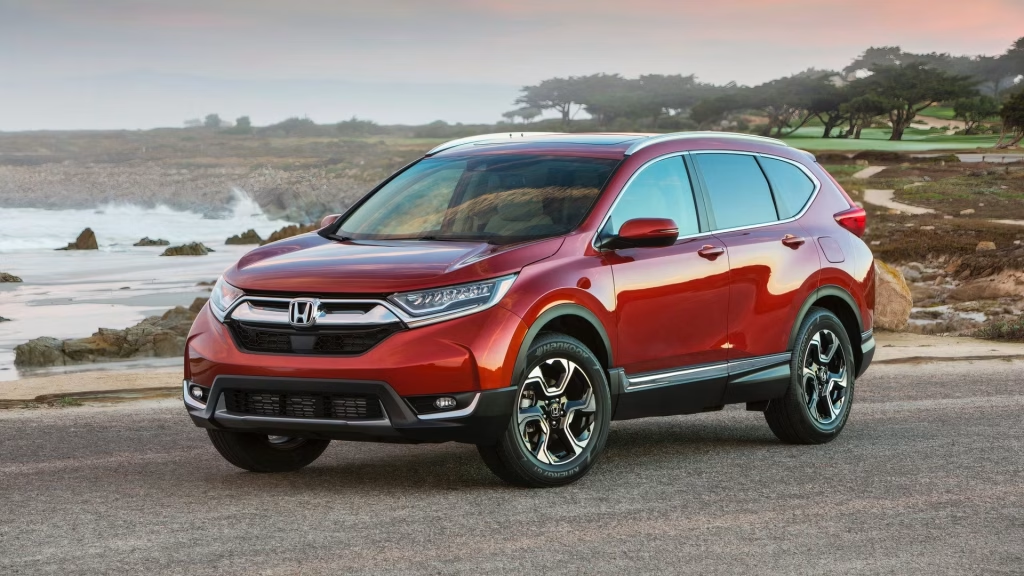
Anyone comparing certified and non-certified vehicles should consider the added value of factory warranty coverage alongside the purchase price. In many cases, paying slightly more for an eligible Certified Pre-Owned example provides greater peace of mind than choosing a higher-mileage alternative.
Specifications
- Engine: 1.5-liter Turbocharged Inline Four
- Torque: 179 lb-ft
- Horsepower: 190 hp
- Length/Width: 182.1 inches / 73.0 inches
3. 2020 Ford F-150 With an Unrepaired Safety Recall
A pickup truck can appear spotless, have low mileage, and include a complete maintenance history, yet still fail to qualify for Ford’s Certified Pre-Owned program. One of the most common reasons is an open safety recall.
Federal law prohibits dealers from selling a new vehicle with an unrepaired safety recall, and manufacturer-certified pre-owned programs also require eligible used vehicles to have all applicable recall repairs completed before certification.
The 2020 Ford F-150 serves as a good example because it has been involved in several recalls covering different production periods and equipment. Not every truck is affected by every recall, but any individual truck with an unresolved safety campaign cannot move through Ford’s certification process until the required repairs are completed.
Manufacturers include this requirement because a certified pre-owned vehicle is expected to meet current factory safety standards.
If an inspection identifies an outstanding recall involving airbags, brakes, electrical systems, powertrain components, or another safety-related issue, the dealer must complete the repair before the vehicle can receive certified status.
Fortunately, recall repairs are generally performed at no charge by authorized dealerships. Once the repair has been completed and documented, the vehicle may again qualify for certification if it continues to satisfy every other eligibility requirement, including age, mileage, title history, and mechanical inspection standards.
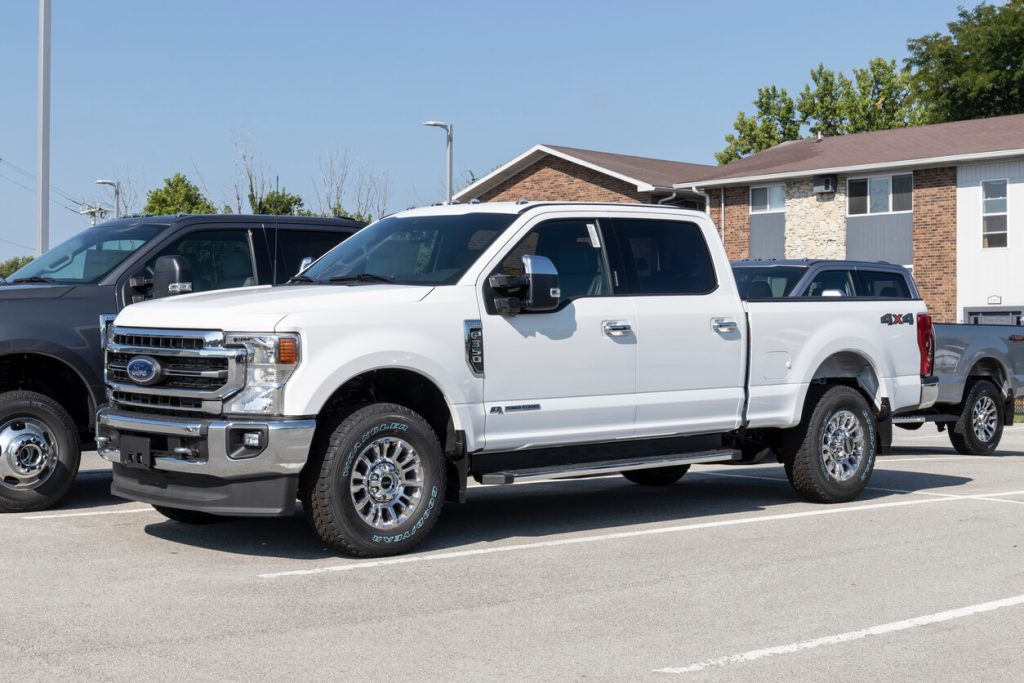
For buyers, checking the Vehicle Identification Number before signing any paperwork remains a smart habit. A truck advertised as certified should already have completed recall repairs, while a non-certified example may still require manufacturer service before it meets factory standards.
Specifications
- Engine: 2.7-liter EcoBoost Twin Turbo V6
- Torque: 400 lb-ft
- Horsepower: 325 hp
- Length/Width: 231.9 inches / 79.9 inches
4. 2017 BMW 530i With Major Structural Accident Damage
Luxury sedans often maintain strong resale values when properly maintained, but structural accident history can permanently remove them from manufacturer-certified pre-owned eligibility.
The BMW 530i illustrates this well because BMW’s CPO program requires vehicles to meet strict standards regarding previous damage, repair quality, and title condition.
A major collision involving the vehicle’s frame or unibody structure raises concerns that extend beyond cosmetic appearance. Modern vehicles are engineered with carefully designed crumple zones that absorb crash energy in a controlled manner.
If these structural areas sustain severe damage, even high-quality repairs may not fully restore the vehicle to its original factory crash performance.
During the certification process, BMW technicians perform detailed inspections covering body structure, suspension alignment, electronic systems, and mechanical components. Evidence of significant structural repairs, improper welds, frame straightening, or collision damage can prevent the vehicle from qualifying for Certified Pre-Owned status.
It is important to distinguish between minor cosmetic repairs and major structural damage. Replacing a bumper cover or repainting a fender after a small parking lot incident does not automatically eliminate certification eligibility.
The concern involves accidents that compromise the vehicle’s structural integrity or result in branded title history.
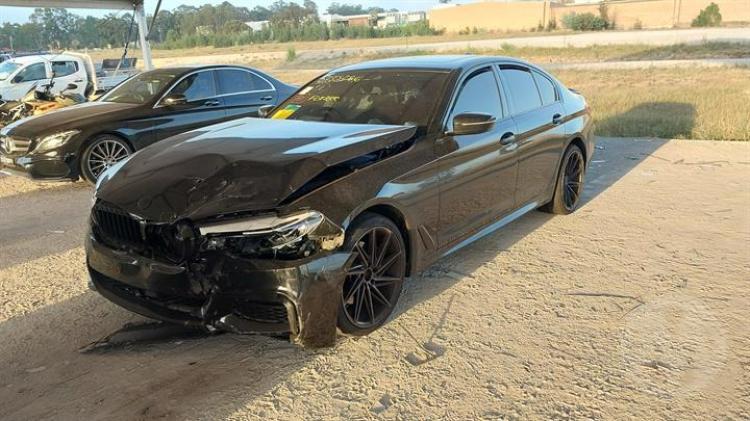
A repaired BMW 530i can still provide years of dependable service and may pass independent inspections. It simply cannot receive the additional factory warranty and certification benefits if it no longer satisfies BMW’s strict standards.
Buyers considering any luxury used vehicle should review the accident history carefully. Factory certification adds value because it reflects not only mechanical condition but also compliance with the manufacturer’s structural inspection requirements.
Specifications
- Engine: 2.0-liter Turbocharged Inline Four
- Torque: 258 lb-ft
- Horsepower: 248 hp
- Length/Width: 194.6 inches / 73.5 inches
5. 2021 Chevrolet Tahoe With Unauthorized Performance Modifications
Many full-size SUVs receive aftermarket upgrades shortly after purchase, ranging from suspension lifts to engine tuning and oversized wheels.
While these changes may suit an individual owner’s preferences, they can prevent the vehicle from qualifying for Chevrolet’s Certified Pre-Owned program. A 2021 Chevrolet Tahoe equipped with significant unauthorized performance modifications is a good example.
Manufacturer CPO programs are intended for vehicles that remain substantially consistent with factory engineering specifications. During the certification inspection, technicians evaluate not only mechanical condition but also whether the vehicle has been altered in ways that could affect reliability, emissions compliance, or warranty eligibility.
An aftermarket engine calibration, modified suspension, oversized tires beyond factory recommendations, non-approved exhaust components, or other major performance upgrades may disqualify the vehicle from certification.
The reason is straightforward. Chevrolet cannot extend factory-backed Certified Pre-Owned warranty coverage to a vehicle whose operating characteristics differ significantly from those validated during engineering and durability testing.
Some modifications can be reversed before certification. Reinstalling factory suspension components, wheels, engine software, or emissions equipment may allow the Tahoe to qualify again if no permanent damage occurred.
Other modifications, particularly those involving structural alterations or extensive drivetrain changes, may permanently affect eligibility.
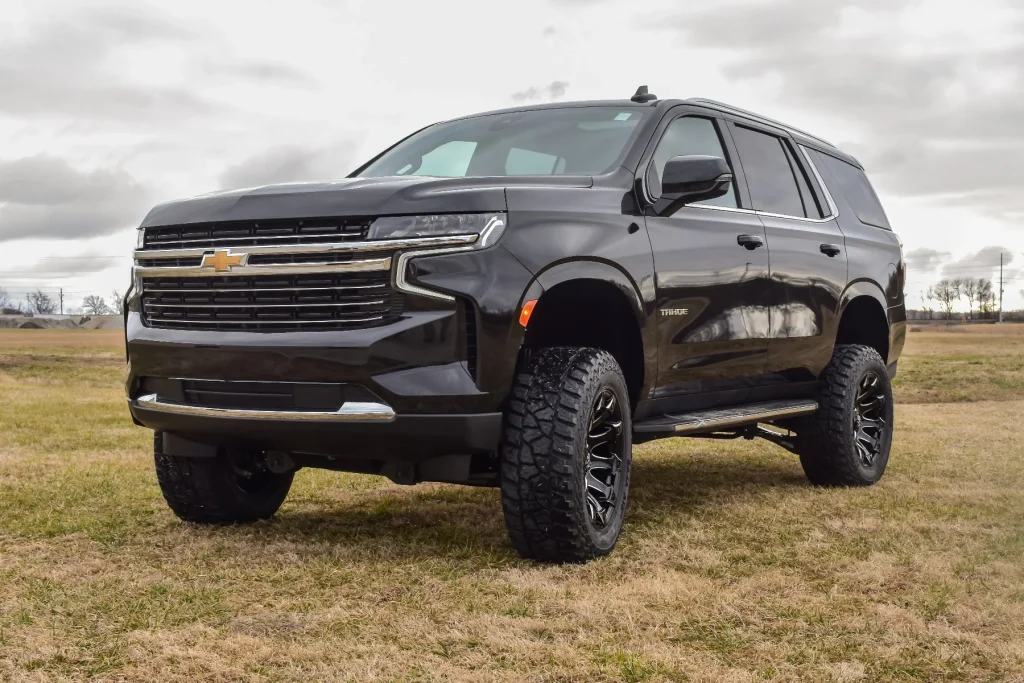
It is important to recognize that not every accessory creates a problem. Dealer-installed floor mats, cargo organizers, splash guards, or manufacturer-approved accessories generally do not interfere with certification. The concern centers on modifications that change vehicle performance, safety systems, or emissions characteristics.
For shoppers interested in a Certified Pre-Owned Tahoe, verifying that the SUV retains its factory configuration provides greater confidence that the vehicle will qualify for Chevrolet’s inspection standards and accompanying warranty benefits.
Specifications
- Engine: 5.3-liter EcoTec3 V8
- Torque: 383 lb-ft
- Horsepower: 355 hp
- Length/Width: 210.7 inches / 81.0 inches
6. 2019 Lexus RX 350 Beyond the Manufacturer’s Age Limit
Vehicle age is another requirement that often surprises used-car buyers. A Lexus RX 350 may remain exceptionally reliable after a decade of service, yet it can still become permanently ineligible for Lexus Certified status once it exceeds the manufacturer’s maximum age requirement.
Every Certified Pre-Owned program establishes age limits because factory-backed warranties are designed for relatively recent vehicles.
As a vehicle grows older, natural wear affects suspension bushings, steering components, electronic modules, climate control systems, seals, and countless other parts. Even when maintenance has been meticulous, the probability of age-related repairs gradually increases.
Lexus certification combines a comprehensive inspection with warranty coverage supported by the manufacturer. To manage long-term warranty costs while maintaining consistent quality standards, only vehicles within specified model-year limits are accepted into the program.
Once an RX 350 exceeds that threshold, an authorized Lexus dealer cannot certify it regardless of mileage, cosmetic appearance, or ownership history.
This does not diminish the RX 350’s reputation for durability. Many examples continue operating reliably well beyond 200,000 miles with proper maintenance. The distinction lies solely in eligibility for manufacturer-backed certification, not in the vehicle’s ability to provide dependable transportation.
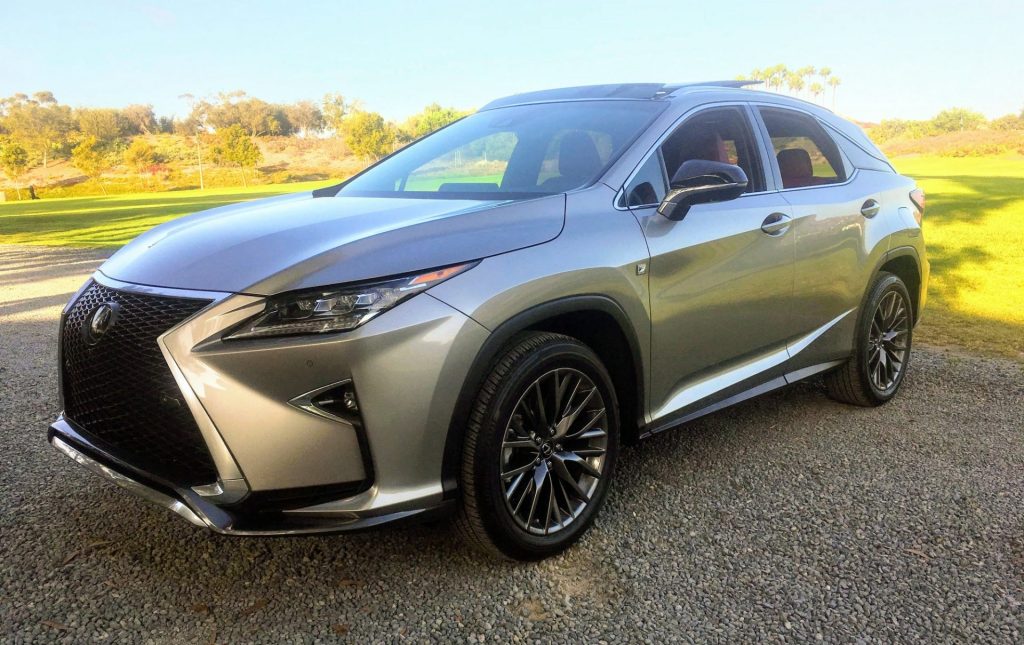
Buyers comparing older Lexus SUVs should weigh the value of factory warranty protection against the lower purchase price of a non-certified vehicle.
In many cases, a slightly newer Certified Pre-Owned model offers additional peace of mind through extended warranty coverage, roadside assistance, and documented inspection standards.
Specifications
- Engine: 3.5-liter V6
- Torque: 267 lb-ft
- Horsepower: 295 hp
- Length/Width: 192.5 inches / 74.6 inches
7. 2020 Mercedes-Benz E 350 With Incomplete Maintenance History
Luxury vehicles are built with advanced engineering and sophisticated technology, but they also require regular maintenance to perform as intended.
The Mercedes-Benz E 350 is a good example. Even if the sedan appears immaculate inside and out, an incomplete or undocumented maintenance history can prevent it from qualifying for the Mercedes-Benz Certified Pre-Owned program.
Manufacturer certification goes beyond checking whether a vehicle currently drives well. Dealers review service records to verify that scheduled maintenance has been performed according to factory recommendations.
Oil changes, transmission servicing where applicable, brake fluid replacement, coolant maintenance, and other required services contribute to long-term reliability. Missing documentation creates uncertainty because technicians cannot confirm whether these procedures were completed properly or on time.
Mercedes-Benz also conducts a comprehensive multi-point inspection before granting Certified Pre-Owned status.
If maintenance records reveal skipped services or if the inspection identifies evidence of neglect, the dealership may decide not to certify the vehicle until necessary repairs and maintenance have been completed. In some situations, the vehicle may never qualify if its history cannot be verified.
This requirement benefits buyers because certified pre-owned vehicles include factory-backed warranty protection. Mercedes-Benz wants confidence that each certified vehicle has received proper care throughout its ownership.
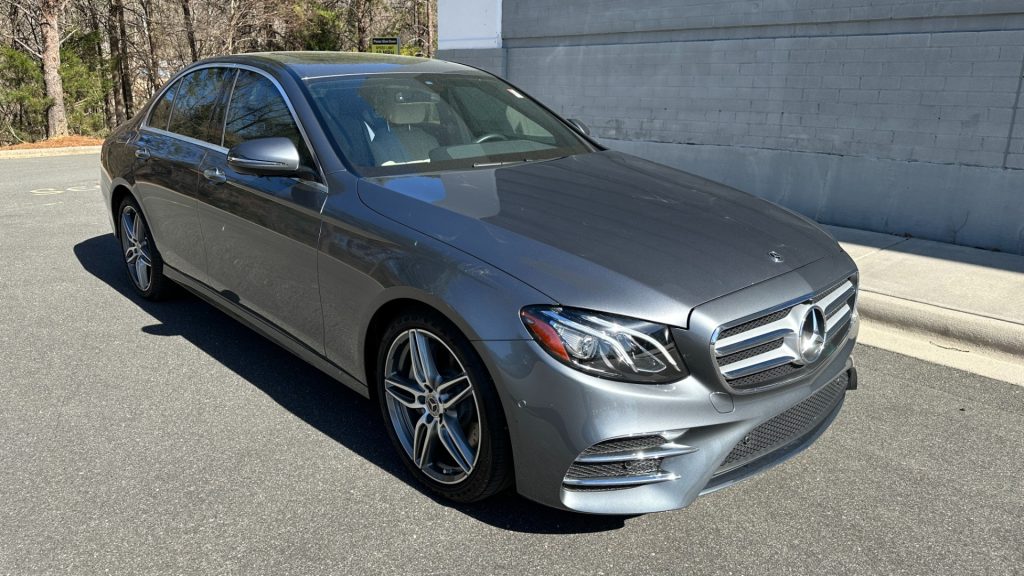
A non-certified E-350 should not automatically be considered a poor purchase. Independent inspections may show that the car remains mechanically sound despite incomplete records. Buyers simply need to recognize that they will not receive the additional warranty benefits and factory assurances associated with the Certified Pre-Owned program.
Reviewing service documentation before purchasing any luxury vehicle is one of the most effective ways to reduce future ownership surprises.
Specifications
- Engine: 2.0-liter Turbocharged Inline Four
- Torque: 273 lb-ft
- Horsepower: 255 hp
- Length/Width: 194.3 inches / 73.7 inches
8. 2018 Subaru Outback With Severe Interior or Cosmetic Damage
Certified pre-owned programs evaluate much more than engines and transmissions. Cosmetic condition also plays an important role because manufacturers expect certified vehicles to reflect a high standard of ownership.
A 2018 Subaru Outback with severe interior damage or poor exterior condition may therefore fail to qualify for Subaru’s Certified Pre-Owned program even if it remains mechanically dependable.
During the certification process, dealership technicians inspect upholstery, dashboard components, carpeting, paint condition, body panels, glass, wheels, trim, and numerous other cosmetic items.
Torn leather seats, significant stains, broken interior panels, cracked dashboards, extensive paint damage, or heavy body corrosion can all prevent certification until repairs are completed.
The reasoning is straightforward. Certified Pre-Owned vehicles are marketed as premium used vehicles backed by manufacturer warranties and inspection standards. Customers paying a premium price reasonably expect both mechanical reliability and attractive cosmetic condition.
Some cosmetic concerns can be corrected economically. Professional paint repair, wheel refinishing, upholstery restoration, or replacement trim pieces may allow the vehicle to satisfy certification requirements. However, if repair costs become excessive relative to the vehicle’s value, a dealer may instead choose to sell the Outback as a conventional used vehicle.
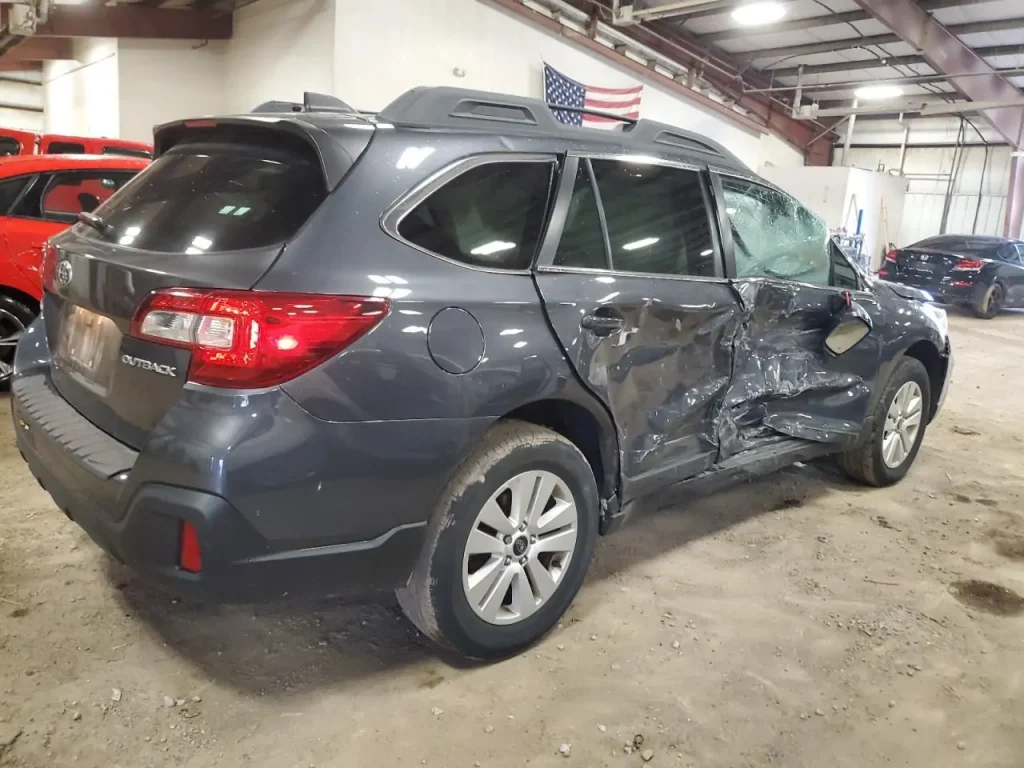
It is important to distinguish cosmetic condition from structural damage. Cosmetic wear generally affects certification because of appearance standards, while structural damage introduces additional safety considerations that may permanently eliminate eligibility.
For buyers, a clean and well-maintained interior often reflects careful ownership habits, making it a valuable indicator when comparing similar used vehicles.
Specifications
- Engine: 2.5-liter Boxer Four
- Torque: 174 lb-ft
- Horsepower: 175 hp
- Length/Width: 189.6 inches / 72.4 inches
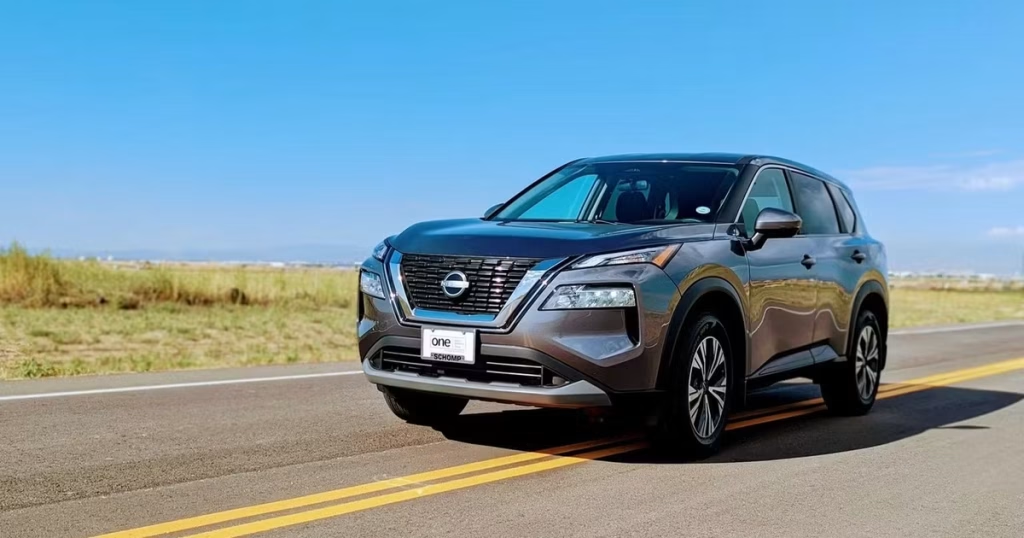
9. 2022 Nissan Rogue Previously Used as a Rental Fleet Vehicle
Many manufacturer Certified Pre-Owned programs place restrictions on vehicles that have spent their early lives in commercial service. A 2022 Nissan Rogue that previously served in a large rental fleet illustrates this situation.
Although rental vehicles are often maintained on schedule, some manufacturers limit or exclude certain commercial-use vehicles from certification because of their ownership history.
Rental vehicles typically experience frequent driver changes, varying driving habits, and higher-than-average annual mileage during the first few years of service.
Even when maintenance records are complete, manufacturers may determine that commercial fleet use does not align with the standards established for their Certified Pre-Owned programs.
Dealers review vehicle history reports during the certification process. If the report identifies prior fleet, rental, taxi, or commercial service that falls outside program guidelines, the vehicle may become ineligible for certification despite passing the mechanical inspection.
This does not necessarily indicate poor reliability. Many rental Rogues provide years of dependable transportation after leaving fleet service. The distinction concerns eligibility for factory-backed certification rather than the vehicle’s basic quality.
Buyers considering an ex-rental vehicle should compare the lower purchase price with the value of a Certified Pre-Owned warranty. For some shoppers, the savings outweigh the absence of certification, while others prefer the additional protection offered by a manufacturer-backed program.
Understanding how previous ownership affects certification helps buyers make more informed decisions when comparing similarly equipped used SUVs.
Specifications
- Engine: 1.5-liter Turbocharged Three-Cylinder
- Torque: 225 lb-ft
- Horsepower: 201 hp
- Length/Width: 183.0 inches / 72.4 inches
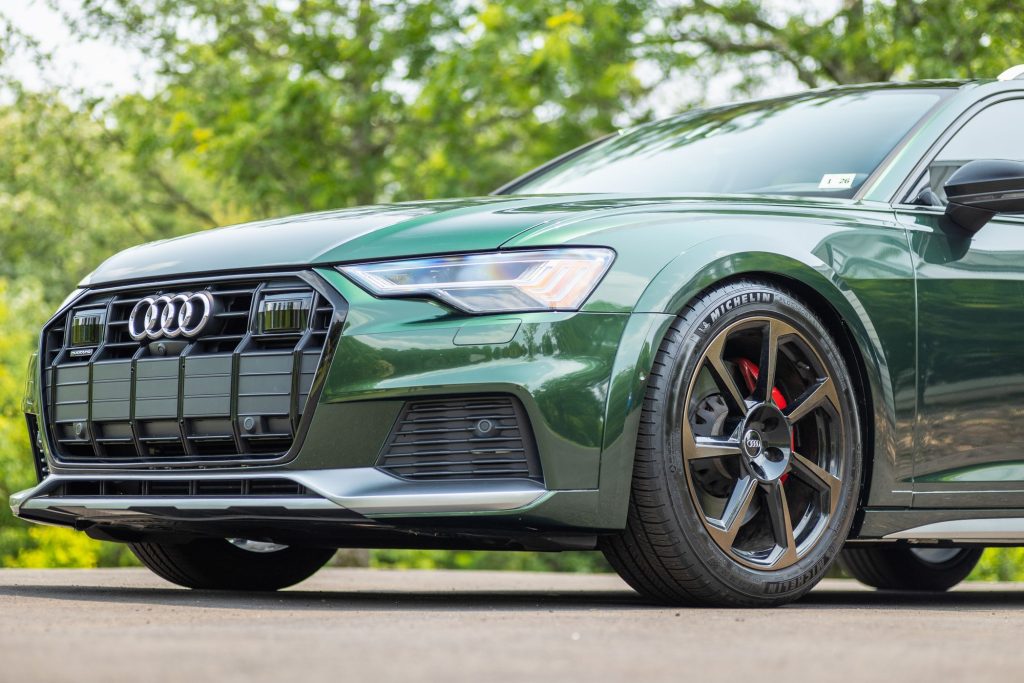
10. 2021 Audi A6 With Non-Factory Replacement Parts
Modern luxury vehicles rely on precisely engineered components that work together to deliver the performance, refinement, and safety expected by buyers.
A 2021 Audi A6 fitted with significant non-factory replacement parts may lose eligibility for Audi’s Certified Pre-Owned program because the vehicle no longer conforms to factory specifications.
During the certification inspection, Audi technicians evaluate whether major mechanical, structural, and safety-related components meet manufacturer standards. Aftermarket suspension assemblies, non-approved braking components, replacement body panels of questionable quality, or electrical modifications can all raise concerns.
Even if these parts function properly, Audi cannot guarantee they perform identically to original equipment during long-term use.
Manufacturer-backed warranties also influence these decisions. Extending warranty coverage to vehicles containing unknown aftermarket components introduces uncertainty regarding future reliability and repair responsibility. As a result, dealerships frequently require original equipment parts to be reinstalled before certification is considered.
Not every replacement part creates a problem. Routine maintenance items such as batteries, tires, brake pads, or filters from reputable manufacturers are commonly accepted when they meet factory specifications. The concern centers on components that materially change vehicle operation, safety performance, or engineering characteristics.
Buyers seeking a certified pre-owned Audi should verify that the vehicle remains substantially factory-original. Doing so increases the likelihood of receiving the inspection quality, warranty coverage, and ownership benefits that distinguish certified vehicles from ordinary used inventory.
Specifications
- Engine: 2.0-liter Turbocharged Inline Four
- Torque: 273 lb-ft
- Horsepower: 261 hp
- Length/Width: 194.4 inches / 74.3 inches
