
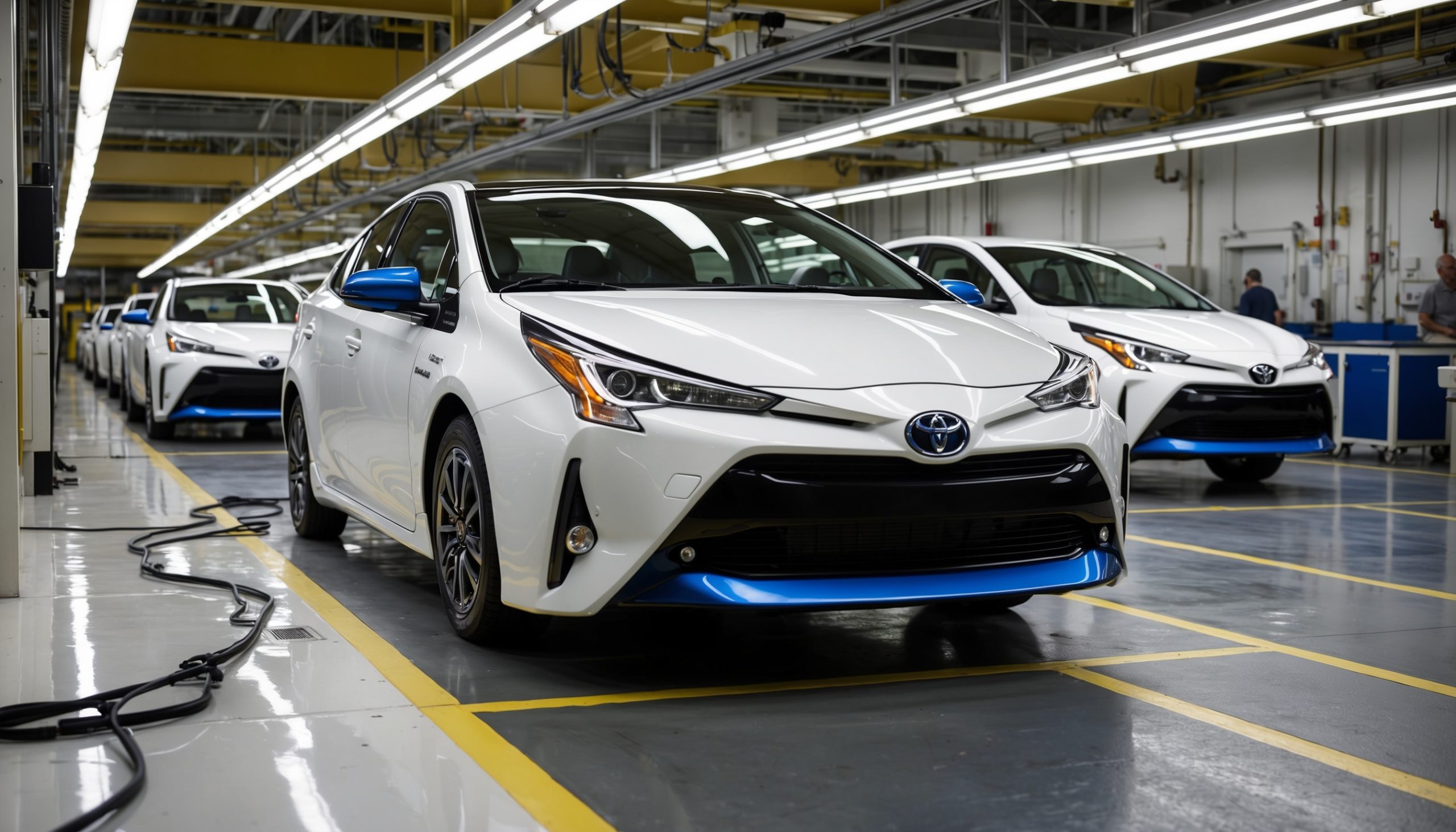
Toyota is expanding its global hybrid vehicle production capacity after demand for gasoline-electric models continued to surpass expectations in key markets, particularly North America and Europe.
The decision reinforces the Japanese automaker’s long-standing multi-powertrain strategy, which combines hybrids, plug-in hybrids, battery-electric vehicles, hydrogen fuel cell technology, and conventional internal combustion engines rather than relying on a single path toward lower emissions.
The announcement comes as hybrid vehicles enjoy renewed popularity worldwide. While battery-electric vehicle adoption continues to grow, many consumers are choosing hybrids because they offer improved fuel efficiency, lower emissions, and familiar refueling convenience without requiring access to charging infrastructure.
Rising interest in hybrid technology has prompted several automakers to reassess production plans, but Toyota remains uniquely positioned due to its decades of experience in hybrid engineering.
According to Reuters, Toyota plans to increase hybrid vehicle production to better meet sustained demand across major global markets.
The company said orders for hybrid models have remained stronger than anticipated, particularly in North America and Europe, where buyers continue seeking fuel-efficient vehicles amid changing economic conditions and evolving emissions regulations.
By increasing production capacity, Toyota aims to shorten delivery times and better align manufacturing output with customer demand.
Also Read: 8 SUVs With Cargo Floors Too High to Load
Strong Consumer Demand Drives Production Expansion
Toyota’s latest decision reflects a significant shift in consumer purchasing behavior. Although electric vehicles remain an important part of the automotive industry’s future, many buyers are opting for hybrids as a practical transition toward lower-emission transportation.
Hybrids eliminate range anxiety, require no changes to refueling habits, and typically deliver substantially better fuel economy than comparable gasoline-powered vehicles.
According to Reuters, demand for Toyota’s hybrid lineup has consistently exceeded company forecasts in several important markets.
Popular models including the Prius, Camry Hybrid, Corolla Hybrid, RAV4 Hybrid, Highlander Hybrid, and other electrified vehicles have experienced sustained demand, leading Toyota to increase manufacturing capacity.
Executives indicated that expanding production will help reduce waiting periods for customers while ensuring dealers have improved inventory availability.
Industry analysts note that strong hybrid demand has become one of Toyota’s greatest competitive advantages during a period when many manufacturers are adjusting their electrification strategies.
Unlike several competitors that have focused primarily on battery-electric vehicles, Toyota has consistently argued that different markets require different technologies.
The company’s multi-powertrain strategy includes conventional gasoline engines, self-charging hybrids, plug-in hybrids, battery-electric vehicles, hydrogen fuel cell vehicles, and alternative low-carbon fuels.
Toyota executives have repeatedly stated that global infrastructure, energy availability, consumer preferences, and government regulations vary considerably between regions. As a result, offering multiple propulsion technologies allows the company to reduce emissions while giving customers greater flexibility.
According to Reuters, the latest production expansion demonstrates Toyota’s continued confidence in that strategy. Rather than reducing hybrid investment as EV sales increase, the company is responding directly to consumer demand by allocating additional manufacturing resources to electrified models that buyers are actively purchasing today.
The approach has helped Toyota maintain strong sales across multiple global markets while avoiding dependence on a single propulsion technology.
Hybrids Remain a Core Strength for Toyota
Toyota’s leadership in hybrid technology stretches back nearly three decades. The company introduced the original Prius in 1997, making it the world’s first mass-produced hybrid passenger car.
At a time when hybrid technology remained largely experimental, Toyota invested heavily in developing reliable electric motors, battery systems, regenerative braking, and sophisticated power management software.
Since then, Toyota has sold tens of millions of hybrid vehicles worldwide. According to Toyota, its hybrid technology has expanded across nearly every major vehicle category, from compact hatchbacks and family sedans to SUVs, crossovers, pickup trucks, and luxury Lexus models.
Years of continuous engineering refinement have improved battery durability, system efficiency, driving performance, and manufacturing costs, allowing hybrid technology to become increasingly affordable across multiple price segments.
This experience provides Toyota with a significant advantage as global demand for hybrids continues to accelerate.
According to Reuters, North America and Europe remain two of the strongest markets driving Toyota’s latest production increase.
In the United States, consumers continue facing higher fuel prices compared with previous years while also showing growing interest in environmentally conscious transportation. Many buyers appreciate hybrids because they reduce fuel consumption without requiring changes to daily driving routines. Europe presents a similar opportunity.
Tighter emissions regulations, expanding low-emission zones in major cities, and higher fuel costs have encouraged many consumers to transition toward electrified vehicles. While battery-electric vehicles continue gaining market share, hybrids remain attractive to drivers who travel long distances or lack convenient home charging.
Toyota believes increasing production will help satisfy demand in both regions while maintaining competitive delivery times.
The company is also expected to continue expanding hybrid availability in additional international markets where electrification is progressing at different speeds.
Increasing hybrid production requires more than simply assembling additional vehicles. Toyota must also expand battery supply, electric motor manufacturing, power electronics production, and specialized transmission capacity.
According to Reuters, the company plans to adjust manufacturing operations to support increased hybrid output while maintaining flexibility across multiple vehicle programs.
Industry experts note that Toyota’s global manufacturing network provides an important advantage. The company’s production system allows factories to adapt relatively quickly as customer demand shifts between gasoline, hybrid, plug-in hybrid, and electric models.
This flexibility reduces manufacturing risk while improving operational efficiency. Toyota has also continued investing in battery production partnerships and component manufacturing to support future electrification growth.
Hybrids Continue Delivering Real-World Benefits
One reason hybrids remain popular is their ability to improve efficiency without fundamentally changing the ownership experience.
Unlike battery-electric vehicles, hybrids do not require charging stations because the battery is automatically recharged through regenerative braking and the gasoline engine.
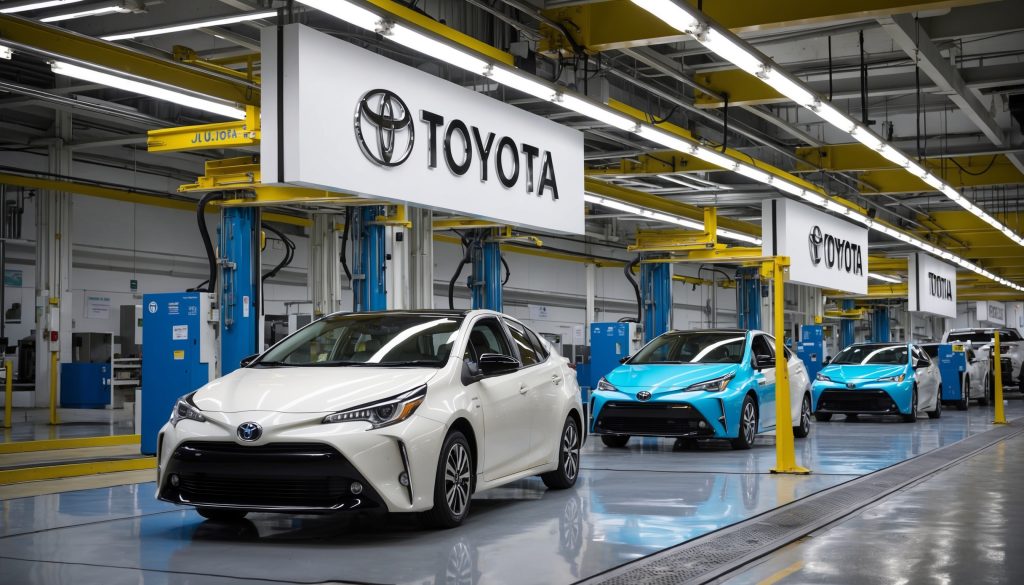
Toyota’s latest hybrid systems seamlessly switch between electric power, gasoline power, or a combination of both depending on driving conditions.
This helps reduce fuel consumption during city driving while maintaining strong highway performance and long-distance capability.
Drivers also benefit from quieter operation, lower emissions, and reduced fuel expenses over the vehicle’s lifetime.
Industry studies continue showing that hybrids remain especially attractive to consumers who drive significant annual mileage but are not yet ready to transition to fully electric vehicles.
Toyota may be the world’s hybrid leader, but competition has increased significantly. Honda continues expanding its two-motor hybrid lineup across multiple models, while Hyundai and Kia have introduced increasingly sophisticated hybrid systems in sedans and SUVs.
Ford has also expanded hybrid availability within its Maverick, Escape, and F-150 lineups, while manufacturers such as Nissan, Renault, and Stellantis continue investing in electrified powertrains.
Despite this growing competition, Toyota retains one of the industry’s broadest hybrid portfolios and benefits from decades of engineering expertise.
Industry analysts believe the company’s reputation for reliability and fuel efficiency remains a major factor influencing customer purchasing decisions.
As more manufacturers enter the hybrid market, Toyota’s ability to increase production quickly may help preserve its leadership position.
Toyota’s production expansion also highlights broader changes occurring throughout the global automotive industry.
Electric vehicle sales continue increasing worldwide, but growth has moderated in several regions following reductions in government incentives, higher interest rates, and evolving consumer preferences.
Rather than viewing hybrids and battery-electric vehicles as competing technologies, many manufacturers now see them as complementary solutions serving different customer needs.
According to Reuters, Toyota believes hybrids will continue playing an important role in reducing transportation emissions while charging infrastructure and battery technology continue developing globally.
Industry analysts increasingly agree that the transition toward full electrification will likely involve multiple technologies rather than a single universal solution.
This perspective aligns closely with Toyota’s long-standing strategy of providing customers with multiple propulsion choices.
Toyota’s decision to expand hybrid production capacity reflects both the company’s confidence in its long-term electrification strategy and the sustained strength of consumer demand for fuel-efficient vehicles.
According to Reuters, increasing manufacturing output will allow Toyota to better serve customers across North America and Europe, where hybrid sales continue to exceed expectations despite a rapidly evolving automotive landscape.
By investing in additional production capacity, strengthening its supply chain, and maintaining a diverse portfolio of electrified powertrains, Toyota is reinforcing its belief that hybrids will remain a vital part of the industry’s transition toward lower-emission mobility.
While battery-electric vehicles will continue expanding their presence, the company’s latest announcement demonstrates that hybrids remain an essential technology for millions of consumers seeking improved efficiency without sacrificing convenience.
As governments tighten emissions standards and buyers continue evaluating the best path toward electrification, Toyota’s balanced approach positions the company to respond to changing market conditions while maintaining its leadership in one of the automotive industry’s most established and successful hybrid vehicle programs.
Also Read: 8 Used Cars With the Highest Buyer Complaint Rates
