
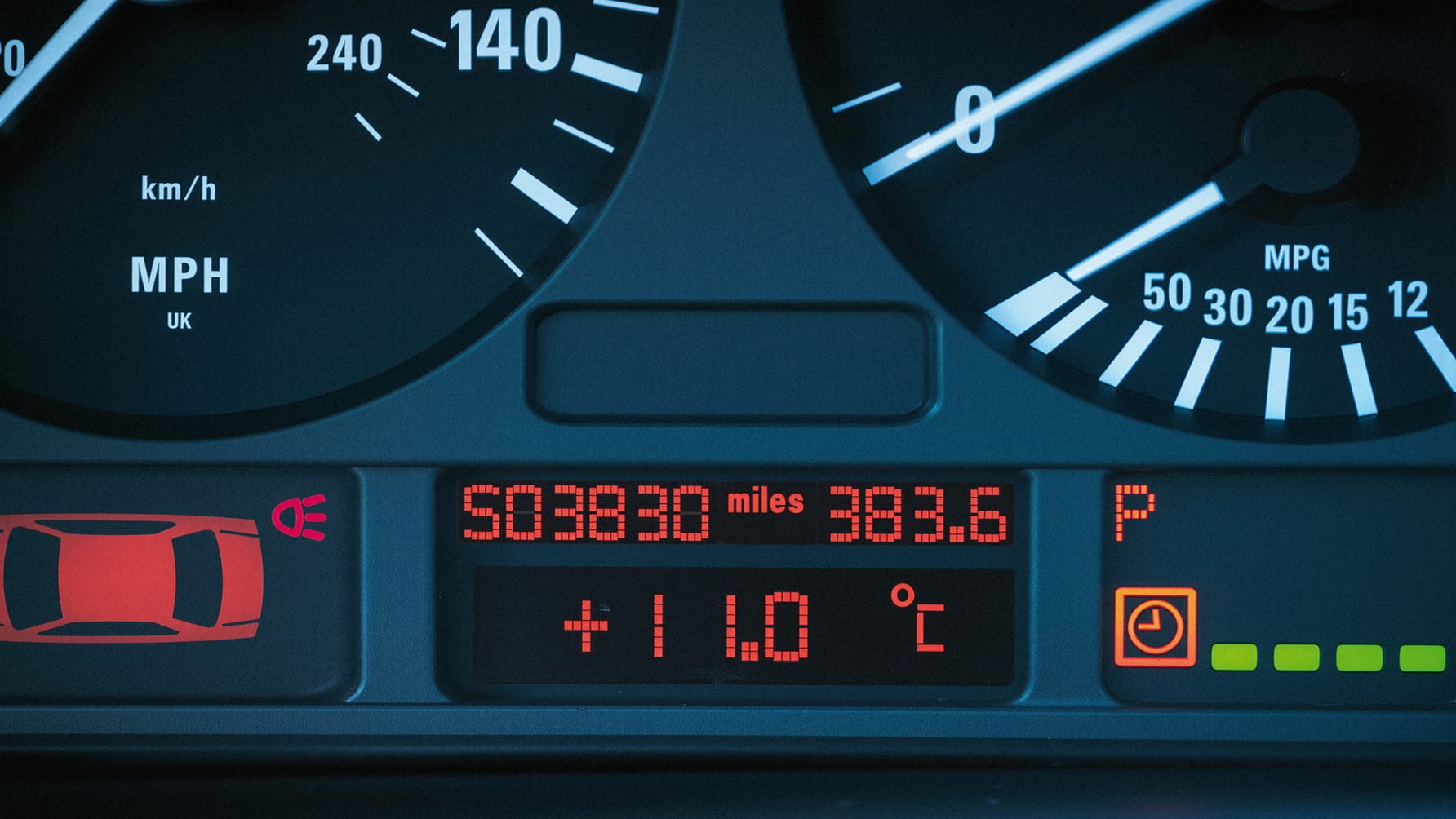
Most cars are lucky to see 200,000 miles before something major gives out. Yet a handful of trucks and sedans have quietly blown past that number, then kept going for hundreds of thousands more. iSeeCars typically measures durability by the odds of reaching 250,000 miles, but owners across the country have documented odometers that tell a different story entirely, one where 500,000 miles is just another milestone.
These vehicles have several qualities in common, including simple naturally aspirated engines, owners who keep up with regular maintenance, and durable engineering that can withstand years of demanding use. For anyone looking for a vehicle with the potential to outlast several newer models, these ten are well worth considering.
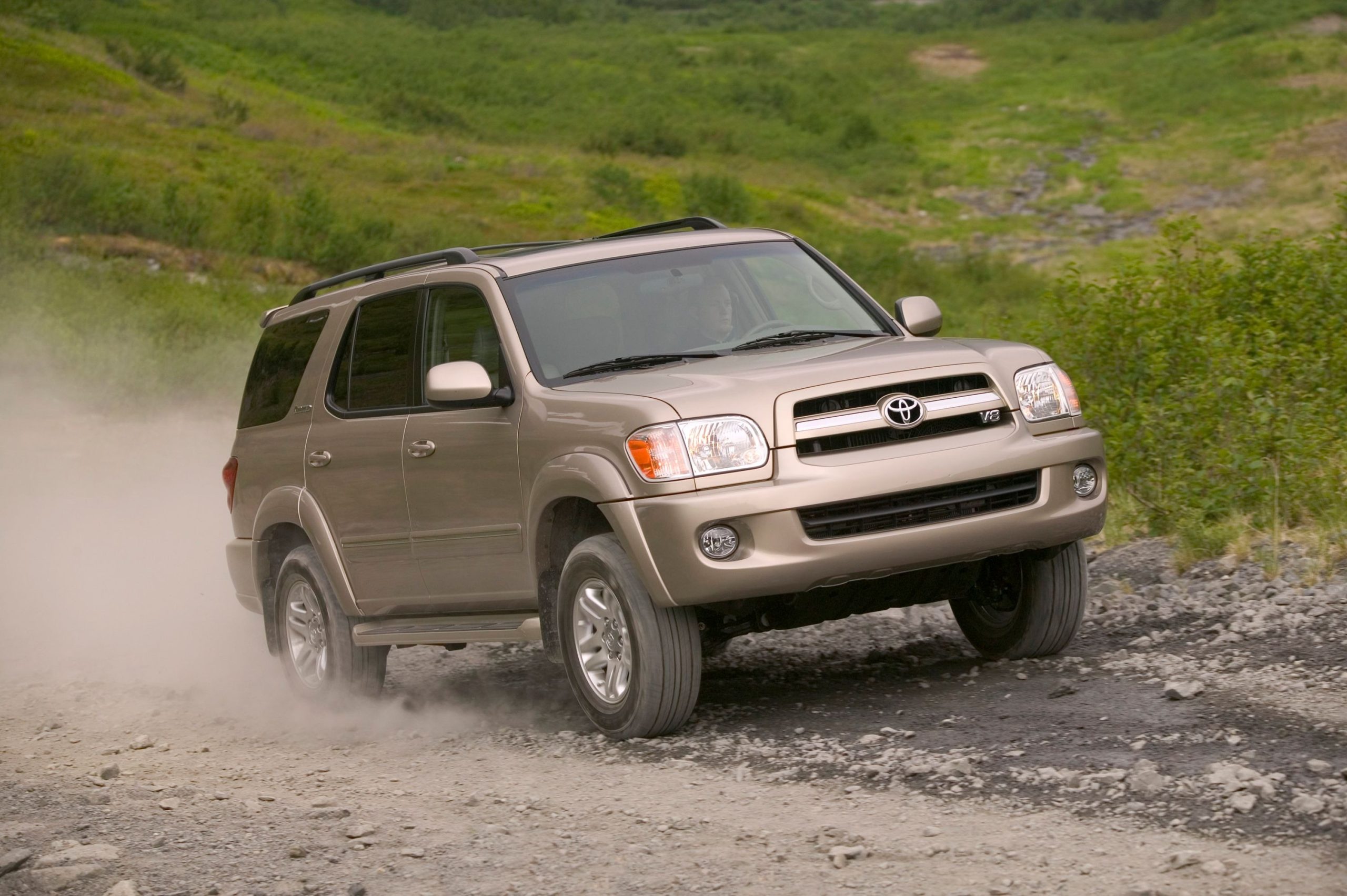
1. Toyota Sequoia (First Generation)
- Engine: 4.7L Naturally Aspirated V8 (2UZ-FE)
- Horsepower: 240 hp
- Torque: 315 lb-ft
- Size: 203.9″ Long × 78.0″ Wide
Back in the early 2000s, many people chose the Toyota Sequoia because they wanted a roomy and dependable family SUV. Few expected it would remain on the road decades later with the original engine still doing its job. Much of that lasting reputation comes from a drivetrain that asks for very little beyond routine maintenance, even after years of demanding use.
Daily school runs, extended motorway journeys, towing caravans, and carrying heavy loads have done little to affect the Sequoia’s dependable performance. Owners who share their experiences in Toyota high-mileage communities regularly post dashboard photos showing more than 500,000 miles.
Many describe ownership as surprisingly uneventful because the vehicle simply keeps running with very few unexpected mechanical problems. That level of dependability has helped the first-generation Sequoia earn lasting respect among drivers who value reliability above modern features.
Rust has proven to be a bigger concern than engine failure, especially in places where roads receive heavy salt treatment during winter. Corrosion can weaken the frame long before the engine begins showing signs of serious wear.
Owners living in warmer areas usually report better long-term results because their vehicles avoid those harsh conditions. Inside the cabin, age becomes easier to notice through cracked dashboards, worn upholstery, and ageing electrical components.
Keeping up with scheduled timing belt replacement remains one of the most important maintenance jobs, since ignoring it can shorten the engine’s service life. Owners who follow the recommended maintenance schedule often enjoy many extra years of dependable driving without major mechanical trouble.
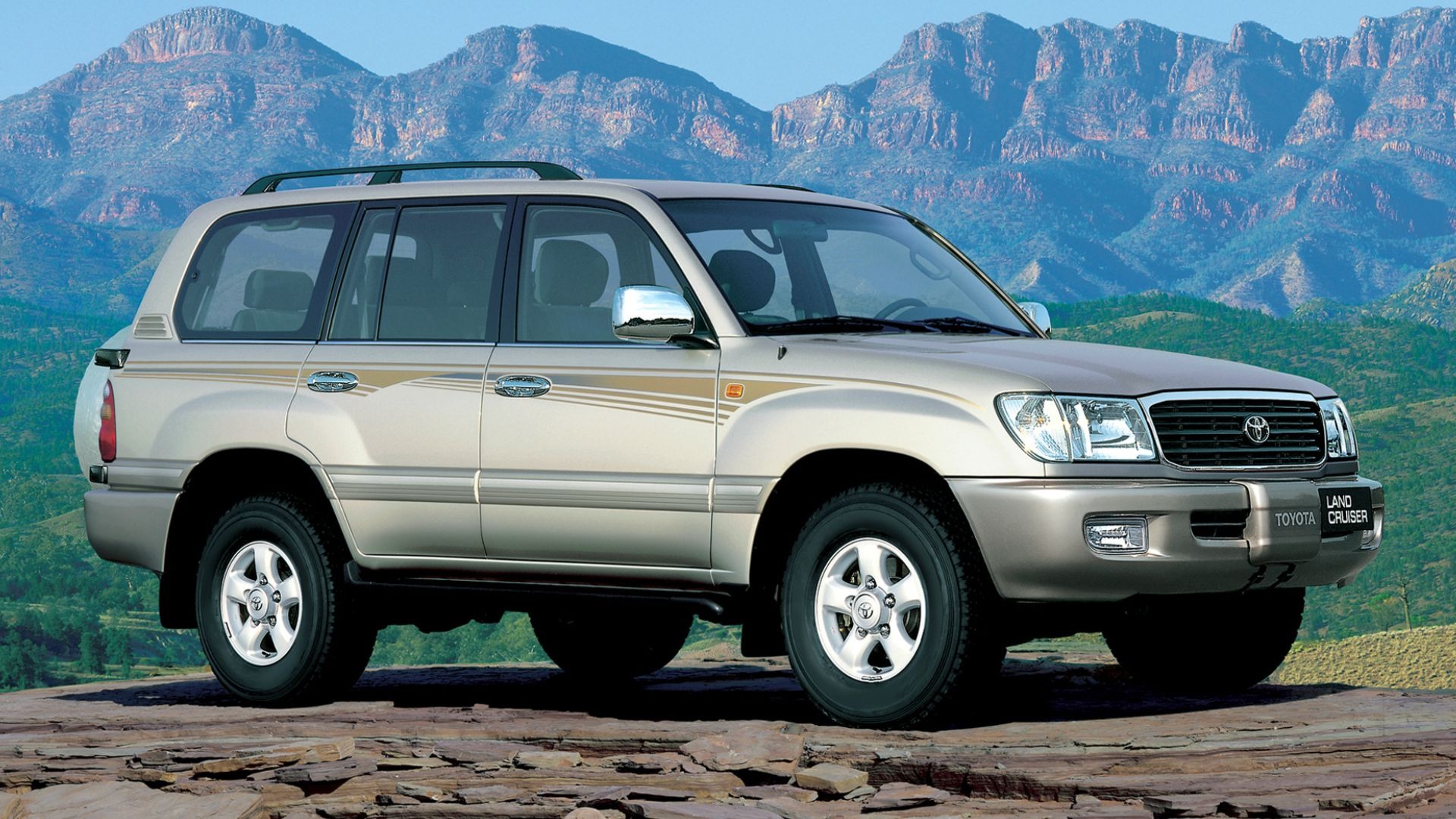
2. Toyota Land Cruiser (100 Series)
- Engine: 4.7L Naturally Aspirated V8 (2UZ-FE)
- Horsepower: 230 hp
- Torque: 320 lb-ft
- Size: 192.5″ Long × 76.4″ Wide
Why do relief organizations and remote expedition teams keep choosing this particular SUV over nearly everything else on the market? Reliability in places where a breakdown could mean days of waiting for help.
Toyota built the 100 Series with a wide margin between what the engine could handle and what it was actually asked to do, and that conservative engineering has paid dividends decades later. Odometer photos shared by long-term owners routinely show figures past 400,000 and 500,000 miles, sometimes with the original transmission and engine never touched beyond scheduled service.
Fuel economy was sacrificed for durability, a trade owners accepted willingly given what they got in return. Suspension components and cooling systems typically need replacement well before the drivetrain shows any sign of trouble.
Mechanics who specialize in these SUVs describe the repair process as refreshingly predictable, since problems tend to surface gradually rather than catching owners off guard. Because so few come up for sale, resale prices remain stubbornly high, and buyers actively hunt down examples with full-service records rather than settling for whatever happens to be available locally.
Also Read: 10 Diesel Trucks That Routinely Pass 500,000 Miles
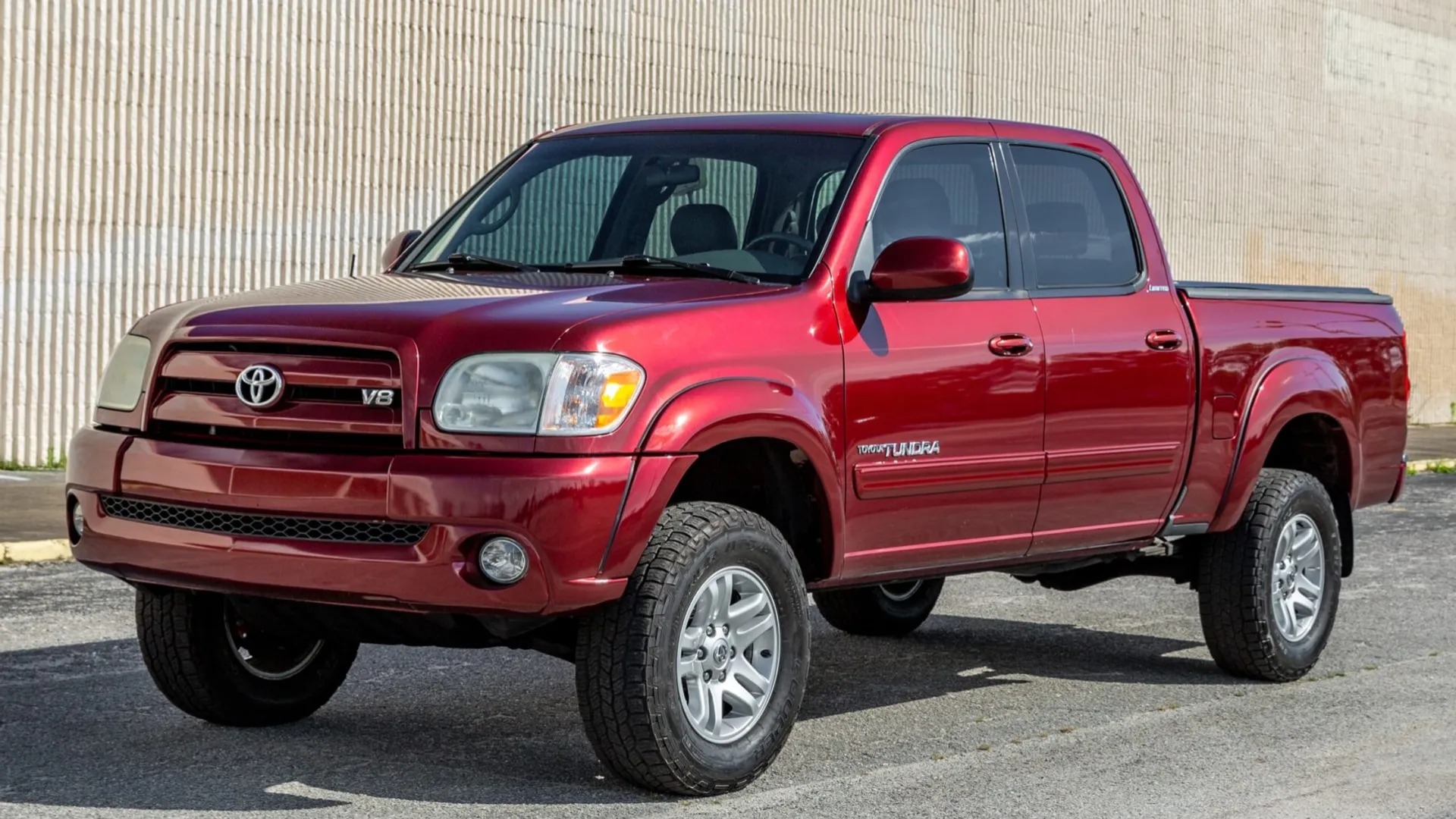
3. Toyota Tundra (First Generation)
- Engine: 4.7L Naturally Aspirated V8 (2UZ-FE)
- Horsepower: 245 hp
- Torque: 315 lb-ft
- Size: 218.3″ Long × 79.3″ Wide
A first-generation Toyota Tundra is often recognised as the hardworking pickup seen on construction sites, carrying heavy building materials even after many years of daily use. Its faded paint, dents, and worn appearance usually reflect years of honest work rather than poor quality.
That reputation did not come by chance. Built with the same V8 engine used in the Sequoia and Land Cruiser, the truck became a trusted choice for artisans, contractors, and business owners who valued reliability above appearance or luxury features.
Many owners have shared photographs of their odometers in truck communities, showing these pickups covering more than 500,000 miles while still running with their factory-installed engine. In many cases, the only regular attention required involved scheduled oil changes, coolant replacement, and other basic servicing.
That level of durability has earned the Tundra lasting respect among people who depend on their vehicles every day to earn a living. One challenge affecting many of these trucks was frame rust, especially in places where road salt was commonly used during winter.
The issue became serious enough for Toyota to introduce a buyback programme for affected vehicles. Even then, many of those trucks still had engines capable of serving for many more years. Owners living in dry areas often report even longer service life because corrosion is much less common there.
The gearbox also deserves praise, although it receives less attention than the engine. Many examples continue performing well beyond 300,000 miles without requiring major repairs. Long-time owners usually give the same advice: service the truck at the proper intervals, replace the timing belt when due, and it will continue delivering dependable performance for many years.
4. Chevrolet Suburban (GMT800)
- Engine: 5.3L Vortec V8 (LM7)
- Horsepower: 285 hp
- Torque: 325 lb-ft
- Size: 219.3″ Long × 79.8″ Wide
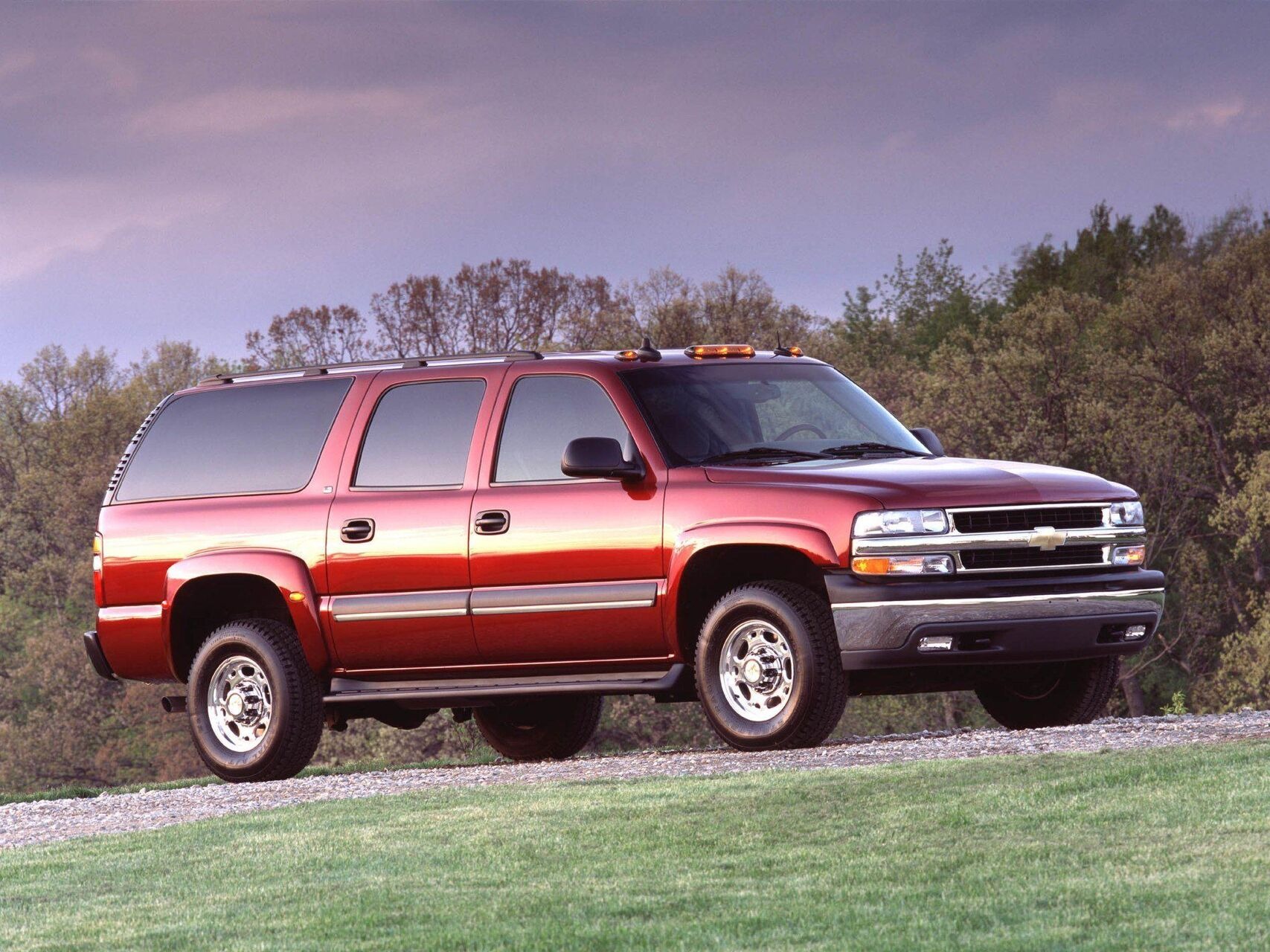
The early-2000s Suburban shows that American trucks can be just as dependable as many Japanese models when they receive basic care. Its 5.3-litre LM7 Vortec V8 powered many GM pickups and SUVs, earning a reputation for lasting far longer than many people expected.
Thanks to its straightforward pushrod design, the engine continues running reliably even when owners are not perfectly consistent with routine servicing. That durability helped the Suburban earn the trust of private owners and commercial operators alike.
Many of these SUVs spent years in demanding fleet service with police departments, towing businesses, and other commercial organisations. Records from those vehicles reveal plenty of engines covering more than 500,000 miles while needing little beyond normal maintenance.
Such mileage speaks to the strength of the LM7 and its ability to handle daily punishment without developing major internal engine trouble. As the miles build up, intake manifold gasket leaks and faulty knock sensors are among the repairs owners encounter most often. Even so, these faults rarely leave the vehicle immobile or shorten the engine’s working life.
Much of the time, worn cabin materials and small electrical faults become noticeable before any serious mechanical trouble appears, which was fairly common for vehicles produced during that period. A visit to many salvage yards tells the same story. Plenty of these Suburbans ended their service because of rust, accident damage, or another expensive repair rather than engine failure.
Mechanics who regularly work on GM trucks frequently describe the LM7 Vortec V8 as one of the company’s toughest engines, capable of delivering many years of dependable service with nothing more than regular oil changes and routine maintenance.
5. Lexus LS 400 (Second Generation)
- Engine: 4.0L Naturally Aspirated V8 (1UZ-FE)
- Horsepower: 260 hp
- Torque: 270 lb-ft
- Size: 196.7″ Long × 72.0″ Wide
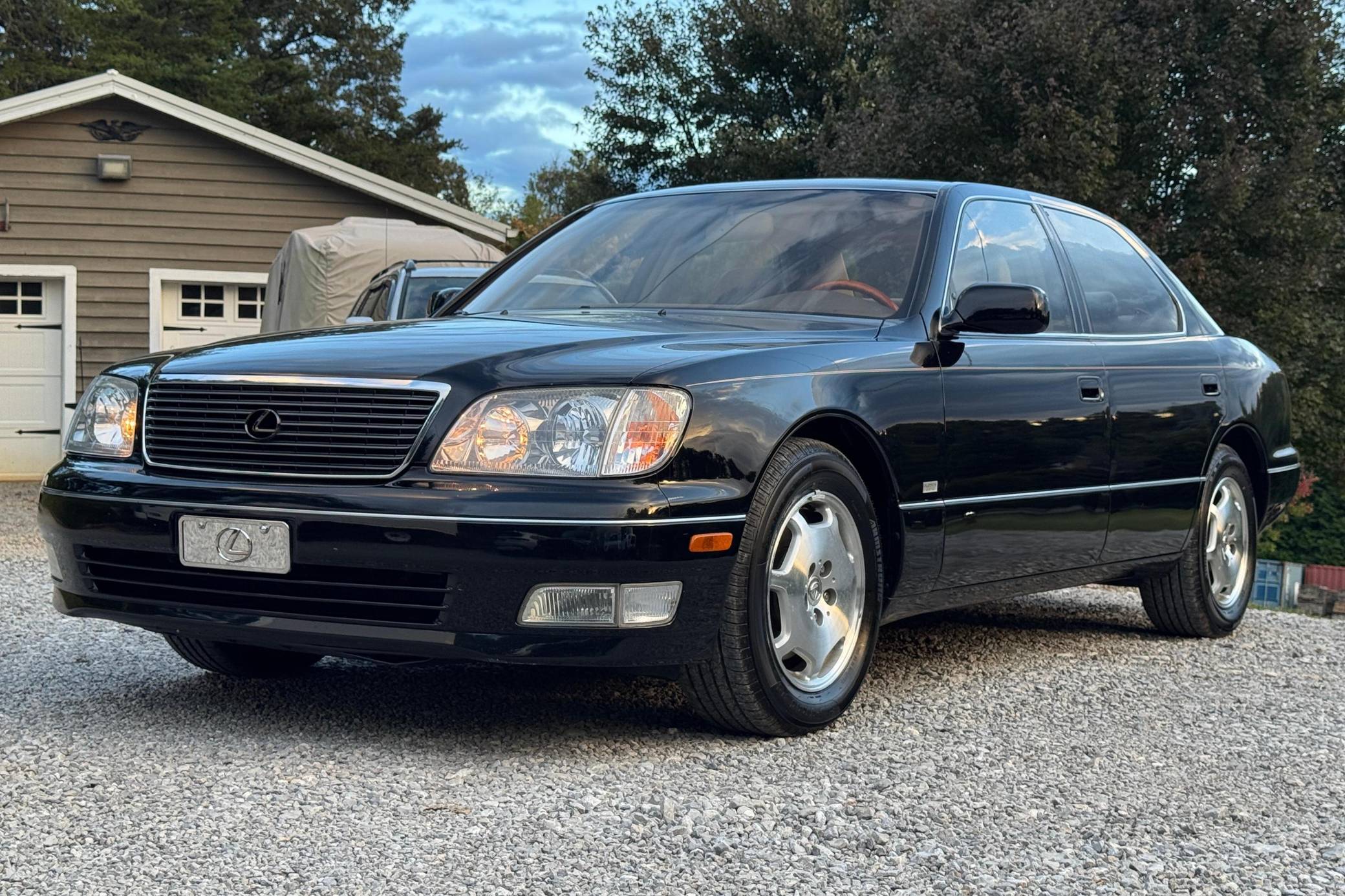
Luxury cars have a reputation for expensive, frequent repairs, but the second-generation LS 400 breaks that stereotype almost completely. Toyota designed this sedan to challenge Mercedes-Benz directly, and part of that ambition meant obsessing over long-term reliability at every stage of production.
The 1UZ-FE V8 has since become a favorite among engine swap enthusiasts precisely because it tolerates conditions that would destroy most other engines outright. Original owners who held onto these sedans for decades report crossing 500,000 miles with nothing more than scheduled maintenance and the occasional suspension repair.
Skipping timing belt service remains the most common reason these engines fail early, so owners who stay disciplined rarely run into trouble. Window motors, climate control modules, and other electronic components tend to show their age well before the drivetrain does.
People who still drive these sedans daily describe the experience as barely changed from when the car rolled off the lot, a compliment that speaks volumes about how conservatively Toyota engineered the powertrain. Secondhand examples with documented records continue attracting buyers who want comfort without constant repair bills.
6. Honda Accord (Seventh Generation)
- Engine: 2.4L Naturally Aspirated Inline-4 (K24)
- Horsepower: 160-166 hp
- Torque: 161 lb-ft
- Size: 191.1″ Long × 71.7″ Wide
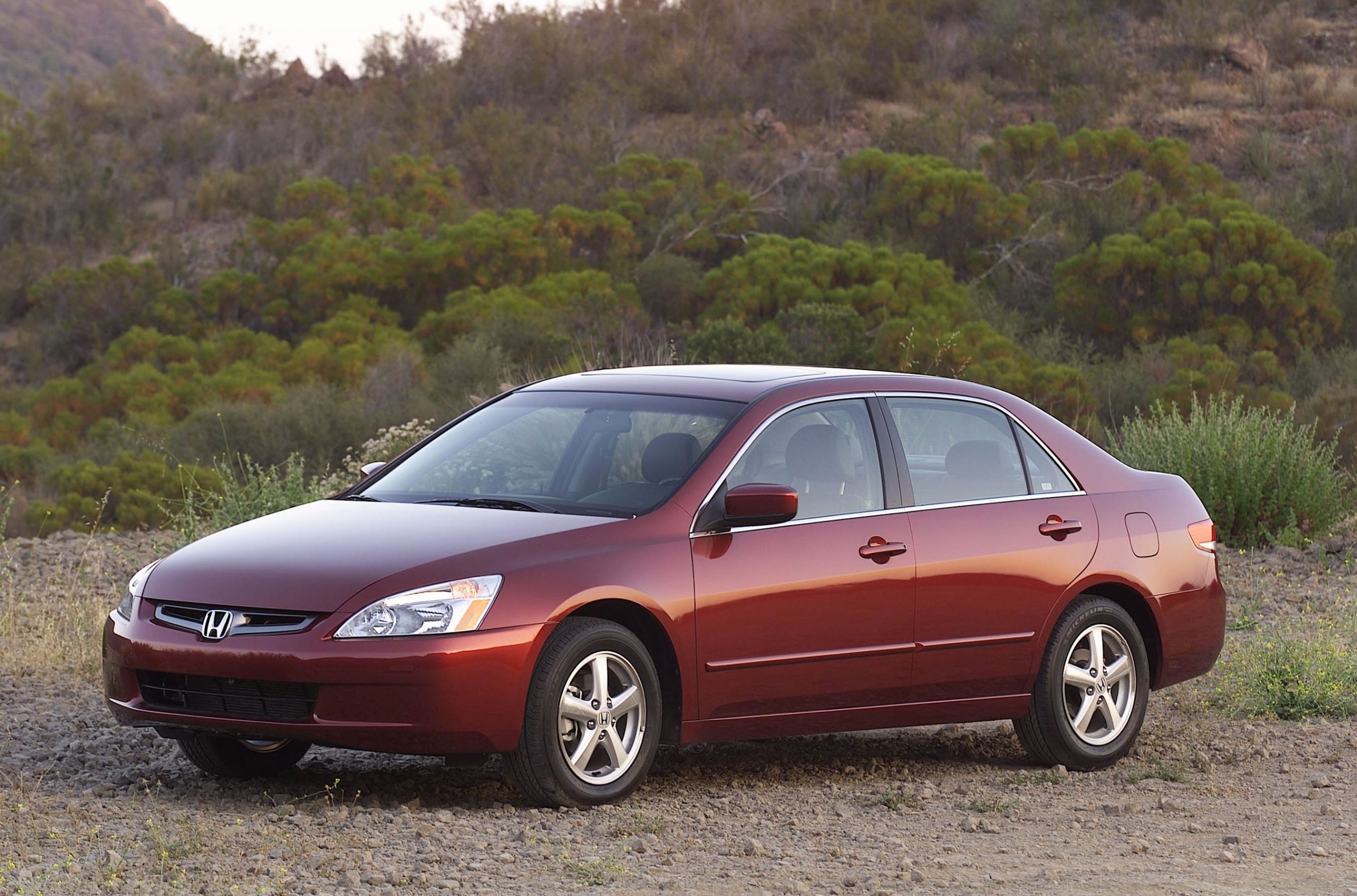
Every rideshare driver seems to have a story about a coworker’s Accord that just won’t die, and there’s real substance behind that reputation. The K24 engine has become one of the most trusted four-cylinders on the road, built to withstand daily commuting abuse without complaint.
Owners who bought these sedans new and put them into years of personal or commercial use report climbing past 500,000 miles with only minor components needing replacement, things like an alternator, a water pump, or timing chain guides. Transmission trouble never became a widespread issue for this generation, provided owners kept up with fluid changes on a reasonable schedule.
Rust in snowy states has claimed more of these sedans than any mechanical failure ever has. Because parts remain inexpensive and easy to find, keeping one of these Accords running past half a million miles costs a fraction of what the same feat would cost with a European sedan.
Independent mechanics frequently recommend this generation to budget-conscious buyers precisely because of how well the underlying engineering has held up against expectations nobody had for an ordinary family sedan.
7. Toyota 4Runner (Fourth Generation V8)
- Engine: 4.7L Naturally Aspirated V8 (2UZ-FE)
- Horsepower: 235 hp
- Torque: 320 lb-ft
- Size: 189.2″ Long × 73.8″ Wide
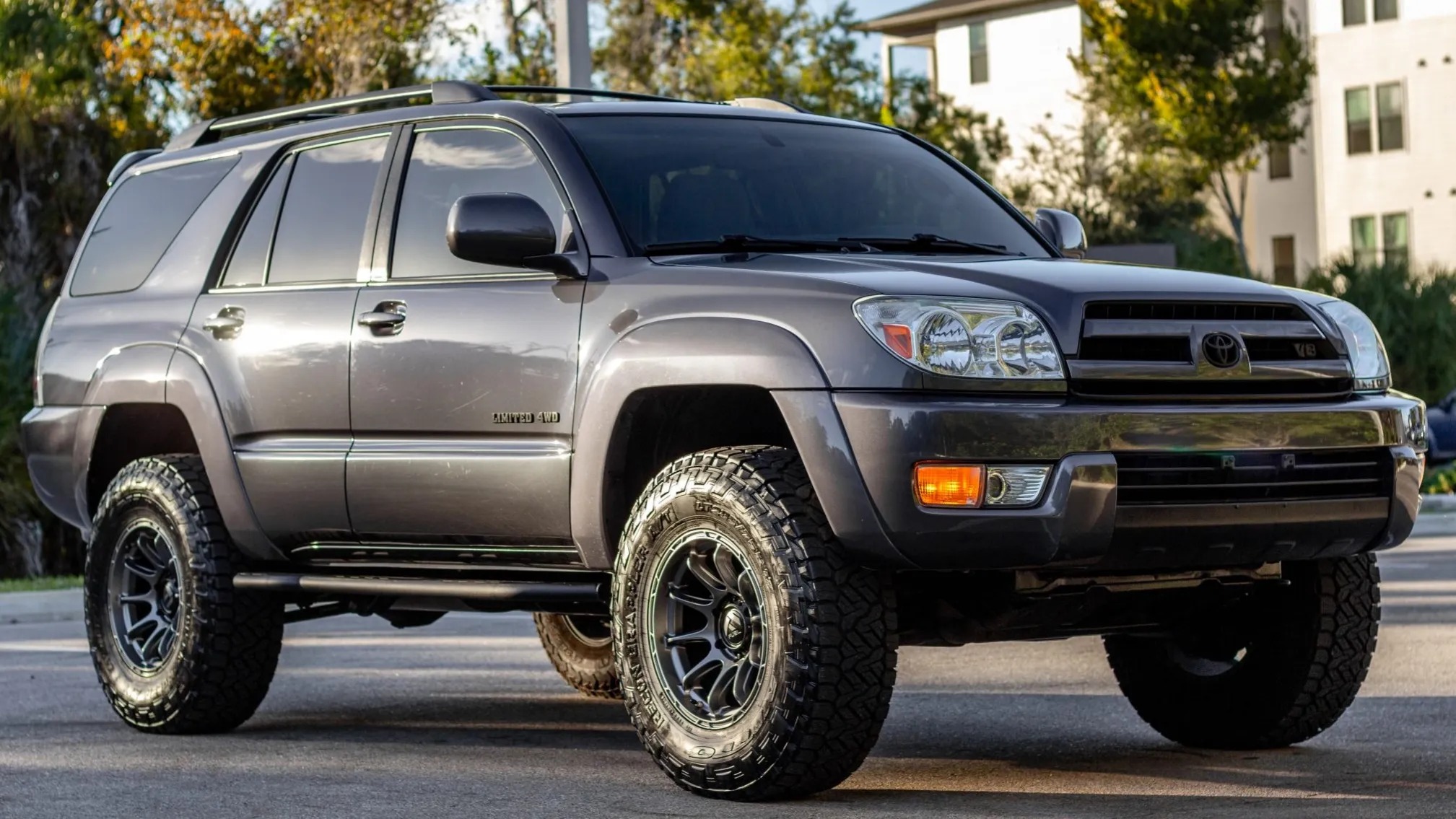
Off-road communities treat this SUV with something close to reverence, and the mileage claims help explain the loyalty. Sharing the same 2UZ-FE V8 already proven in the Sequoia and Tundra, the fourth-generation 4Runner benefited from a drivetrain that had already been tested across multiple platforms before arriving in this body.
Owners using these trucks for trail driving, towing, or plain daily commuting report engines still running strong well past 500,000 miles, frequently with the original transmission still installed alongside it. Suspension bushings and shocks typically wear out long before anything under the hood needs serious attention.
A dedicated community of builders and enthusiasts keeps detailed maintenance logs online, backing up these mileage figures with photographic proof rather than just word of mouth. Rust remains the primary threat in states that salt roads heavily through winter months.
Buyers searching for a used SUV capable of handling both daily duty and weekend trail adventures continue seeking these out specifically, pushing prices upward even as the trucks themselves keep aging. Few vehicles balance genuine off-road capability with long-term durability this effectively.
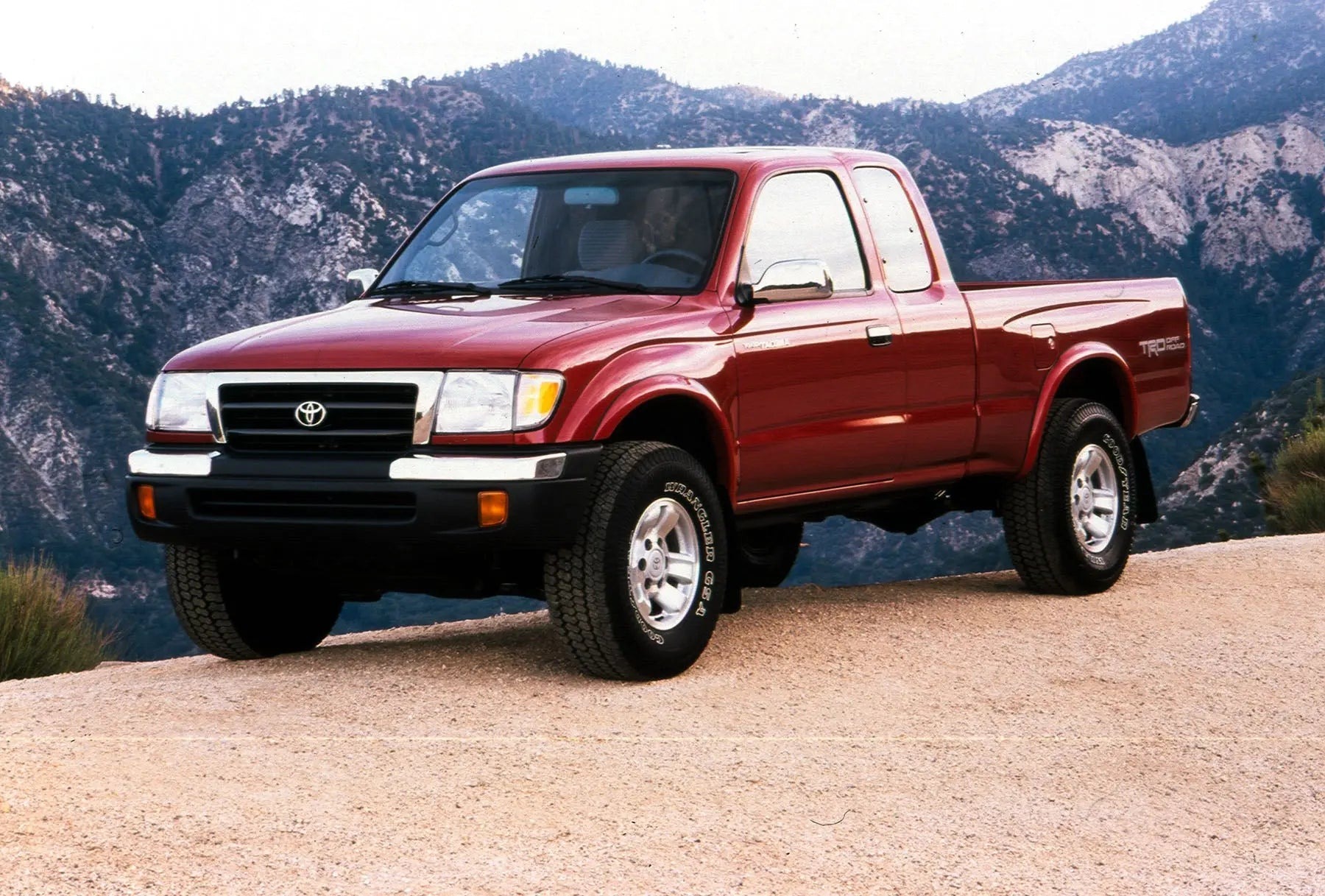
8. Toyota Tacoma (First Generation)
- Engine: 3.4L Naturally Aspirated V6 (5VZ-FE)
- Horsepower: 190 hp
- Torque: 220 lb-ft
- Size: 190.4″ Long × 66.5″ Wide
Few compact pickup trucks have built the kind of long-lasting reputation that the first-generation Toyota Tacoma continues to enjoy. Powered by the dependable 5VZ-FE V6 engine, this model proved it could handle demanding roads, daily driving, and years of regular use without subjecting owners to constant pressure from expensive mechanical problems.
Its straightforward engineering also made routine servicing less stressful than many newer trucks. Many verified owner records show these trucks covering well above 500,000 miles, with plenty still running on their factory transmission and original clutch.
Certain model years experienced head gasket issues, though owners who acted quickly after spotting warning signs usually prevented more costly repairs. Those who delayed repairs often faced much higher expenses because the problem became worse with continued driving.
Regular maintenance played a major part in keeping these engines in excellent condition for many years. Another concern involved frame rust, especially in areas where road salt was heavily used during winter. Toyota responded by introducing a buyback and repair programme for affected vehicles sold in those locations.
Even when corrosion damaged the frame beyond repair, many of the engines remained in excellent working condition and continued running without major trouble. Their compact size, dependable mechanical design, and affordable replacement parts have kept demand strong among buyers looking for a practical first truck.
Many experienced mechanics still recommend this Tacoma because it is easy to maintain, provided the head gasket issue received proper attention and rust was treated before causing serious structural damage or expensive repairs.
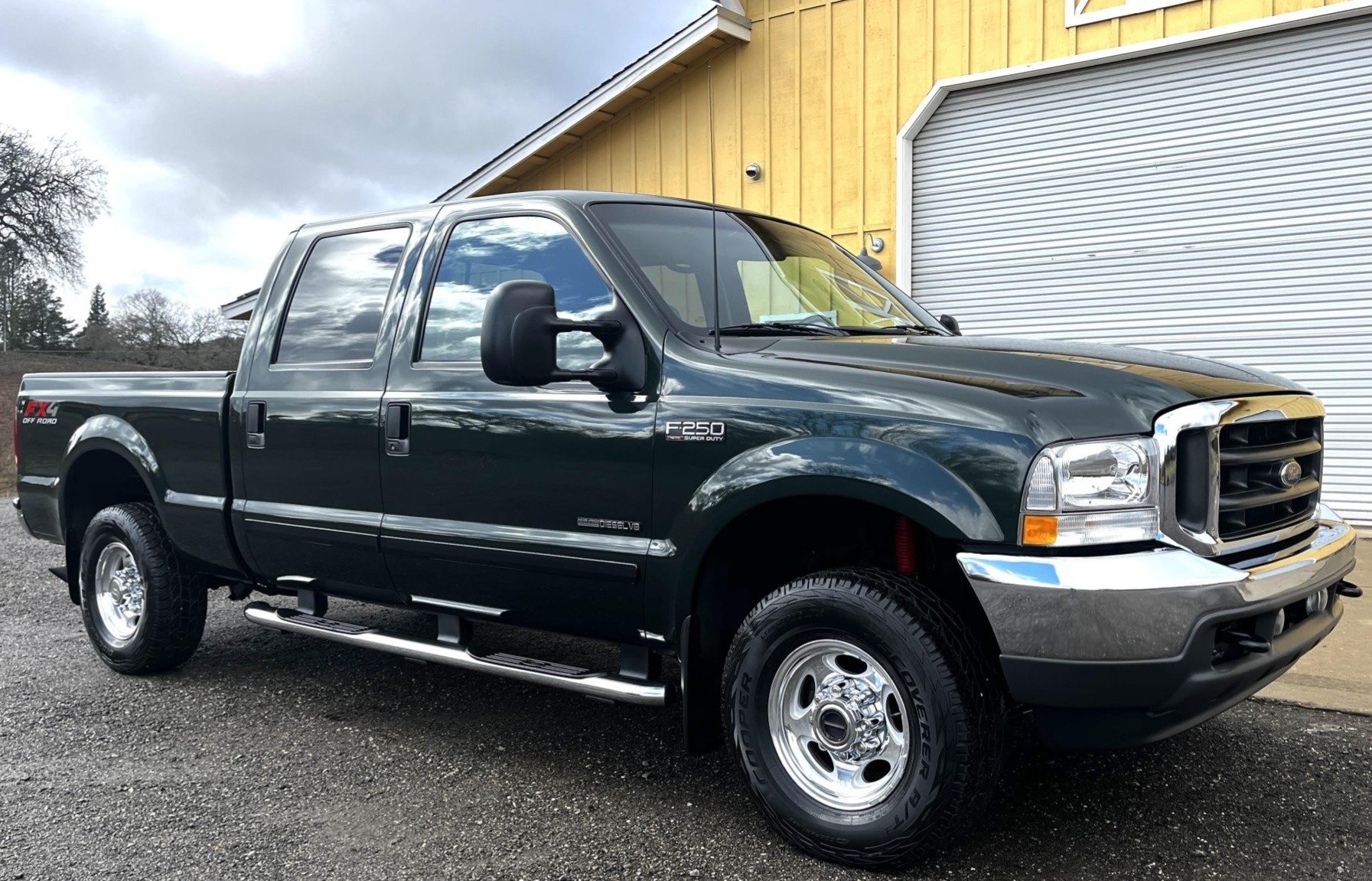
9. Ford F-250 Super Duty (7.3L Power Stroke Diesel)
- Engine: 7.3L Turbocharged Power Stroke V8 Diesel
- Horsepower: 235 hp
- Torque: 500 lb-ft
- Size: 227.0″ Long × 80.0″ Wide
Many diesel technicians speak highly of the 7.3L Power Stroke because it earned a reputation for lasting far longer than many engines produced after it. It came from a period before tighter emissions rules introduced extra components that made diesel engines harder to maintain.
Its straightforward design has helped many owners keep these trucks on the road for hundreds of thousands of miles with proper servicing. Records from farmers, construction workers, and people who tow heavy trailers show these trucks reaching 500,000 miles without replacing the original engine.
Some examples have travelled beyond 700,000 miles while still using the factory engine block. As the miles increase, the fuel injectors and high-pressure oil pump may require repairs or replacement. Even so, these problems rarely mean the engine has reached the end of its service life.
Many mechanics consider such repairs part of normal long-term ownership rather than a reason to retire the vehicle. People who rely on these trucks every day often mention how confidently they pull heavy loads without feeling overworked. That steady performance has helped build trust in the engine’s durability across many years of hard use.
Inside the cabin, the styling and equipment clearly show the truck’s age when compared with newer models. Even with those older features, demand remains strong among buyers who prioritize durability over modern technology.
Clean examples with very high mileage continue to attract attention, and asking prices have risen as more people recognize how dependable this diesel engine has proven to be through decades of service.
Also Read: 9 Cars NYC Taxis Crossed 500,000 Miles In
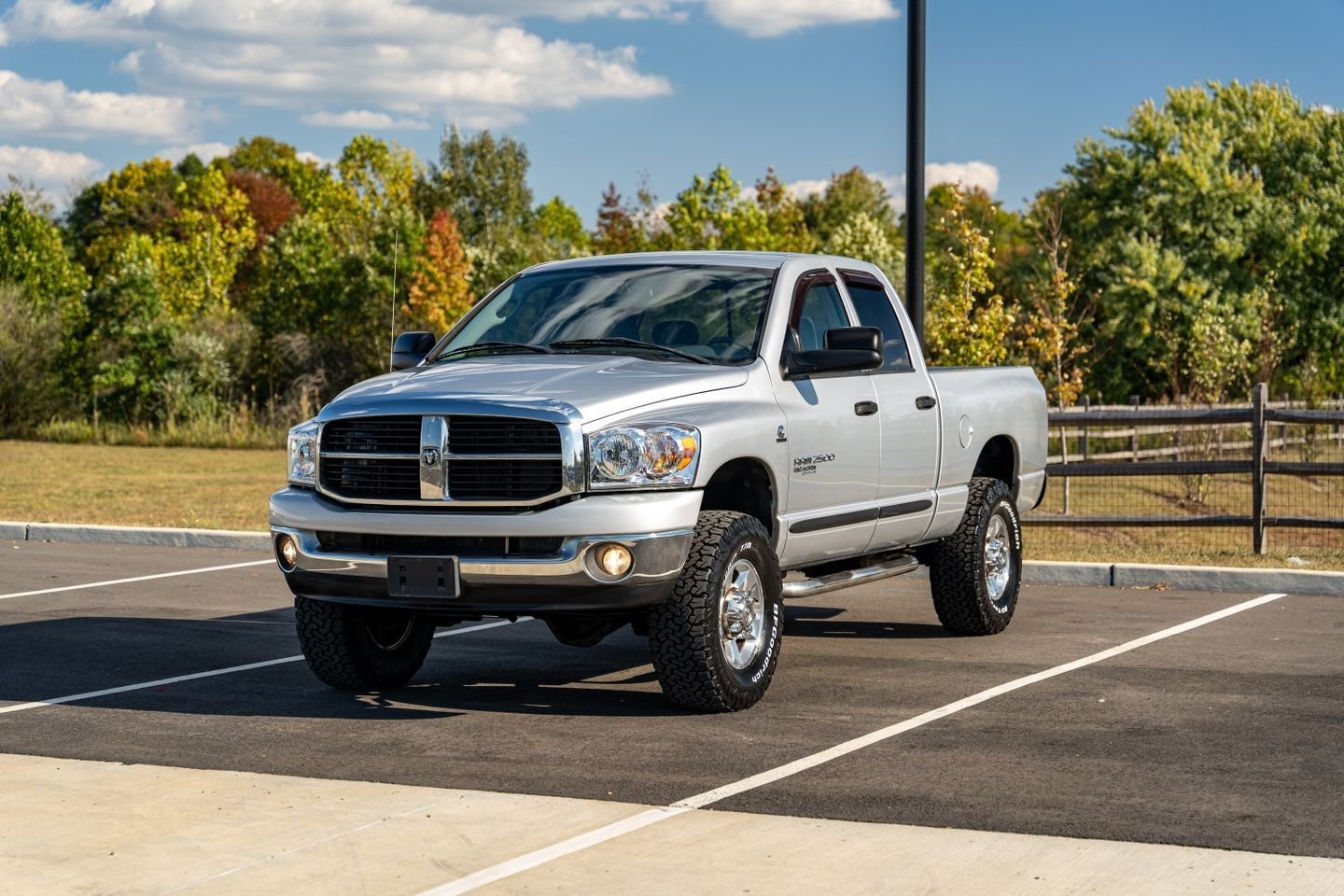
10. Ram 2500 (5.9L Cummins Diesel)
- Engine: 5.9L Turbocharged Inline-6 Cummins Diesel
- Horsepower: 235 hp
- Torque: 460 lb-ft
- Size: 227.7″ Long × 79.9″ Wide
Few engines carry the reputation that the 5.9L Cummins has built among towing and trucking communities. Owners report engines surpassing 500,000 miles with factory internals still intact, a claim regularly backed up by mechanics who service these trucks on a routine basis.
Tracing its roots to industrial and agricultural equipment explains much of its resilience, since it tolerates long idle periods, heavy loads, and infrequent maintenance far better than most consumer-grade engines ever could. Lift pump failures and injector wear tend to show up as mileage climbs, but neither issue typically ends the engine’s working life outright.
Transmission durability varies more than the engine itself, leading some owners to invest in aftermarket upgrades to better match the Cummins’ torque output. Resale values for trucks equipped with this engine remain strong specifically because buyers know exactly what they’re purchasing: a diesel that keeps working long after gasoline competitors have already been retired.
Among people who tow for a living or simply appreciate mechanical staying power, this generation of Cummins remains the benchmark that later engines are still measured against.
