
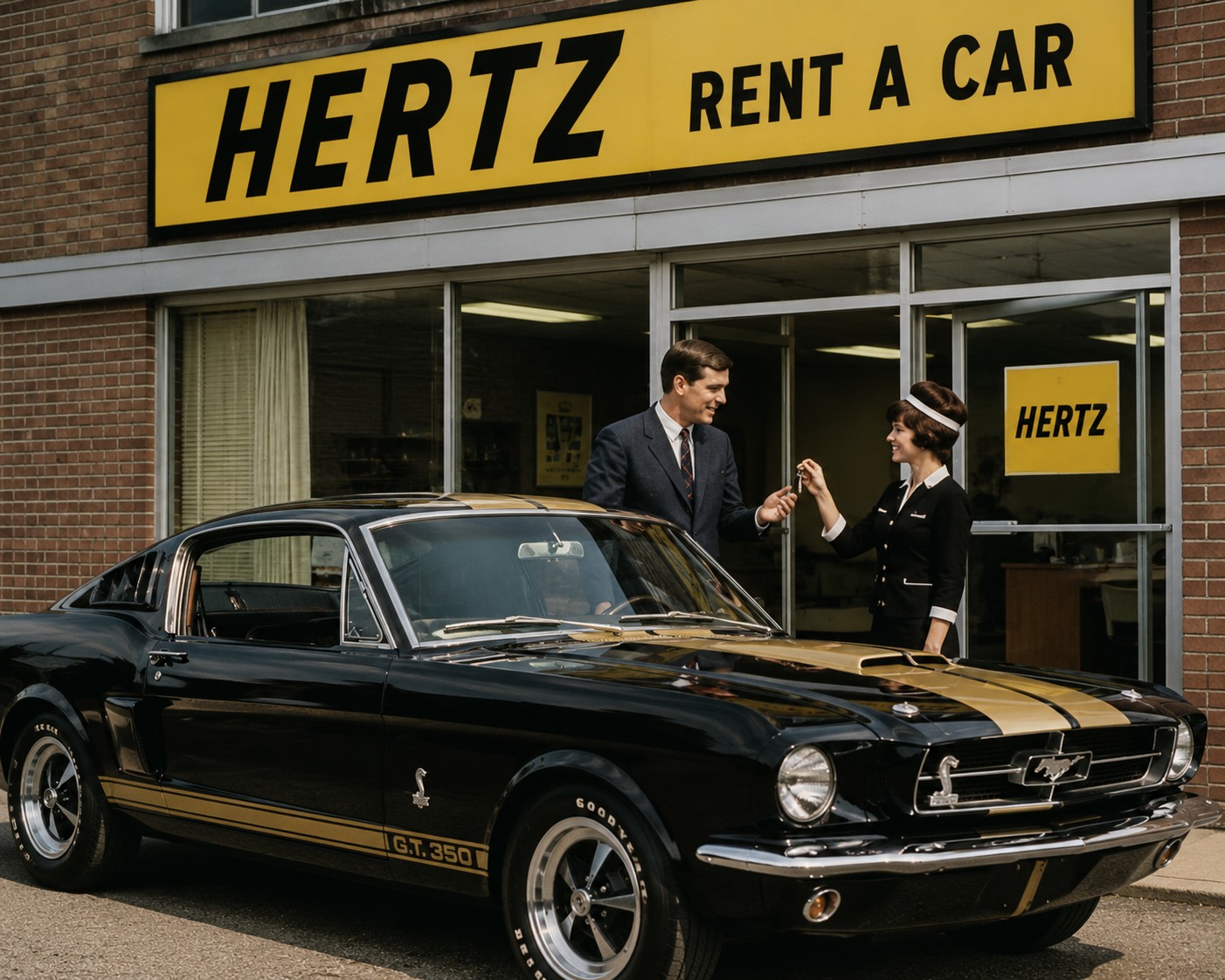
In the mid-1960s, Hertz did something no rental company had dared before. It offered ordinary customers the keys to a race-bred Shelby Mustang.
The car was called the GT350H, and it became one of the most legendary chapters in American automotive history. 1,001 of these limited edition Shelby Mustangs were created as part of Hertz’s “Rent-a-Racer” program.
The idea began in 1965 when Carroll Shelby had met Ford’s allotment of GT350s and was looking for another buyer. Shelby American’s general manager reached out to Hertz with a bold proposal.
In September of 1965, Shelby American General Manager Peyton Cramer contacted Hertz Corp. with a deal to offer special GT350H versions as a rental car. Hertz, always looking for a marketing edge, said yes.
Rentals were available in more than 60 cities, priced at just $17 per day plus 17 cents per mile. For a few dollars, anyone could feel like a professional racer.
The cars were fast, loud, and stylish. They also came back from weekend rentals with stories that would shape muscle car folklore forever. This article explores how the deal came together, what made the car special, and why it left such a lasting mark on automotive culture.
The Birth of a Rental Legend
Hertz agreed to the deal, and Shelby immediately produced two prototypes with special touches recommended by Hertz. These included unique wheel center caps bearing the Hertz Sports Car Club logo.
After approving the design, Hertz ordered 1,000 GT350H models in late November, to be distributed to select Hertz locations nationwide. The scale of the order surprised many in Detroit.
Deliveries actually began in late December 1965 and weren’t completed until May 1966. Hertz wanted them earlier since rental cars typically only had a usable shelf life.
The shelf life of a rental car was six to nine months, so Hertz wanted the cars in December or January. Timing mattered because these vehicles needed to be resold before wear became too obvious.
Some of the first cars were shipped to Hertz at the San Francisco airport, where 28 cars arrived in February 1966. Word spread quickly among car enthusiasts on the West Coast.
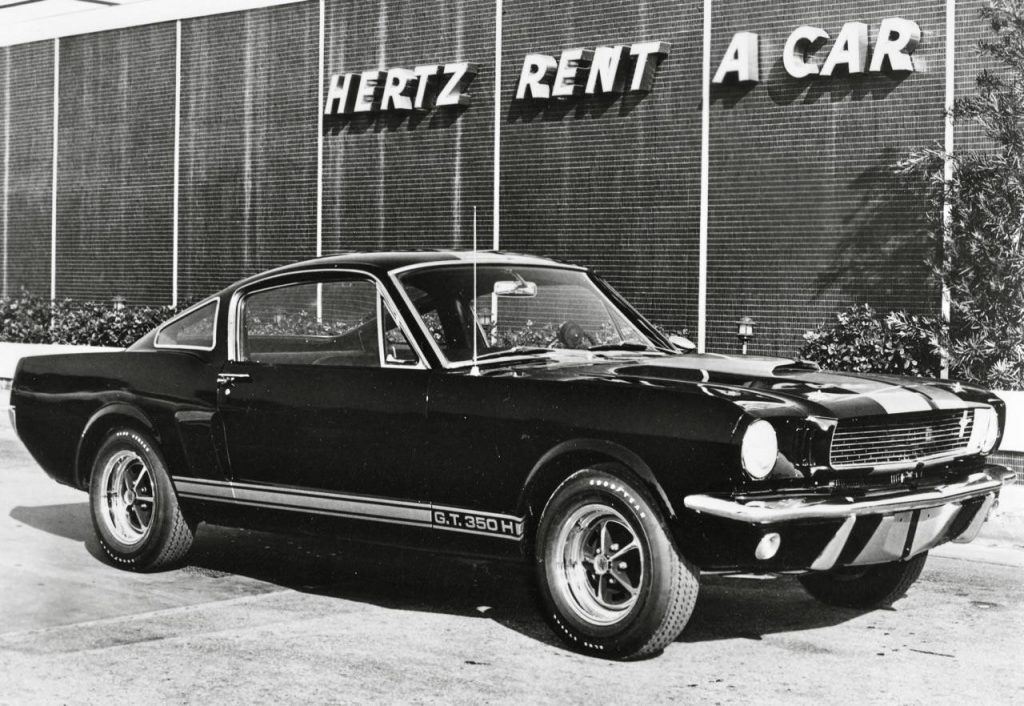
Members of the Hertz Sports Club, if over the age of 25, could rent a 306-horsepower Shelby GT350H Mustang. That horsepower figure was extraordinary for a rental car of that era.
The engine was a Shelby-modified Cobra 289 rated at 306 horsepower with 329 lb-ft of torque, capable of 0-60 mph in 6.6 seconds. These numbers rivaled many genuine sports cars of the day.
The 1966 GT350H was mechanically almost identical to the standard ’66 GT350. Renters were essentially driving a race car with a rental sticker.
It featured a 9-inch live rear axle, modified Shelby suspension, special rear quarter windows, a functional rear brake duct hood, and a dash-mounted tachometer. Every detail signaled serious performance intent.
Most GT350Hs came with a factory automatic transmission, though 86 manual versions were also built. Hertz preferred automatics for everyday renters unfamiliar with a clutch.
Hertz decided that some of the cars should be automatics and that other colors were needed, changing the original contract terms. Flexibility became part of the program’s evolving identity.
All cars rode on Magnum 500 wheels with gold-painted centers. The look was distinctive even from a distance. Most cars were finished in Raven Black with gold Le Mans stripes, though some came in Wimbledon White with blue striping. Other colors included Candy Apple Red, Ivy Green, and Sapphire Blue.
By the end of the contract, the largest share of the cars, 748 units, were black and gold. That color combination became so iconic it’s still called “Hertz colors” today.
Unknown to renters, Hertz kept a detailed check sheet recording the vehicle’s condition at both rental and return. The company was quietly tracking abuse from the very start.
The GT350-H debuted in September 1965 through this partnership between Hertz Corporation and Shelby American. It represented a genuine collision of marketing creativity and raw performance. The program’s timing wasn’t accidental. Ford and Shelby needed to prove the Mustang brand could carry serious performance credibility.
Race Damage, Rumors, and Reality
Some customers reportedly used the cars for weekend amateur racing or drag strip runs. Others allegedly swapped engines out before returning the vehicles. These stories became part of Mustang folklore almost immediately. Mechanics at Hertz locations often struggled with what they received back.
The main problem for Hertz was that mechanics did not have the proper knowledge to work on these high-performance cars once returned. Standard rental maintenance simply wasn’t built for race-tuned engines.
It became a struggle to keep the cars functioning properly on the rental lot. Repair costs quickly outpaced what Hertz had budgeted for. The program was initially successful, but high repair costs ended it by the close of 1966. What began as a marketing triumph became a financial headache.
Not every story of abuse holds up under scrutiny, though. Some later accounts suggest the damage was exaggerated over decades of retelling. Most of the rumors about these cars being abused have been greatly exaggerated over the years. It’s rumored some Hertz GT350s lost high-performance parts before reaching dealer lots, but that claim remains disputed.
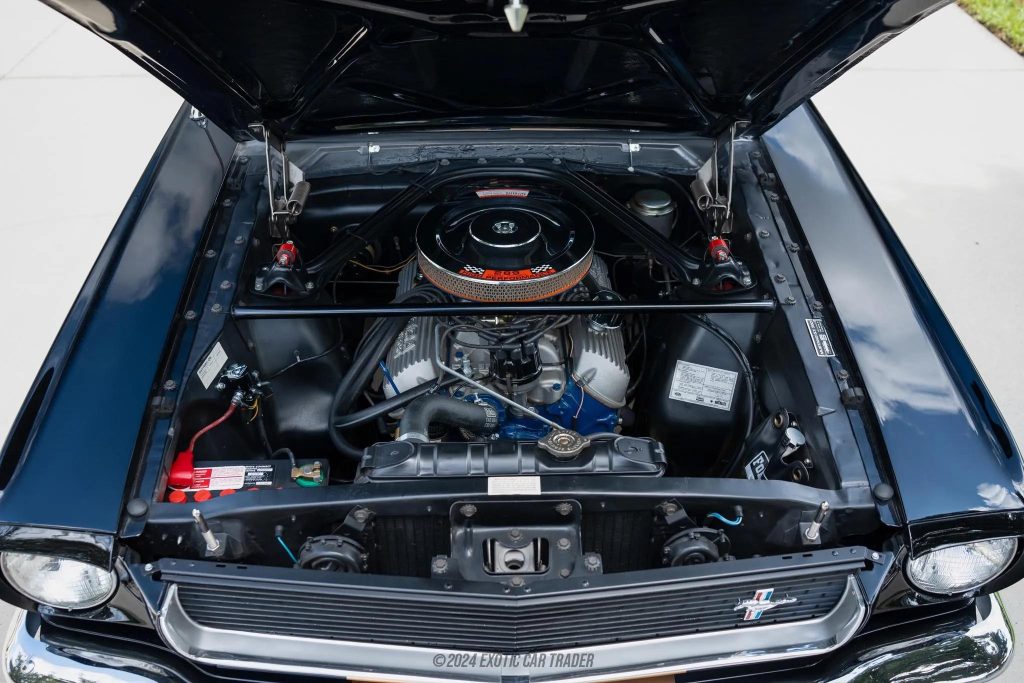
It’s rumored that some GT350 Hertz models lost their high-performance parts on the way to the sales floor. Whether this was systematic or isolated remains unclear even to historians.
According to Hertz, the program was a big, yet expensive, success for the company. Both words mattered: success in visibility, expense in upkeep.
The very name of the program may have invited trouble. If Hertz truly called the cars “rent-a-racers,” it was an unfortunate choice of words, since it could only encourage renters to treat them as race cars.
That branding decision essentially dared customers to push these Mustangs to their limits. Many apparently accepted the challenge without hesitation.
Despite the wear and tear, the cultural impact outweighed the mechanical headaches. Enthusiasts still talk about these cars with reverence six decades later.
The narrative of the Shelby GT350 is often framed as pure engineering and racing dominance, but its survival as a commercial product was made possible by a rental car company. Without Hertz, the GT350 might have remained a niche curiosity.
In 1965, the GT350 was a brutal, uncompromising machine, a street-legal race car that was difficult to drive and hard to sell to the general public. Only 562 units were produced that first year.
The 1966 partnership with Hertz changed everything, placing high-performance Mustangs into the hands of weekend warriors. That exposure transformed the Shelby name overnight.
Legacy and What Happened After
The program ended by the close of 1966 due to mounting repair costs. Hertz decided the Rent-a-Racer experiment had run its course. When the program ended, Ford and Shelby repurchased the vehicles at a large discount and resold them. This gave everyday buyers a chance to own genuine Shelby history.
After the promotion ended, these Shelbys were sold to the general public through Ford dealers. They cost less than half of what a brand new GT350 did at the time.
The rental cars were sold off to Ford dealerships by Hertz in 1967, after the promotion officially ended. Many buyers had no idea they were purchasing a piece of automotive history.
This single-year explosion of 1,001 cars represented nearly 42% of Shelby’s entire production for 1966. Without the Hertz deal, the numbers would have looked very different.
The Rent-A-Racer program spiked total Shelby production from a few hundred units in 1965 to 2,378 units in 1966, a growth of over 320%. That surge secured the Shelby Mustang’s long-term survival as a brand.
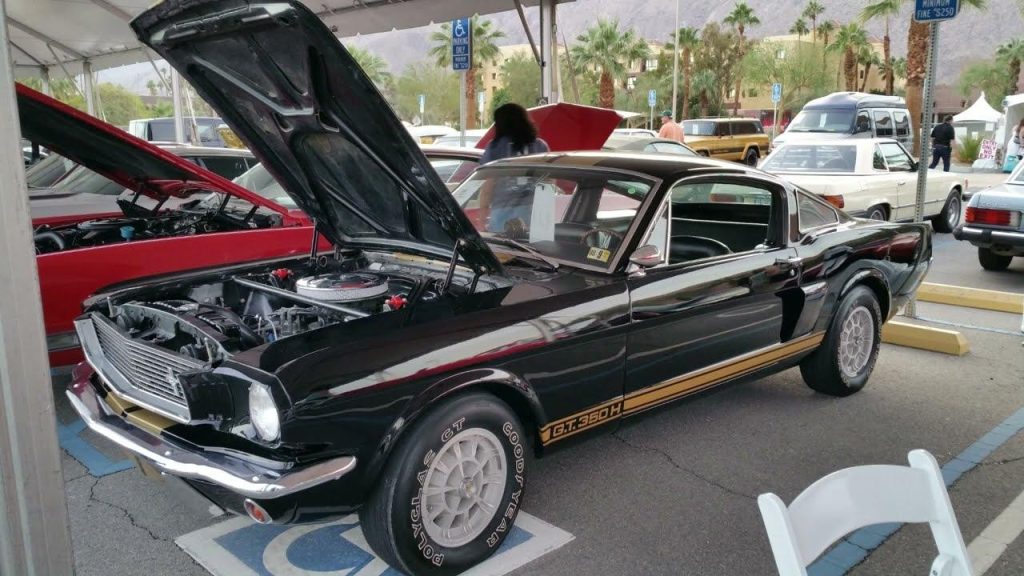
According to the Shelby American Automobile Club, records show two prototypes, 1,356 street versions, and two Hertz prototypes among the various 1966 builds. Production numbers have been carefully documented by enthusiast historians ever since.
Hertz had an energetic advertising campaign for the GT350H, with costs reimbursed by Shelby American and Ford. The marketing machine behind the cars was as calculated as the engineering.
Today these cars are considered rare collector’s items, and finding one in a barn, even in miserable condition, is a dream for Mustang enthusiasts. Barn finds occasionally surface even now, decades later.
Most people who have found these cars have been careful about restoring them to like-new condition, helping preserve this chapter of Mustang and Shelby history. Restoration has become its own passionate subculture.
While 1968 Shelby Mustangs were the most numerous of the era, just 225 were allotted to Hertz fleet purposes that year. The “GT350H” name belongs specifically to the 1966 models above all others.
Shelby and Ford continued making small subsets of modified Mustangs through 1969. None matched the cultural resonance of the original 1966 fleet.
The partnership wasn’t a one-time fling either. The next Shelby-Hertz collaboration came 40 years later, in August 2006, with the Shelby GT-H, based on the 2006 Mustang GT.
Forty years later, in 2006, Ford and Hertz produced 500 Shelby Mustang GT-H models for the Hertz Fun Collection. This collection launched in January 2006, offering unique cars to rental customers seeking an exciting driving experience.
The 2006 revival was modified by Shelby to Hertz’s specifications, echoing the original spirit. The black-and-gold combination is still often referred to as “Hertz colors” by Mustang enthusiasts today.
For the enthusiast or investor, this car represents more than just a fast Mustang; it is a physical piece of the contract that saved Carroll Shelby’s business. Few rental cars can claim that kind of legacy.
The Hertz rental program pushed the Shelby GT350 into the market by virtue of affordability, helping the car reach vastly more gearheads than classic dealer sales alone. Accessibility, more than exclusivity, built the legend.
In the end, the GT350H proved that a rental car could become an icon. It bridged the gap between everyday drivers and true racing machinery. Hertz took a gamble on speed, style, and marketing daring. Sixty years later, that gamble is still remembered as one of the boldest moves in automotive history.
Also Read: What Public Fast Charging Costs per Mile vs Gasoline
