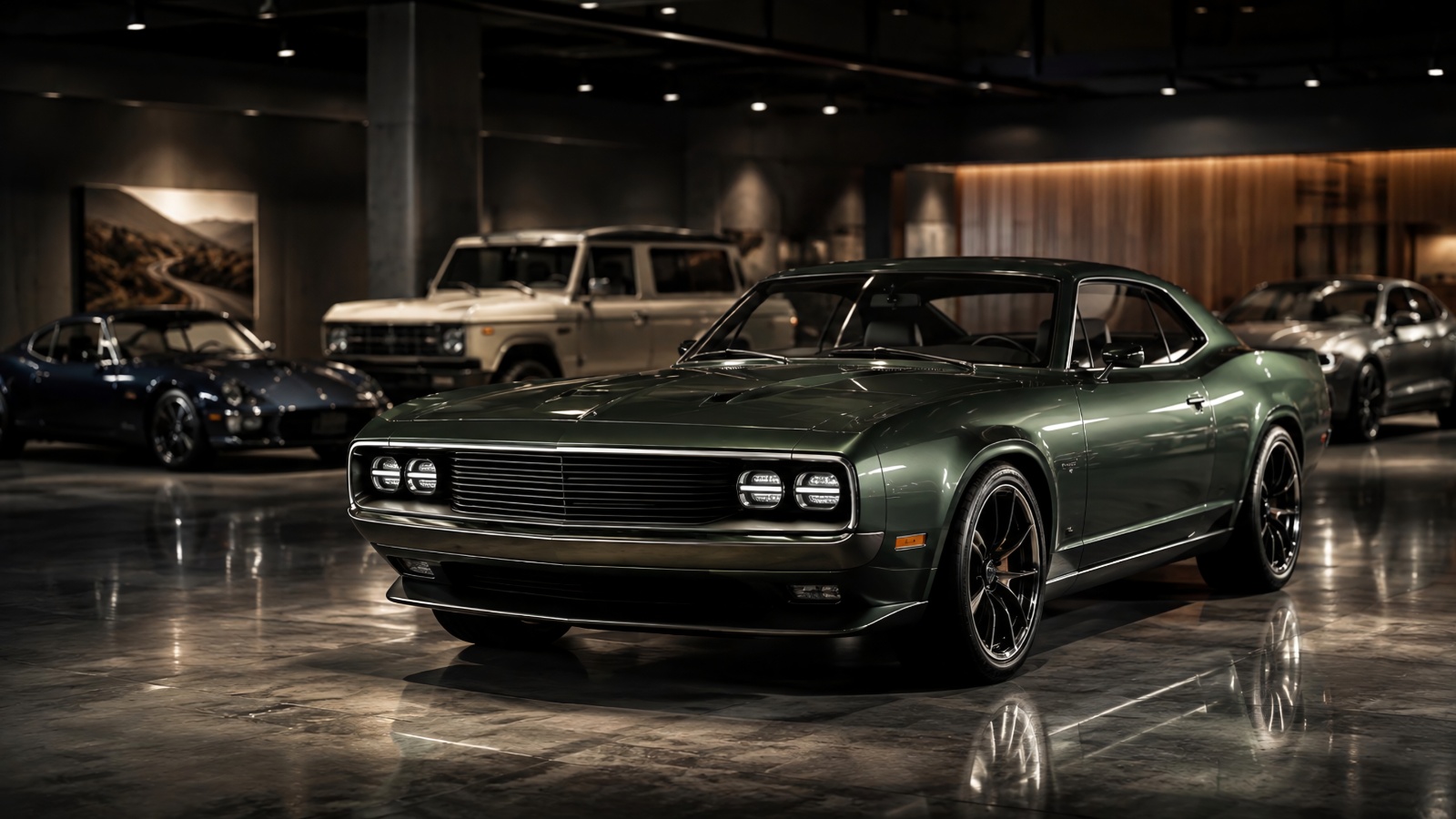
Automakers are reaching into their archives again, but the 2027 comeback class is more than a collection of retro badges. It includes affordable electric cars, track-focused performance models, commercial vans, luxury hatchbacks, and serious off-roaders.
Each revival uses familiar recognition to introduce new technology, new platforms, or a sharply different mission. For buyers, the appeal is seeing old identities translated for a changed market.
Because model years arrive early, several vehicles carrying 2027 badges reach dealers during late 2026, while others are scheduled for calendar-year 2027. This list focuses on manufacturer-confirmed revivals or officially previewed returns, not speculative renderings. Final prices, specifications, and market availability can still change before production, especially for models intended first for Europe, Japan, or Australia.
1. Chevrolet Bolt
Chevrolet’s Bolt revival is the clearest example of an automaker reversing course because a discontinued model still had a useful place in the market. The 2027 Bolt returns as a compact, relatively affordable electric vehicle rather than moving upscale or becoming a high-priced technology showcase.
Chevrolet lists a starting MSRP of $28,995 for the lower-priced LT, while the launch configuration was announced at $29,990 including destination. The company also says the new Bolt provides the most driving range of any EV priced below $30,000.
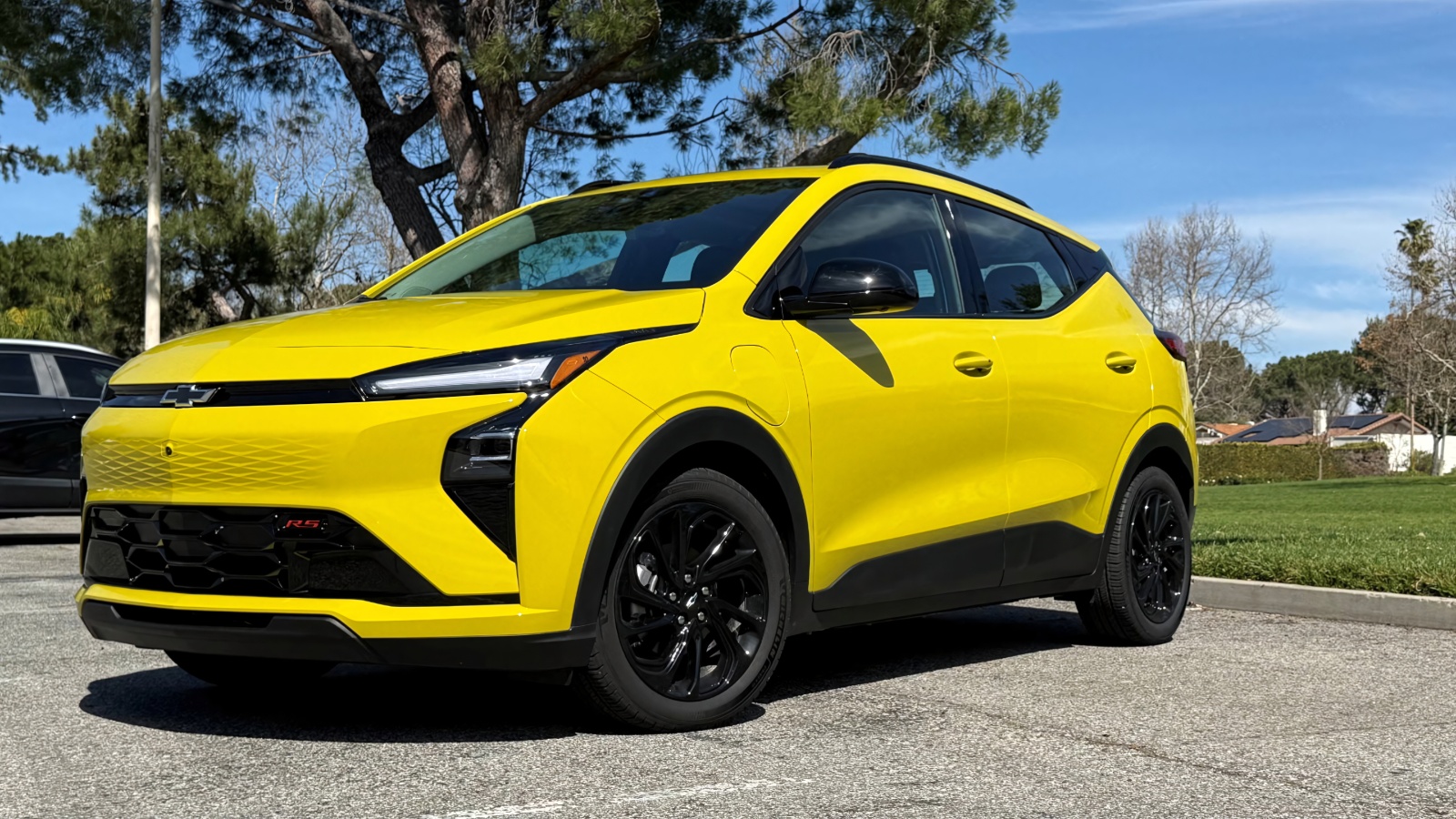
More important for everyday use, it adopts a native NACS charging port and supports peak DC fast charging of 150 kW, allowing a claimed 10-to-80-percent charge in about 25 minutes under suitable conditions.
The revived Bolt stays true to the formula that made the original successful by combining an electric powertrain with a compact and practical design that appeals to everyday drivers. One of the biggest improvements is faster public charging, solving a key drawback of the previous model while preserving the affordability that helped build a loyal customer base.
Production of the 2027 Bolt began at Chevrolet’s Fairfax Assembly plant in Kansas, and the company confirmed that the model reached dealerships across the United States by April 2026. Its release highlights how automakers often introduce a new model year before the calendar year begins.
Chevrolet has also indicated that the new Bolt will be produced in limited numbers, suggesting its return may be more selective than long-term. Even so, it brings back a familiar nameplate to the most budget-conscious segment of the American electric vehicle market.
- Engine: Single AC permanent-magnet electric motor
- Torque: 169 lb-ft
- Horsepower: 210 hp
- Length/Width: 169.6 inches / 69.7 inches
2. Chevrolet Corvette Grand Sport
The Corvette Grand Sport returns for 2027 to occupy the space many enthusiasts consider the sweet spot of the lineup. Chevrolet has historically used the badge for Corvettes that combine the standard car’s more approachable engine with wider bodywork, stronger brakes, and track-focused chassis hardware.
The C8 generation initially launched without a Grand Sport, leaving a gap between the Stingray and the more specialized Z06. That gap closes with a new 6.7-liter LS6 V-8 producing 535 horsepower and 520 pound-feet of torque. Power goes to the rear wheels through an eight-speed dual-clutch transmission, while available performance packages add more aggressive tires, braking equipment, aerodynamic pieces, and suspension tuning.
Chevrolet is also expanding the nameplate with the Grand Sport X, a 721-horsepower hybrid featuring electric all-wheel drive. That version uses a front-mounted motor and compact battery to improve launch traction and corner-exit performance while preserving the mid-engine car’s balance.
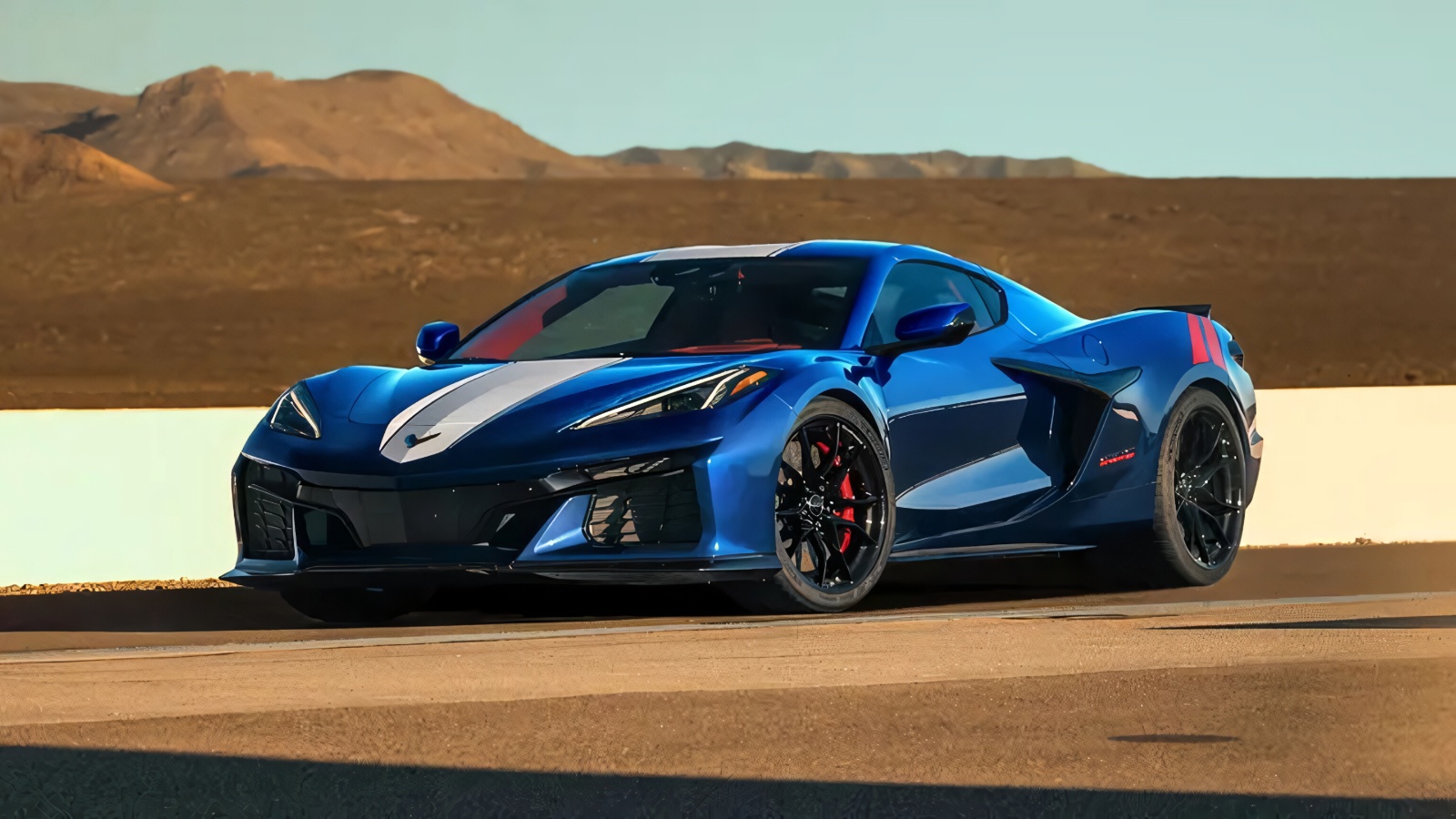
The revived Grand Sport pays tribute to its heritage through familiar styling details such as contrasting racing stripes and signature hash marks. On the C8, the hash marks have been repositioned to the rear fenders to better complement the car’s mid-engine proportions. Chevrolet planned to begin production of the 2027 Corvette Stingray and Grand Sport during the summer of 2026, with both models expected to arrive in dealerships later that year.
The Grand Sport returns as more than a tribute to Corvette history or a simple appearance upgrade. It continues its role as a balanced performance model, positioned between the everyday Stingray and the more aggressive Z06. The car is built for drivers seeking a combination of daily comfort and serious track-ready capability without moving to the highest level of performance.
- Engine: 6.7-liter naturally aspirated V8
- Torque: 520 lb-ft
- Horsepower: 535 hp
- Length/Width: 182.3–185.9 inches / 76.1–79.7 inches
3. Ram 1500 SRT TRX
The Ram 1500 SRT TRX returns for the 2027 model year after the previous supercharged truck left production, and the revival is more powerful than the original. Ram’s updated truck uses a supercharged 6.2-liter HEMI V-8 rated at 777 horsepower and 680 pound-feet of torque. That represents a 75-horsepower increase over the earlier TRX and places the truck back at the top of the gasoline-powered off-road pickup hierarchy.
Ram claims a 0-to-60-mph time of roughly 3.5 seconds, an extraordinary figure for a full-size crew-cab truck built with long-travel suspension, four-wheel drive, and serious desert-running capability.
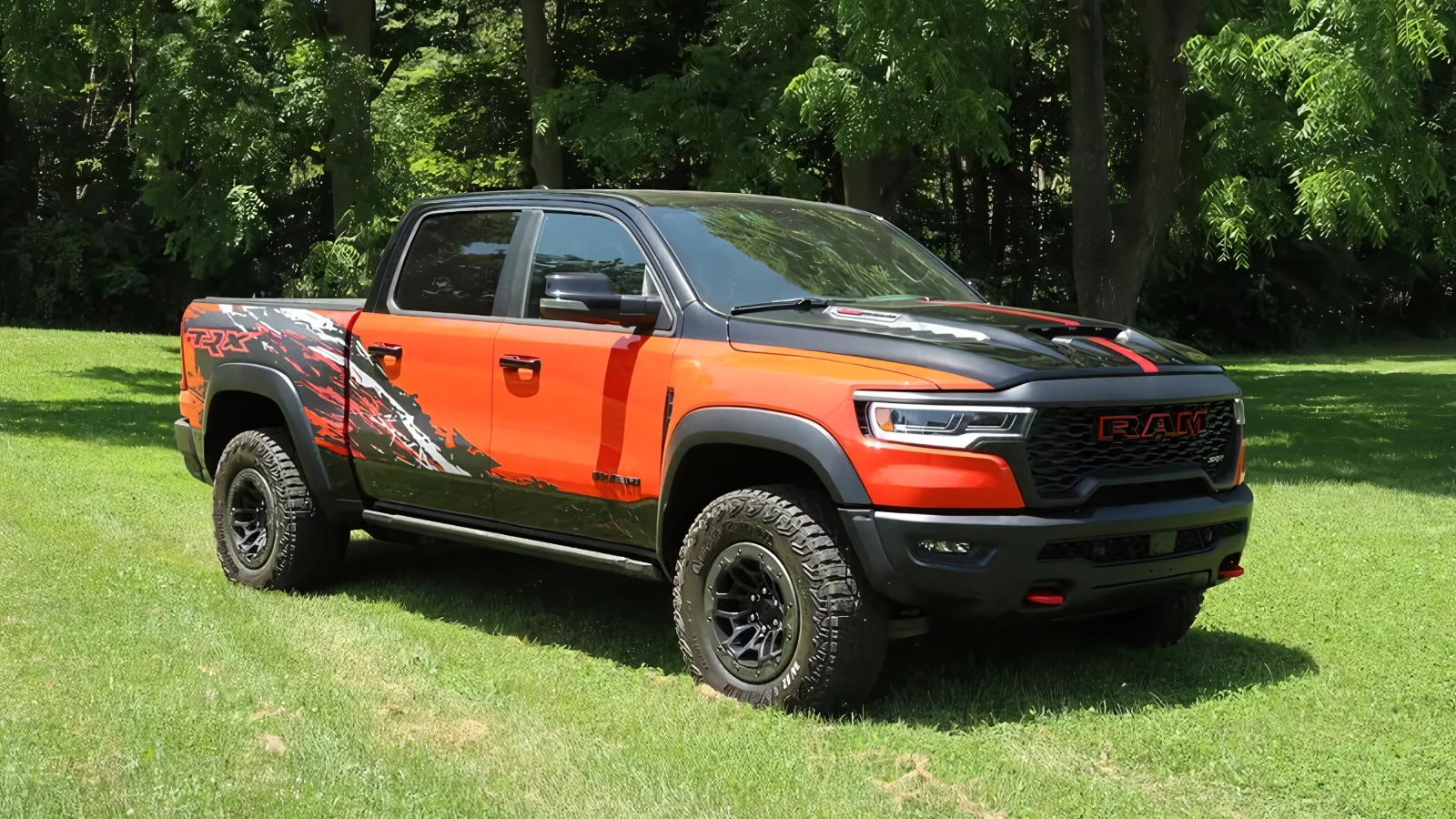
The comeback also restores the SRT badge to a Ram production truck. Underneath, the TRX uses adaptive Bilstein Black Hawk e2 dampers, a full-time active transfer case, an eight-speed automatic transmission, and a reinforced rear axle with an electronic locker.
The cabin moves beyond the stripped-down desert-racer idea with a large infotainment display, digital instruments, available massaging seats, carbon-fiber trim, and modern driver-assistance technology. Orders opened in June 2026 with a listed MSRP of $99,995 before destination, and Ram scheduled showroom availability for the latter half of 2026 as a 2027 model.
The timing makes the TRX another early-arriving comeback, but its significance is straightforward. Ram briefly replaced the old truck’s supercharged formula with the six-cylinder RHO, then brought the V-8 flagship back when market and regulatory conditions shifted. Few revivals preserve their predecessor’s character this faithfully while increasing both performance and luxury. It is louder, faster, and more unapologetic than before.
- Engine: 6.2-liter supercharged HEMI V8
- Torque: 680 lb-ft
- Horsepower: 777 hp
- Length/Width: 233.7 inches / 88.0 inches
4. Ram 1500 Rumble Bee
Ram is reviving the Rumble Bee name for 2027, but the new version is far more ambitious than a graphics-and-exhaust appearance package. The comeback creates an entire family of street-oriented performance pickups built around a shortened Quad Cab and short-bed configuration. Ram says the wheelbase is 13 inches shorter than a conventional comparable truck, giving the Rumble Bee a stockier stance and quicker responses.
The lineup begins with a 5.7-liter HEMI V-8 producing 395 horsepower, followed by a 6.4-liter 392 HEMI with 470 horsepower. A Track Pack adds more serious chassis, cooling, braking, and aerodynamic hardware for buyers who intend to use the truck as a performance machine rather than simply a nostalgic collectible.
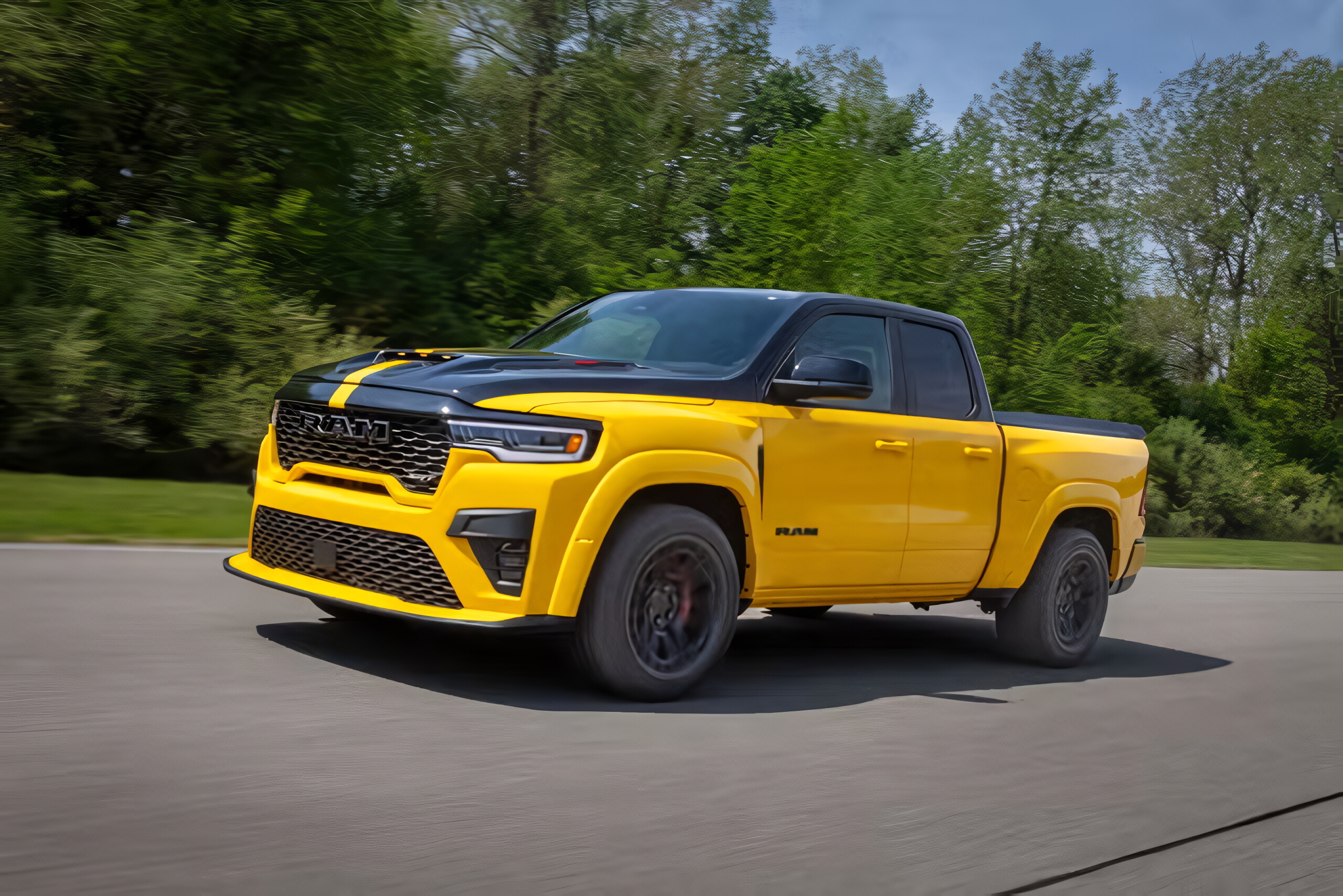
At the top sits the Rumble Bee SRT, powered by the same 777-horsepower supercharged 6.2-liter HEMI V-8 used in the revived TRX. Ram targets a 3.4-second run to 60 mph, an 11.6-second quarter-mile, and a 170-mph top speed, figures that move the truck into genuine high-performance-car territory. Despite the focus on speed, Ram lists towing capacity of up to 8,890 pounds and payload of up to 1,160 pounds.
The entry-level Rumble Bee is expected to launch in late 2026, with the more powerful 392 and SRT variants set to arrive in the first half of 2027. This comeback represents more than a return of a familiar name. Rather than simply reviving a limited-production pickup from the past, Ram is positioning the Rumble Bee as a way to bring new life to the declining American muscle-truck segment.
- Engine: 5.7-liter HEMI V8 / 6.4-liter HEMI V8 / 6.2-liter supercharged HEMI V8
- Torque: 410 lb-ft / 455 lb-ft / 680 lb-ft
- Horsepower: 395 hp / 470 hp / 777 hp
- Length/Width: 219.5 inches / 88.0 inches
5. Ram ProMaster City
The Ram ProMaster City returns in the first quarter of 2027 to fill a practical gap that opened when compact and midsize commercial vans largely disappeared from the American market. The revived model is not simply a rebadged passenger vehicle with the rear seats removed.
Ram describes it as a purpose-built commercial van offered in Tradesman and SLT trims, with cargo-van and passenger-wagon configurations. Passenger versions can seat five or eight, while cargo models provide more than 167 cubic feet of usable space. The load floor stretches 111 inches, and the area between the rear wheel wells is more than 48 inches wide, enough to accommodate two standard U.S. pallets positioned front to back.
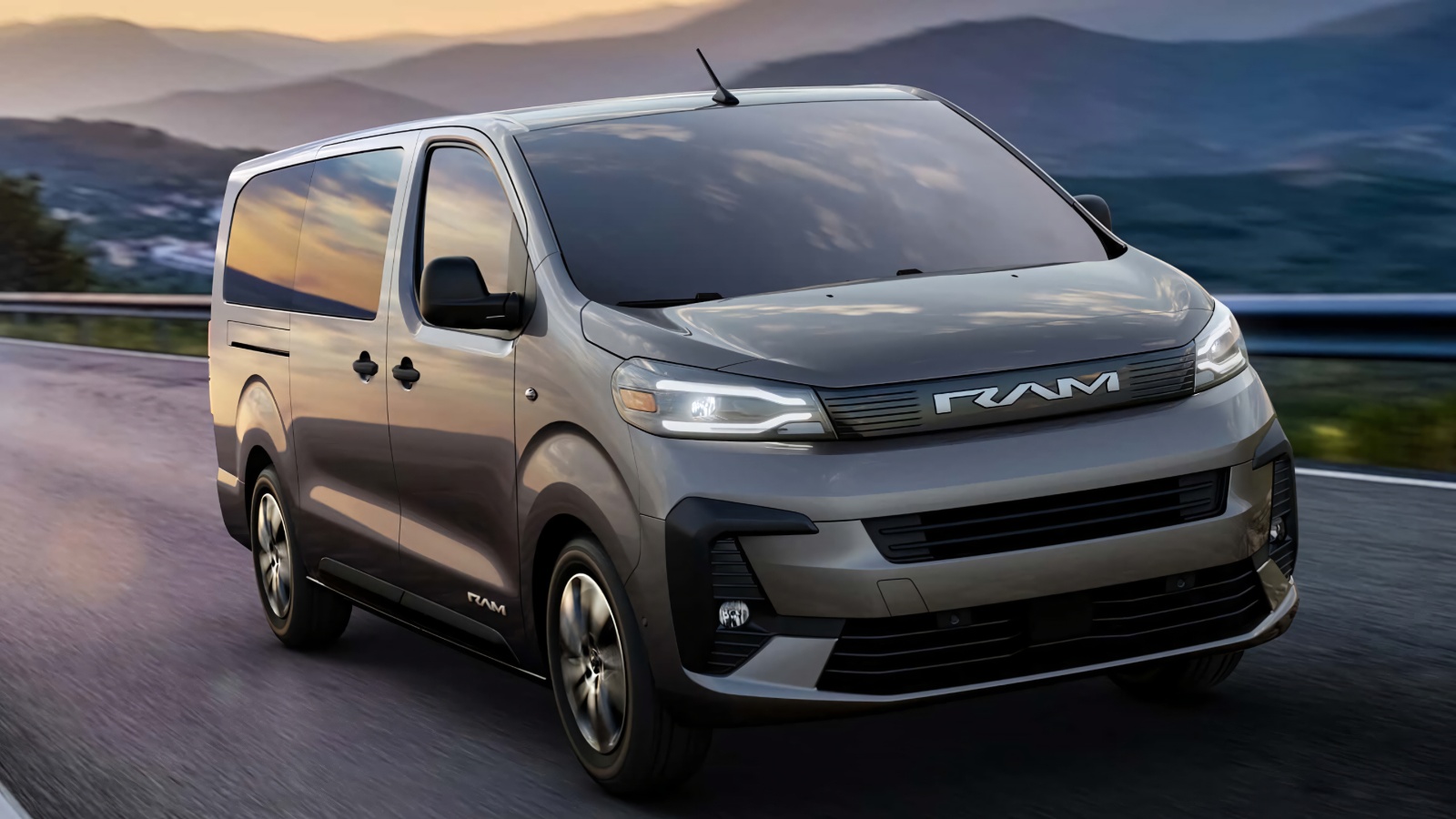
Ram is targeting more than 2,000 pounds of payload and approximately 2,000 pounds of towing capability, figures intended to make the van useful for tradespeople, delivery operators, shuttle services, and small fleets. The company also says the starting price should remain below $40,000, which would give businesses a lower-cost alternative to full-size commercial vans.
Modern safety systems, updated connectivity, and a more comfortable cabin are expected to address the everyday needs of drivers who spend entire workdays inside the vehicle. The ProMaster City’s return matters because it revives a nameplate for a segment competitors have mostly abandoned.
Instead of chasing lifestyle buyers, Ram is bringing back a compact commercial tool with clear dimensions, measurable capacity, and a specific business purpose. For contractors and urban fleets, that may be one of 2027’s most useful showroom comebacks.
- Engine: 1.6-liter turbocharged inline-4
- Torque: 221 lb-ft
- Horsepower: 166 hp
- Length/Width: 210.1 inches / 64.0 inches
Also read: 5 Touring Bikes That Reach 100K Miles and 5 That Don’t
6. Audi A2 e-tron
Audi is bringing back the A2 name with the A2 e-tron, reimagining the brand’s unconventional efficiency-focused model as a compact entry-level electric vehicle. The company has confirmed that the new model will be introduced in fall 2026 and will become part of a broader all-electric compact lineup. Sales in European markets are expected to begin in 2027.
The original A2, produced from 1999 to 2005, stood apart because of its lightweight aluminum construction, tall one-box shape, and unusually strong focus on fuel economy. It never became a mainstream sales success, but its engineering-first character gave the badge a lasting reputation among enthusiasts who value clever packaging and low energy use.
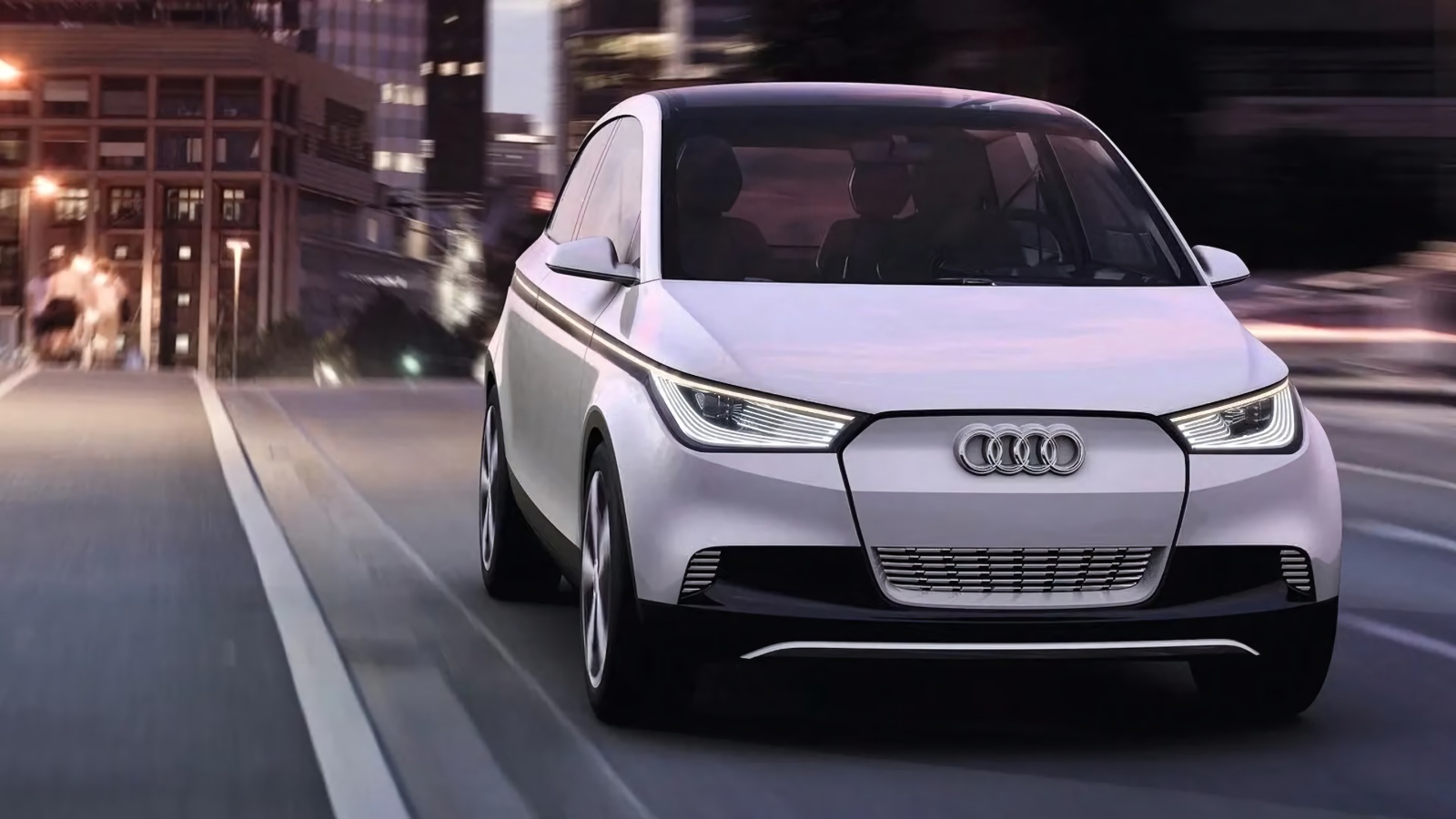
The reborn A2 is expected to sit below the Q4 e-tron in both size and price, effectively giving Audi a new entry point as the A1 and Q2 approach the end of their production runs. Reports indicate that the body will blur the line between hatchback and small crossover, preserving some of the original car’s practical, upright proportions without copying it directly.
Audi has yet to announce official figures for battery capacity, performance, driving range, or pricing, meaning those specifications should be considered unverified until the full reveal. What is clear is Audi’s direction with the A2 name, as it is being brought back for a compact electric vehicle instead of another traditional gasoline-powered hatchback. This approach makes the return of the A2 name especially fitting for the current automotive landscape.
The first A2 tried to reduce fuel consumption through light weight and aerodynamics; the new one applies the same efficiency-minded identity to electric propulsion, modern software, and urban mobility. It is a logical reinvention.
- Engine: Rear-mounted or dual permanent-magnet synchronous electric motors
- Torque: Up to 402 lb-ft
- Horsepower: 168 hp / 188 hp / 228 hp / 322 hp
- Length/Width: 165.4–169.3 inches / Approximately 70.9 inches
7. Nissan Skyline
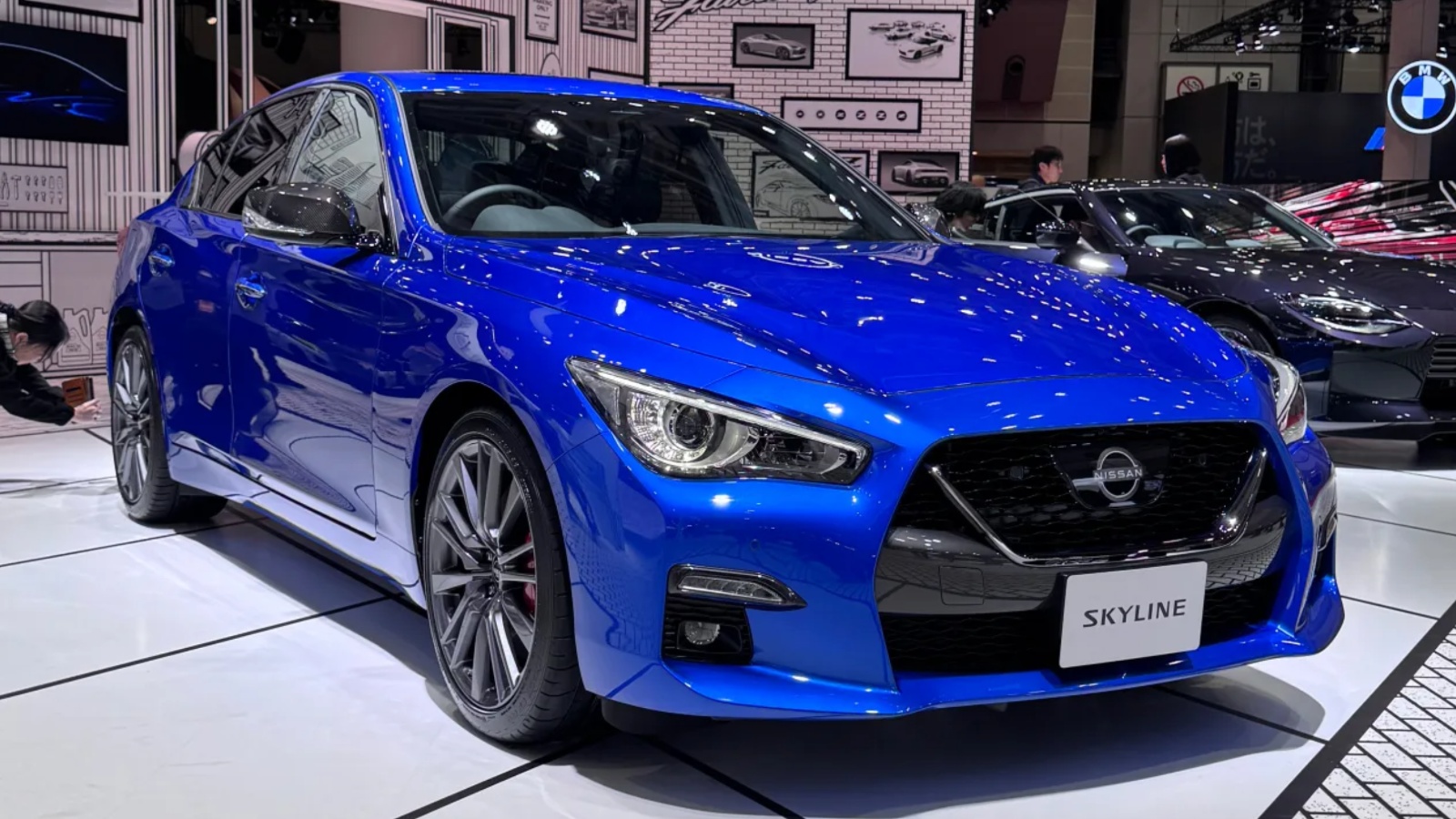
Nissan is preparing a new Skyline for Japan, restoring one of its most important performance-oriented nameplates to a central role in the company’s future lineup. Nissan officially previewed the car in April 2026 and classified it as a “Heartbeat” model, a vehicle intended to express the brand’s engineering identity and emotional character. The company describes the new Skyline as driver-focused, precise, and performance-led.
Teaser images show a sedan with broad horizontal lighting, sculpted bodywork, and round rear lamps that deliberately reconnect the car with earlier Skyline generations. The badge dates to 1957 and has represented everything from family sedans to the performance lineage that ultimately produced the GT-R.
For American buyers, the revival is expected to appear through Infiniti. Nissan Americas leadership has said the related U.S.-market sedan will use the Q50 name when it arrives in 2027, while Nissan’s own long-term plan describes Infiniti’s upcoming model as a performance-oriented V-6 sedan.
Reports have also linked the car to rear-wheel drive and a possible manual transmission, although Nissan has not released complete production specifications, output figures, pricing, or an exact showroom date. Those unconfirmed details should remain separate from what the company has actually shown.
What is clear is that Skyline is not returning as an anonymous crossover or a purely decorative trim. Nissan is positioning it as a sedan built around heritage and driving involvement at a time when many competitors are abandoning traditional sport sedans. That makes the revival strategically important, not merely nostalgic once again.
- Engine: 3.0-liter twin-turbocharged V6
- Torque: 384–405 lb-ft
- Horsepower: 400–450 hp
- Length/Width: 190.3 inches / 71.6 inches
8. Mitsubishi Pajero
Mitsubishi is bringing the Pajero back as a global flagship off-roader after the name disappeared from overseas markets in 2021. The company has confirmed an autumn 2026 world premiere, placing the revived SUV in the 2027 showroom cycle for several markets.
Unlike many modern comebacks, the new Pajero is not expected to become a road-biased crossover. Mitsubishi says it uses the robust ladder frame of the Triton pickup, with model-specific development for the cabin and both front and rear suspension. The goal is to combine serious four-wheel-drive ability with the comfort and refinement expected from a flagship SUV.
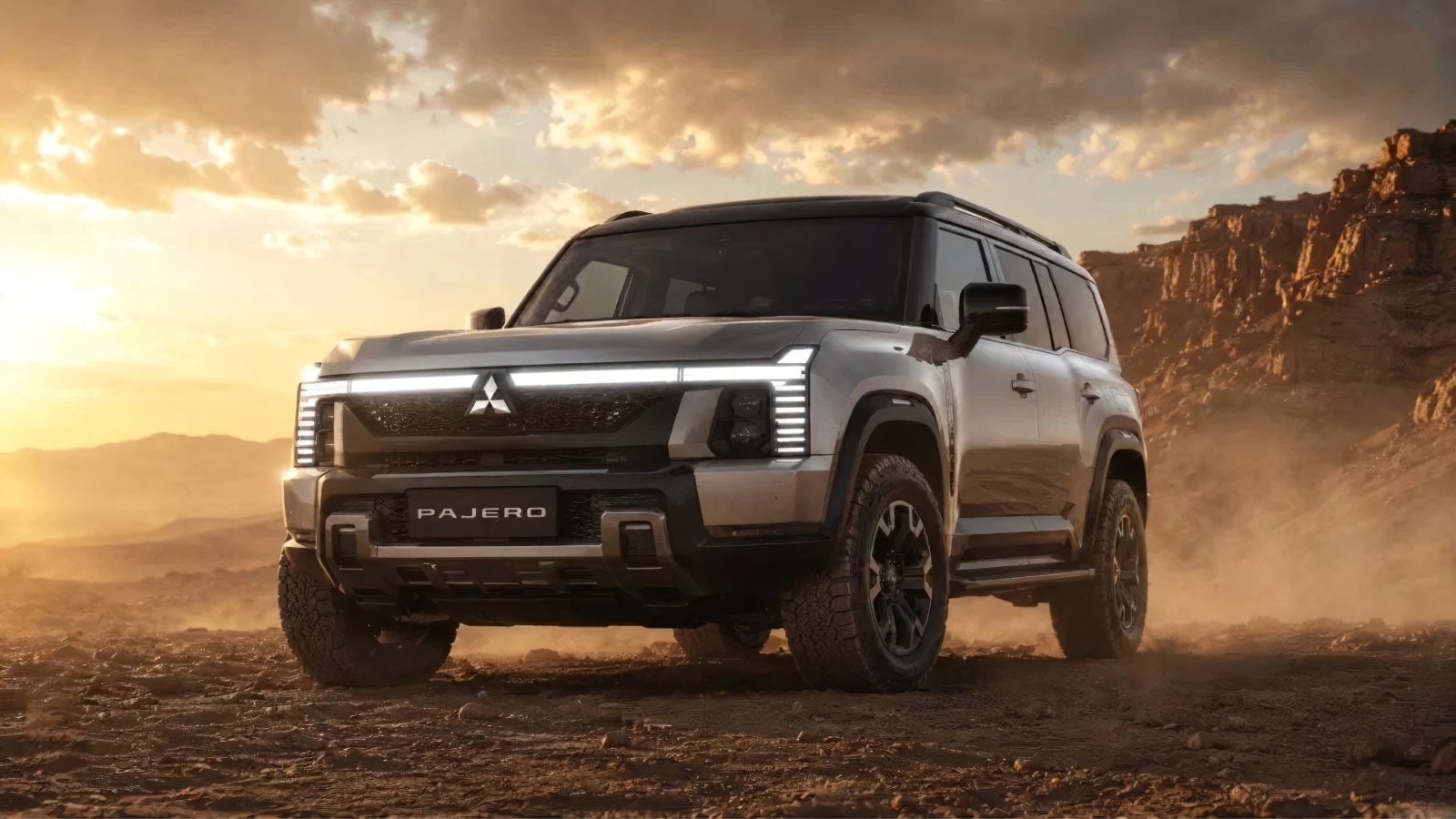
That formula closely follows the identity established by the original Pajero in 1982. Across four generations, Mitsubishi sold more than 3.25 million examples in over 170 countries and regions. The model also built an unusually strong competition record, winning the Dakar Rally 12 times, including seven consecutive victories.
Those achievements gave the badge credibility that cannot be recreated through styling alone. Mitsubishi has not yet released complete engine specifications, final pricing, or a market-by-market launch schedule. In some countries, the vehicle may continue to use the Montero name.
Although some specifications have yet to be revealed, the key points are already established. The Pajero name is coming back, the SUV will continue with a body-on-frame construction, and Mitsubishi plans to position it as the flagship of its lineup.
For longtime fans of the original model, this revival represents a true continuation of the Pajero’s purpose rather than a familiar badge placed on a completely different crossover. The character and heritage of the nameplate remain intact.
- Engine: 2.4-liter twin-turbo diesel inline-4
- Torque: 347 lb-ft
- Horsepower: 201 hp
- Length/Width: Official dimensions not yet released
Also read: 10 Cars With Cabin Filters That Clog Before 8,000 Miles