
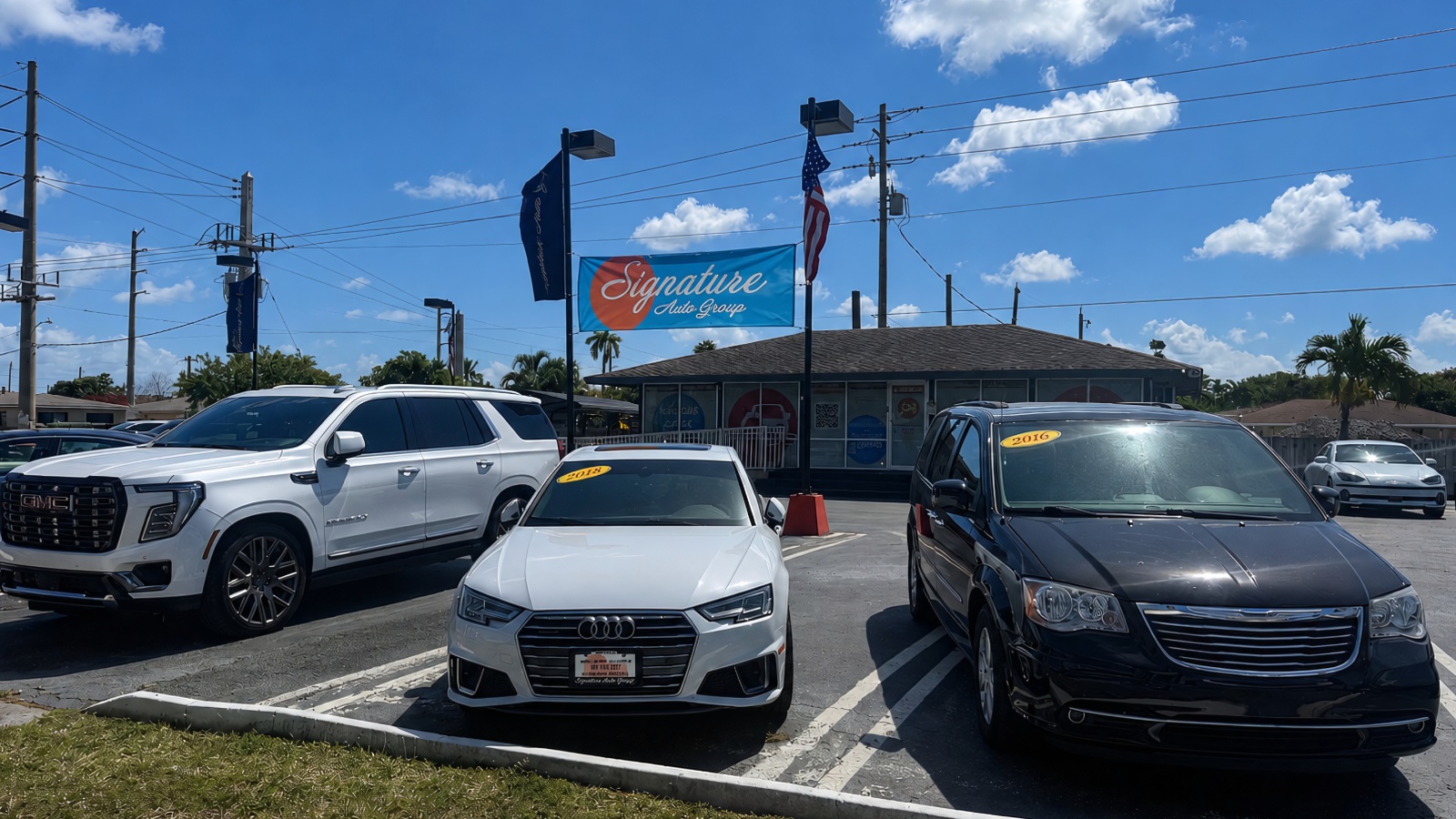
Gold, white, and black cars sit at the top of every dealership lot in America. Yet a new analysis suggests they sit at the bottom when it comes to keeping their value.
The insight comes from a leading automotive research firm known for tracking depreciation trends every year. Its latest study looked closely at over a million used vehicles.
Researchers compared pricing data for more than 1.2 million 3-year-old used cars to measure how paint color affects resale value. The results surprised many industry watchers.
The study used listings from model-year-2022 vehicles, tracked from August 2024 through May 2025. That gave analysts a clean three-year depreciation window.
The findings challenge a long-held belief. Many buyers assume neutral colors are the safest financial choice. Instead, the opposite appears true. Bold, unusual colors are now outperforming safe, common ones in the resale market.
This shift matters for anyone planning to sell or trade in a vehicle soon. It also matters for buyers shopping for a new car today. Below, we break down exactly which colors lose the most money. We also explain why this trend is happening, and what smart buyers should consider.
Why Gold, White, and Black Cars Lose Value Fastest
The numbers tell a clear story this year. Gold cars depreciated the most of any color tracked. The average vehicle loses 31% of its value, or about $14,360, after three years of ownership. Gold cars performed far worse than that baseline.
Gold vehicles depreciated at a rate of 34.4% over three years. That made gold the single worst color choice for retained value. White and black followed close behind gold. Both colors are extremely common on today’s roads.
White cars depreciated by 32.1%, while black cars depreciated by 31.9%. Both figures sit above the industry-wide average. In dollar terms, the losses are significant. These are not small differences buried in decimal points.
Accounting for inflation, black and white cars from the 2022 model year each dropped in value by more than $15,000 after three years. Gold cars fared even worse financially.
Gold car owners faced a $16,679 difference compared to the vehicle’s original suggested retail price. That is a steep price to pay for a popular shade. So why do these seemingly safe colors perform so poorly? Analysts point to a simple economic principle.
One executive analyst involved in the research explained that these colors offer little distinction in the used car market. That makes it easy for shoppers to compare prices and demand discounts.
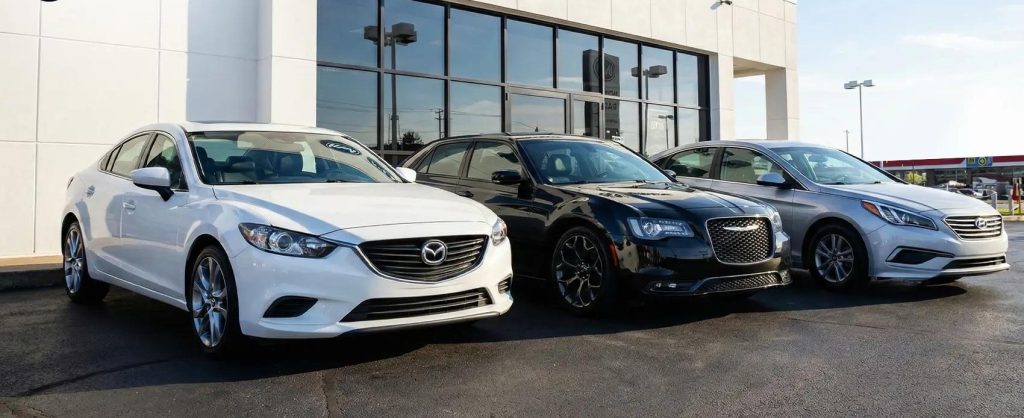
When a lot has ten white sedans, buyers hold the power. They can negotiate freely, knowing another white car sits just down the street. Supply plays a major role here too. Neutral colors are simply everywhere in today’s auto market.
The same analyst noted that black, white, and silver vehicles are extremely common, meaning there is always more than enough supply to meet buyer demand. That oversupply drags prices downward over time.
Popularity, in this case, works against the seller. It creates a crowded marketplace with little urgency to buy. This is a shift from older thinking. Buyers once believed neutral colors were the “safe” resale choice.
That belief made sense years ago. Neutral colors sold faster, even if they didn’t necessarily sell for more. This year’s depreciation gap between the best and worst colors has actually narrowed compared to prior years. Still, gold, white, and black remain firmly at the bottom.
The spread between color categories dropped from a 12.4 percentage point gap a couple of years ago to a 10.4 percentage point gap this year. Even so, the ranking of winners and losers stayed largely consistent.
It’s also worth noting how widespread these shades really are. Neutral tones dominate new car showrooms across the country. Black and white paint made up 48% of all new car sales in 2025, according to industry data cited in the report. Nearly half of all buyers are choosing these two colors alone.
That level of saturation explains a lot. When everyone buys the same color, no single car stands out. Standing out, it turns out, has real financial value. Buyers pay more for something they can’t easily find elsewhere.
The Colors That Hold Their Value Best
On the opposite end of the spectrum, bright and unusual colors are thriving. Yellow leads the pack by a wide margin. Yellow cars lost only 24.0% of their value, or about $13,667, after three years. That is well below the market average.
Orange came in second place. It also posted strong retained-value numbers. Orange vehicles depreciated by 24.4%, translating to roughly $9,951 in lost value over three years. That was actually the smallest dollar loss of any color tracked.
Green rounded out the top three performers. It also beat the national depreciation average comfortably. Green cars depreciated by 26.3%, losing around $13,152 in value over the same three-year period. All three colors clearly outperformed the market.
These aren’t new trends for the researchers behind this study. The pattern has repeated year after year in their tracking. Yellow and orange have consistently ranked among the best colors for value retention since this type of tracking began. That consistency suggests the trend isn’t a fluke.
The explanation ties back to supply and demand again. Bright colors are rare on dealer lots today. These bold shades are not widely popular among buyers, yet they have more demand than available supply. That imbalance pushes resale prices higher.
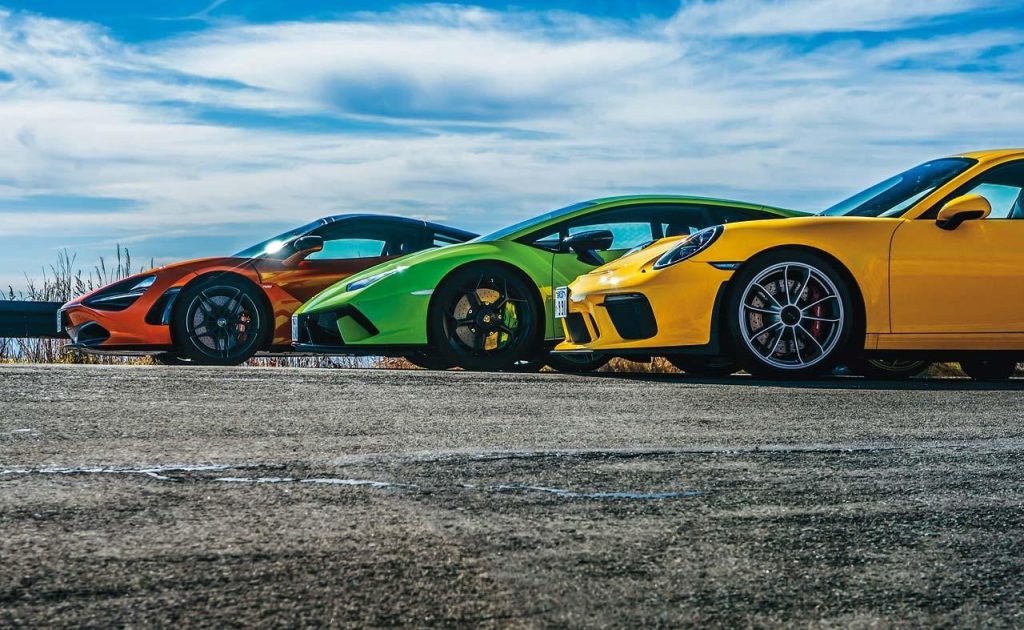
In other words, scarcity creates value. Fewer yellow cars exist, so each one becomes more desirable on the used market. It’s a straightforward economic lesson. Rare goods tend to command higher prices, even in the auto industry.
Several other colors also beat the average. They may not grab headlines, but they quietly protect owners’ wallets. Beige, red, silver, brown, gray, and blue all performed above the market average for value retention. These colors offer a middle ground between bold and boring.
This gives buyers more flexibility. Not everyone wants a bright yellow or orange vehicle sitting in their driveway. Blue and gray, for example, are far more common choices. They still offer better resale performance than white or black.
The takeaway is simple. Even a modest shift away from the most common colors can save thousands of dollars. Buyers don’t need a shockingly bright vehicle to benefit. Choosing anything besides the top three worst performers helps. It’s also worth remembering that trends can shift slightly year to year. Still, the pattern has held steady for a while now.
The national average depreciation across all colors combined sits at roughly 30% over three years, translating to about a $14,360 drop from original price. Every color above that line is quietly costing owners money. Every color below that line is doing the opposite. It’s protecting value while the vehicle ages.
What This Means for Truck, SUV, and Everyday Car Buyers
The color effect isn’t limited to sedans alone. Trucks and SUVs show their own unique patterns too. Among pickup trucks, orange and green held their value best, depreciating only 16% and 19.6% respectively over three years. That’s a massive gap compared to weaker-performing shades.
Interestingly, red trucks performed poorly this year. That breaks from the usual pattern seen in sedans. Red trucks actually lost the most value among truck colors, depreciating by 28.8% over the three-year period. Beige trucks weren’t far behind in losses.
Truck buyers lost the most money with beige models, which depreciated by 28.7% over three years. Both colors sat near the bottom of the truck rankings. SUVs followed a pattern closer to sedans. Bold colors once again outperformed neutral shades.
Orange and green SUVs lost less value compared to black, brown, and white models. The same held true for sedans in the study. Minivans offered one of the more surprising results. Green proved to be the standout winner in that category.
Green minivans lost just 15.3% of their value over three years, the best performance of any color in that segment. Brown minivans came in second place.
Brown vans depreciated by 21.3%, still well ahead of most other minivan colors. These numbers show that color effects extend across nearly every vehicle type.
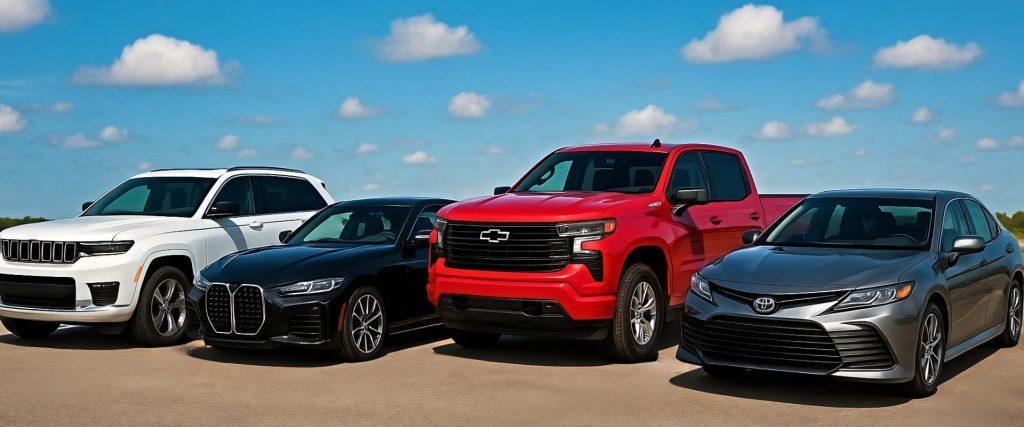
So what should everyday buyers actually do with this information? The answer depends on personal priorities and plans. If resale value is a top concern, the guidance is clear. Avoid gold, white, and black whenever possible.
Buyers planning to lease, trade in quickly, or sell within a few years should think carefully. Color could end up costing them thousands. On the other hand, some buyers simply prefer classic, neutral tones. That’s a completely valid personal choice too.
Not everyone wants a yellow or orange vehicle in their garage. Aesthetic preference will always matter to some degree. Still, understanding the financial trade-off helps buyers make informed decisions. Knowledge is power, especially with a purchase this large.
For buyers open to something different, the payoff could be real. Choosing a less common color might mean thousands saved down the road. Even a modest step away from the most saturated colors helps. Blue, gray, or silver already outperform the worst-performing shades.
Sellers of gold, white, or black vehicles shouldn’t panic either. These cars still sell, just often at a bigger discount than their owners expect. Setting realistic pricing expectations matters. Knowing the market trend in advance can prevent frustration during a sale or trade-in.
Dealerships, too, may want to pay attention to these patterns. Inventory strategy could shift slightly based on regional buyer preferences.
Researchers noted that for new car buyers focused on strong resale value, more unusual colors like yellow, orange, and green will likely fetch higher pricing when it comes time to sell. That’s a direct, practical recommendation straight from the study itself.
Ultimately, color is just one factor among many. Mileage, condition, brand reputation, and market demand still play larger roles. But as this study shows, color is far from meaningless. It can shift resale value by thousands of dollars in either direction. For buyers weighing their options, this data offers a useful nudge. Sometimes the boldest choice on the lot is also the smartest financial one.
Also Read: 10 Boxes Never to Tick at the Dealer Desk
