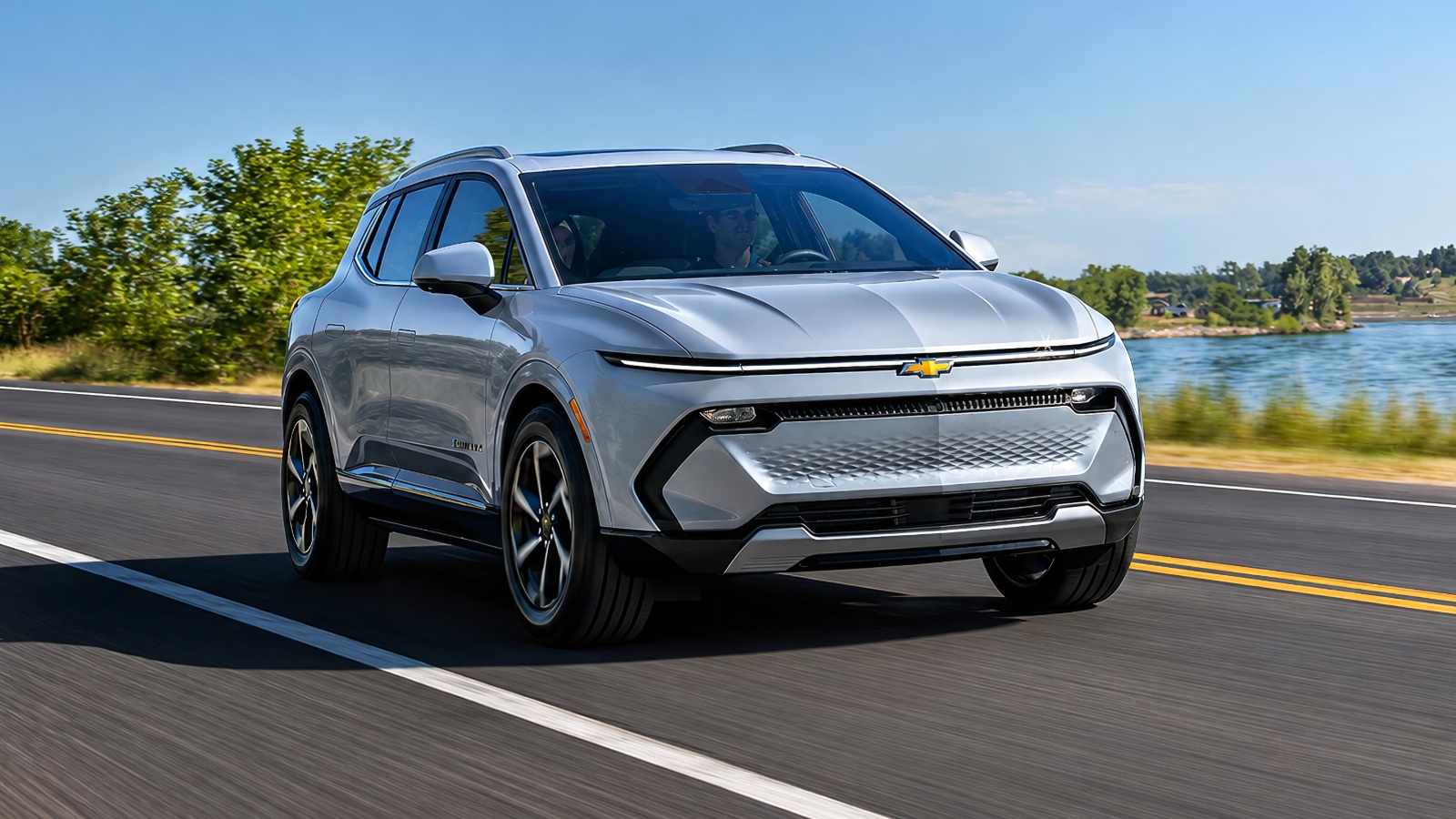
Modern vehicles rely on software as much as traditional mechanical components, with code now controlling everything from battery management and safety systems to infotainment, driver assistance, and cybersecurity. As connected features and over-the-air updates become more common, automakers must ensure vehicles can receive secure improvements while protecting against cyber threats.
Regulations and consumer expectations are pushing manufacturers to develop advanced digital systems, including centralized computing platforms and proprietary software architectures. This shift is transforming vehicle design, maintenance, and ownership by making software a core part of performance, security, and long-term vehicle development.
1. General Motors (GM)
General Motors has positioned itself as one of the industry’s most aggressive software innovators through the development of Ultifi, a software platform designed to transform its vehicles into continuously evolving digital products. Traditionally, automotive software was embedded into dozens of independent electronic control units (ECUs), each responsible for a specific function such as braking, engine management, or climate control.
Updating these systems often required dealership visits and expensive hardware replacements. GM’s new software strategy consolidates many of these functions into centralized computing systems, allowing features to be updated remotely while improving communication between vehicle components.
Ultifi enables over-the-air software updates for infotainment systems, battery management, driver-assistance technologies, and future subscription-based services. Instead of purchasing every feature when buying the vehicle, owners may receive new capabilities throughout the vehicle’s lifespan.
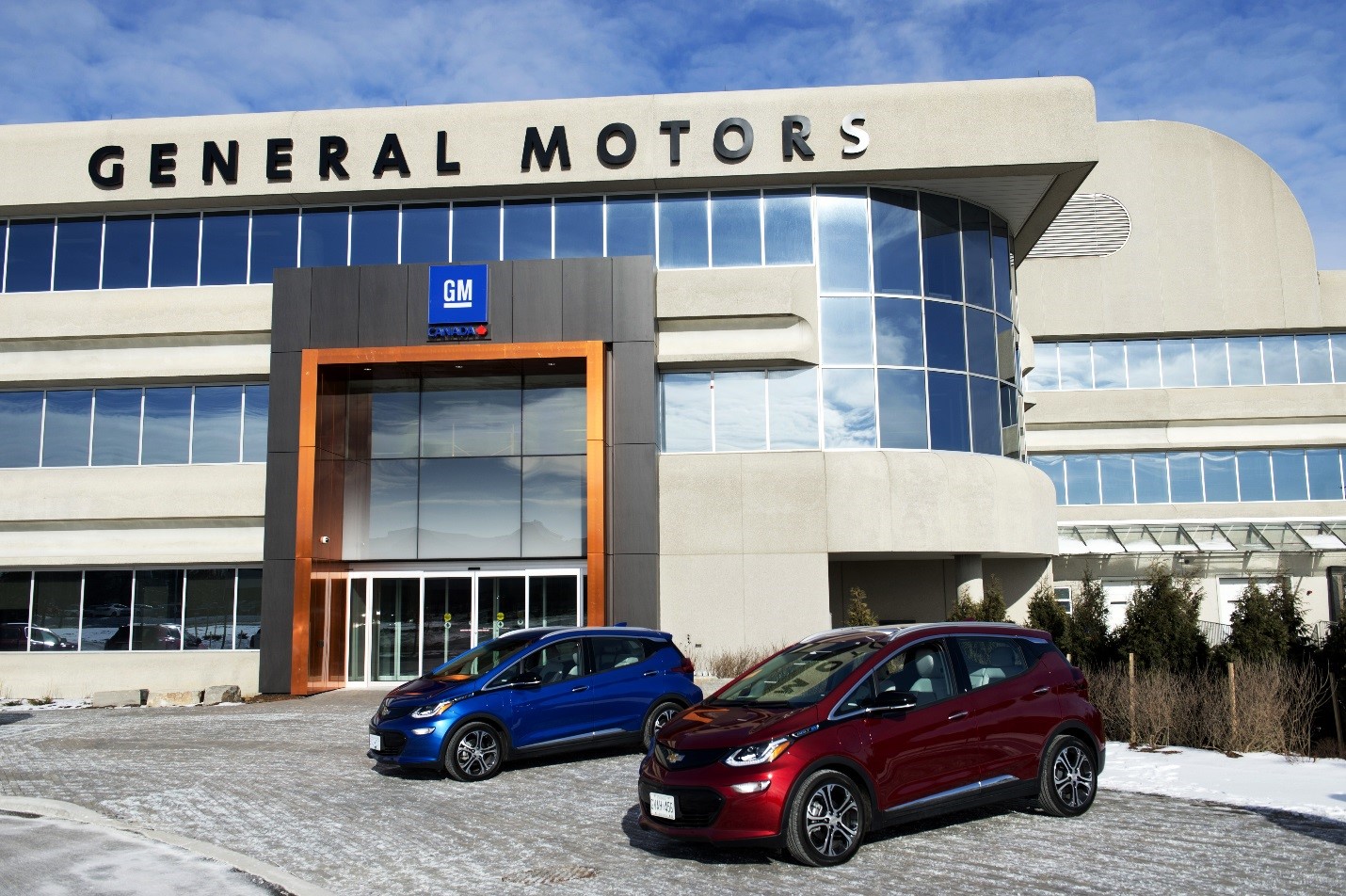
This software-first approach also allows GM engineers to respond more quickly to bugs, improve vehicle performance, and deploy cybersecurity patches without requiring physical recalls.
Cybersecurity has become one of GM’s highest priorities as vehicles become increasingly connected. Modern vehicles communicate with smartphones, cloud servers, charging stations, navigation providers, and even other vehicles, creating additional opportunities for cyberattacks.
To address these risks, GM has implemented encrypted communications, secure boot systems, intrusion detection software, and continuous security monitoring across its latest vehicle platforms. These protections align with evolving cybersecurity expectations in the United States and international vehicle security standards.
The company’s investment extends beyond software itself. GM has redesigned its electrical architecture around high-performance processors capable of replacing dozens of smaller control modules. This centralized computing strategy simplifies software validation, reduces complexity, and allows future vehicle functions to be deployed much more efficiently.
As electric vehicles become increasingly software-defined, platforms such as Ultifi will play a central role in helping GM maintain regulatory compliance while delivering continuous improvements to customers long after purchase.
2. Ford Motor Company
Ford Motor Company has undertaken one of its most ambitious digital transformations by redesigning the software ecosystem that powers its latest vehicles. Rather than treating software as a collection of independent systems, Ford now views it as the foundation of the entire ownership experience.
Central to this strategy is the Ford Digital Experience, an evolution of the company’s SYNC infotainment platform that integrates cloud services, smartphone connectivity, voice recognition, navigation, and advanced driver-assistance technologies into a unified software environment.
One of Ford’s primary goals is expanding over-the-air update capabilities across nearly its entire product lineup. These updates allow the manufacturer to improve vehicle performance, introduce new features, resolve software bugs, and strengthen cybersecurity without requiring owners to visit dealerships.
OTA technology has already been used to enhance charging performance for electric vehicles, improve infotainment functionality, optimize transmission calibrations, and refine driver-assistance systems. This capability not only improves customer satisfaction but also enables Ford to respond much more rapidly to software-related issues than was possible under traditional service models.
Cybersecurity is another major focus of Ford’s software redesign. Connected vehicles exchange enormous amounts of data with cloud servers, mobile applications, and external infrastructure.
To reduce cybersecurity risks, Ford has strengthened encryption, authentication procedures, secure communications, and digital identity management throughout its software architecture. The company also continues investing heavily in software validation and penetration testing to identify vulnerabilities before vehicles reach consumers.
Ford’s long-term vision extends beyond today’s connected vehicles. Future software platforms are expected to support increasingly sophisticated autonomous driving features, predictive maintenance, artificial intelligence, and personalized customer services. By transitioning toward centralized computing architectures, Ford reduces software fragmentation while improving long-term scalability.
These changes help position the company to satisfy evolving U.S. cybersecurity expectations while providing owners with vehicles that continue improving throughout their operational lives rather than remaining technologically static after leaving the factory.
3. Toyota
Toyota has built its reputation on manufacturing reliable vehicles, but the company recognizes that future reliability depends just as much on software quality as mechanical engineering. To prepare for the next generation of connected and electrified vehicles, Toyota has invested heavily in Arene, a comprehensive software platform developed by Woven by Toyota, the company’s advanced technology subsidiary.
Arene is designed to become the digital operating system for future Toyota and Lexus models, managing everything from infotainment and battery control to advanced driver-assistance systems and cloud-based services.
Unlike traditional vehicle software, which often relies on numerous suppliers developing separate control systems, Arene provides a unified software environment capable of integrating multiple vehicle functions under a common architecture. This significantly reduces software complexity while improving compatibility, reliability, and cybersecurity.
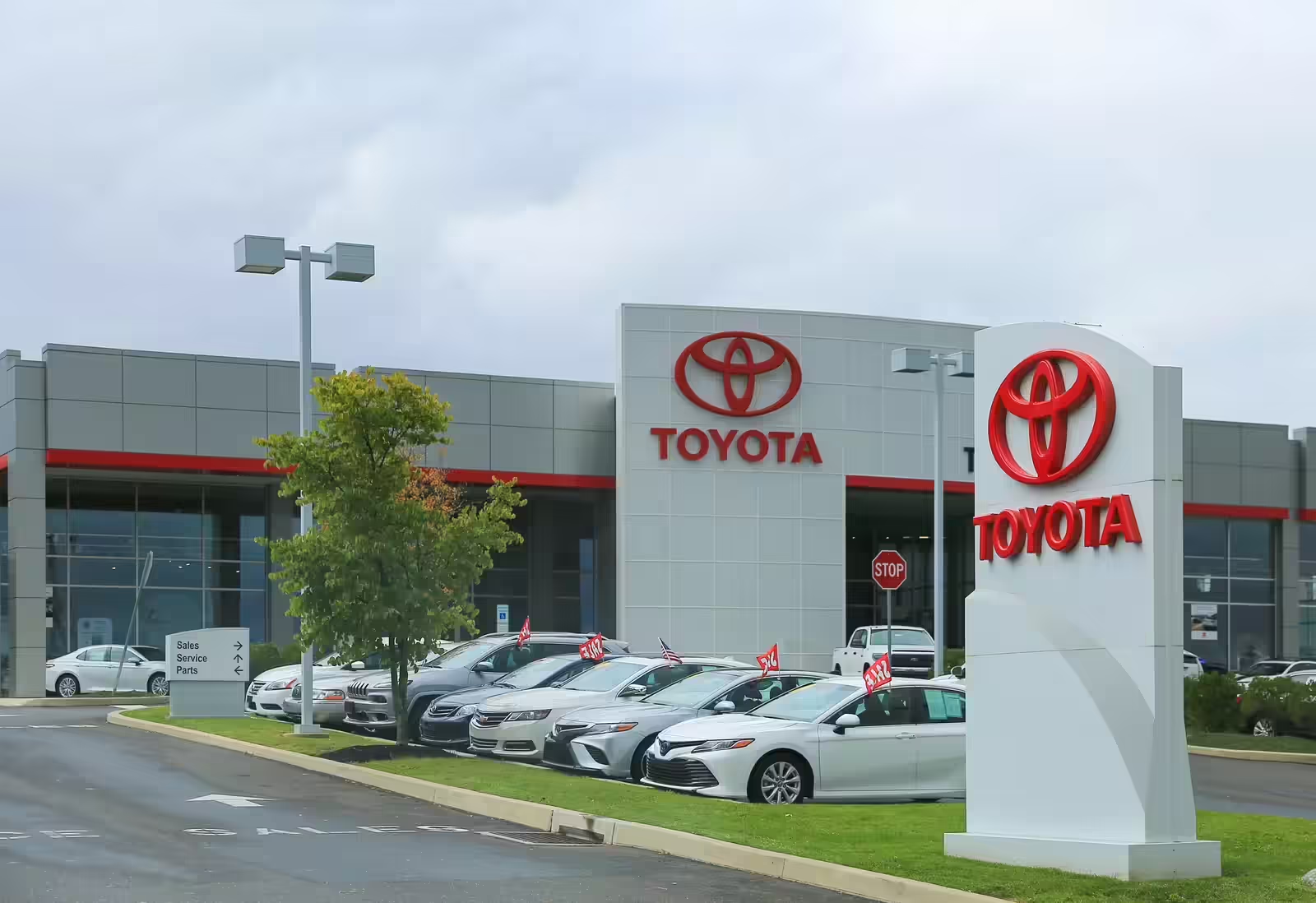
Engineers can develop, simulate, and validate software virtually before deployment, helping identify potential problems earlier in the development process and reducing the likelihood of post-production defects.
Toyota also views over-the-air software updates as an essential part of its future strategy. Instead of recalling vehicles for relatively minor software issues, engineers can distribute updates remotely, improving safety systems, navigation, charging performance, infotainment functionality, and vehicle efficiency.
These updates also enable Toyota to respond quickly to newly discovered cybersecurity threats, an increasingly important capability as connected vehicles become more common.
Another important advantage of Arene is its support for artificial intelligence and future automated driving technologies. As driver-assistance systems become more sophisticated, software must process enormous amounts of sensor data while maintaining extremely high safety standards.
Toyota’s centralized software platform simplifies this process while making compliance with emerging U.S. cybersecurity expectations more manageable. Although Arene will be introduced gradually across Toyota’s product portfolio, it represents one of the company’s largest investments in digital transformation and positions Toyota to remain competitive as software-defined vehicles become the industry standard.
4. Volkswagen Group
Volkswagen Group has experienced one of the automotive industry’s most publicized software transformations. As the parent company of Volkswagen, Audi, Porsche, Bentley, Lamborghini, and several other brands, Volkswagen faces the enormous challenge of creating software capable of supporting dozens of vehicle platforms across multiple market segments.
To address this challenge, the company established Cariad, a dedicated software division responsible for developing a unified software ecosystem that can be shared across the group’s global portfolio. The goal is to reduce software fragmentation while giving Volkswagen greater control over vehicle functionality, cybersecurity, and future technological development.

The company’s early software efforts were not without difficulties. Initial versions of software developed for the ID. electric vehicle family experienced delays, infotainment glitches, connectivity issues, and slower-than-expected update schedules. These problems affected product launches and highlighted the complexity of building software-defined vehicles.
In response, Volkswagen reorganized Cariad, simplified development processes, increased collaboration with technology partners, and focused on improving software quality before deployment. These lessons have shaped the company’s current strategy of prioritizing software stability over rapid feature expansion.
One of Cariad’s primary objectives is enabling secure over-the-air (OTA) software updates across the Volkswagen Group lineup. Rather than requiring dealership visits for every software improvement, future vehicles will receive regular updates that enhance navigation, battery management, infotainment systems, digital dashboards, driver-assistance technologies, and cybersecurity protections.
This approach allows Volkswagen to respond quickly to newly discovered software vulnerabilities while extending the useful life of its vehicles through continuous improvements.
Cybersecurity has become another major focus of Volkswagen’s software redesign. Connected vehicles exchange sensitive information with cloud servers, smartphones, charging infrastructure, and traffic management systems. Protecting these communications requires encrypted data transmission, secure authentication procedures, intrusion detection systems, and continuous vulnerability monitoring.
Volkswagen’s centralized computing architecture also reduces the number of independent electronic control units, making software validation and regulatory compliance more efficient.
Looking ahead, Cariad is expected to support increasingly advanced autonomous driving capabilities, artificial intelligence applications, and cloud-based vehicle services. Although the transition has been more challenging than initially anticipated, Volkswagen’s long-term investment reflects the industry’s recognition that software quality has become just as important as traditional mechanical engineering in determining a vehicle’s success in the U.S. market.
5. Mercedes-Benz
Mercedes-Benz has embraced the transition to software-defined vehicles through the development of MB.OS, a proprietary operating system designed to serve as the digital foundation for future Mercedes vehicles. Unlike earlier generations that relied heavily on software supplied by multiple vendors, MB.OS allows Mercedes to control nearly every aspect of software development internally.
This gives the company greater flexibility to improve cybersecurity, accelerate software updates, introduce new digital services, and maintain compliance with evolving regulations affecting connected vehicles.
MB.OS is designed to integrate infotainment, navigation, artificial intelligence, cloud connectivity, battery management, driver-assistance systems, and vehicle diagnostics into a unified computing environment. Instead of operating dozens of separate electronic control modules, future Mercedes vehicles will rely on centralized high-performance processors capable of managing multiple systems simultaneously.
This architecture simplifies software development while improving processing power, reducing latency, and making future upgrades significantly easier to deploy.

Over-the-air software updates represent one of the platform’s most valuable capabilities. Mercedes owners will increasingly receive feature improvements, navigation enhancements, performance optimizations, cybersecurity patches, and new applications without visiting dealerships.
These updates extend the useful life of the vehicle while helping Mercedes respond rapidly to software issues that emerge after production. The company also plans to introduce subscription-based digital services that allow customers to activate optional features after purchase, creating new revenue opportunities while giving drivers greater flexibility.
Cybersecurity remains a central priority throughout MB.OS development. Mercedes has invested heavily in encrypted communications, secure boot technology, digital certificates, intrusion detection systems, and continuous software verification to reduce the risk of unauthorized access.
As vehicles become increasingly connected to smartphones, cloud services, and smart infrastructure, maintaining software integrity has become essential for protecting both vehicle safety and customer privacy.
Mercedes also views artificial intelligence as a key component of its future software ecosystem. AI-powered voice assistants, predictive navigation, intelligent route planning, personalized driver settings, and enhanced driver-assistance systems will increasingly rely on MB.OS.
By developing its own operating system, Mercedes aims to shorten development cycles, improve software quality, and ensure its luxury vehicles remain technologically competitive while satisfying increasingly demanding U.S. cybersecurity expectations.
Also read: 10 Cars Holding Location History No Owner Can Erase
6. Hyundai Motor Group
Hyundai Motor Group, which includes Hyundai, Kia, and Genesis, has become one of the fastest-growing automotive manufacturers in software innovation. Recognizing that future competitiveness depends on digital capability as much as mechanical engineering, the company is developing a Connected Car Operating System (ccOS) that will serve as the foundation for millions of future vehicles sold worldwide.
The software platform is intended to support electric vehicles, autonomous driving technologies, cloud-based services, and increasingly sophisticated connected features while maintaining compliance with evolving cybersecurity regulations.
One of Hyundai’s primary objectives is enabling frequent and reliable over-the-air software updates across its entire lineup. Instead of limiting OTA functionality to infotainment systems, Hyundai’s next-generation architecture allows updates to critical vehicle components such as battery management systems, charging software, powertrain calibration, driver-assistance technologies, digital instrument clusters, and vehicle security systems.
This capability significantly reduces the need for dealership service visits while allowing engineers to continuously improve vehicle performance throughout its lifespan.
The company has also redesigned its electrical architecture around centralized domain controllers that replace numerous independent electronic control units. This simplified structure reduces software complexity, improves communication between vehicle systems, and allows new features to be introduced more efficiently.
As connected vehicles become more advanced, centralized computing also makes cybersecurity monitoring easier by reducing the number of potential attack points within the vehicle network.
Cybersecurity has become an increasingly important aspect of Hyundai’s software strategy. The company continues investing in secure software development practices, encrypted communications, penetration testing, and real-time threat detection to protect connected vehicles from unauthorized access.
These protections are particularly important as Hyundai expands cloud-connected services, smartphone integration, remote diagnostics, and digital key technologies that rely on secure wireless communications.
Looking toward the future, Hyundai expects its Connected Car Operating System to support artificial intelligence, predictive maintenance, autonomous driving, and vehicle-to-everything (V2X) communications. By treating software as a continuously evolving platform rather than a fixed product, Hyundai aims to improve customer satisfaction, reduce long-term maintenance costs, and ensure its vehicles remain compliant with future U.S. digital security expectations.
The company’s substantial investment reflects the industry’s broader shift toward software-defined mobility, where digital capability increasingly determines both vehicle performance and long-term value.
7. BMW
BMW has spent the past decade steadily transforming itself from a traditional luxury automaker into a technology company that builds vehicles around software. The latest step in that evolution is BMW Operating System 9, a next-generation software platform that powers infotainment, navigation, connected services, digital personalization, and advanced driver-assistance features across many of the company’s newest models.
Rather than introducing isolated software upgrades for individual components, BMW is building an integrated ecosystem that allows nearly every digital function within the vehicle to communicate through a common architecture.
A major advantage of Operating System 9 is its ability to support over-the-air (OTA) software updates on a much larger scale than previous generations. Owners can receive improvements to navigation, voice recognition, infotainment performance, digital displays, battery management for electric vehicles, and various vehicle functions without scheduling dealership appointments.

These updates also enable BMW engineers to distribute cybersecurity patches quickly whenever vulnerabilities are identified, helping vehicles remain compliant with evolving digital security expectations throughout their operational lives.
BMW has invested heavily in cloud computing and connected services that allow vehicles to synchronize with smartphones, wearable devices, and customer accounts. Drivers can store personalized settings including seating positions, climate preferences, navigation favorites, and infotainment configurations that automatically transfer between compatible BMW vehicles.
While these conveniences improve the ownership experience, they also require significantly stronger cybersecurity protections to safeguard personal information and prevent unauthorized access.
To address these concerns, BMW employs encrypted communications, secure authentication protocols, digital certificates, and continuous software validation throughout its development process.
The company also conducts extensive cybersecurity testing before releasing software updates to ensure new features do not introduce additional vulnerabilities. These practices align with increasingly stringent automotive cybersecurity expectations adopted by regulators and industry organizations worldwide.
Looking ahead, BMW plans to expand the capabilities of Operating System 9 through artificial intelligence, predictive maintenance, enhanced voice assistants, and more advanced driver-assistance technologies.
As vehicles become increasingly software-defined, BMW’s investment in centralized computing and continuous software development positions the company to remain competitive in the U.S. luxury market while adapting to future cybersecurity and connectivity requirements.
8. Honda
Honda is preparing for the next generation of connected vehicles through the development of ASIMO OS, a proprietary operating system named after the company’s famous humanoid robot.
Scheduled to appear in future Honda electric vehicles and advanced hybrid models, ASIMO OS is designed to unify vehicle software into a single platform capable of managing infotainment, battery systems, driver-assistance technologies, cloud services, and digital personalization. By controlling software development internally, Honda hopes to accelerate innovation while reducing dependence on multiple external suppliers.
One of the primary motivations behind ASIMO OS is the growing importance of software updates throughout a vehicle’s lifespan. Modern vehicles frequently require improvements to navigation systems, charging algorithms, safety features, cybersecurity protections, and digital services long after production ends.
Honda’s software platform will allow these updates to be delivered securely through over-the-air technology, minimizing dealership visits while ensuring vehicles continue meeting customer expectations and evolving regulatory requirements.
Cybersecurity forms a central pillar of Honda’s software strategy. As vehicles exchange increasing amounts of data with smartphones, cloud servers, charging infrastructure, and intelligent transportation systems, protecting these communications becomes essential.
Honda is integrating secure boot processes, encrypted communications, digital authentication systems, and continuous vulnerability monitoring into ASIMO OS to reduce the risk of cyberattacks and unauthorized software modification. These measures are intended to satisfy increasingly demanding cybersecurity standards while protecting both vehicle safety and customer privacy.
Honda also expects ASIMO OS to serve as the foundation for future artificial intelligence applications. Intelligent voice assistants, personalized driver profiles, predictive maintenance, advanced navigation, and more capable driver-assistance systems will rely on centralized software capable of processing enormous quantities of data efficiently.
This architecture also supports future autonomous driving research by simplifying software integration across multiple vehicle systems.
Although ASIMO OS will be introduced gradually over several model generations, it represents one of Honda’s largest digital investments. The company believes software-defined vehicles will become the industry standard during the coming decade, making robust cybersecurity, centralized computing, and continuous software improvement essential for remaining competitive in the U.S. market.
Also read: 5 Cars With the Highest Theft Rates in Missouri, 5 With the Lowest