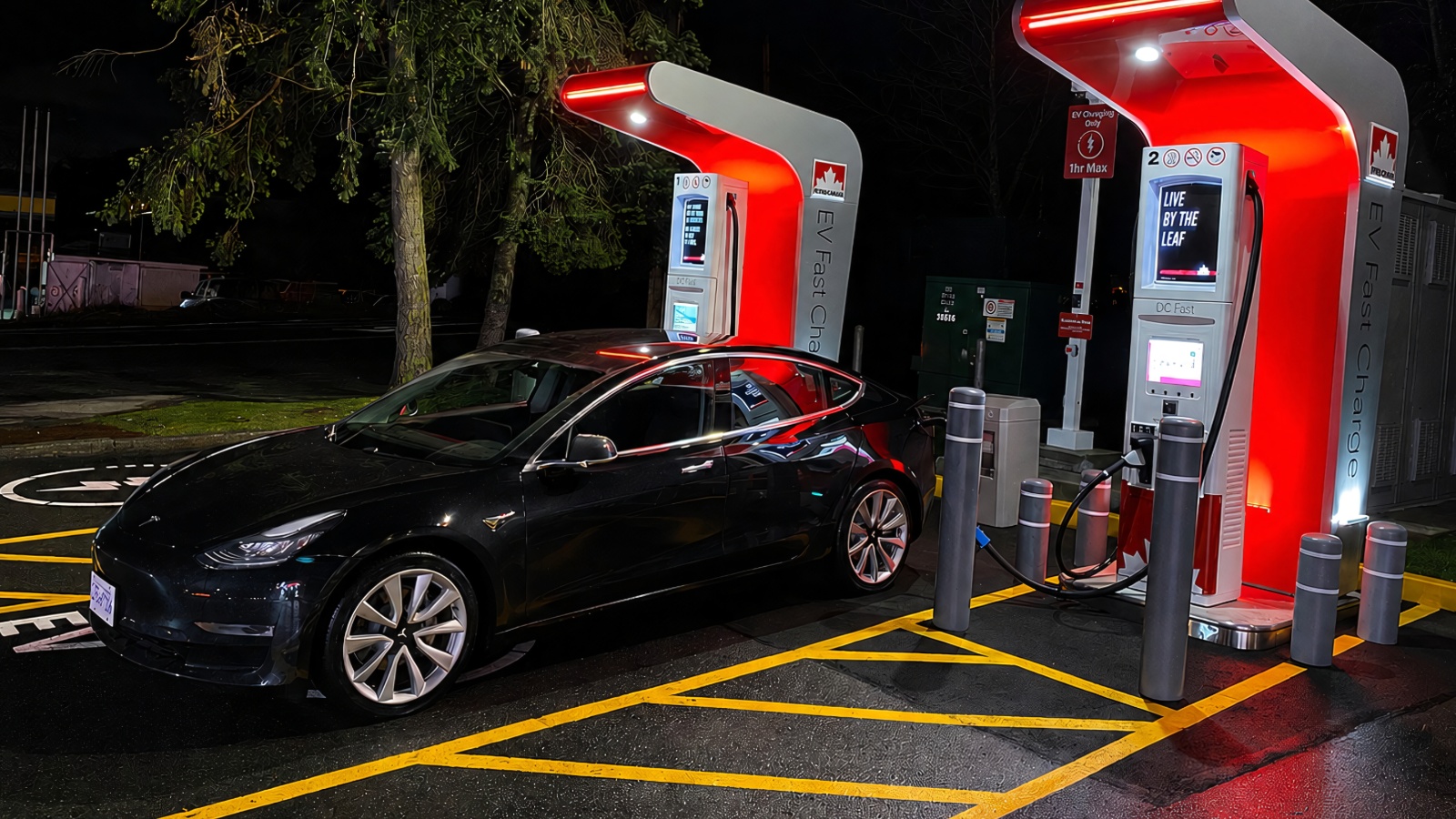
An EV’s advertised peak charging speed is not a fixed number it will deliver under every condition for its entire life. Battery-management systems continuously evaluate temperature, state of charge, battery health, age, and previous use before deciding how much power a pack can safely accept.
Tesla is especially explicit about this, stating that peak charging rates can decrease slightly after a large number of DC fast-charging sessions. Other manufacturers, including Ford and Nissan, describe related protections tied to accumulated battery health or heat created by earlier driving and charging.
That makes “charging history” broader than simply counting charger visits. In some EVs, long-term fast-charging exposure can contribute to changes in battery condition. In others, the immediately preceding drive or charging session leaves the pack hot enough that the next fast charge is restricted.
The following EVs all use battery-protection strategies in which accumulated use, battery condition, or recent charging behavior can influence the charging power the vehicle accepts.
1. Tesla Model 3
The Tesla Model 3 is one of the clearest examples of an EV whose previous charging history can influence future fast-charging behavior. Tesla has stated that the battery’s peak charging rate may decrease slightly after a large number of DC fast-charging sessions, including Supercharger sessions. That is different from the normal taper every EV experiences as the battery fills.
The Model 3 does not use a basic counter that restricts charging after a certain number of fast-charging sessions. Instead, its battery management system continuously evaluates the condition of the battery and adjusts charging accordingly.
Frequent high-power charging may place additional stress on the battery over time, while factors such as battery age, temperature, cell condition, and battery health can determine how much charging power the vehicle can safely handle.
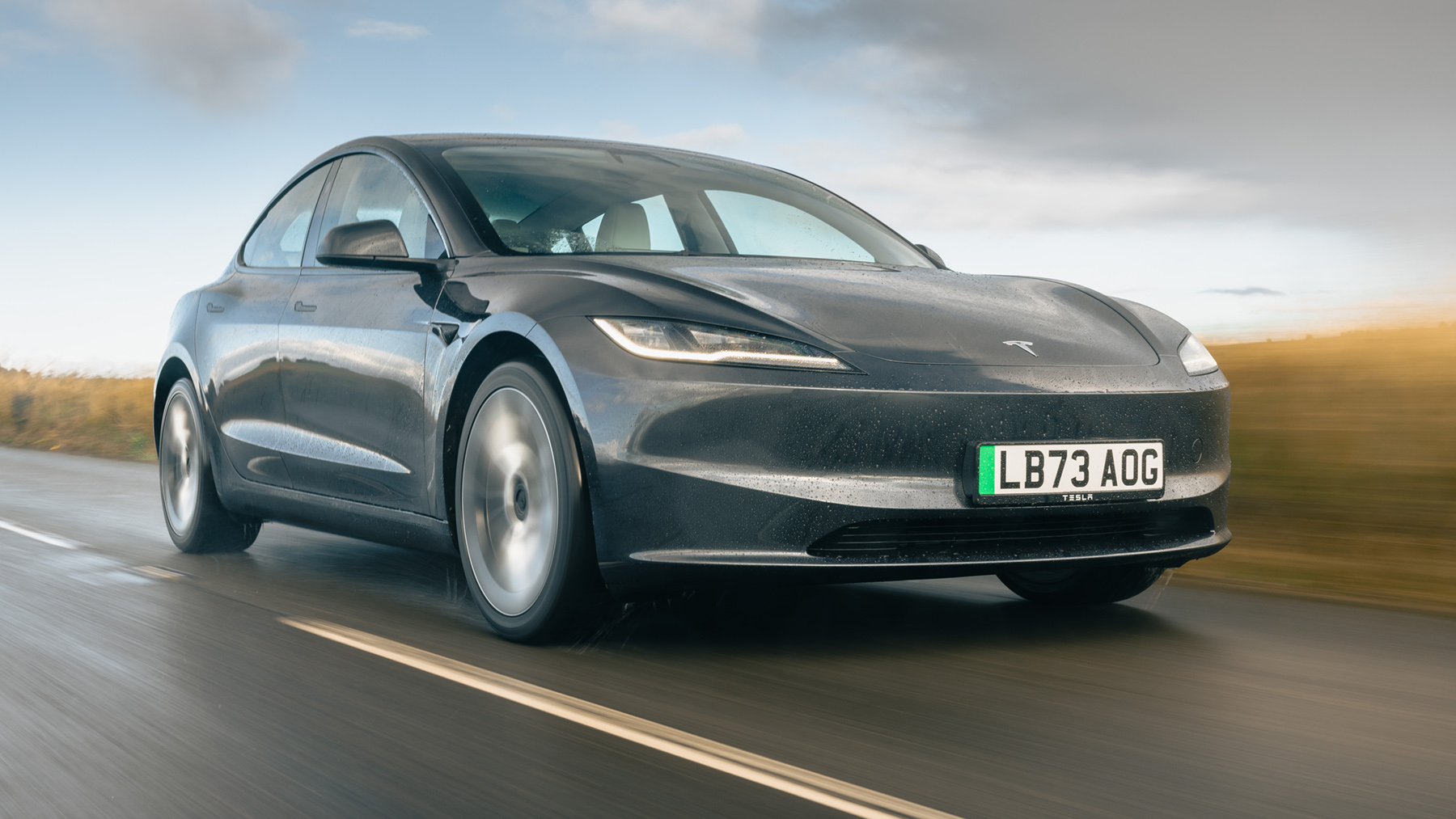
- Engine Type: Single- or dual-motor battery-electric powertrain, depending on trim
- Horsepower: About 286 hp in rear-wheel-drive form; higher in dual-motor versions
- Torque: About 322 lb-ft in representative rear-wheel-drive form
- Length: 185.8 inches
- Width: 72.8 inches without mirrors
Owners should not assume every slow session is caused by long-term history. A cold battery, a high state of charge, or poor charger performance can reduce charging speed far more dramatically. Tesla therefore uses navigation-based battery preconditioning before Supercharger stops.
The long-term effect is usually modest rather than severe. A heavily fast-charged Model 3 may still charge quickly, but its peak rate can eventually be slightly lower than when the battery was new.
2. Tesla Model Y
The Tesla Model Y follows essentially the same battery-protection strategy as the Model 3. Tesla acknowledges that after a large number of DC fast-charging sessions, the battery’s peak charging capability may decrease slightly. The system also adjusts for battery temperature, state of charge, age, and battery condition.
That means the Model Y’s charging performance reflects both its immediate condition and its accumulated history. A vehicle that spends most of its life charging slowly at home may age differently from one that repeatedly relies on high-power DC charging during long-distance travel.
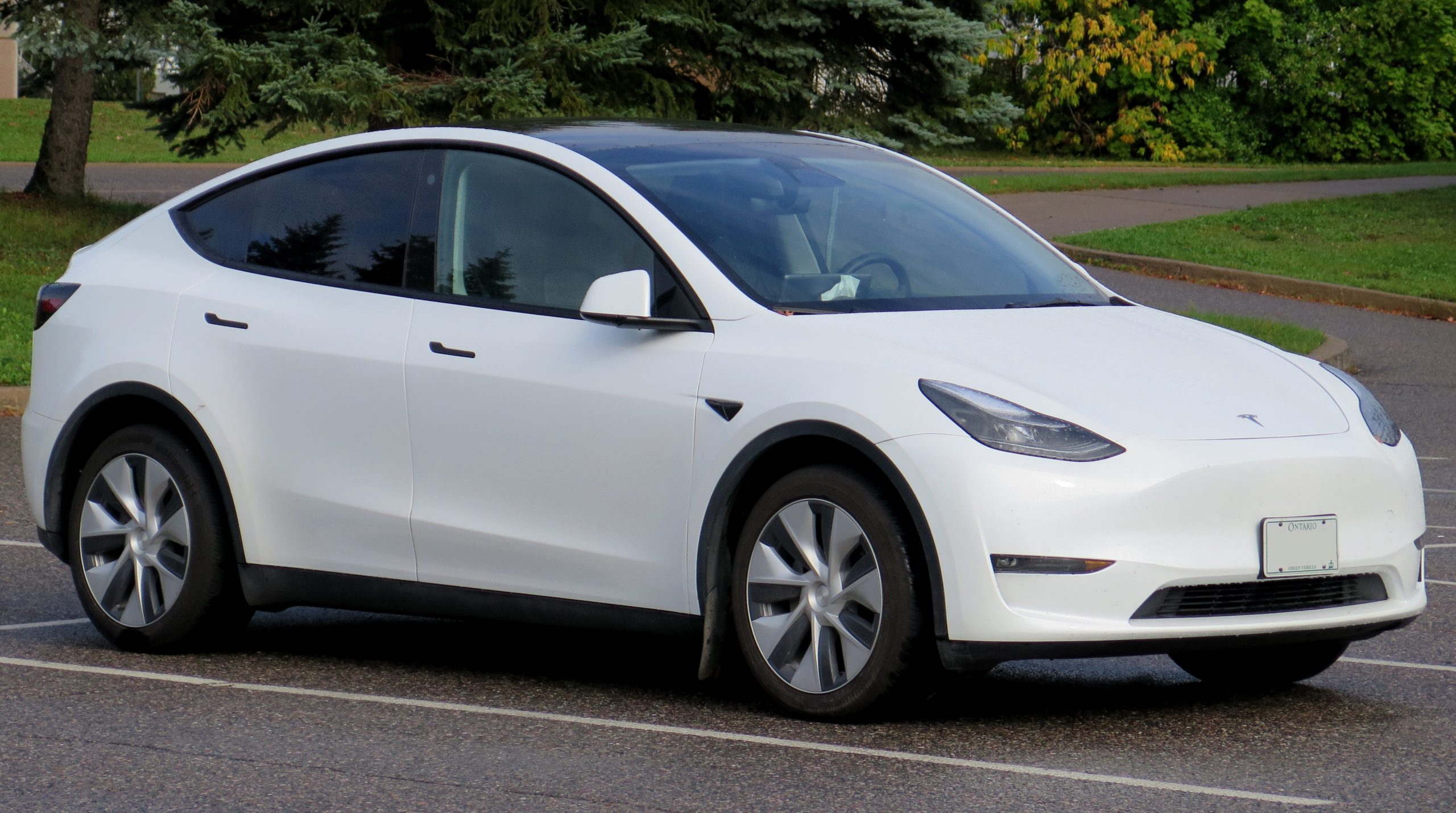
- Engine Type: Single- or dual-motor battery-electric powertrain
- Horsepower: Approximately 425 to 460 hp in representative dual-motor versions, depending on configuration
- Torque: Approximately 475 lb-ft, configuration dependent
- Length: 188.6 inches
- Width: About 78.0 inches without mirrors
Drivers should distinguish history-related reduction from ordinary charging taper. A Model Y plugged in at 70 percent charge will naturally request much less power than one arriving near 10 percent. A cold battery can also cause a substantial temporary reduction.
Tesla’s navigation system can precondition the battery before arrival at a Supercharger, which helps the vehicle reach a more favorable temperature for fast charging. Even with good preconditioning, however, an older battery with extensive fast-charging exposure may not always reproduce the exact peak it achieved when new.
The important point is that charging power is dynamic. The Model Y’s battery-management system decides what the battery can safely accept at that moment instead of blindly requesting the advertised maximum.
3. Tesla Model S
The Model S is especially interesting because it has been on the road long enough for some examples to accumulate very high mileage and extensive Supercharger use. That makes long-term charging history more relevant than it is for many newer EVs.
Tesla has documented that peak charging capability can decrease slightly after a large number of DC fast-charging sessions. For older Model S examples, that means two vehicles of the same model year and trim can potentially behave differently if one spent most of its life charging at home and the other was frequently fast-charged on road trips.
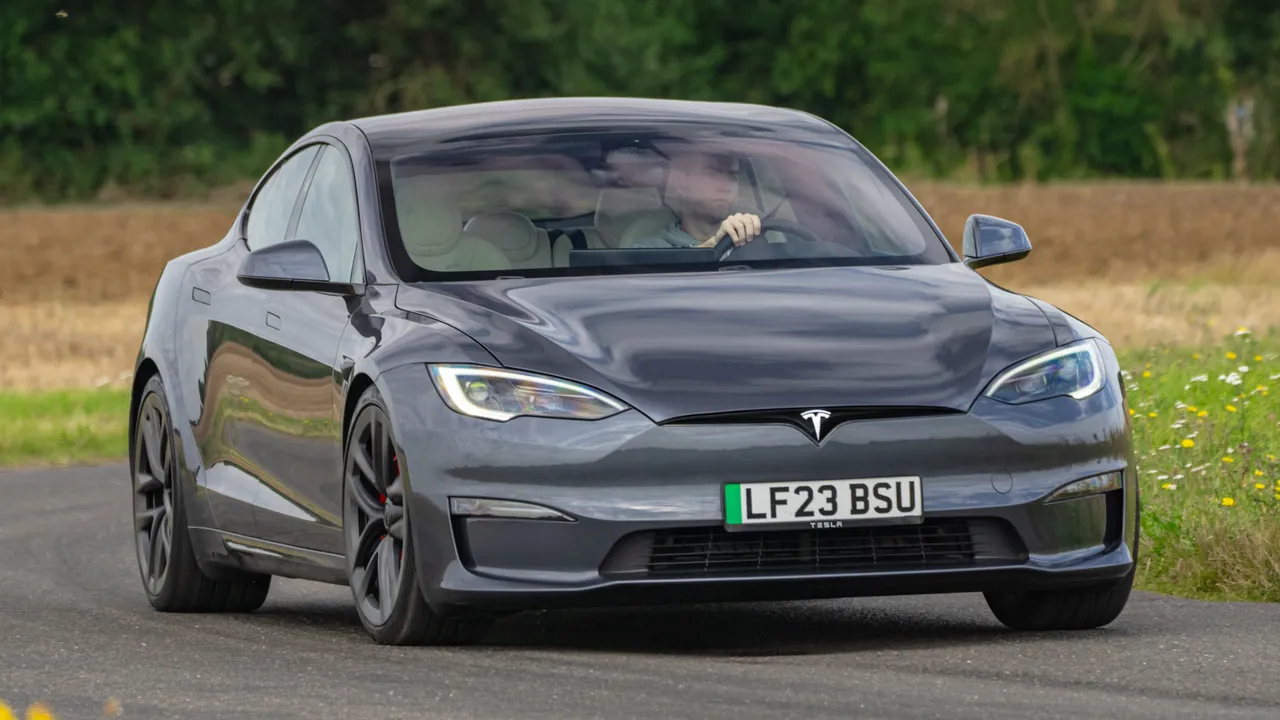
- Engine Type: Dual-motor battery-electric all-wheel-drive powertrain
- Horsepower: About 670 hp in the standard dual-motor version
- Torque: Tesla does not publish a current official combined torque figure
- Length: 197.7 inches
- Width: 78.2 inches without mirrors
The battery management system continuously assesses factors such as pack temperature, cell condition, state of charge, and battery health to determine the appropriate charging rate at a Supercharger. The vehicle can reduce the amount of power it requests when necessary, even when the charging station is capable of delivering more.
One slow charging session does not prove long-term throttling. Temperature, charger sharing, high state of charge, and poor preconditioning can all reduce speed.
A used Model S that repeatedly shows lower-than-expected charging under ideal conditions is more informative. In that case, battery condition and accumulated charging history become more meaningful explanations. That makes the Model S a particularly useful example of why advertised charging speed should not be treated as a permanent lifetime guarantee.
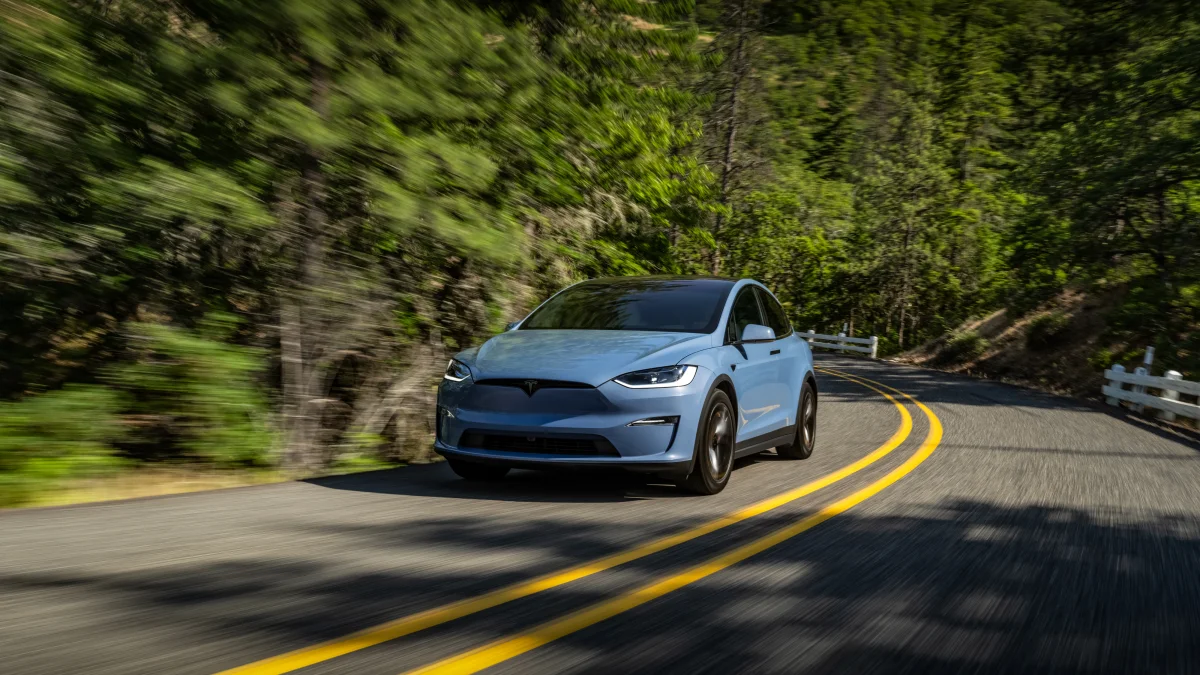
4. Tesla Model X
The Model X shares Tesla’s broader charging strategy with the Model S. Its battery-management system is designed to protect the high-voltage pack even when that means accepting less charging power than the charger is capable of supplying.
Tesla has stated that peak charging rate can decrease slightly following a large number of DC fast-charging sessions. That is particularly relevant to the Model X because it is often used as a long-distance family SUV, meaning some owners may accumulate many Supercharger stops over years of travel.
- Engine Type: Dual-motor battery-electric all-wheel-drive powertrain
- Horsepower: Approximately 670 hp in the standard version
- Torque: No current official combined torque figure published
- Length: Approximately 199.1 inches
- Width: Approximately 78.7 inches without mirrors
The Model X can also experience large temporary charging reductions unrelated to long-term history. If the battery is cold, already highly charged, or thermally stressed, the car will reduce the power it accepts.
Tesla’s navigation-based preconditioning helps mitigate that by preparing the battery before arrival at a Supercharger. This is why a well-preconditioned Model X at a low state of charge can charge much faster than the same vehicle arriving cold or nearly full.
The history-related effect is subtler. Tesla describes it as a slight reduction rather than a dramatic cut. The BMS responds to physical changes in the battery rather than simply counting charging sessions.
For used buyers, a real-world fast-charging test can therefore reveal useful information. A Model X that consistently cannot approach expected charging levels under favorable conditions may be showing the effects of battery age, health, or extensive previous use.
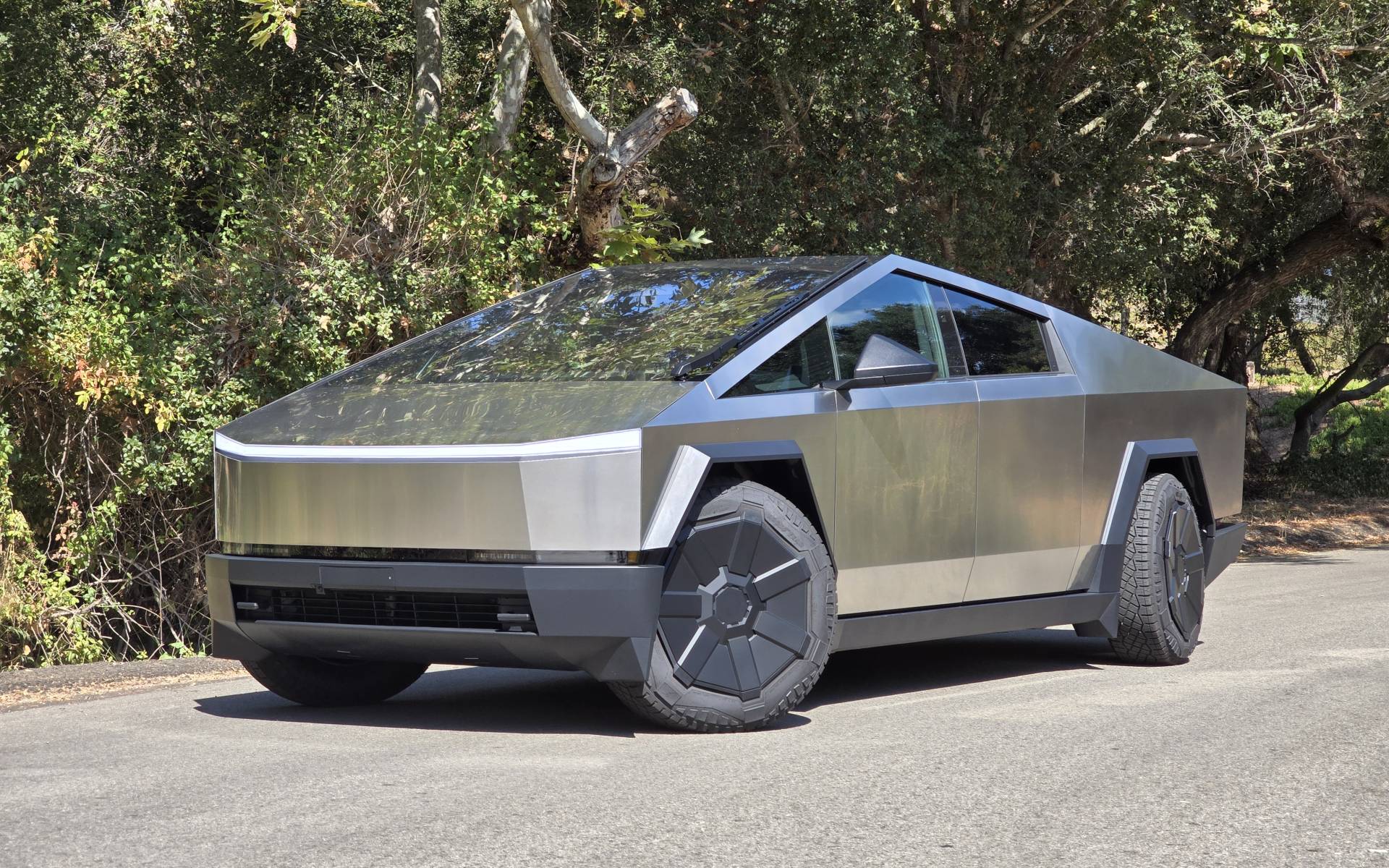
5. Tesla Cybertruck
The Tesla Cybertruck applies the same history-sensitive battery management to a much larger vehicle designed for demanding use. Tesla states that after a large number of DC fast-charging sessions, peak charging rate may decrease slightly.
That matters because the Cybertruck may see towing, heavy loads, long highway runs, and repeated fast-charging stops. Those activities can create significant thermal stress even before the truck reaches the charger.
- Engine Type: Multi-motor battery-electric all-wheel-drive powertrain
- Horsepower: Approximately 834 hp in Cyberbeast form
- Torque: Approximately 740 lb-ft combined
- Length: 223.7 inches
- Width: About 80.0 inches without mirrors
The Cybertruck’s battery-management system considers temperature, state of charge, and battery condition when determining charging power. A truck that has just completed a long tow at highway speeds may arrive at the charger with a very different battery temperature from one driven gently around town.
The Cybertruck also demonstrates another kind of charging memory. If it detects unstable AC electrical conditions, it can reduce charging current and remember that lower setting for that location. That is separate from DC fast-charging degradation, but it shows how the vehicle can use previous charging experience to influence future behavior.
For DC charging, accumulated history matters because of what it does to battery condition. Frequent fast charging does not guarantee severe throttling, but Tesla explicitly acknowledges that enough sessions can slightly reduce maximum charging capability.
So even though the Cybertruck can support very high charging rates, the battery-management system always has the final say.
Also read: 10 Cars That Keep Your Data After You Sell Them
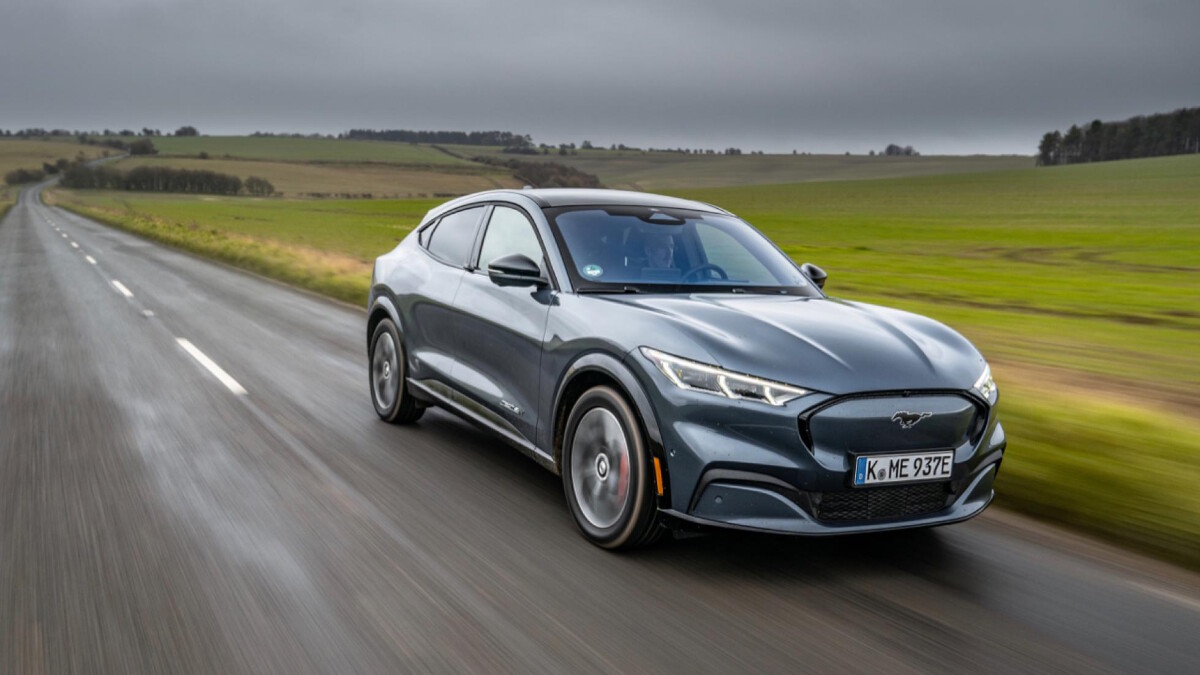
6. Ford Mustang Mach-E
The Ford Mustang Mach-E handles charging-history effects somewhat differently from Tesla. Ford focuses more heavily on battery health, temperature, and state of charge rather than explicitly saying that a certain number of DC sessions will trigger a reduction.
Battery health is still a form of accumulated history. It reflects how the pack has aged through repeated cycling, charging habits, temperature exposure, and general use.
- Engine Type: Dual-motor battery-electric all-wheel-drive powertrain in eAWD form
- Horsepower: 370 hp in a representative Premium extended-range eAWD configuration
- Torque: 500 lb-ft
- Length: 185.6 inches
- Width: 74.1 inches without mirrors
Ford allows the Mustang Mach-E’s battery-management system to reduce fast-charging power when necessary to preserve the high-voltage battery. That means a charger capable of delivering much more power may still provide only what the vehicle requests.
Immediate conditions matter strongly as well. A cold battery can charge significantly slower, while a very warm pack may need active cooling. The Mach-E can precondition the battery when a fast charger is selected through compatible navigation.
As with Tesla, not every slow charging session indicates long-term degradation. A high state of charge alone can reduce the rate dramatically.
The long-term component appears through battery health. If repeated use changes the condition of the pack, the BMS can adjust how aggressively it allows the battery to charge. That makes the Mustang Mach-E a good example of history influencing charging indirectly through the state of the battery rather than through a simple session counter.
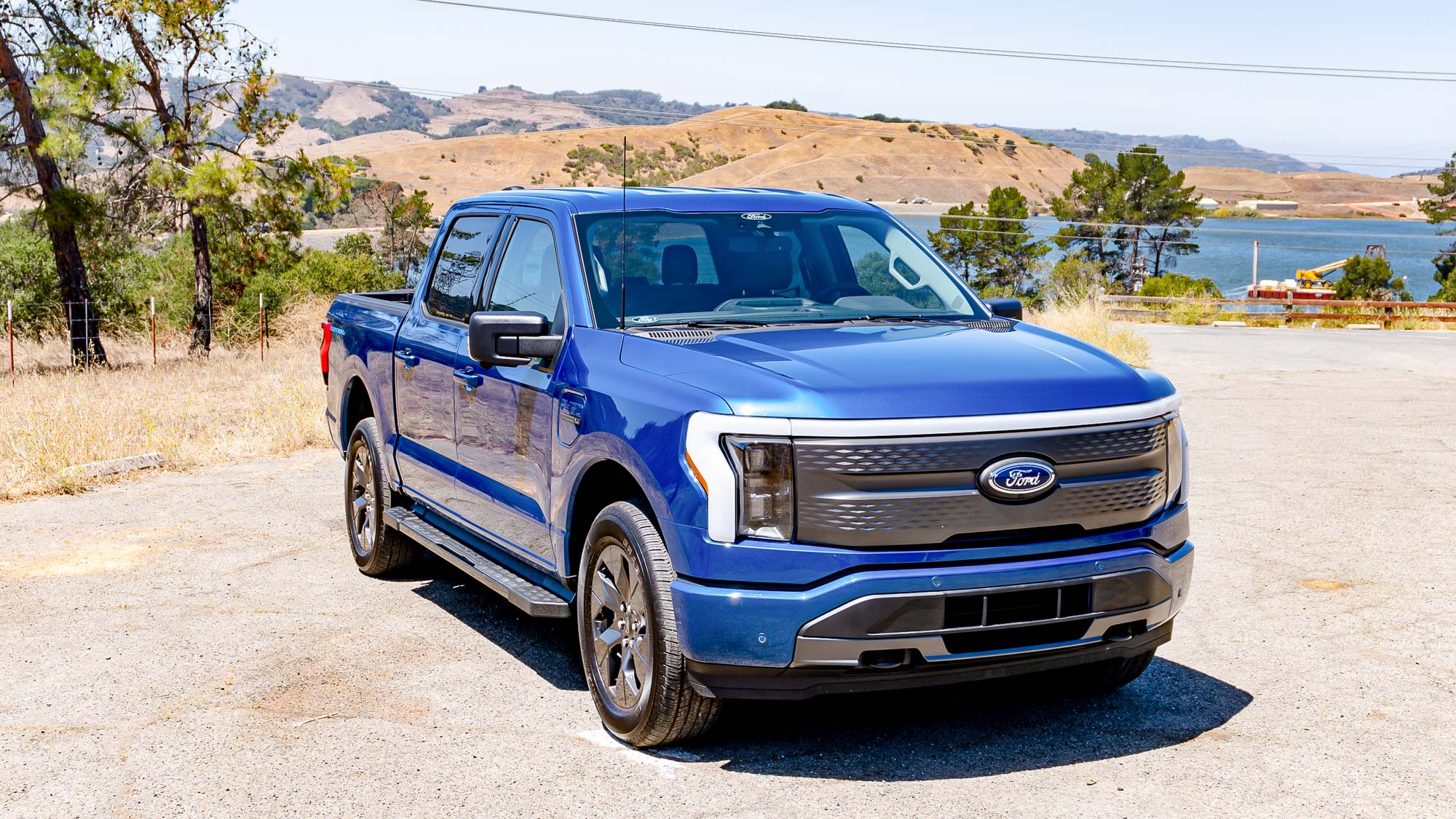
7. Ford F-150 Lightning
The Ford F-150 Lightning places enormous demands on its battery because of its size, weight, towing capability, and potential use as a power source. Ford therefore gives the battery-management system broad authority to protect the pack even if charging takes longer.
Ford identifies battery health, temperature, and state of charge as factors that can influence DC fast-charging performance.
- Engine Type: Dual-motor battery-electric four-wheel-drive powertrain
- Horsepower: 580 hp in Extended Range form
- Torque: 775 lb-ft
- Length: Approximately 232.7 inches
- Width: Approximately 80.0 inches without mirrors
The Lightning is a strong example of both short-term and long-term history affecting charging. A truck that has just spent hours towing a heavy trailer may reach the charger with a warmer battery than one driven unloaded. That immediate thermal history can affect how much power the pack accepts.
Over a longer period, battery health reflects accumulated cycling, heat exposure, age, and charging habits. Ford’s battery-management system can respond to those changes by limiting fast-charging power when necessary.
That does not mean every frequently fast-charged Lightning will become slow. Active thermal management helps control battery temperature, and the truck is designed for repeated road-trip charging.
Still, charging output remains conditional. A 350-kW charger does not guarantee that the truck will draw 350 kW. The vehicle itself determines the safe limit.
For owners, the practical lesson is that charging history should be viewed through battery condition. If a Lightning repeatedly charges more slowly than expected under favorable conditions, battery health becomes one of the variables worth investigating.
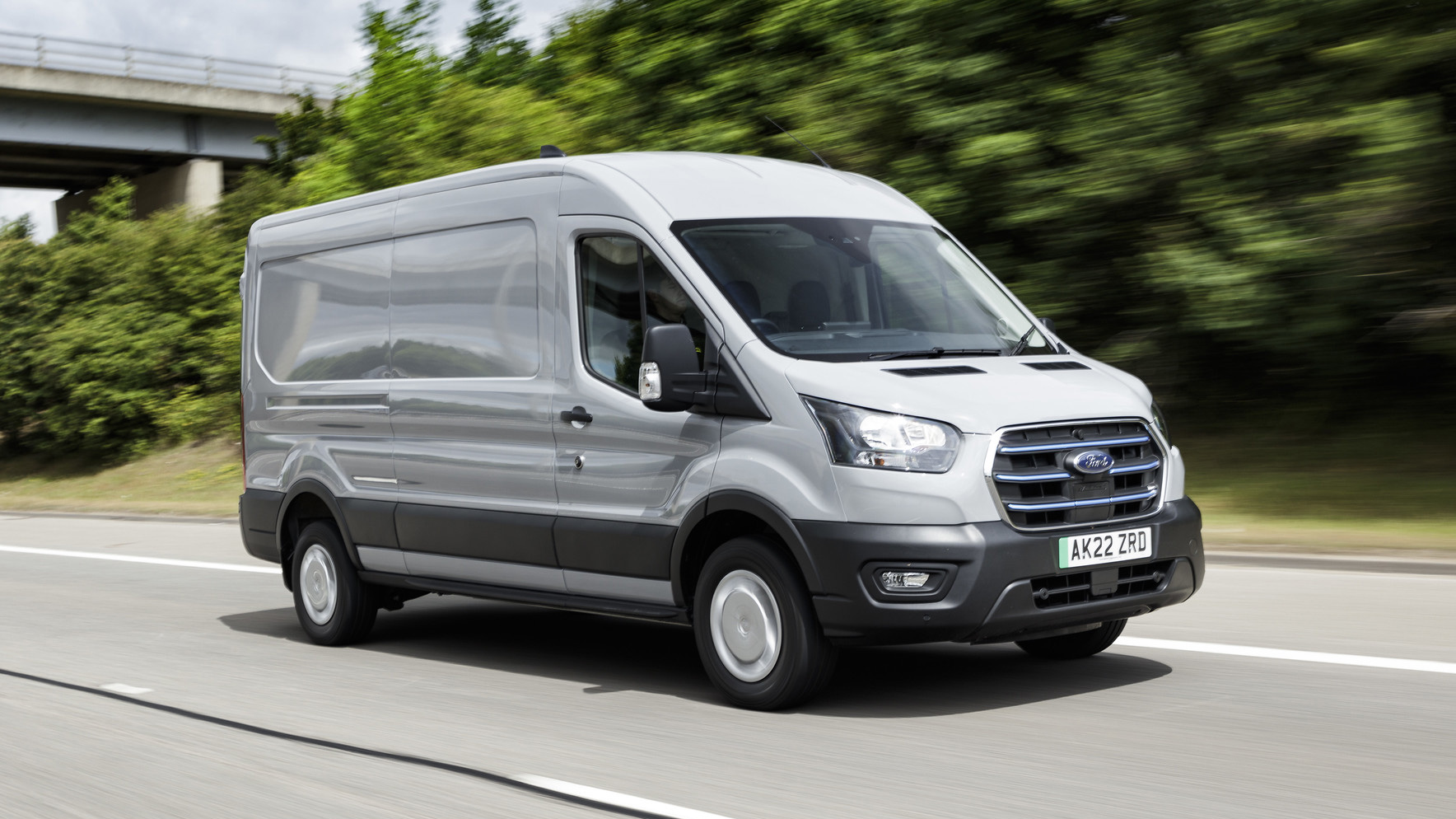
8. Ford E-Transit
The Ford E-Transit is particularly relevant because commercial vehicles can accumulate charging cycles faster than privately owned EVs. A delivery or service van may be driven every day, charged overnight, and occasionally fast-charged during demanding schedules.
Ford’s charging strategy prioritizes battery protection over maximizing charging speed at every session.
- Engine Type: Single-motor battery-electric rear-wheel-drive powertrain
- Horsepower: Approximately 266 hp
- Torque: Approximately 317 lb-ft
- Length: Roughly 235.5 to 263.9 inches depending on body configuration
- Width: Approximately 81.3 inches without mirrors
The E-Transit is available with several body lengths and roof heights, so its dimensions can differ considerably depending on the configuration.
Battery condition can influence the amount of power the van accepts during fast charging. Accumulated mileage, cycling, age, thermal exposure, and charging habits all contribute to the state of health the battery-management system sees.
Immediate history also matters. A heavily loaded van finishing a demanding urban route may arrive at a charger with a warmer battery than one that has been driven lightly. Cold-weather operation can produce the opposite problem.
For fleet operators, this makes charging records useful. If one E-Transit consistently accepts less power than similar vans under the same conditions, battery health may be part of the explanation.
This is not necessarily a failure. Slower charging can be a deliberate protective measure intended to preserve the pack’s useful life. In commercial use, sacrificing a few minutes at the charger may be preferable to accelerating battery wear across thousands of working cycles.
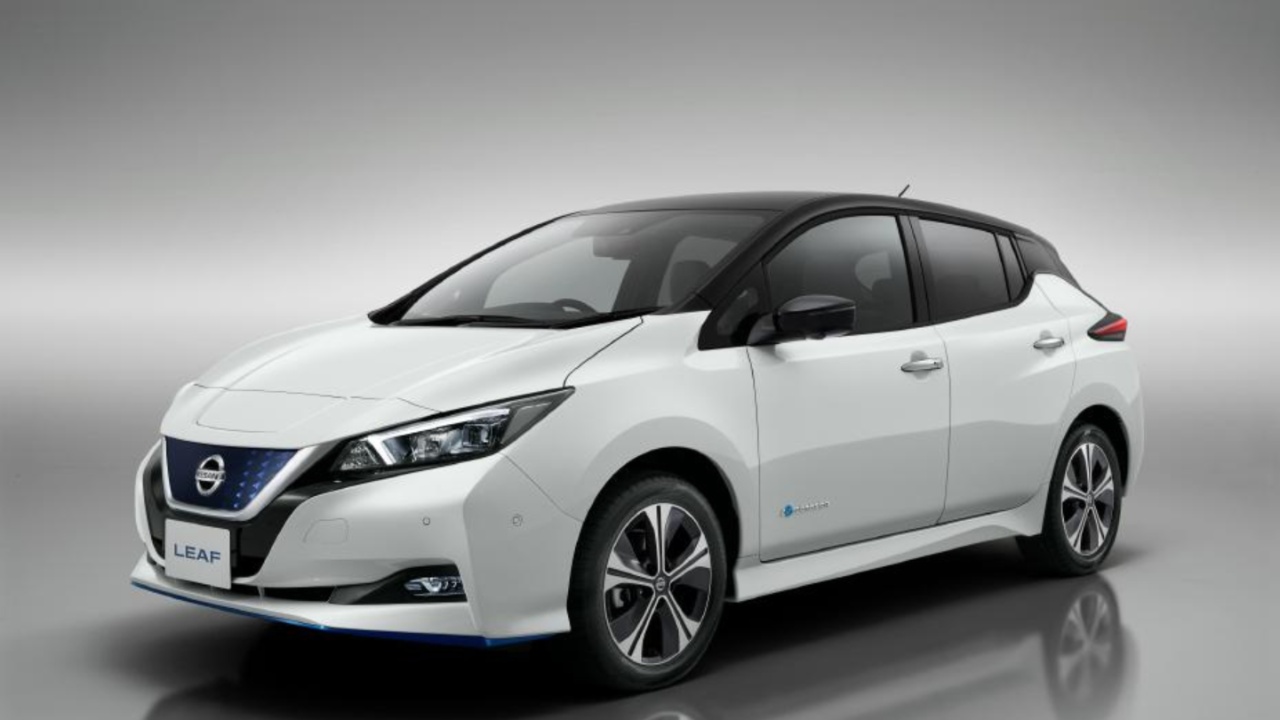
9. Nissan Leaf
The Nissan Leaf is one of the most dramatic examples of recent charging history influencing the next fast-charge stop. Earlier and current Leaf generations are notable for relying on passive battery thermal management rather than the more sophisticated liquid cooling used by many newer EVs.
That makes the Leaf more sensitive to heat accumulation during repeated highway driving and quick charging.
- Engine Type: Single-motor battery-electric front-wheel-drive powertrain
- Horsepower: 214 hp in SV Plus form
- Torque: 250 lb-ft
- Length: 176.4 inches
- Width: 70.5 inches
A Leaf can begin a road trip with a relatively cool battery and complete its first quick-charge session normally. After more highway driving and another fast-charge stop, the pack may become substantially hotter because it cannot shed heat as quickly as a liquid-cooled system.
When battery temperature rises toward unsafe levels, the car reduces charging power to protect the cells.
This means the charger itself may be working perfectly while the Leaf requests much less power than it did earlier in the same day. The previous drive and charging session have effectively shaped the next one.
That behavior is different from Tesla’s long-term example. In the Leaf, the strongest effect can happen over a matter of hours rather than years.
For local commuting, where the car sits long enough to cool between trips, the issue may barely appear. On long-distance travel involving repeated quick charging, however, the vehicle’s immediate history can strongly influence how fast the next session proceeds.
Among mainstream EVs, the Leaf remains one of the clearest demonstrations of charging performance being affected by what the battery has recently experienced.
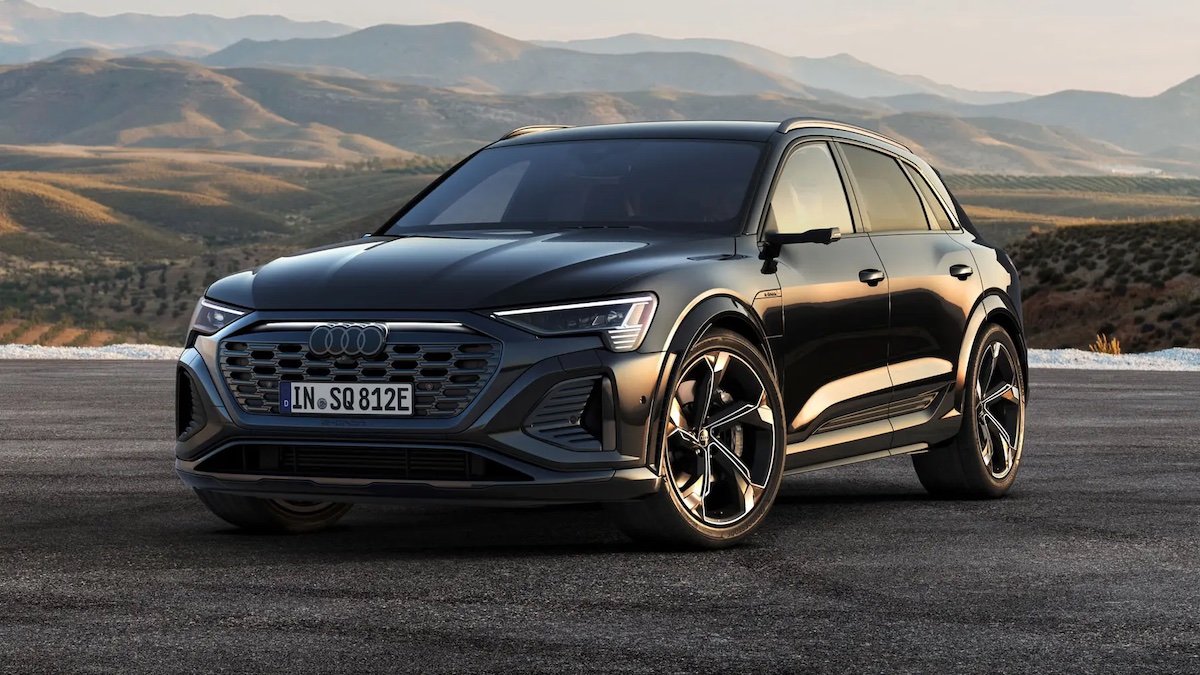
10. Audi Q8 e-tron
The Audi Q8 e-tron was engineered to maintain relatively strong and consistent DC fast-charging performance. Its liquid-cooled battery system is much better at handling repeated fast charging than passively cooled designs such as the Nissan Leaf.
Even so, the battery-management system still evaluates battery condition, temperature, and state of charge before deciding how much power to accept.
- Engine Type: Dual-motor battery-electric quattro all-wheel-drive powertrain
- Horsepower: Up to approximately 402 hp in boost mode
- Torque: Approximately 490 lb-ft
- Length: About 193.5 inches
- Width: About 76.2 inches without mirrors
The Q8 e-tron’s thermal system helps keep the battery within a temperature range suitable for repeated high-power charging. That makes it less likely to suffer dramatic heat-related throttling after one or two sessions.
Long-term battery condition is still relevant, however. Every lithium-ion battery changes with age, cycling, and repeated use. The BMS must account for those changes rather than requesting the same current indefinitely.
That means the Q8 e-tron should not be described as simply remembering how many times it has visited a fast charger and reducing power as punishment. The relationship is more technical. Charging and driving history influence battery condition, and the battery-management system reacts to that condition.
This distinction applies across the entire list. Tesla explicitly documents a slight peak-rate reduction after many DC fast-charge sessions, Nissan demonstrates a strong recent thermal-history effect, and Ford and Audi rely heavily on battery health and condition when determining safe charging power.
In every case, history matters because of what previous use has done to the battery, not merely because the vehicle remembers that it was plugged into a fast charger.
Also read: 10 Cars With Wiper Blades That Streak Before 12 Months