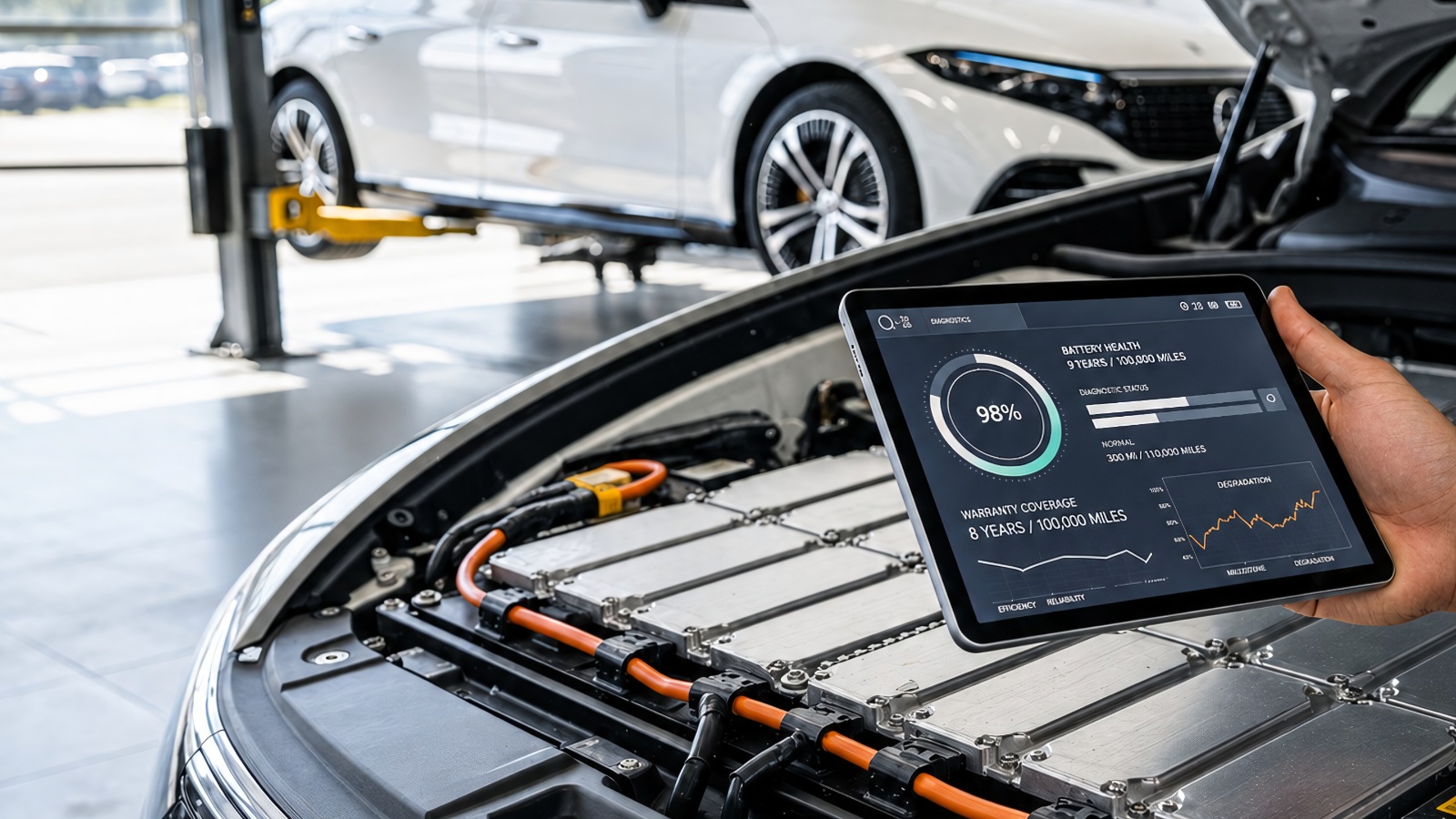
Battery health is becoming one of the most important factors in the used-EV market. A conventional gasoline vehicle can often be evaluated through mileage, service history, oil condition, engine performance, and transmission behavior. With an EV, however, the high-voltage battery represents one of the most expensive components in the entire vehicle.
Its condition can influence driving range, charging speed, performance, resale value, and ultimately whether a used EV remains financially attractive. That is why dealer-level battery diagnostics are increasingly becoming part of professional EV inspections.
The amount of battery information available differs by manufacturer and model. Some EVs provide technicians with a calculated state-of-health figure through diagnostic software. Others allow dealers to examine cell voltages, battery temperatures, charging behavior, stored faults, and remaining usable energy.
Independent testing systems can also turn vehicle data into consumer-friendly battery certificates. These reports should not be viewed as absolute guarantees of future battery life, but they provide significantly more information than the dashboard’s estimated driving range. The following eight EVs are strong examples of models whose battery condition can be evaluated through dealer or professional diagnostic systems.
1. Tesla Model 3
The Tesla Model 3 is one of the most important vehicles for battery-health reporting simply because there are now so many used examples on the market. A Model 3’s odometer alone does not provide enough information to determine how well its battery has aged. Two vehicles with identical mileage can have very different histories involving climate, DC fast charging, daily state-of-charge habits, storage conditions, and battery temperatures.
Tesla’s battery-management system continuously monitors the high-voltage pack. It tracks information such as individual cell-group voltages, battery temperatures, available energy, charging behavior, system faults, and estimated usable capacity. Tesla service diagnostics can access considerably more of this information than the owner sees through the normal touchscreen interface.
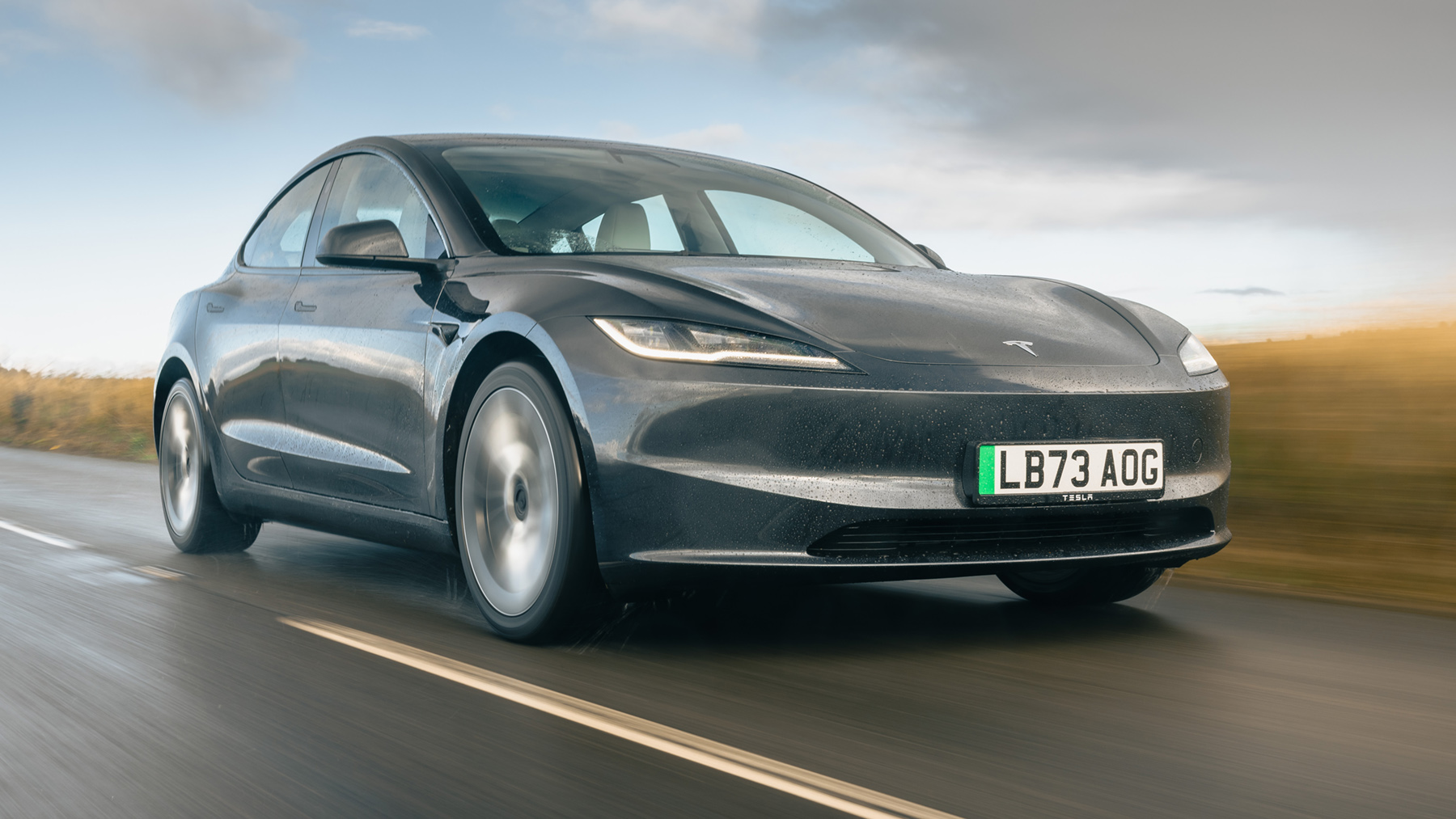
- Engine Type: Single-motor battery-electric, rear-wheel drive
- Horsepower: Approximately 286 hp
- Torque: Approximately 322 lb-ft
- Length: 185.8 inches
- Width: 72.8 inches without mirrors
Tesla also provides battery-related service procedures that can help determine whether the pack is operating within expected parameters. Depending on software and vehicle configuration, more comprehensive battery testing may estimate remaining usable capacity rather than simply relying on the number of miles displayed at full charge.
That distinction is important. The range displayed on the screen can change because of wheel size, software calibration, temperature, energy consumption, and other variables. It should not automatically be interpreted as a direct battery-health percentage.
Independent professional testing services can also evaluate Model 3 battery data and produce state-of-health reports. These can be useful for dealers because they provide buyers with a standardized document instead of a vague statement that the battery appears healthy.
A comprehensive inspection should look beyond one percentage. Cell imbalance, battery-related fault codes, unusual thermal behavior, and charging abnormalities can reveal problems that a simple health score may miss. For a dealership preparing a Model 3 for resale, documenting those factors can make the vehicle substantially easier for a cautious used-EV buyer to evaluate.
2. Ford Mustang Mach-E
The Ford Mustang Mach-E stores substantial information about its high-voltage battery and associated systems. Ford service technicians can use professional diagnostic equipment to investigate battery-related faults, charging performance, thermal management, and other high-voltage components.
This makes the Mach-E suitable for professional battery-health evaluation when it enters a dealership as a trade-in or used vehicle.
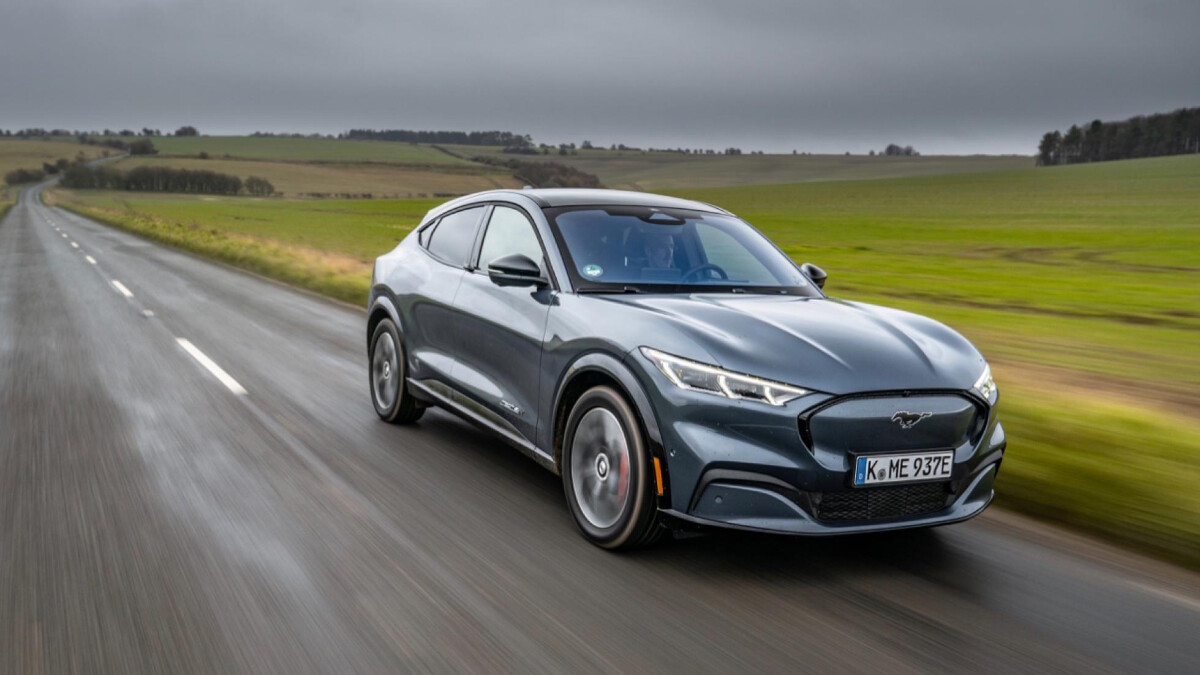
- Engine Type: Dual-motor battery-electric, all-wheel drive
- Horsepower: Approximately 370 hp
- Torque: Approximately 500 lb-ft
- Length: 185.6 inches
- Width: 74.1 inches without mirrors
Higher-performance Mach-E GT and Rally versions have different output figures.
Battery health matters because the battery-management system influences several aspects of vehicle behavior. The condition and temperature of the pack can affect usable energy and DC fast-charging performance, while stored high-voltage faults can point toward issues that might not be noticeable during an ordinary test drive.
A dealer inspection should therefore examine more than one health percentage. Charging-system faults, battery-temperature abnormalities, and diagnostic codes can reveal problems even when estimated remaining capacity appears normal.
Mileage also needs context. A high-mileage Mach-E that was routinely driven and charged under favorable conditions may have a healthier battery than a lower-mileage example that experienced more demanding temperatures or unusual charging patterns.
That means a professional battery report can improve trade-in valuation. Instead of making assumptions based entirely on age and mileage, the dealer can use actual battery data as another condition indicator.
For used buyers, documented diagnostics can provide additional confidence in a vehicle that might otherwise be difficult to evaluate. A conventional test drive can reveal suspension, braking, or cabin problems, but it cannot accurately tell a shopper how much battery capacity remains.
As EV resale practices mature, battery diagnostics are likely to become an increasingly normal part of evaluating vehicles such as the Mustang Mach-E.
3. Hyundai Ioniq 5
The Hyundai Ioniq 5 is another strong example of an EV whose battery can be evaluated through professional diagnostic systems. Its battery-management system continuously monitors the high-voltage pack and provides technicians with information about battery temperature, charging operation, stored faults, and other important parameters.
The Ioniq 5 is particularly interesting because its electrical architecture is designed around very rapid DC fast charging. That means battery condition is relevant not only to range but also to the charging performance that defines much of the vehicle’s appeal.
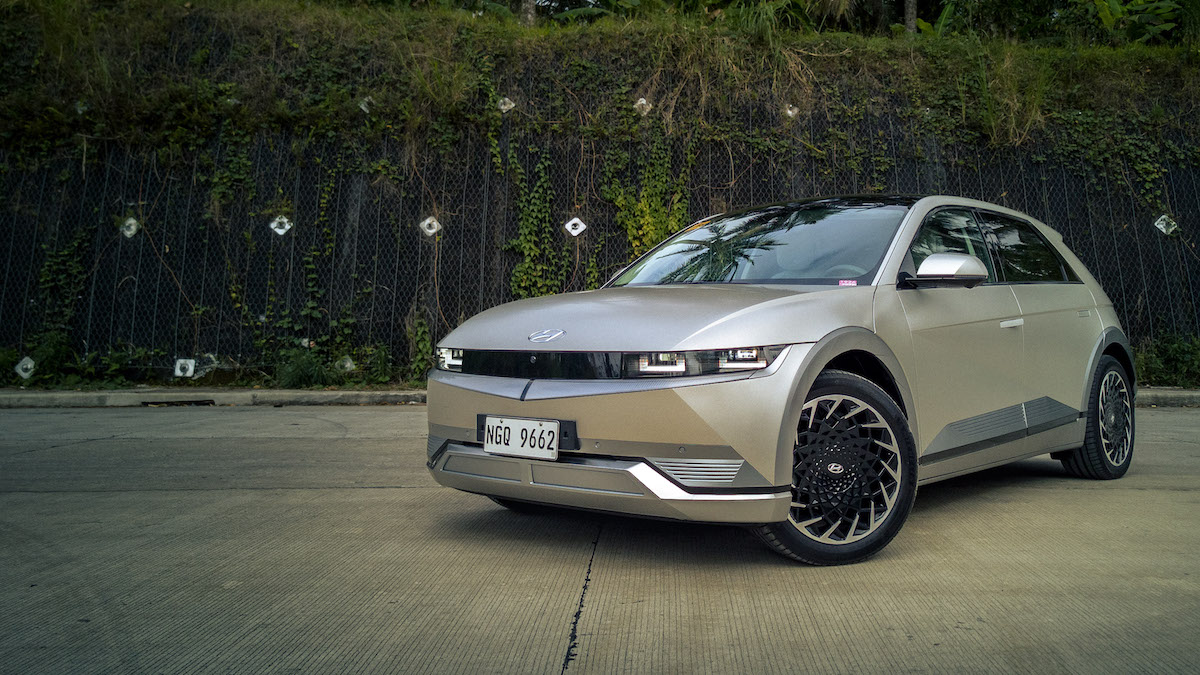
- Engine Type: Dual-motor battery-electric, all-wheel drive
- Horsepower: Approximately 320 hp
- Torque: 446 lb-ft
- Length: Approximately 183.3 inches
- Width: Approximately 74.4 inches without mirrors
Hyundai service technicians can use diagnostic equipment to examine high-voltage battery information that is not shown directly to the owner. Independent professional battery-testing services can also produce a state-of-health assessment or battery certificate for compatible vehicles.
A dealership should not rely exclusively on the estimated range displayed on the dashboard. That figure can be affected by recent driving efficiency, weather, climate-control use, wheel size, and software calculations.
A professional evaluation is more useful because it focuses on battery condition itself. Technicians can look for excessive differences between cell groups, high-voltage system faults, temperature irregularities, or signs that charging performance is outside the expected range.
This is especially relevant in the Ioniq 5 because proper thermal management is essential to achieving its fastest charging speeds. A healthy battery combined with the correct temperature conditions should perform very differently from a pack experiencing a thermal or charging-related problem.
For dealers, having battery-health information available can improve both appraisal and resale. Instead of telling a prospective customer that the battery appears normal, the dealer can provide actual diagnostic evidence.
That kind of transparency will likely become increasingly important as more high-mileage Ioniq 5s enter the used market.
Also read: 10 Cars That Keep Your Data After You Sell Them
4. Kia EV6
The Kia EV6 shares much of its underlying high-voltage technology with the Hyundai Ioniq 5, so it also supports detailed professional evaluation of the battery and charging system. Dealer technicians can access battery-management information, stored diagnostic trouble codes, cell-related parameters, temperatures, and charging-system data.
Independent EV battery-testing systems can supplement those manufacturer diagnostics by creating standardized reports that are easier for consumers to understand.
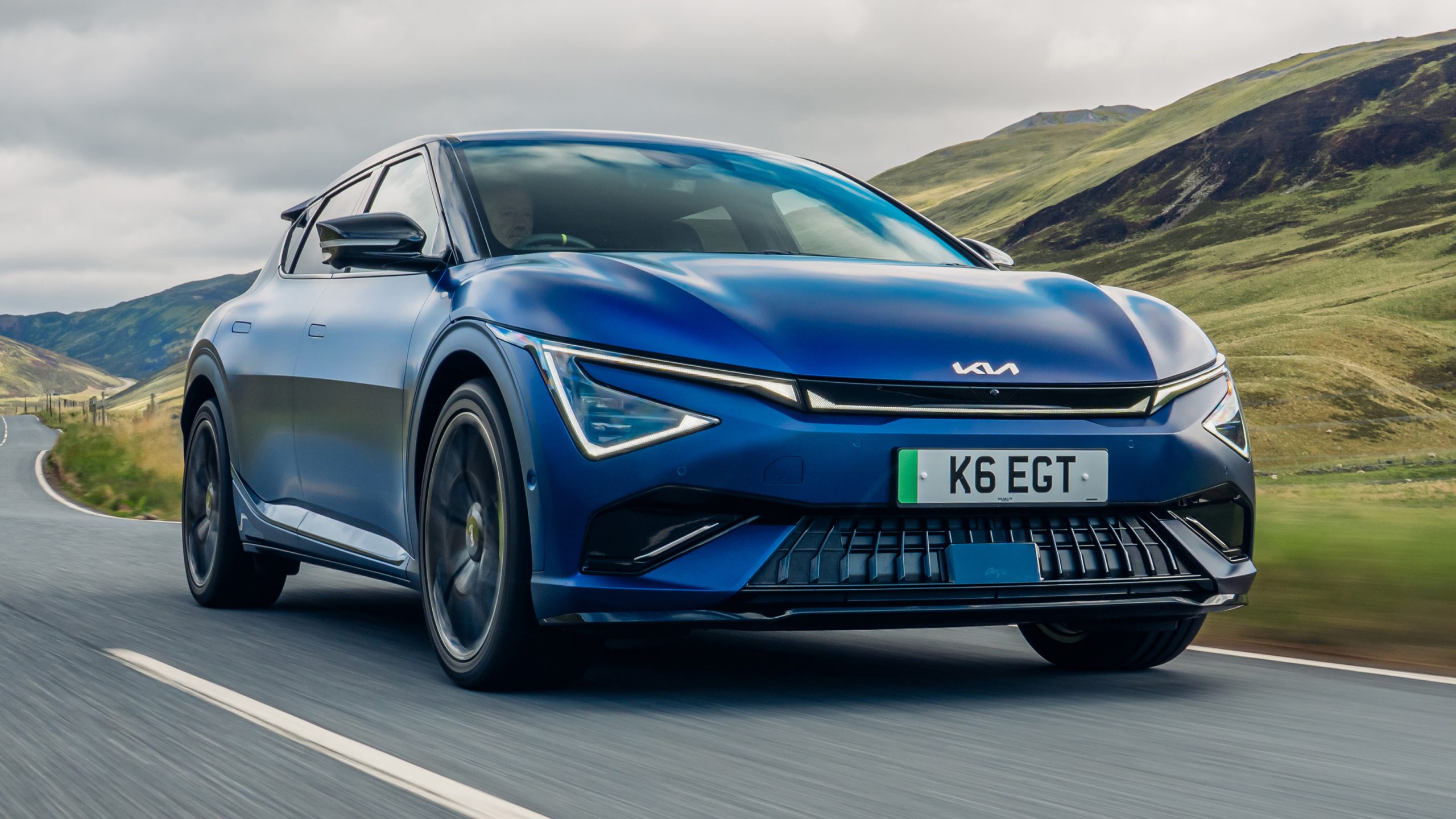
- Engine Type: Dual-motor battery-electric, all-wheel drive
- Horsepower: Approximately 320 hp
- Torque: 446 lb-ft
- Length: Approximately 184.8 inches
- Width: Approximately 74.0 inches without mirrors
The much more powerful EV6 GT should be treated separately because its performance specifications differ substantially.
As with the Ioniq 5, battery health in the EV6 influences more than driving range. The vehicle’s high-voltage charging architecture is designed to deliver very rapid DC charging, so battery temperature, condition, and charging-system functionality are important parts of the ownership experience.
A dealer battery inspection should therefore go beyond simply checking whether the vehicle charges successfully. Technicians can examine whether the battery-management system is reporting abnormal cell behavior, stored high-voltage faults, or unusual temperature data.
A single state-of-health percentage can still be useful because it gives buyers an understandable comparison against the battery’s original condition. But it should not be treated as a complete diagnosis.
For example, a pack could retain excellent usable capacity while having an issue with a charging component. Conversely, moderate degradation may be completely normal for a higher-mileage vehicle whose battery system otherwise operates correctly.
For used-car dealers, this makes professional testing particularly valuable when deciding trade-in values. A well-documented battery can support a higher level of buyer confidence.
As the EV6 becomes more common in used inventories, battery-health documentation may eventually become as expected as a conventional vehicle-history report.
5. Nissan Leaf
The Nissan Leaf has one of the longest histories of battery-condition monitoring among mass-market EVs. Even drivers who know very little about EV diagnostics may be familiar with the battery-capacity bars displayed on the Leaf’s instrument cluster.
Those bars provide a basic indication of degradation, but dealer-level diagnostic equipment can provide significantly more information about the condition of the high-voltage battery.
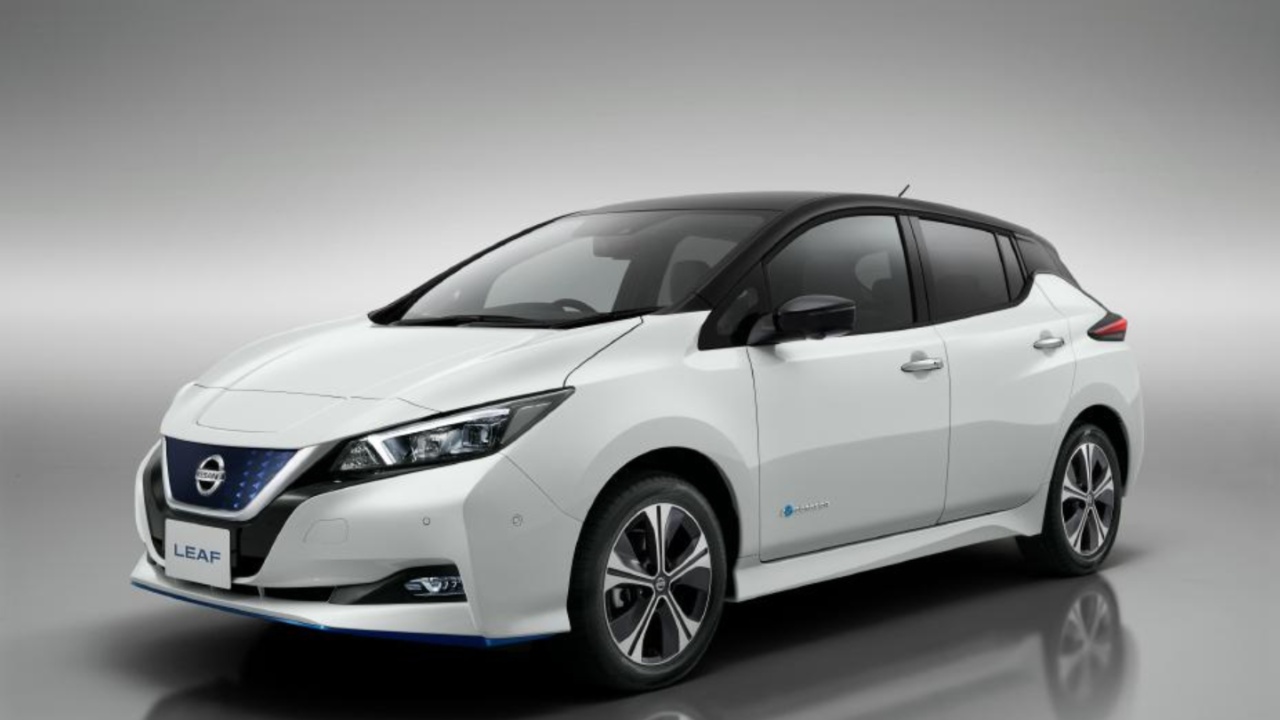
- Engine Type: Single-motor battery-electric, front-wheel drive
- Horsepower: 214 hp
- Torque: 250 lb-ft
- Length: 176.4 inches
- Width: 70.5 inches
Nissan technicians can access high-voltage battery information through professional diagnostic systems, including stored faults and battery-management parameters that are not presented directly on the dashboard.
Battery-health testing is especially important on the Leaf because long-term condition can vary significantly according to climate and ownership history. Several generations rely on passive battery thermal management rather than the liquid cooling used in many newer EVs.
That means prolonged exposure to high ambient temperatures can influence degradation more strongly. Two Leafs of the same year and mileage could therefore have noticeably different battery conditions if one lived in a mild climate and the other spent years in extreme heat.
The dashboard capacity display is useful but relatively coarse. A detailed diagnostic inspection provides a more complete picture of battery condition and can identify abnormal behavior that may not yet be obvious to the driver.
This becomes particularly important as Leafs age. The replacement cost of a high-voltage battery can represent a substantial percentage of the total value of an older car.
For a dealer, a documented battery assessment can therefore materially influence whether a Leaf is worth retailing and at what price.
For buyers, the same report can distinguish a well-preserved older EV from one whose remaining range may deteriorate more quickly than expected. In the Leaf market, knowing battery condition can be substantially more meaningful than odometer mileage alone.
6. BMW iX
The BMW iX is a particularly valuable candidate for battery-health evaluation because its high-voltage battery is a major part of the vehicle’s cost and performance. Buyers considering a used premium EV may be more concerned about battery replacement costs than shoppers purchasing an inexpensive city EV, making professional diagnostic information especially useful.
BMW’s dealer-level diagnostic systems can access high-voltage battery data, check stored faults, evaluate charging-system behavior, and investigate problems involving battery modules or thermal management. Independent EV battery-testing companies also support BMW models and can provide standardized assessments based on battery-management-system information.
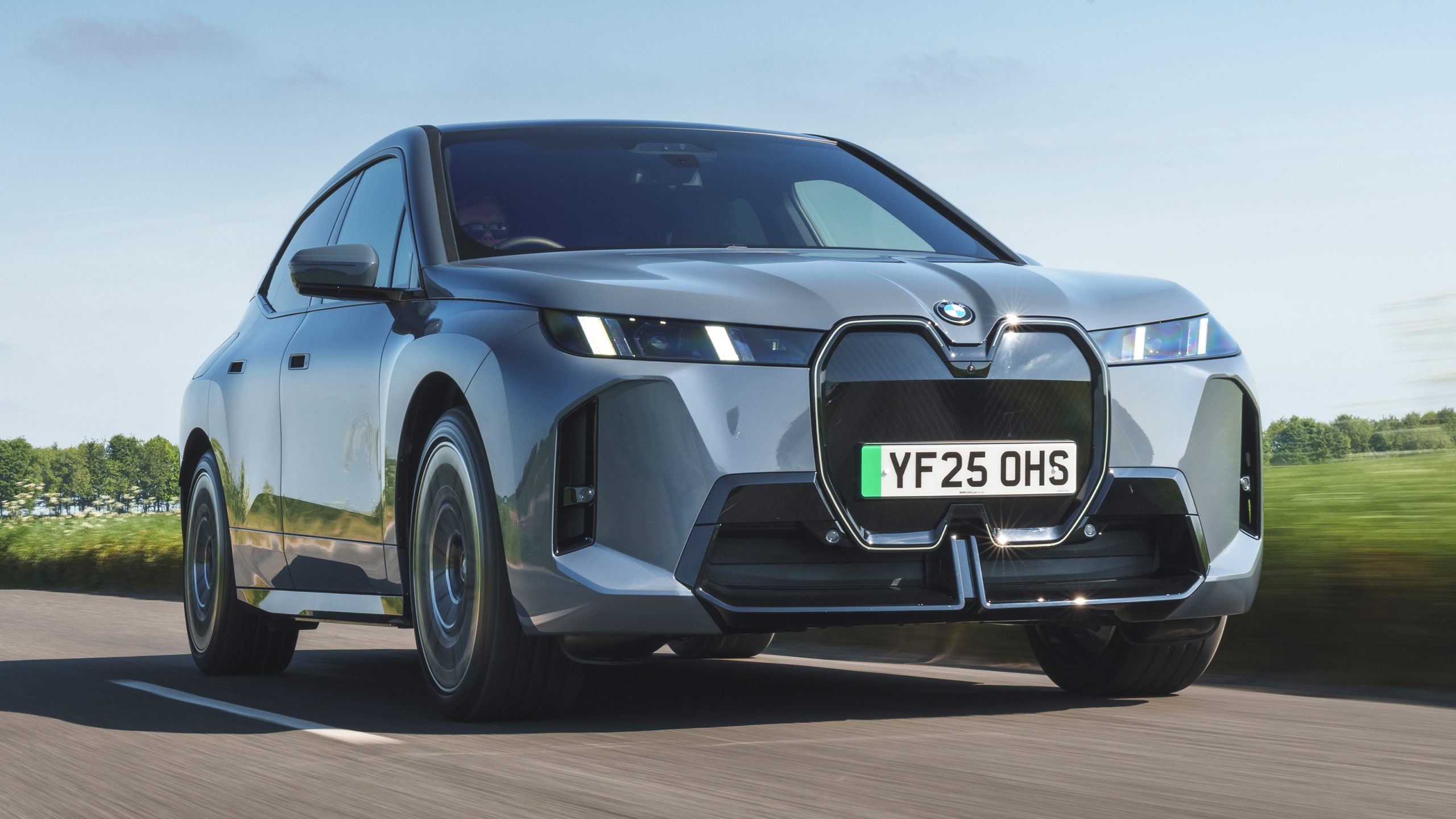
- Engine Type: Dual-motor battery-electric, all-wheel drive
- Horsepower: 516 hp
- Torque: 564 lb-ft
- Length: Approximately 195.0 inches
- Width: Approximately 77.4 inches without mirrors
The iX demonstrates why a state-of-health percentage should be considered part of a larger inspection rather than the entire answer. A pack may retain most of its original usable energy while still experiencing a fault involving cooling, charging electronics, or an individual battery module.
Dealer diagnostics can help distinguish normal degradation from an actual defect. All lithium-ion batteries lose some capacity as they age, so seeing a state-of-health figure below 100 percent is expected after years of use. The important question is whether that loss is reasonable for the vehicle’s age, mileage, and operating history.
A short road test cannot necessarily answer that question. The iX may still accelerate strongly and drive smoothly despite moderate capacity degradation because electric motors can deliver full performance even when the battery has lost some usable energy.
For trade-in appraisal, this information can be extremely useful. A BMW dealer considering two similar iXs may prefer the vehicle with documented strong battery condition, even if it has slightly more mileage.
For the buyer, a professional report reduces uncertainty surrounding the most expensive component. It creates a clearer distinction between a battery that has experienced ordinary aging and one that requires deeper investigation before the vehicle is sold.
7. Audi Q8 e-tron
The Audi Q8 e-tron is another premium EV where dealer-level battery diagnostics can significantly improve the used-car evaluation process. Its large high-voltage battery and sophisticated thermal-management system are major contributors to the vehicle’s driving range and charging behavior.
Audi technicians can use factory diagnostic equipment to interrogate the battery-management system, examine stored faults, check charging-related components, and investigate high-voltage system operation.
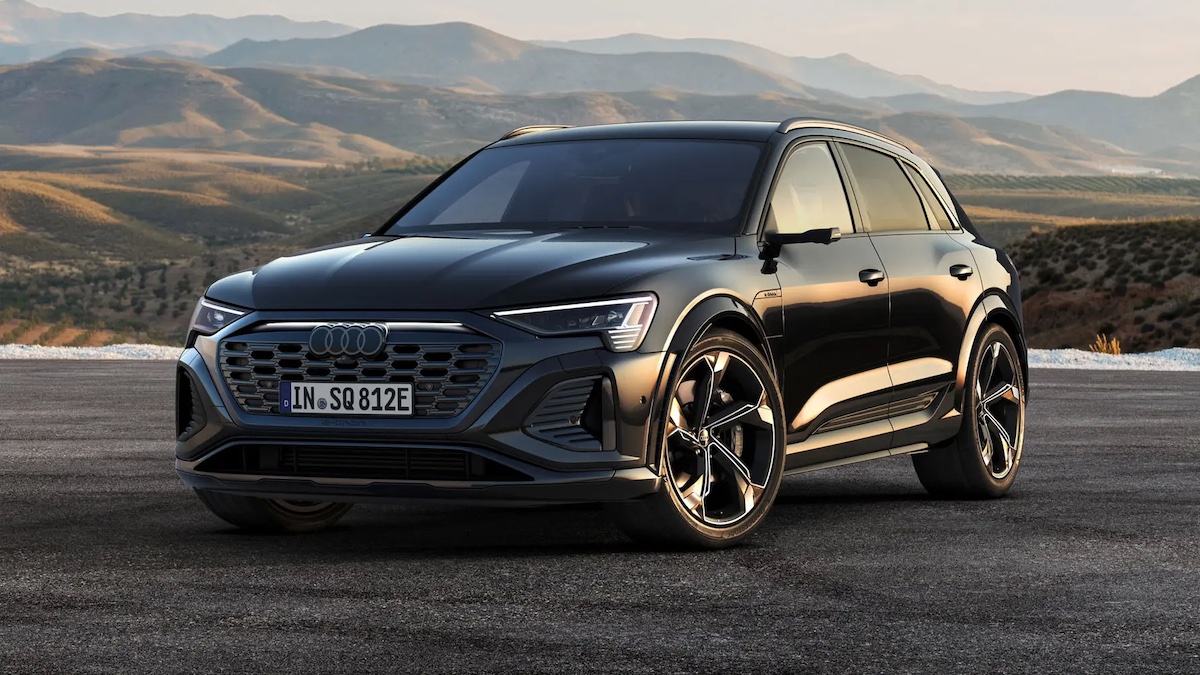
- Engine Type: Dual-motor battery-electric quattro all-wheel drive
- Horsepower: Up to approximately 402 hp in boost mode
- Torque: Approximately 490 lb-ft
- Length: Approximately 193.5 inches
- Width: Approximately 76.2 inches without mirrors
The higher-performance SQ8 e-tron uses different powertrain specifications and should not be confused with the standard Q8 e-tron.
Battery-condition reporting is especially valuable here because the Q8 e-tron’s sophisticated liquid cooling can mask moderate degradation during an ordinary test drive. The vehicle may continue to deliver smooth acceleration and reliable charging even after usable battery capacity has declined somewhat.
Dealer diagnostics can help determine whether that loss is normal for the vehicle’s age and mileage. Technicians can also investigate cell-related errors, temperature abnormalities, charging faults, and other high-voltage issues.
A state-of-health percentage is useful for giving consumers a simple reference point, but it should be viewed alongside the rest of the battery diagnosis. A pack can retain strong capacity while still developing another fault elsewhere in the system.
For dealerships handling expensive used EVs, this information can improve both valuation and transparency. A Q8 e-tron with documented strong battery condition can be easier to retail than an otherwise similar example whose battery history is unknown.
For buyers, a professional battery report reduces uncertainty about the component most likely to create concern in a used electric vehicle. As the secondhand EV market grows, this type of dealer-accessible battery information is likely to become a major part of how electric vehicles are inspected, priced, and sold.
8. Tesla Model Y
The Tesla Model Y uses much of the same battery-management philosophy as the Model 3, making it another EV for which professional battery diagnostics can provide meaningful information. This is becoming increasingly relevant as early Model Ys enter the used market in large numbers.
Tesla’s onboard systems continually calculate and monitor high-voltage battery parameters. Service-level diagnostics can investigate battery-related fault codes, thermal behavior, charging operation, and other information that is not ordinarily presented to the driver. Independent EV testing services can also use compatible vehicle data to calculate an estimated state of health.
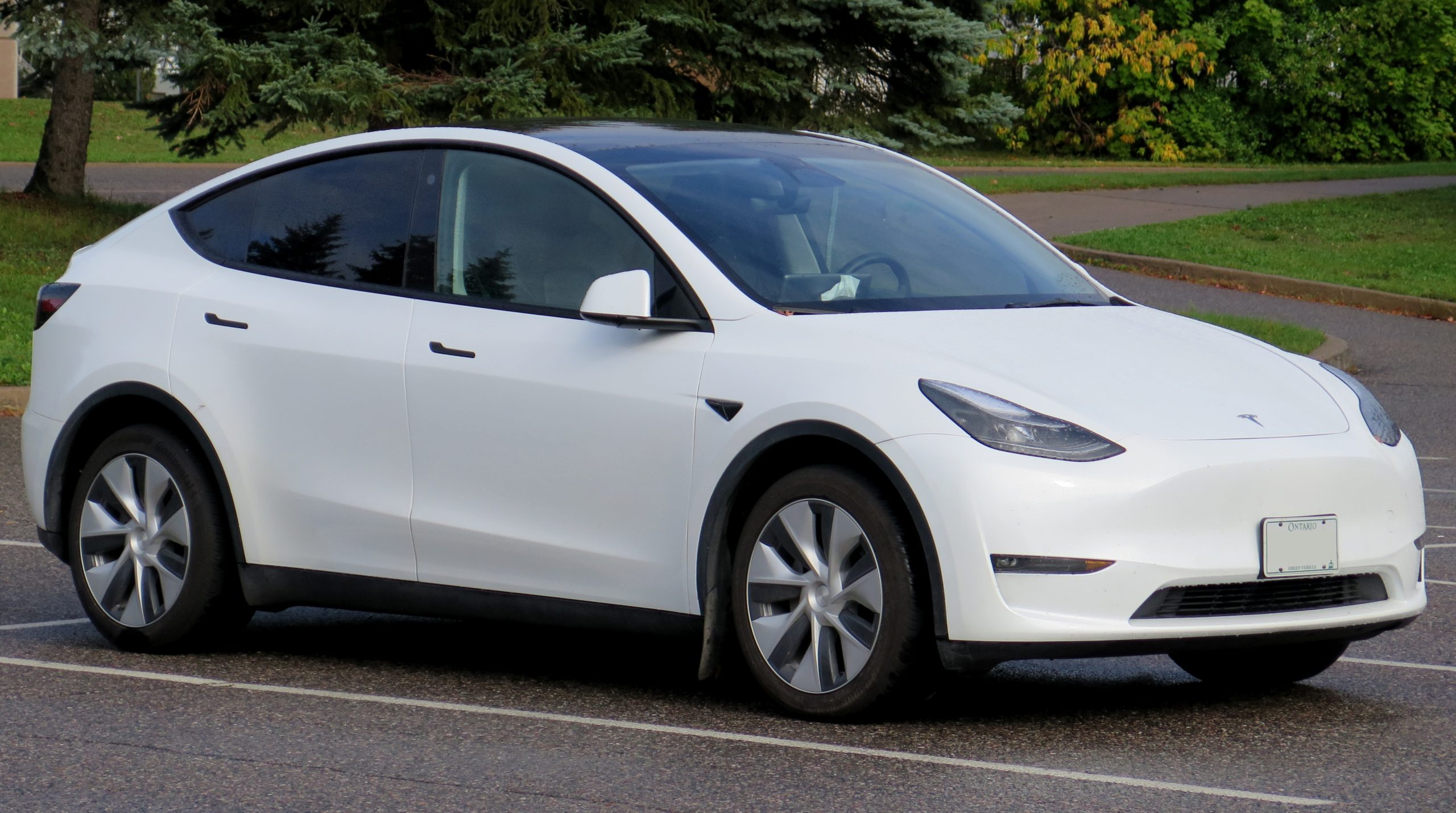
- Engine Type: Dual-motor battery-electric, all-wheel drive
- Horsepower: Approximately 425-460 hp depending on configuration
- Torque: Approximately 475 lb-ft, configuration dependent
- Length: 188.6 inches
- Width: Approximately 78.0 inches without mirrors
Tesla does not consistently publish traditional horsepower and torque figures for every Model Y configuration, which means exact output can vary with trim, software, battery version, and production period. The battery-health story has similar complexity: a single number cannot describe every aspect of the pack.
A dealer evaluating a used Model Y should consider estimated capacity alongside cell behavior, high-voltage system faults, charging functionality, and thermal-management performance. A pack can retain a relatively high percentage of original capacity while still developing a problem with another battery-related system.
Used-car shoppers also need to distinguish battery health from displayed range. A Model Y showing fewer miles at 100 percent than another car is not automatically proof of greater degradation. Range estimates can be influenced by software and vehicle configuration.
This is where standardized professional testing becomes valuable. A battery report can provide a more consistent basis for comparing two otherwise similar Model Ys.
For a dealer, that information can strengthen trade-in valuation and retail pricing. A higher-mileage Model Y with documented strong battery condition may actually be a better used vehicle than a lower-mileage example with unexplained battery warnings or abnormal charging behavior.
Also read: 5 Cars With the Highest Theft Rates in New Mexico, 5 With the Lowest