
A cheap monthly payment does not necessarily mean a vehicle is inexpensive to own. Some heavily depreciated luxury and performance cars have fallen so dramatically in value that the amount required to finance them can become almost insignificant compared with the cost of keeping fuel in their tanks.
This is particularly true for older V8, V10, and V12 models that originally sold for $70,000, $100,000, or substantially more. Depreciation can erase most of their original purchase price, but it cannot erase their weight, displacement, horsepower, or appetite for premium gasoline.
For this comparison, each vehicle is modeled with a 20% down payment, a 60-month loan at 8% APR, and 15,000 miles of annual driving. Fuel expenses use EPA combined fuel-economy ratings and EPA-style annual fuel-cost estimates for the appropriate fuel grade. Used-car values are based primarily on current Kelley Blue Book market figures.
Actual prices, loan rates, mileage, fuel prices, condition, and location will vary. Maintenance, insurance, taxes, registration, and repairs are excluded, meaning these examples focus strictly on the surprising relationship between fuel expense and scheduled vehicle payments.
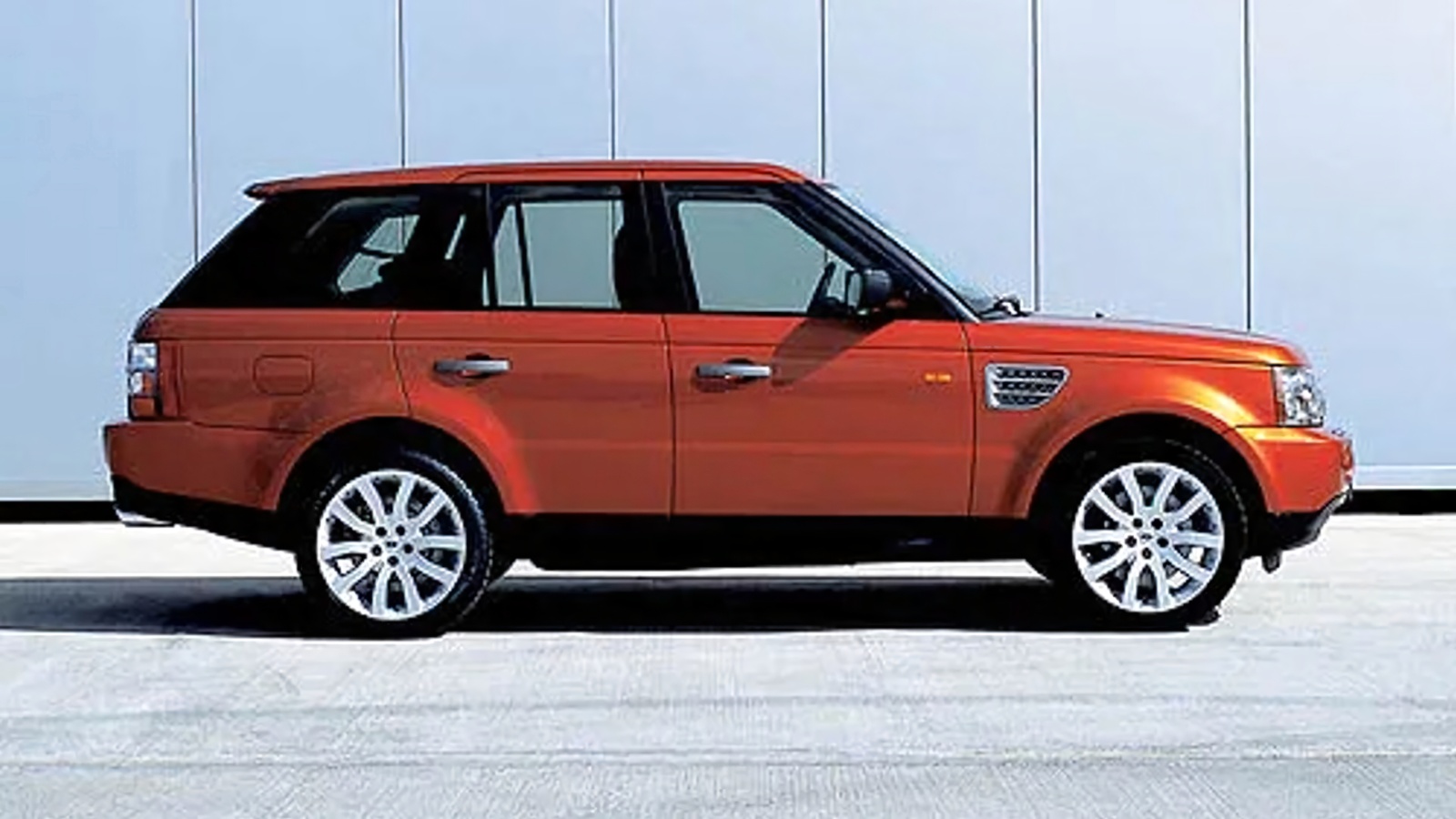
1. 2007 Land Rover Range Rover Sport Supercharged
The 2007 Range Rover Sport Supercharged is one of the clearest examples of how depreciation can completely change the financial balance of a vehicle. When new, this was an expensive high-performance luxury SUV with sophisticated four-wheel drive, air suspension, a premium interior, and a supercharged V8.
Today, Kelley Blue Book places typical market pricing for the Supercharged version at only a few thousand dollars, depending heavily on condition and mileage. KBB currently lists a Fair Market Price around $4,025 for the trim.
- Engine: 4.2-liter supercharged V8
- Horsepower: 390 hp @ 5,750 rpm
- Torque: 410 lb-ft @ 3,500 rpm
- Length: 188.5 inches
- Width: 85.4 inches with mirrors
The Range Rover Sport carries an EPA rating of just 12 mpg city, 18 mpg highway, and 14 mpg combined, and premium fuel is recommended. It also weighs approximately 5,671 pounds. Those numbers make it easy to understand why gasoline remains such a large expense despite the SUV’s low current value.
Using an EPA-style annual fuel estimate of approximately $4,450, driving 15,000 miles per year would require roughly $22,250 in fuel over five years. A hypothetical $4,025 purchase with 20% down leaves about $3,220 to finance.
At 8% APR for 60 months, scheduled loan payments total approximately $3,917. In other words, the estimated five-year fuel cost is about $22,250, the estimated five-year loan payments total about $3,917, and fuel exceeds the payments by roughly $18,333.
That is an enormous difference. The SUV may have depreciated into inexpensive-used-car territory, but every mile still requires feeding a supercharged V8 moving more than two and a half tons of luxury SUV.
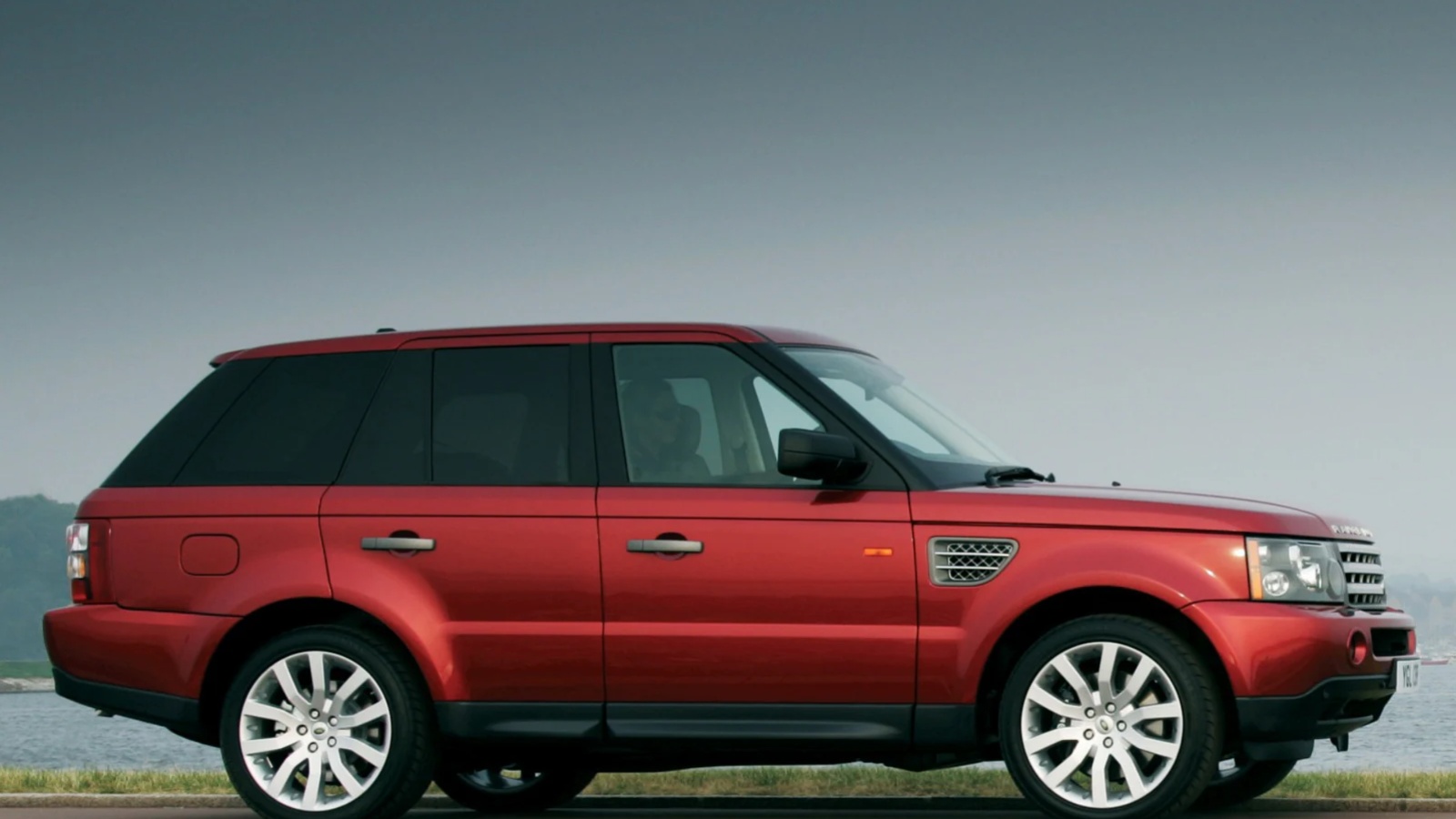
2. 2007 Land Rover Range Rover Supercharged
The full-size 2007 Range Rover Supercharged follows almost the same formula but packages it in a larger and heavier vehicle. When new, the Supercharged Range Rover sat near the top of Land Rover’s lineup and combined serious off-road hardware with a luxurious cabin and a powerful forced-induction V8. Current resale values are a tiny fraction of the original price, with Kelley Blue Book showing a Fair Market Price around $5,450 for the Supercharged model.
- Engine: 4.2-liter supercharged V8
- Horsepower: 400 hp @ 5,750 rpm
- Torque: 420 lb-ft @ 3,500 rpm
- Length: 195.7 inches
- Width: 87.2 inches with mirrors
At approximately 5,842 pounds, the full-size Range Rover is even heavier than the Sport. EPA fuel economy is only 12 mpg city, 18 mpg highway, and 14 mpg combined, while premium gasoline is recommended.
The remarkable part is how little the current financing expense has to do with the vehicle’s operating demands. With a purchase price of around $5,450 and 20% down, approximately $4,360 is financed. At 8% APR over 60 months, the total scheduled payments come to roughly $5,304.
By contrast, applying an EPA-style fuel estimate of about $4,450 per year creates approximately $22,250 in gasoline spending over five years. Therefore, the estimated five-year fuel cost is about $22,250, the estimated five-year loan payments are about $5,304, and fuel exceeds those payments by approximately $16,946.
The difference demonstrates what depreciation cannot change. The Range Rover may now have the purchase price of an older economy car, but it remains a nearly 5,900-pound four-wheel-drive luxury SUV powered by a supercharged V8.
That also ignores maintenance. Air suspension, cooling systems, electronics, drivetrain components, and aging luxury equipment can make fuel look like the predictable part of the ownership budget.
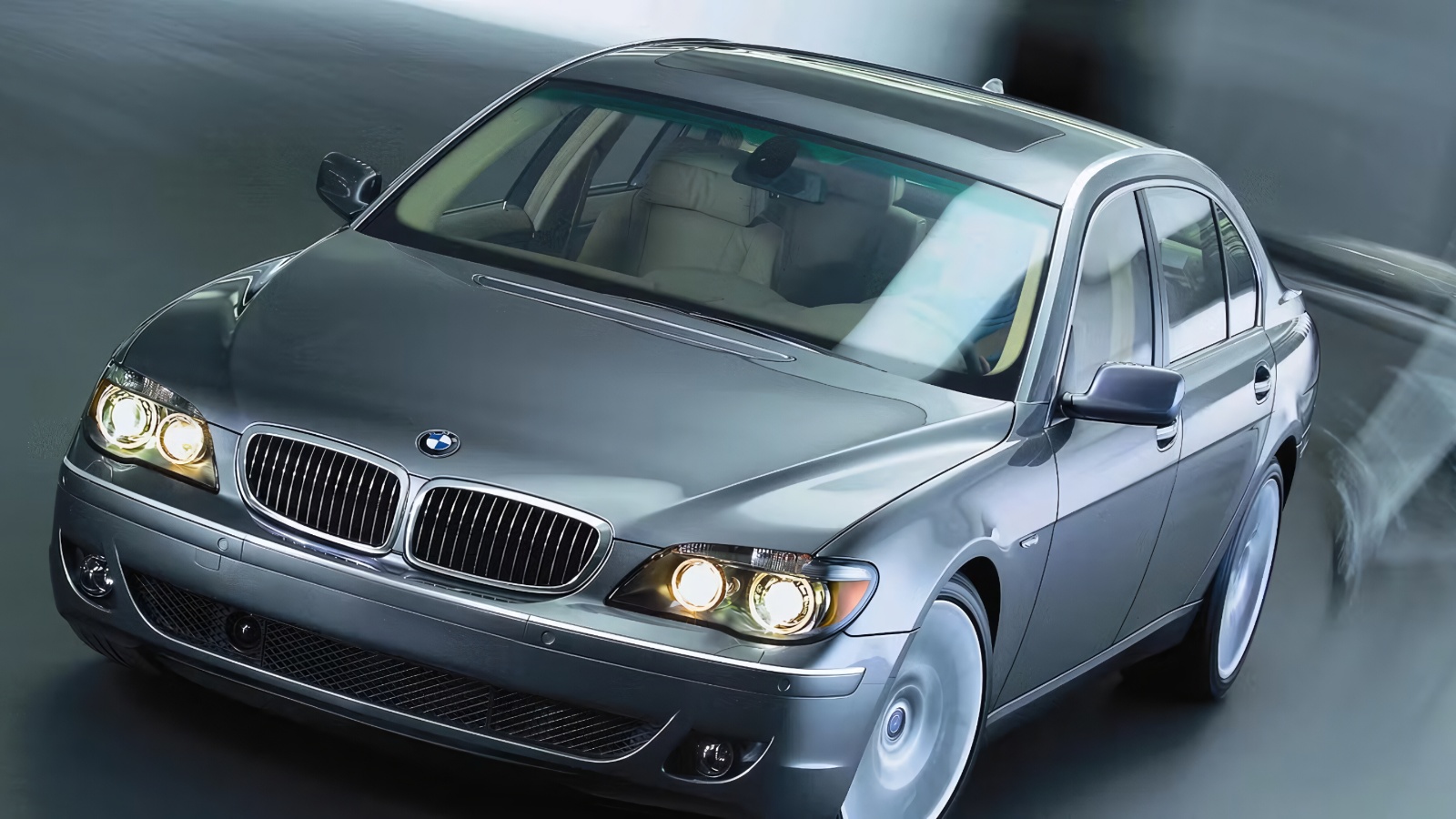
3. 2007 BMW 760Li
The BMW 760Li was created during an era when flagship sedans were technological showcases, and BMW’s answer included a massive naturally aspirated V12. The long-wheelbase 760Li originally sat near the very top of the 7 Series hierarchy and carried a six-figure sticker price. Nearly two decades of depreciation have changed that dramatically. Kelley Blue Book now lists a Fair Market Price around $8,900 for the 2007 760Li.
- Engine: 6.0-liter naturally aspirated V12
- Horsepower: 438 hp @ 6,000 rpm
- Torque: 444 lb-ft @ 3,950 rpm
- Length: 203.9 inches
- Width: 84.0 inches with mirrors
The sedan weighs approximately 4,905 pounds and returns only 13 mpg city, 20 mpg highway, and 15 mpg combined. Premium fuel is recommended, which makes every gallon more expensive than the regular gasoline burned by a typical commuter vehicle.
At 15,000 miles annually, an EPA-style annual fuel estimate around $5,150 produces approximately $25,750 in premium gasoline expenses over five years.
The hypothetical loan is dramatically smaller. With a current value of approximately $8,900 and a 20% down payment, roughly $7,120 would be financed. A five-year loan at 8% APR generates total scheduled payments of approximately $8,662.
That means the estimated five-year fuel cost is approximately $25,750, the estimated five-year loan payments total roughly $8,662, and fuel exceeds the payments by about $17,088.
The comparison illustrates the danger of looking only at a used flagship’s purchase price. Market depreciation can make a V12 BMW seem surprisingly affordable, but the engine, weight, premium-fuel requirement, electronics, suspension, and sophisticated luxury systems still belong to a vehicle originally engineered without economy-car operating costs in mind.
For an older 760Li, fuel may not even be the most frightening expense. V12-specific repairs and complex electronic systems can create bills large enough to rival the vehicle’s entire resale value.
4. 2009 Audi S8
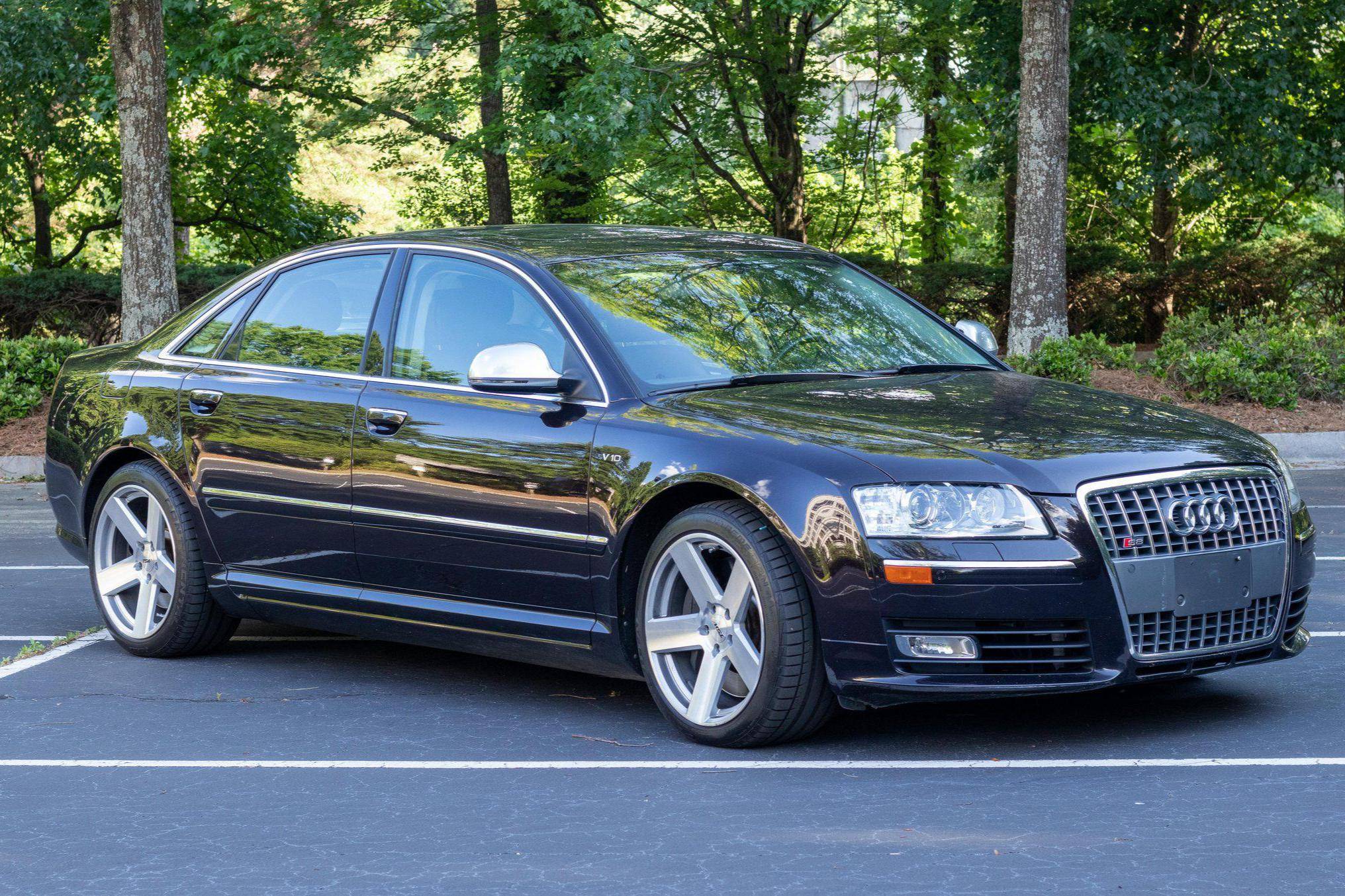
The 2009 Audi S8 is unusual even by performance-sedan standards. Rather than relying on a turbocharged V8, Audi fitted its flagship sports sedan with a naturally aspirated 5.2-liter V10. The combination of ten cylinders, quattro all-wheel drive, understated styling, and a luxurious interior made the S8 one of the most distinctive German sedans of its era.
Depreciation has been severe. Kelley Blue Book currently lists a Fair Market Price of approximately $12,550, a fraction of what the S8 cost when new.
- Engine: 5.2-liter naturally aspirated V10
- Horsepower: 450 hp @ 7,000 rpm
- Torque: 398 lb-ft @ 3,500 rpm
- Length: 199.3 inches
- Width: 79.8 inches with mirrors
The S8 weighs roughly 4,586 pounds and uses a six-speed automatic transmission with quattro all-wheel drive. EPA economy is just 13 mpg city, 19 mpg highway, and 15 mpg combined, while premium gasoline is recommended.
Using an annual fuel-cost estimate of approximately $5,150, five years of driving at 15,000 miles per year results in roughly $25,750 spent on fuel.
Put 20% down on a $12,550 purchase, and approximately $10,040 remains to finance. At 8% APR for 60 months, total scheduled payments work out to about $12,214.
Consequently, the estimated five-year fuel cost is about $25,750, the estimated five-year loan payments are approximately $12,214, and fuel exceeds the payments by roughly $13,536.
That equation makes the S8 particularly interesting. A buyer could have a monthly loan payment of only about $204, yet average monthly fuel spending could easily be substantially higher.
Depreciation has made the V10 Audi relatively inexpensive to purchase, but it has not changed its mechanical complexity. The V10, quattro system, high-performance brakes, suspension hardware, electronics, and premium tires remain parts of an expensive flagship sedan.
5. 2008 Maserati Quattroporte
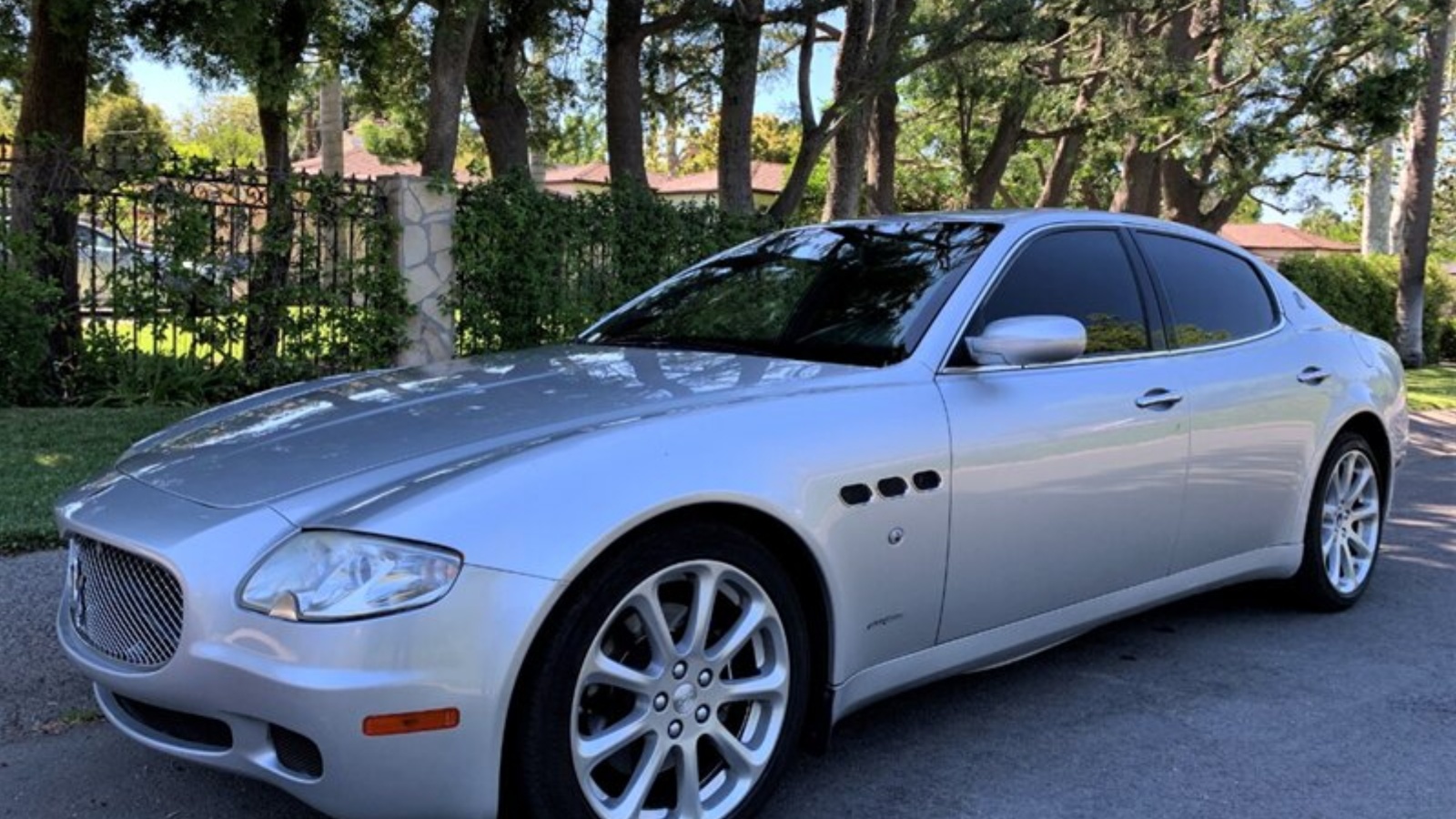
The 2008 Maserati Quattroporte may be one of the most dramatic combinations of exotic engineering and used-car depreciation on the market. When new, the Italian luxury sedan carried a sticker price comfortably above $100,000 and offered a Ferrari-related V8, rear-wheel drive, distinctive styling, and an interior aimed directly at buyers considering German flagship sedans.
Today, Kelley Blue Book places the Fair Purchase Price of a standard 2008 Quattroporte at approximately $10,950, although its current Fair Market Price can be higher depending on valuation method and condition. KBB lists a Fair Market Price around $12,600 in its current specification comparison.
- Engine: 4.2-liter naturally aspirated V8
- Horsepower: 400 hp @ 7,000 rpm
- Torque: 339 lb-ft @ 4,250 rpm
- Length: 198.9 inches
- Width: 74.6 inches
The aluminum V8 is paired with a six-speed automatic transmission and rear-wheel drive. Fuel economy is only 12 mpg city, 18 mpg highway, and 14 mpg combined, and premium gasoline is recommended.
Using the more conservative $12,600 current market figure, a 20% down payment leaves approximately $10,080 to finance. At 8% APR for 60 months, scheduled loan payments total roughly $12,263.
An EPA-style annual fuel bill near $5,500 produces approximately $27,500 in gasoline costs over five years. As a result, the estimated five-year fuel cost is roughly $27,500, the estimated five-year loan payments total approximately $12,263, and fuel exceeds the payments by about $15,237.
Few comparisons illustrate depreciation better. The market can reduce an exotic Italian sedan’s purchase price by nearly 90%, but it cannot turn a 400-horsepower V8 into an efficient commuter engine.
The calculation also excludes potentially significant maintenance expenses involving suspension components, brakes, electronics, and specialized Maserati parts.
Also read: 10 Cars Holding Location History No Owner Can Erase
6. 2008 Porsche Cayenne Turbo
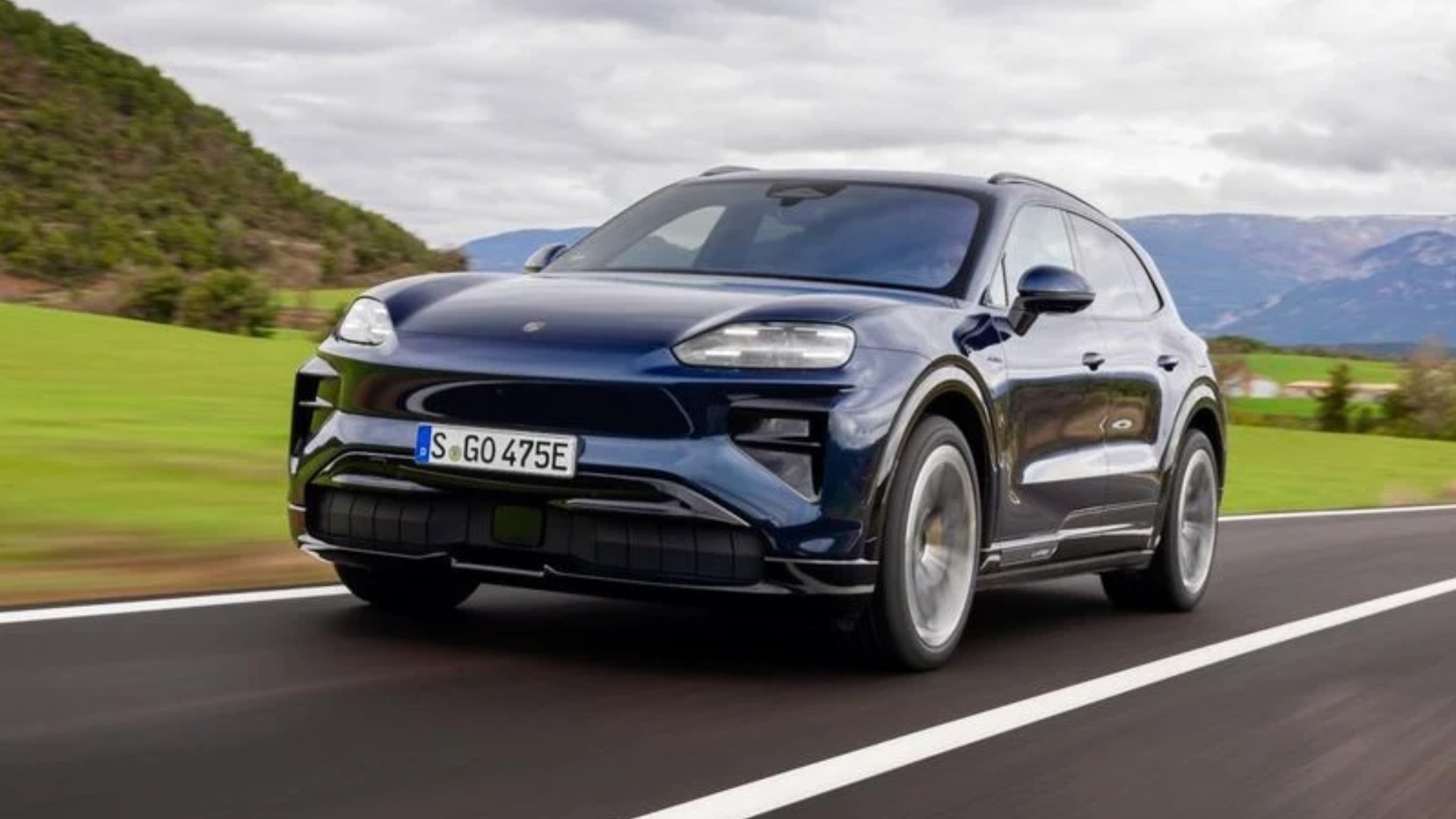
The first-generation Porsche Cayenne Turbo proved that an SUV weighing well over two tons could deliver genuine sports-car acceleration. Its 4.8-liter twin-turbocharged V8 produced 500 horsepower, while Porsche’s all-wheel-drive system gave the Cayenne serious performance in almost any conditions.
That engineering came with an enormous original price, but the Cayenne Turbo has since suffered substantial depreciation. Kelley Blue Book currently lists the 2008 Turbo at a Fair Market Price of approximately $12,550.
- Engine: 4.8-liter twin-turbocharged V8
- Horsepower: 500 hp @ 6,000 rpm
- Torque: 516 lb-ft @ 2,250 rpm
- Length: 188.8 inches
- Width: 75.9 inches
The Cayenne Turbo combines a heavy body, permanent all-wheel drive, wide tires, substantial aerodynamic drag, and 500 horsepower. EPA economy is therefore just 12 mpg city, 19 mpg highway, and 14 mpg combined.
At an EPA-style annual premium-fuel cost of roughly $5,500, five years of 15,000-mile driving results in approximately $27,500 in fuel expenses.
A $12,550 purchase with 20% down leaves about $10,040 financed. At 8% APR for 60 months, total scheduled payments are approximately $12,214, or just over $200 per month.
Accordingly, the estimated five-year fuel cost is approximately $27,500, estimated five-year loan payments total about $12,214, and fuel exceeds the payments by roughly $15,286.
It is a bizarre equation for a vehicle that originally cost more than many luxury sedans. Depreciation has made the Cayenne Turbo accessible for the price of an ordinary used car, yet nothing about its 500-horsepower twin-turbo V8 has become ordinary.
Owners must also consider air suspension, turbocharger hardware, cooling components, brakes, tires, and Porsche-specific maintenance, all of which can push total ownership costs far beyond this simple fuel-versus-payment calculation.
7. 2008 Mercedes-Benz CL600
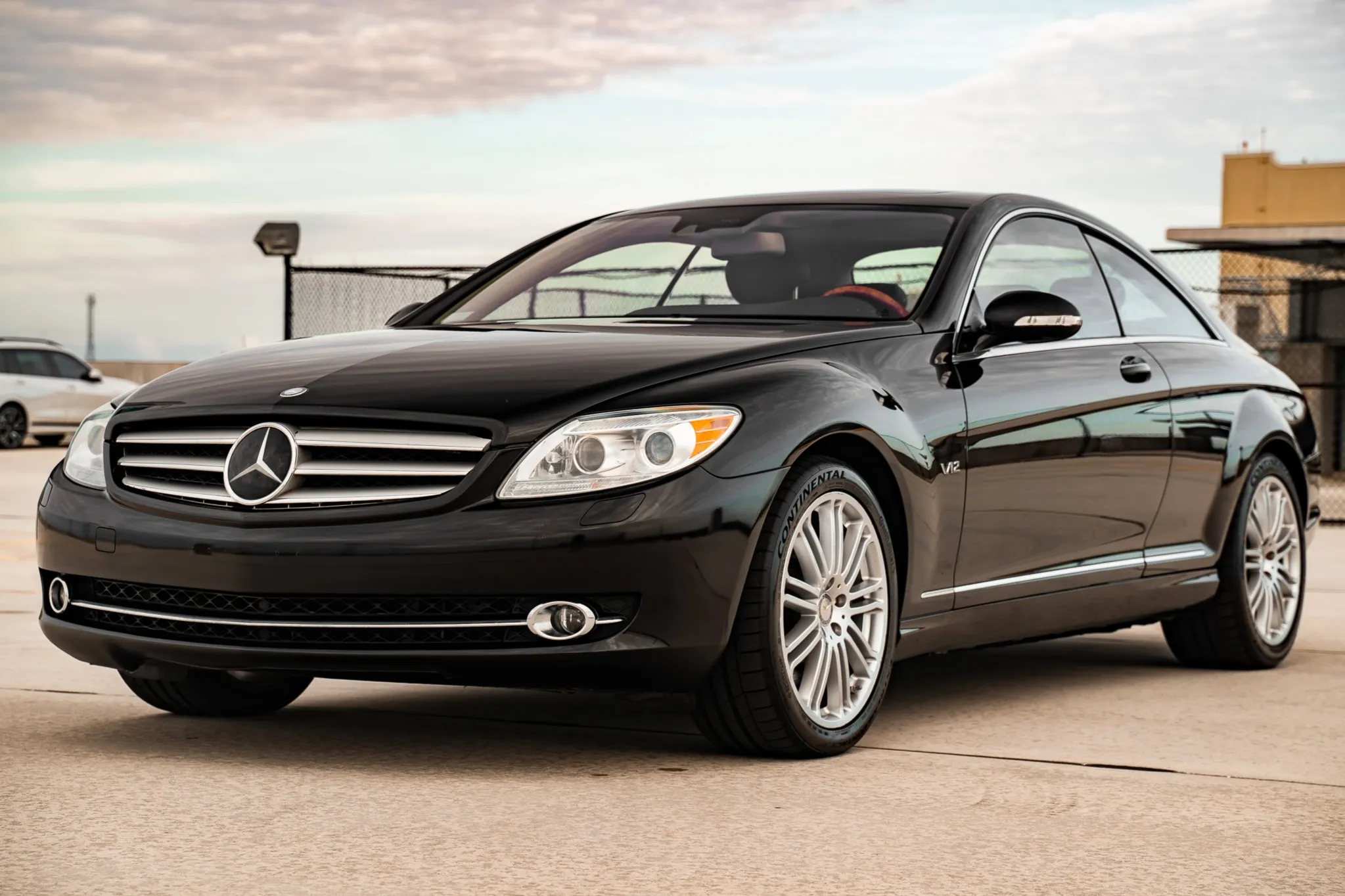
The 2008 Mercedes-Benz CL600 represents one of the most extreme luxury-car depreciation stories because it combined huge performance, enormous complexity, and an original sticker price approaching $150,000. The large two-door coupe essentially delivered S-Class technology in a more dramatic body while using a twin-turbocharged V12 to provide effortless acceleration.
- Engine: 5.5-liter twin-turbocharged V12
- Horsepower: 510 hp @ 5,000 rpm
- Torque: 612 lb-ft @ 1,800 rpm
- Length: 199.4 inches
- Width: 73.7 inches
The engine’s most remarkable number is its 612 lb-ft of torque, delivered from only 1,800 rpm. That helps move a coupe weighing nearly 4,900 pounds with ease. The obvious trade-off is fuel economy. EPA figures for the CL600 are just 11 mpg city, 17 mpg highway, and 13 mpg combined, and premium gasoline is required.
At an EPA-style annual fuel expense of roughly $5,950, five years at 15,000 miles annually produces approximately $29,750 in premium gasoline costs.
Using a representative used purchase price near $13,000, 20% down leaves about $10,400 financed. At 8% APR for five years, the scheduled payments total approximately $12,652.
Therefore, the estimated five-year fuel cost is about $29,750, the estimated five-year loan payments are approximately $12,652, and fuel exceeds those payments by roughly $17,098.
That makes the CL600 one of the most dramatic examples here. The amount spent at gas stations could exceed twice the amount sent to the lender.
More importantly, fuel is predictable compared with the potential repair expenses associated with a twin-turbo V12, active suspension, complex electronics, and numerous luxury systems. The CL600 may be cheap to acquire, but virtually nothing about maintaining or operating it was designed around an economy-car budget.
8. 2008 BMW M6
The E63-generation BMW M6 is a product that would be difficult to imagine today. Instead of using a downsized turbocharged engine, BMW M installed a naturally aspirated 5.0-liter V10 capable of revving to extraordinary speeds. The result was one of the most distinctive engines ever installed in a modern BMW road car.
The M6 was expensive when new, but depreciation has made it far more attainable. Kelley Blue Book currently lists a Fair Market Price of roughly $14,950, while other KBB valuation views place typical pricing closer to $13,000 depending on condition and methodology.
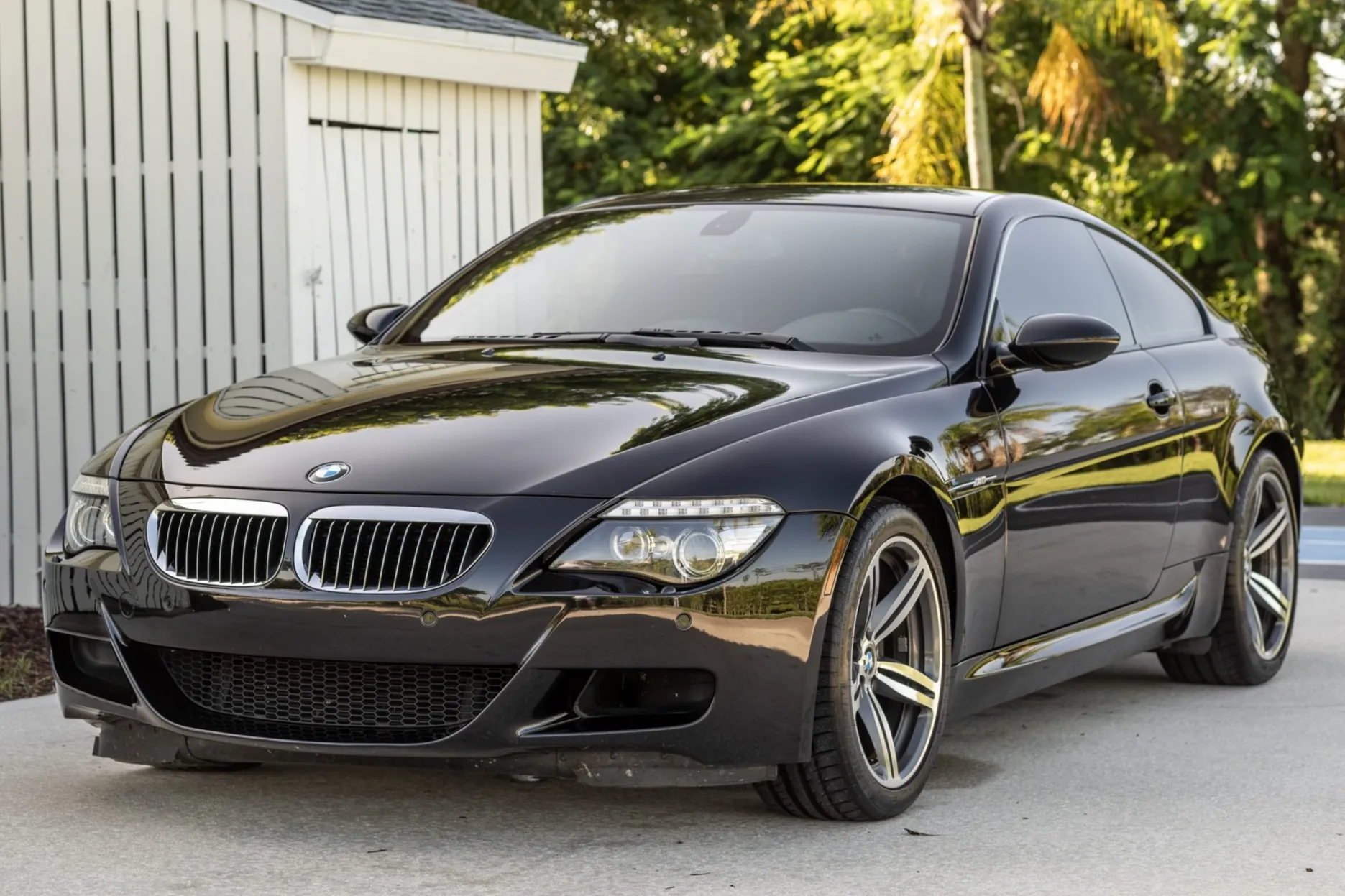
- Engine: 5.0-liter naturally aspirated V10
- Horsepower: 500 hp @ 7,750 rpm
- Torque: 383 lb-ft @ 6,100 rpm
- Length: 191.8 inches
- Width: 73.0 inches
The V10 sends power to the rear wheels and was available with BMW’s seven-speed SMG automated manual or a six-speed manual. EPA fuel economy is only 11 mpg city, 17 mpg highway, and 13 mpg combined, while premium gasoline is required.
Using an annual fuel-cost estimate around $5,950, 75,000 miles over five years results in approximately $29,750 spent on gasoline.
At a $14,950 purchase price with 20% down, approximately $11,960 would be financed. A 60-month loan at 8% APR results in about $14,550 in total scheduled payments.
That means the estimated five-year fuel cost is approximately $29,750, the estimated five-year loan payments total roughly $14,550, and fuel exceeds the payments by about $15,200.
The M6 therefore captures the entire premise of this list. Depreciation has made a 500-horsepower V10 coupe surprisingly affordable to purchase, while its thirst for premium fuel remains firmly in exotic-car territory.
Maintenance adds another layer. Rod bearings, throttle actuators, SMG components, electronics, and other high-performance hardware can be expensive. The V10 M6 may have depreciated into ordinary used-car pricing, but its operating requirements never followed.
Also read: 5 Cars With the Highest Theft Rates in New Mexico, 5 With the Lowest
