The sticker price is only the beginning of what a new vehicle can cost. Depreciation, financing, insurance, fuel or electricity, maintenance, repairs, taxes, and registration can transform an already expensive luxury or performance vehicle into a six-figure ownership commitment.
Edmunds’ True Cost to Own, or TCO, attempts to put those expenses into one five-year dollar figure. For 2025 vehicles, several high-performance cars and luxury SUVs produce ownership estimates that approach and in some cases comfortably exceed $200,000.
To estimate total cost of ownership, Edmunds factors in depreciation, financing, taxes and fees, insurance, energy, maintenance, and repairs. The calculation is based on five years of ownership and 15,000 miles driven annually. It also assumes traditional financing with a 10% down payment, a 60-month loan, and a buyer with above-average credit.
The figures are comparative estimates rather than guarantees because location, insurance history, actual transaction price, and driving habits matter. The following ranking uses specific 2025 trims with published Edmunds ownership figures rather than simply ranking vehicles by MSRP.
1. 2025 Land Rover Range Rover P615 SV – $251,073
The Range Rover SV illustrates how a $200,000-plus luxury SUV can continue costing huge amounts long after the purchase paperwork is signed. The P615 SV sits at the top of the 2025 Range Rover family, pairing extensive luxury equipment with the strongest conventional V8 in the lineup. Edmunds lists its starting MSRP at $210,475 and recently showed an average transaction price around $192,448.
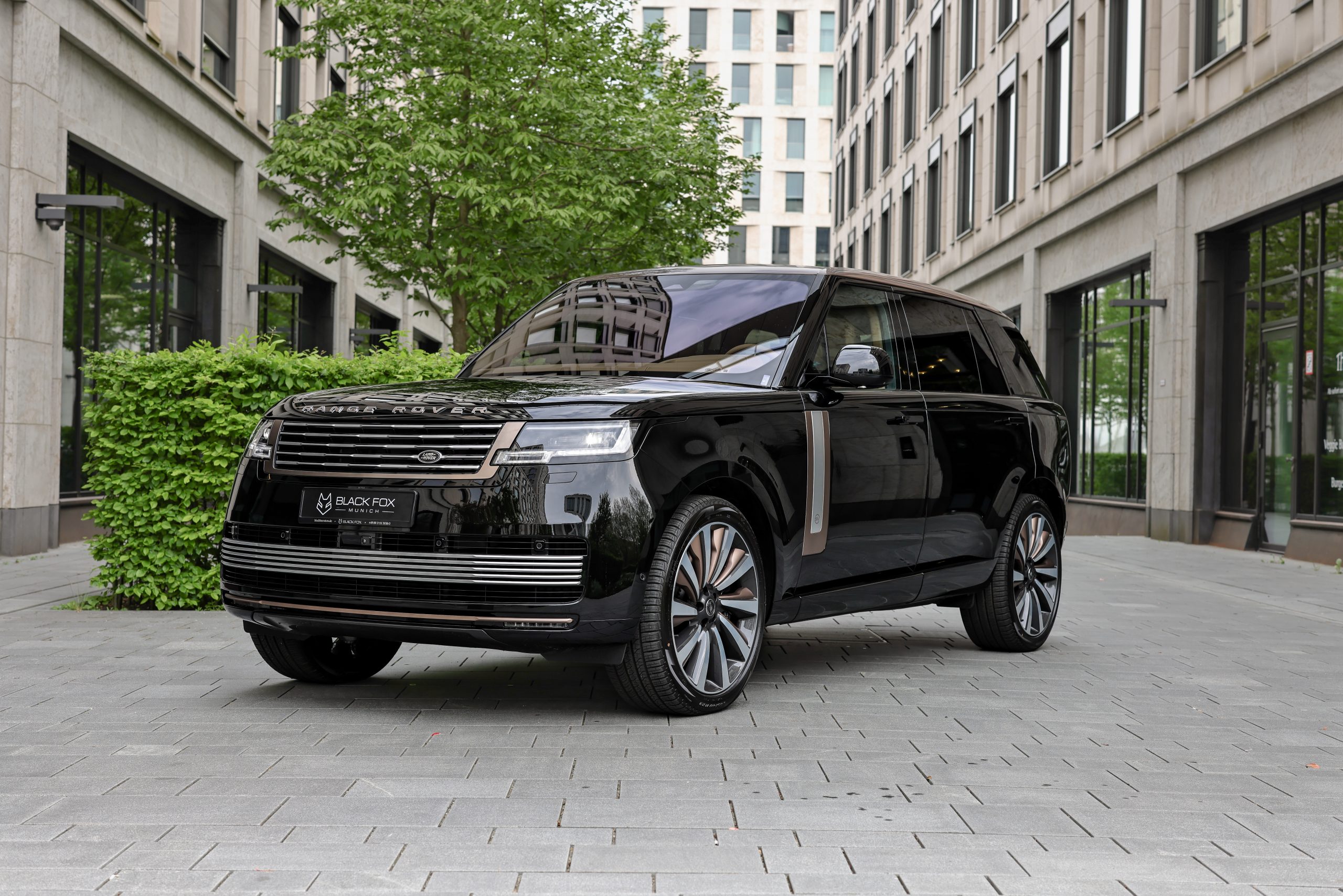
- Engine: 4.4-liter twin-turbocharged V8
- Horsepower: 606 hp
- Torque: 553 lb-ft
- Length: approximately 198.9 inches
- Width: approximately 80.6 inches without mirrors
What pushes the SV to the top of this ranking is not simply gasoline. Depreciation is the crushing expense. Edmunds estimates $152,744 in depreciation alone over five years. Financing adds $42,657, while taxes and fees contribute another $14,243. Insurance is projected at $12,993, fuel at $18,486, maintenance at $6,335, and repairs at $3,615.
Add everything together, and Edmunds arrives at a five-year True Cost to Own of $251,073, equivalent to approximately $3.35 for every mile under its 75,000-mile assumption.
That figure is remarkable because it exceeds the SUV’s starting MSRP. The distinction is that TCO includes the amount of value the Range Rover loses plus all of the expenses required to finance, register, insure, fuel, maintain, and repair it during the period.
For buyers at this end of the luxury market, depreciation rather than fuel is the dominant cost. More than 60% of Edmunds’ estimated five-year ownership total comes from lost vehicle value.
2. 2025 Porsche Taycan Turbo GT – $215,473
Electric vehicles eliminate gasoline bills, but the Porsche Taycan Turbo GT demonstrates that low energy expense does not automatically translate into low total ownership cost. The Turbo GT is the highest-performance member of Porsche’s Taycan sedan family, with immense electric output, sophisticated chassis technology, and pricing that puts it deep into exotic-car territory.
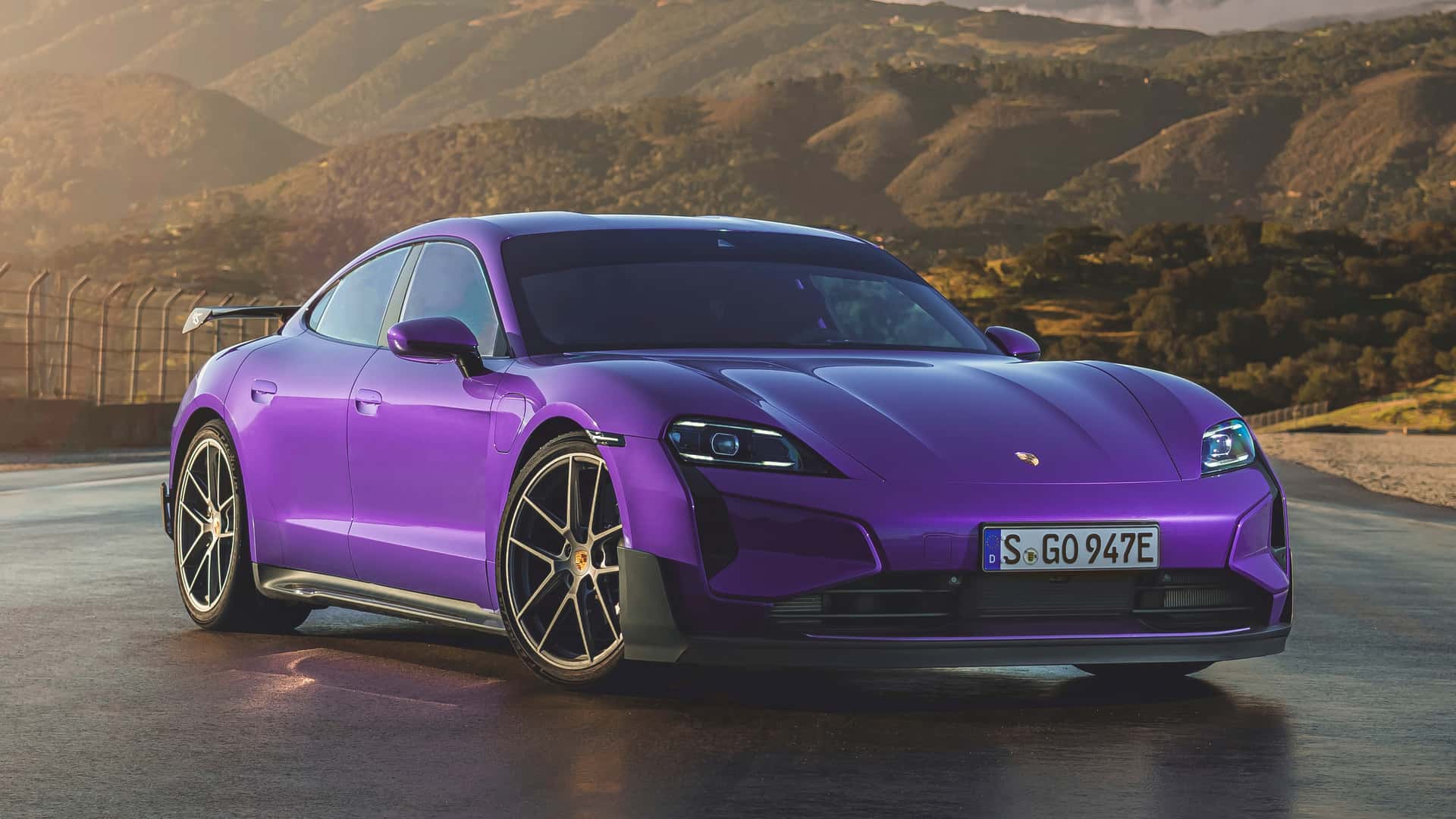
- Powertrain: Dual-motor all-electric AWD
- Horsepower: Up to approximately 1,019 hp in maximum-output conditions
- Torque: High-output dual-motor electric drivetrain
- Length: approximately 195.4 inches
- Width: approximately 78.3 inches without mirrors
Electricity is actually one of the smaller figures in its ownership calculation. Edmunds estimates just $8,968 in electricity expenses over five years for the Turbo GT. Maintenance comes to $5,357 and repairs to $2,925. Those figures look almost modest beside the vehicle’s other costs.
Depreciation is projected at a staggering $124,301. Financing contributes another $44,970, while taxes and fees are estimated at $18,180. Insurance adds $10,772.
The result is an Edmunds five-year True Cost to Own of $215,473, or nearly $2.87 per mile if driven 75,000 miles over the period.
The lesson is particularly interesting for an EV. Owners sometimes focus heavily on the savings created by avoiding gasoline and oil changes. In the Turbo GT, those benefits are overwhelmed by the depreciation and financing associated with a very expensive high-performance automobile.
Edmunds also calculates $203,725 for the Taycan Turbo GT with Weissach Package, showing that tiny changes in pricing, insurance, and projected depreciation can substantially alter TCO even among closely related versions.
3. 2025 Mercedes-AMG GT 63 – $208,334
The Mercedes-AMG GT 63 combines supercar-level performance with the kind of ownership costs that can accompany a highly depreciating six-figure luxury car. For 2025, the GT 63 uses AMG’s familiar hand-built twin-turbo V8 and standard all-wheel drive. Edmunds lists its starting MSRP at approximately $180,200, while recent transaction estimates have been lower.
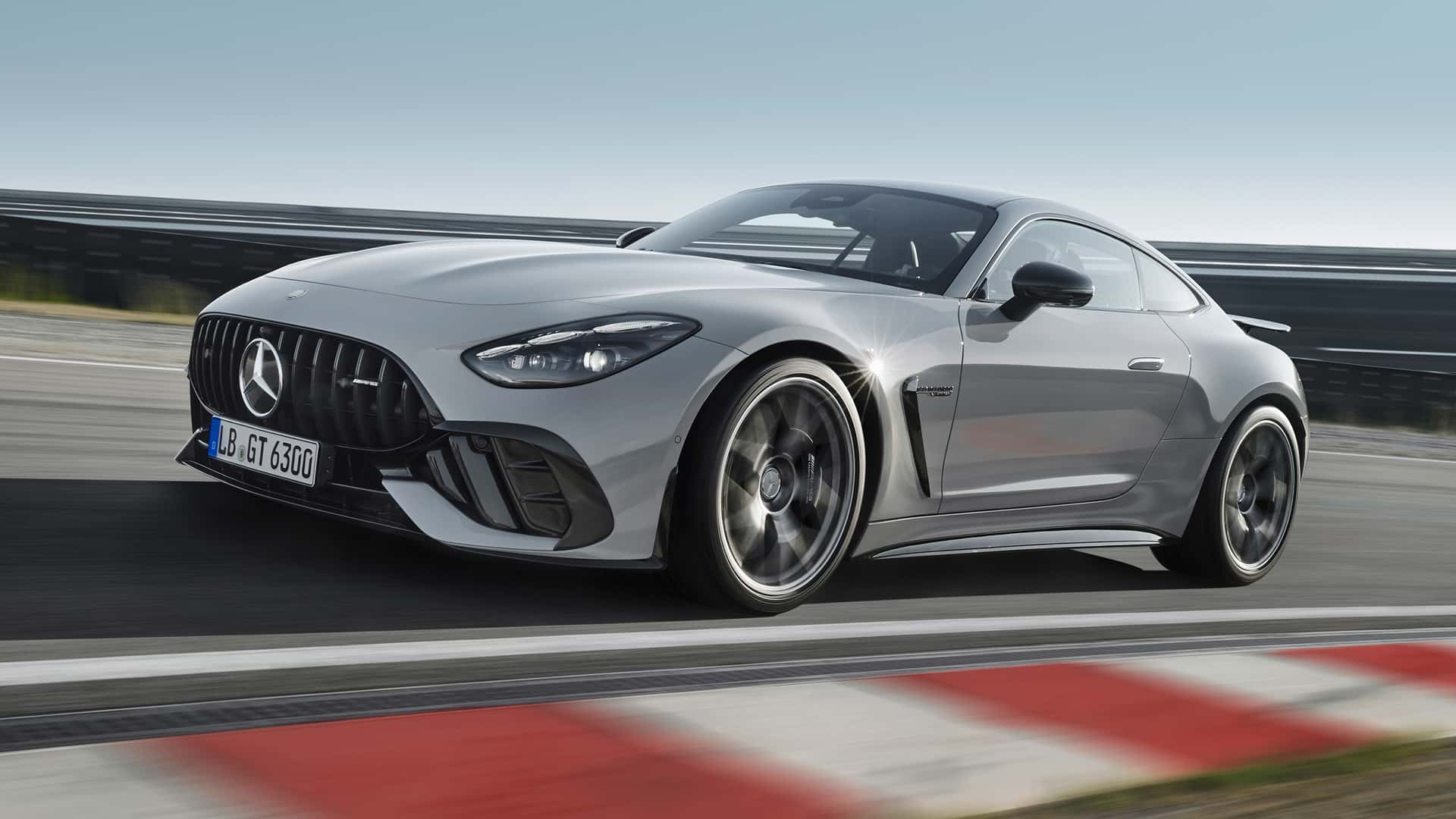
- Engine: 4.0-liter twin-turbocharged V8
- Horsepower: 577 hp
- Torque: 590 lb-ft
- Length: approximately 186 inches
- Width: approximately 76 inches without mirrors
The AMG’s 14-mpg combined EPA rating also ensures that fuel is not a trivial expense. Edmunds estimates $24,848 in fuel costs over five years. Maintenance contributes $10,123, repairs $3,210, and insurance $8,907.
Those running costs, however, are overshadowed by $96,130 in projected depreciation. Edmunds also estimates $38,368 in financing expense and $26,748 in taxes and fees for the GT 63.
Together, the expenses produce a five-year True Cost to Own of $208,334, corresponding to approximately $2.78 per mile under Edmunds’ 15,000-mile-per-year assumption.
That means the ownership bill over five years can exceed the car’s already substantial MSRP.
Even more striking is how depreciation dominates. The Mercedes loses nearly $100,000 of projected value during Edmunds’ five-year window. Fuel seems expensive at almost $25,000, but it represents only about one quarter of the estimated depreciation loss.
The GT 63 therefore shows why buyers comparing expensive performance cars need to look beyond mpg and scheduled service. The money disappearing through depreciation can be far greater than what goes through the fuel tank.
4. 2025 Porsche Cayenne Turbo E-Hybrid – $171,009
The Cayenne Turbo E-Hybrid occupies a fascinating position in Porsche’s lineup. It is both a plug-in hybrid and a 700-plus-horsepower performance SUV, combining a twin-turbo V8 with electric assistance rather than using electrification strictly to maximize economy.
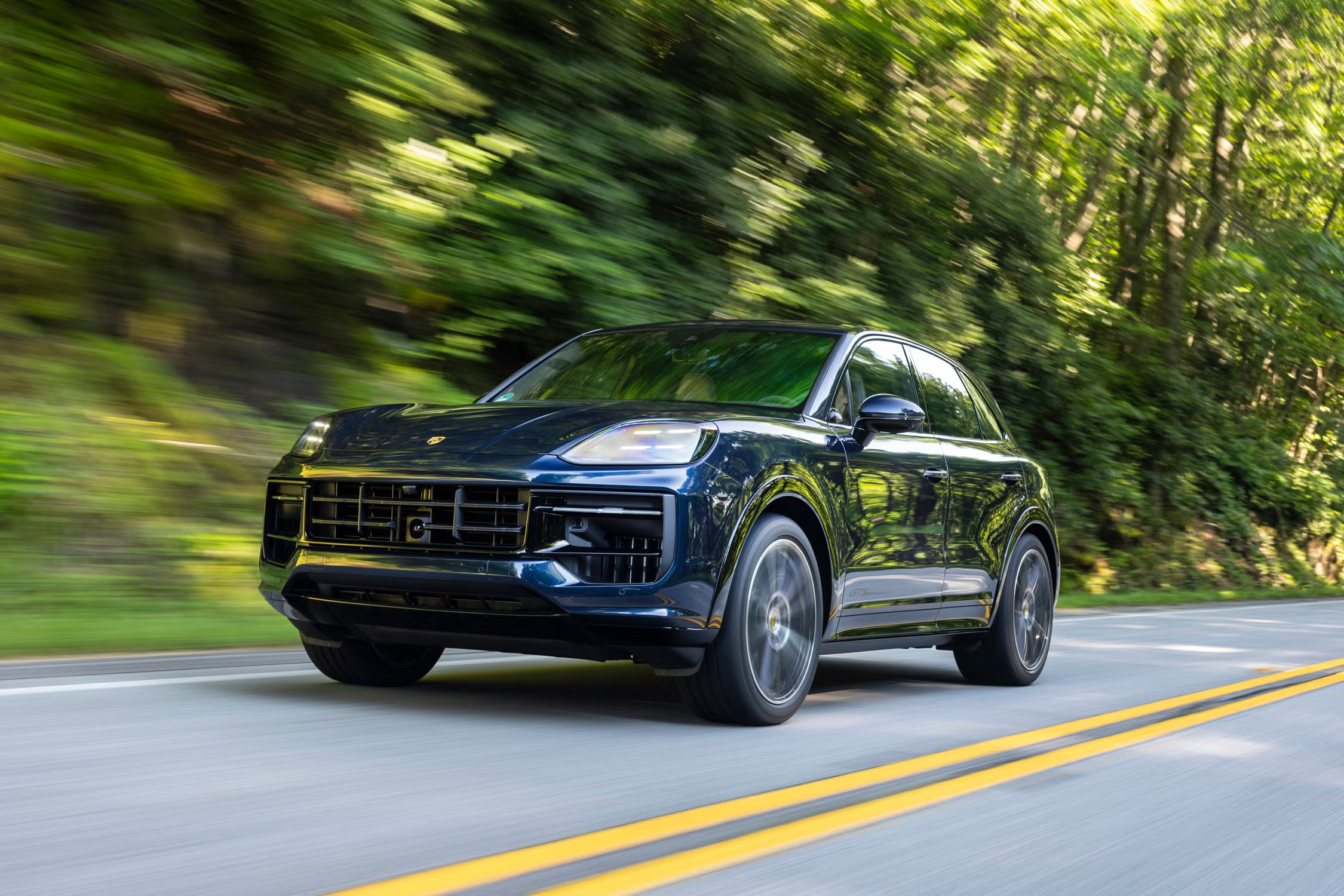
- Engine: 4.0-liter twin-turbo V8 plug-in hybrid
- Horsepower: 729 hp combined
- Torque: approximately 701 lb-ft
- Length: approximately 194.1 inches
- Width: approximately 78.1 inches without mirrors
Edmunds lists the Turbo E-Hybrid’s 2025 starting MSRP at $158,995 and an average paid price around $141,726 in its recent comparison data.
The five-year cost breakdown demonstrates how quickly expensive vehicles accumulate costs. Depreciation alone reaches $94,390. Financing contributes $33,010, while taxes and fees total $11,751. Edmunds estimates $14,664 for fuel and electricity, $5,448 for insurance, $8,378 for maintenance, and $3,368 for repairs.
The resulting five-year True Cost to Own is $171,009, or approximately $2.28 per mile over 75,000 miles.
The interesting point is that electrification prevents fuel from becoming the biggest problem. Its estimated five-year energy expenditure is lower than that of several less powerful gasoline-only luxury SUVs. Instead, the combination of purchase price and depreciation drives the huge ownership total.
Porsche offers much less expensive Cayenne variants. Edmunds puts the ordinary Cayenne at $106,785 over five years and the Cayenne S at $125,611. Moving all the way to the Turbo E-Hybrid therefore adds tens of thousands of dollars to the ownership equation, not merely the initial transaction price.
5. 2025 BMW X7 M60i – $160,190
BMW’s X7 M60i takes the practicality of a three-row luxury SUV and adds a powerful V8. The result is an SUV capable of carrying seven occupants while delivering performance that would have belonged to a dedicated sports car only a few decades ago.
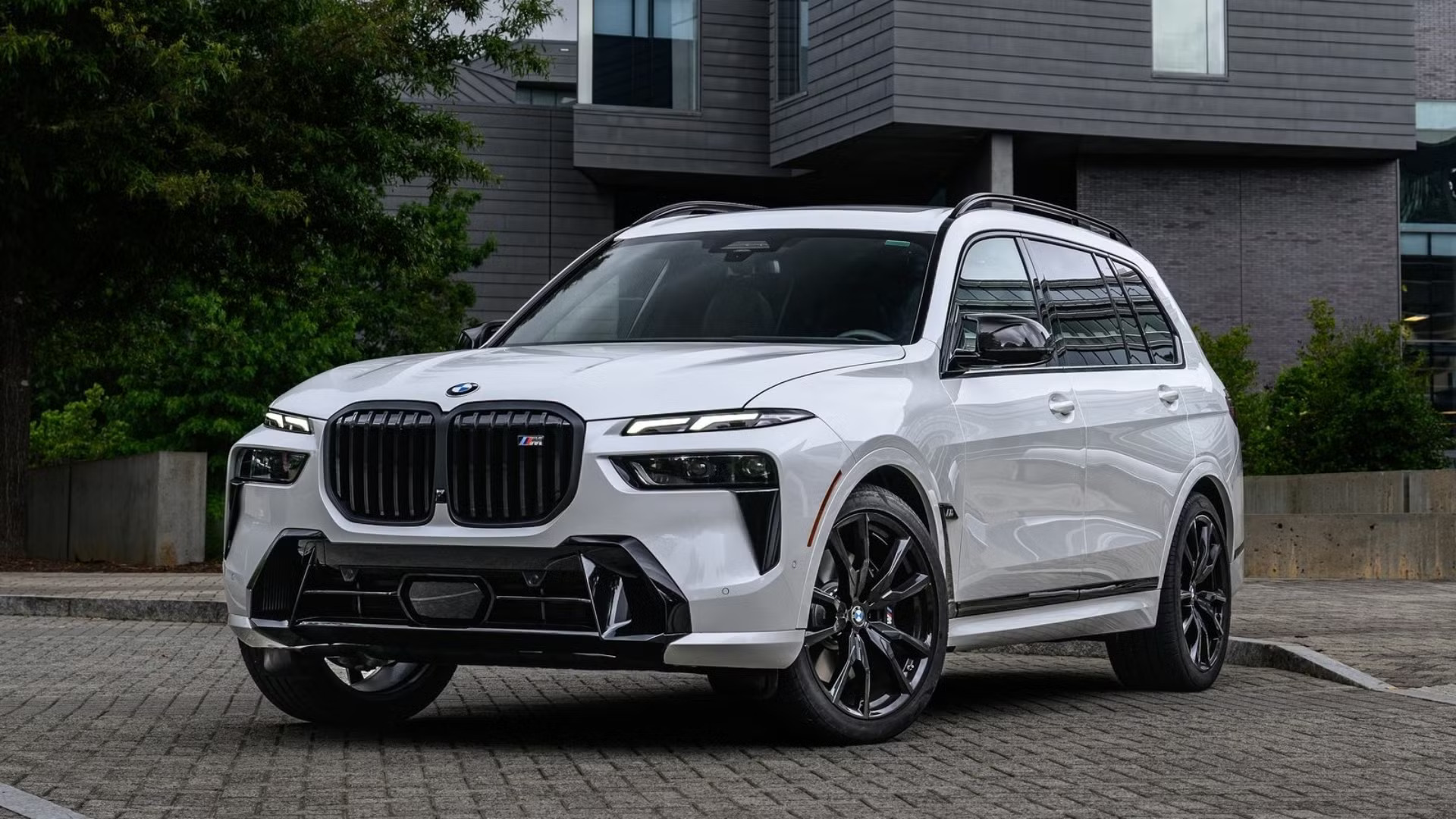
- Engine: 4.4-liter twin-turbocharged V8 mild hybrid
- Horsepower: 523 hp
- Torque: 553 lb-ft
- Length: 203.6 inches
- Width: 78.7 inches without mirrors
The X7 is a large vehicle, weighing close to 5,900 pounds in M60i form. Its 16-mpg city, 20-mpg highway, and 18-mpg combined ratings reflect what happens when a high-output V8 is installed in a full-size luxury SUV.
Edmunds calculates a five-year True Cost to Own of $160,190 for the X7 M60i. Its projection includes $76,286 in depreciation, $23,120 in financing, $12,338 in taxes and fees, and $23,837 in fuel. Insurance is estimated at $10,113, maintenance at $11,313, and repairs at $3,183.
That equals approximately $2.14 per mile over the 75,000 miles assumed by Edmunds.
The regular X7 xDrive40i is considerably less expensive to own. Edmunds estimates $128,339 over five years for that version, putting the gap between it and the M60i at more than $31,000.
The V8 therefore affects far more than fuel consumption. It comes attached to a higher vehicle price, which increases financing, taxation, and potential depreciation exposure.
Among the M60i’s expenses, depreciation remains the largest single category. The projected $76,286 loss is more than three times the estimated five-year fuel bill.
Also read: 5 Cars With the Highest Theft Rates in New Mexico, 5 With the Lowest
6. 2025 BMW M8 Competition – $160,048
The BMW M8 Competition proves that two doors and fewer seats do not necessarily make a high-end BMW cheaper to own. The M8 is essentially a luxury grand tourer with the drivetrain performance of a full M model, powered by a highly tuned version of BMW’s twin-turbo V8.
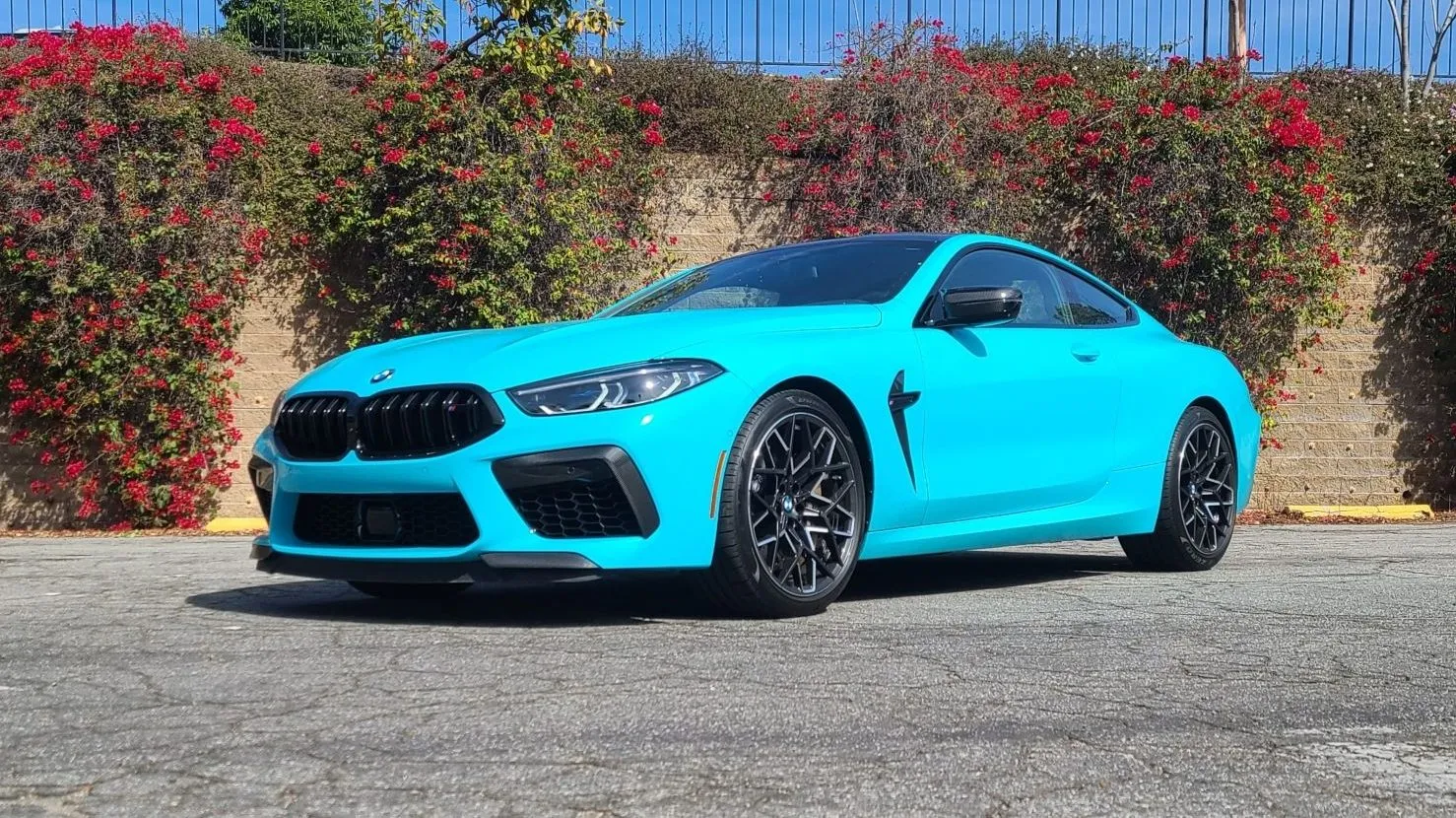
- Engine: 4.4-liter twin-turbocharged V8
- Horsepower: 617 hp
- Torque: 553 lb-ft
- Length: 191.8 inches
- Width: 74.9 inches without mirrors
BMW sends the V8’s output through an eight-speed automatic and an M-tuned all-wheel-drive system, though the drivetrain can provide a rear-wheel-drive mode. Edmunds lists fuel economy at only 15 mpg city, 22 mpg highway, and 17 mpg combined, with premium fuel required.
Edmunds estimates the M8 Competition’s five-year True Cost to Own at $160,048, equivalent to roughly $2.13 per mile.
The largest piece is $72,911 in depreciation. Financing is estimated at $31,744, taxes and fees at $10,995, and fuel at $17,840. Insurance costs contribute $13,300, while maintenance reaches $10,523 and repairs add another $2,735.
The distribution of those costs is important. Maintenance and repairs combined amount to more than $13,000, but depreciation is more than five times greater.
That difference demonstrates why high-end car ownership discussions can become distorted when attention focuses only on repair reliability. An owner might experience a mechanically trouble-free five years and still lose an enormous amount through depreciation.
For the M8, the vehicle’s rapid value loss, expensive financing, premium insurance, and fuel consumption combine to make the first five years substantially more expensive than its gasoline requirements alone suggest.
7. 2025 Lincoln Navigator L Black Label – $150,840
Lincoln’s Navigator L Black Label sits at the opposite end of the spectrum from sports cars such as the M8. It is a huge three-row luxury SUV designed around space, comfort, towing capability, and premium equipment. The extended-length L body and Black Label trim place it near the top of the Navigator hierarchy.
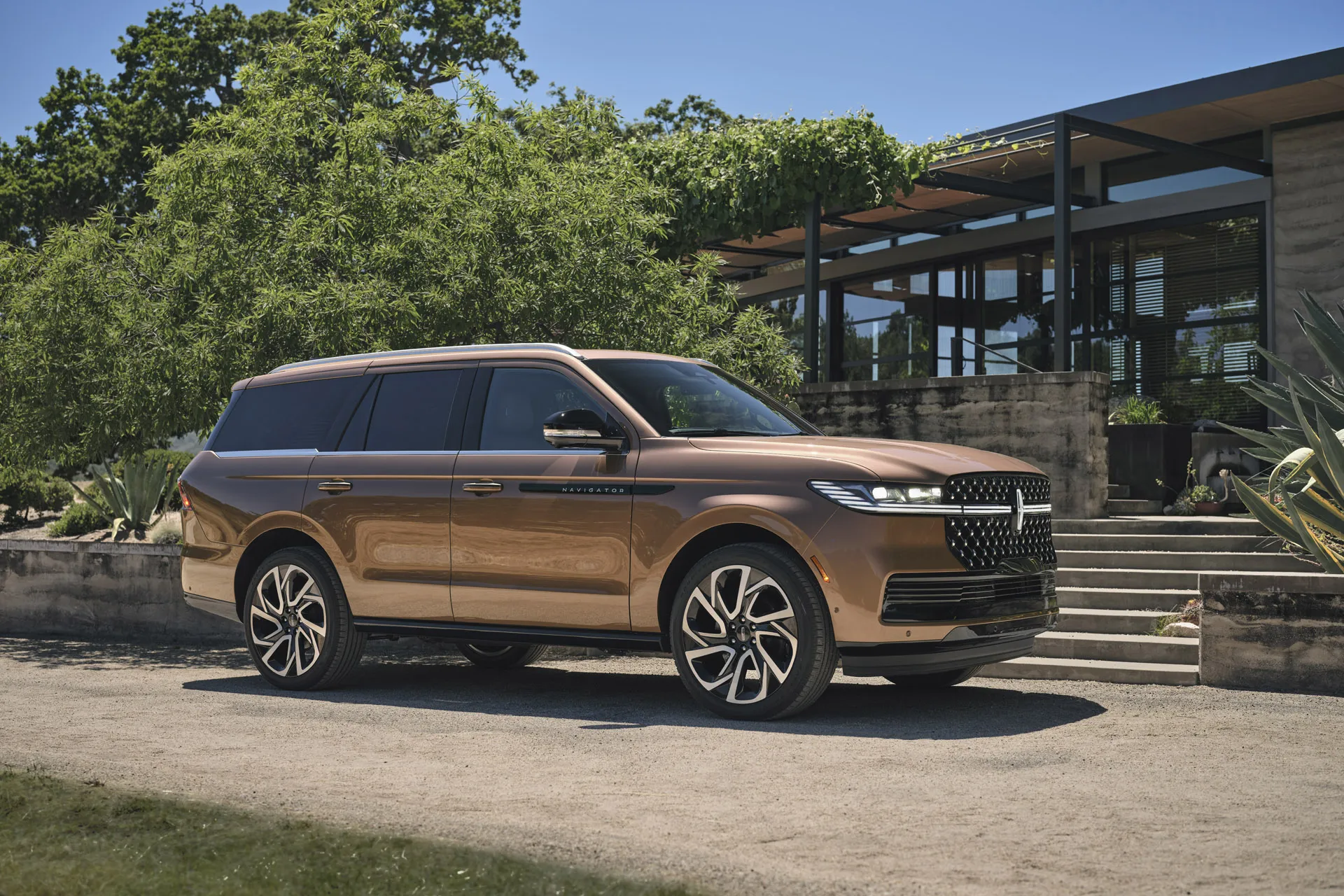
- Engine: 3.5-liter twin-turbocharged V6
- Horsepower: 440 hp
- Torque: approximately 510 lb-ft
- Length: approximately 221.9 inches
- Width: approximately 79.9 inches without mirrors
Size and luxury equipment come at a significant ownership cost. Edmunds estimates that the Navigator L Black Label will lose $75,850 through depreciation during five years. Financing adds $24,204 and taxes and fees another $13,035.
Fuel is also substantial. Edmunds projects $23,273 in gasoline expenses, while insurance is estimated at $8,290. Maintenance costs $4,208, and repairs add $1,980.
The total is an Edmunds five-year True Cost to Own of $150,840, equal to approximately $2.01 per mile at 75,000 miles.
For context, Edmunds estimates $129,525 for the shorter Navigator Reserve. The longer, more richly equipped L Black Label therefore adds more than $21,000 to the five-year ownership estimate.
Again, depreciation matters more than gasoline. Although spending over $23,000 on fuel is substantial, the Navigator’s estimated value loss is more than three times as large.
The Navigator also demonstrates that six-figure TCO numbers are not limited to European performance cars. Large American luxury SUVs can generate similar ownership expenses when high transaction prices, fuel consumption, financing, and depreciation combine.
8. 2025 Porsche Panamera 4S E-Hybrid – $150,486
The Porsche Panamera 4S E-Hybrid combines sports-sedan handling with plug-in-hybrid technology. Rather than positioning the hybrid system purely as an efficiency feature, Porsche also uses electric assistance to enhance acceleration and output.
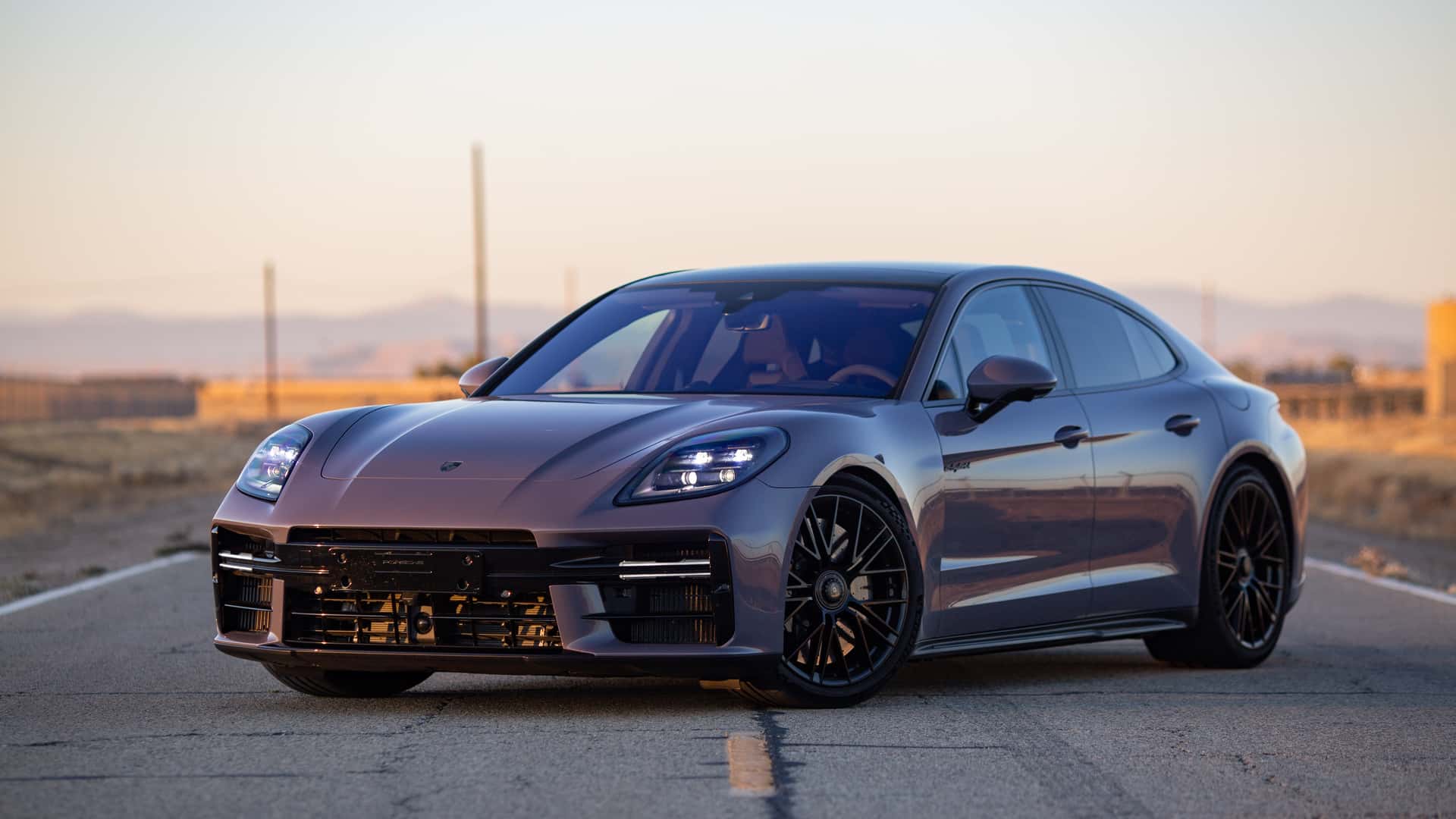
- Engine: 2.9-liter twin-turbo V6 plug-in hybrid
- Horsepower: approximately 536 hp combined
- Torque: approximately 553 lb-ft
- Length: approximately 198.9 inches
- Width: approximately 76.3 inches without mirrors
Despite its electrification, operating energy is not the main reason the Panamera appears here. Edmunds estimates $14,443 in fuel and electricity costs over five years for the 4S E-Hybrid.
Depreciation is much greater at $73,792. Financing contributes $27,197, while taxes and fees reach $8,661. Insurance accounts for another $11,379. Edmunds projects $11,614 in maintenance and $3,400 in repairs.
The combined result is a five-year True Cost to Own of $150,486, or approximately $2.01 for every mile under the standard 75,000-mile assumption.
The plug-in powertrain illustrates one of the recurring themes in this ranking: reducing fuel consumption cannot compensate for every other ownership expense.
Energy represents less than 10% of the Panamera’s estimated five-year total. Depreciation by itself is more than five times the projected fuel and electricity expense.
Edmunds estimates the less powerful Panamera 4 E-Hybrid at $137,757 over the same five-year period. Choosing the higher-output 4S version therefore adds close to $13,000 to projected ownership expense.
For buyers comparing high-end hybrids, the vehicle’s future resale value can consequently matter much more financially than the amount saved at the pump.
9. 2025 Range Rover Sport P550e Autobiography – $149,502
The Range Rover Sport P550e Autobiography offers a different interpretation of an expensive plug-in hybrid. It combines a turbocharged inline-six, electric motor, four-wheel drive, air suspension, and an extensive luxury package in a midsize SUV that can travel for limited distances on electricity alone.
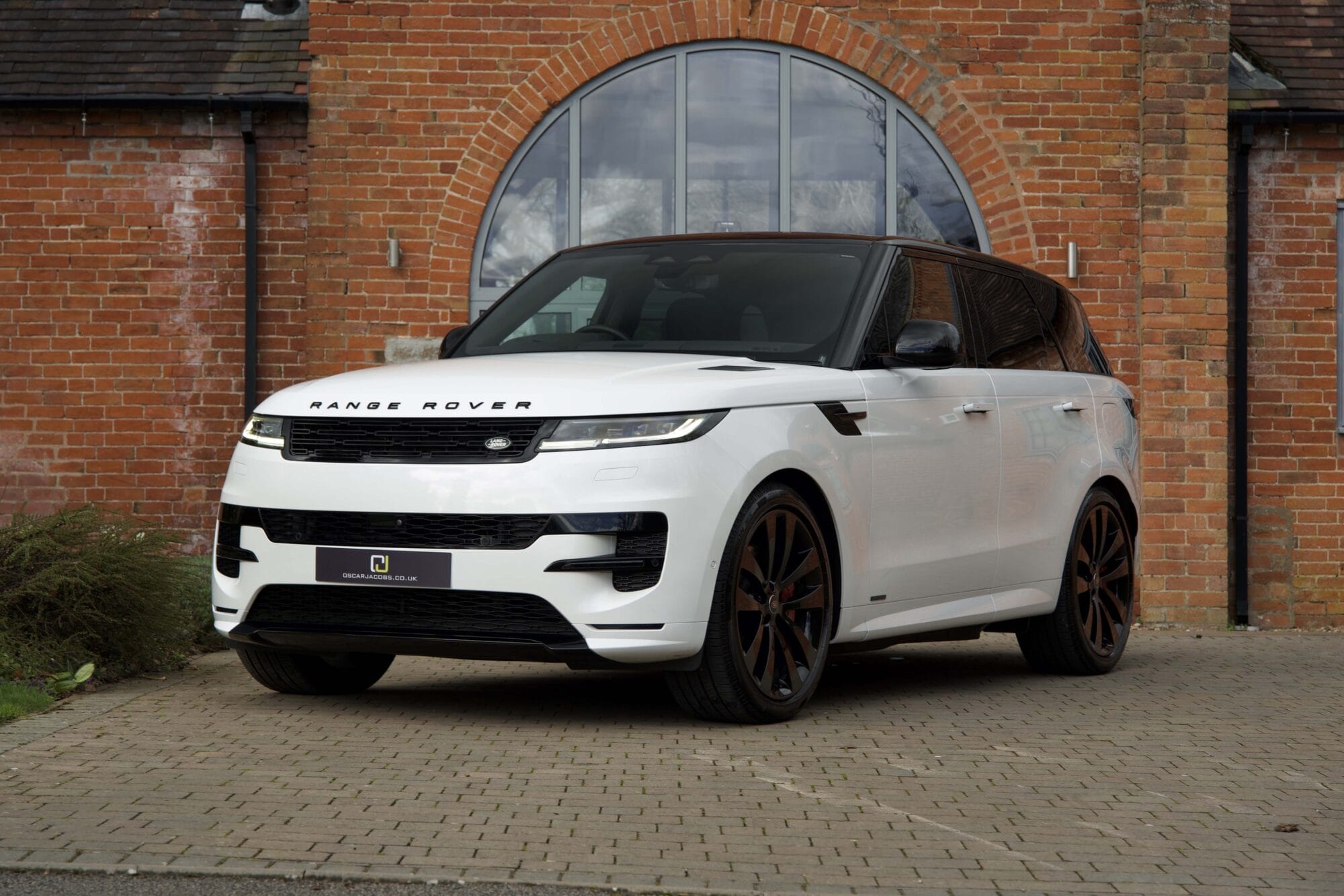
- Engine: 3.0-liter turbocharged inline-six plug-in hybrid
- Horsepower: approximately 543 hp combined
- Torque: 590 lb-ft
- Length: approximately 194.7 inches
- Width: approximately 80.6 inches without mirrors
Edmunds recently listed its starting MSRP at $120,325 and an average price paid of roughly $109,381.
Its five-year numbers climb quickly from there. Edmunds estimates $81,300 in depreciation, by far the largest expense. Financing reaches $23,982, taxes and fees $9,870, and fuel plus electricity $16,603. Insurance is projected at $6,579, maintenance at $7,005, and repairs at $4,163.
That produces an Edmunds five-year True Cost to Own of $149,502, or about $1.99 per mile.
Nearly 55% of the total comes from depreciation alone.
The P550e also shows why the most expensive version of a model is not always the one with the highest published TCO. Edmunds does not currently provide complete five-year figures for every Range Rover Sport variant, including some V8 models. The P550e Autobiography is therefore the highest version in the 2025 trim comparison for which a complete published TCO figure is shown.
Its plug-in system keeps energy expenses relatively controlled, but the value lost over five years overwhelms that savings.
10. 2025 BMW 760i xDrive – $149,207
BMW’s 760i xDrive closes the list, missing the $150,000 line by less than $800. It is the conventional gasoline flagship of the 2025 7 Series range, combining a twin-turbo V8 with mild-hybrid assistance, standard all-wheel drive, rear-wheel steering, and the extensive luxury technology expected from BMW’s largest sedan.
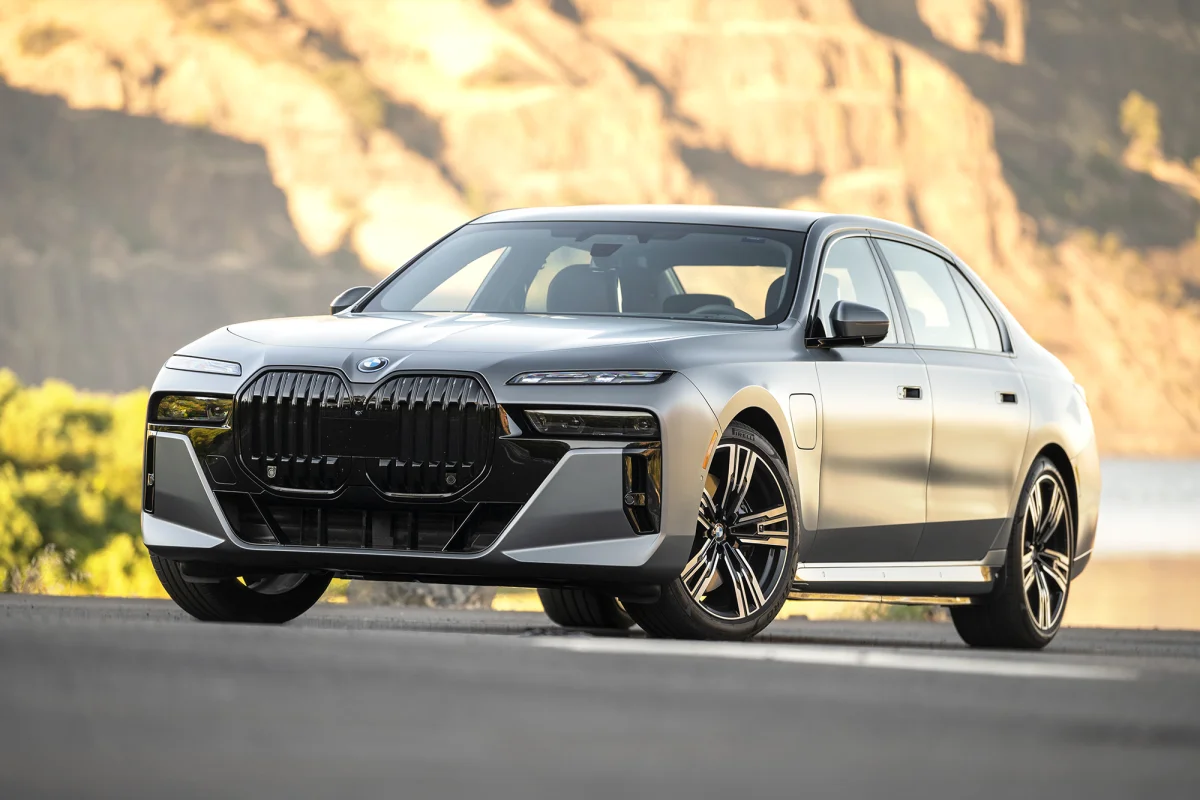
- Engine: 4.4-liter twin-turbocharged V8 mild hybrid
- Horsepower: 536 hp
- Torque: 553 lb-ft
- Length: approximately 212.2 inches
- Width: approximately 76.8 inches without mirrors
Edmunds lists a starting MSRP of $123,575 and recently showed an average price paid around $112,088.
Its projected ownership expenses take a slightly different shape from many other cars on this list. Depreciation remains the largest single category at $62,410, but insurance is unusually substantial at $12,779. Financing costs $25,658 and taxes and fees reach $17,891.
Fuel adds another $17,401. Edmunds estimates maintenance at $10,063 and repairs at $3,005. Together those expenses produce a five-year True Cost to Own of $149,207, equivalent to approximately $1.99 per mile.
Interestingly, the less expensive 750e plug-in hybrid is not dramatically cheaper to own. Edmunds puts that model at $148,847 over five years, only $360 below the 760i. The 740i xDrive comes in at $141,347, while the rear-drive 740i is estimated at $137,396.
That narrow spread demonstrates that expensive ownership is not exclusively tied to having the biggest engine. Purchase price, depreciation, financing, taxes, and insurance collectively have an enormous influence on TCO.
For the 760i, gasoline is a meaningful expense, but losing more than $62,000 in value remains the bigger financial hit.
Also read: 10 Cars Holding Location History No Owner Can Erase