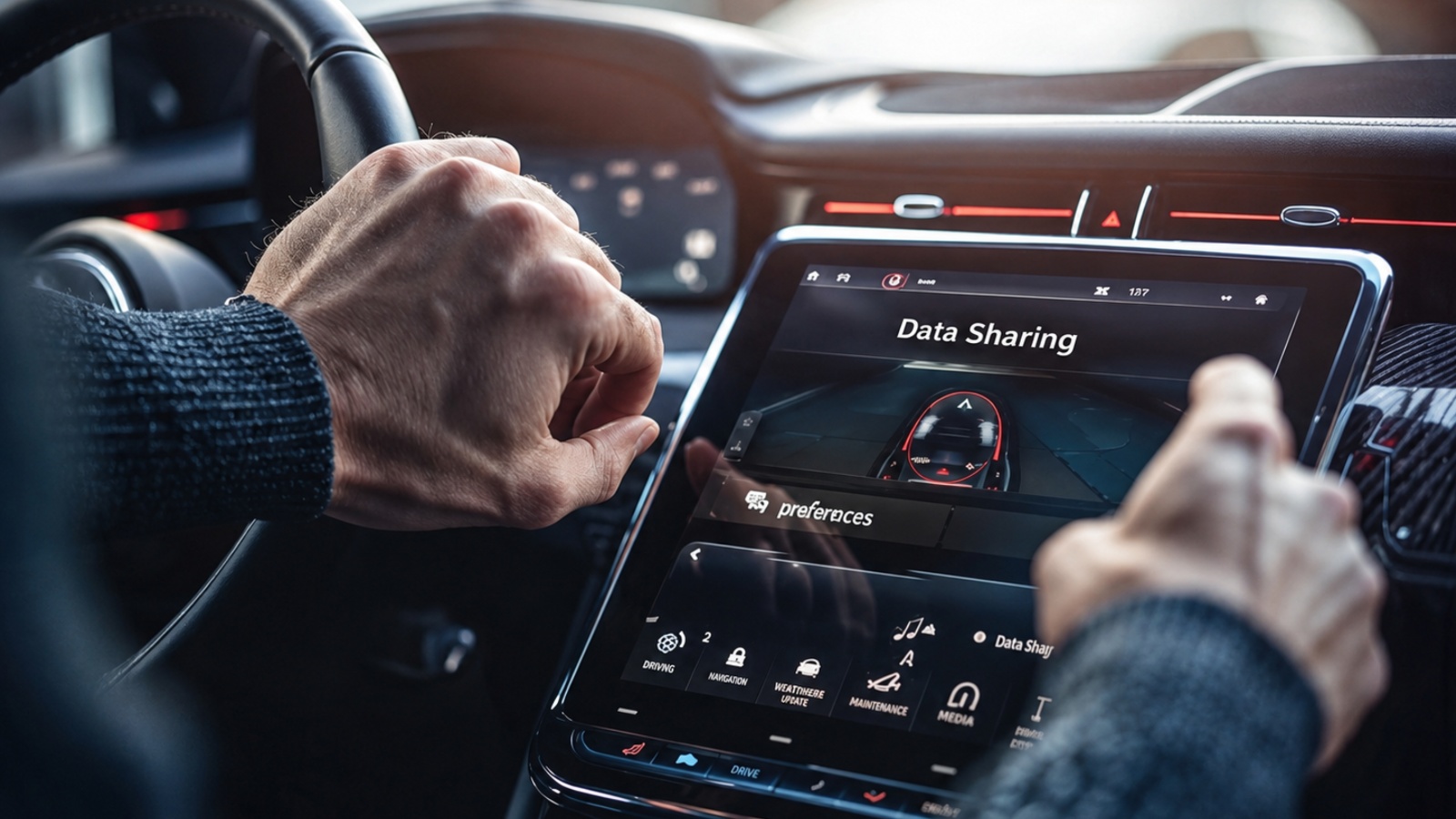
Modern cars have become rolling computers, collecting far more information than many drivers realize. Navigation systems can record destinations, smartphone apps can track remote commands, and onboard electronics can monitor speed, braking, diagnostics, location, charging, seat-belt use, and other vehicle activity. Connected infotainment systems may add account details, voice commands, contacts, media preferences, and information from linked third-party services.
A major investigation into automotive privacy examined 25 vehicle brands and uncovered significant privacy concerns across the industry. The research focused on brands rather than individual models, so it did not establish that each vehicle shares information with exactly 20 specific companies.
Instead, automakers may permit data to be shared with broad groups that can include affiliates, service providers, advertisers, analytics firms, data brokers, insurers, and government agencies. The 10 vehicles highlighted here come from brands included in the automotive privacy research and demonstrate just how broad the connected-car data ecosystem has become.
1. Nissan Altima
The Nissan Altima represents one of the most concerning examples from Mozilla’s automotive privacy investigation because Nissan received particularly harsh criticism for the breadth of information described in its privacy documentation. The concerns extended well beyond ordinary information such as mileage, diagnostic trouble codes, or maintenance history.
A modern Altima can interact with Nissan through connected services, mobile applications, dealership records, websites, customer accounts, and service systems. Depending on the service being used, collected information may include vehicle identification, account details, precise or approximate location, driving behavior, feature usage, diagnostics, service history, and other customer information.
Mozilla drew particular attention to Nissan because its privacy language discussed unusually sensitive categories. These included information concerning health characteristics and other deeply personal information that most drivers would never expect to be associated with an automobile company. The existence of such categories does not mean every Altima continuously collects all of them, but Mozilla argued that allowing such broad collection created serious privacy concerns.

The sharing network can also extend far beyond Nissan itself. Automotive companies commonly work with cloud providers, telecommunications companies, advertising partners, analytics businesses, financial-service companies, dealers, contractors, affiliates, navigation providers, and other outside organizations. Privacy policies generally describe these recipients as categories rather than publishing a permanent list of company names.
- Engine type: 2.5-liter naturally aspirated DOHC inline-four
- Torque: Approximately 180 lb-ft
- Horsepower: Approximately 188 hp
- Length: Approximately 192.9 inches
- Width: Approximately 72.9 inches
The Altima shows why connected-car privacy is no longer simply about what the vehicle records. The bigger issue is how information from the car, customer account, dealership, app, and outside databases can potentially be combined into a much larger profile.
2. Tesla Model 3
The Tesla Model 3 is one of the most software-dependent vehicles on the road. Everything from charging and navigation to remote climate control, security functions, driver assistance, service diagnostics, and over-the-air updates depends heavily on connectivity. That makes the Model 3 exceptionally convenient, but it also means the vehicle can generate enormous quantities of digital information.
Tesla says it does not sell or rent customers’ personal information in the traditional sense, which distinguishes it from some other automakers. Mozilla nevertheless gave Tesla a failing privacy assessment because selling data is only one part of the issue. Information may still be transferred to vendors, service providers, affiliates, processors, authorities, and other organizations for various purposes.
A Model 3 can produce telemetry describing vehicle operation, charging activity, software status, diagnostics, location-related activity, app interactions, and advanced driver-assistance behavior. Its extensive camera system adds another layer. Cameras support Autopilot-related technology, security systems, and other functions that make the Tesla more dependent on sensors than conventional cars.
Settings matter significantly. Tesla gives owners controls over certain data-sharing functions, and not every category of information is transmitted continuously. Nevertheless, a vehicle that operates as a connected computer naturally generates substantially more information than an older automobile without cellular connectivity.
Third-party interaction is another concern. Navigation, communications, payments, connectivity infrastructure, servicing, and app functionality require other organizations to participate somewhere in the ecosystem.
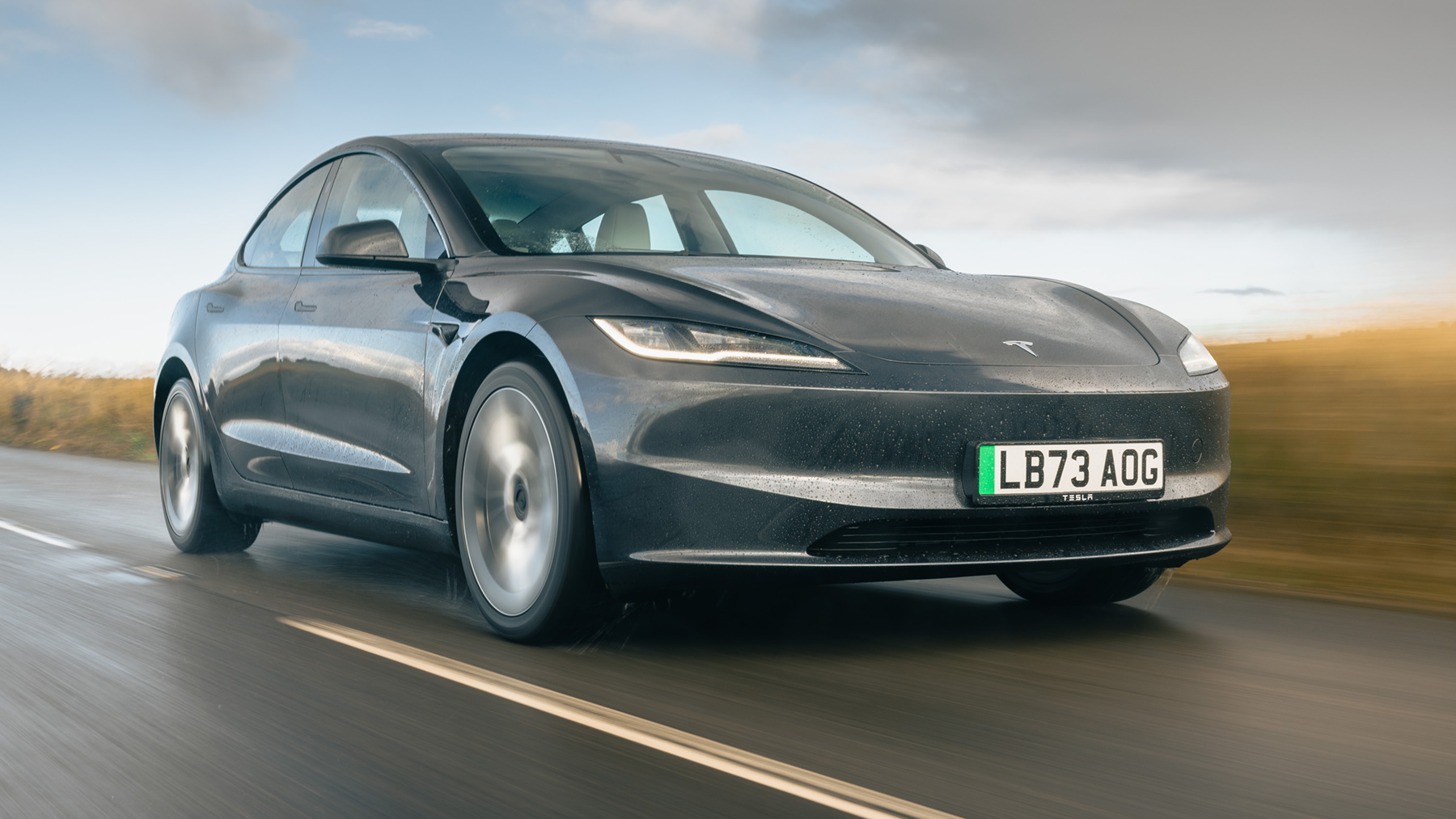
- Engine type: Dual electric motors, all-wheel drive
- Torque: Approximately 550+ lb-ft
- Horsepower: Approximately 510 hp
- Length: Approximately 185.8 inches
- Width: Approximately 72.8 inches
The Model 3 demonstrates an important privacy distinction: a company can avoid selling personal information and still operate within a broad information-sharing ecosystem. Connectivity is central to Tesla ownership, making privacy settings particularly important.
3. Hyundai Sonata
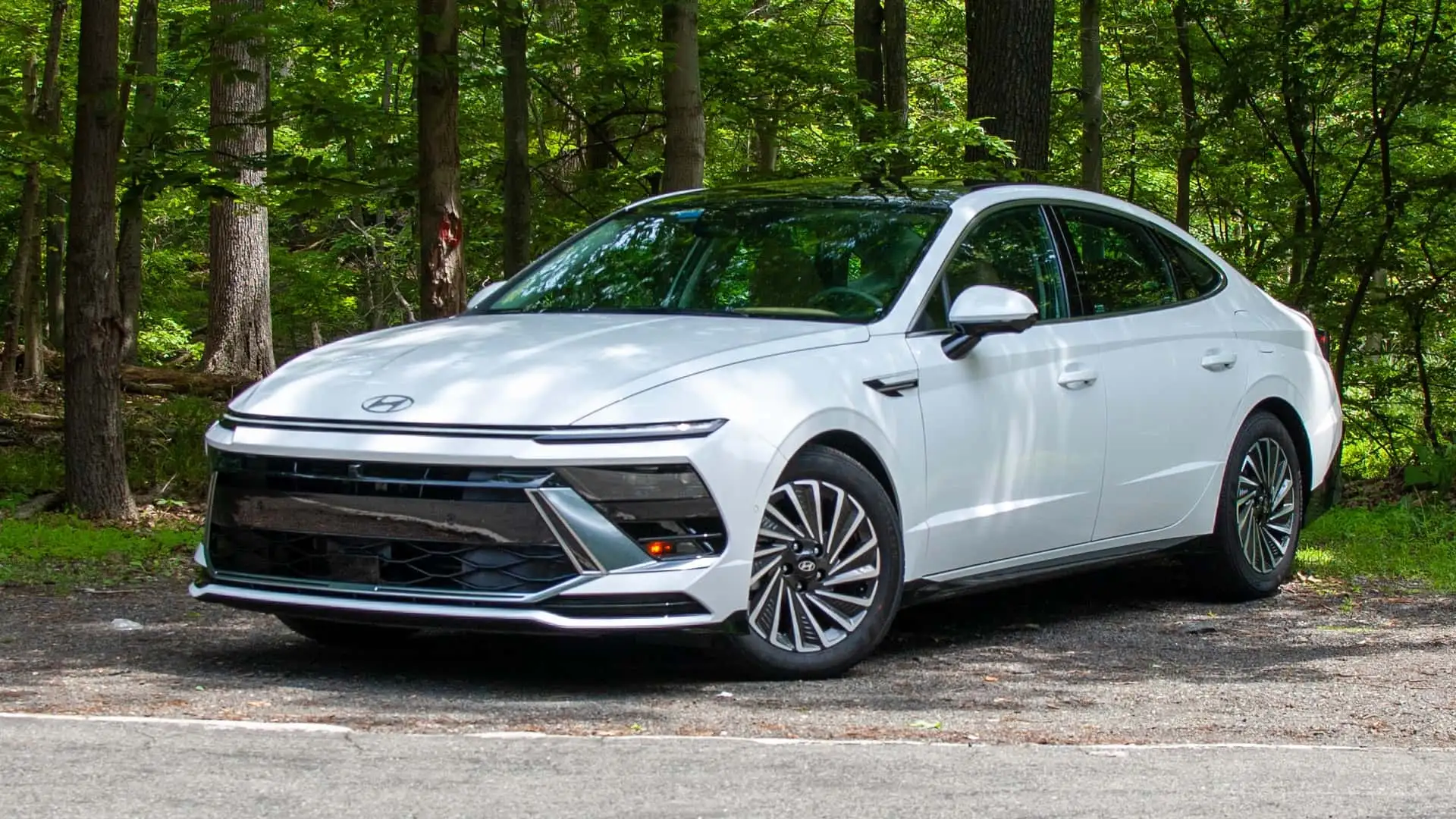
The Hyundai Sonata appears to be a traditional midsize family sedan, but its connected systems create a digital footprint far larger than that of sedans from only a generation ago. Hyundai’s connected-services ecosystem can support remote starting, door locking and unlocking, vehicle-location functions, diagnostics, maintenance information, emergency assistance, and other app-based features.
Mozilla’s investigation raised concerns about the categories of information Hyundai’s documentation said could potentially be collected. Those categories included vehicle location, driving characteristics, vehicle status, sensor information, feature usage, account information, and other information generated through connected products.
Another important category involves inferences. Companies can take information collected from multiple sources and use it to draw conclusions about preferences, routines, characteristics, or likely behavior. That means raw information such as location or vehicle usage can potentially become more valuable when combined with marketing records, website activity, customer profiles, and external datasets.
The information-sharing side can involve affiliates, service providers, analytics companies, advertising organizations, communications companies, and other business partners. Some transfers may be necessary to provide basic connected-car functions, while others can involve marketing or broader commercial purposes.
Mozilla also expressed concern about language surrounding disclosure to government agencies or law-enforcement organizations under certain legal or other permitted circumstances.
- Engine type: 2.5-liter naturally aspirated DOHC inline-four
- Torque: Approximately 181 lb-ft
- Horsepower: Approximately 191 hp
- Length: Approximately 193.3 inches
- Width: Approximately 73.2 inches
The Sonata illustrates why a mainstream family sedan can now be part of a sophisticated data network. The vehicle itself is only one collection point. Information can also enter Hyundai’s systems through apps, dealerships, customer-service interactions, websites, connected devices, and outside sources.
4. Kia K5
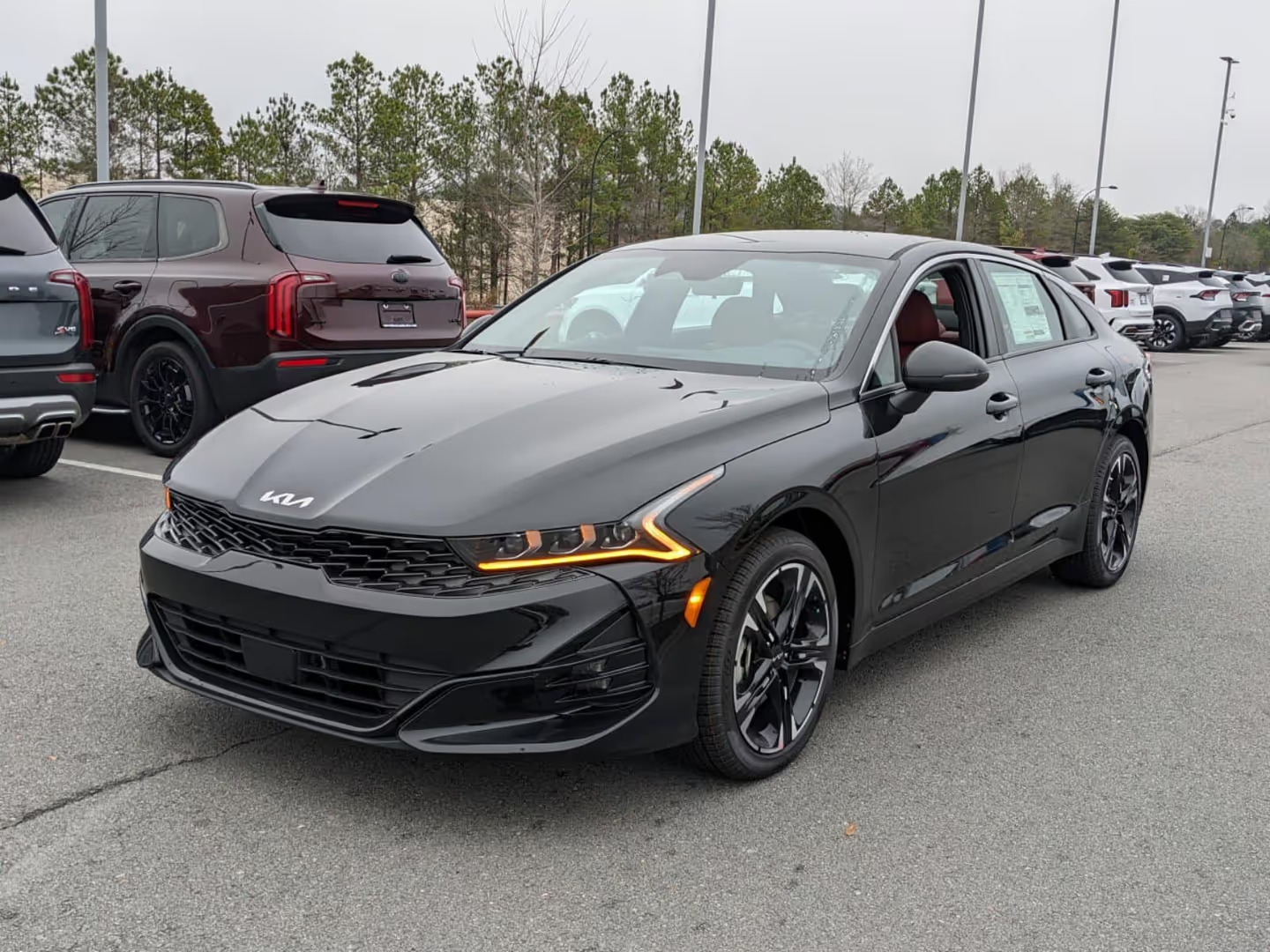
The Kia K5 combines conventional midsize-sedan practicality with technology that would once have been limited to expensive luxury vehicles. Remote controls, navigation, vehicle diagnostics, smartphone integration, infotainment services, emergency assistance, and connected subscriptions can all generate information about how the car and its owner interact.
Kia was among the automotive brands that failed Mozilla’s privacy review. The broader investigation showed that modern automakers frequently reserve the ability to collect personal information, vehicle information, location data, digital-service activity, and other categories and then disclose portions of that information to outside organizations.
The important point is that the vehicle is not the only source. Kia can potentially obtain information through owner accounts, dealer interactions, websites, apps, financing relationships, service departments, customer-support communications, and external providers. Combining those sources can produce a much more complete picture than vehicle telemetry alone.
Outside companies also help operate the connected ecosystem. Telecommunications providers supply mobile connectivity. Cloud providers store and process information. Navigation companies support mapping. Payment processors handle transactions. Marketing and analytics companies may evaluate customer activity. Dealers and affiliated businesses may receive information associated with sales and servicing.
The exact number and identity of these organizations can change over time, which is why privacy notices often refer to broad categories instead of naming every company.
- Engine type: 2.5-liter turbocharged DOHC inline-four
- Torque: Approximately 311 lb-ft
- Horsepower: Approximately 290 hp
- Length: Approximately 193.1 inches
- Width: Approximately 73.2 inches
The K5 is important because it shows that extensive connected-car data practices are no longer restricted to six-figure vehicles. A mainstream sedan can participate in the same kinds of cloud, telecommunications, advertising, analytics, and service-provider networks as much more expensive cars.
Also read: 5 Cars With the Highest Theft Rates in New Mexico, 5 With the Lowest
5. Toyota Camry
The Toyota Camry has traditionally represented conservative, dependable family transportation, but today’s Camry operates inside a sophisticated connected ecosystem. Smartphone applications, navigation-related services, remote functions, maintenance tracking, emergency assistance, dealership systems, and digital owner accounts can all produce information.
Toyota was included in Mozilla’s 25-brand automotive privacy investigation, which criticized the complexity and breadth of the industry’s data practices. One of the difficulties for consumers is that an automaker may maintain multiple separate privacy documents governing different services.
Drivers therefore need to understand not only the automobile’s privacy settings but also the terms attached to apps, connected services, websites, dealers, and financial products.
A connected Toyota can process information related to vehicle location, operational status, diagnostics, driving events, maintenance, account activity, multimedia interactions, and customer-service history. Some of this information is essential to provide useful features. Emergency-response services, for example, need location information to send help to the correct place.
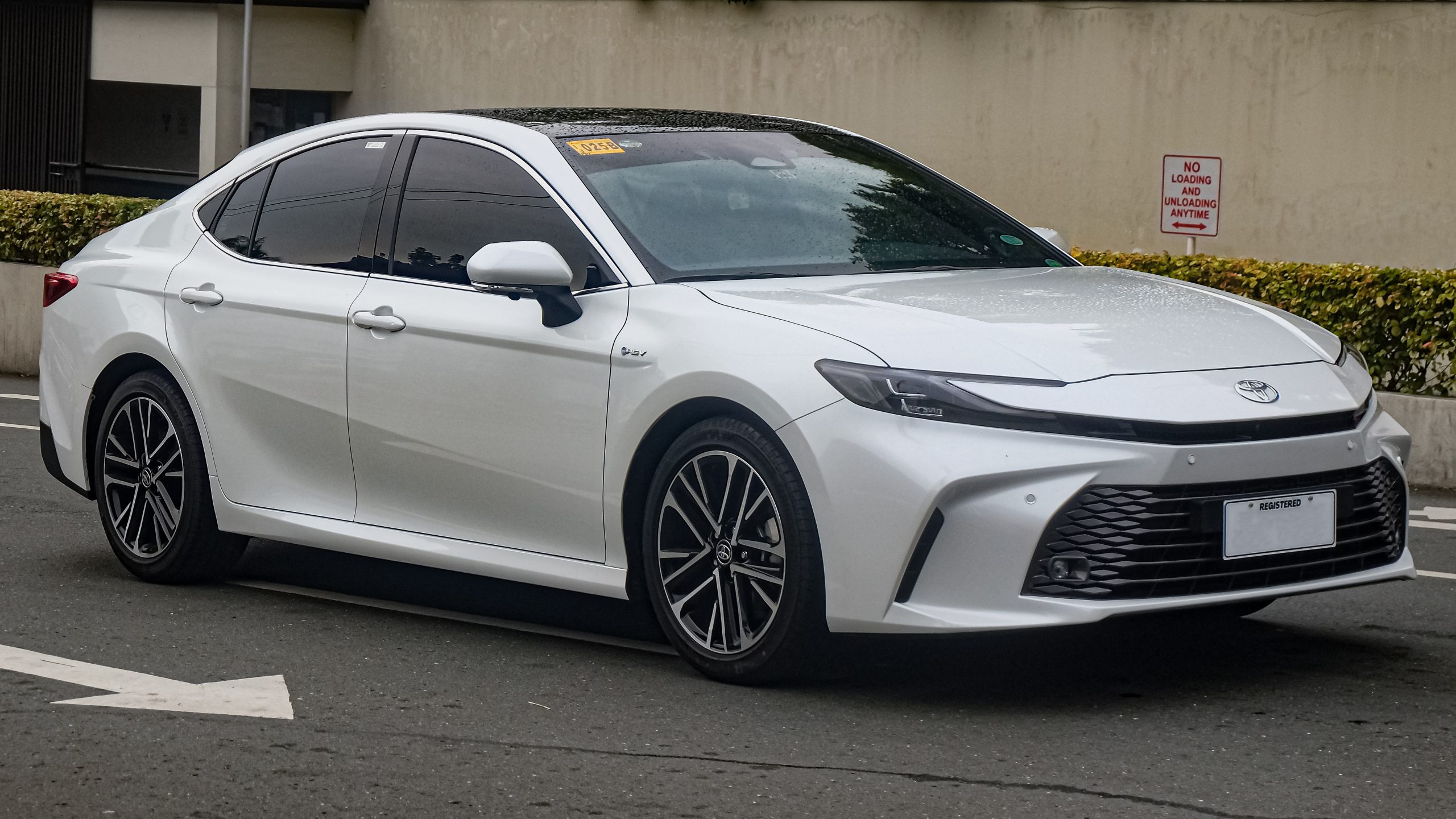
Problems arise when consumers cannot easily tell where necessary processing ends and broader commercial use begins. Outside companies can participate in communications, mapping, analytics, advertising, financial services, cloud hosting, customer support, and other activities.
The newest Camry also shows that sophisticated connectivity now accompanies highly efficient hybrid powertrains rather than only futuristic EVs.
- Engine type: 2.5-liter naturally aspirated inline-four hybrid
- Torque: Gasoline engine approximately 163 lb-ft
- Horsepower: Approximately 225 combined hp
- Length: Approximately 193.5 inches
- Width: Approximately 72.4 inches
The Camry’s appearance may be conventional, but its data environment is thoroughly modern. Privacy risk is therefore determined much more by software, account settings, and company policy than by whether a car looks technologically adventurous.
6. Honda Accord
The Honda Accord is another example of how mainstream automobiles have become connected information platforms. HondaLink, smartphone integration, navigation systems, emergency services, remote commands, diagnostics, and dealership connections can all generate or process information.
Mozilla’s review of Honda emphasized that the privacy ecosystem extends beyond the manufacturer itself. Drivers who connect services such as Apple CarPlay, Android Auto, Google-based systems, Amazon Alexa, or other third-party applications introduce separate companies with their own privacy policies and data-handling practices.
This is particularly important because many people think only about what the automaker collects. In reality, information from a modern car can move through mobile operating systems, app developers, cellular carriers, mapping providers, entertainment services, digital assistants, and cloud platforms. Each layer adds complexity.
Honda itself can process information associated with vehicle use, owner accounts, connected subscriptions, location-dependent services, dealership interactions, warranty records, maintenance history, and customer support. Information may also be shared with contractors, affiliates, service providers, and other entities involved in providing those services.
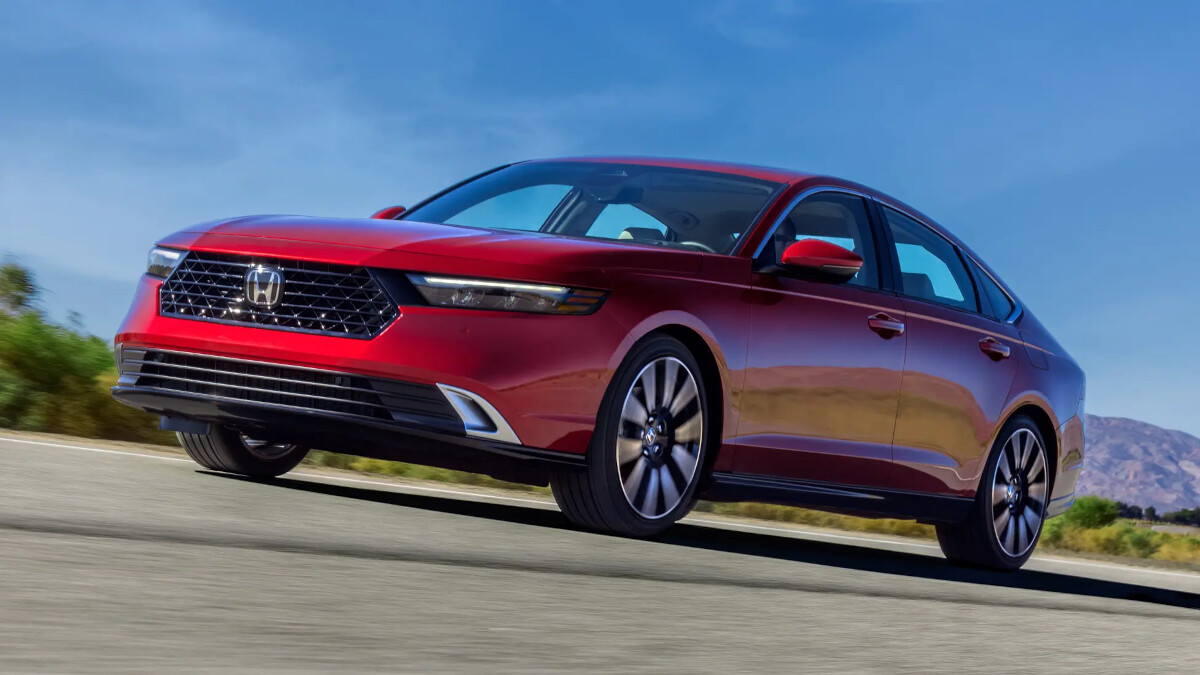
Used-car owners have another concern: stored information left inside the car. Paired phones, saved addresses, navigation history, contact lists, and account information can remain in the infotainment system unless the previous owner performs a factory reset.
- Engine type: 2.0-liter naturally aspirated inline-four hybrid
- Torque: Electric drive motor approximately 247 lb-ft
- Horsepower: Approximately 204 combined hp
- Length: Approximately 195.7 inches
- Width: Approximately 73.3 inches
The Accord shows why automotive privacy cannot be evaluated by looking at one company alone. A single drive can involve Honda, a cellular carrier, a smartphone platform, navigation services, entertainment apps, and other third parties simultaneously.
7. Ford Mustang Mach-E
The Ford Mustang Mach-E is essentially a connected software platform built around an electric crossover. FordPass enables remote access, while navigation, public-charging integration, BlueCruise, vehicle diagnostics, security functions, over-the-air updates, and other features depend heavily on continuous digital connectivity.
Mozilla’s review of Ford raised concerns about the range of information the company said it could collect. Categories included personal information, vehicle information, location, driving characteristics, connected-service activity, and inferred information derived from other data.
The Mach-E can generate operational information about battery status, charging, vehicle condition, location-related services, software usage, and driver-assistance systems. The FordPass app creates another interaction point by connecting the owner’s smartphone account to the vehicle.
Ford’s privacy materials have also placed some responsibility on owners to inform other drivers or passengers about connected-vehicle data collection. This is significant because passengers may interact with the car by pairing phones, entering destinations, or using infotainment features without realizing that those interactions could become part of the vehicle’s digital environment.
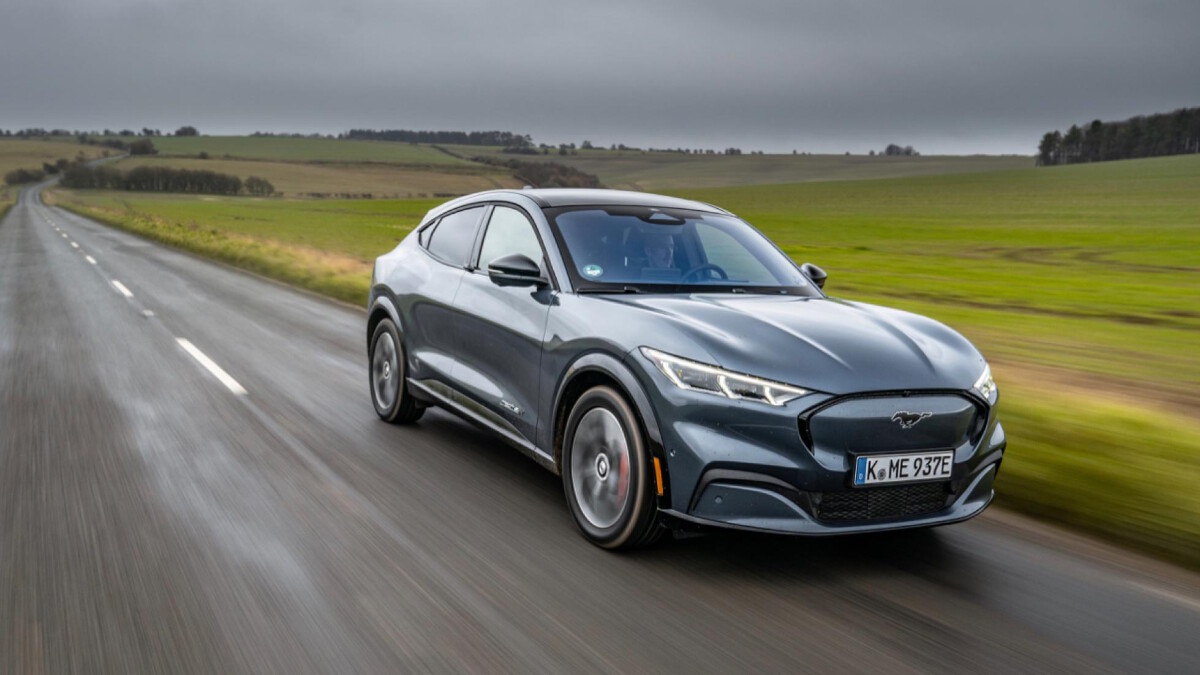
Outside organizations can participate in cloud hosting, connectivity, maps, public charging, customer support, analytics, advertising, marketing, payments, and software services. Some data transfers are necessary to make features work, while others may serve broader commercial purposes depending on settings and agreements.
- Engine type: Dual electric motors, all-wheel drive
- Torque: Up to approximately 700 lb-ft
- Horsepower: Approximately 480 hp
- Length: Approximately 185.6 inches
- Width: Approximately 74.1 inches
The Mach-E demonstrates the basic trade-off of a software-defined EV. Advanced features become easier to update and control remotely, but every connected capability can create additional information flows that drivers need to understand.
8. Volkswagen ID.4
The Volkswagen ID.4 was designed as a modern connected EV from the beginning. Smartphone integration, online navigation, charging services, remote vehicle functions, software updates, dealer systems, and vehicle telemetry all contribute to its digital ecosystem.
Mozilla’s investigation criticized Volkswagen across multiple privacy categories, including the amount of information that could potentially be collected and the limits consumers faced in controlling it. The organization’s concerns extended beyond information produced directly by the vehicle.
Volkswagen can potentially obtain customer information through connected services, websites, mobile applications, dealerships, customer-service interactions, test drives, and outside sources. In some circumstances, information acquired from separate places can be combined to create broader profiles or inferences about individual users.
Volkswagen’s position inside a large global corporate group adds another layer. Affiliates may participate in vehicle manufacturing, financing, connected services, marketing, customer relations, and other activities. External vendors can support communications, mapping, cloud infrastructure, analytics, advertising, payments, and other services.
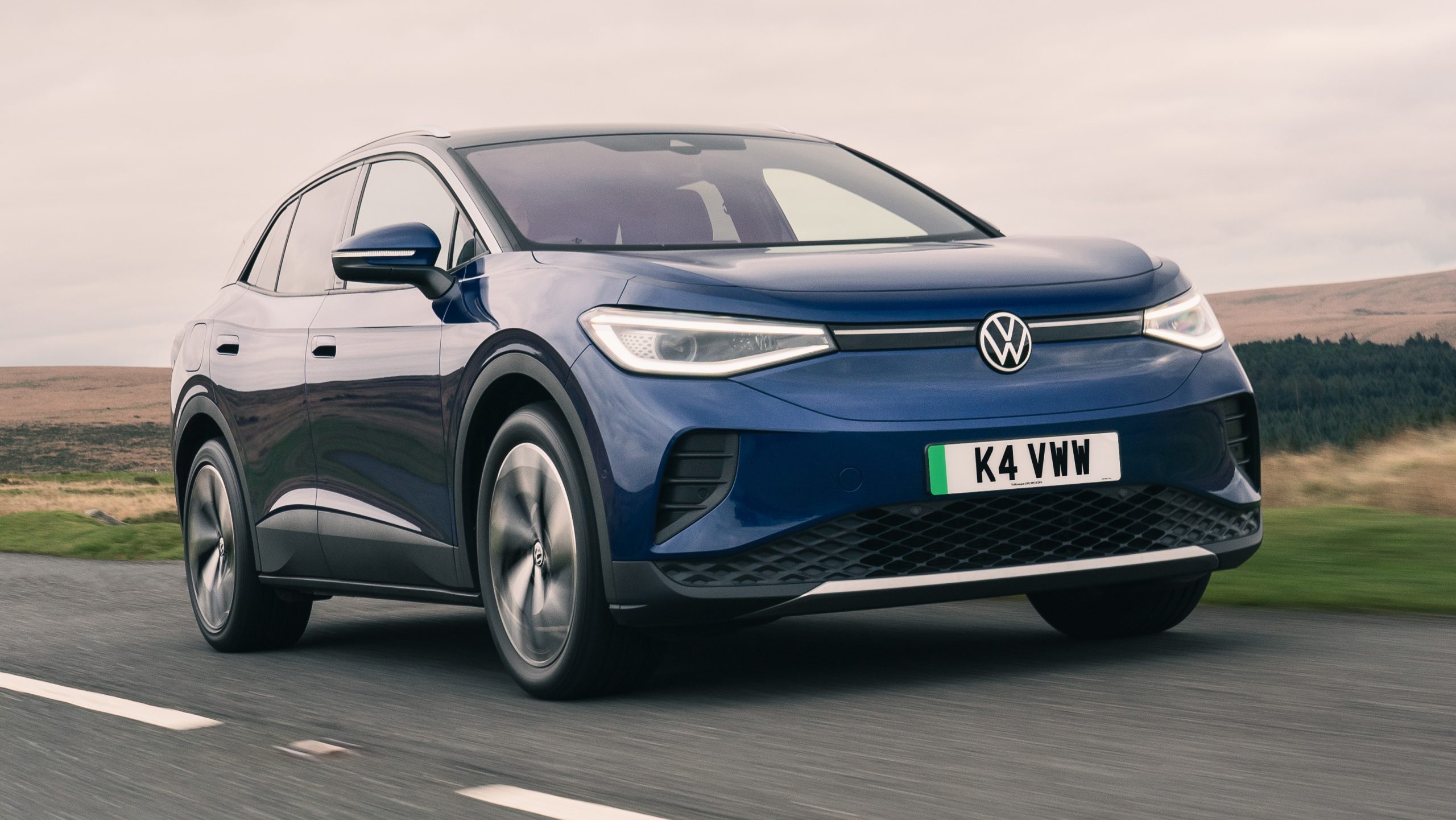
Not every ID.4 generates or transmits the same information. Collection depends on equipment, regional regulations, account settings, software versions, and which services the owner activates. Privacy policies generally describe what may occur rather than proving that every possible category is constantly collected.
- Engine type: Permanent-magnet synchronous electric motor
- Torque: Approximately 402 lb-ft
- Horsepower: Approximately 282 hp
- Length: Approximately 180.5 inches
- Width: Approximately 72.9 inches
The ID.4 highlights an especially important point: the digital profile connected to a vehicle can become much larger than the information generated inside the vehicle itself. Data from an app, dealership, online account, and external database can potentially be combined with driving information.
9. Chevrolet Equinox EV
The Chevrolet Equinox EV brings advanced connected technology into a relatively mainstream electric crossover. Remote controls, integrated navigation, charging-planning tools, diagnostics, over-the-air software, driver-assistance technology, emergency services, and General Motors’ connected ecosystem can all involve extensive data processing.
Chevrolet was part of Mozilla’s industry-wide automotive privacy investigation. The broader study found that every reviewed brand failed Mozilla’s standards, demonstrating that privacy concerns were not limited to luxury manufacturers or experimental technology companies.
A modern GM vehicle can generate information related to diagnostics, location-dependent services, vehicle status, energy consumption, charging behavior, driver-assistance operation, and other vehicle events. Information can also come from the owner’s mobile app, dealership visits, websites, financial relationships, service history, warranty records, and customer-support interactions.
General Motors’ data practices have also attracted public scrutiny outside Mozilla’s project, particularly around the use of driving-behavior information. That makes the Equinox EV a useful example of why drivers should understand the difference between information collected to provide a feature and information that could potentially be used for additional purposes.
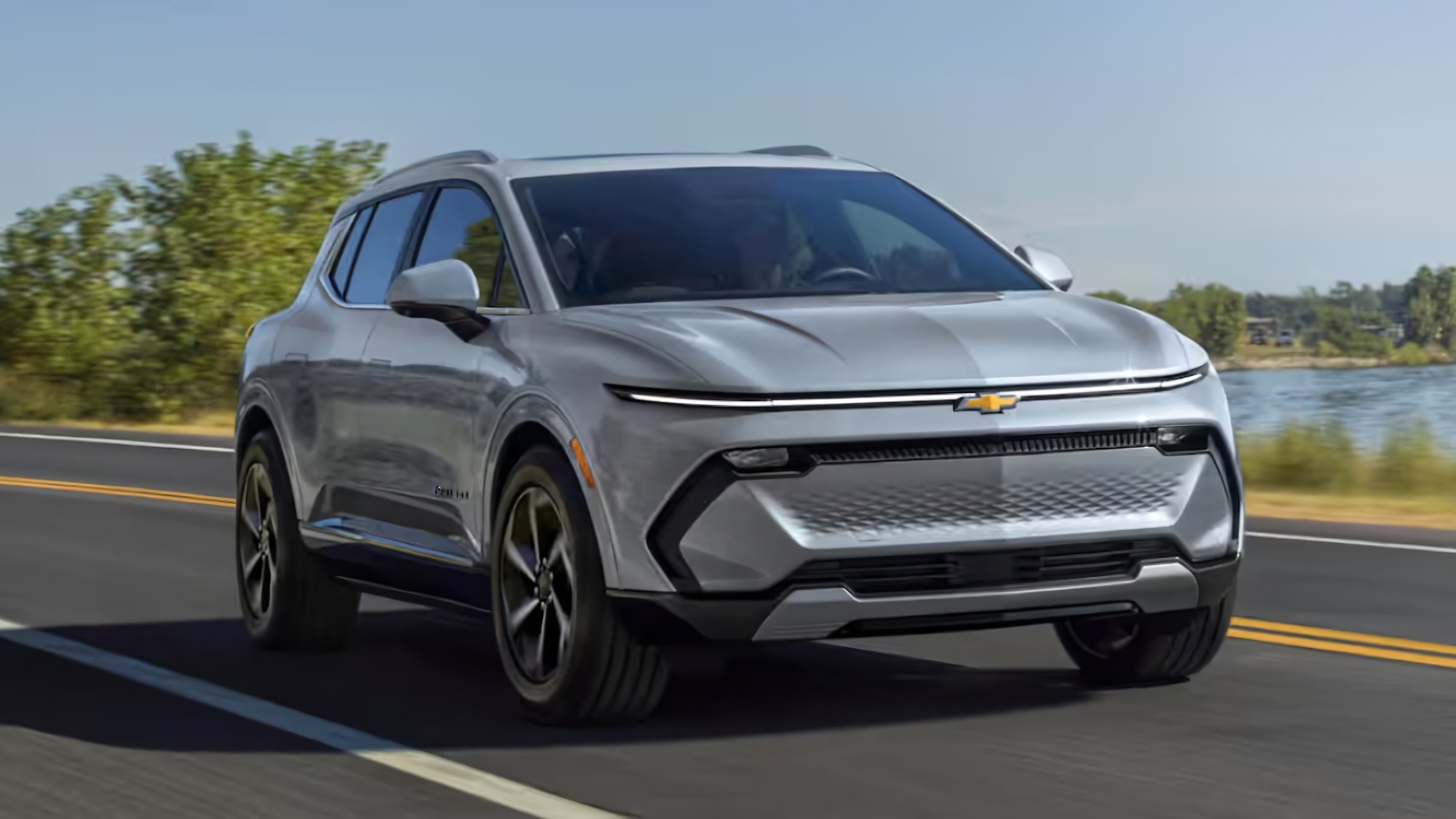
External companies may be involved in telecommunications, navigation, charging services, customer support, cloud infrastructure, analytics, payments, advertising, vehicle servicing, and legal compliance.
- Engine type: Single electric motor, front-wheel drive
- Torque: Approximately 242 lb-ft
- Horsepower: Approximately 220 hp
- Length: Approximately 190.6 inches
- Width: Approximately 74.8 inches
The Equinox EV shows how rapidly sophisticated data collection has moved down-market. Buyers no longer need an expensive luxury EV to own a vehicle capable of generating detailed digital records.
A reasonably priced family EV can now participate in a network involving manufacturers, apps, charging providers, cloud platforms, telecommunications companies, dealers, and other outside organizations.
10. Mercedes-Benz EQS
The Mercedes-Benz EQS represents the extreme end of the connected-car spectrum. Its expansive infotainment displays, navigation, voice assistant, digital driver profiles, smartphone application, cameras, driver-assistance sensors, remote functions, and online services create an unusually complex information environment.
Mercedes-Benz was among the 25 automakers examined in the privacy review, and it received the same failing assessment as every other brand included in the study. The criticism focused on the industry’s extensive data collection practices, broad options for sharing information, limited control for consumers, and often complicated privacy policies.
The EQS can process information for personalization that would have been impossible in older cars. Driver profiles can remember seat positions, climate preferences, entertainment settings, favorite destinations, and other personal choices. Navigation systems process routes and locations. Voice-assistant technology handles spoken commands. Advanced driver-assistance features continuously analyze sensor information around the vehicle.
None of these features is inherently improper. They exist because owners want personalization, convenience, safety, and automation. The privacy question concerns what happens after the information is generated: whether it is stored, associated with an identifiable account, retained for extended periods, combined with other information, or shared beyond the system that originally required it.
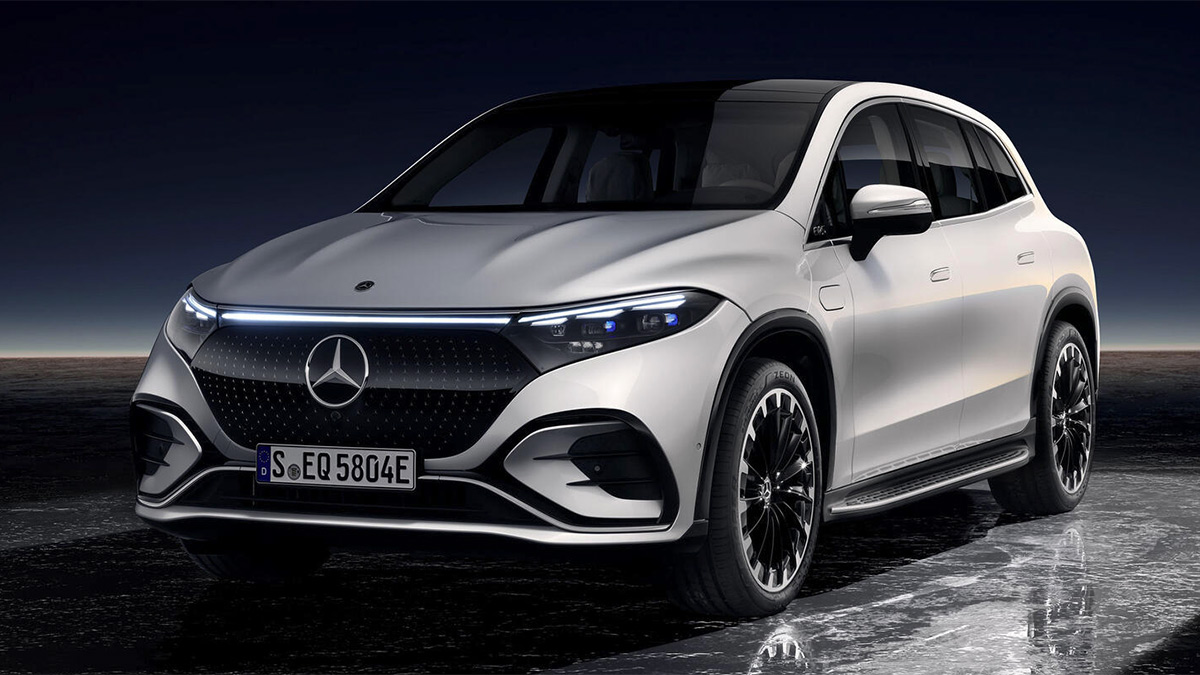
Third parties can support telecommunications, mapping, entertainment, payments, cloud processing, roadside assistance, analytics, software functions, and other services. The result is a far larger ecosystem than the traditional relationship between a driver and an automobile manufacturer.
- Engine type: Permanently excited synchronous electric motor
- Torque: Approximately 419 lb-ft
- Horsepower: Approximately 355 hp
- Length: Approximately 205.4 inches
- Width: Approximately 75.8 inches
The EQS illustrates the central dilemma of connected luxury cars: the more intelligently a vehicle adapts to its driver, the more information it may need to know about that driver. Convenience and privacy increasingly exist on opposite sides of the same technological equation.
Also read: 10 Cars Holding Location History No Owner Can Erase