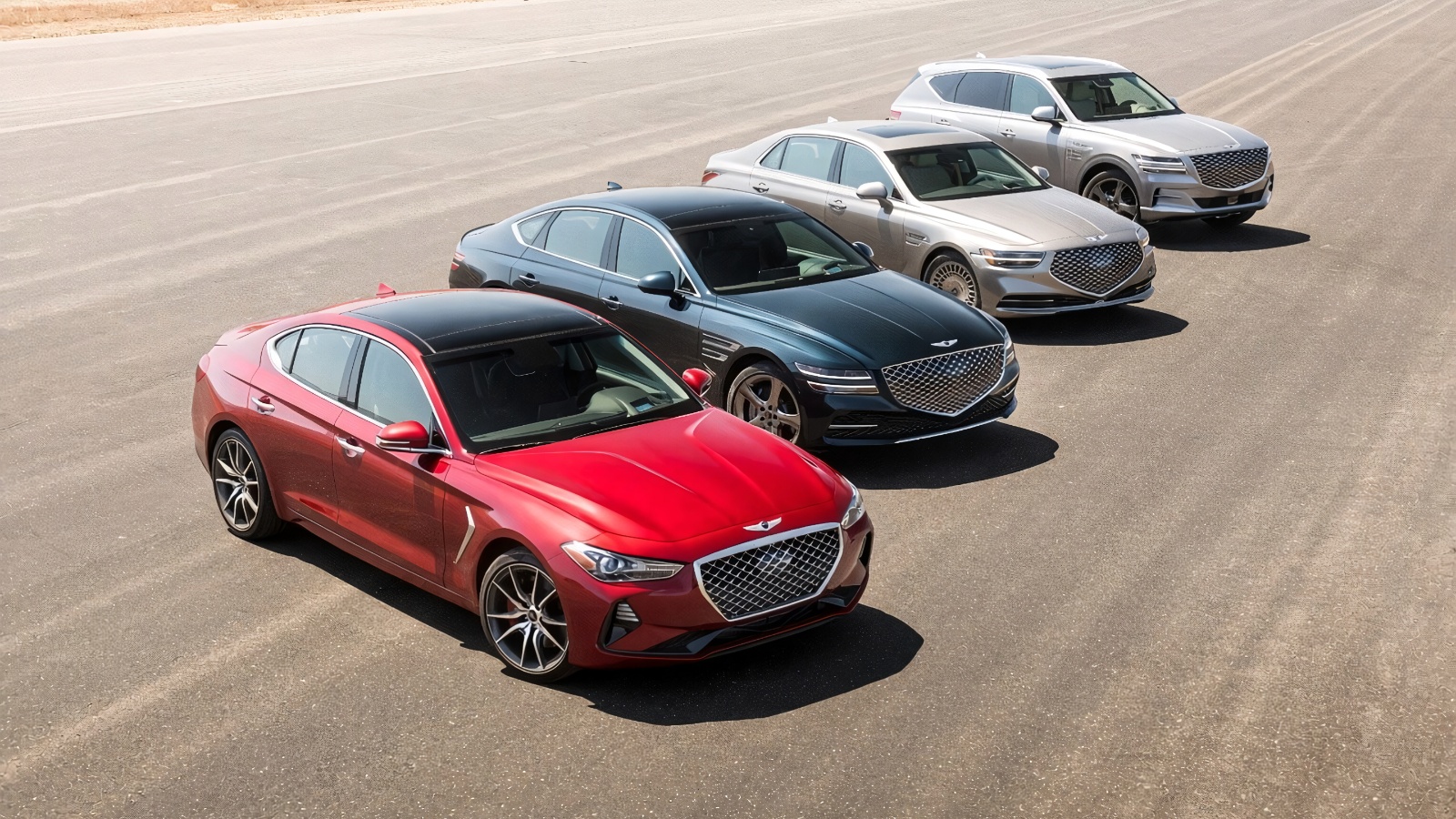
Genesis has built a strong reputation for delivering luxury-car comfort, powerful engines, upscale interiors, and generous equipment at prices that often undercut German competitors. Depreciation makes many Genesis sedans and SUVs even more attractive on the used market.
However, choosing the right model year matters. Some early-production vehicles accumulated recalls involving braking electronics, fuel pumps, turbocharger oil lines, or other components, while later examples benefited from engineering revisions and more mature production.
This guide evaluates used Genesis models sold in the U.S. market by considering factors such as mechanical simplicity, model maturity, recall history, available equipment, and value. A model marked as “skip” should not automatically be viewed as unreliable, particularly when all outstanding recall repairs have been completed.
Likewise, a recommended Genesis still deserves a pre-purchase inspection. Checking the VIN for outstanding recalls and reviewing maintenance records remain essential before buying any used luxury vehicle.
4 Genesis Models Worth Buying
1. 2020 Genesis G80
The 2020 Genesis G80 is one of the strongest used Genesis choices because it represents the final year of a mature generation rather than the first year of a completely redesigned platform. By 2020, Genesis had years of experience refining this rear-wheel-drive luxury sedan, giving shoppers a relatively traditional and proven alternative to newer, more electronically complicated competitors.
Its biggest appeal is the available 3.8-liter naturally aspirated V6. Producing roughly 311 horsepower and 293 lb-ft of torque, the engine provides smooth, predictable performance without relying on turbochargers. For someone planning to keep a used luxury sedan beyond 100,000 miles, having fewer turbocharger-related components may be attractive.
There is one important caution: certain 2020 G80 vehicles were included in an ABS-related recall involving the possibility of an electrical short and increased fire risk. That does not make every 2020 G80 a bad purchase, but buyers should verify completion of any applicable recall work before purchase.
The rest of the package remains compelling. The G80 provides a quiet cabin, substantial seating, rear- or all-wheel drive, an eight-speed automatic, and extensive luxury equipment.
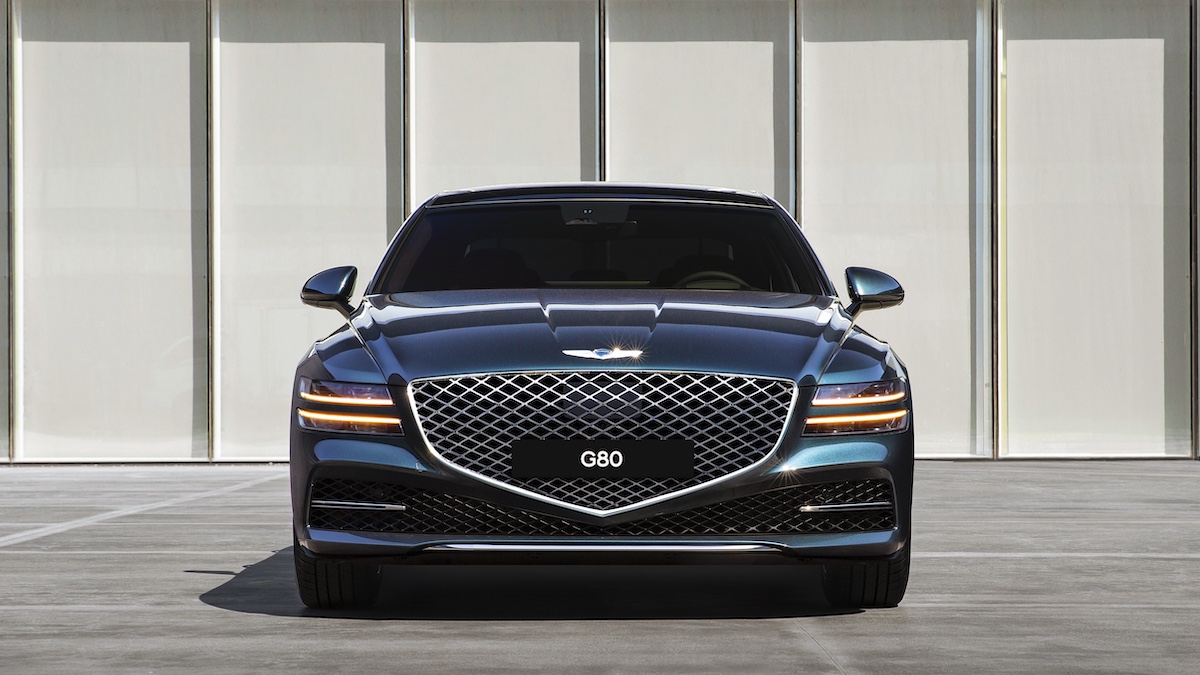
- Engine type: 3.8-liter naturally aspirated DOHC V6
- Torque: Approximately 293 lb-ft
- Horsepower: Approximately 311 hp
- Length: Approximately 196.5 inches
- Width: Approximately 74.4 inches
Another advantage is depreciation. Used G80s can cost dramatically less than similarly aged BMW 5 Series or Mercedes-Benz E-Class sedans despite providing comparable space and comfort.
The 2020 G80 is worth buying when maintenance is documented, and applicable recalls have been completed. The naturally aspirated 3.8-liter version is especially appealing for shoppers prioritizing simplicity over maximum performance.
2. 2020 Genesis G90
For buyers who want genuine flagship luxury without paying flagship money, the 2020 Genesis G90 deserves serious consideration. Genesis substantially refreshed the G90’s styling for 2020, introducing the enormous crest-shaped grille and dramatic lighting that helped establish the company’s modern design language.
The important advantage is that underneath those visual changes was an established mechanical package rather than an entirely new platform. That gives buyers the appeal of updated styling without taking on all the unknowns that can accompany a ground-up redesign.
The standard 3.3-liter twin-turbocharged V6 produces 365 horsepower and 376 lb-ft of torque, while a naturally aspirated 5.0-liter V8 was also available. The G90 measures roughly 204.9 inches long and 75.4 inches wide, making it a true full-size executive sedan.
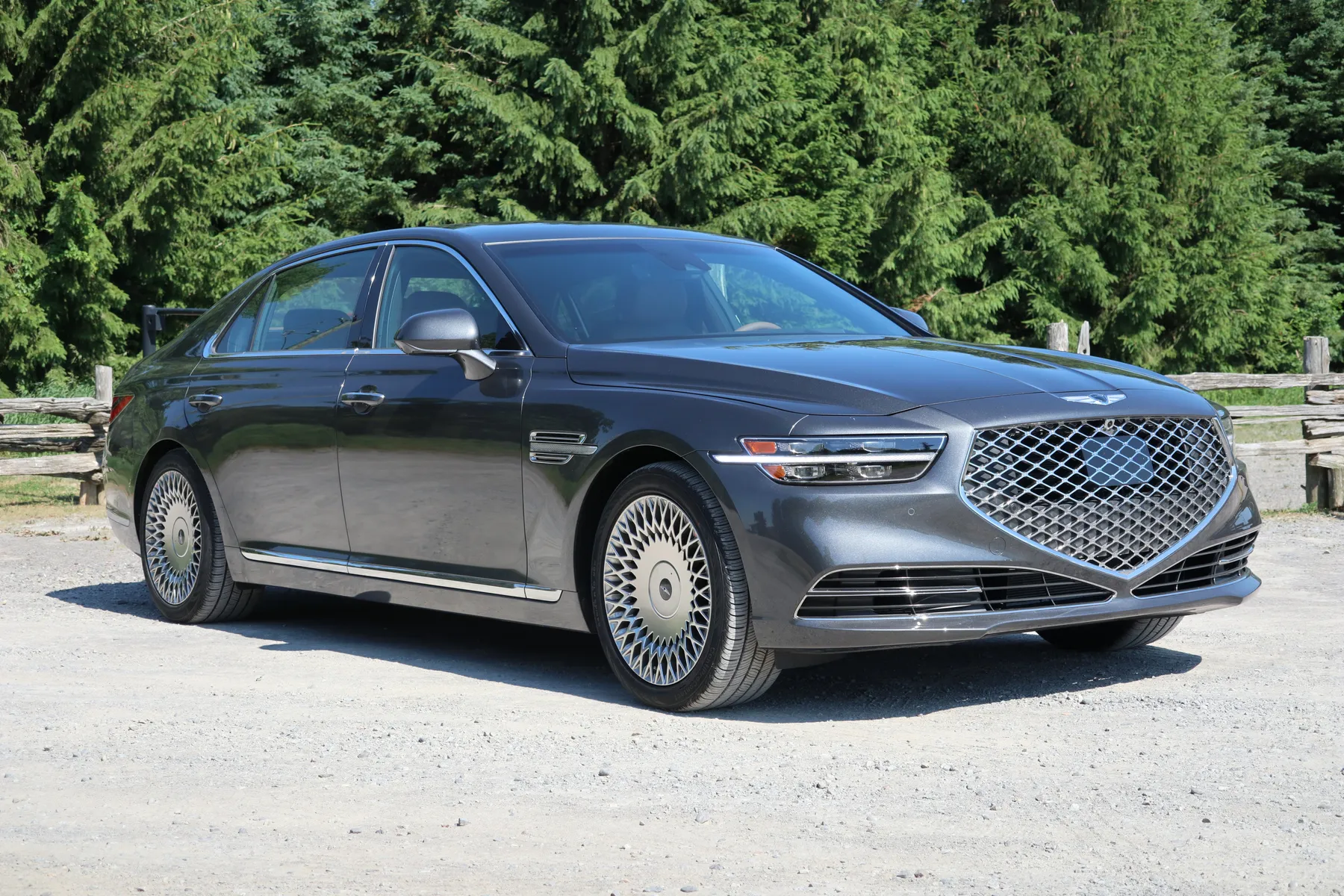
- Engine type: 3.3-liter twin-turbocharged DOHC V6
- Torque: 376 lb-ft
- Horsepower: 365 hp
- Length: Approximately 204.9 inches
- Width: Approximately 75.4 inches
The G90 emphasizes isolation and comfort rather than pretending to be an oversized sports sedan. The ride is soft, the seats are generously padded, and standard equipment includes many features that were expensive options on European rivals.
The downside is that buying price and ownership cost are two different things. Tires, brakes, suspension hardware, electronic modules, and other flagship components can still be expensive when replacement becomes necessary. The twin-turbo V6 also has more complexity than the naturally aspirated engines used in some older Genesis products.
Depreciation nevertheless makes the 2020 G90 unusually attractive. A carefully maintained example can deliver extraordinary equipment for considerably less than its original price.
Worth buying for someone who understands the running costs of a large luxury sedan. Service records and a thorough inspection are particularly important, but the 2020 model offers an excellent mix of mature engineering and refreshed styling.
3. 2024 Genesis G70 2.5T
The 2024 Genesis G70 is one of the smartest years to target because Genesis made a major improvement to the base powertrain without fundamentally reinventing the rest of the car. The previous 2.0-liter turbocharged four-cylinder was replaced by a 2.5-liter turbo four producing 300 horsepower and 311 lb-ft of torque.
That is enough output to make the entry-level G70 genuinely quick rather than simply adequate. Genesis pairs the engine with an eight-speed automatic, and the chassis retains the rear-wheel-drive proportions that have always made the G70 one of the more interesting alternatives to the BMW 3 Series.
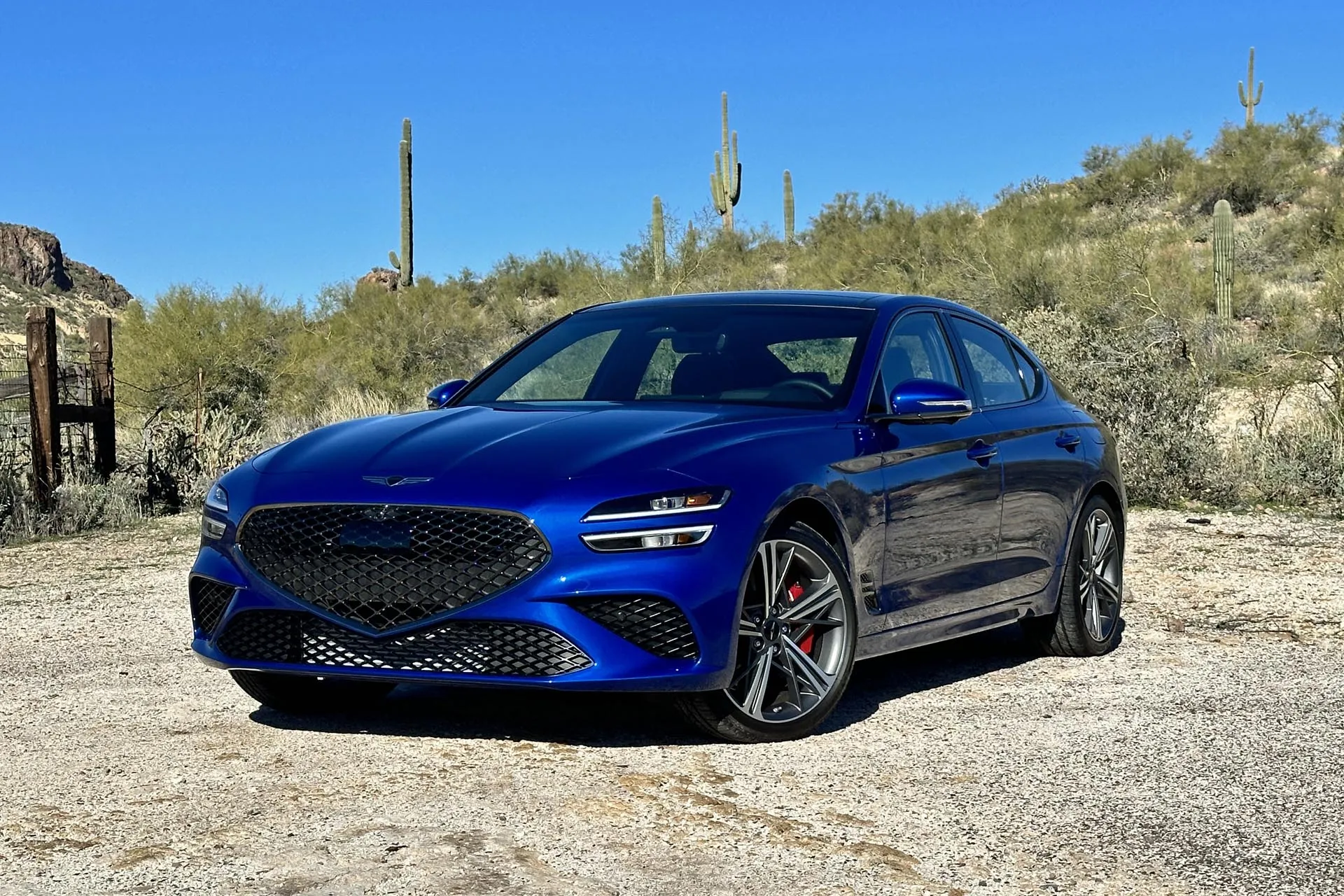
- Engine type: 2.5-liter turbocharged GDI inline-four
- Torque: 311 lb-ft
- Horsepower: 300 hp
- Length: Approximately 184.4 inches
- Width: Approximately 72.8 inches
The 2024 model also arrived after the G70’s significant styling update, so buyers receive Genesis’ modern two-line lighting design without shopping the earliest production years.
Its weaknesses are mostly practical. Rear-seat legroom is limited, the trunk is relatively small, and buyers who frequently carry adults may find a G80 substantially more useful. But as a driver’s luxury sedan, those compromises can be acceptable.
The optional 3.3T is considerably faster, but the new 2.5T makes the base version easier to recommend because there is no longer such a large performance penalty for avoiding the V6.
The G70 also feels more athletic than many Genesis models. Steering is responsive, the chassis is well balanced, and rear-wheel-drive proportions give the car a traditional sport-sedan character.
The 2024 G70 2.5T is one of the best all-around Genesis choices. It combines mature chassis development with the significantly improved 300-hp base engine and should be near the top of the list for shoppers wanting a compact luxury sport sedan.
4. 2020 Genesis G70 2.0T
The 2020 Genesis G70 2.0T is the bargain option on the recommended side. It is older and less powerful than the newer 2.5T, but depreciation can make it an inexpensive route into a proper rear-wheel-drive luxury sport sedan.
Its 2.0-liter turbocharged four-cylinder develops approximately 252 horsepower and 260 lb-ft of torque when paired with the automatic transmission. Those numbers are modest by today’s standards, yet the G70’s real attraction is its platform. It was engineered as a rear-drive performance sedan rather than a front-wheel-drive economy model wearing luxury trim.
Steering is responsive, body control is good, and the car’s compact dimensions make it easier to enjoy on narrow roads than the larger G80.
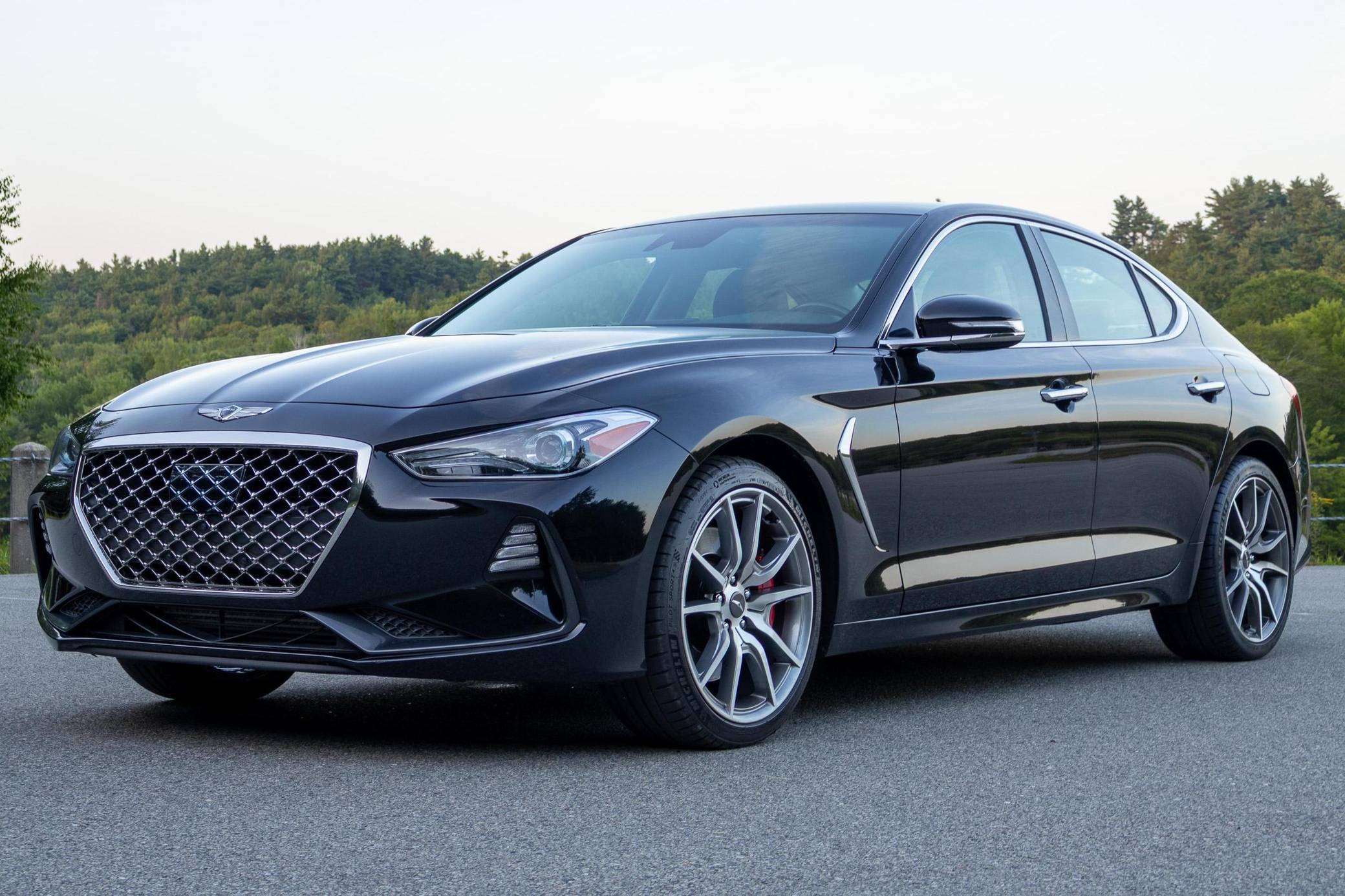
- Engine type: 2.0-liter turbocharged DOHC inline-four
- Torque: Approximately 260 lb-ft
- Horsepower: Approximately 252 hp
- Length: Approximately 184.4 inches
- Width: Approximately 72.8 inches
The reason this receives a qualified recommendation is age and recall history. Certain 2019-2021 G70s were involved in an ABS-related recall associated with the possibility of an electrical short and engine-compartment fire. Any potential purchase should therefore have its VIN checked, and applicable recall work confirmed.
Maintenance history matters just as much. Turbocharged engines depend on regular oil changes, correct oil specifications, and proper cooling-system maintenance. A neglected bargain can quickly erase any savings.
The 2.0T also lacks the effortless performance of the 3.3-liter twin-turbo V6. On the other hand, shoppers primarily interested in handling, comfort, and value may not need the additional power. Worth buying selectively. Find a stock, well-maintained example with complete service and recall documentation rather than simply choosing the cheapest G70 available.
4 Genesis Models to Skip
1. 2018 Genesis G80 3.3T
The 2018 Genesis G80 is not automatically a bad car, but it is a model year that gives used shoppers several reasons to look at later examples first. This is especially true of the more complicated 3.3-liter twin-turbocharged V6 version.
Early G80s accumulated several recall campaigns, and the 2018 model sits directly inside that period. ABS-related issues affected certain G80 model years, while turbocharged examples were also subject to concerns involving turbocharger oil-supply hardware. When a used luxury sedan has both turbocharging and an expanding list of age-related electrical and mechanical components, buying the cleanest year available becomes more important.
The 3.3T itself is impressive. It develops roughly 365 horsepower and 376 lb-ft of torque and gives the G80 considerably stronger acceleration than the naturally aspirated 3.8-liter version.
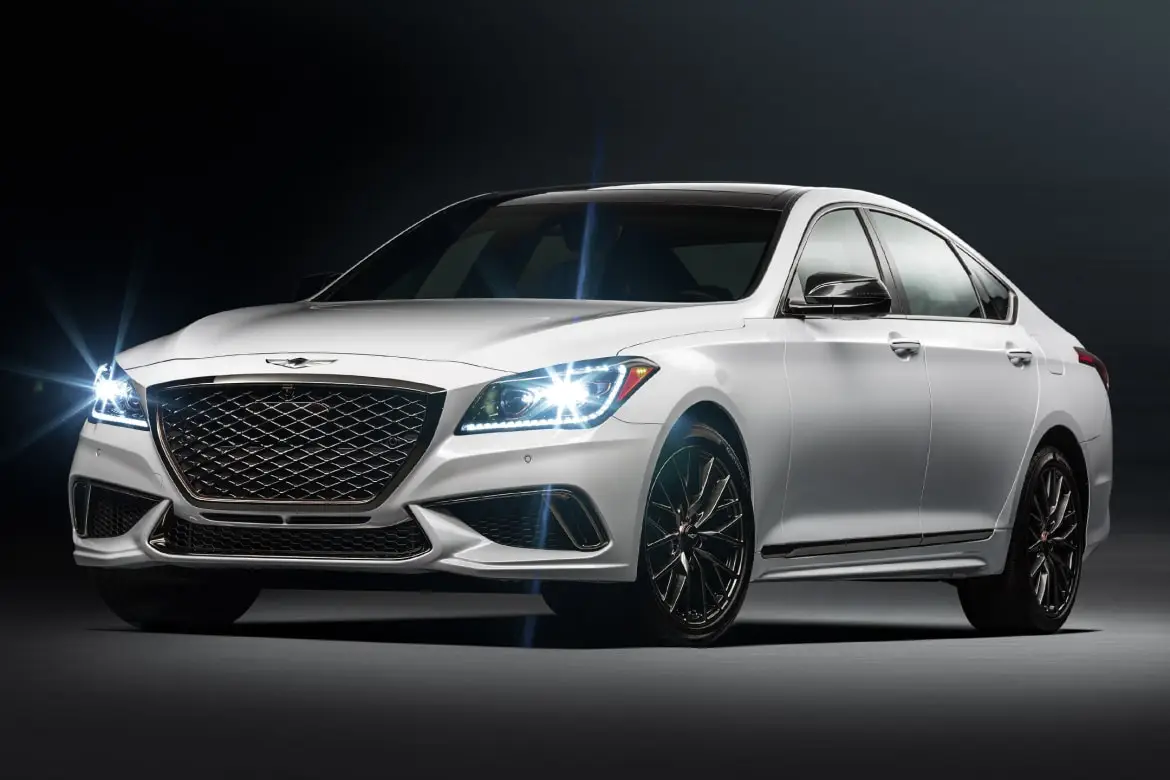
- Engine type: 3.3-liter twin-turbocharged DOHC V6
- Torque: Approximately 376 lb-ft
- Horsepower: Approximately 365 hp
- Length: Approximately 196.5 inches
- Width: Approximately 74.4 inches
The problem is not performance but risk versus reward. A later G80 can provide essentially the same spacious cabin, excellent ride quality, rear-wheel-drive chassis, and generous equipment while moving the buyer farther from the earliest years of Genesis-branded production.
Recall repairs can make an individual 2018 substantially safer to consider, so a blanket assumption that every example is defective would be unfair. What matters is that buyers have alternatives.
A 2018 G80 may make sense if its price is exceptionally low, maintenance records are complete, recall repairs are documented, and an independent inspection reveals no concerns.
Skip it as your first choice. The 2018 G80 3.3T offers strong performance, but later model years provide a more compelling balance of maturity and used-car confidence.
2. 2018 Genesis G90 3.3T
The 2018 Genesis G90 presents one of the classic temptations of the used luxury market: an expensive flagship becomes surprisingly affordable after heavy depreciation. Unfortunately, the cost of buying a G90 falls much faster than the cost of maintaining one.
This model year also belongs to the earlier production period of Genesis’ flagship. Its twin-turbocharged powertrain adds heat, oil plumbing, intercooling, and other components that can become more consequential as mileage accumulates.
Certain earlier G90 models were involved in turbocharger oil-feed-related safety campaigns, making documented recall history especially important when examining a 2018 example. Even after recall work, buyers need to remember that this remains an aging, highly equipped executive sedan. The drivetrain itself is excellent when functioning properly.
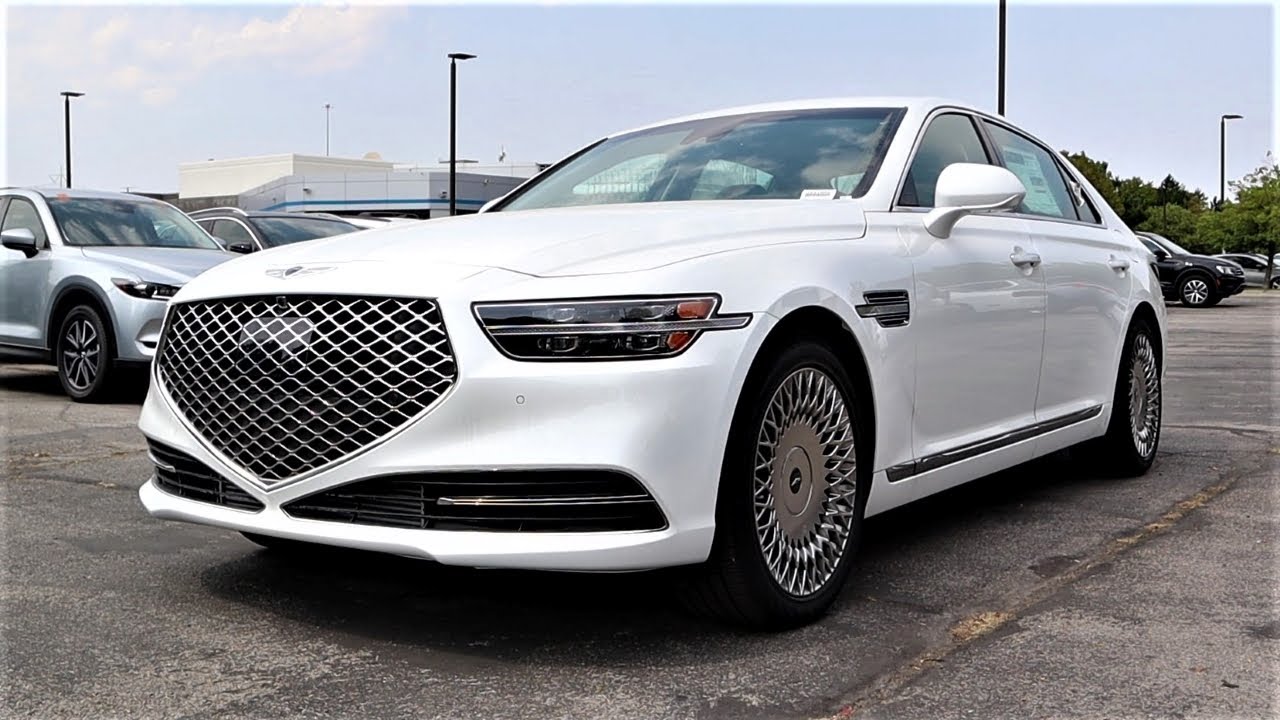
- Engine type: 3.3-liter twin-turbocharged DOHC V6
- Torque: Approximately 376 lb-ft
- Horsepower: Approximately 365 hp
- Length: Approximately 204.9 inches
- Width: Approximately 75.4 inches
Luxury equipment is everywhere. Depending on specification, the G90 contains extensive powered seating functions, driver-assistance hardware, cameras, climate systems, premium audio equipment, and electronic convenience features. Any one repair may be manageable, but multiple age-related failures can make ownership expensive.
The optional naturally aspirated 5.0-liter V8 offers a different character and may appeal to enthusiasts specifically seeking Genesis’ discontinued large V8, but the rest of the car remains equally complicated.
Used prices can therefore be misleading. A cheap 2018 G90 is still a vehicle that was engineered and equipped like an expensive flagship.
Skip the 2018 unless its condition is exceptional. The refreshed 2020 G90 provides similar mechanical strengths with newer production and far more modern styling, making it the better target for most buyers.
3. 2022 Genesis GV70
The 2022 Genesis GV70 stands out as an appealing choice, making it easy to understand why buyers might overlook it. Genesis gave it a premium interior, powerful turbocharged engines, and a compact footprint wrapped in distinctive styling. The main concern is not the GV70’s design or performance. Instead, the 2022 model represents the SUV’s first year on the U.S. market, which can make an early production model a less attractive choice.
First-year vehicles often reveal problems that become easier to address after manufacturers accumulate real-world data, and the early GV70 had several campaigns worth considering. Fuel-system recalls involving certain early examples are among the more significant issues because a malfunctioning fuel pump can lead to reduced or lost propulsion.
Other campaigns affecting early Genesis SUVs have involved restraint-system components. A used example with every campaign completed may function perfectly, but the recall history makes later production more attractive when prices are close.
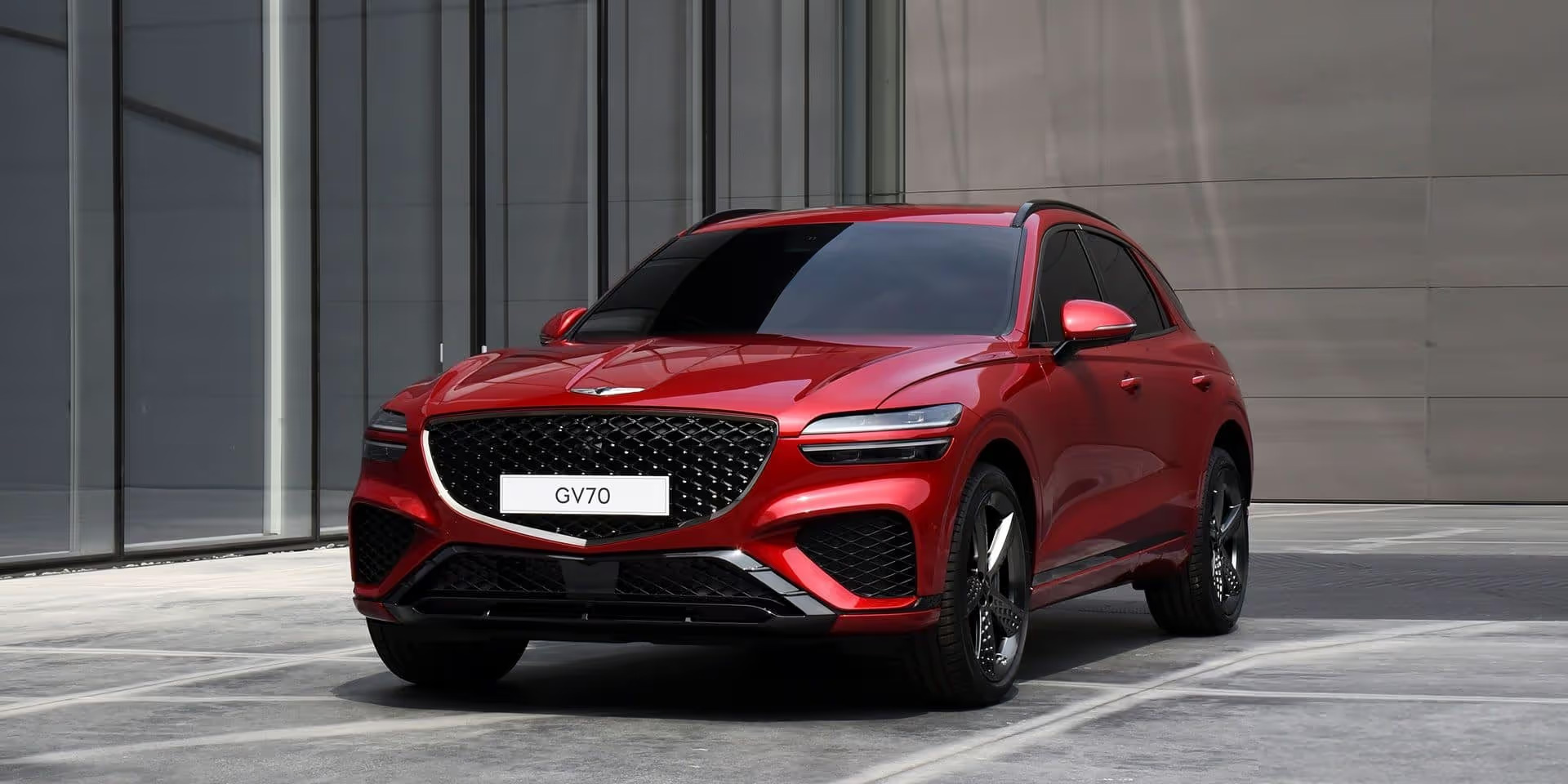
- Engine type: 2.5-liter turbocharged DOHC inline-four
- Torque: Approximately 311 lb-ft
- Horsepower: Approximately 300 hp
- Length: Approximately 185.6 inches
- Width: Approximately 75.2 inches
Those specifications remain competitive even several years after launch. The GV70 also offers an optional 3.5-liter twin-turbo V6 for drivers wanting much stronger acceleration. A 2022 example should not be rejected solely because of its model year. A complete dealer history, closed recalls, and an attractive price can change the equation.
Skip it when a later GV70 costs only slightly more. The first model year offers plenty of luxury and performance, but there is little reason to assume extra launch-year risk without receiving a meaningful discount.
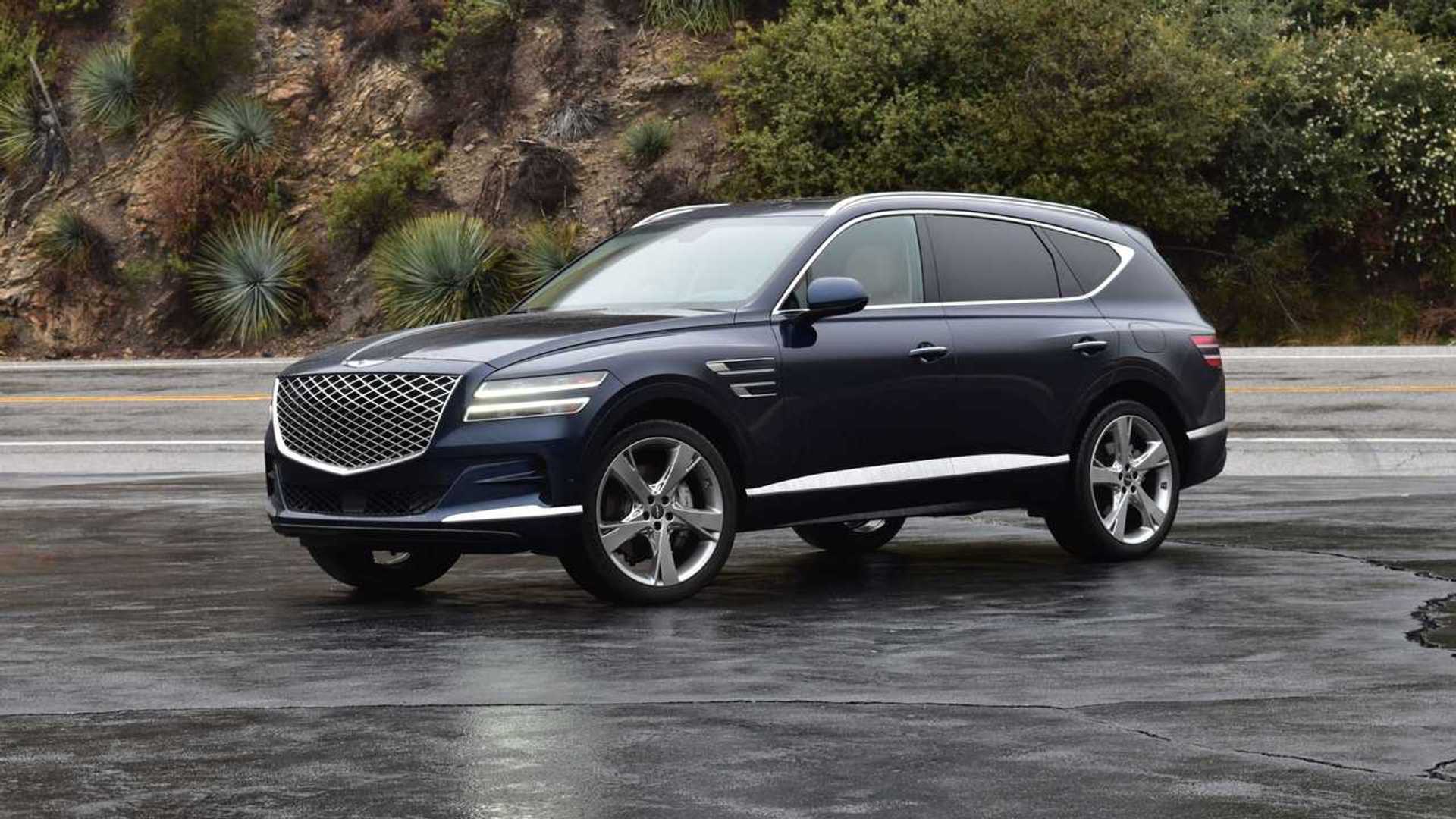
4. 2021 Genesis GV80
The 2021 GV80 deserves respect for establishing Genesis as a serious luxury-SUV manufacturer. Its combination of dramatic exterior styling, an elegant cabin, strong engines, and extensive standard equipment immediately made it a legitimate alternative to established premium SUVs.
For a used buyer, however, being historically important is not necessarily an advantage. 2021 was the GV80’s first U.S. model year, meaning these examples represent the earliest production version of an entirely new Genesis SUV.
Early GV80 vehicles later became involved in safety campaigns covering components such as fuel-system and restraint hardware. Those recalls can be corrected, but they add another layer of verification that buyers of later examples may be less likely to face.
The base 2.5T provides approximately 300 horsepower and 311 lb-ft, enough to move the midsize SUV comfortably without requiring the optional V6.
- Engine type: 2.5-liter turbocharged DOHC inline-four
- Torque: Approximately 311 lb-ft
- Horsepower: Approximately 300 hp
- Length: Approximately 194.7 inches
- Width: Approximately 77.8 inches
The available 3.5-liter twin-turbo V6 is considerably stronger and better suited to shoppers who prioritize effortless acceleration. Regardless of engine, the GV80 delivers a quiet, premium driving experience.
The challenge is that used shoppers can now choose from several later GV80 model years. Unless the 2021 is deeply discounted, the financial argument for choosing the earliest version is weaker than it once was.
Anyone considering one should obtain a VIN-specific recall check, verify all dealer campaigns, test every electronic feature, and arrange an independent inspection.
The 2021 GV80 is impressive but not the year to target first. A later example retains the styling, comfort, and performance that made the SUV successful while avoiding some of the uncertainty associated with launch-year production.
Also read: 10 Cars Holding Location History No Owner Can Erase