
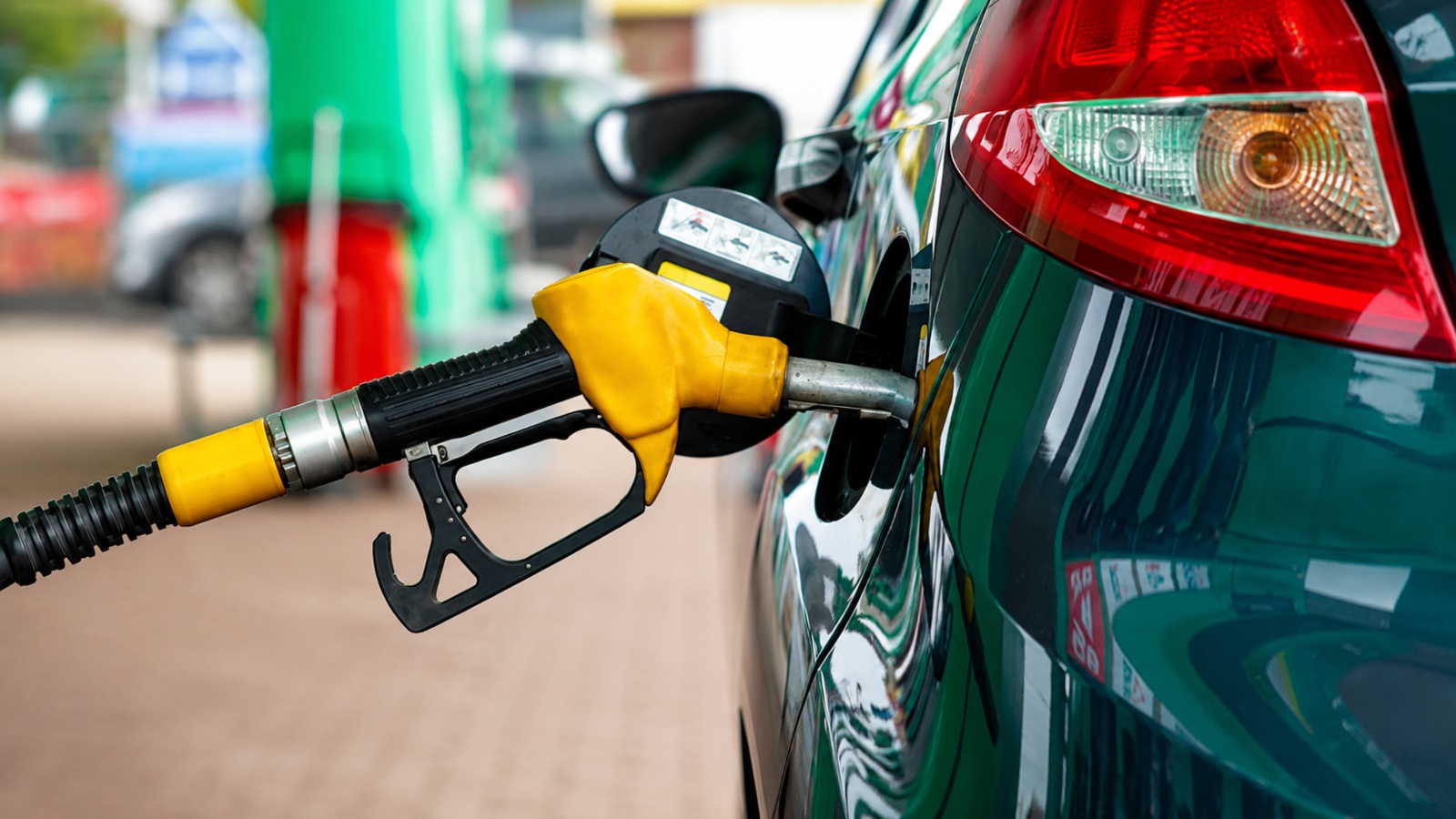
Standing at the pump, staring at three different gasoline price tags, most drivers have wondered the same thing: does paying extra for premium actually do anything if the manual doesn’t ask for it? The answer isn’t as simple as yes or no. Octane ratings, knock sensors, and compression ratios all play a role in determining whether that extra fifty cents per gallon buys you anything real.
Some engines genuinely need premium to run properly. Others couldn’t care less what grade goes in the tank. Understanding the difference could save you real money over a year of fill-ups, or help you avoid a mistake that quietly wears down your engine.
What Octane Numbers Actually Measure
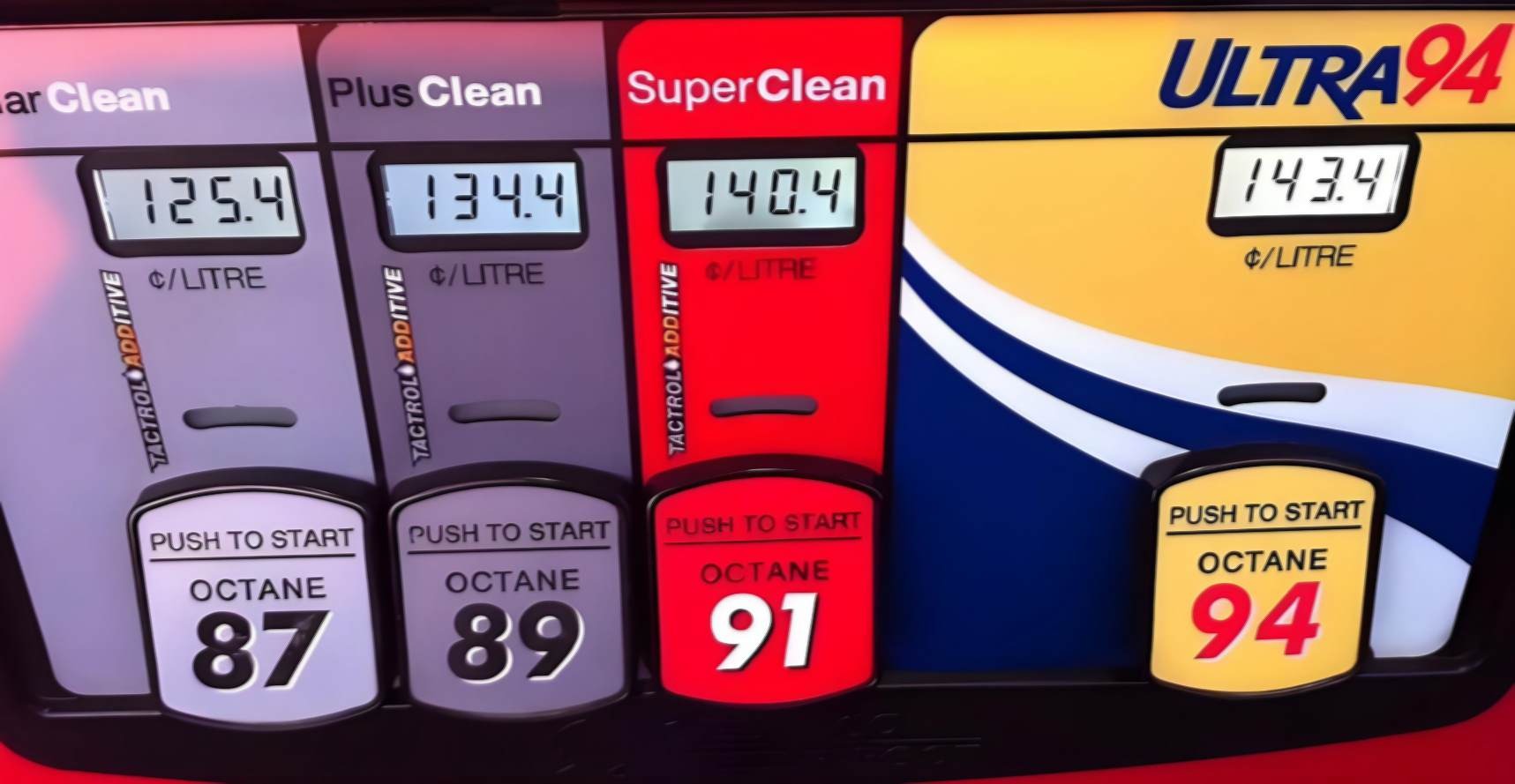
Octane doesn’t measure power or cleanliness the way most people assume. It measures resistance to premature combustion. A higher octane rating means the fuel is better balanced and stabilized against spontaneous combustion, which can cause knocking and damage to a car engine.
Regular gas typically carries an 87 rating, while premium sits at 91 octane or higher, designed specifically to fuel high-performance engines. That resistance matters most in engines running high compression ratios or forced induction, where cylinder pressures and temperatures climb high enough to ignite fuel before the spark plug fires.
When that early ignition happens, it produces the pinging or knocking sound many drivers have heard under hard acceleration. Low octane fuel in an engine that requires higher octane is one of the more common causes of this knocking.
The rating itself says nothing about horsepower or fuel additives by default, contrary to popular belief. It’s purely a measure of how much pressure and heat the fuel can withstand before igniting on its own, which is exactly why compression ratio determines whether an engine actually benefits from paying more at the pump.
How Knock Sensors Quietly Save the Day
Modern engines rarely suffer catastrophic damage from a single tank of the wrong fuel grade, and knock sensors deserve most of the credit. Knock sensors monitor the engine for abnormal vibrations or sounds, and if they detect any, they communicate with the engine control module to adjust ignition timing and keep the cylinders firing correctly.
Think of this system as a built-in bodyguard constantly listening for trouble and pulling back the moment it hears something wrong. The knock sensor can detect the appropriate sound of a detonation event and command the powertrain control module to pull timing until the event has ended.
This happens continuously and automatically, without any input from the driver. Regular unleaded works fine in a low-compression engine because the knock sensor simply tells the computer to retard timing, then brings it back once knocking is no longer detected.
The trade-off comes in the form of reduced power and efficiency rather than mechanical failure. If premium is only recommended rather than required, the car will happily run on regular gas since modern knock sensors adjust timing, costing you a sliver of performance you’ll likely never notice in daily traffic.
Also Read: 5 Cars That Need Premium Fuel and 5 That Don’t
Required Versus Recommended: The Words That Matter
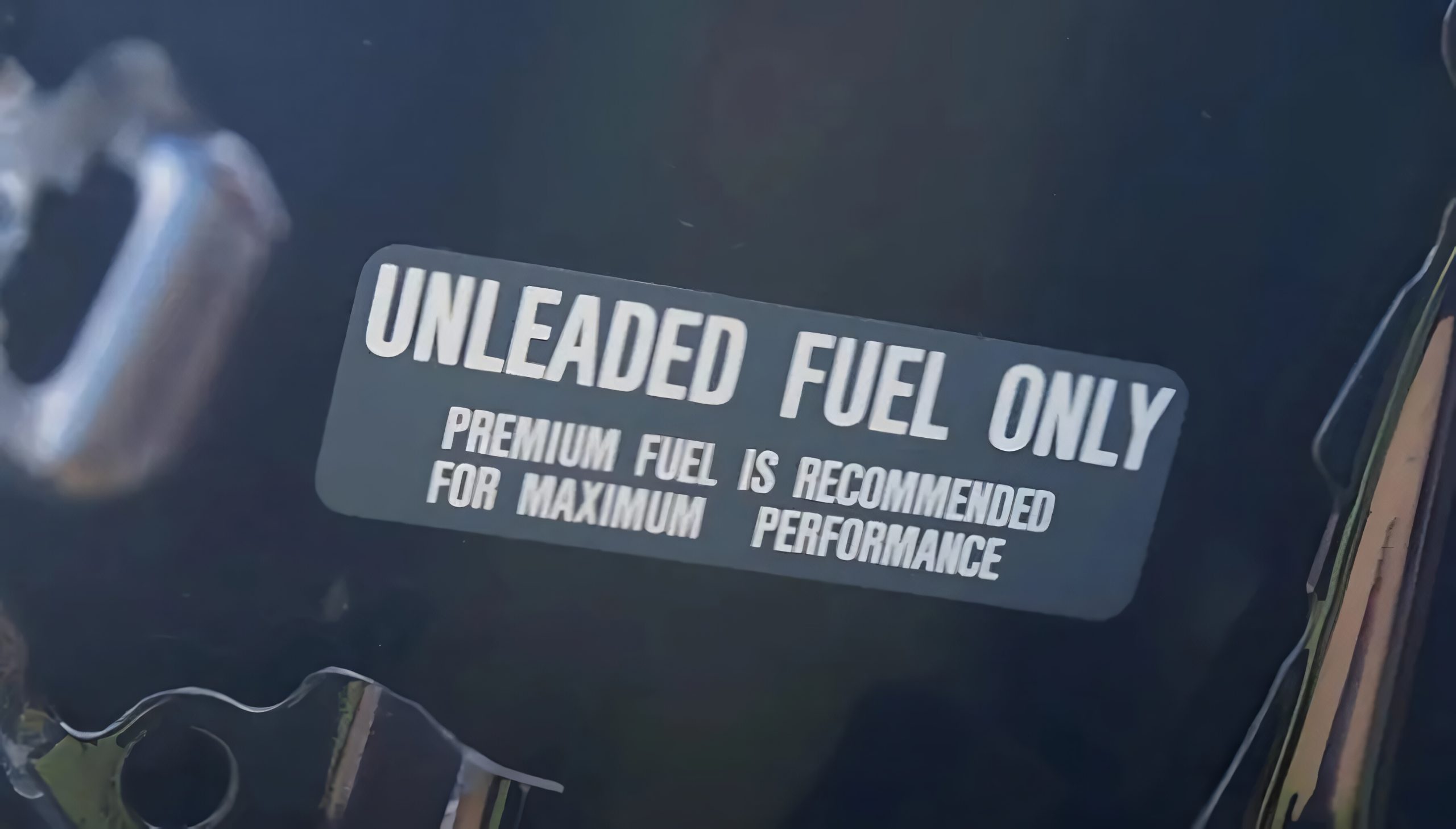
Two words printed inside your fuel door make all the difference here, and drivers routinely miss the distinction. If the owner’s manual says premium is “required,” the engine cannot safely adjust for lower octane, but if it says “recommended,” knock sensors adjust timing so regular gas can be used with only a slight performance loss.
This isn’t marketing language. It reflects genuine engineering differences between engine designs. Engines with high compression ratios genuinely need premium to avoid knock and run as designed when the manual states it’s required.
Checking this detail takes thirty seconds and can prevent years of unnecessary spending or, in rarer cases, actual engine wear. One owner reported their vehicle got noticeably better mileage on premium than on regular, since not every engine system can fully compensate for the octane mismatch through timing adjustments alone.
Skipping this check in either direction costs you something, whether that’s wasted money on fuel your engine can’t use or gradually accumulated wear from constant timing correction. Reading your specific manual beats guessing based on what a friend’s car needs.
Why Premium Does Nothing for a Regular Engine
Pouring premium into a car designed for regular gas feels responsible, but the science doesn’t back that instinct up. There are no benefits to putting premium gas in a car that doesn’t need it, and it’s a near-certainty that drivers won’t see any increase in performance.
The reasoning traces back to compression ratios. Premium has the same power or BTU content per gallon as regular, and its only real function is preventing engine knock through octane boosters, which only matters if the engine actually produces the pressure needed to cause knocking in the first place.
A regular-fuel engine never generates that pressure, so the added octane resistance goes completely unused. Pouring premium into a tank that only calls for regular does exactly nothing beneficial, and drivers end up paying extra for a property their engine simply cannot use.
Fuel economy stays flat, horsepower stays flat, and the only measurable change shows up on your receipt. Any perceived smoothness after filling up with premium is almost always psychological rather than mechanical, since the engine’s tuning never changes based on octane it wasn’t designed to exploit.
Also Read: 5 Engines That Handle Standard Fuel Well and 5 That Require Premium Fuel
When Higher Octane Actually Makes Sense
Certain situations genuinely justify spending more at the pump, even setting aside vehicles that explicitly require premium. Premium gasoline sometimes contains a few more additives like fuel system cleaner and water reducer compared to regular gas, which can offer marginal benefits for engine cleanliness as time goes on.
Drivers running high-performance, turbocharged, or high-compression engines see the clearest advantages. Luxury or performance vehicles with turbochargers or high-compression engines may genuinely benefit from premium’s resistance to engine knock, allowing smoother acceleration.
If you notice persistent knocking or pinging sounds even while using your manual’s recommended fuel grade, that’s a signal worth investigating rather than simply upgrading fuel grades. If your car runs noticeably better on high octane despite not requiring it, that often points to an underlying mechanical issue that needs diagnosis rather than a permanent switch to premium.
For most everyday drivers with standard engines, though, the smartest move remains simple: follow exactly what the manual specifies, save the extra money, and let the engineering do what it was actually designed to do.
