
Modern vehicles collect far more information than speed, fuel level, and mileage. Many cars monitor door positions, seatbelt status, occupant detection, and other safety events through electronic control modules. In some vehicles, these events can be associated with time information inside diagnostic, telematics, security, or crash related records.
That data can help technicians understand what happened before an incident, while owners may see only a simplified version through the vehicle display or connected app.
This article examines ten vehicles known for advanced electronic monitoring and explains how door and seatbelt information may be recorded, what the records can reveal, and why access to detailed timestamps varies.
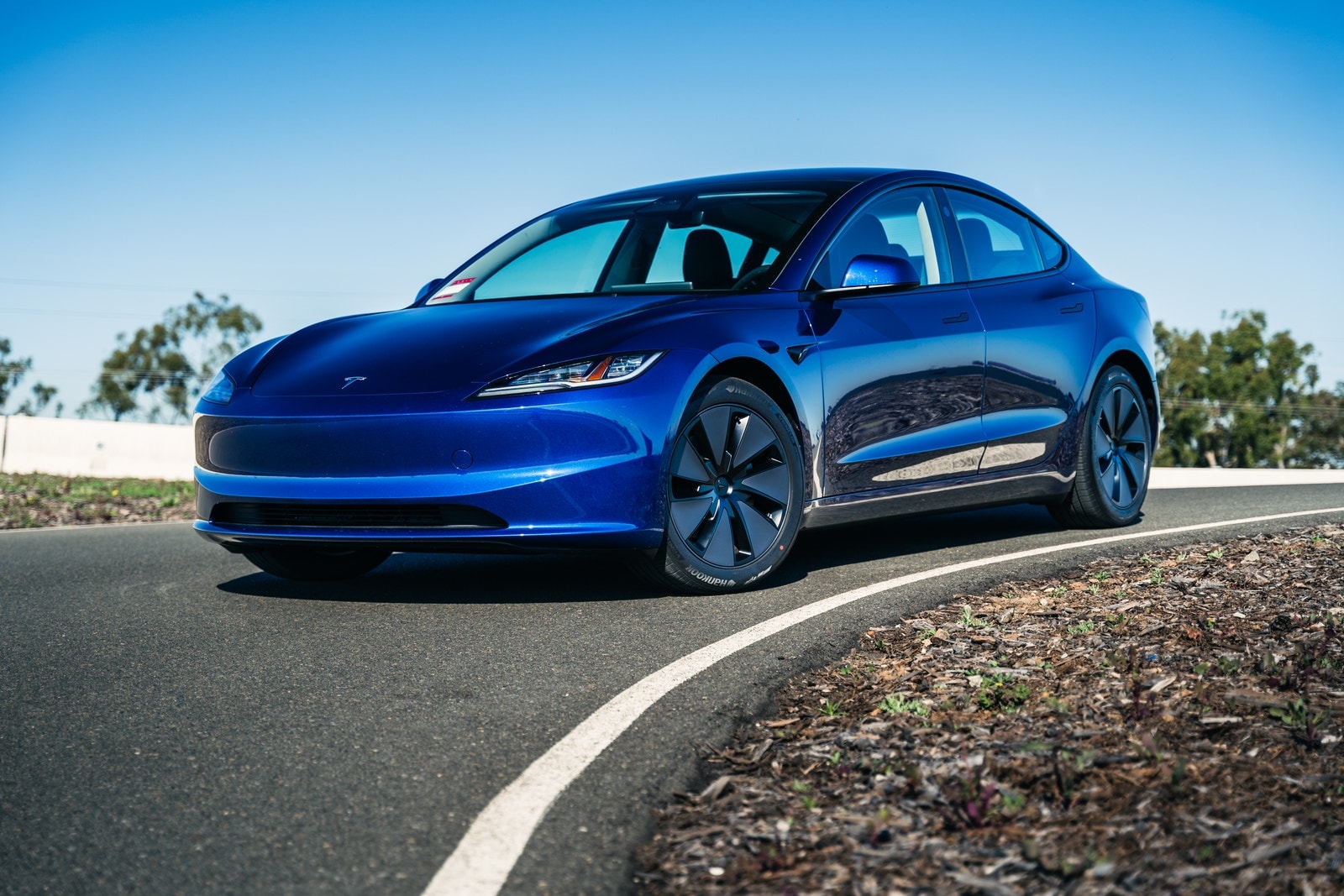
- Engine: Single electric motor, rear-wheel drive
- Horsepower: Approximately 283 hp
- Torque: Approximately 310 lb-ft
- Length: 185.8 inches
- Width: 72.8 inches
1. Tesla Model 3
The Tesla Model 3 is highly dependent on electronic systems for monitoring vehicle functions, including doors, locks, occupant conditions, and seatbelt status. Each door has electronic sensors that tell the vehicle whether it is open or closed.
Seatbelt buckles also contain switches that communicate their status to the vehicle. These signals are used for safety warnings, display messages, locking functions, and other vehicle operations.
Because the Model 3 relies heavily on centralized computing and networked control modules, changes in vehicle status can become part of diagnostic or event records. The presence of such records does not necessarily mean every event is presented to the driver as a simple timestamped history.
Tesla vehicles also have extensive data collection capabilities connected with safety and vehicle operation. The car can recognize when a door is opened, when a door is closed, and whether occupants have fastened their belts.
Seatbelt information is particularly important because the restraint system interacts with airbags, occupant detection, and warning systems. During a crash investigation, information relating to restraints can be significant when determining vehicle conditions.
Some Tesla data may be accessible through vehicle diagnostics, service procedures, or specialized data extraction rather than through the normal touchscreen interface. That distinction matters when discussing timestamped records because internal data and customer-facing history are not always the same thing.

- Engine: Single electric motor, rear-wheel drive
- Horsepower: Varies by version
- Torque: Varies by version
- Length: 188.6 inches
- Width: 75.6 inches
2. Tesla Model Y
The Tesla Model Y uses a closely integrated electronic architecture that monitors many vehicle functions continuously.
Door status is important because the vehicle needs to know whether doors are properly closed before driving, while seatbelt information is required for occupant warnings and restraint-related functions. Electronic sensors provide these signals to the vehicle’s control systems.
When a condition changes, the relevant module can respond immediately. Diagnostic systems may retain information associated with these changes, although the driver interface generally does not provide a complete chronological record of every door opening and seatbelt buckle action.
A Model Y’s door monitoring system has practical purposes beyond security. The vehicle needs to determine whether a door is open, closed, or potentially not secured. The same information can influence warning messages and other vehicle behaviors. Seatbelt monitoring works in a similar way.
A buckle switch reports whether the belt is engaged, allowing the vehicle to issue warnings when required. These status changes happen electronically and can be represented in diagnostic information.
In some circumstances, data from multiple control units can be correlated to reconstruct what the vehicle was doing around a particular event.
Connected vehicle technology adds further complexity. Modern Tesla vehicles can communicate operational information through their onboard systems and connected services, but that does not mean every piece of raw data is exposed to the customer.
A person looking at the Tesla touchscreen may see a warning that a belt is not fastened or a door is open, but that is different from receiving a complete event database. Detailed information may require manufacturer service access or other authorized diagnostic processes. Data availability can also change as software and vehicle architectures evolve.

- Engine: 2.7-liter EcoBoost V6
- Horsepower: 325 hp
- Torque: 400 lb-ft
- Length: 228.1 inches for the referenced Regular Cab configuration
- Width: 79.9 inches without mirrors
3. Ford F-150
The Ford F-150 uses numerous electronic control modules to monitor body functions, occupant safety, and vehicle operation. Door position is monitored electronically so the vehicle can display warnings and control related functions. Seatbelt status is also monitored through buckle sensors.
In newer F-150 models, these systems work alongside a broad network of computers responsible for safety, convenience, powertrain, and connected features. Diagnostic records can therefore contain detailed information about vehicle conditions and faults. The exact data stored, however, varies by model year, equipment, software, and control module.
Ford’s restraint systems are designed to work together. A seatbelt buckle sensor provides information about whether a restraint is engaged, while other systems monitor occupants and collision conditions. During a crash, restraint control modules can record information relevant to the event.
This can include seatbelt-related parameters and other safety information. Such data is much more specialized than a normal driver’s trip history. It is intended to help understand vehicle behavior and safety-system operation rather than provide a convenient list of everything that happened during ownership.
The F-150’s body electronics also make door status a routine part of vehicle monitoring. Each door needs to report its state so the vehicle can warn the driver if something is not closed properly. Central locking, interior lighting, security functions, and instrument-cluster warnings all depend on accurate door information.
Electronic control modules can process these changes as they occur. If a diagnostic record captures the relevant event, time information may help establish when a condition was detected. That does not guarantee that the record will remain available indefinitely.

- Engine: Electric motor, AWD
- Horsepower: 325 hp
- Torque: 500 lb-ft
- Length: 185.6 inches
- Width: 74.1 inches
4. Ford Mustang Mach-E
The Ford Mustang Mach-E is a highly computerized electric vehicle with extensive electronic monitoring. Its doors, locks, restraints, charging systems, driver-assistance features, and other components communicate through electronic networks.
Door sensors provide status information to the vehicle, while seatbelt switches help manage occupant warnings and safety functions. Because so many vehicle functions are software controlled, the Mach-E can generate diagnostic information when conditions change or faults occur. Some of this information may include timing or sequence details.
The vehicle’s restraint system is particularly important when examining seatbelt records. Seatbelt buckle status is used by the vehicle to determine whether occupants are properly restrained and whether warning messages should appear. During a collision, safety control modules can retain event-related information for diagnostic or investigative purposes.
These records are not intended to function like a personal diary. They focus on vehicle operation and safety-system behavior. A technician or authorized investigator may have access to information that is not visible through the regular infotainment system.
Door monitoring works in a similar manner. The vehicle needs to know whether each door is properly closed before certain driving conditions are allowed. Door status also affects warning messages, locks, lights, and security functions. When a sensor changes state, the corresponding control system reacts.
In an electronic network, these state changes occur at identifiable points in the vehicle’s operation. Some diagnostic systems can preserve records relating to such changes, especially when the system identifies an abnormal condition.

- Engine: 2.7-liter turbocharged inline-4
- Horsepower: 310 hp
- Torque: 430 lb-ft
- Length: 231.9 inches for the referenced Crew Cab
- Width: 81.2 inches without mirrors
5. Chevrolet Silverado
The Chevrolet Silverado uses electronic body control and restraint systems to monitor doors, seatbelts, occupant conditions, and other vehicle functions. Door-ajar sensors allow the truck to determine whether its doors are properly closed. Seatbelt buckle switches provide information used by the restraint warning system.
These signals are processed by vehicle computers and can contribute to diagnostic information. On newer Silverado models, the electronic architecture is extensive enough that many ordinary mechanical actions are represented as digital states inside the vehicle.
The truck’s restraint control system can be particularly important after a collision. Modern General Motors vehicles use dedicated safety modules that monitor crash-related conditions and restraint operation. Depending on the model and event, crash data may contain information about seatbelt use and other safety parameters.
This information can help investigators understand the circumstances surrounding an accident. It should not be interpreted as a complete lifetime record of every seatbelt action. Crash records have a specific purpose and can differ significantly from general diagnostic logs.
Door information is used for many routine functions. The Silverado can warn the driver about an open door and coordinate door locks, interior lighting, and security features.
A control module receives information from the relevant switches or sensors and makes decisions based on those states. When a fault occurs, diagnostic systems may record codes and related operating conditions. Some information can be associated with a time or sequence within a diagnostic session, but the amount of historical information retained varies.
Connected services can make the truck appear more transparent to the owner, but they do not necessarily expose raw electronic records. A connected application may display vehicle status or provide alerts while hiding the underlying diagnostic information.
This is common in modern vehicles because raw control-module data can be complex and may require specialist tools to interpret. A service technician may therefore have access to information that is unavailable from the dashboard or mobile application.
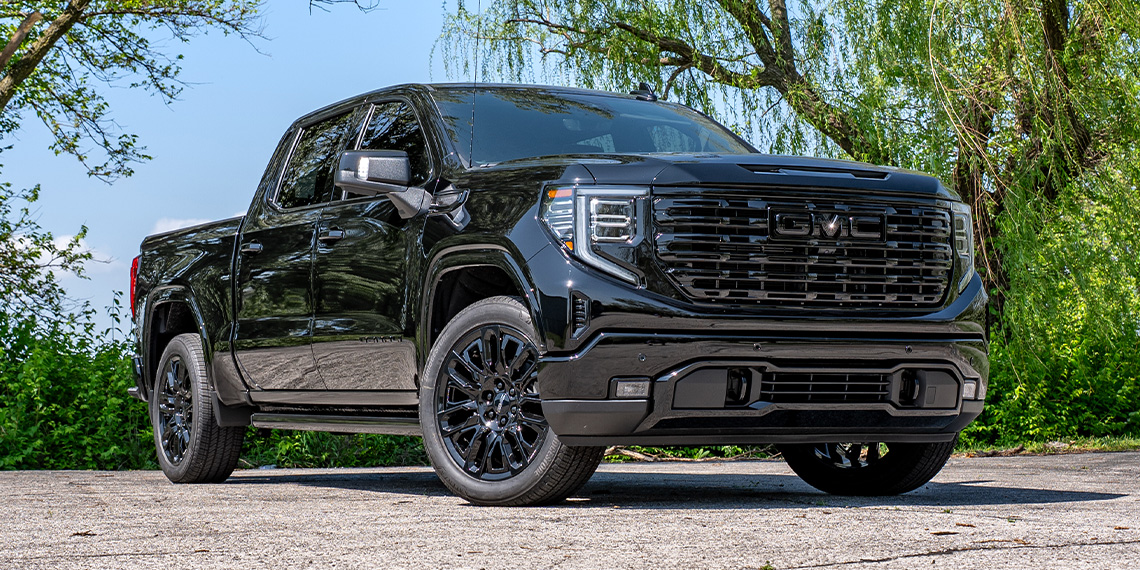
- Engine: 2.7-liter turbocharged inline-4
- Horsepower: 310 hp
- Torque: 430 lb-ft
- Length: 231.9 inches
- Width: 81.2 inches without mirrors
6. GMC Sierra
The GMC Sierra shares much of its electronic foundation with other modern General Motors trucks. Its body systems monitor door position, locking status, lighting, and other conditions through electronic sensors and control modules.
Seatbelt buckles are also monitored because the vehicle must know whether occupants have engaged their restraints. These systems operate continuously during normal vehicle use. When an event or fault occurs, diagnostic information can provide clues about what the vehicle detected and when.
The Sierra’s restraint system is designed around collision detection and occupant protection. Seatbelt status can be relevant to the operation of warning systems and, in certain circumstances, crash-data records.
A crash-related module can preserve information associated with the event. Investigators can use this information to examine aspects of vehicle operation. The data is not equivalent to a simple logbook showing every buckle action. It is structured around safety events and the technical needs of the restraint system.
Door sensors also have several responsibilities. A door that is not fully closed can trigger a warning, affect locking behavior, and influence interior lighting. These functions require the vehicle to know the state of each relevant door.
Because the information is digital, changes can be processed by electronic modules immediately. Diagnostic tools can sometimes reveal event-related information that ordinary drivers never see. The availability of a timestamp depends on the particular module and type of record.
The Sierra’s connected features create additional opportunities for status monitoring. Depending on equipment and service availability, connected systems can report information about the vehicle to authorized users.
These services are useful for convenience and fleet management, but they should not be assumed to provide an unrestricted forensic database. A remote status report can tell an owner something about the vehicle without exposing the complete underlying sequence of sensor changes.

- Engine: Dual electric motors, AWD
- Horsepower: 533 hp
- Torque: 610 lb-ft
- Length: 217.1 inches
- Width: 82.0 inches without mirrors
7. Rivian R1T
The Rivian R1T is designed around a modern software-heavy electrical architecture. Many functions that were traditionally controlled through separate mechanical or simple electronic systems are integrated into a broader network of vehicle computers.
Door status, locking, occupant safety, seatbelt conditions, and other functions are electronically monitored. This architecture makes the R1T capable of generating substantial operational and diagnostic information, although not all of that information is presented directly to the driver.
Door monitoring is essential in an R1T because the vehicle needs to determine whether doors are closed and secure. The information can affect warnings, locks, security functions, and other vehicle behaviors.
A sensor change can be recognized by the vehicle almost immediately. Diagnostic systems can record certain abnormal states or events. The presence of a digital event does not necessarily mean that the vehicle retains a permanent timestamped record of every occurrence.
Seatbelt monitoring has a clear safety purpose. The R1T can detect whether occupants have fastened their restraints and can provide warnings when belts are not being used appropriately. During a collision, restraint and safety systems may preserve event-specific information.
Such records can be valuable when reconstructing vehicle behavior. Their availability, retention, and accessibility depend on the relevant electronic module and the circumstances of the incident.
Rivian’s software-focused approach also means that vehicle capabilities can change through updates. A diagnostic behavior, data field, or user-facing feature can depend on the software installed at a particular time.

- Engine: Dual electric motors, AWD
- Horsepower: 402 hp
- Torque: 516 lb-ft
- Length: 195.5 inches
- Width: 77.6 inches without mirrors
8. BMW iX
The BMW iX uses a sophisticated network of electronic control systems to manage vehicle access, doors, occupant safety, and many other functions. Door status is continuously relevant to the vehicle because it affects warnings, locking, security, and operation.
Seatbelt status is monitored for occupant safety and warning functions. These conditions are communicated electronically rather than through purely mechanical indicators. As a result, the vehicle’s diagnostic architecture can contain substantial information about how its systems behaved.
BMW vehicles use diagnostic systems capable of recording faults and operating conditions. Depending on the module and event, records can include information that helps technicians identify when a problem occurred relative to other vehicle conditions.
This is different from a complete event diary. A diagnostic memory is usually designed to identify problems, service conditions, and system states. It may preserve some information for a period of time and overwrite or clear other information as the vehicle continues operating.
The iX’s restraint systems provide another source of information. Seatbelt status is important for warning functions and safety-system operation. In the event of a collision, specialized safety data may be recorded by relevant control units. Such information can assist with accident analysis.
Door events can also be relevant to security investigations. Modern BMW vehicles electronically monitor access and locking functions, and connected services can provide certain vehicle-status information.
Yet an owner should not assume that the connected application exposes every raw sensor event. The underlying control modules can contain technical information that requires specialist equipment to retrieve and interpret. Data protection rules and manufacturer procedures can also affect access.

- Engine: 3.0-liter turbocharged inline-6 mild-hybrid, S500 4MATIC
- Horsepower: 449 hp
- Torque: 443 lb-ft
- Length: 209.5 inches
- Width: 75.6 inches without mirrors
9. Mercedes-Benz S-Class
The Mercedes-Benz S-Class has long served as a showcase for advanced vehicle electronics, and modern versions contain extensive monitoring systems. Door status, locking conditions, seatbelt use, occupant information, and safety-system conditions are handled electronically.
The vehicle needs these signals for basic functions as well as advanced driver and occupant protection features. Electronic control units communicate with each other so that safety warnings and related functions can respond to changing conditions.
Seatbelt monitoring is particularly detailed in a luxury vehicle with advanced occupant protection. The system needs to know whether a belt is engaged and whether an occupant may require a warning. In a collision, restraint-related modules can record information associated with the event.
Accident investigators and technicians may use specialized diagnostic equipment to examine such data. The information can help establish vehicle conditions surrounding a crash, but it should not be confused with a permanent record of every belt movement.
If a problem occurs, diagnostic memories may store information that helps identify the fault. Some data can be connected with operating time or event sequence, depending on the module. Other temporary sensor changes may never become part of a long-term stored record.
Connected Mercedes-Benz services add another layer of vehicle information. Owners may be able to check certain vehicle conditions remotely, depending on their market, subscription, model, and equipment.
These services are convenient but do not necessarily expose the raw information stored within the vehicle. A remote status message is different from a forensic extraction of electronic control-unit data. This distinction is important when discussing timestamped records.
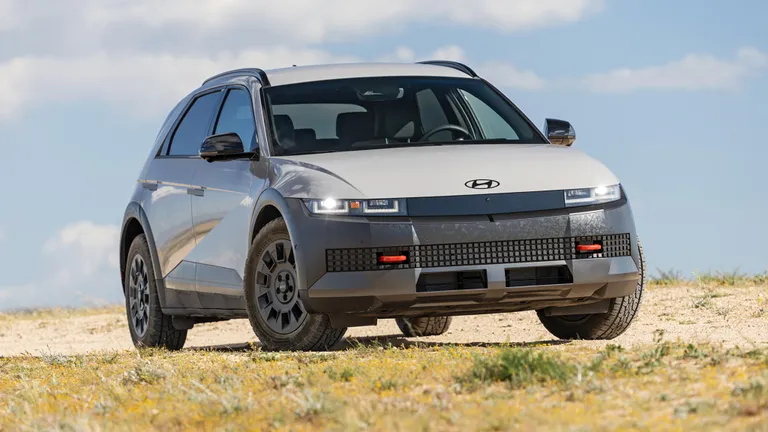
- Engine: Permanent-magnet synchronous electric motor, RWD
- Horsepower: 228.5 hp
- Torque: Approximately 258 lb-ft
- Length: 183.3 inches
- Width: 74.4 inches
10. Hyundai Ioniq 5
The Hyundai Ioniq 5 contains numerous electronic control systems that monitor vehicle operation and occupant safety. Door sensors determine whether doors are open or closed, while seatbelt switches provide information to the restraint warning system.
These signals are processed by electronic modules and can influence dashboard warnings, safety functions, and other vehicle behaviors. As with many modern vehicles, the information exists at several levels, ranging from real-time sensor status to diagnostic and crash-related records.
Seatbelt information is especially important to the vehicle’s safety architecture. When a belt is fastened or released, the buckle sensor changes state and the vehicle can respond accordingly.
Door status is monitored for several reasons. The vehicle needs to know whether a door is closed before driving, and it also needs door information for locking, lighting, warnings, and security. A sensor can report a change almost instantly.
Diagnostic systems may store information if the vehicle detects an abnormal condition. Whether a normal door opening becomes a permanent historical record depends on how the particular control system is designed.
The Ioniq 5 also illustrates the difference between connected-car data and internal diagnostic data. Connected services may allow owners to interact with certain vehicle functions remotely or view selected information.
That does not mean the application displays every raw sensor event. Internal diagnostic information is often more detailed and may require manufacturer-level tools. Access can also depend on regional rules, privacy considerations, service procedures, and the vehicle’s software.
Also read: 5 Cars With the Highest Theft Rates in New Mexico, 5 With the Lowest