Cars rarely suffer major mechanical failures without giving some kind of warning first. Sometimes that warning appears as a dashboard light, but many expensive problems announce themselves through sound.
Knocking, rattling, grinding, humming, clicking, and whining can reveal wear developing inside the engine, transmission, wheel hubs, brakes, or driveline. The important part is noticing when the noise occurs and whether it changes with engine RPM, vehicle speed, steering angle, acceleration, or braking.
Mechanics use those patterns to narrow down the source before disassembling anything. A harmless exhaust shield rattle can sound frightening, while a relatively subtle engine knock can indicate serious internal damage.
Manufacturer diagnostic guides also show that specific noises can correspond with worn bearings, cam phasers, CV joints, transmissions, and differentials. Here are seven noises that deserve attention before a repair becomes considerably more expensive.
1. Deep Metallic Knocking From the Engine
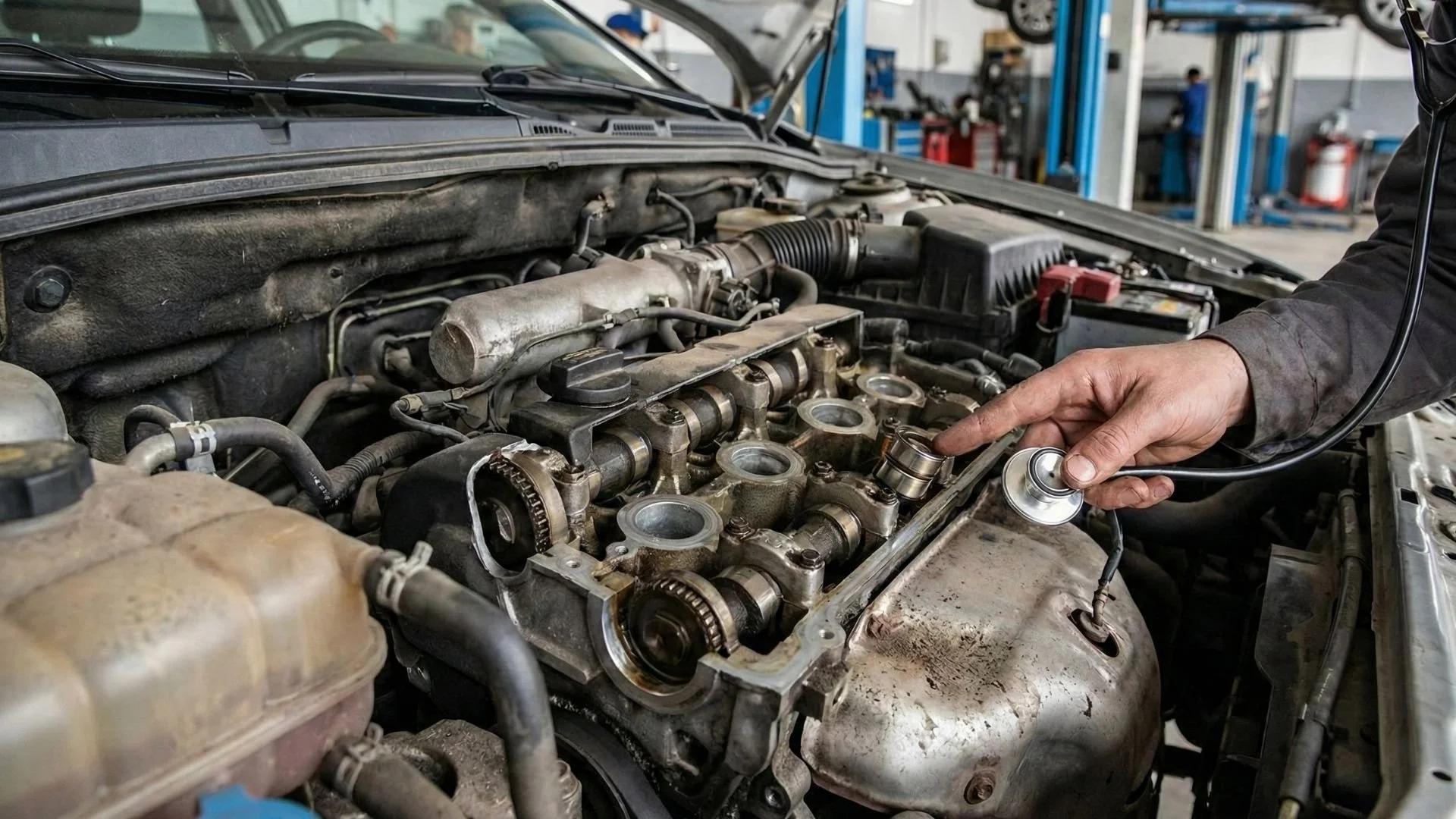
One of the most worrying sounds an engine can make is a deep, repetitive metallic knock that speeds up as engine RPM increases. Drivers sometimes describe it as someone tapping the engine block with a small hammer. The sound may become more obvious during acceleration, when climbing hills, or whenever the engine is placed under additional load.
A mechanic will normally try to determine whether the knock follows crankshaft speed and whether it comes from the lower portion of the engine. One possible cause is excessive clearance in a connecting-rod bearing. Manufacturer diagnostic information identifies abnormal recurring knocking that increases in frequency with engine RPM as a possible sign of worn connecting-rod bearings.
This is very different from light combustion pinging caused by fuel octane or certain operating conditions. A true bearing knock can mean that the protective oil film between moving components is no longer maintaining the necessary clearance.
Continuing to drive can damage the crankshaft journal, connecting rod, and other internal components. What might initially require bearing-related repair can therefore progress toward extensive engine rebuilding or complete engine replacement.
The sensible response is to avoid repeatedly revving the engine to test the noise. Check the oil level, note whether the oil-pressure warning appears, and have the vehicle professionally diagnosed. A heavy knock accompanied by low oil pressure, warning lights, vibration, or loss of power deserves particularly urgent attention.
2. Rattling for Several Seconds During a Cold Start
A brief rattle immediately after starting the engine can easily be dismissed because it disappears so quickly. However, when the same metallic chatter occurs every morning or gradually lasts longer, components in the camshaft timing system deserve attention.
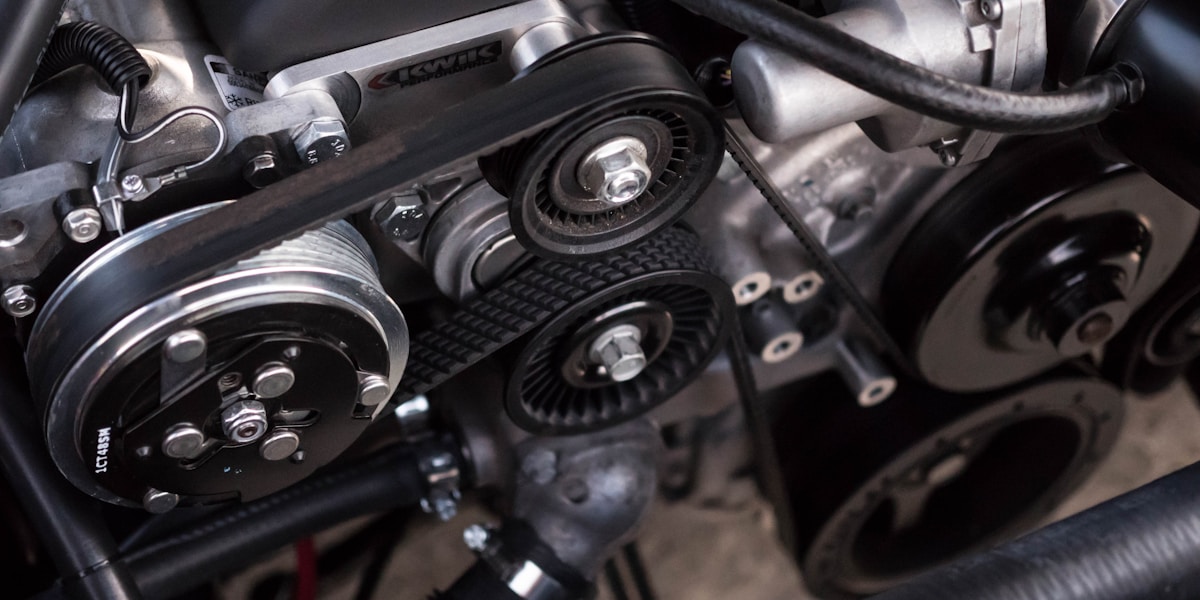
The exact cause varies by engine. Possible sources include a worn variable camshaft timing actuator or cam phaser, timing-chain tensioner, guides, or excessive chain movement.
Manufacturer service bulletins have documented engines that produced ticking, tapping, or rattling noises for several seconds after a prolonged cold soak because of worn variable camshaft timing components. Other diagnostic guides have linked startup rattling with timing-chain tensioners or stretched timing chains.
Not every startup rattle predicts catastrophic engine damage. Some short-lived noises can be considered characteristic of specific engines, which is why diagnosing the sound instead of guessing is important.
A technician will want to know whether the noise occurs only after the car sits overnight, how long it lasts, whether it returns when the engine is warm, and where it seems to originate. Recording the cold start with a phone can also help because the noise may disappear before the vehicle reaches the workshop.
Ignoring a genuinely worn timing component can turn a repair involving actuators or tensioners into a much more involved timing-system job. If timing becomes severely incorrect, internal engine damage may occur on certain engine designs.
3. Whining or Grinding From the Transmission
Transmission noises can be difficult to diagnose because sounds from wheel bearings, differentials, tires, and even engine accessories sometimes travel through the vehicle and seem to come from the gearbox. A persistent whine or grinding sound that changes with vehicle speed, gear selection, or acceleration nevertheless deserves investigation.
Transmission whine may indicate abnormal wear involving bearings, gears, pumps, shafts, or other rotating components. Grinding is generally more concerning, particularly when accompanied by harsh shifts, slipping, delayed engagement, vibration, or metallic debris in the transmission fluid. Manufacturer diagnostic bulletins have documented transmission whine and grinding caused by damaged bearings, shafts, gears, or internal pump components.
A useful diagnostic distinction is whether the sound follows engine RPM or road speed. If the car makes the noise while stationary and the pitch changes when the engine is revved, the cause may not be inside the final drive. If it appears only while moving, technicians may examine wheel hubs, tires, axles, the differential, and transmission.
Transmission problems become expensive when damaged components contaminate the fluid with metal and begin affecting additional bearings and gears. Early diagnosis may limit the repair to a specific component. Waiting until the transmission begins slipping or stops transferring power can leave rebuilding or replacement as the practical solution.
Drivers should also watch for burnt-smelling fluid, delayed engagement when selecting Drive or Reverse, sudden RPM flares between shifts, or transmission warning messages. These additional symptoms make a persistent whining or grinding sound much harder to dismiss as normal operating noise.
Also read: 10 Cars That Share Your Data With More Than 20 Companies
4. Humming or Growling That Gets Louder With Speed
A low hum that gradually turns into a growl as road speed increases is one of the classic sounds mechanics investigate for wheel-bearing problems. Drivers often mistake it for aggressive tire tread because both noises rise with vehicle speed.
The biggest clue is how the sound reacts to changing load. On a safe road, a worn wheel bearing may become louder or quieter during gentle turns as vehicle weight shifts from one side to the other. The sound usually follows road speed rather than engine RPM. Manufacturer diagnostic information commonly describes failing hub bearings as producing growling, humming, or grinding noises from the wheel area.
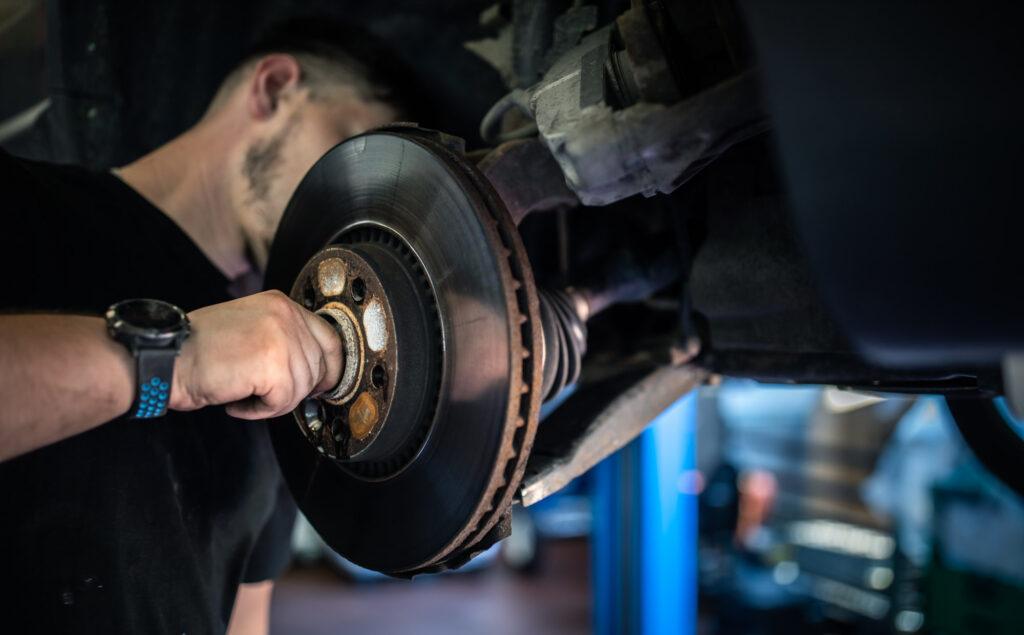
A technician will still inspect the tires first because cupping, uneven wear, and certain tread patterns can produce remarkably similar sounds. The vehicle may then be raised so the wheel and hub can be checked for roughness, abnormal play, or other evidence of bearing deterioration.
The reason to diagnose a growling wheel bearing early is that the hub supports the wheel while allowing it to rotate smoothly under significant vertical and cornering loads. Increasing wear can affect handling and may also create problems for wheel-speed sensors or other components incorporated into the hub assembly.
Noise alone does not determine how severe the bearing damage is, so waiting for obvious wheel movement is a poor strategy. If the humming becomes noticeably louder over several weeks or is accompanied by vibration, looseness, or uneven tire behavior, an inspection should move near the top of the maintenance list.
5. Repetitive Clicking or Grinding While Turning
A rapid click-click-click while accelerating through a tight turn is strongly associated with problems around a constant-velocity, or CV, joint on vehicles using CV-type drive axles. The sound often becomes easiest to reproduce in parking lots where the steering wheel can be turned sharply at low speed.
Manufacturer service information has repeatedly documented clicking or grinding during turns caused by excessive internal clearance or wear in outer CV joints. Similar technical bulletins have described clicking during takeoff or acceleration involving CV-type axles.

CV joints must transmit engine torque while accommodating suspension movement and steering angle. They are protected by flexible rubber boots containing grease. If a boot splits, grease can escape while dirt and water enter the joint. By the time a joint is loudly clicking, simply replacing the boot may no longer solve the underlying wear.
Mechanics usually inspect the boots for tears and grease leakage before checking for excessive play and reproducing the sound during a road test. A click during a sharp turn points toward a different problem than a clunk when shifting between acceleration and deceleration, so describing exactly when the noise happens matters.
Replacing a damaged axle or CV joint early is relatively contained. Continuing until the joint becomes severely worn can leave the car unable to transfer power properly and can make diagnosis and repair more urgent. Severe failure can potentially leave the vehicle stranded.
6. Howling or Whining From the Rear Differential
A howl coming from underneath or toward the rear of a rear-wheel-drive or all-wheel-drive vehicle can indicate trouble in the differential or related driveline components. It may sound similar to tire noise, but drivetrain whine often changes noticeably depending on whether the vehicle is accelerating, cruising, or slowing with the throttle released.
Manufacturer diagnostic guides have documented rear differential whine occurring during steady-speed driving, light acceleration, or deceleration. Technical bulletins have also described humming and high-pitched driveline sounds involving differential bearings and gear assemblies. These examples do not mean every rear whine signals failure, but they demonstrate why technicians pay attention to how the sound responds to drivetrain load.
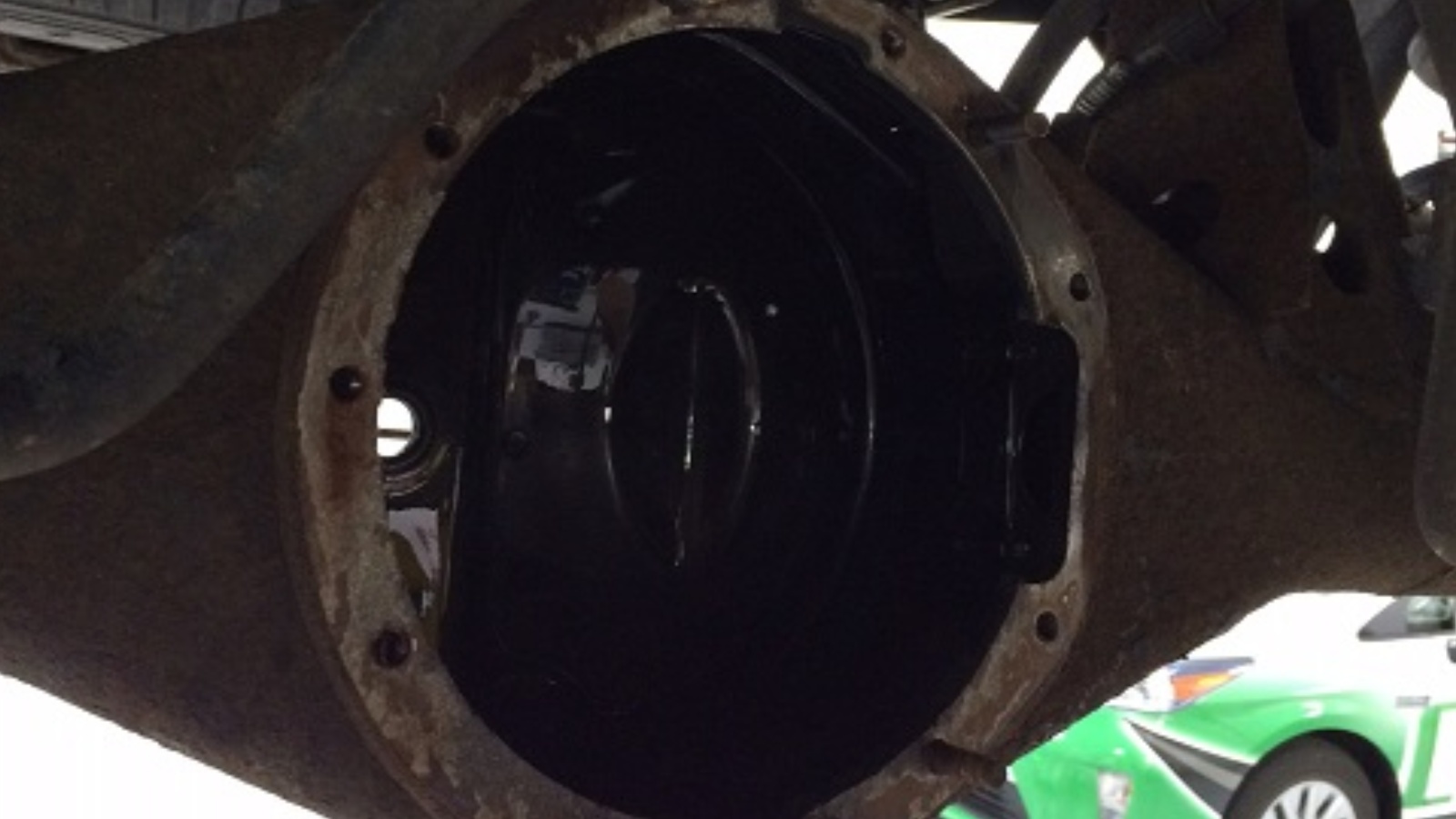
Differentials contain precision gears and bearings that operate under high loads. Lubrication condition, bearing wear, gear tooth patterns, and internal clearances all influence how quietly they operate. Mechanics may inspect the differential fluid for metal contamination or incorrect level and then determine whether the sound originates from the differential rather than tires, wheel bearings, or the transmission.
A faint whine that slowly becomes a pronounced howl should not be ignored. If damaged bearings or improperly meshing gears continue running, additional components can become involved, increasing repair complexity substantially.
Also pay attention to accompanying symptoms such as vibration, clunking when changing between acceleration and coast, fluid leakage, or a dramatic increase in noise. These clues can help distinguish a differential problem from a wheel hub, driveshaft, or tire issue before unnecessary parts are replaced.
7. Continuous Metal-on-Metal Grinding When Braking
A light squeak from the brakes is not automatically a crisis. Moisture, surface rust, temperature, and normal pad vibration can occasionally create noise. A continuous metallic grinding or scraping sound every time the brake pedal is applied, however, deserves immediate inspection.
Automaker owner manuals commonly warn that continuous metal-to-metal grinding or persistent squealing can indicate worn brake linings. Brake wear indicators are specifically designed on many vehicles to create an audible warning when the pads are approaching their replacement limit.
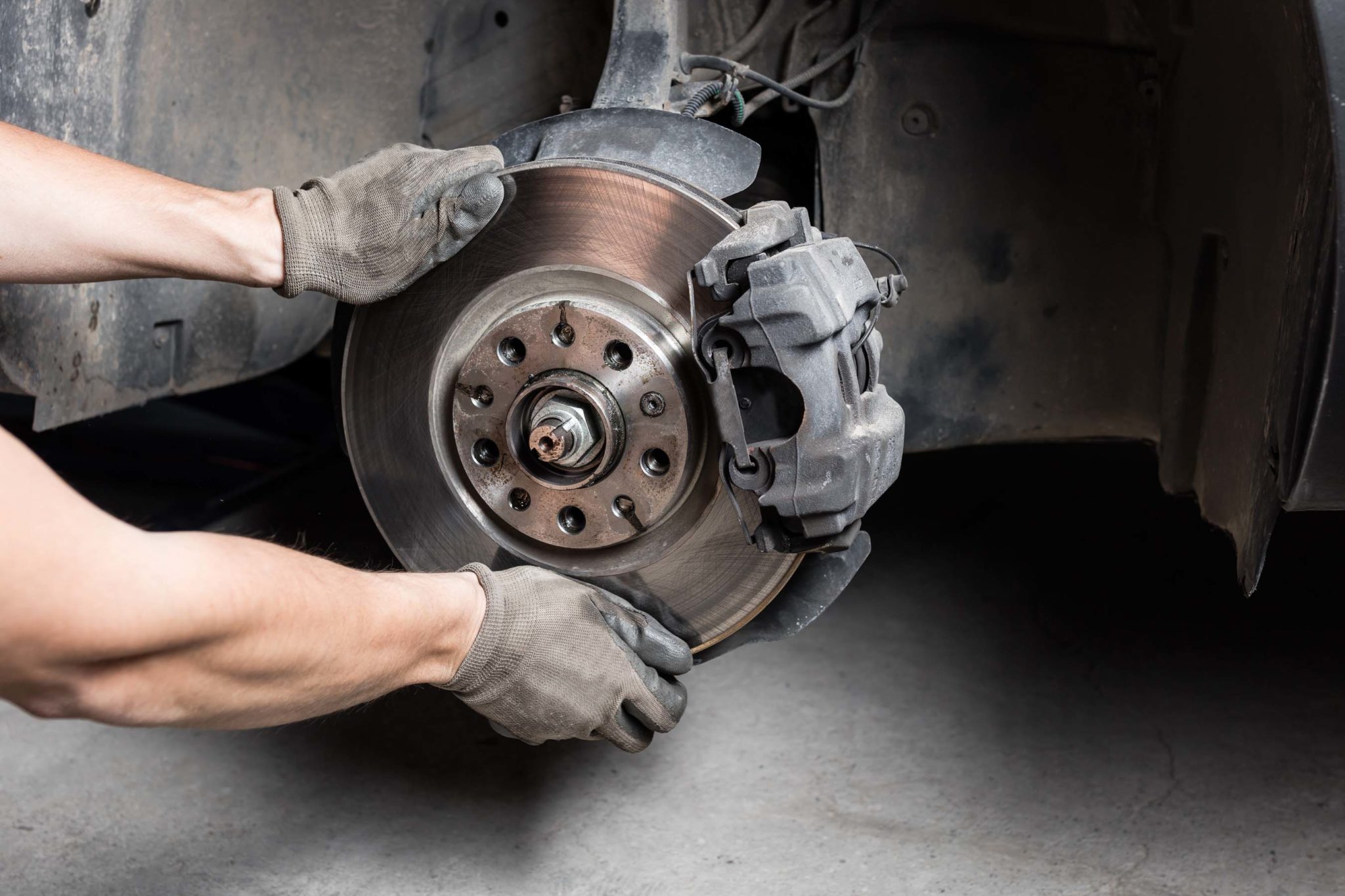
There is an important distinction. Some brake grinding can be related to temporary surface corrosion rather than severely worn pads. After a vehicle sits in wet or humid conditions, a thin layer of rust can develop on the brake rotors and create scraping during the first few stops. That is different from grinding that remains during every braking event.
When friction material is genuinely exhausted, continuing to drive can allow the metal backing plate of the brake pad to contact the rotor. Instead of needing only pads, the car may then require rotors and potentially additional brake hardware. A sticking caliper can make the damage even worse by keeping the pad pressed against the rotor continuously.
A technician should inspect pad thickness, rotor condition, caliper operation, brake hardware, and signs of overheating rather than replacing parts based only on sound.
Treat grinding especially seriously when it comes with reduced braking performance, pulling, a soft pedal, steering-wheel vibration, warning lamps, burning smells, or excessive heat from one wheel. Those symptoms justify stopping and having the braking system evaluated rather than trying to stretch the remaining pad life.
Also read: 5 Cars With the Highest Theft Rates in New Mexico, 5 With the Lowest