
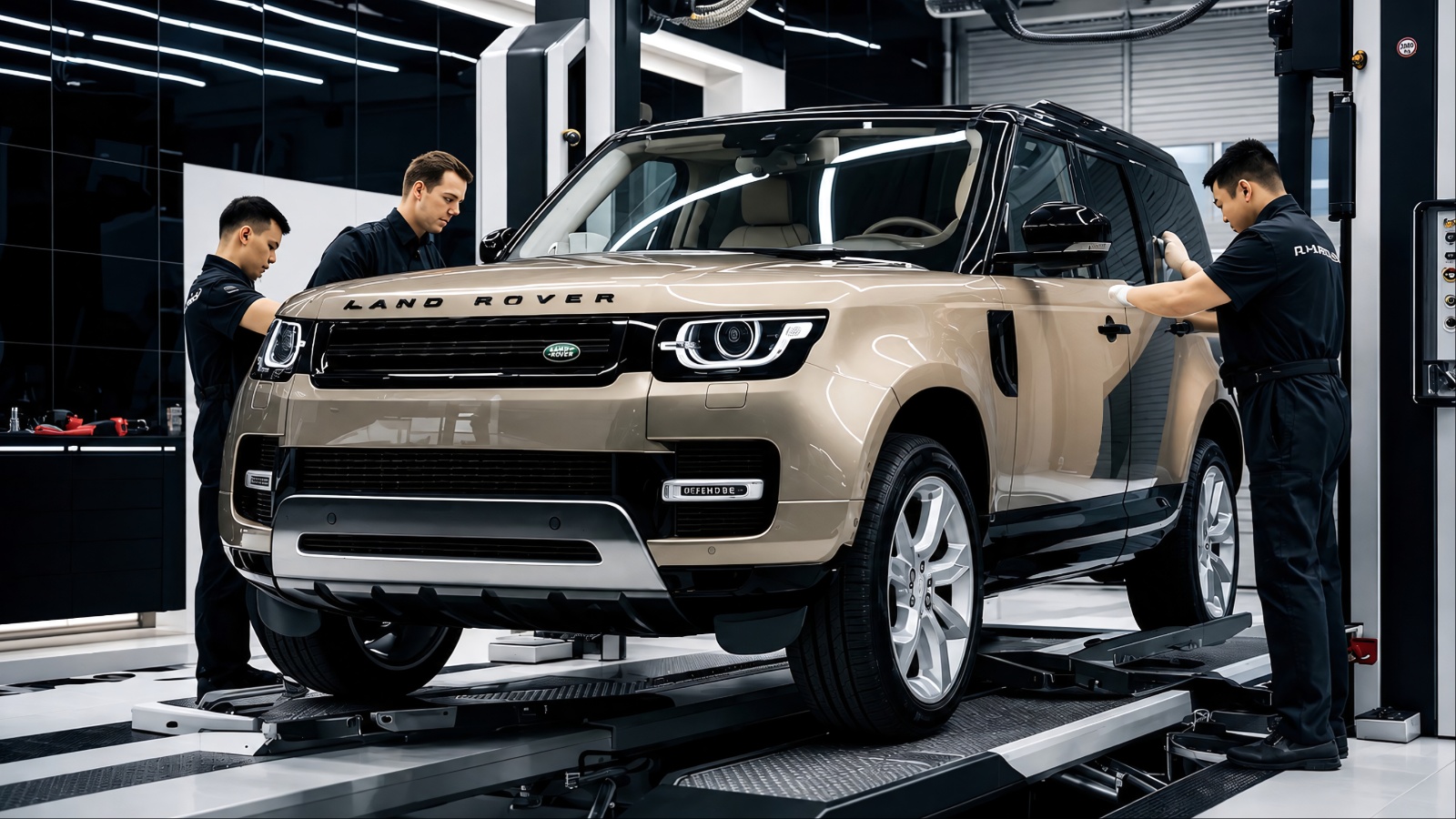
Owning a luxury SUV often comes with hidden costs that go far beyond the sticker price. Land Rover, known for its rugged styling and refined interiors, has earned a different kind of reputation lately. A recent industry study found Land Rover to be the most expensive car brand to maintain, projecting a 10-year ownership cost of $19,460.
That number places Land Rover well ahead of its competitors, including other premium European brands. The same analysis estimated a five-year maintenance cost of $5,560 for the brand.
For comparison, mainstream brands cost a fraction of that amount. Toyota models, ranked among the cheapest to maintain, are projected to cost less than $6,000 over the same 10-year period.
This means a single Land Rover could cost as much to maintain as three Toyotas combined. For buyers drawn to the brand’s off-road capability and upscale image, these figures deserve serious attention.
This article breaks down why Land Rover tops these expensive charts. It also explores how it compares to rivals and what buyers should know before signing on the dotted line.
Why Land Rover Tops the List
Land Rover’s high maintenance costs stem from several overlapping factors. Its vehicles combine complex electronics with heavy-duty off-road hardware. That combination creates more components that can fail. It also means more specialized labor is required to fix them.
Land Rover owners reportedly spend around $3,700 on maintenance during the first five years of ownership. That number climbs sharply after the warranty period ends.
Costs during the second five years jump to roughly $13,750, bringing the full decade total close to $17,450 by some estimates. Other studies put the figure even higher, closer to $19,000.
Reliability plays a major role in these numbers too. Land Rover’s predicted reliability ratings consistently fall short of the top 20 most reliable brands.
Poor reliability means more frequent trips to the shop. Each visit adds to the lifetime cost of ownership. Parts availability is another factor driving costs upward. Unlike Lincoln, which shares components with Ford, Land Rover parts are unique to the brand and carry a premium price.
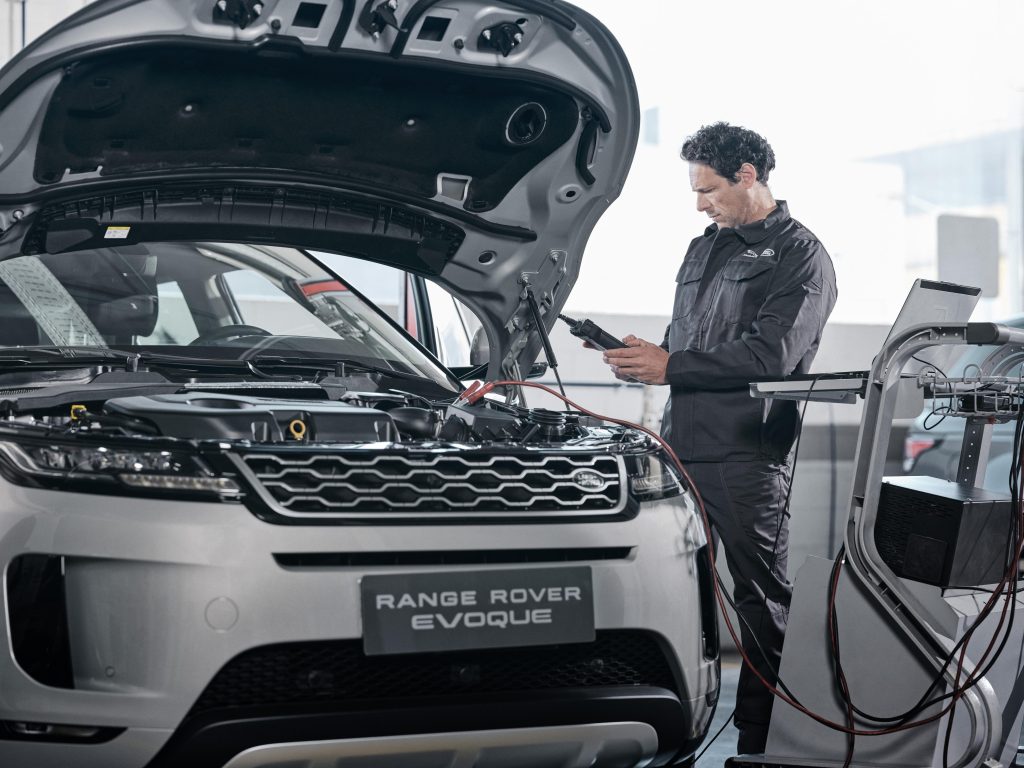
There’s no shared parts bin to lean on for savings. Every repair tends to come at full luxury-brand pricing. RepairPal data supports this trend, showing Land Rover’s average annual repair cost sits around $1,174, roughly 80 percent higher than the all-vehicle average of $652. That gap compounds significantly over several years.
Over a five-year span, that difference can add up to thousands of extra dollars. It’s a cost gap that catches many new owners off guard. Off-road engineering also plays into the equation. Air suspension systems, four-wheel drive components, and advanced terrain software all require specialized diagnostic tools.
Independent mechanics sometimes lack the equipment to service these systems properly. That pushes many owners back toward dealership service centers, where labor rates run higher.
Electrical issues have also plagued the brand for years. Infotainment glitches, sensor malfunctions, and wiring problems are commonly cited by owners and technicians alike. These aren’t always simple fixes either. Diagnosing electrical faults in a modern luxury SUV can take hours of billed labor.
How Land Rover Compares to Rival Brands
Land Rover doesn’t sit alone at the expensive end of the spectrum. Several other European luxury brands follow closely behind. Porsche ranks as the second most expensive brand to maintain, with a projected 10-year cost of $17,900. That’s a considerable gap below Land Rover, but still far above the industry average.
Mercedes-Benz comes in next at around $12,630, followed by Audi at roughly $11,350. BMW rounds out the top tier of costly brands. BMW’s 10-year maintenance projection sits at about $11,000, similar to Jaguar’s estimate. These brands share a common thread of complex engineering and premium parts pricing.
Volvo and Mini also appear on the pricier side of the list. Volvo’s 10-year figure lands near $10,330, while Mini comes in at roughly $10,200. On the opposite end, domestic and mainstream Asian brands dominate the affordable category. Buick tops the list of cheapest brands at around $5,260 over a decade.
Lincoln follows closely at $5,620, with Toyota rounding out the top three at $5,950. These numbers stand in stark contrast to Land Rover’s figures. The gap becomes even more dramatic when comparing extremes. Tesla, one of the cheapest brands to maintain, averages around $4,035 over 10 years.

That’s less than a quarter of what Land Rover owners can expect to spend. It highlights just how wide the maintenance cost divide has become across the industry.
Industry analysts note that many luxury automakers are actually divisions of mainstream carmakers, which helps keep their repair costs down. Lincoln, for example, shares parts with Ford.
Land Rover has no such parent-brand safety net. It builds most of its own specialized components, which keeps prices high across the board. Reliability scores tend to track closely with these cost figures. Brands with fewer mechanical issues generally see lower long-term maintenance bills.
Consumer data analysts have noted that the cost difference between brands can reach thousands of dollars over a decade. Luxury vehicles in particular tend to carry higher part and labor costs.
This pattern holds true across nearly every luxury segment studied. Buyers chasing prestige badges often pay a steep premium once the warranty period ends.
What Buyers Should Know Before Purchasing
Anyone considering a Land Rover purchase should factor these long-term costs into their budget. The purchase price is only part of the total ownership equation.
Setting aside a dedicated maintenance fund is one practical step. Many financial advisors suggest budgeting several thousand dollars annually for luxury SUV upkeep.
Extended warranties can also help offset some of these costs. They won’t eliminate expenses entirely, but they can soften the blow of major repairs.
Shopping around for repairs using independent shops rather than dealerships can also reduce costs significantly. Dealership labor rates often run higher than local specialists.
Finding a trusted independent mechanic who specializes in Land Rover vehicles is worth the effort. It can save thousands over the life of the vehicle.
Doing basic maintenance tasks yourself, and using OEM-quality aftermarket parts when possible, can also help control costs. Dealership parts and labor often carry a noticeable markup.
Simple tasks like wiper replacement or filter changes don’t require dealership visits. Learning to handle these basics can add up to real savings over time.
Timing of ownership matters too. Costs tend to spike significantly after the factory warranty expires. After year five, when most warranties run out, maintenance costs often triple or quadruple. Buying a certified pre-owned model with remaining warranty coverage can delay that spike.
Some owners choose to sell before the warranty lapses entirely. This strategy avoids the steepest years of repair expenses altogether. Researching reliability data before buying is another smart move. Experts recommend checking predicted reliability ratings and insurance costs before making a purchase decision.
A vehicle with better reliability scores generally means fewer surprise repair bills. It’s worth weighing against the appeal of Land Rover’s design and capability.
Not every Land Rover owner experiences the same level of expense. Individual results can vary based on model, driving habits, and maintenance diligence.
Some owners report spending closer to $10,000 over seven to ten years, depending on how well the vehicle is maintained. Consistent upkeep can help avoid larger, costlier breakdowns down the road.
Ultimately, the decision comes down to priorities. Buyers who value off-road capability, luxury styling, and brand prestige may accept the tradeoff.
Those focused purely on value and low long-term costs might look elsewhere. Brands like Toyota, Lexus, or Buick offer far cheaper ownership experiences.
Land Rover’s reputation for high maintenance costs isn’t new, but the numbers continue to stand out. Understanding these figures ahead of time helps buyers make informed, realistic decisions before committing to a purchase.
