
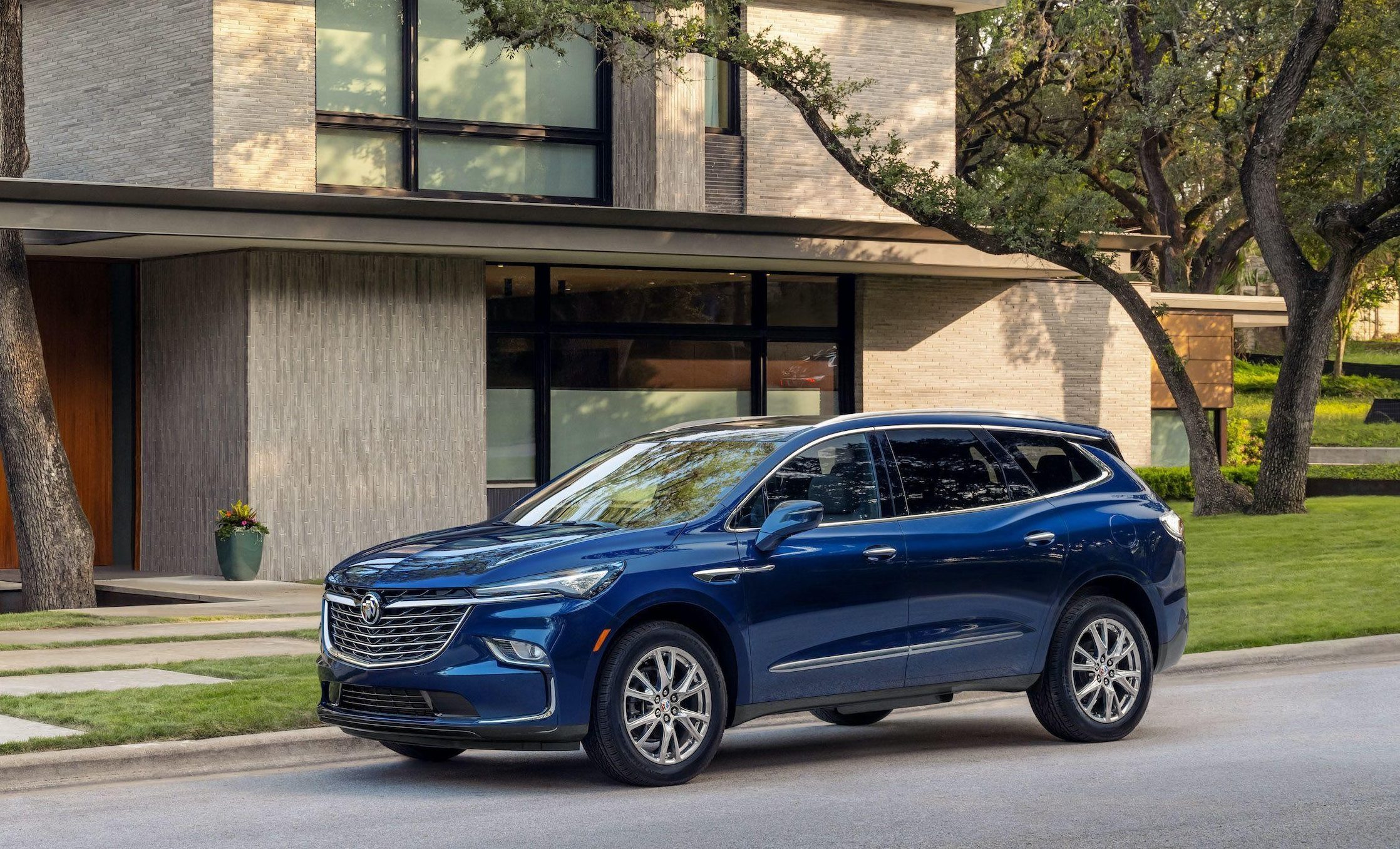
A recent nationwide auto ownership survey found something surprising for American car buyers. Buick, long overshadowed by flashier competitors, has quietly become the cheapest brand to keep on the road.
Owners of Buick vehicles spend far less on repairs and upkeep than owners of nearly every other brand sold in the country. Lincoln, another domestic automaker, trails only slightly behind in second place.
Together, these two American nameplates have outperformed both mainstream competitors and luxury European brands. The findings challenge common assumptions about reliability and long-term ownership costs.
Many buyers assume Japanese brands automatically mean lower maintenance bills. Others assume premium badges always come with premium repair costs.
This data tells a different story entirely. It shows that domestic luxury brands can actually be more affordable to own than expected. Over a ten-year period, the cost gap between the cheapest and most expensive brands runs into the thousands of dollars.
That gap can significantly affect a buyer’s total cost of ownership. This article breaks down why Buick tops the list, how it compares to rivals, and what this means for shoppers weighing their next purchase.
Why Buick Costs So Little to Maintain
Buick owners spend remarkably little during the first five years of ownership. According to the survey data, that average comes out to $1,160 in the first five years.
The story continues in years six through ten, where costs typically rise sharply for most brands. Even then, Buick owners paid only about $4,100 during that stretch.
That brings the full decade-long total to $5,260. No other automaker sold in America came close to matching that number. Several factors explain why Buick performs so well in this category.
Parts availability plays a massive role in keeping repair costs down. Buick shares many components with other General Motors vehicles. This shared-parts approach means replacement pieces are cheap and widely stocked.
Domestic automakers tend to have cheaper parts when repairs are necessary, according to the analyst who oversees this data. That single factor makes a noticeable difference across the entire ownership period.
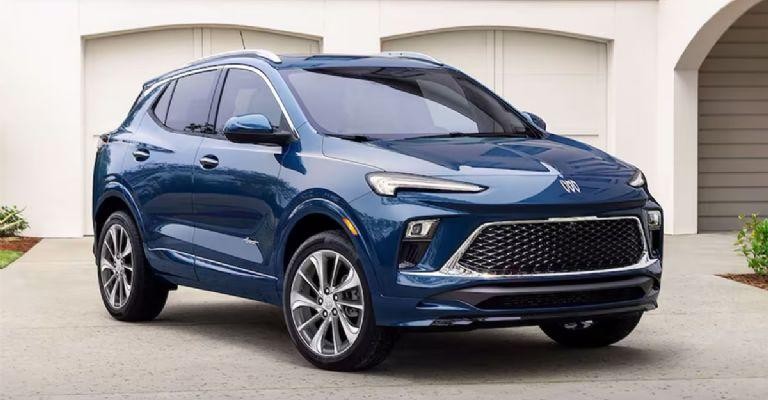
Buick’s current lineup also plays a part in these low numbers. The brand focuses almost entirely on crossovers built for everyday driving. Buick offers only on-road crossovers in the U.S., unlike brands juggling trucks and performance vehicles.
Simpler vehicle types generally require less complex and less frequent repairs. Sedans and crossovers tend to be gentler on components than trucks or SUVs. Larger, heavier vehicles put more strain on brakes, suspension, and drivetrain parts.
Buick’s product strategy naturally avoids many of those higher-wear vehicle categories. Warranty coverage also helps explain the low early-ownership numbers. Many new Buick models come with generous factory warranty periods.
New-car warranties, often three years or more, cover routine repairs, keeping early-ownership costs low. That protection shields buyers from major expenses during the first several years. Once warranties expire, costs typically climb for any brand.
Buick’s rise past the warranty cliff remains comparatively modest. Dealer and independent shop competition further reduces the brand’s labor costs. Wider dealer and independent shop networks for American brands increase competition and drive down labor rates.
More available service locations generally translate into lower prices for consumers. This applies to both scheduled maintenance and unexpected repair work.
Taken together, these factors form a strong financial case for Buick ownership. The brand isn’t flashy, but its cost profile speaks for itself. For budget-conscious buyers, that consistency carries real weight.
How Buick Compares to Other Brands
Lincoln sits directly behind Buick in these rankings, and the numbers are close. Lincoln posted slightly lower costs than Buick in years one through five, averaging $920. However, Lincoln’s costs rose more steeply in the second half of ownership.
Years six through ten averaged $4,700 for Lincoln, bringing its ten-year total to $5,620. That’s still remarkably competitive compared to almost every other brand on the market. Toyota rounds out the top three, a result that surprises fewer people.
Toyota’s ten-year average maintenance cost came in at $5,950. The Japanese brand’s reputation for durability clearly extends into repair affordability. Still, it couldn’t quite match the two domestic luxury nameplates above it.
Every other brand on the list saw costs exceeding $6,000 over ten years. That threshold marks a meaningful separation from the top performers. Hyundai and Tesla landed just beyond that mark.
Hyundai came in at $6,110, with Tesla close behind at $6,125. Tesla’s placement stands out given its status as an electric vehicle maker. Fewer moving parts in electric drivetrains may help explain its relatively strong showing.
Even brands known for value and reliability didn’t crack the very top tier. Honda finished in 11th place, with average costs of $6,550. That result challenges the assumption that Honda ownership is automatically cheap long-term.
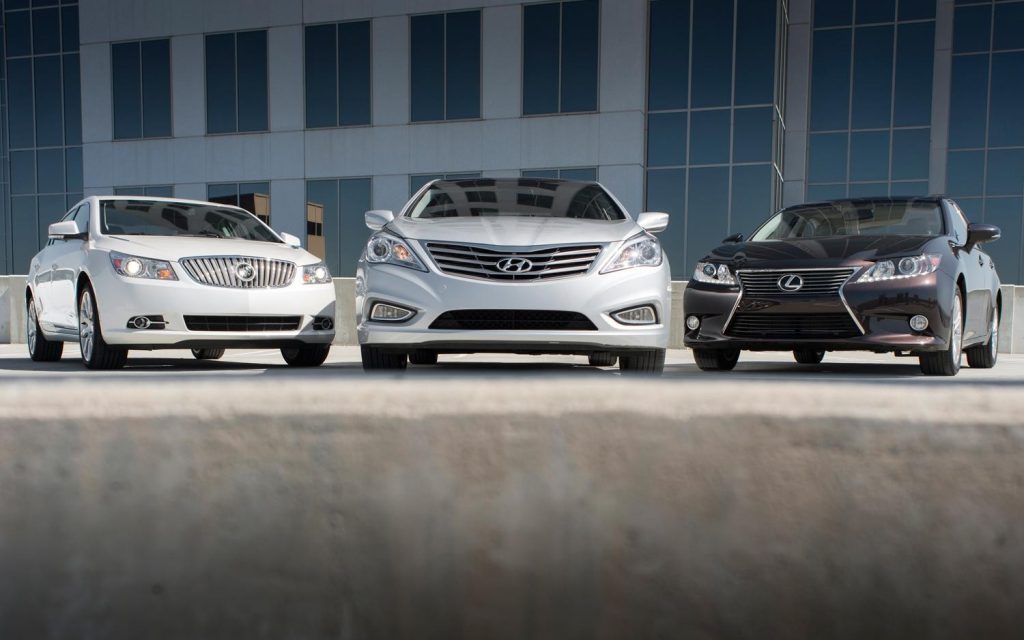
Reliability and repair affordability, it turns out, aren’t always the same thing. The picture becomes even more dramatic at the opposite end of the rankings.
European luxury brands dominate the list of most expensive automakers to maintain. Audi, BMW, Land Rover, Mercedes-Benz, Porsche, and Volvo cluster at the bottom of the affordability rankings.
Even within that group, cost differences remain substantial. Audi and BMW cost thousands of dollars less than Mercedes-Benz, Porsche, and Land Rover over a decade.
Land Rover stands out as the single most expensive brand to maintain. Its average ten-year cost reached roughly $19,250, an eye-watering figure. That number dwarfs what most mainstream buyers expect to pay for upkeep.
Buick and Lincoln’s ten-year costs equal roughly one quarter of what Land Rover owners pay. That comparison puts the American brands’ advantage into sharp perspective. BMW and Audi owners also face steep bills relative to domestic competitors.
Both approached or exceeded $9,500 to nearly $10,000 over a decade. That’s nearly double what Buick or Lincoln owners typically spend. The pattern is clear across nearly every price segment and vehicle type.
Foreign luxury brands consistently cost more to keep running than domestic ones. This isn’t a one-year anomaly, either. Lincoln’s improvement over recent years shows this is a growing trend.
In the prior year’s data, Lincoln ranked fourth with a ten-year cost of $5,040. It has since climbed into second place behind Buick. That upward trajectory suggests domestic luxury brands are strengthening their cost advantage.
Buick, meanwhile, has held onto the top spot across multiple survey cycles. Consistency like that builds real credibility with cost-conscious shoppers.
It also suggests the underlying factors driving these low costs aren’t temporary. Shared parts, simpler lineups, and strong dealer networks tend to persist year over year. That bodes well for anyone considering a Buick purchase going forward.
What This Means for Car Buyers
These findings carry real implications for anyone shopping for a new vehicle. Sticker price is only one part of the true cost of ownership. Maintenance and repair expenses accumulate steadily over years of driving.
Ignoring those costs can lead to unpleasant financial surprises down the road. The gap between brands can amount to thousands of dollars over a ten-year span. That’s money that could go toward fuel, insurance, or the next vehicle purchase.
Buyers eyeing luxury vehicles should pay especially close attention to this data. Two domestic brands now offer lower maintenance costs than every other brand, mainstream or luxury.
That’s a striking claim when you consider Buick and Lincoln’s premium positioning. It suggests shoppers don’t have to choose between luxury features and affordability.
Buick and Lincoln appear to offer a middle ground worth serious consideration. They combine upscale styling and features with mainstream-level repair costs. That combination could appeal strongly to buyers who want comfort without financial risk.
It also challenges long-held perceptions about which brands represent smart long-term value. Reliability ratings and maintenance costs don’t always move in the same direction. Toyota and Hyundai remain strong choices for buyers focused on reliability.

But reliability alone doesn’t guarantee the lowest repair bills over time. Shoppers should look at both metrics before making a final decision. Vehicle type also matters more than many buyers realize.
Sedans, hatchbacks, and small crossovers are generally the cheapest vehicles to maintain. Large body-on-frame SUVs, trucks, and sports cars carry the highest upkeep costs. Hybrids and plug-in hybrids also tend to cost more due to their dual power systems.
Buyers should factor vehicle category into their cost expectations, not just brand reputation. A truck from a “cheap” brand may still cost more than a Buick crossover. Driving habits play a role in these numbers as well.
Aggressive driving accelerates wear on brakes, tires, and other key components. Gentler driving habits can help any vehicle stay cheaper to maintain over time. Buyers should keep this in mind regardless of which brand they choose.
Checking reliability forecasts before buying remains a smart additional step. A brand with low average repair costs can still have unreliable individual models. Looking at both maintenance costs and predicted reliability gives a fuller picture.
Insurance premiums are another factor worth checking before finalizing a purchase. Total ownership cost includes more than just maintenance and repair bills. Combining all these factors leads to smarter, more informed buying decisions.
For now, the data sends a clear message to American car shoppers. Buick and Lincoln have quietly built a genuine cost advantage. That advantage spans both early ownership years and the long haul.
Shoppers who overlook these brands may be missing real savings. Meanwhile, buyers drawn to European luxury nameplates should budget accordingly. Those brands may deliver strong performance and prestige, but at a real financial cost.
Understanding these trade-offs before signing a purchase agreement can prevent regret later. In the end, total cost of ownership tells a more complete story than sticker price alone. Buick’s position atop this list may not change buyers’ minds overnight.
But it does offer a compelling reason to take a second look at the brand. For anyone planning to keep a vehicle for a decade or more, that matters. Low maintenance costs add up to real, tangible savings over time. That’s a factor worth weighing carefully before any major purchase decision.
