

Car insurance costs vary wildly depending on where you live, and three states consistently sit at the top of the list. Maryland, Nevada, and Michigan carry the heaviest full-coverage premiums in the entire country.
Drivers in these states often pay two to three times more than the national average. That gap isn’t random. Each state has its own mix of legal structure, traffic density, weather exposure, and driver behavior. These factors combine to push premiums far above what most Americans pay.
Maryland’s high costs come from dense urban corridors and costly litigation trends. Nevada’s rates are driven by rapid population growth and rising accident and theft numbers. Michigan’s premiums trace back to its unique no-fault insurance system and historically generous medical coverage rules.
Understanding why these three states lead the pack helps drivers make sense of their bills. It also offers useful context for anyone considering a move or shopping for new coverage.
This article breaks down what makes each state so expensive. It also looks at the broader forces shaping the national insurance market in 2026. By the end, you’ll have a clearer picture of why some zip codes cost so much more to insure than others.
Why Maryland Tops the List
Maryland has become the single most expensive state in the country for full-coverage car insurance. Annual premiums now average well over $4,000, translating to roughly $349 per month for a typical driver.
That figure is more than 40% above the national average. Few other states come close to matching Maryland’s price tag. Part of the problem is geography. The Baltimore-to-D.C. corridor is one of the most congested stretches of road in America.
Heavy traffic means more fender-benders, more claims, and more payouts from insurers. Those costs eventually get passed back to policyholders in the form of higher premiums.
Repair costs have also climbed sharply in recent years. Modern vehicles are packed with sensors and electronics that are expensive to fix after even minor collisions.
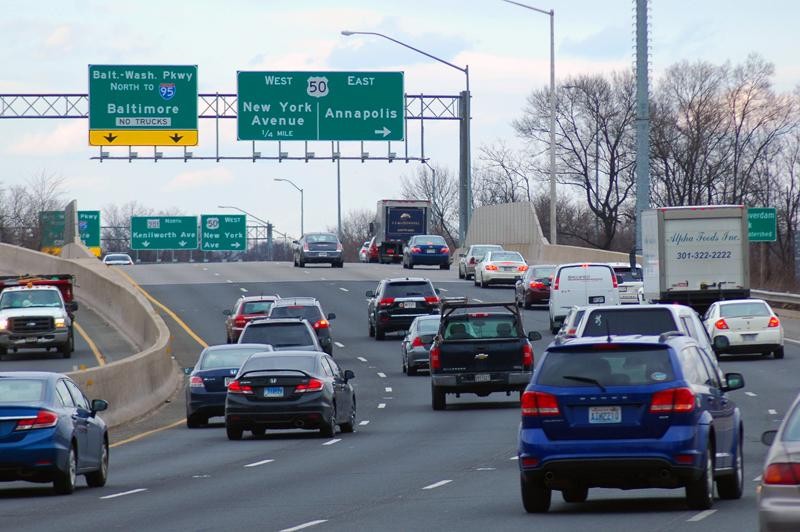
Maryland’s dense suburban sprawl amplifies this issue. More cars packed into tighter spaces naturally means more fender-benders and higher claim frequency.
Litigation culture plays a role as well. Maryland allows relatively generous personal injury claims, which increases the payouts insurers must budget for.
This legal environment pushes liability premiums higher across the board. Insurers price in the expectation of costly settlements before a policy is even written.
Uninsured and underinsured motorist coverage is another factor. Maryland requires higher minimum limits than many other states, which adds to the baseline cost of every policy.
Drivers can’t opt out of these protections easily. That mandatory coverage floor keeps average premiums raised even for careful drivers. Interestingly, Maryland is one of several states that bans the use of credit scores in setting auto insurance rates. That’s typically seen as consumer-friendly.
But it also means insurers can’t use credit history to identify lower-risk customers. Without that tool, insurers often price policies more conservatively across the board.
Rate increases have been especially steep recently. Maryland saw one of the largest dollar increases of any state in the past year, driven by rising repair costs and accident frequency in its major metro areas.
That trend doesn’t appear to be reversing anytime soon. Analysts expect Maryland to remain at or near the top of national rankings for the foreseeable future.
Young drivers and those with prior violations face the steepest costs. A driver under 25 in Maryland can easily pay double what an experienced, violation-free driver pays for the same coverage.
Location within the state matters too. Drivers in Baltimore City or Prince George’s County typically pay significantly more than those in rural western Maryland.
This urban-rural divide is common across the country. But Maryland’s divide is sharper than most, given how much of its population is concentrated in high-traffic corridors.
Insurers also weigh Maryland’s weather exposure, though it’s less severe than hurricane-prone states. Winter storms and occasional flooding still contribute to comprehensive claim costs.
Taken together, these factors create a perfect storm of pricing pressure. Traffic, litigation, mandatory coverage limits, and repair costs all stack on top of each other.
For Maryland drivers looking to reduce costs, comparison shopping remains the most effective tool. Rates can vary by hundreds of dollars between insurers for identical coverage.
Bundling home and auto policies, maintaining a clean driving record, and adjusting deductibles can also help. But even with discounts, Maryland drivers will likely keep paying more than most of the country.
Nevada’s Growing Traffic and Theft Problem
Nevada isn’t far behind Maryland in the rankings, and by some measures, it actually leads the nation. Monthly premiums in Nevada regularly exceed $300, with some data putting the state at the very top of the list.
The primary driver is population growth. Nevada has been one of the fastest-growing states in America for over a decade, and its road infrastructure hasn’t always kept pace.
Las Vegas and Reno have both seen explosive development. More residents and more visitors mean more vehicles competing for the same limited road space.
That congestion translates directly into more accidents. Insurers respond to rising claim frequency by raising premiums across the board, even for drivers who’ve never filed a claim.
Vehicle theft is another major contributor. Nevada consistently ranks among the top states in the country for auto theft rates, trailing only Washington, D.C. and California.
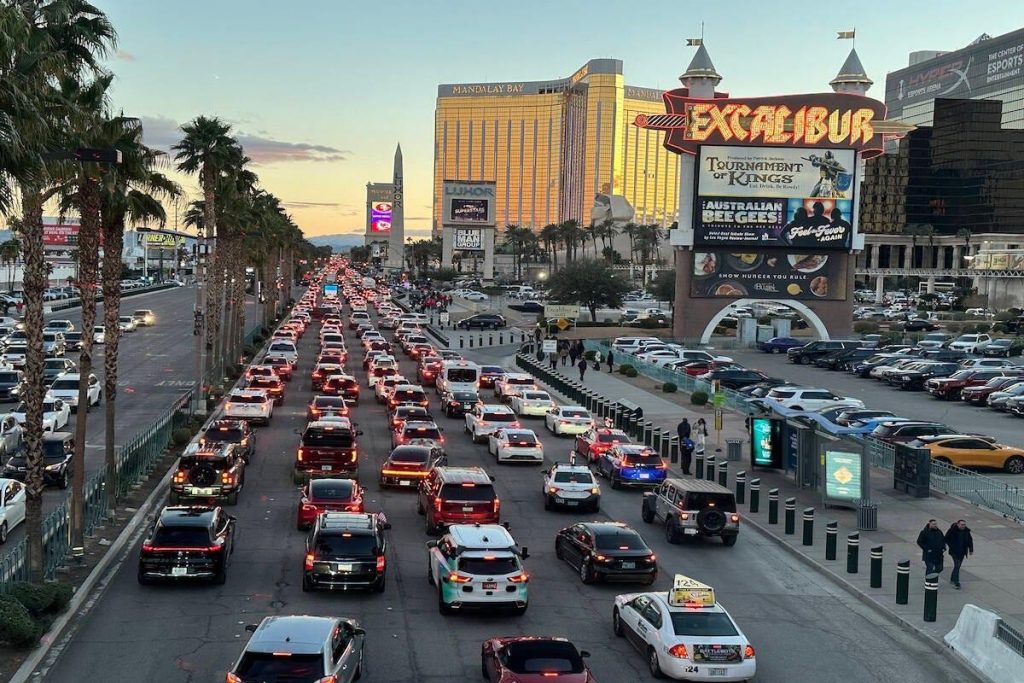
Stolen vehicles generate comprehensive coverage claims, and those claims add up quickly across an entire state. Insurers price this risk into every policy sold in Nevada, not just those in high-theft neighborhoods.
Las Vegas in particular has become a hotspot for vehicle theft in recent years. That reputation follows the entire state when insurers calculate risk pools.
DUI rates also factor heavily into Nevada’s pricing. The state has one of the higher average DUI arrest rates in the country, and that behavior correlates strongly with accident severity.
Insurers treat DUI-related risk as a statewide concern, not just an individual one. Higher arrest rates across the population push baseline premiums upward for everyone.
Litigation and legal costs have been rising in Nevada as well. Personal injury claims tied to auto accidents have grown more expensive to settle, mirroring trends seen in other litigation-heavy states. This puts additional pressure on liability coverage costs. Insurers must budget for larger average payouts when pricing bodily injury protection.
Unlike many states, Nevada didn’t see rates fall much in the most recent annual data. While a majority of states saw at least modest decreases, Nevada bucked that trend and held steady or climbed. That resistance to the broader downward trend is notable. It suggests the underlying cost drivers in Nevada are structural rather than temporary.
Urban density plays a role too. Nevada is one of the more urbanized states in the country, with the vast majority of its population concentrated in just a couple of metro areas.
That concentration mirrors what happens in Maryland’s D.C. corridor. Dense populations mean more opportunities for collisions per mile driven. Tourism adds another layer of complexity. Millions of out-of-state visitors drive rental cars and unfamiliar roads in Las Vegas every year, contributing to accident statistics that resident drivers ultimately help pay for through higher rates.
Weather is a smaller factor here compared to hurricane states, but Nevada isn’t immune. Flash flooding and extreme heat can both contribute to vehicle damage and mechanical claims.
For Nevada residents, the good news is that rates can vary significantly by insurer. Shopping around remains one of the most effective ways to soften the blow of the state’s high baseline costs.
Rural areas of Nevada, particularly outside the Las Vegas and Reno metro zones, tend to see meaningfully lower premiums. Drivers with flexibility in where they live can sometimes save substantially.
Still, for most Nevada residents tied to the state’s two major cities, high premiums are likely to remain a fact of life. The combination of growth, theft, and traffic isn’t going away soon.
Michigan’s No-Fault System Keeps Costs High
Michigan’s situation is unique among the three states, rooted almost entirely in its legal insurance structure. The state operates under a no-fault system, which fundamentally changes how claims and payouts work.
Under no-fault rules, drivers’ own insurance pays for their injuries regardless of who caused the accident. This was designed to reduce lawsuits, but it also created some of the highest medical coverage requirements in the country.
For decades, Michigan required unlimited personal injury protection, meaning insurers had to cover medical costs from an accident with no cap. That open-ended liability made Michigan uniquely expensive.
Insurers had to price policies assuming worst-case scenarios. A single catastrophic accident could result in millions of dollars in lifetime medical costs, all covered under one policy.
Lawmakers passed reforms in 2019 aimed at reducing these costs. Drivers gained the option to choose lower PIP coverage limits instead of the old unlimited requirement.
Those reforms have helped stabilize rates somewhat. Recent data shows Michigan’s year-over-year rate changes have been far smaller than in previous years, suggesting the reforms are having their intended effect.
Even so, Michigan remains one of the most expensive states in the country. Average annual premiums still regularly exceed $3,000, and some data sets place Michigan even higher than Nevada.
The lingering high costs stem from the state’s insurance market structure. Even with capped PIP options, Michigan’s baseline medical and legal framework remains more expensive than most no-fault alternatives elsewhere.
Michigan is one of just twelve states that use a no-fault system at all. No-fault states as a group tend to carry higher average premiums than states using traditional fault-based liability systems.
That’s because no-fault systems shift more financial responsibility onto insurers directly, rather than relying on lawsuits between at-fault and not-at-fault drivers. Insurers price that shifted risk into every policy.
Urban centers like Detroit have historically carried some of the highest individual rates in the entire country. Fraud, high accident rates, and dense city traffic all combined to make Detroit uniquely costly, even within an already expensive state.
Reforms have targeted fraud specifically, since fraudulent medical claims were seen as a major driver of Michigan’s sky-high premiums. Early results suggest fraud-focused legislation is helping bring costs down gradually.
Michigan’s rate changes have been more volatile than Maryland’s or Nevada’s in recent years. The state saw a notable increase in one recent year even as most of the country trended downward, highlighting how sensitive Michigan’s market remains to policy and legal shifts.
Credit score bans are another shared trait between Michigan and Maryland. Michigan also prohibits insurers from using credit history to set rates, removing a tool many other states rely on to differentiate risk.
Without that pricing lever, Michigan insurers lean more heavily on other rating factors. Location, driving history, and vehicle type all carry more weight in determining a Michigan driver’s final premium.
Weather also plays a modest role. Michigan winters bring snow and ice-related accidents that add to comprehensive and collision claim volumes each year.
Detroit and other urban areas continue to see the highest premiums within the state. Rural Michigan drivers typically pay noticeably less, similar to the urban-rural divide seen in both Maryland and Nevada.
For Michigan drivers, understanding PIP coverage options is the single most important cost-saving step available. Choosing a lower medical coverage tier, where health insurance already provides adequate protection, can meaningfully reduce premiums.
Comparison shopping remains valuable here too, just as in Maryland and Nevada. Rates between insurers in Michigan can differ substantially even for otherwise identical drivers and vehicles.
Looking ahead, Michigan’s trajectory will likely depend on how well its 2019 reforms continue to hold. If fraud reduction efforts keep working, rates could gradually drift closer to the national average over time.
Until then, Michigan will likely remain grouped alongside Maryland and Nevada near the top of national cost rankings. Its no-fault legacy continues to shape its insurance market more than any other single factor.
Together, these three states illustrate how differently local laws, geography, and driver behavior can shape insurance costs. What binds them is a combination of dense population centers, legal frameworks that increase payout risk, and rising repair and medical costs nationwide.
For drivers in these states, the path to savings isn’t eliminating these structural factors, since most are outside individual control. It’s about maximizing discounts, comparing insurers regularly, and choosing coverage levels that match actual need rather than defaulting to the most expensive option available.
