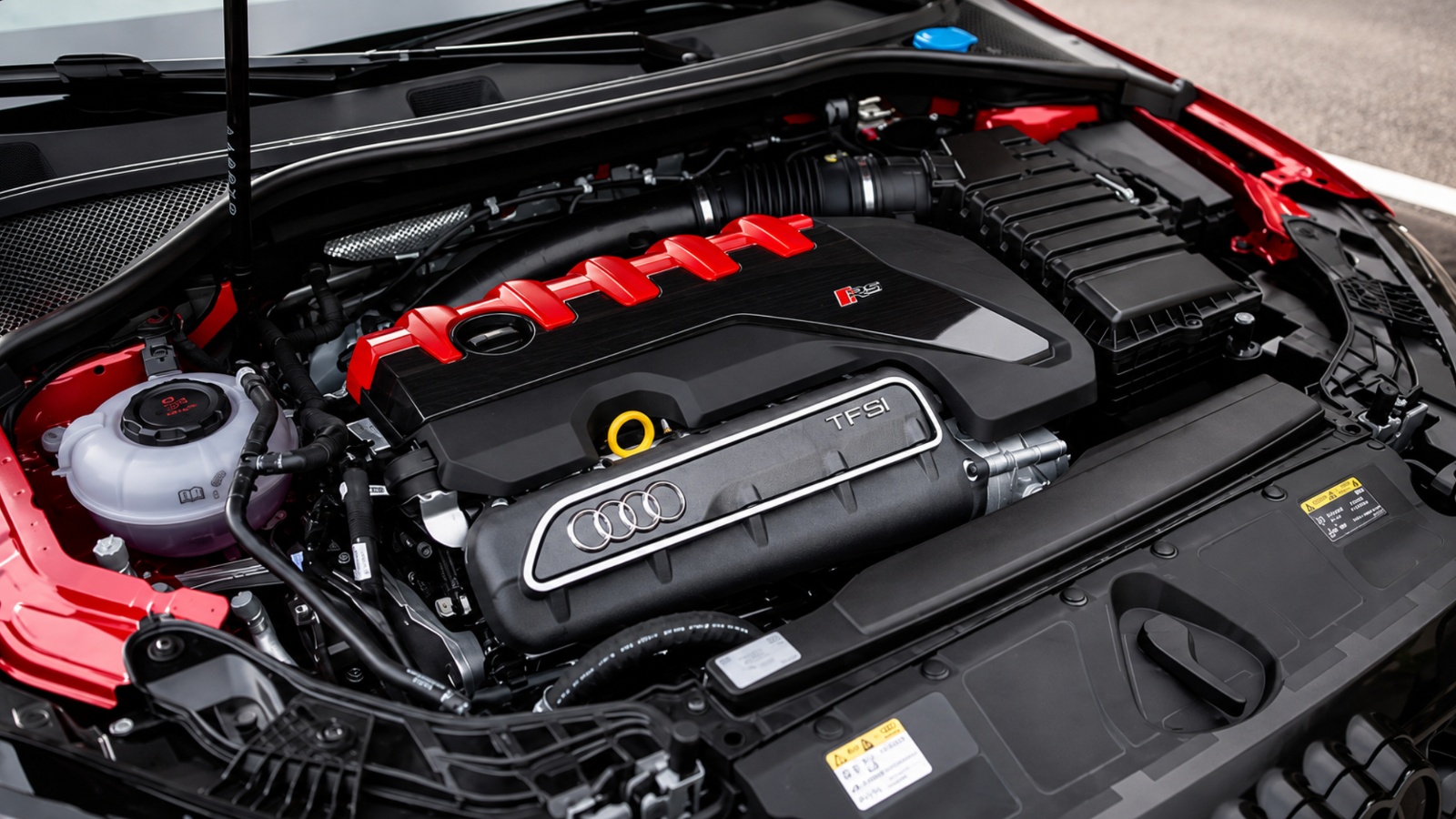
Audi’s widespread adoption of FSI and TFSI direct injection helped its engines produce stronger performance, better fuel control, and impressive efficiency. However, direct injection also introduced a maintenance issue that became familiar to many owners of older Audi engines: carbon buildup on the intake valves.
Because gasoline is sprayed directly into the combustion chamber instead of passing over the intake valves, fuel no longer provides the same natural cleaning effect found in conventional port-injected engines.
Oil vapor from the crankcase ventilation system and other contaminants can gradually coat the intake valves with hardened deposits. When buildup becomes substantial, symptoms may include rough cold starts, hesitation, misfires, uneven idle, and reduced performance.
Professional cleaning often involves removing the intake manifold and mechanically cleaning or walnut-blasting the valves. Depending on engine complexity and local labor rates, the service can approach or exceed $1,000. These eight Audi engines are among the ones where carbon cleaning deserves particular attention.
1. 2.0-Liter TFSI EA113
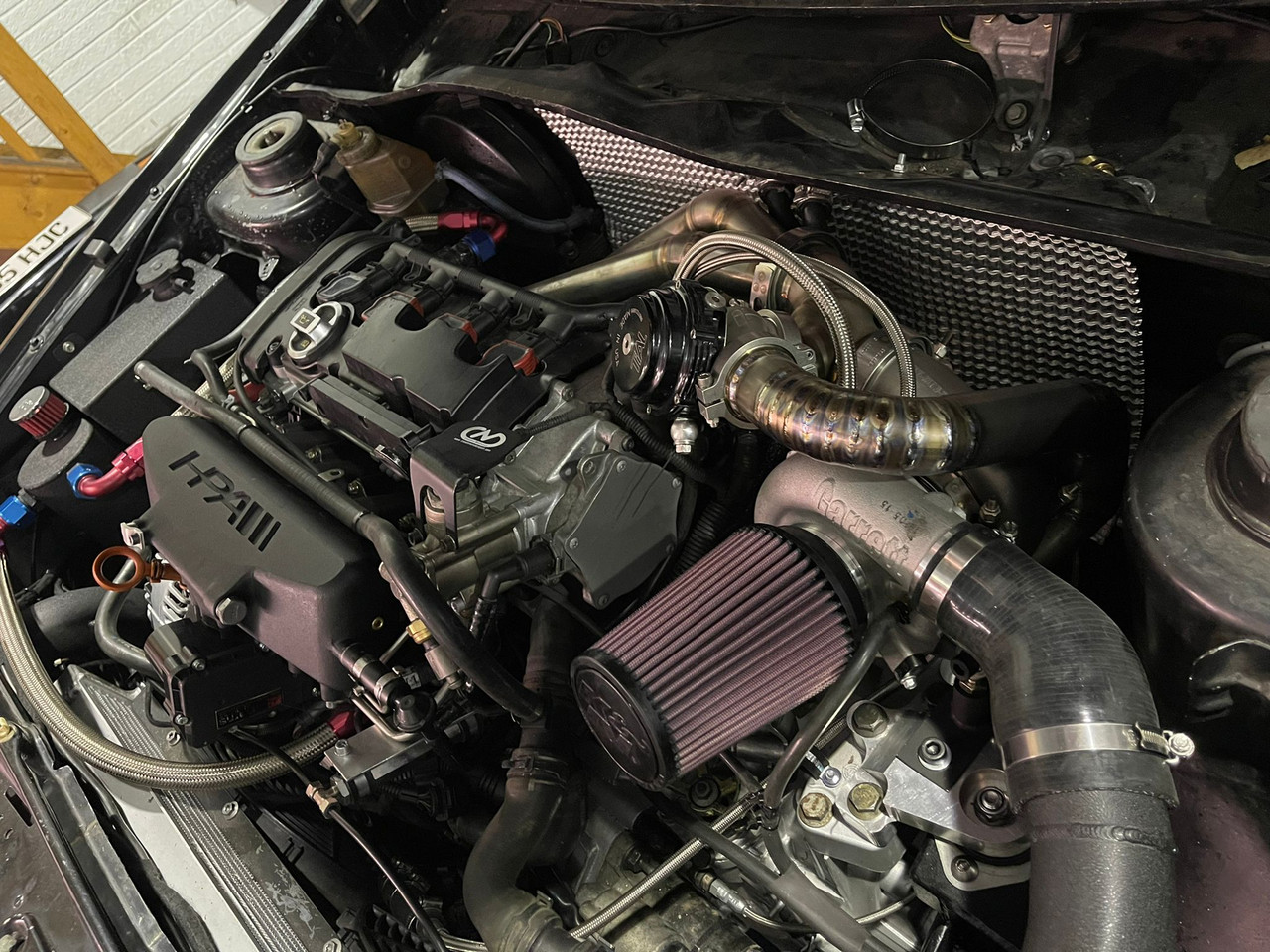
The 2.0-liter TFSI EA113 was one of Audi’s most important early turbocharged direct-injection engines. It combined a compact four-cylinder layout with FSI technology and turbocharging, producing strong torque while maintaining relatively modest fuel consumption.
Its performance helped establish the formula Audi would continue using across much of its future lineup. Unfortunately, the EA113 also became one of the engines most frequently associated with intake-valve carbon accumulation.
The underlying problem comes from the engine’s direct-injection design. Fuel is delivered directly into each combustion chamber rather than being sprayed into the intake port. That allows Audi to control combustion precisely, but it also means gasoline never regularly washes over the backs of the intake valves.
Meanwhile, the crankcase ventilation system introduces small quantities of oily vapor into the intake tract. Over tens of thousands of miles, this material can stick to the hot valve surfaces and gradually harden.
Early symptoms can be subtle. The engine might hesitate slightly when cold, idle inconsistently for the first few seconds after startup, or feel less responsive than it once did. As deposits become thicker, misfire codes can appear, particularly during cold operation. Loss of airflow can also reduce performance at higher engine speeds.
Pouring fuel-system cleaner into the gas tank generally cannot remove intake-valve deposits on a direct-injected engine because the treated fuel never reaches those surfaces. Proper cleaning commonly requires intake manifold removal followed by mechanical scraping or walnut-shell blasting.
Because the EA113 is comparatively accessible, it is not Audi’s most expensive engine to clean, but specialist-shop labor, seals, and related service can still push the total near $1,000, especially when heavy buildup requires considerable cleaning time.
2. 2.0-Liter TFSI EA888 Gen 2
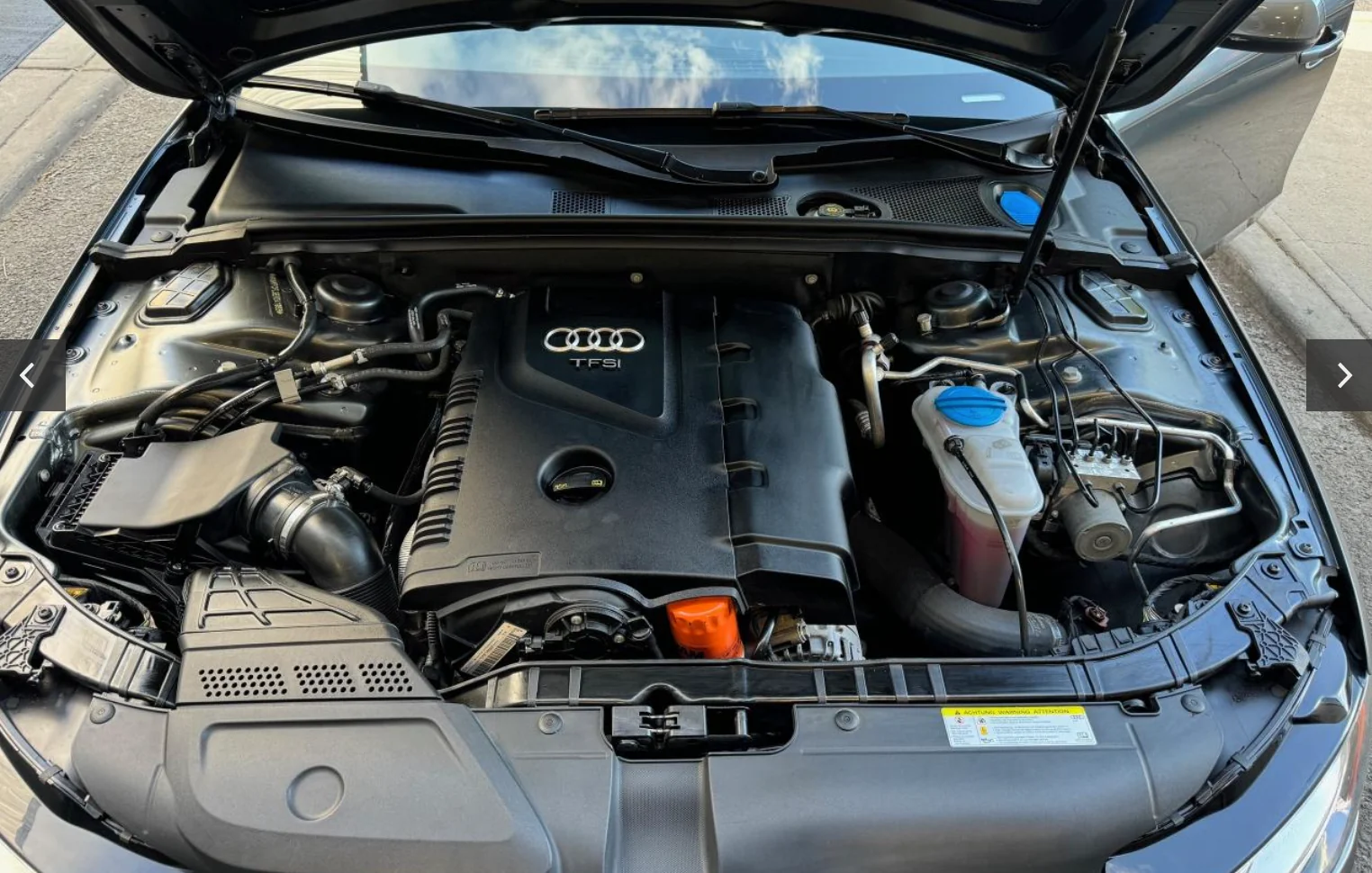
The second-generation EA888 2.0 TFSI brought important improvements over Audi’s earlier four-cylinder turbo engines, but carbon buildup remained a concern. Direct injection continued to provide excellent combustion control and strong low-speed torque, yet it retained the same fundamental condition that encourages intake deposits: gasoline is injected after the intake valves rather than before them.
During normal operation, the engine’s crankcase ventilation system handles blow-by gases that escape past the piston rings. Those gases contain traces of oil vapor. Rather than releasing them into the atmosphere, the system routes them back into the intake so they can be burned. This is necessary for emissions control, but it also exposes the intake tract and valves to oily residue.
The process happens gradually. A small amount of residue is unlikely to cause noticeable problems, but repeated heat cycles can bake deposits onto the intake valves. Over time, thick carbon formations can disrupt airflow into the cylinders. That can be particularly noticeable during cold starts, when combustion conditions are less forgiving.
Owners may notice an uneven idle, hesitation under acceleration, slightly poorer throttle response, or recurring misfires. However, these symptoms should not automatically be blamed on carbon.
Spark plugs, ignition coils, injectors, vacuum leaks, and crankcase ventilation faults can create very similar behavior. A competent Audi specialist will usually diagnose those possibilities and, when appropriate, inspect the valves with a borescope before recommending cleaning.
If heavy deposits are found, physical cleaning remains the most effective solution. Walnut-shell blasting is widely used because the media can remove hardened material while minimizing the risk of damage when the procedure is performed correctly.
The EA888 four-cylinder is less complicated to access than Audi’s V6, V8, or V10 engines, but manifold removal and detailed cleaning still require substantial labor. At higher shop rates, a complete service including seals and reassembly can reach the $1,000 range.
3. 3.2-Liter FSI V6
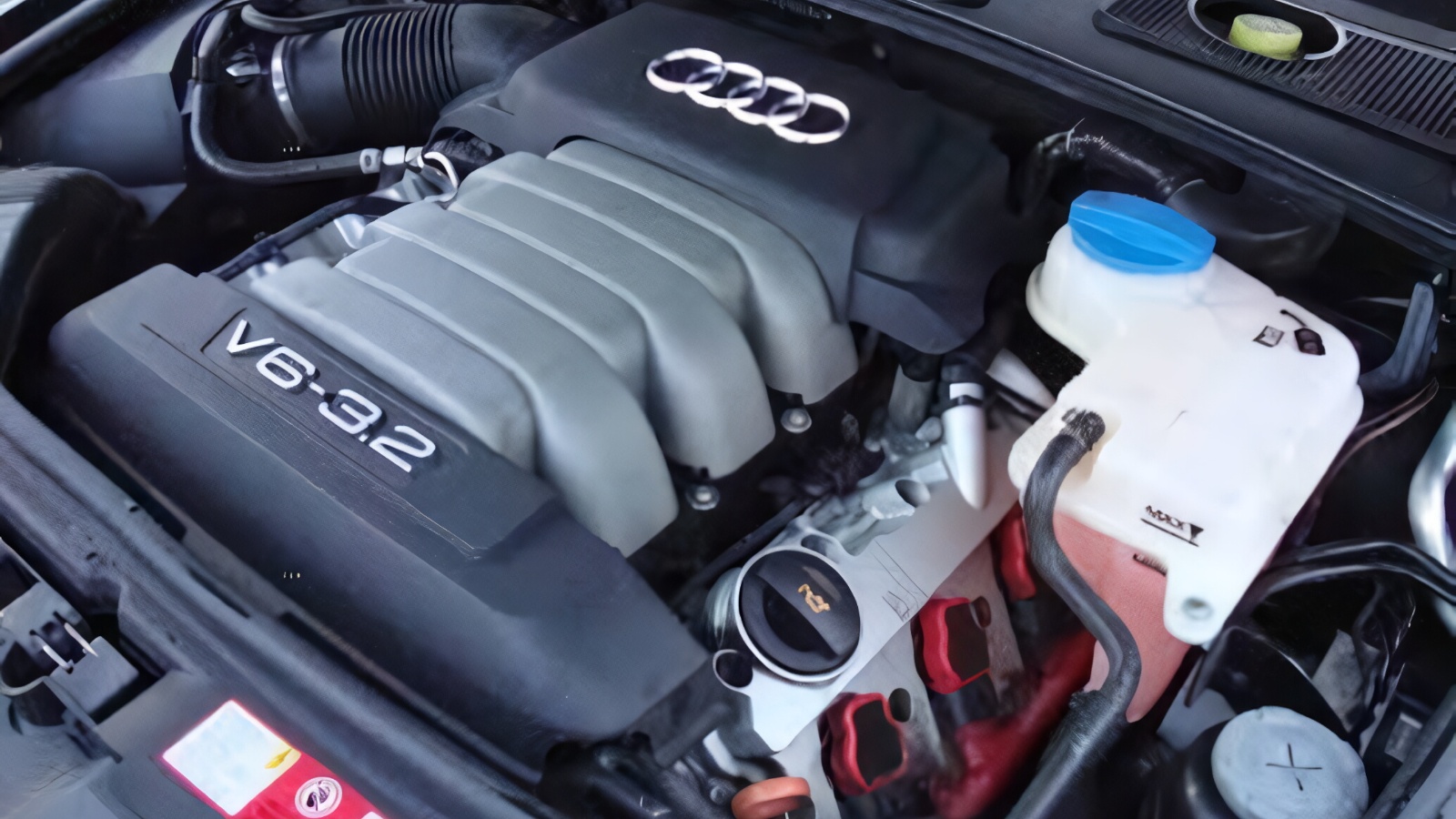
Audi’s 3.2-liter naturally aspirated FSI V6 demonstrates that intake-valve carbon buildup is not simply a turbocharger-related issue. The more important factor is direct fuel injection. Even without forced induction, this six-cylinder engine injects gasoline directly into the combustion chamber, leaving the intake valves without the regular cleaning effect that port-injected engines receive.
Oil mist and other contaminants entering through the crankcase ventilation system can collect on the valve stems and backs of the valves. The heat produced during normal operation helps transform the residue into increasingly hard deposits. Because there are six cylinders and multiple intake valves to service, removing the accumulation can become considerably more labor-intensive than it is on a four-cylinder engine.
Drivers may initially notice that the engine does not feel quite as smooth when started cold. The idle may fluctuate briefly, or an occasional misfire may occur before the engine warms. As buildup becomes more severe, hesitation and reduced engine response can become more noticeable.
Carbon can also develop in other parts of some FSI engines, including secondary-air passages. That is a different issue from intake-valve buildup, but the presence of multiple carbon-sensitive systems illustrates why diagnosis is important. An emissions-related secondary-air fault should not automatically be treated as proof that the intake valves themselves require cleaning.
When valve deposits are suspected, direct inspection is preferable to replacing parts unnecessarily. Once significant buildup is confirmed, the intake manifold must generally be removed so each cylinder’s valves can be accessed.
The additional cylinders and more crowded packaging mean labor costs can climb quickly. Replacing intake seals and other inexpensive components while everything is apart may also increase the invoice slightly but can be worthwhile. Depending on the region and labor rate, a thorough cleaning of the 3.2 FSI can easily approach $1,000, especially at a specialist European repair shop.
4. 3.0-Liter Supercharged TFSI V6
The 3.0-liter supercharged TFSI V6 earned a reputation as one of Audi’s stronger modern performance engines. Its mechanically driven supercharger provides immediate response, while direct injection helps the engine maintain precise fuel delivery across a broad range of conditions. The combination is effective, but the direct-injection system means intake-valve deposits can still develop as mileage increases.
The layout makes cleaning particularly interesting. Important intake hardware is positioned beneath and around the supercharger assembly, so accessing the intake ports requires more disassembly than it would on a simple four-cylinder engine. That increases labor time before the technician even begins removing carbon.
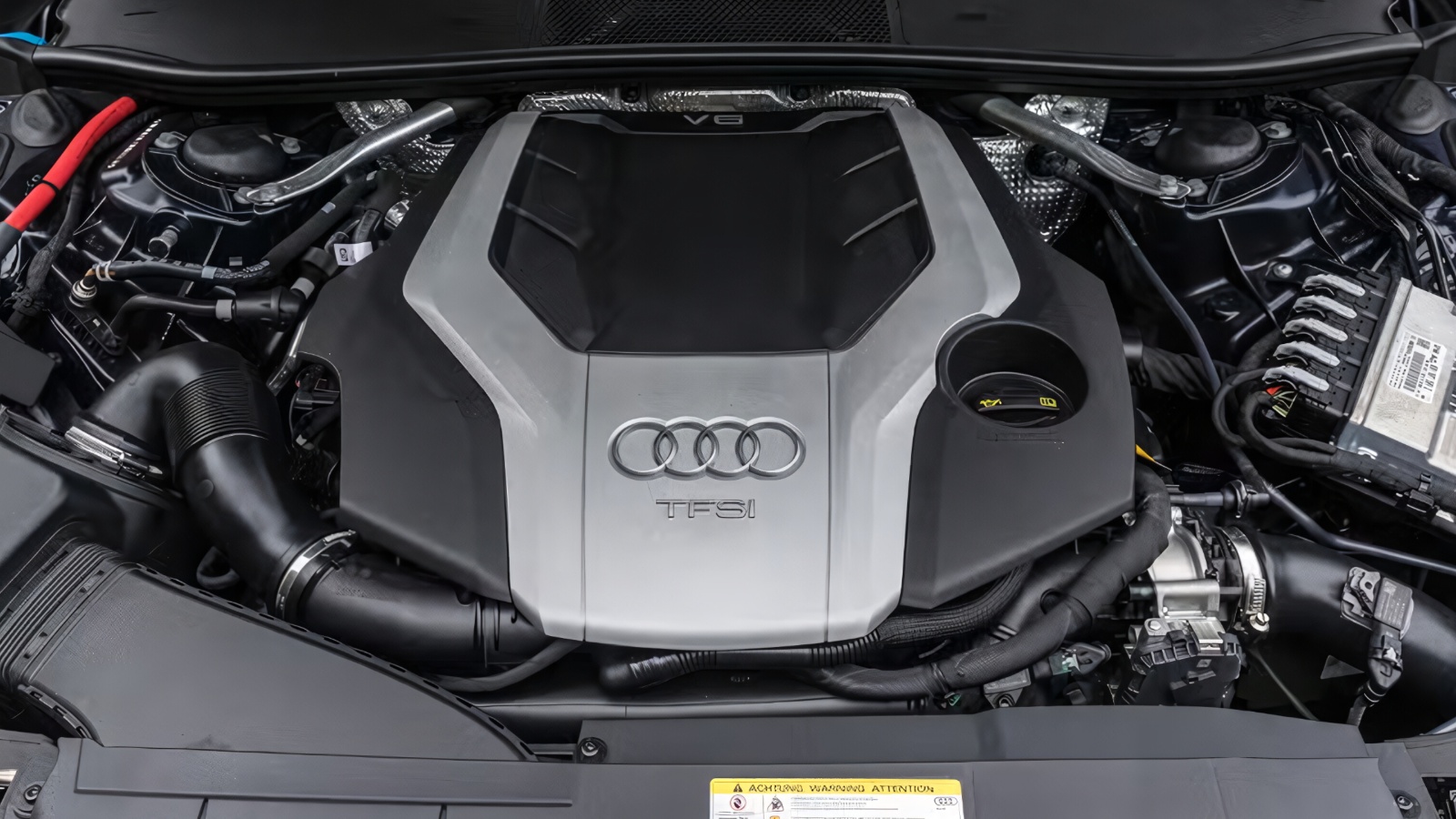
As with Audi’s other direct-injected engines, crankcase gases are an important contributor. Minute quantities of oil suspended in those gases travel through the intake system. When they contact the intake valves, residue can adhere to the surfaces. Repeated exposure and engine heat eventually produce hardened deposits.
Symptoms vary according to severity. Some engines may accumulate visible carbon without producing obvious drivability problems. Others may develop rough cold starts, intermittent misfires, less consistent idle quality, hesitation, or a gradual decrease in responsiveness.
Owners should resist treating carbon cleaning as an automatic maintenance interval. There is no single mileage at which every 3.0 TFSI suddenly requires the procedure. Driving conditions, oil consumption, ventilation-system condition, maintenance history, and many other factors affect the rate of buildup.
Diagnosis is therefore essential. Misfires can originate from ignition components, injectors, vacuum leaks, compression problems, or other causes. If inspection confirms major deposits, the intake system can be disassembled and the valves mechanically cleaned.
The complexity of accessing six cylinders beneath the supercharger is one reason this service can become expensive. With several hours of labor, cleaning materials, gaskets, and reassembly, the final cost can readily reach or exceed $1,000 at a specialist repair facility.
Also read: 10 Engines With Almost No Reported Catastrophic Failures
5. 4.2-Liter FSI V8 BNS
The 4.2-liter FSI BNS V8 is perhaps one of the Audi engines most closely associated with enthusiast discussions about carbon buildup. This naturally aspirated, high-revving engine relies heavily on excellent airflow to deliver its performance, making restriction around the intake valves particularly undesirable.
Its direct-injection system sends fuel straight into each combustion chamber. That provides precise fuel metering and supports high specific output, but it also removes the intake-valve washing action present in conventional port injection. Any oil mist or residue entering through the ventilation system can therefore remain on the valves.
Over time, the deposits may become surprisingly substantial. The carbon does not necessarily form evenly across every cylinder, either. Some valves may remain relatively clean while others collect thick, irregular material. That can contribute to differences in airflow between cylinders.
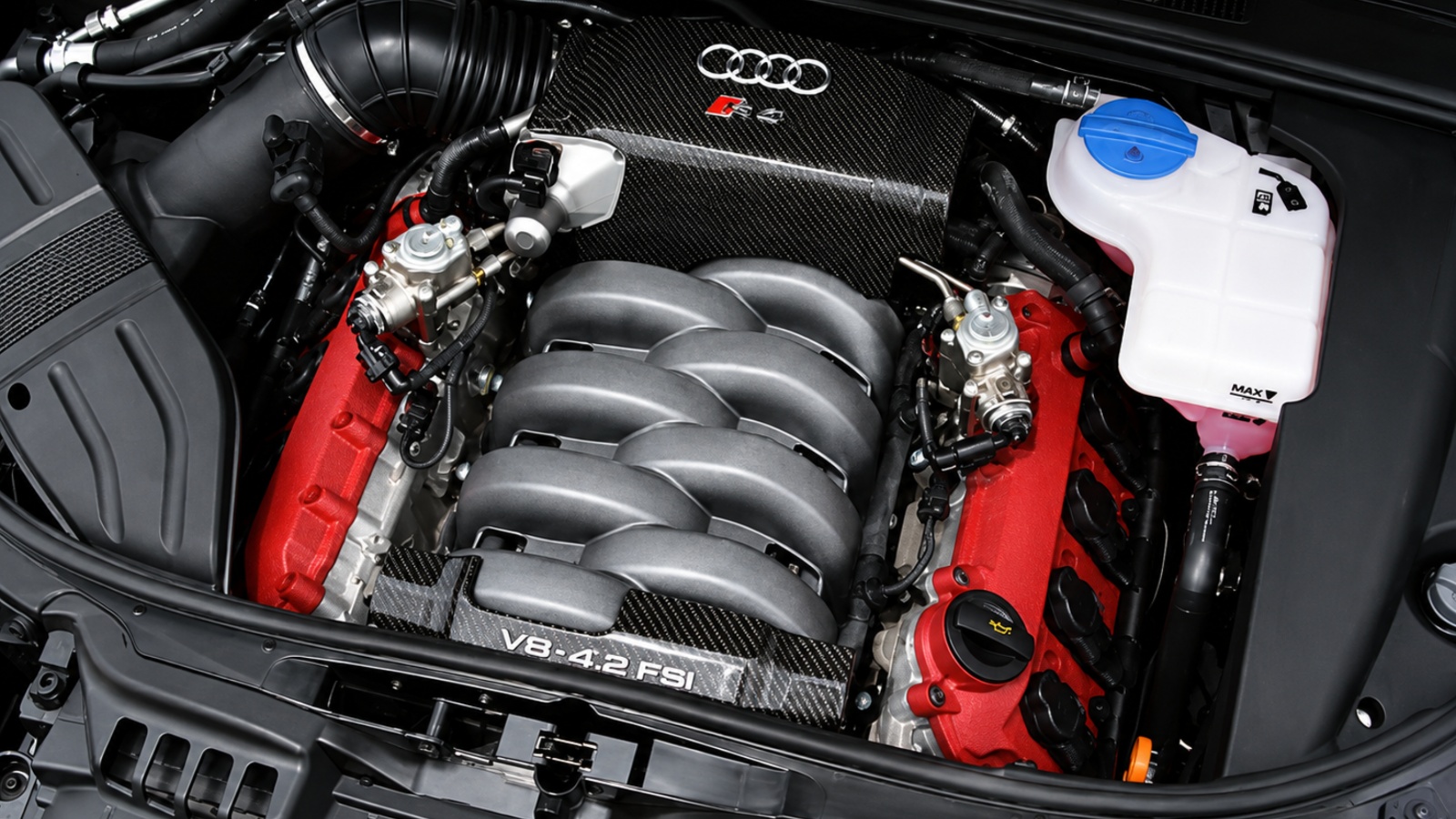
A driver may notice reduced top-end performance before experiencing an obvious malfunction. Because this engine is designed to breathe efficiently at high rpm, even moderate restrictions can affect the way it feels near the upper end of the rev range. Cold-start roughness, hesitation, and misfire faults may occur when contamination becomes more severe.
Cleaning an eight-cylinder engine is naturally more involved than cleaning a four-cylinder unit. Once the intake manifold has been removed, each intake port must be addressed individually. Technicians generally rotate the engine so the valves being cleaned are fully closed, preventing material from entering the cylinder. Walnut-shell blasting or careful mechanical cleaning can then remove the deposits.
Reassembly requires attention to seals, vacuum connections, and intake components. Because sixteen intake valves must be dealt with, the labor involved can easily justify a four-figure bill.
For this engine in particular, budgeting around $1,000 or more for a professional carbon cleaning is reasonable when significant buildup has been confirmed. It should still be performed according to condition rather than treated as a guaranteed fixed-mileage service.
6. 4.2-Liter FSI V8 CAUA
Another Audi engine deserving attention is the 4.2-liter FSI V8 in the CAUA family. Although it shares its basic displacement with other Audi 4.2-liter engines, it represents a different application and calibration. Nevertheless, its direct-injection architecture creates the same underlying circumstances that can allow intake-valve deposits to form.
Fuel-system cleaners are often misunderstood in situations like this. Adding a detergent to the gasoline may help with certain injector or combustion-chamber deposits, but the fuel in an FSI engine is delivered downstream of the intake valves. That means the cleaner never directly washes the backs of those valves. Once substantial hardened deposits have accumulated there, physical cleaning is usually necessary.
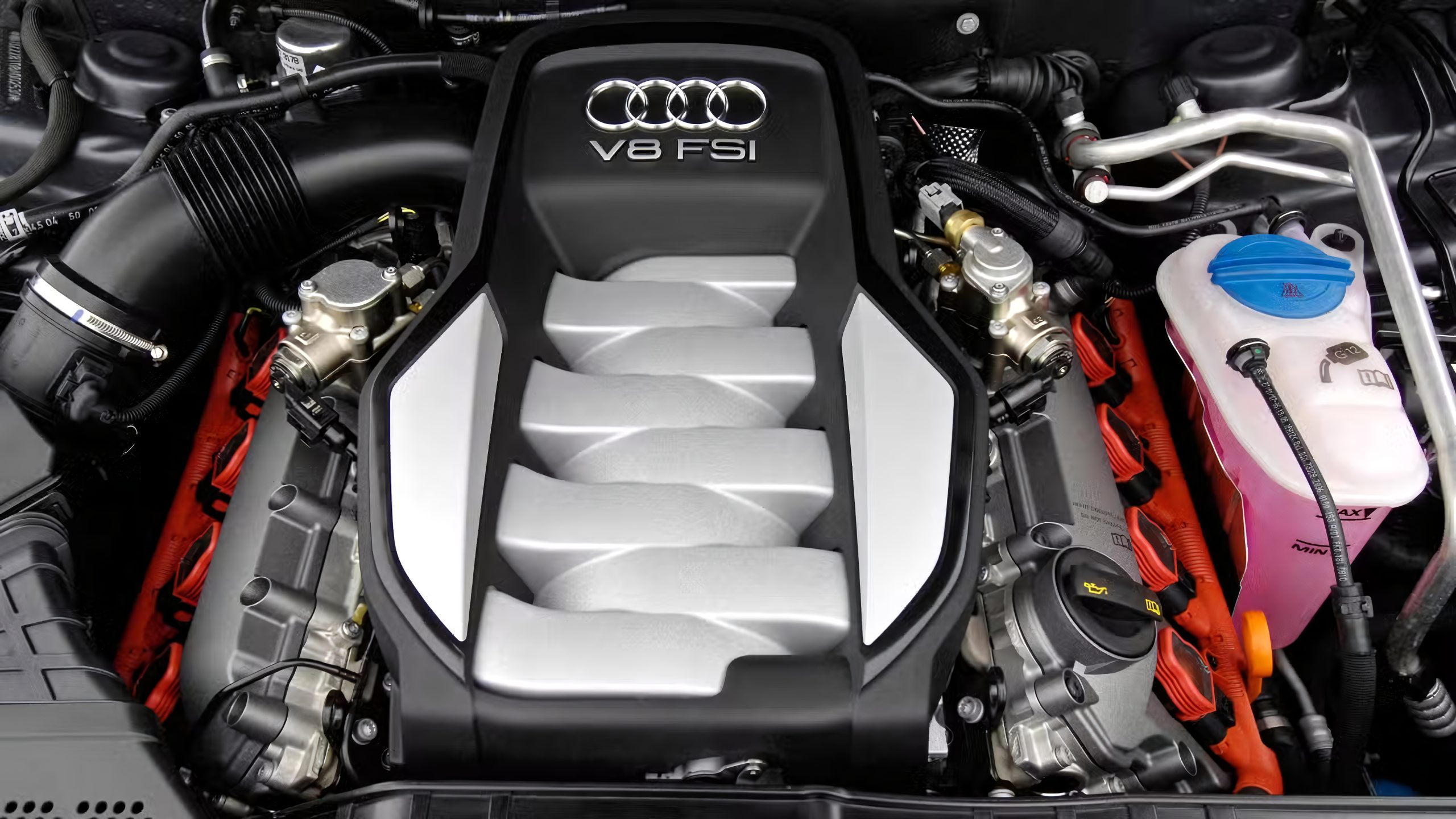
The earliest signs may include a rougher-than-normal cold start or slightly inconsistent idle. Drivers may also report hesitation or a gradual decrease in the crisp throttle response they expect from a naturally aspirated V8. If deposits become severe enough to interfere with cylinder filling, misfire codes can appear.
However, diagnosis becomes especially important on an older V8. Spark plugs and coils, vacuum leaks, injectors, intake-system problems, and other age-related faults can all mimic carbon-buildup symptoms. Spending approximately $1,000 on cleaning without confirming the condition could therefore fail to correct the actual problem.
When deposits are confirmed, the intake manifold has to be removed and all affected valve ports cleaned. The sheer number of intake valves increases the amount of time required. Technicians must also carefully control cleaning debris so none enters an open cylinder.
Once labor, seals, cleaning media, and reassembly are considered, a bill close to $1,000 is entirely plausible. In higher-cost markets it can be more. For anyone maintaining an older Audi 4.2 FSI, evidence of past carbon cleaning can therefore be a valuable part of the service history.
7. 5.2-Liter FSI V10
Audi’s 5.2-liter FSI V10 turns an ordinary carbon-cleaning job into a much larger undertaking simply because of its size and complexity. With ten cylinders and twenty intake valves, it offers considerably more surfaces on which deposits can accumulate and considerably more components for a technician to access.
The same direct-injection principle applies. Gasoline enters directly into the combustion chambers rather than flowing through the intake ports. This allows sophisticated control of fuel delivery, but the intake valves do not benefit from a continuous fuel wash.
At the same time, the crankcase ventilation system still has to route blow-by gases back into the intake. Those gases can contain oil vapor and other contaminants. When residue repeatedly reaches hot intake components, it can gradually adhere and harden.
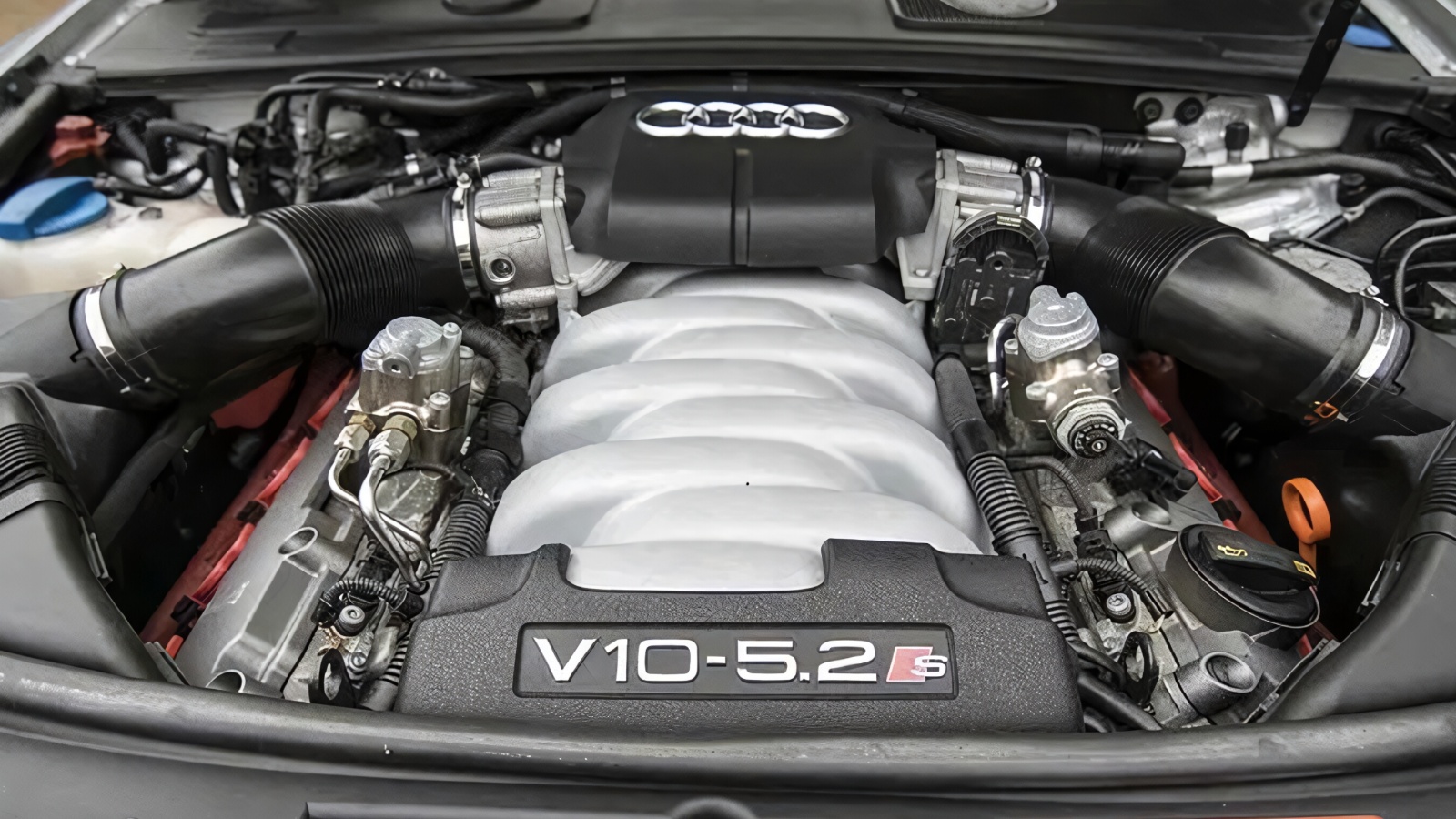
A mild buildup may have little noticeable effect, but thick deposits can disrupt airflow and contribute to an uneven idle, cold-start misfires, hesitation, or decreased performance. On a V10, even diagnostic work can become expensive, which makes it particularly important not to assume that every drivability problem is caused by carbon. Ignition components, injectors, vacuum leaks, sensors, and mechanical faults should all be considered.
If the intake valves are confirmed to be heavily contaminated, cleaning becomes a labor-intensive process. The intake system must be disassembled sufficiently to reach all ten cylinders. Each pair of intake valves must be closed while the corresponding port is cleaned, and technicians must carefully remove any remaining debris before moving to the next cylinder.
That level of labor means $1,000 may actually be a conservative starting point rather than a guaranteed final price. Depending on labor rates and whether additional hoses, gaskets, seals, or related components need attention during disassembly, costs can move substantially higher.
For this engine, a documented professional carbon cleaning can therefore represent meaningful value in the maintenance history.
8. 2.5-Liter TFSI EA855 Five-Cylinder
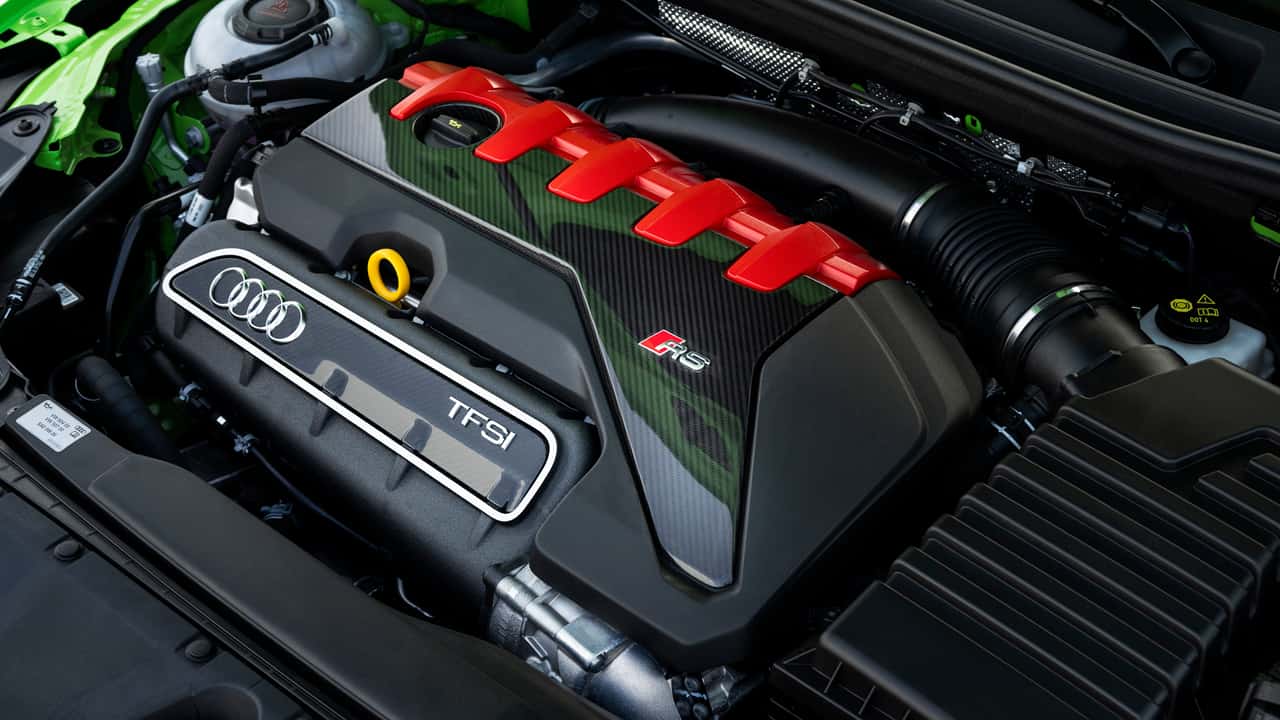
The 2.5-liter TFSI EA855 five-cylinder combines one of Audi’s signature engine configurations with turbocharging and direct injection. Its distinctive character and strong performance have made it highly desirable, but early versions of the engine can still experience intake-valve contamination for essentially the same reasons as Audi’s other FSI and TFSI designs.
Fuel is injected directly into the cylinders, so gasoline does not continuously contact the intake valves. The crankcase ventilation system, however, continues to expose the intake tract to oil vapor. Over many heat cycles, deposits can develop on the valves and eventually become hard enough that ordinary chemical treatments cannot remove them effectively.
Performance engines can make the consequences particularly noticeable. Efficient airflow is critical when the turbocharger is forcing a large quantity of air through a relatively small engine. Significant deposits around the intake valves can disturb that flow and reduce consistency between cylinders.
Potential symptoms include cold-start roughness, intermittent misfires, hesitation, reduced responsiveness, and an idle that becomes less stable than normal. Still, carbon buildup is only one possibility. Turbocharged engines contain many other systems capable of causing similar problems, including ignition components, boost-control hardware, injectors, sensors, and vacuum or charge-air leaks.
A borescope inspection can help determine whether the valves actually need cleaning. If substantial deposits are visible, removing the intake manifold gives technicians direct access to the ports. Each cylinder can then be cleaned mechanically or with walnut-shell media while its valves are fully closed.
Although the five-cylinder has fewer intake valves than Audi’s larger V8 and V10 engines, specialized performance-car labor can still make the procedure expensive. Gaskets and related preventative maintenance performed during disassembly may increase the total further.
For a heavily contaminated EA855, a professionally performed cleaning can therefore approach the $1,000 mark. The important point is that the expense should follow a confirmed diagnosis rather than being treated as an automatic scheduled service.
Carbon accumulation is a consequence owners should understand rather than a guarantee that every Audi using one of these engines will suffer serious problems. Driving conditions, engine condition, crankcase ventilation performance, oil consumption, and previous maintenance all influence how quickly deposits develop. The most sensible approach is to investigate persistent cold-start misfires, rough idle, hesitation, or unexplained performance loss and visually inspect the intake valves when appropriate.
A $1,000 carbon cleaning is not an Audi-mandated service or fixed-price maintenance item. It is a realistic budget estimate for professional intake-manifold removal and mechanical valve cleaning on certain engines, with Audi’s larger and more complicated V6, V8, and V10 designs potentially costing even more.
Also read: 5 Engines Okay With Skipped Oil Changes vs 5 That Die From One