Automotive sales leadership is usually temporary. A redesign, fuel-price swing, new competitor, or change in consumer tastes can knock even a successful model from the top within a few years.
That makes a 10-year sales-winning streak unusually impressive. Some vehicles have managed much longer runs, dominating everything from American pickup trucks and luxury SUVs to European hatchbacks and Japanese passenger cars.
The examples below use documented sales leadership within a clearly defined market or vehicle segment, rather than pretending every vehicle competed against every other vehicle worldwide.
Some streaks lasted exactly a decade, while others continued for 12, 20, or even nearly 50 years. Specifications are representative configurations because engines and dimensions changed considerably during these long sales runs.
1. Ford F-Series – America’s Best-Selling Truck for 49 Straight Years
Brake rotors have increased significantly in size as modern vehicles have become heavier, quicker, and more powerful. Decades ago, a 300 mm disc was considered large, while today’s high-performance luxury sedans, EVs, and hypercars can use factory rotors measuring 420 to 440 mm, or more than 17 inches in diameter. The added size improves braking leverage and creates more surface area to handle and dissipate the extreme heat produced during repeated high-speed stops.
The secret has partly been breadth. Instead of treating the F-150 as one truck for one customer, Ford has developed everything from basic fleet machines to luxury pickups, hybrids, off-road Raptors, and heavily equipped towing models. Contractors, farmers, commercial fleets, families, and recreational buyers can all find an F-Series configuration designed around their needs.
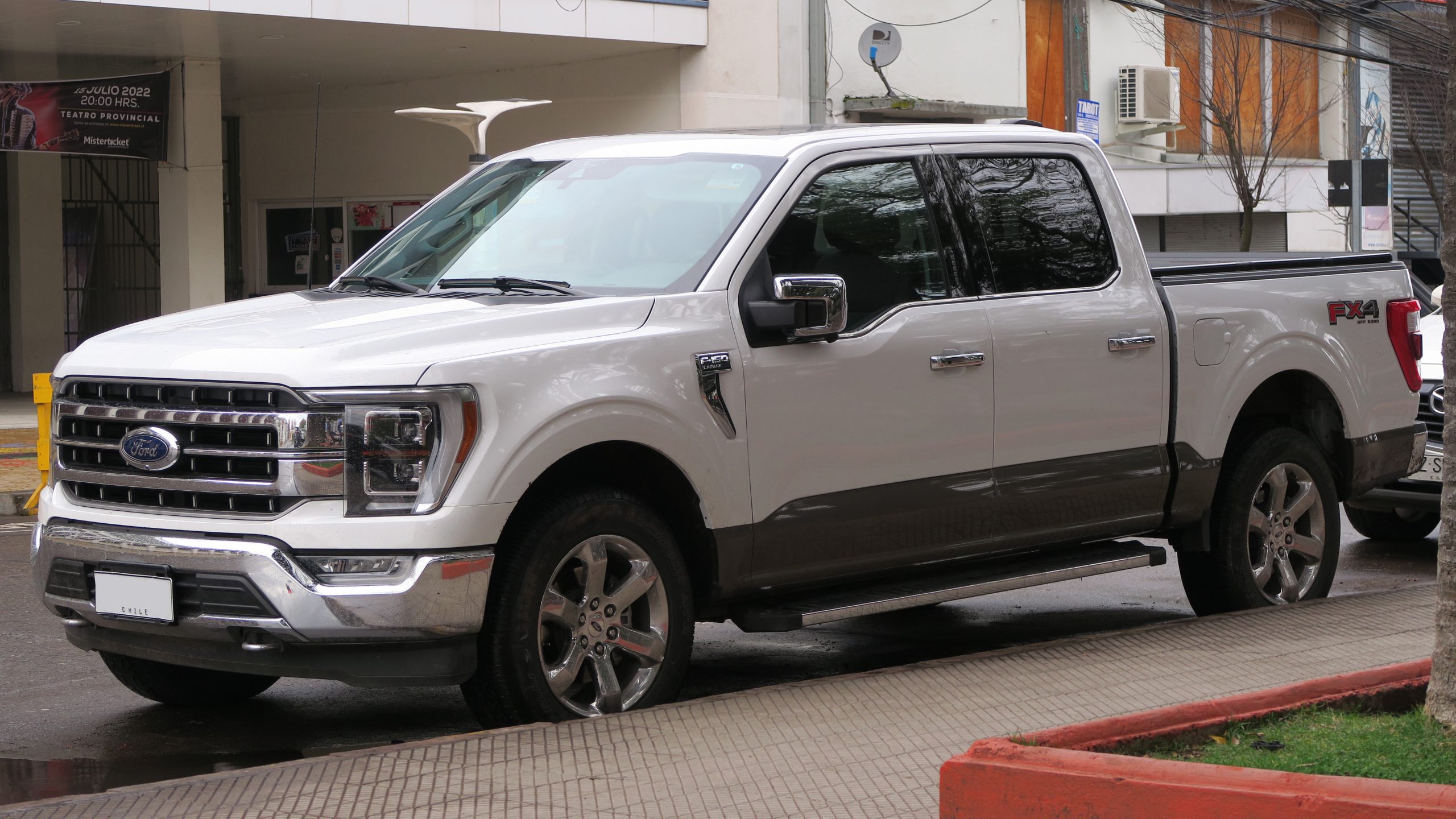
Ford has also continually updated the truck without abandoning characteristics existing customers value. Aluminum-intensive body construction, increasingly powerful turbocharged engines, hybrid technology, sophisticated towing systems, and large digital displays have arrived while traditional V8 options and conventional truck capability remain available.
Its enormous sales volume also helps create an ecosystem of dealers, replacement parts, aftermarket equipment, and experienced mechanics that smaller competitors struggle to match.
The Chevrolet Silverado and Ram 1500 have repeatedly mounted serious challenges, yet neither has broken Ford’s truck-sales streak. Maintaining leadership across economic recessions, fuel-price shocks, supply shortages, and major changes in pickup pricing is what makes the F-Series one of the strongest examples of sustained automotive sales dominance.
- Engine: 2.7-liter twin-turbocharged EcoBoost V6
- Torque: 400 lb-ft
- Horsepower: 325 hp
- Length/Width: approximately 231.7 / 79.9 inches
2. Toyota Camry – America’s Passenger-Car Leader for 20 Years
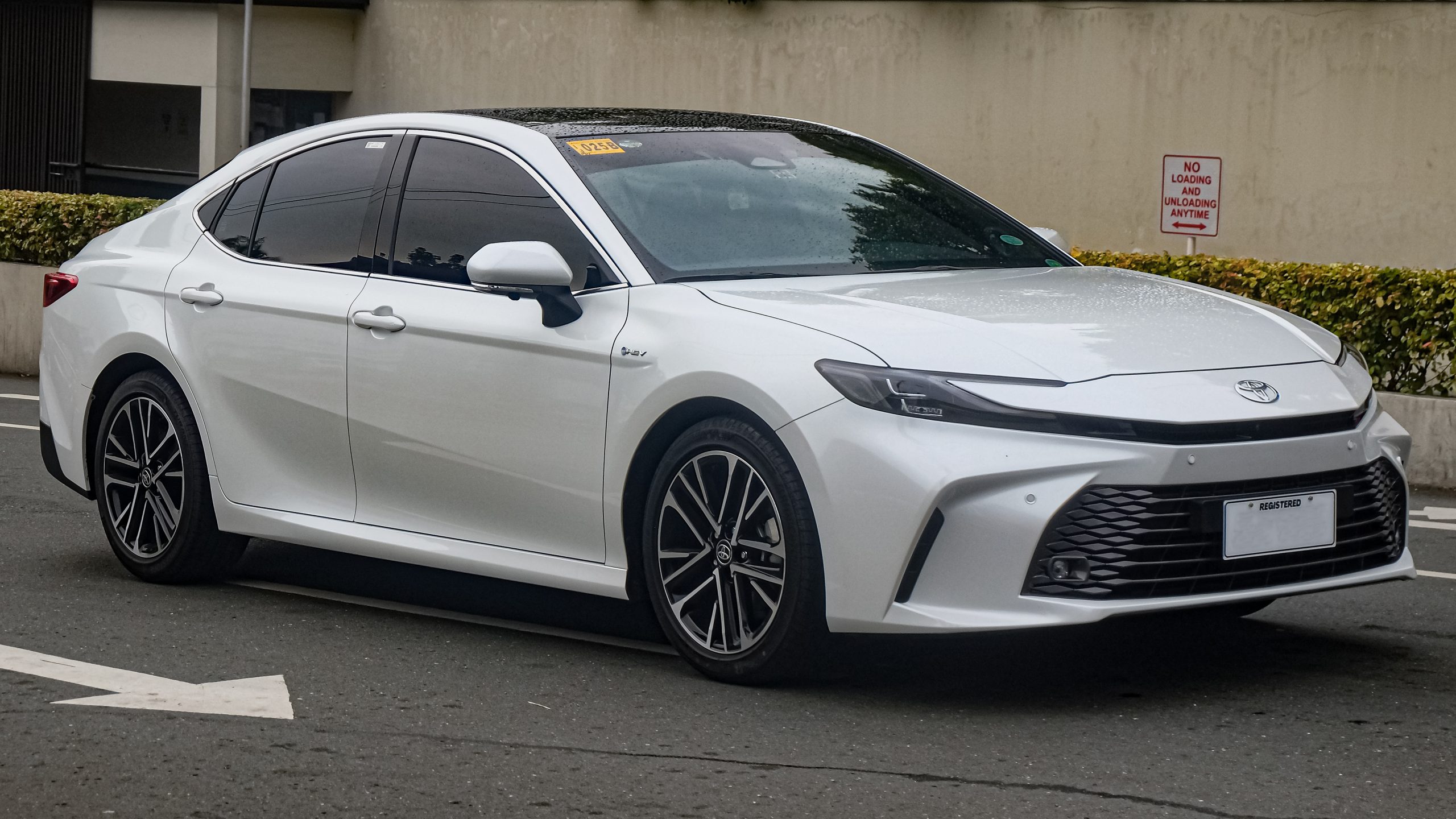
The Toyota Camry achieved something almost as impressive in a category that was once among the most competitive in the United States. By 2021, the Camry had finished as America’s best-selling passenger car for 20 consecutive years.
That run covered radically different periods in the automobile market. During the early part of the streak, family sedans such as the Honda Accord, Nissan Altima, Ford Fusion, Chevrolet Malibu, and Hyundai Sonata fought aggressively for hundreds of thousands of American buyers. Later, sedans began losing market share to crossovers, yet the Camry continued leading the remaining passenger-car field.
Toyota rarely made the Camry the most adventurous choice. Instead, the company concentrated on attributes that matter to large numbers of mainstream buyers: predictable ownership costs, strong resale value, easy operation, respectable fuel economy, broad dealer availability, and enough comfort for everyday commuting.
Fleet demand also contributed to total volume, particularly during periods when Camrys were widely used by rental operators and businesses. Private buyers remained crucial, however, especially repeat owners who had positive experiences with earlier Camrys.
Today’s Camry has changed significantly, including a stronger emphasis on hybrid power. That shift shows how Toyota has kept the nameplate relevant rather than relying solely on its historical reputation.
For competitors, the problem was not beating the Camry once. The challenge was matching its combination of reliability reputation, resale strength, dealer support, and repeat-customer loyalty year after year for an entire decade.
- Engine: 2.5-liter four-cylinder hybrid
- Torque: 163 lb-ft from gasoline engine
- Horsepower: 225 hp combined in FWD form
- Length/Width: approximately 193.5 / 72.4 inches
3. Toyota Tacoma – America’s Midsize-Pickup Leader for 21 Years
The Toyota Tacoma has built one of the longest segment-winning streaks in the American truck market. By 2025, the Tacoma had been the best-selling midsize pickup in the United States for 21 consecutive years.
That achievement becomes more impressive when considering how much stronger the competition has become. The Tacoma has faced the Chevrolet Colorado, GMC Canyon, Nissan Frontier, Honda Ridgeline, Jeep Gladiator, and revived Ford Ranger. Yet Toyota established such a powerful lead that rivals repeatedly struggled to unseat it.
The Tacoma’s reputation for durability played a major role. Older trucks developed unusually strong resale values, creating the perception that paying more upfront could be justified because owners lost less money later.
Toyota also understood the importance of enthusiast-oriented versions. TRD Off-Road and TRD Pro trims helped create a strong off-road identity even among buyers who spent most of their time on pavement.
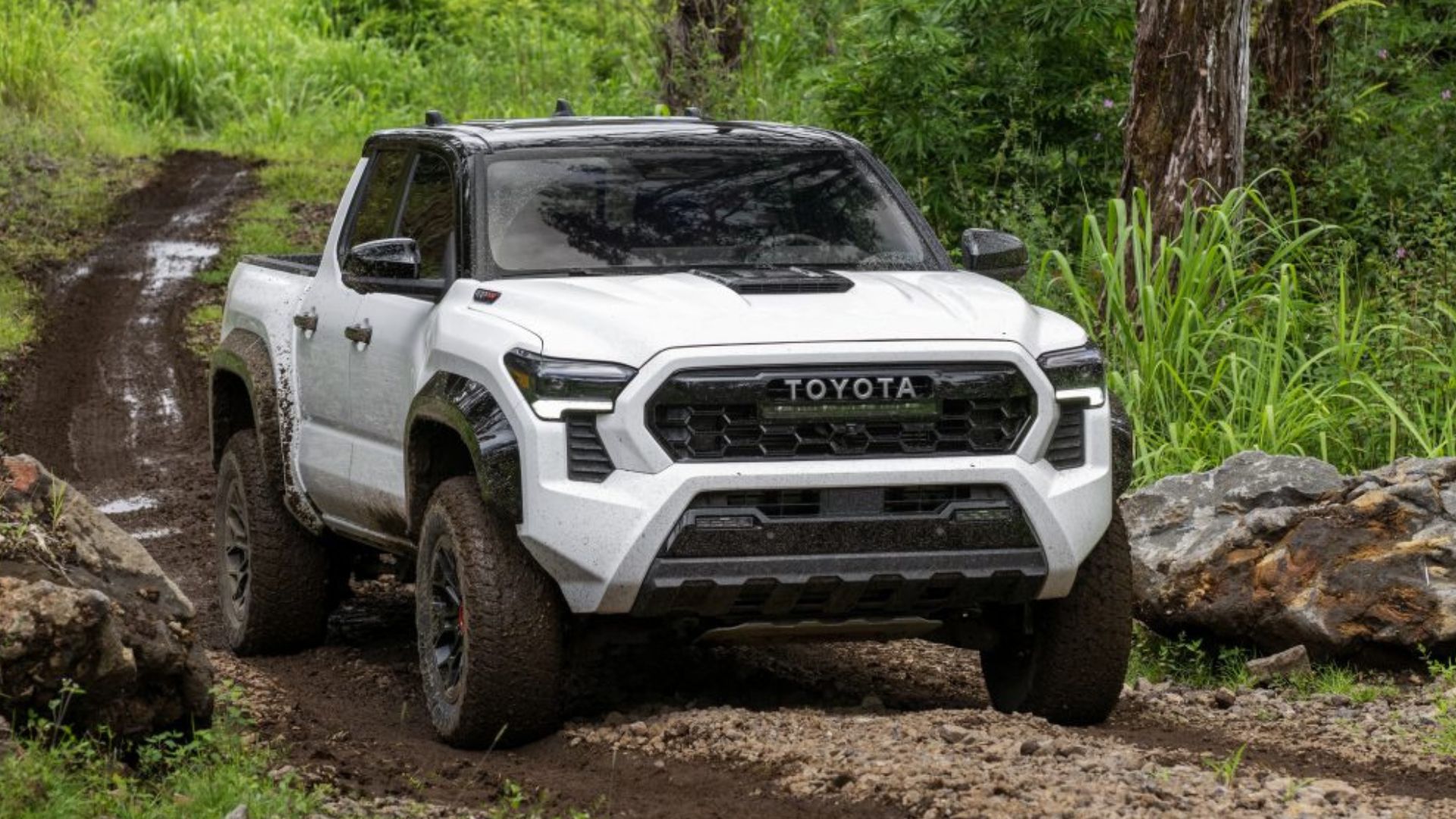
Another advantage was size. For years, the Tacoma offered real truck capability without requiring the massive dimensions of a full-size pickup. That became increasingly attractive as larger trucks grew both in size and price.
The newest generation represents a substantial mechanical change, replacing the previous naturally aspirated V6 with turbocharged four-cylinder engines and introducing an i-FORCE MAX hybrid option.
Whether the new generation maintains the same long-term reliability reputation remains to be seen, but commercially the Tacoma has already accomplished something rare: more than two uninterrupted decades at the top of its segment.
- Engine: 2.4-liter turbocharged inline-four
- Torque: 317 lb-ft
- Horsepower: 278 hp
- Length/Width: approximately 213.0 / 76.9 inches
4. Lexus RX – 26 Years at the Top of the Mid-Luxury SUV Segment
Luxury vehicles rarely enjoy decades without another premium brand stealing their sales crown. The Lexus RX is an unusual exception. By 2024, the RX had led the mid-luxury SUV category for approximately 26 consecutive years.
The streak traces directly back to the RX’s importance in creating the modern luxury-crossover formula. When the original RX 300 appeared in the late 1990s, it combined SUV-style seating and cargo flexibility with the softer ride and road manners associated with a luxury sedan.
That formula soon became one of the industry’s most copied. BMW, Mercedes-Benz, Audi, Acura, Infiniti, Cadillac, Volvo, and others expanded their crossover lineups, but the RX retained a powerful advantage among buyers prioritizing comfort and ownership experience over aggressive handling.
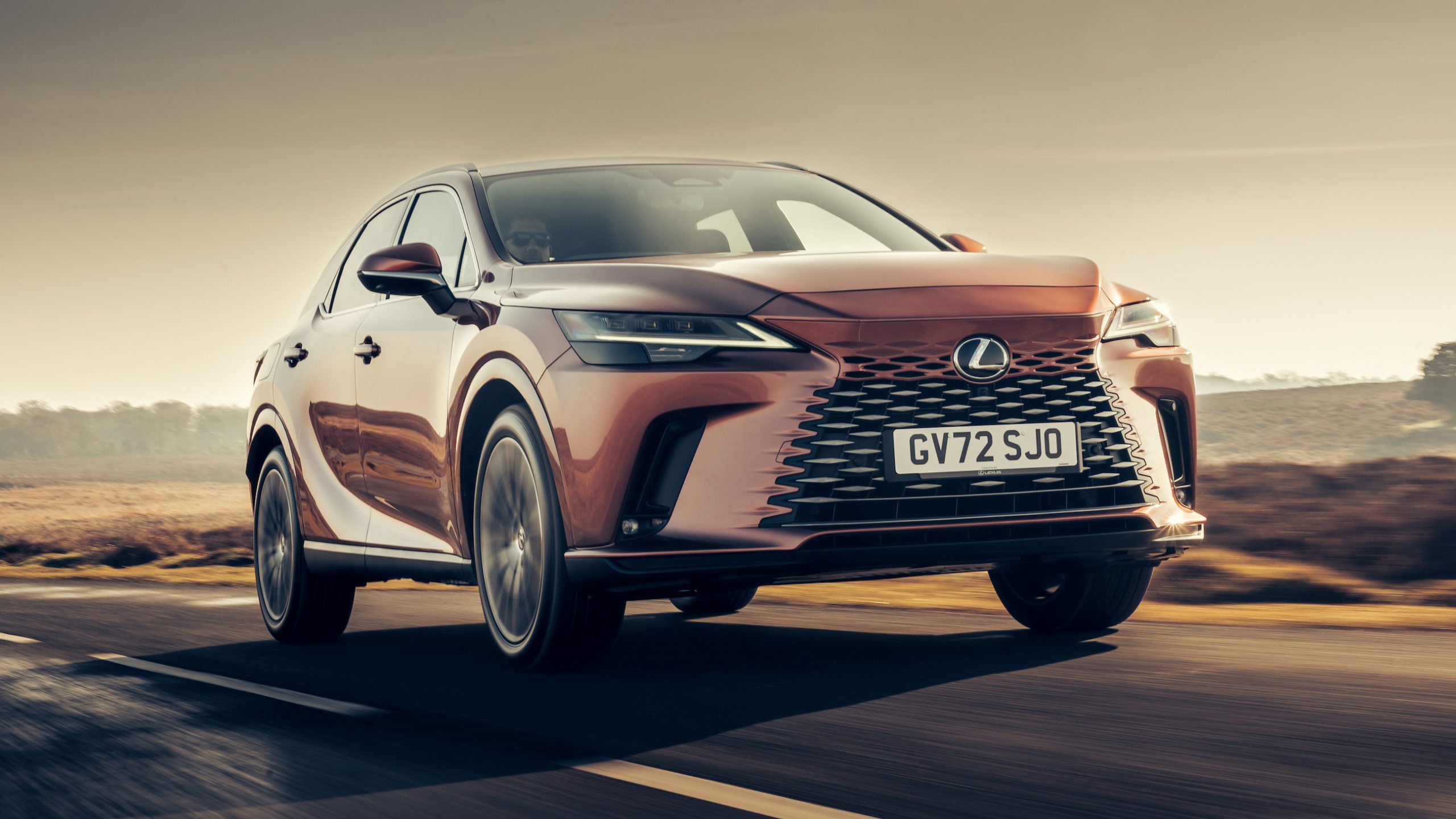
Lexus also adopted hybrid technology early. The RX 400h helped establish the idea that a luxury SUV could use electrification for both efficiency and smooth performance without becoming an experimental niche vehicle.
Another advantage has been repeat ownership. Lexus’s reputation for refinement, reliability, dealer service, and resale value gives existing RX customers relatively few reasons to leave the brand when replacement time arrives.
The newest RX is far more technologically complicated than the original model, but its priorities remain familiar: comfort, quietness, practicality, and easy everyday operation.
Twenty-six years of category leadership shows just how effective that strategy has been, especially in one of the most competitive premium segments in the market.
- Engine: 2.4-liter turbocharged inline-four
- Torque: 317 lb-ft
- Horsepower: 275 hp
- Length/Width: approximately 192.5 / 75.6 inches
5. Ford Mustang – Global Sports-Car Sales Leader for More Than a Decade
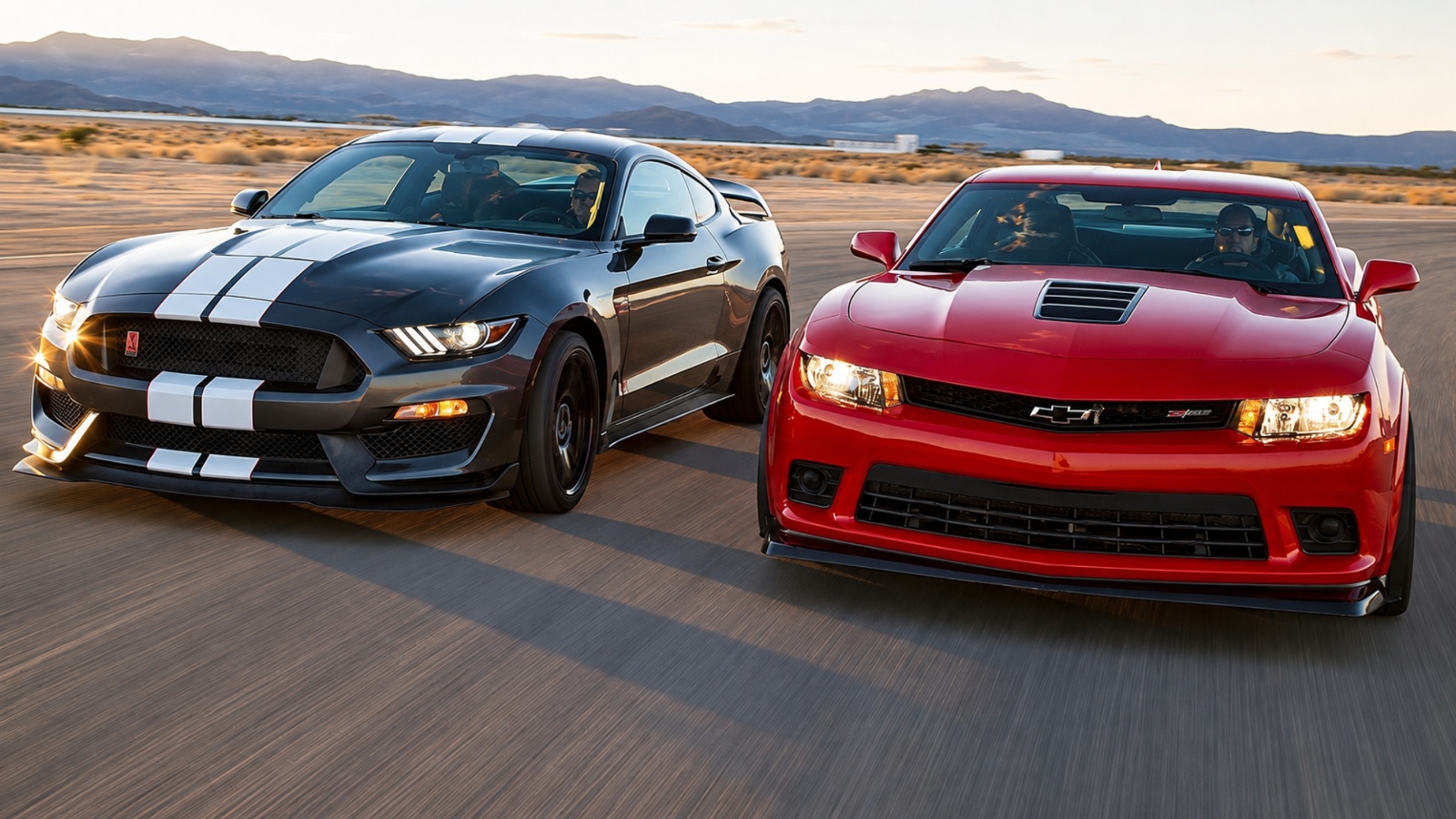
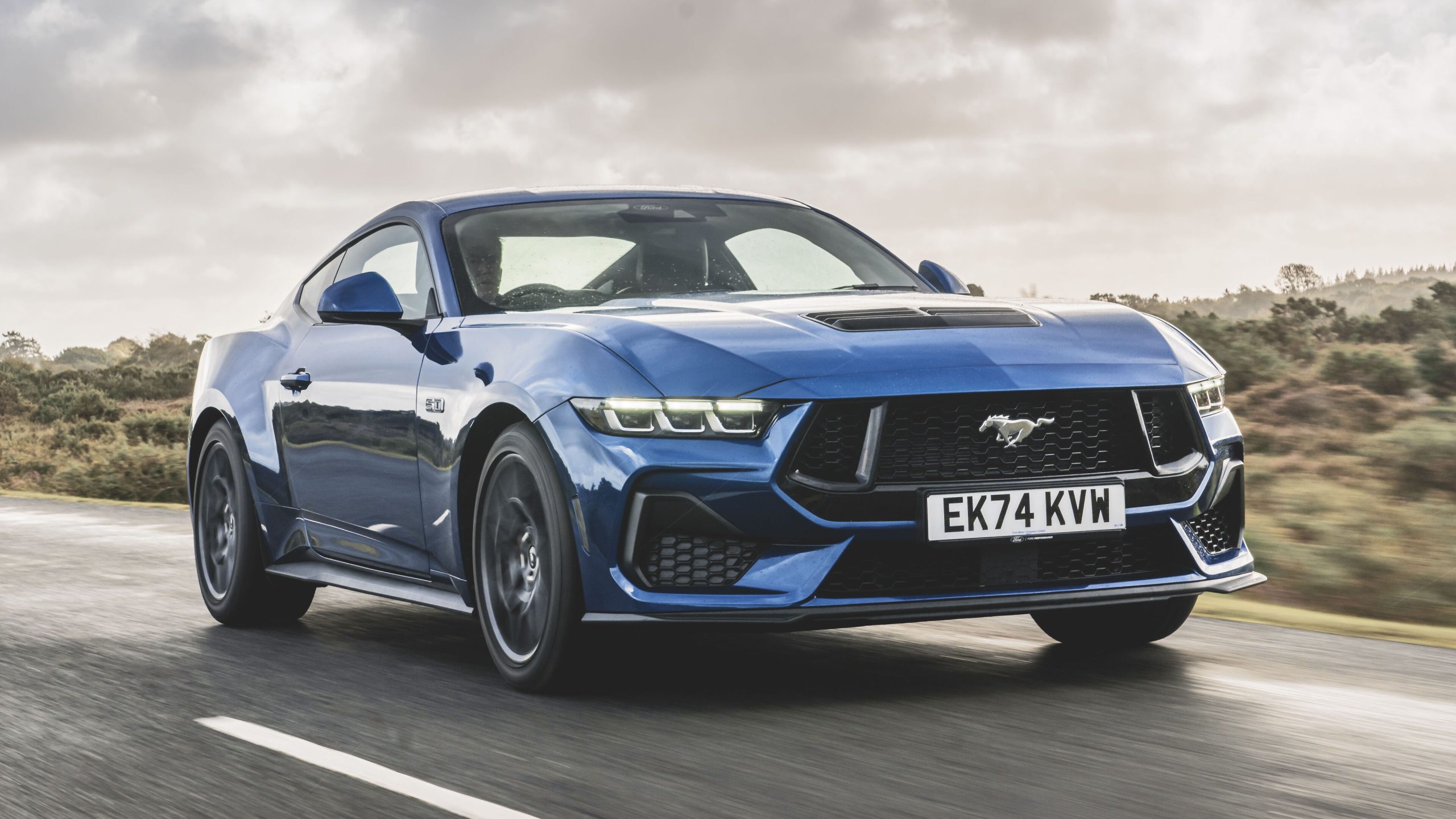
Sports cars operate in a very different market from family sedans and pickups, but the Ford Mustang has demonstrated similar staying power. By 2024, the Mustang had remained one of the world’s strongest-selling sports cars for more than 10 years.
That is remarkable because sports cars are highly vulnerable to changing tastes. Buyers do not necessarily need them for basic transportation, so styling, emotion, performance, price, and brand identity matter enormously.
The Mustang survived partly because Ford refused to make it a single-purpose machine. Throughout its modern history, buyers could choose relatively affordable turbocharged versions, traditional V8 GTs, convertibles, track-focused variants, and extreme limited-production models.
The reduced presence of some major competitors helped as well. The Chevrolet Camaro periodically left production, Dodge ended the traditional Challenger, and several imported sports coupes became significantly more expensive.
But longevity alone does not guarantee sales. Ford continually updated the Mustang while preserving recognizable elements such as rear-wheel drive, a long hood, short rear deck, and available V8 power.
That balance matters. A Mustang still looks and feels like a Mustang even after generations of technology changes.
The latest GT continues to use a naturally aspirated 5.0-liter V8, preserving a formula that has become increasingly uncommon as manufacturers move toward smaller turbocharged engines, hybrids, and EVs.
- Engine: 5.0-liter naturally aspirated V8
- Torque: 415 lb-ft
- Horsepower: 480 hp
- Length/Width: approximately 189.4 / 75.4 inches
Also read: 10 Cars That Timestamp Every Door and Seatbelt
6. Ford Ranger – Europe’s Best-Selling Pickup for 10 Consecutive Years
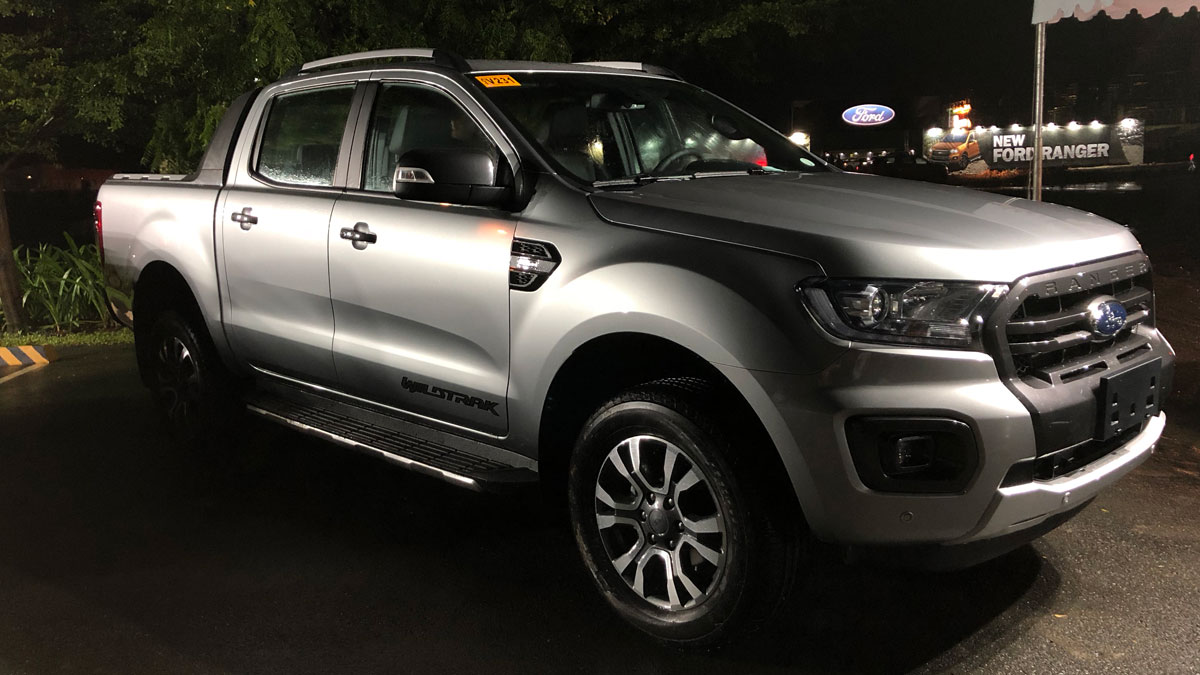
The Ford Ranger provides one of the cleanest examples of an exact decade-long segment streak. The Ranger became Europe’s best-selling pickup for 10 consecutive years, establishing an unusually strong position in a region where pickups remain far more specialized than they are in North America.
Its success comes from bridging commercial and recreational requirements. A Ranger can spend its working life carrying tools and towing equipment, yet higher trims provide interiors and technology closer to what buyers expect from an SUV.
That versatility became increasingly important as several pickup competitors reduced or ended their presence in Europe. Models from Mitsubishi, Mercedes-Benz, and other manufacturers either disappeared or became less prominent, while the Ranger continued to evolve.
Ford also benefited from global scale. The Ranger’s international platform allowed Ford to invest heavily in development even though European pickup volumes are much smaller than American full-size-truck sales.
The latest generations have offered four-cylinder diesel engines, V6 diesels, Raptor performance versions, and even plug-in-hybrid technology depending on market.
Another strength is capability without requiring U.S.-style full-size dimensions. European roads, parking spaces, and fuel prices make enormous pickups difficult to use routinely, giving the Ranger’s midsize footprint an important advantage.
Its decade of leadership is particularly notable because commercial buyers tend to focus heavily on payload, towing capacity, fuel consumption, downtime, and dealer support. Style helps, but operating economics matter just as much.
- Engine: 3.0-liter V6 turbodiesel
- Torque: approximately 443 lb-ft
- Horsepower: approximately 240 hp
- Length/Width: approximately 211.4 / 75.5 inches
7. Volkswagen Golf – Europe’s No. 1 Car for 14 Consecutive Years
Throughout much of the 2000s and 2010s, the Volkswagen Golf stood as Europe’s quintessential family car. It remained the continent’s best-selling new vehicle for 14 consecutive years, establishing a level of dominance that lasted until another model finally claimed the top spot.
Unlike the Ranger or Tacoma, the Golf was not simply leading a specialized truck segment. It was topping Europe’s entire passenger-car market, competing against everything from inexpensive city cars to family hatchbacks and increasingly popular crossovers.
Its strength came from occupying a carefully judged position between economy and premium. Volkswagen offered the Golf as a basic commuter, efficient diesel, wagon, plug-in hybrid, sporty GTI, and high-performance Golf R.
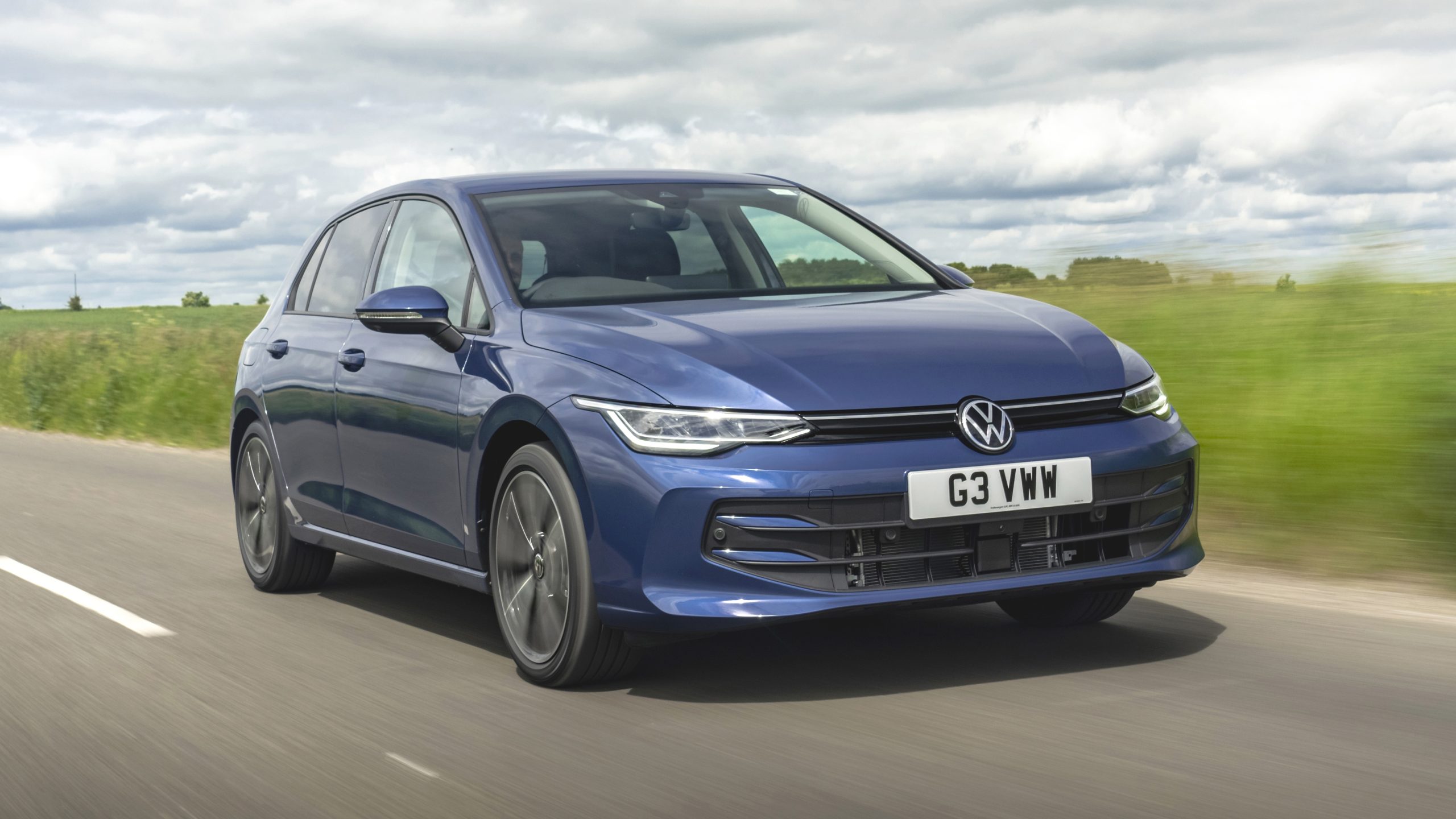
That variety gave customers multiple reasons to stay within the same nameplate as their needs changed.
Generational consistency also helped. Volkswagen generally evolved the Golf rather than completely reinventing it. Owners knew what they were getting: a compact footprint, practical hatchback body, refined highway manners, good interior packaging, and restrained styling.
The streak eventually ended as European consumers increasingly migrated toward crossovers and production disruptions affected the market. Even so, maintaining the number-one position for 14 years in such a fragmented region remains extraordinary.
The Golf’s success demonstrates that sales leadership does not always require radical styling or huge horsepower. Sometimes a car wins by being consistently competent at nearly everything ordinary buyers need.
- Engine: 1.5-liter turbocharged eTSI mild-hybrid inline-four
- Torque: approximately 184 lb-ft
- Horsepower: approximately 148 hp
- Length/Width: approximately 168.7 / 70.4 inches
8. Ford Fiesta – Britain’s Best-Selling Car for 12 Years Straight
Before crossovers took control of Britain’s sales charts, the Ford Fiesta was almost unbeatable. The Fiesta was the United Kingdom’s best-selling new car every year from 2009 through 2020, giving it a 12-year uninterrupted streak.
Its success was based on understanding what British buyers actually needed. The Fiesta was small enough for narrow roads and crowded parking spaces, efficient enough to keep running costs manageable, and affordable enough to appeal to first-time buyers.
Yet it generally offered more engaging steering and handling than customers expected from an ordinary supermini.
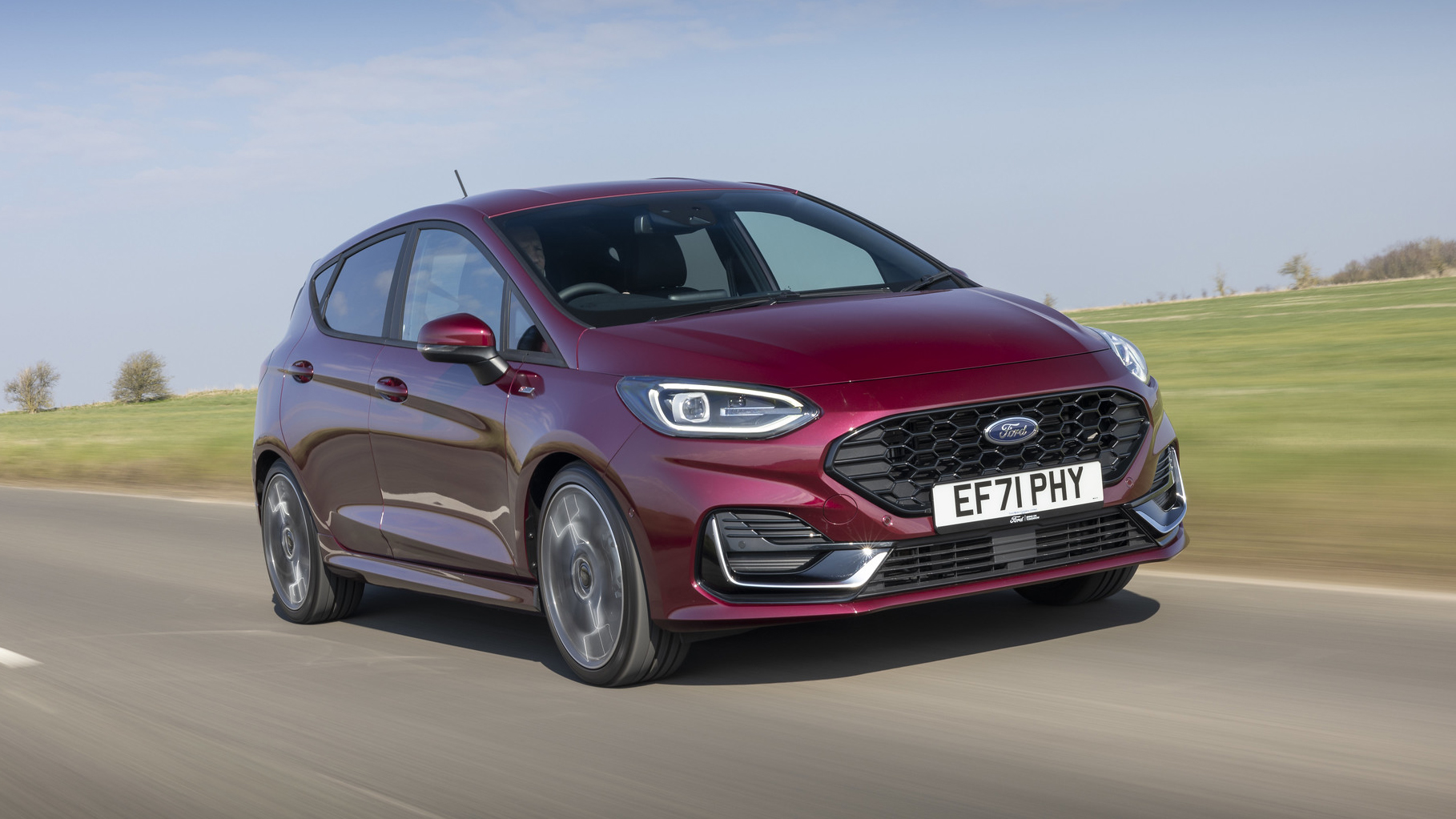
Ford also offered a broad range of versions. Basic models served commuters and families, while ST variants gave enthusiasts a genuinely entertaining performance car without abandoning the Fiesta’s compact dimensions.
Large dealer coverage and fleet sales strengthened the nameplate further. For many drivers, the Fiesta became almost an automatic choice when replacing an older small car.
The streak eventually ended as Britain’s market shifted toward crossovers and manufacturers changed product priorities. Ford later discontinued Fiesta production entirely in 2023.
That makes its 12-year winning run even more notable. The Fiesta did not dominate because it lacked serious competition. It repeatedly beat vehicles such as the Vauxhall Corsa, Volkswagen Polo, Renault Clio, Peugeot 208, and numerous other capable European superminis.
It was a case of the right size, price, driving experience, and dealer support meeting the market perfectly for more than a decade.
- Engine: 1.0-liter turbocharged EcoBoost three-cylinder
- Torque: approximately 125 lb-ft
- Horsepower: approximately 125 hp
- Length/Width: approximately 159.1 / 68.3 inches
9. Fiat Panda – Italy’s Best-Selling Car for 14 Consecutive Years
Few cars are as closely associated with their home market as the Fiat Panda is with Italy. By the end of 2025, the Panda had reportedly finished as Italy’s best-selling car for 14 consecutive years.
The Panda’s dominance makes sense when viewed in the context of Italian driving. Historic city centers contain narrow streets where large SUVs can become inconvenient. Fuel prices encourage efficiency, and many owners value a vehicle that is inexpensive to purchase and straightforward to operate.
Fiat has repeatedly resisted the temptation to make the Panda unnecessarily complicated. Its upright body provides impressive usable interior space for such a tiny footprint, while small engines help keep running costs manageable.
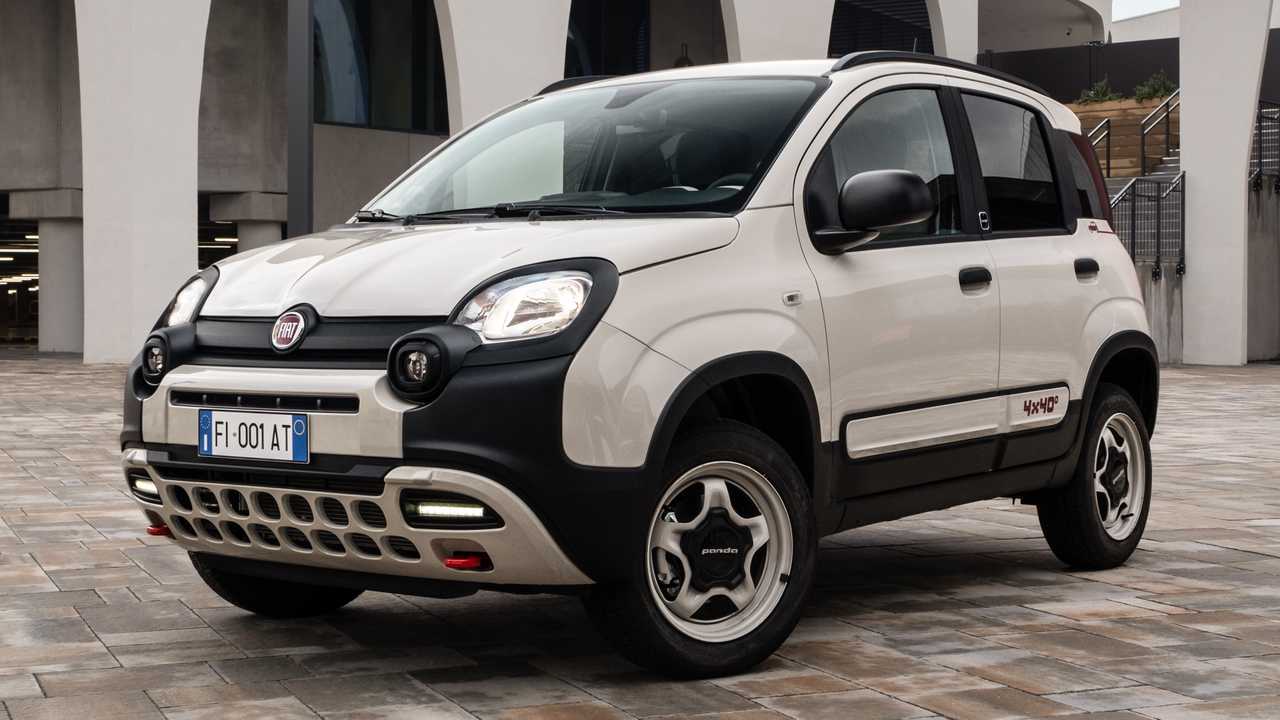
Special versions broadened its appeal. The Panda 4×4 developed a particularly loyal following in rural and mountainous regions because it offered genuine poor-weather and rough-road ability in a package dramatically smaller and cheaper than a conventional SUV.
The Panda’s long sales lead also illustrates the importance of cultural familiarity. Generations of Italian motorists have seen Pandas used by families, small businesses, government agencies, and tradespeople.
That visibility reinforces trust and supports a huge used-car and repair ecosystem.
Fourteen consecutive years as the country’s number-one model is especially notable because European small-car competition is intense. Fiat has had to contend with Renault, Peugeot, Citroën, Toyota, Volkswagen, Dacia, and numerous others.
- Engine: 1.0-liter three-cylinder mild hybrid
- Torque: approximately 68 lb-ft
- Horsepower: approximately 70 hp
- Length/Width: approximately 143.8 / 64.7 inches
10. Toyota Corolla – Japan’s Best-Selling Car for 12 Consecutive Years
The Toyota Corolla’s sales history stretches much farther back than the modern SUV era. From 1969 through 1980, the Corolla was Japan’s best-selling car for 12 consecutive years.
That streak occurred during a transformative period for the Japanese automotive industry. Domestic manufacturers were rapidly improving quality, manufacturing efficiency, and product sophistication while expanding aggressively into export markets.
The Corolla’s formula was deliberately straightforward: provide enough space, performance, durability, and comfort for a broad middle-class audience without making the vehicle unnecessarily expensive.
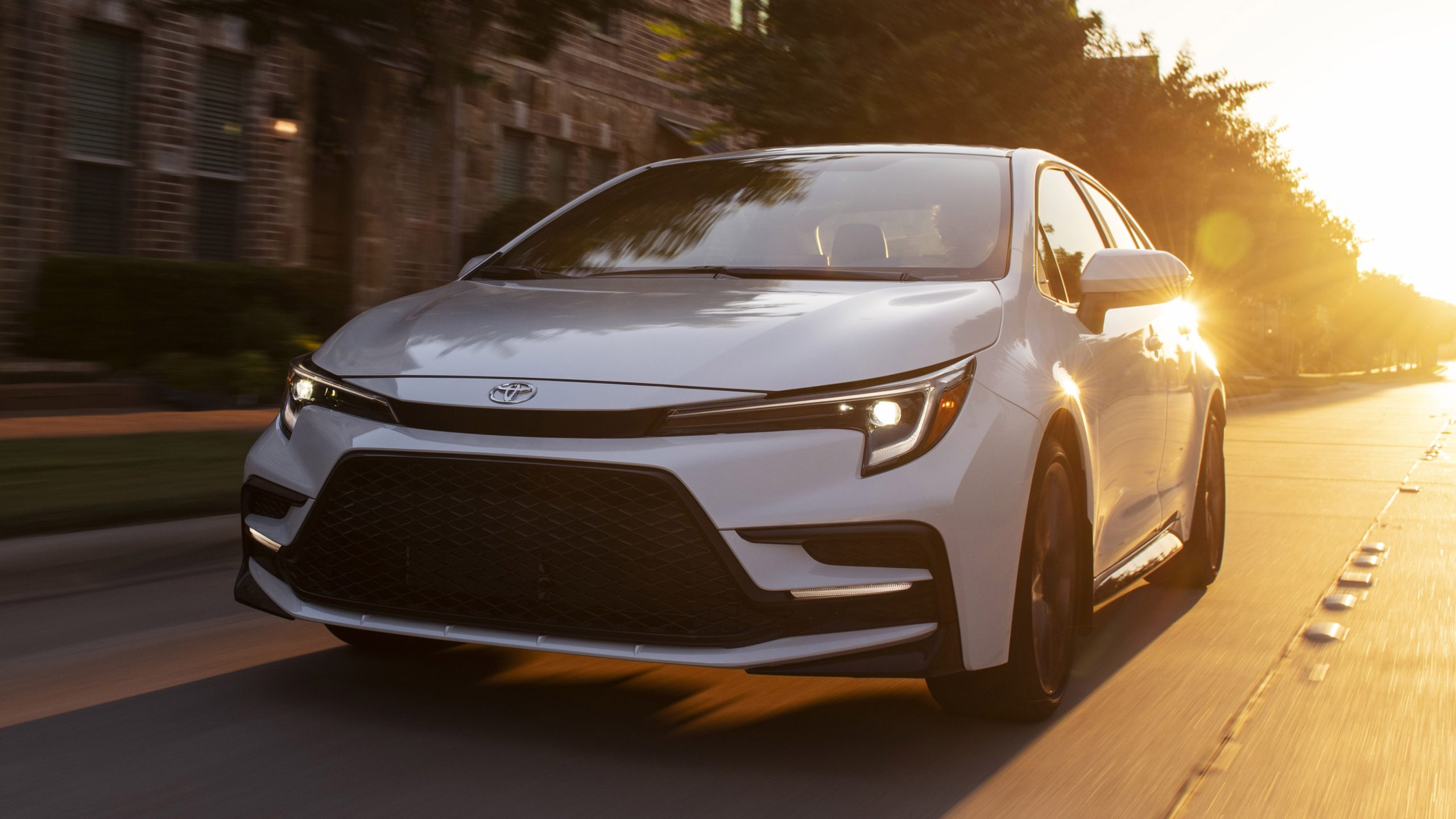
Toyota also updated the Corolla often enough to remain competitive as consumer expectations changed. The nameplate evolved from small rear-wheel-drive cars into larger and more refined generations while retaining a reputation for practical ownership.
Its domestic strength eventually became international success. During parts of the 1970s, Corolla production reached the top of global passenger-car rankings, helping establish Toyota as one of the world’s most powerful automakers.
More important than any single year’s number is how Toyota converted that early momentum into one of the most recognizable automotive nameplates ever created.
The modern Corolla is dramatically different from the compact models that built the original streak, but its core mission remains familiar: affordable, efficient transportation designed to appeal to a very broad audience.
- Engine: 2.0-liter naturally aspirated inline-four
- Torque: 151 lb-ft
- Horsepower: 169 hp
- Length/Width: approximately 182.5 / 70.1 inches
Also read: 5 Cars With Cheap Window Regulators and 5 Over $600