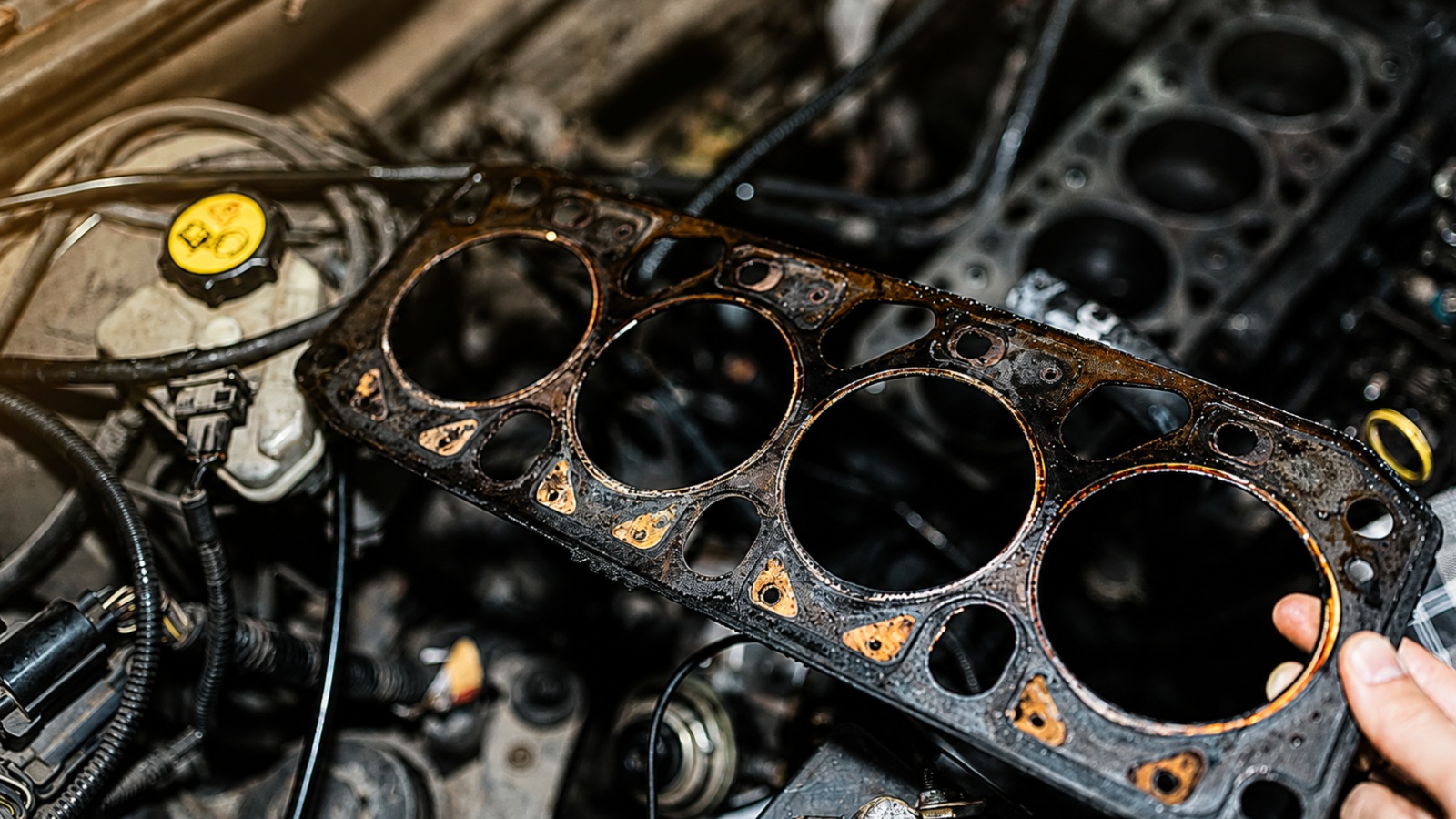
A head gasket replacement is one of the more complicated repairs performed on a gasoline or diesel engine. The gasket has to seal combustion pressure, engine oil, and coolant between the cylinder head and engine block.
Simply installing a new gasket is not enough. The technician also has to verify that the cylinder head and block are flat, prepare the sealing surfaces correctly, follow the specified tightening sequence, and determine what caused the original failure.
When the job is performed incorrectly, problems can return almost immediately or gradually appear during the following weeks. Some symptoms resemble an ordinary cooling-system or ignition problem, so none should automatically prove that the replacement was defective.
However, repeated overheating, coolant pressurization, unexplained fluid loss, misfires, or contamination soon after a head-gasket repair deserve immediate investigation. Here are eight warning signs that the job may not have been completed correctly.
1. The Engine Starts Overheating Again
The most obvious warning sign after a head gasket replacement is overheating that returns shortly after the repair. A properly repaired engine should be able to maintain normal operating temperature assuming the cooling system is otherwise healthy.
If the temperature gauge begins climbing again, the replacement gasket may not be sealing properly. Combustion gases can escape from the cylinder into a coolant passage, creating excessive pressure and disrupting coolant circulation. This can push coolant into the expansion tank, create air pockets, and eventually cause the engine temperature to rise.
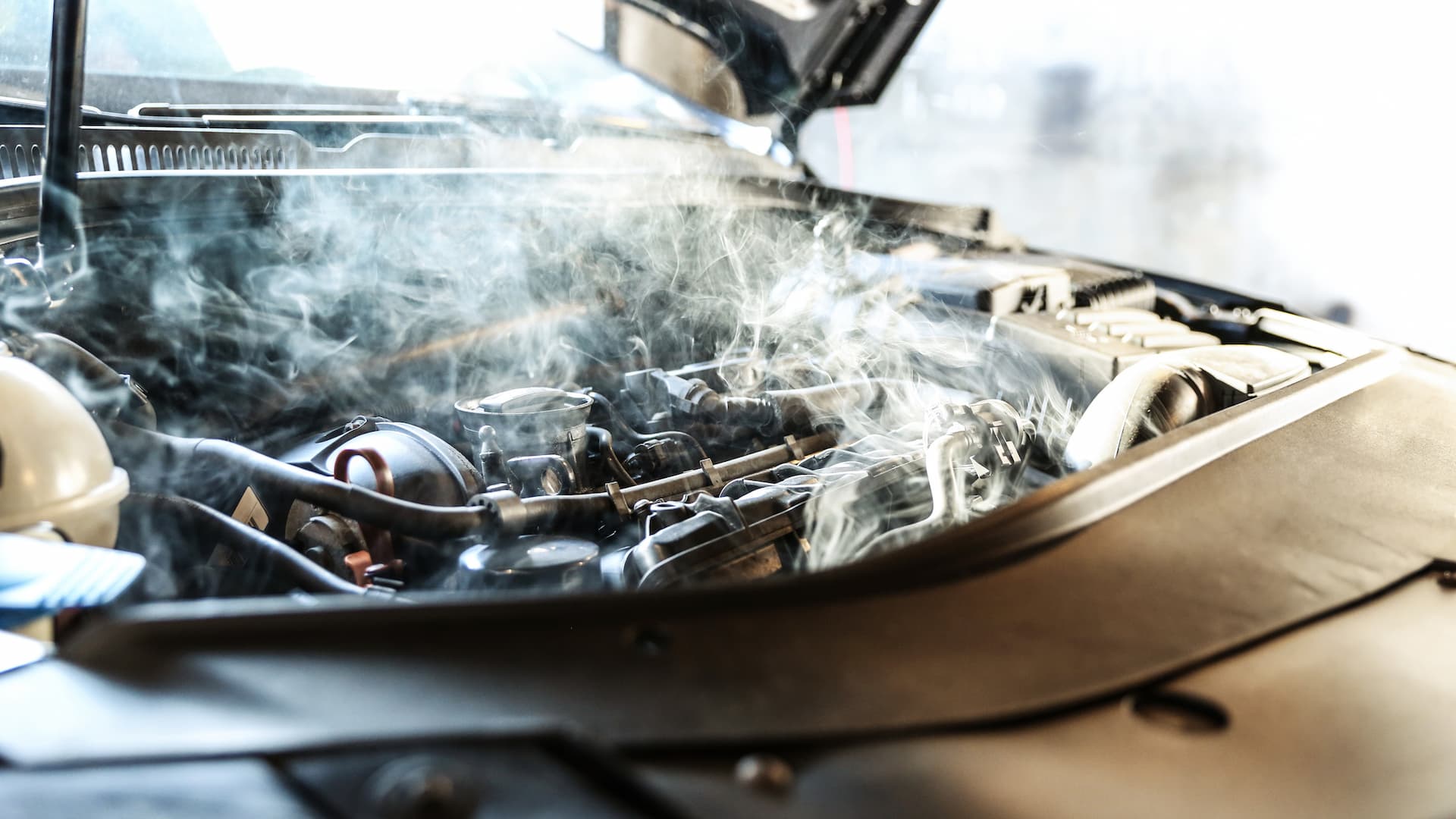
However, a badly installed gasket is not the only explanation. The original overheating may have damaged the cylinder head, leaving it warped or cracked. If the technician simply installed a new gasket without measuring the head for flatness or having it resurfaced when required, the new gasket may never seal correctly.
The cooling system itself must also be checked. A sticking thermostat, weak water pump, blocked radiator, failed cooling fan, or trapped air can cause overheating even if the gasket installation is technically correct. In fact, failing to repair the original cause of the first head-gasket failure can quickly destroy the replacement gasket.
Persistent overheating after major engine work should never be considered normal while the engine is “breaking in.” Stop driving and have the cooling system pressure-tested and checked for combustion gases before another overheating event damages the cylinder head again.
2. The Coolant Reservoir Keeps Bubbling
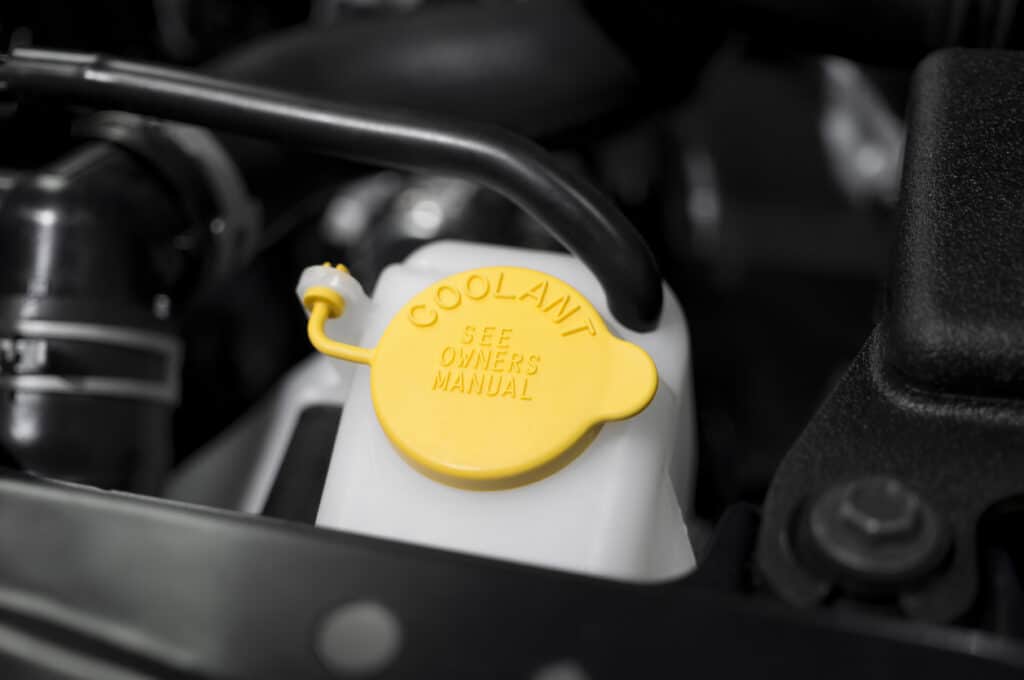
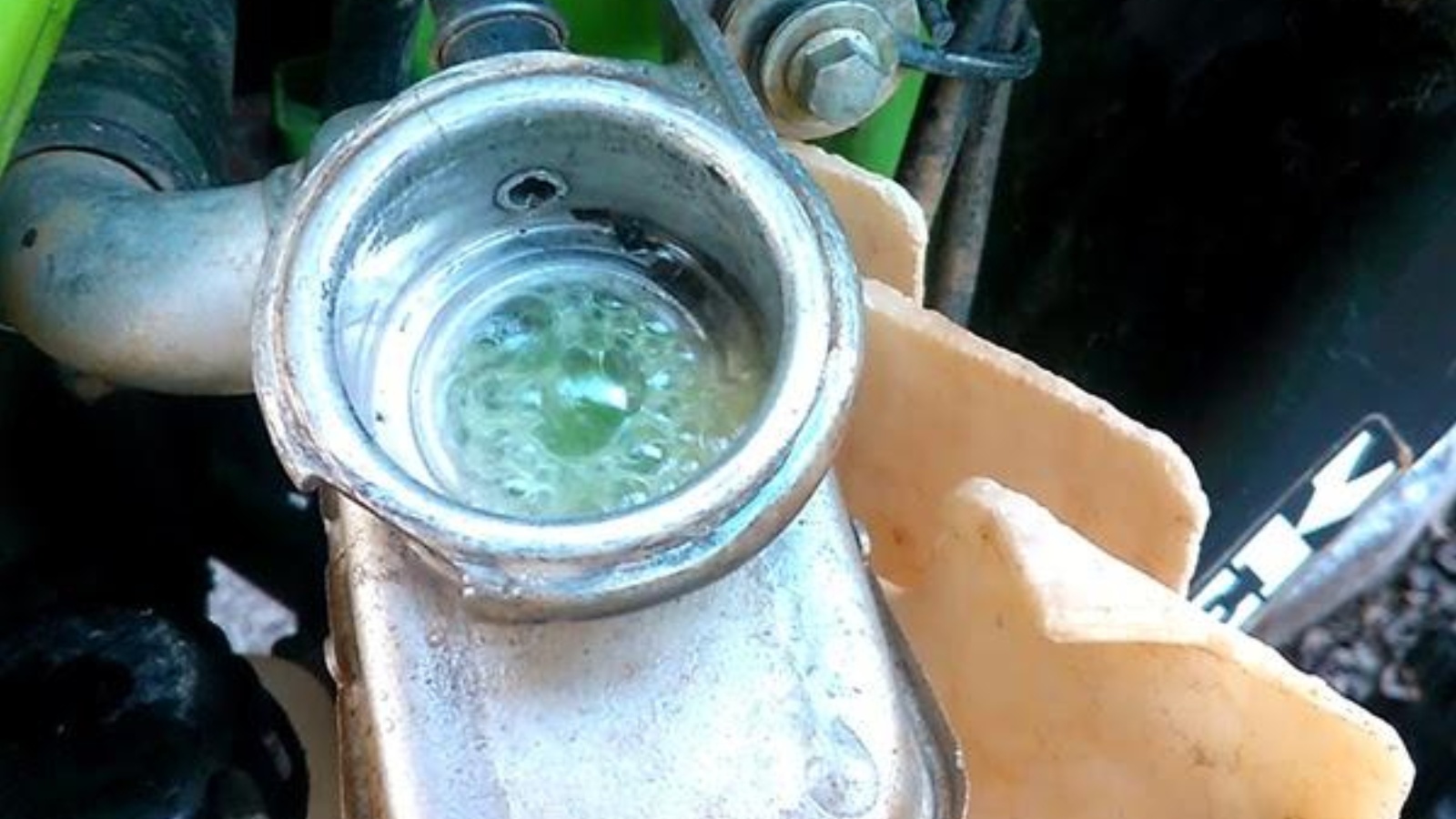
A few bubbles in the coolant reservoir immediately after cooling-system work can simply mean trapped air is being removed. Continuous bubbling after the cooling system has been properly bled is much more concerning.
A leaking head gasket can allow extremely high cylinder pressure to enter the cooling system every time combustion occurs. Those gases eventually travel through the coolant passages and appear as bubbles in the expansion reservoir or radiator.
The symptom can be especially noticeable when engine speed is increased. The reservoir may suddenly become turbulent, or coolant may rise dramatically and overflow even though the engine has not yet reached an excessively high temperature.
This can happen after a poor head gasket repair if the cylinder head was installed on an uneven surface, the wrong gasket was used, the gasket was damaged during installation, or the cylinder-head bolts were tightened incorrectly.
Many modern engines also use torque-to-yield head bolts. These bolts are intentionally stretched during installation and frequently require replacement rather than reuse. Installing previously stretched bolts when the manufacturer requires new ones can prevent the correct clamping force from being achieved.
A cooling-system combustion-gas test can help diagnose the condition. Technicians may also conduct pressure and leak-down testing to determine whether cylinder pressure is entering the coolant passages.
Do not automatically remove the cylinder head based only on visible bubbles, though. Air trapped during coolant filling can look similar at first. The key warning is bubbling that continues after proper bleeding and repeatedly returns during normal engine operation.
3. Coolant Keeps Disappearing Without an Obvious Leak
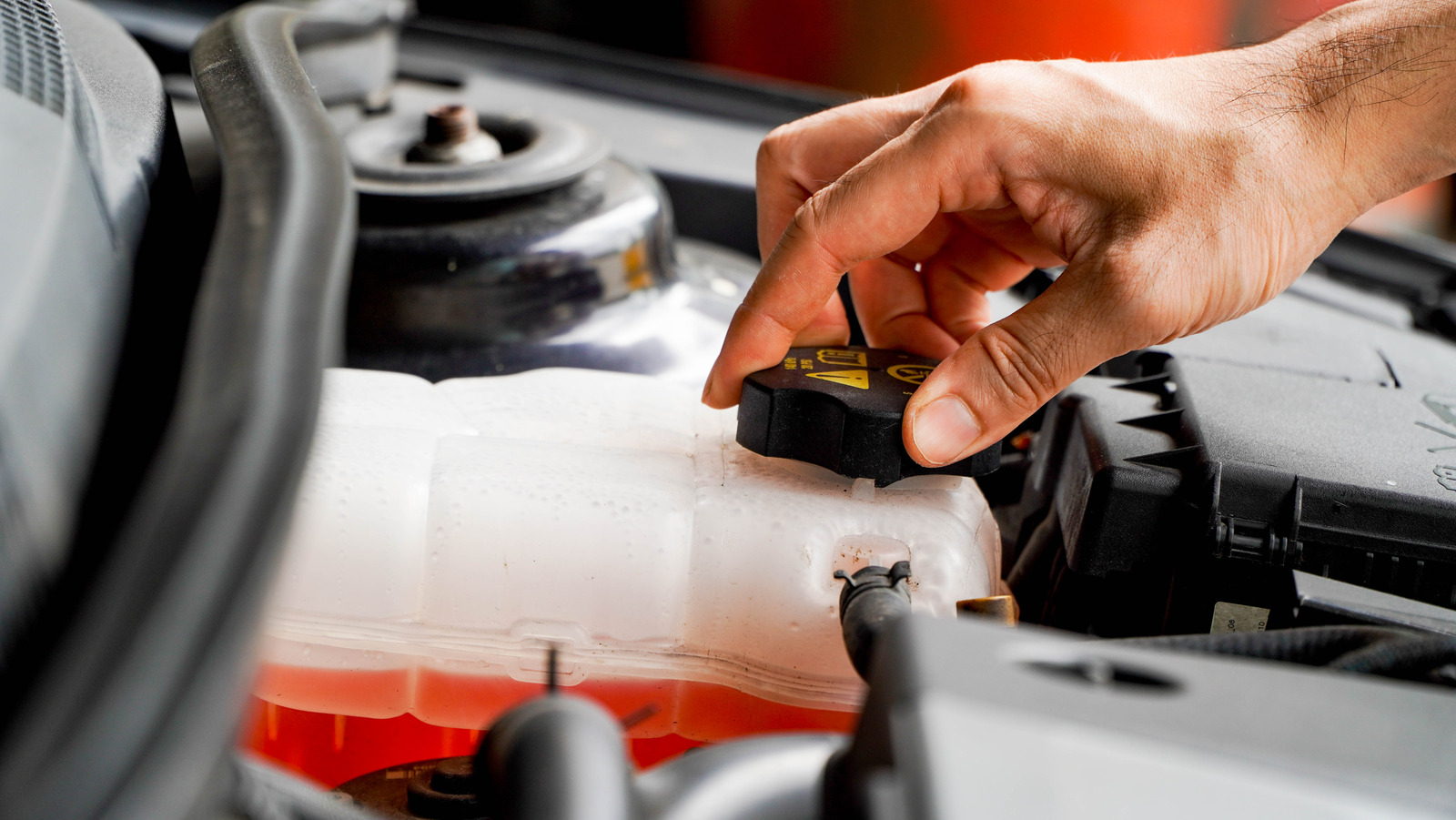
Having to repeatedly add coolant after a head gasket replacement is another major warning sign. A small level adjustment after the first few heat cycles can occur as trapped air works its way out of the system. Continual coolant loss is different.
If there are no wet hoses, leaking radiator seams, water-pump drips, or obvious external leaks, coolant may be escaping internally.
A poorly sealing head gasket can allow coolant into a combustion chamber. Small quantities may be burned during normal driving without leaving a large puddle underneath the vehicle. In more severe cases, coolant can enter the cylinder after shutdown and produce a rough start the next morning.
Coolant can also escape externally from the joint between the cylinder head and block if the gasket does not seal correctly. Look carefully along that seam for dried coolant residue, staining, or dampness.
One common mistake during repair is concentrating entirely on replacing the gasket while failing to properly inspect the mating surfaces. Cylinder heads can warp after severe overheating, while aluminum surfaces can be damaged by aggressive cleaning methods. Even the surface finish created during machining matters because modern multilayer-steel gaskets require specific sealing conditions.
Another possibility is that a separate coolant leak was disturbed or created during reassembly. Intake gaskets, coolant pipes, thermostat housings, hose fittings, and heater connections may all be removed during major engine work.
Mark the coolant level when the engine is completely cold and monitor it. Repeated unexplained coolant loss following the repair deserves diagnosis rather than repeated topping off.
4. Thick White Exhaust Smoke Returns
One of the classic symptoms associated with head gasket failure is persistent white exhaust smoke or steam accompanied by coolant loss, and seeing it return after replacement is not encouraging.
Some condensation from the exhaust is completely normal, especially during a cold start in cool or humid weather. Normal condensation generally decreases as the exhaust system heats up.
Coolant entering the combustion chamber behaves differently. Persistent vapor may continue after the engine is fully warm and can sometimes have a noticeably sweet odor. The coolant reservoir may also slowly lose fluid.
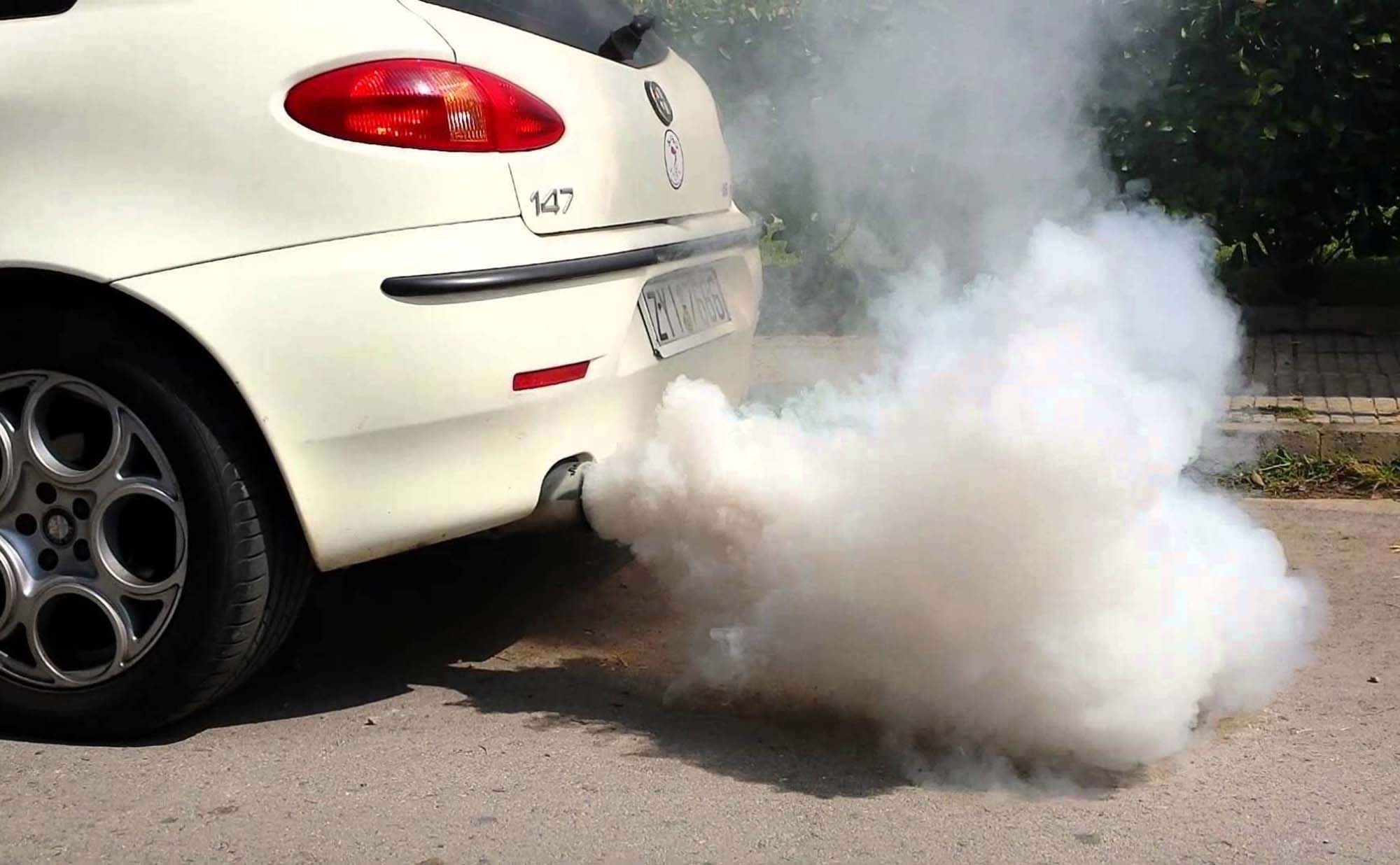
If this starts shortly after a head gasket replacement, the new gasket may not be sealing a coolant passage from the cylinder. A warped cylinder head, crack in the head, damaged block deck, incorrect gasket installation, or insufficient bolt clamping force could all be responsible.
A particularly serious condition occurs when enough coolant leaks into a cylinder while the engine is parked. Liquid cannot compress like air. If a large amount accumulates, attempting to start the engine could potentially cause hydrolock and serious internal damage.
White exhaust should therefore be evaluated along with other evidence. Technicians can inspect spark plugs for one cylinder that appears unusually clean, use a borescope to examine the combustion chambers, pressure-test the cooling system, and perform compression or cylinder leak-down testing.
Do not assume every cloud from the exhaust means the gasket has failed again. But persistent warm-engine white vapor combined with a falling coolant level after the repair is a strong reason for further testing.
Also read: 8 Reasons Why Your Transfer Case Needs Service Every 50000 Miles for Longevity
5. The Engine Oil Turns Milky Again
Finding a beige, tan, or milky mixture under the oil cap after a head gasket repair can immediately raise concerns about coolant entering the lubricating system.
When significant coolant mixes with engine oil, the lubricant can develop a creamy appearance. This is potentially serious because engine oil depends on maintaining the correct viscosity and lubricating properties to protect bearings, camshafts, timing components, and other moving parts.
If the new head gasket allows communication between an oil passage and coolant passage, contamination can return even after the oil was changed during the repair.
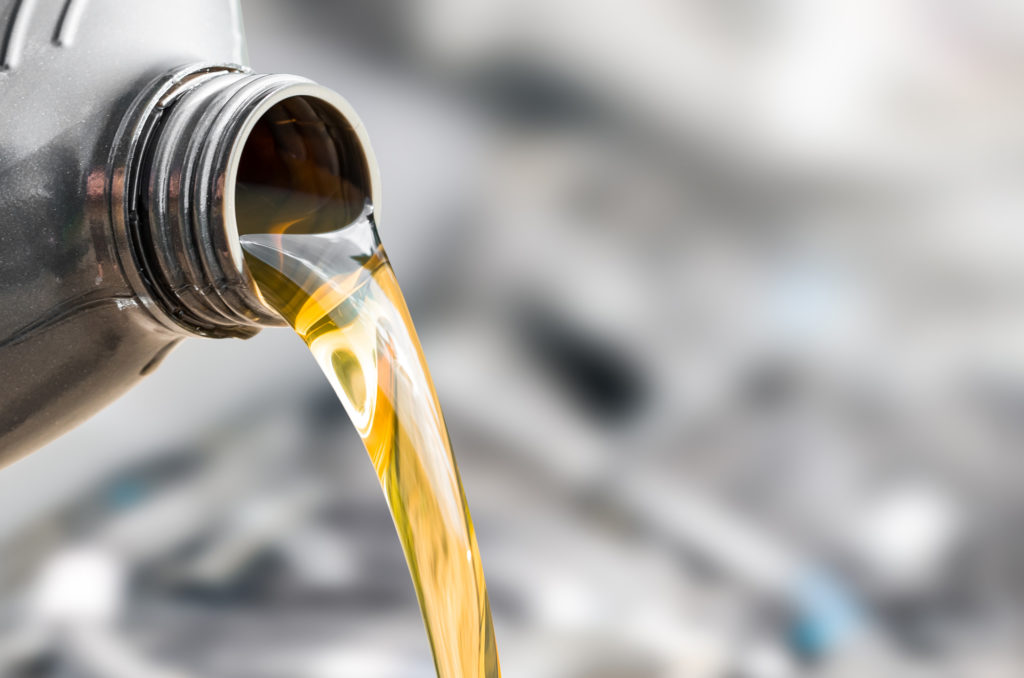
There are other possible causes. A small amount of mayonnaise-like residue underneath the oil filler cap can sometimes result from condensation, particularly on engines that make frequent short trips and never become fully warm. That is very different from substantial contamination throughout the crankcase.
Check the dipstick and drained oil, not just the filler cap. An unexplained rise in the oil level can also indicate another fluid entering the crankcase.
Repair quality matters because the gasket must seal several different environments simultaneously. Cylinder pressure, coolant, and oil may all pass through openings located relatively close together. Surface damage or incorrect gasket positioning can therefore create several different failure paths.
If coolant has genuinely contaminated the oil, avoid continuing to drive the vehicle. Even if the engine still sounds normal, diluted lubricant can accelerate bearing damage quickly.
A successful head gasket repair should include fresh fluids and should eliminate the original cross-contamination. Milky engine oil that clearly returns after the repair indicates something still needs to be investigated.
6. Cold-Start Misfires Continue After the Repair
A badly sealing head gasket does not always cause dramatic overheating. Sometimes the first indication is a rough cold start or recurring misfire on the same cylinder.
Suppose a small amount of coolant leaks into one combustion chamber while the vehicle sits overnight. When the engine starts the next morning, that cylinder may initially struggle to fire correctly. The engine can shake for several seconds before smoothing out as the coolant is expelled.
Diagnostic trouble codes may repeatedly identify the same cylinder. This pattern can occur if the new head gasket is leaking, but the cylinder head itself also needs consideration. Severe overheating can crack a head or distort the sealing surface. Installing a new gasket without properly inspecting the head may temporarily change the symptoms without solving the underlying problem.
Compression testing can reveal a weak cylinder, although a small coolant leak may not always produce dramatically low compression. Cylinder leak-down testing can be more informative because compressed air introduced into the cylinder may produce bubbles in the coolant reservoir when a sealing path exists.
Ignition and fuel problems must still be ruled out. Bad coils, worn plugs, injectors, vacuum leaks, and incorrect valve timing can all cause misfires after engine work.
Incorrect reassembly can even create new problems. Wiring connectors may be left loose, vacuum hoses may be improperly installed, or timing components may be incorrectly positioned.
The important clue is recurrence. A misfire that existed before the head gasket repair and returns immediately afterward, especially on the same cylinder, suggests the original fault may not have been completely corrected.
7. The Cooling System Becomes Hard and Pressurized Very Quickly
Cooling systems normally operate under pressure once the coolant becomes hot. What is suspicious is a cooling system that becomes extremely pressurized only minutes after a completely cold engine has been started.
Combustion pressure inside a cylinder is dramatically higher than normal cooling-system pressure. If a poorly sealed head gasket allows those combustion gases into a water jacket, pressure can build far faster than ordinary thermal expansion would create it.
A technician may notice an upper radiator hose becoming unusually firm soon after startup. Coolant may be pushed toward the overflow reservoir or forced out through the pressure cap.
This symptom can appear even before the temperature gauge shows overheating. That is one reason relying only on the dashboard temperature gauge can be misleading.
Several workmanship problems can create this situation. Incorrect tightening sequence or torque can produce uneven clamping pressure. Reusing bolts that should have been replaced can reduce clamping force. Installing the wrong gasket thickness or orientation can also create trouble.
Surface preparation is equally important. A multilayer-steel head gasket depends on smooth, flat mating surfaces. Scratches, corrosion, residual gasket material, or improper machining can prevent an effective seal.
A cracked head or engine block can produce essentially the same symptoms, meaning the repair itself may have been installed correctly but the technician failed to identify additional damage.
Never open a pressurized cooling system while hot. If unusual pressure develops immediately from cold, have the system professionally tested rather than releasing the cap and continuing to drive.
8. Compression Is Uneven or the Engine Has Lost Power
A correctly completed head gasket replacement should restore proper sealing between the cylinder head and engine block. If the engine has low compression, poor power, unstable idle, or unusual cylinder-to-cylinder differences after the repair, something may still be wrong mechanically.
A gasket can leak directly between two adjacent cylinders. Instead of combustion pressure entering the coolant system, pressure escapes from one cylinder into the neighboring one. This can produce low compression readings in two adjacent cylinders and cause persistent misfires without obvious coolant contamination.
Improper cylinder-head installation is one possibility. So is a warped sealing surface. But the problem may also involve valve timing.
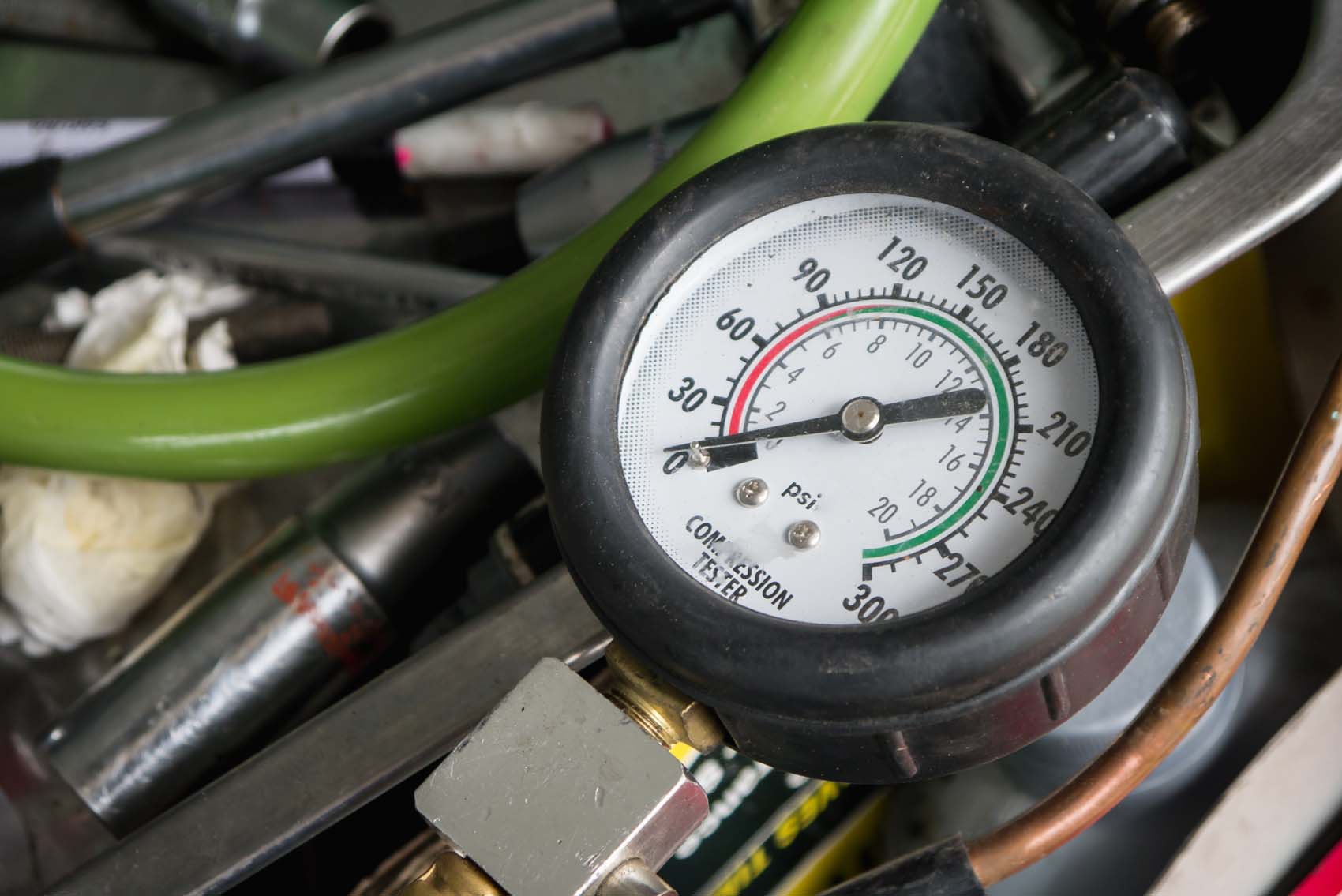
Many head gasket repairs require removing the timing belt or timing chain. If the camshaft timing is reinstalled incorrectly by even a tooth, the engine may start and run but feel weak, idle badly, trigger correlation codes, or produce abnormal compression readings.
Cylinder-head work can introduce valve issues as well. If valves were removed or the head was machined, valve seating and clearance must be correct. A valve that does not close fully can create symptoms that initially resemble another gasket failure.
This is why a proper diagnosis after an unsuccessful head repair often includes more than another coolant test. Compression readings, leak-down percentages, cam/crank timing, cooling-system pressure, and combustion-gas testing all help determine what actually happened.
A head gasket replacement is too expensive and labor-intensive to accept an engine that runs noticeably worse afterward. Loss of compression or performance indicates the repair should be checked before continued driving causes additional damage.
A badly performed head gasket job does not always reveal itself immediately. Some engines overheat during the first drive, while others operate for weeks before coolant loss, misfires, or excessive cooling-system pressure becomes obvious. The most concerning pattern is when the same symptoms that led to the original repair quickly return.
The repair should address more than the gasket itself. A competent job involves identifying why the original gasket failed, checking the head and block for distortion or cracks, preparing the surfaces correctly, using appropriate fasteners and tightening procedures, restoring valve or cam timing accurately, and properly bleeding the cooling system. If those steps are skipped, even a brand-new gasket may have little chance of lasting.
Also read: 10 Reasons Why Your Transmission Fluid Change Is More Critical for Modern 8 Speed Units