A repair receipt can look like something worth keeping only until the credit-card bill arrives, but vehicle paperwork can become surprisingly valuable years later. Insurance claims, warranty disputes, service-contract claims, recall reimbursements, and even total-loss valuations may depend on documentation showing what was repaired, when it was repaired, how much you paid, and which parts were installed.
The FTC specifically advises vehicle owners to retain repair and maintenance records because warranty companies may request them when evaluating coverage.
Not every receipt will increase a claim payment, and policies differ by insurer, state, warranty provider, and manufacturer. Still, throwing away detailed invoices can eliminate evidence that would otherwise support your position.
The most useful paperwork includes the VIN, mileage, repair date, itemized parts and labor, shop information, and proof that payment was actually made. Here are eight categories of automotive repair receipts worth saving rather than tossing into the trash.
1. Engine and Transmission Repair Receipts
If there is one category of repair paperwork worth keeping for the life of the vehicle, it is documentation for major engine and transmission work. These repairs can cost thousands of dollars and can become especially important when a later warranty or service-contract claim involves the same system.
Keep invoices for engine replacements, cylinder-head repairs, timing chains or belts, turbochargers, transmission replacements, valve bodies, torque converters, internal transmission repairs, and other major powertrain work. The receipt should ideally identify the VIN, mileage, diagnosis, parts installed, part numbers, labor performed, and total amount paid.
Maintenance history can matter in warranty disputes because a provider may want evidence that the vehicle was properly maintained before approving an expensive mechanical claim. The FTC specifically advises consumers to retain records of repairs and maintenance, including oil changes and other scheduled services, because warranty companies may request those records.
Major repair invoices can also help establish that a component is newer than the rest of the vehicle. Imagine an engine being professionally replaced at 85,000 miles and the vehicle later being declared a total loss at 92,000 miles. The receipt does not guarantee that an insurer will add the entire engine-replacement cost to the settlement, but documentation can help establish vehicle condition and support a discussion about valuation.
Keep the complete repair order, not merely the credit-card slip. A payment receipt saying “$4,800” provides far less useful information than an itemized invoice showing exactly why $4,800 was spent.
2. Oil-Change and Scheduled-Maintenance Receipts
A $70 oil-change receipt may seem insignificant compared with a $7,000 engine repair, but it can become some of the most valuable paperwork you have when a warranty company questions whether the engine was maintained correctly.
Keep records for oil and filter changes, coolant changes, transmission-fluid services, spark plugs, timing belts, differential fluids, brake fluid, filters, and other manufacturer-specified maintenance. Ideally, each document should include the vehicle mileage and service date.
This becomes particularly important with mechanical warranties and vehicle service contracts. Some contracts explicitly require owners to maintain the vehicle according to the manufacturer’s recommendations and retain receipts as proof. One current Allstate vehicle-service-contract sample, for example, instructs customers to retain maintenance receipts containing identifying information such as mileage and the services performed.
Federal warranty law also prevents manufacturers from simply requiring consumers to purchase routine maintenance from a specific dealer unless that service is provided free or an applicable exception exists. However, that does not eliminate the need to demonstrate that required maintenance actually occurred.
DIY maintenance deserves documentation too. Save receipts for oil, filters, spark plugs, coolant, transmission fluid, and other parts, then record the date and mileage when the work was performed. Photographs can provide additional supporting evidence.
A shoebox containing years of oil-change invoices may seem excessive until an engine fails and someone asks for maintenance history. At that point, those small receipts can help defend a claim worth several thousand dollars.
3. Recall-Related Repairs You Paid for Yourself
Never discard an invoice for a repair that could later become the subject of a safety recall. Manufacturers sometimes announce recalls months or even years after owners have already paid to correct the same defect.
Federal recall rules can require manufacturers to create reimbursement programs for certain qualifying repairs that owners paid for before the recall was announced. NHTSA explains that manufacturers may be required to reimburse owners for certain costs incurred to remedy a safety defect before a recall. This is where the original repair receipt becomes critical.
Manufacturer reimbursement instructions can require proof of ownership, a repair order, and evidence that the owner actually paid the invoice. Some recall notices specifically request documentation such as canceled checks, credit-card records, or other proof of payment before reimbursement can be issued.
Suppose you paid $1,400 to replace a defective fuel pump, steering component, electrical module, or other safety-related part. Six months later, the manufacturer announces a recall covering the same failure. Without the original itemized repair order, proving eligibility could become far more difficult.
Keep any invoice for an unusual or premature failure, particularly if the repair involves a component associated with vehicle safety. Include diagnostic sheets and replaced-part descriptions whenever possible.
A receipt that seems like painful evidence of an expensive repair today could become the document that gets that money returned later.
4. Collision and Body-Repair Invoices
After an accident, keep the final body-shop invoice, even after the insurance claim has been closed, and the vehicle looks perfect again.
The original insurance estimate is useful, but the final invoice is more important because repairs often change after technicians disassemble the vehicle. Hidden structural damage may be discovered, additional replacement parts may be approved, and supplemental estimates may increase the actual cost substantially.
A detailed final receipt can show replacement of bumpers, fenders, doors, lighting assemblies, suspension parts, structural components, airbags, sensors, and other damaged equipment. It may also identify whether OEM, aftermarket, recycled, or remanufactured parts were installed.
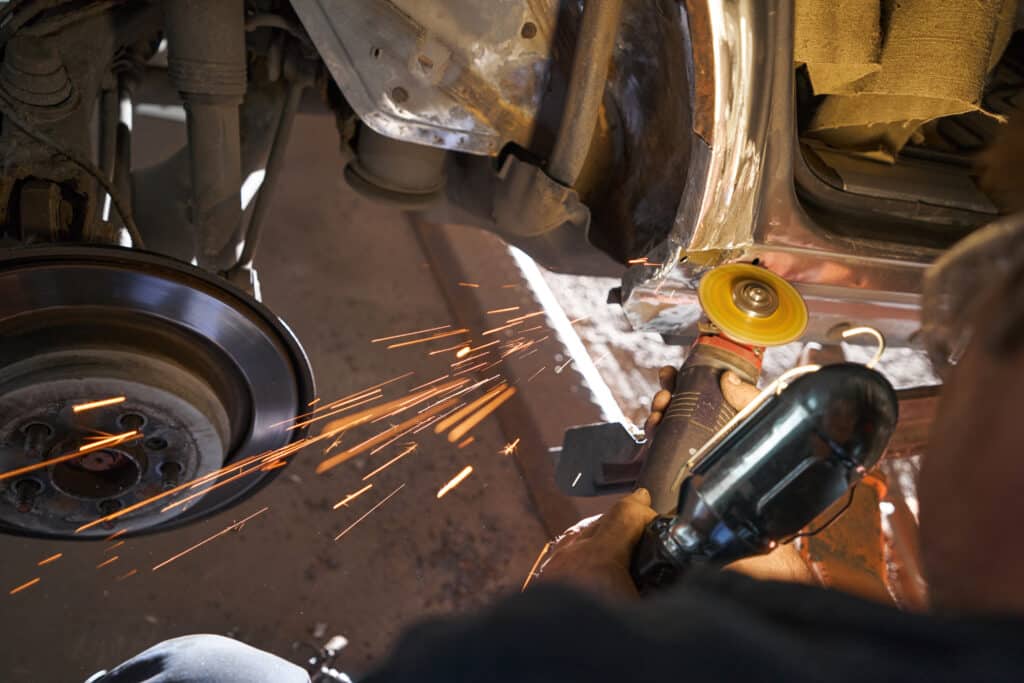
This documentation can matter if the repair later develops a problem. Paint defects, water leaks, warning lights, alignment issues, or sensor faults might be related to previous collision work. Having the original repair order makes it easier to identify exactly what was touched.
It can also matter during a subsequent claim. Insurers evaluate current damage separately from pre-existing damage, so documentation showing that a previous collision was professionally repaired can help clarify the vehicle’s condition immediately before the new loss.
Major insurers allow claimants to submit photographs and documents and work with repair facilities to establish repair estimates and final costs.
Keep the estimate, supplements, alignment printouts, paint documentation, parts invoices, and final receipt together. The more expensive the collision repair, the less sense it makes to discard the paperwork after picking up the car.
Also read: 5 Cars With Cheap Window Regulators and 5 Over $600
5. ADAS Calibration and Wheel-Alignment Receipts
Modern collision repair increasingly involves work that cannot be seen by looking at the exterior of the vehicle. A bumper or windshield replacement may require recalibration of cameras, radar sensors, steering-angle sensors, lane-assistance systems, and other advanced driver-assistance equipment.
That makes calibration receipts worth keeping separately from the ordinary body-shop invoice.
A proper calibration report may identify the vehicle, diagnostic equipment used, calibration procedure, trouble codes, and whether the system passed its final checks. If an automatic emergency-braking, adaptive-cruise, blind-spot, or lane-keeping problem appears later, that document establishes what was done after the earlier repair.
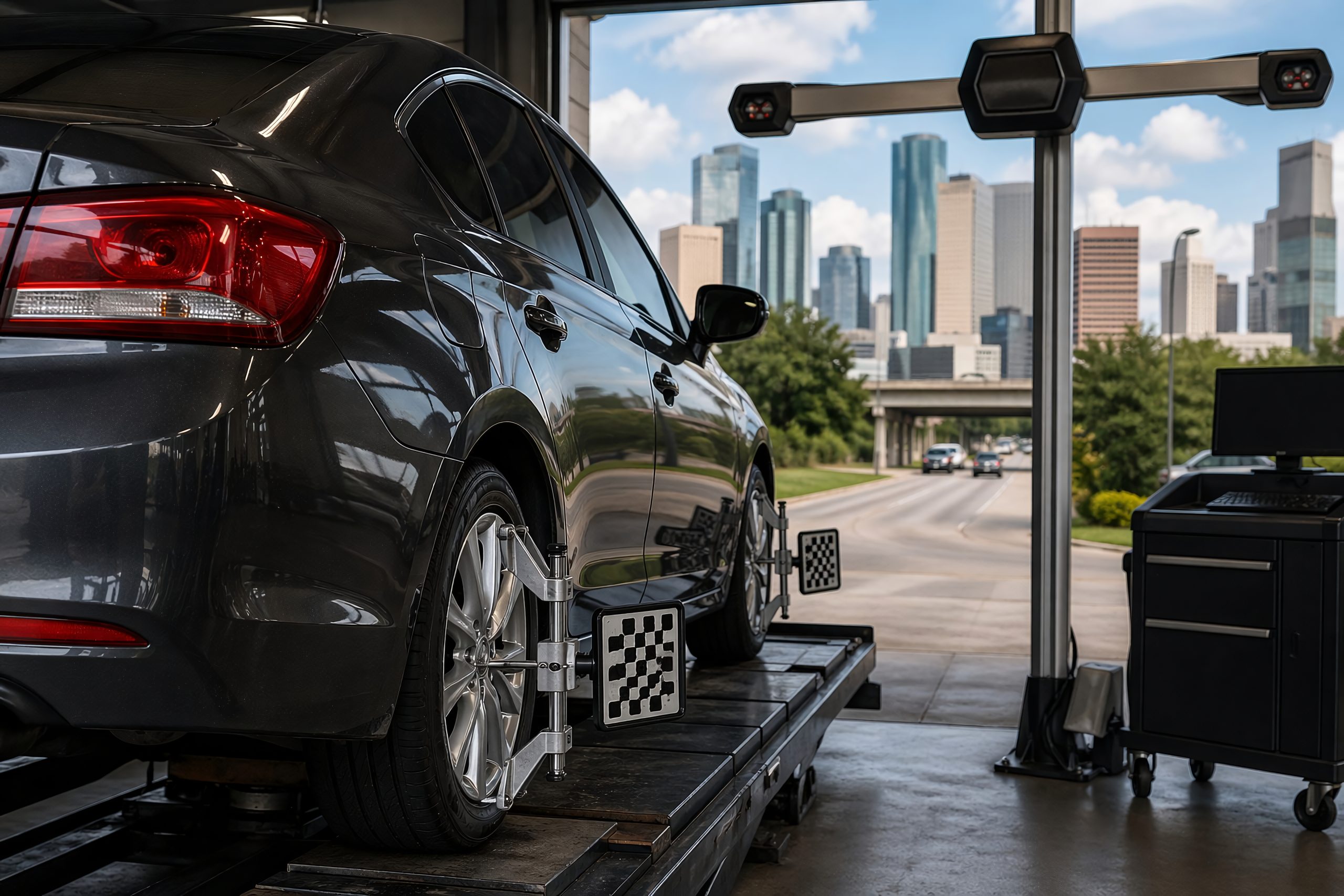
Wheel-alignment reports are similarly useful. Collision repairs involving suspension or steering components commonly include an alignment. Keeping the before-and-after measurements can help show that the vehicle was returned within specification at the time.
These records can become important if there is a dispute about whether a later tire-wear, handling, or ADAS issue resulted from the original accident, the repair process, or a subsequent event.
They can also support a shop workmanship or parts-warranty claim. A customer who can produce the original calibration or alignment report has much stronger documentation than someone who can only say, “I think they aligned it.”
Insurance claim processes increasingly rely on uploaded documents, photographs, repair estimates, and records from repair facilities.
Treat electronic calibration reports just like receipts. Download them, save a PDF copy, and keep them with the final repair invoice rather than assuming the shop will retain them forever.
6. Towing and Emergency Roadside Receipts
A $150 towing bill may seem minor compared with collision repairs, but it is exactly the kind of expense that can be forgotten when a claim stretches across several weeks.
Keep receipts for towing, jump-starts, lockout service, winching, roadside tire service, and emergency transportation of the vehicle. Whether those charges are reimbursable depends on the policy and circumstances, but reimbursement usually becomes much easier when you can prove exactly what happened and what you paid.
Some insurers specifically allow customers who paid a roadside provider themselves to submit the original road-service bill for reimbursement, subject to their coverage limits. GEICO, for example, tells eligible customers seeking emergency-road-service reimbursement to submit the road-service bill with their policy information.

A useful towing receipt should identify the towing company, service date, pickup location, destination, vehicle information, amount charged, and payment method.
This documentation is especially important after a collision because several separate towing charges can occur. The vehicle might first be taken from the crash scene to a storage facility, then moved to an insurance inspection center, and finally transported to a body shop. Those charges can add up quickly.
Do not assume that because an insurer already knows the vehicle was towed, it automatically has your personal payment record. If you paid cash or used your own card, keep the receipt until the claim is completely resolved, and all reimbursements have been received.
7. Rental-Car and Transportation Receipts
The repair itself is not always the only cost created by an accident. If your vehicle remains at the body shop for two or three weeks, transportation expenses can become substantial. Keep every rental-car invoice and related transportation receipt associated with a covered loss.
Rental reimbursement is generally optional coverage and is subject to daily and total limits. Insurers may arrange direct billing with rental companies, but customers sometimes pay first and seek reimbursement afterward. Progressive specifically notes that receipts for rental-car expenses can be submitted for reimbursement consideration after a claim, subject to the terms of the policy.

The final rental receipt is particularly important because the original reservation does not prove how many days you actually used the car or what you ultimately paid.
Keep documents showing the rental dates, base rate, taxes, fees, extensions, and total amount. If the repair shop or insurer caused a documented delay, maintaining a timeline of rental charges can also make later conversations easier.
Similar logic applies to rideshare or other transportation expenses when a policy, responsible third party, or settlement may reimburse them. Whether those expenses qualify depends on the particular claim, so obtain approval whenever possible rather than assuming every transportation charge will be paid.
The broader rule is simple: if an accident forces you to spend money you otherwise would not have spent, keep the receipt until the claim is fully settled.
8. Receipts for Tires, Wheels, Accessories and Recent Upgrades
Receipts for major vehicle upgrades can become surprisingly useful if the vehicle is later stolen or declared a total loss.
Insurers generally determine total-loss settlements using the vehicle’s actual cash value rather than reimbursing every dollar an owner previously spent. That means installing $4,000 worth of wheels and tires does not automatically increase a settlement by $4,000.
However, documentation can still matter. GEICO notes that vehicle features, add-ons, modifications, existing damage, mileage, and comparable sales can be relevant when determining actual cash value. It also states that owners disputing a valuation may provide supporting documents such as receipts or appraisals for review.
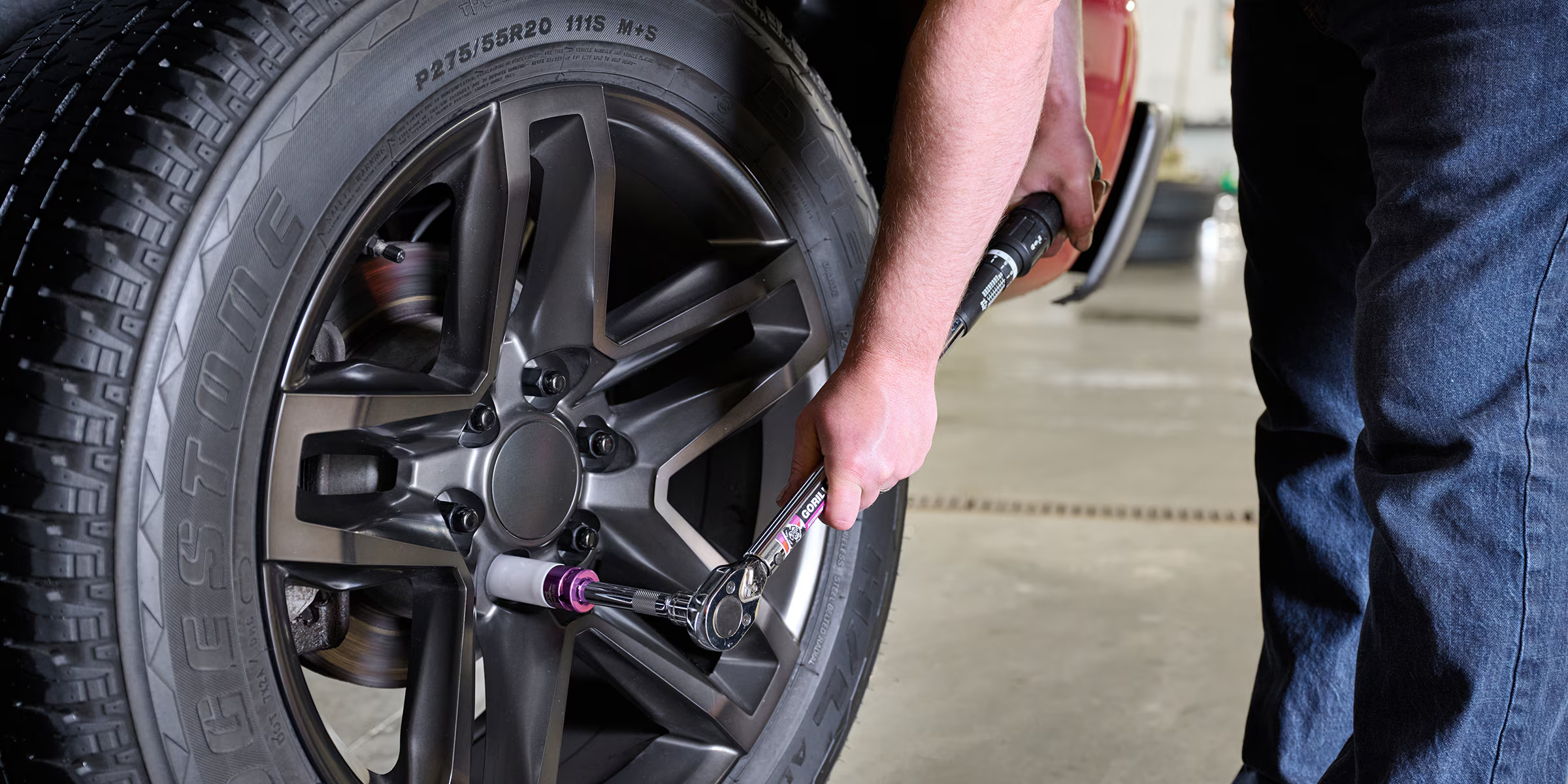
That makes receipts worth saving for expensive tires, wheels, suspension components, audio equipment, camper accessories, lighting upgrades, replacement batteries, performance components, and other significant additions.
Recent major repairs can also help document the vehicle’s pre-loss condition. A receipt showing four new tires installed 1,000 miles before the accident is more persuasive than simply telling the adjuster that the tires were “basically new.”
Some modifications require special insurance coverage or may not be fully covered under a standard policy, so receipts do not guarantee reimbursement. But without documentation, proving the existence, age, or value of an upgrade becomes much harder.
Photograph major upgrades and keep the receipts somewhere other than inside the vehicle. If the car is stolen, paperwork stored in the glovebox disappears with it.
The best automotive recordkeeping system does not need to be complicated. Keep one digital folder organized by VIN and save repair orders, maintenance invoices, estimates, proof of payment, calibration reports, towing bills, rental receipts, and major parts purchases. Scan paper documents before the ink fades, and keep the originals for expensive work.
Receipts do not guarantee that an insurer, manufacturer, or service-contract company will approve a claim. Coverage depends on the policy, warranty terms, exclusions, vehicle condition, and applicable law. But when a claim requires proof of maintenance, previous repairs, expenses, or vehicle condition, organized records can turn an unsupported statement into documented evidence.
Also read: 10 Reasons a Used Car Costs the Dealer Almost Nothing