
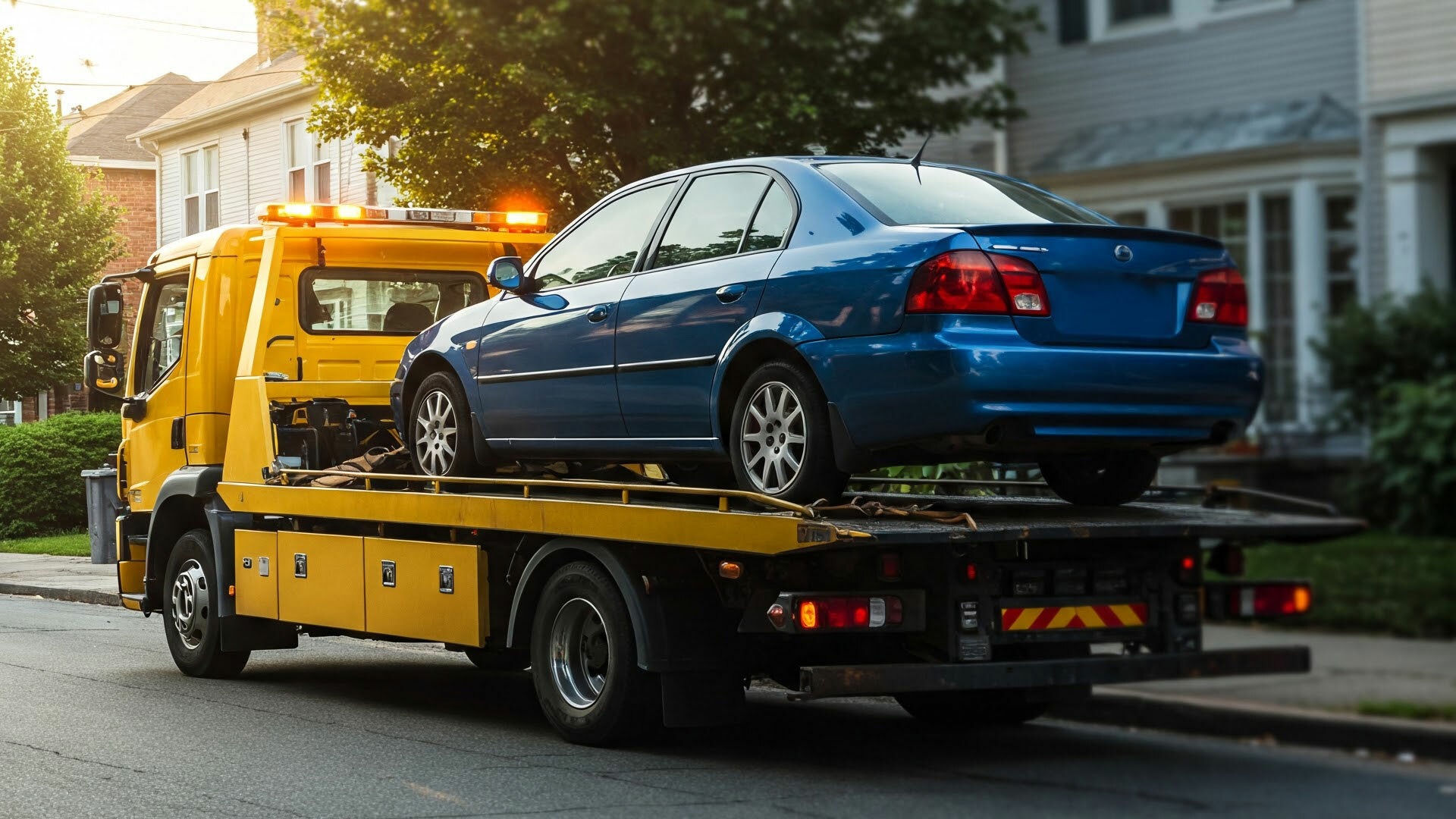
Here’s a number that should make anyone with a car payment sit up straight. Last year, 1.73 million vehicles got hauled away by lenders across the United States, the highest total since the depths of the 2009 financial crisis. That’s not a small blip in a spreadsheet somewhere.
That’s nearly two million families losing their ride to work, their kid’s school drop-off, their entire daily routine. So what’s driving this? A mix of sky-high prices, brutal interest rates, and loans that never should have been approved in the first place. Buckle up, because this story affects a lot more households than most people realize.
The Numbers Behind the Headlines
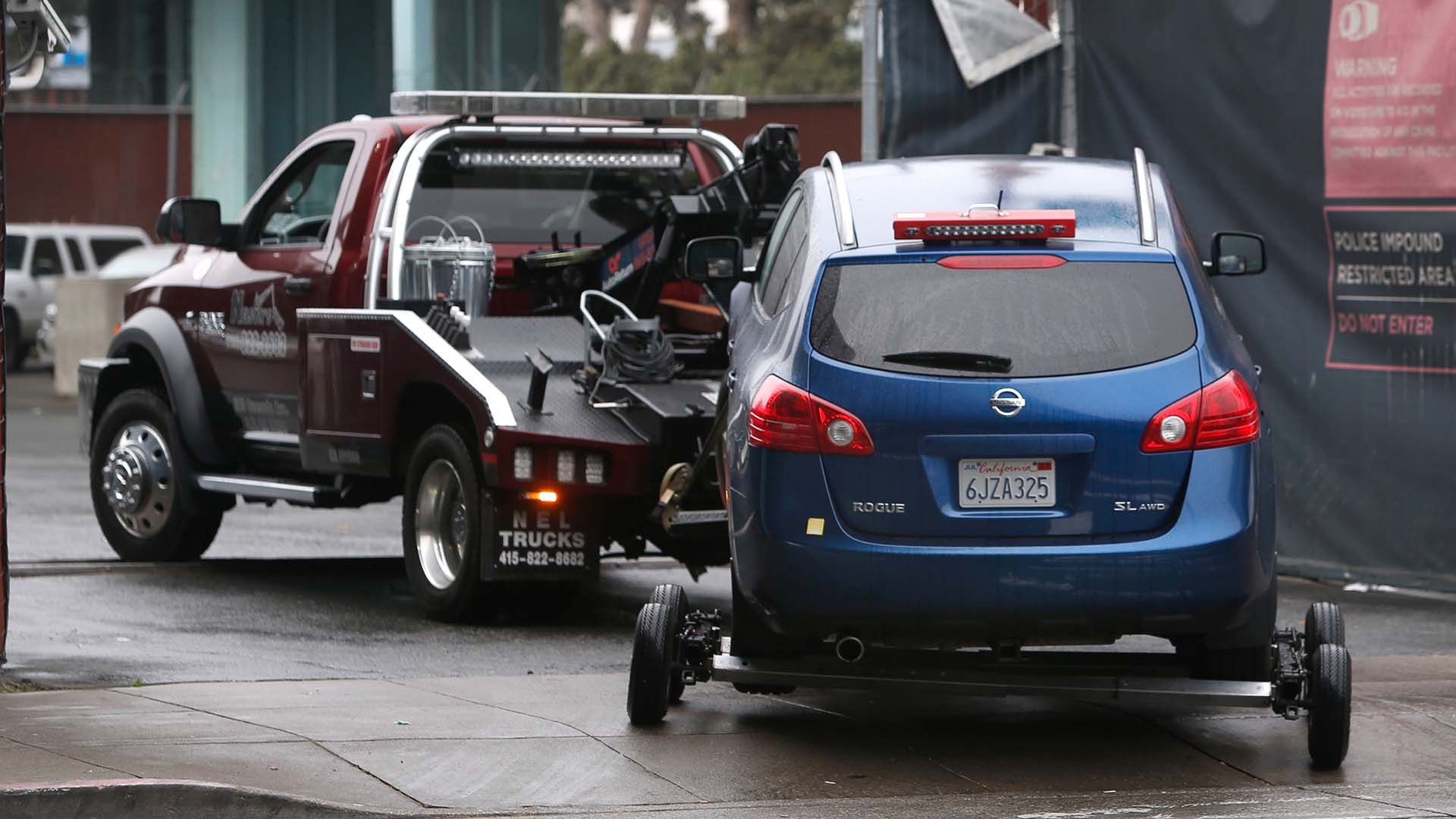
Let’s start with the plain facts, because they’re stark enough on their own. Repossessions climbed to 1.73 million vehicles in 2024, a figure not matched since the country was still climbing out of a recession 16 years earlier.
Analysts tracking this data point out that 2025 hasn’t shown much improvement either, suggesting this isn’t a one-year fluke tied to a single bad quarter. Dig a little deeper and the picture gets more uncomfortable. In the first quarter of this year, the average monthly car payment on a new vehicle crossed $800 for the first time in recorded history.
Read that again. Eight hundred dollars a month, every month, just to keep a car in the driveway. And roughly one in five buyers is now paying more than $1,000 per month for that privilege, a figure that rivals rent payments in many American cities.
Subprime borrowers are absorbing the worst of it. These are buyers with lower credit scores who typically get stuck with higher interest rates from the start. The 60-day delinquency rate on subprime auto loans hit 6.8% earlier this year, meaning roughly one in fifteen subprime borrowers was already two months behind on payments.
That’s not an isolated stumble here and there. That’s a pattern spreading across an entire category of borrowers, and lenders are responding the way they always do: by sending trucks to collect the collateral.
How the Country Got Here
Rewind to the pandemic years for a moment, because that’s where this story really begins. Used car prices shot up dramatically in 2021 and 2022, thanks to supply shortages and a surge in demand from people who suddenly needed personal transportation instead of public transit.
Buyers financed vehicles at inflated values just to get behind the wheel of something, anything, during a chaotic stretch of the used car market. To keep those monthly payments looking manageable on paper, lenders stretched loan terms further than they ever had before.
Seven-year auto loans became common practice rather than a rare exception. Some lenders pushed terms even longer than that, betting that borrowers would somehow keep up with payments stretching well beyond half a decade.
Here’s the math problem nobody wanted to acknowledge at the time: cars depreciate. Loans, generally speaking, do not shrink at the same pace unless a borrower is paying well above the minimum. So millions of people ended up owing more on their vehicle than it was actually worth on any given day.
Add a job loss, a medical bill, or a surprise repair bill into that equation, and there’s no room left to maneuver. Selling the car doesn’t clear the debt, refinancing doesn’t always work, and eventually the loan goes unpaid long enough that repossession becomes the lender’s only remaining option.
Rising interest rates piled on top of all this. Borrowers who financed vehicles during a period of climbing rates got locked into higher monthly costs from day one, leaving almost no cushion when life inevitably threw a curveball their direction.
Who Is Feeling the Impact Most
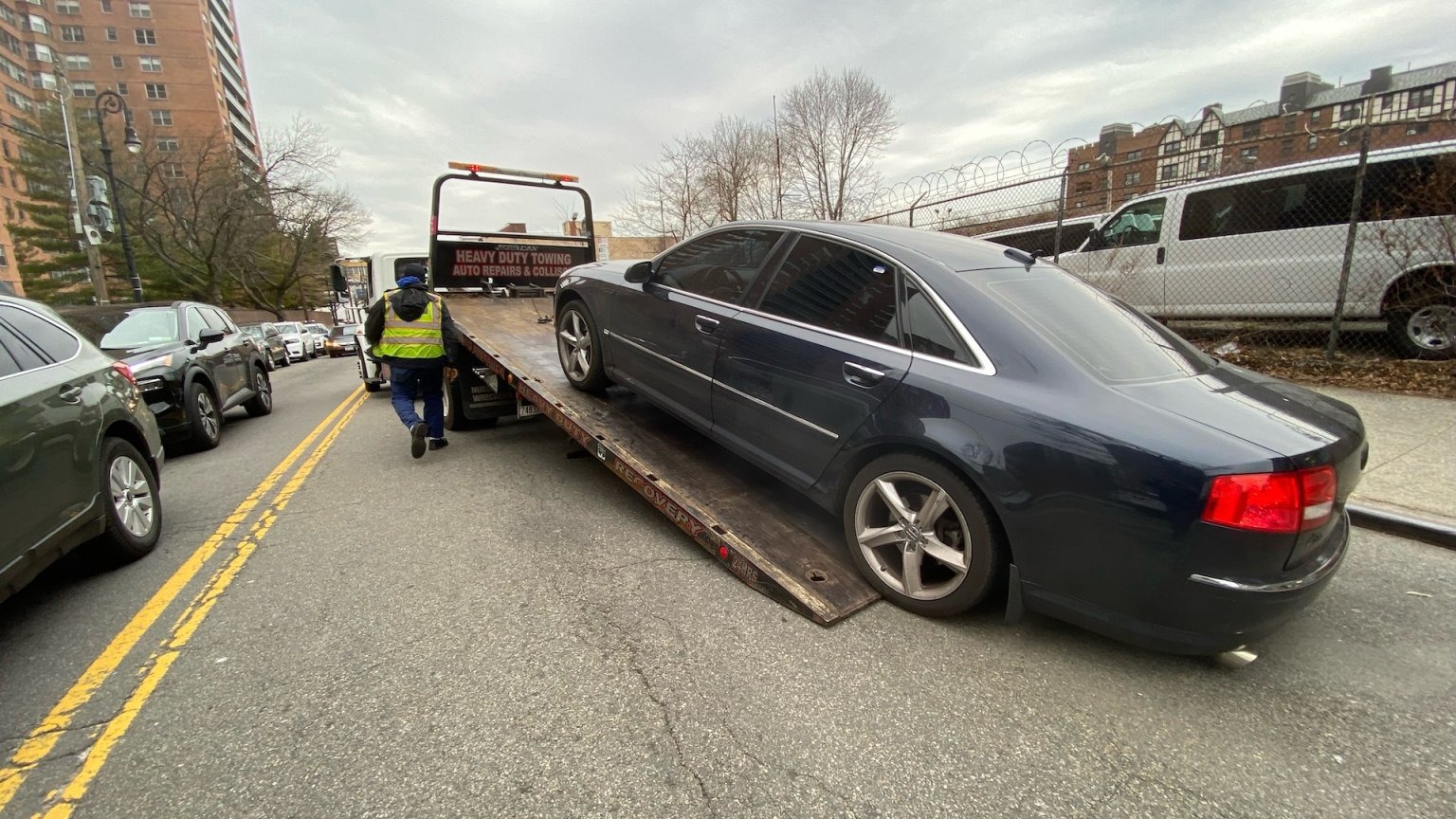
Not every borrower faces the same risk of repossession. Subprime buyers with weaker credit histories are taking a larger share of these cases, while higher interest rates add even more pressure to already expensive loans.
Working families managing several bills may put housing and food before a car payment. The problem is that losing a vehicle can also mean losing reliable transportation to work. Missing payments can lead to repossession, and without a car, finding or keeping a job can become even harder.
Younger buyers who financed vehicles during the pandemic-era price surge are also appearing in these numbers. Some agreed to seven-year loans without fully considering how long they would be making payments or how much the vehicle could depreciate before the loan was paid off.
Location also plays a role. In areas with limited public transportation, losing a car can severely restrict access to employment. Rural and suburban borrowers may face greater difficulties than people living in cities with reliable transit.
Lenders are not always eager to repossess vehicles either. The process costs money, and auctions may not recover the entire loan balance. Still, when payments stop and communication breaks down, repossession can become unavoidable.
What Borrowers Can Actually Do
Feeling stuck doesn’t mean you’re actually out of options. If a payment is starting to feel impossible, the single most useful step is calling the lender before missing that payment, not after. Most lenders would genuinely rather adjust terms, offer a short deferment, or restructure a loan than absorb the cost and hassle of repossessing a vehicle and reselling it at auction for less than it’s owed.
Refinancing deserves serious consideration too, particularly for anyone whose credit score has improved since they first signed their loan paperwork. Shaving even a point or two off an interest rate can meaningfully lower a monthly payment, sometimes by enough to make the difference between staying current and falling behind.
For borrowers who are underwater on their loan but still managing to keep payments current, patience tends to be the smarter path. Selling a vehicle at a loss just to escape an uncomfortable loan balance often creates a fresh financial hole rather than solving the original one.
The gap between what’s owed and what a car is worth tends to close gradually as payments continue, so staying the course usually beats a panicked exit. Knowing where you stand matters more than anything else. Checking loan balances, tracking payment history, and understanding exactly how far behind a missed payment might put someone gives borrowers a real chance to act before a situation spirals out of reach.
A Trend Worth Watching Closely
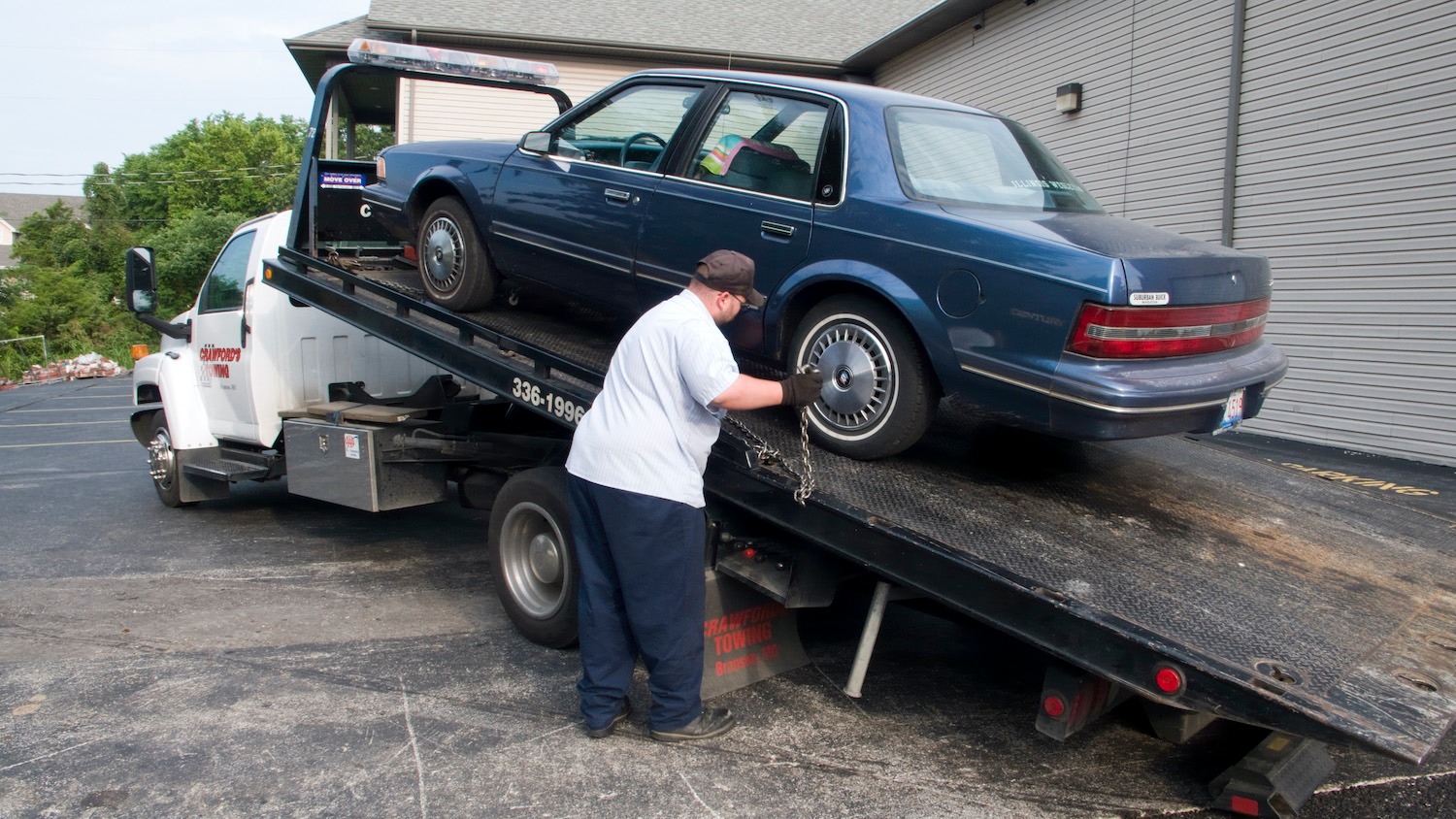
Nobody sets out planning to have their car taken away. Yet with monthly payments climbing past historic thresholds and wages failing to keep pace, more households are finding themselves in precisely that position, month after month, across every corner of the country.
This isn’t purely a personal finance story either. When 1.73 million vehicles get repossessed in a single year, that ripples outward into used car inventory, auction pricing, and the broader lending environment that shapes future loan terms for everyone else shopping for a car.
Lenders tighten standards in response, which can make borrowing harder even for buyers with solid credit. Watching this number climb back toward levels last seen during a major financial crisis should raise eyebrows well beyond the auto industry itself.
It says something about affordability, about wage growth lagging behind the cost of living, and about lending practices that leaned too heavily on stretched-out loan terms during a period when prices were already inflated beyond reason.
Whether 2025 and beyond bring relief or further records remains uncertain, but the data through 2024 makes one thing clear. This isn’t a temporary rough patch that fixes itself quietly in the background. It’s a warning sign worth paying attention to, whether you’re currently making a car payment or simply watching the broader economy from the sidelines.
