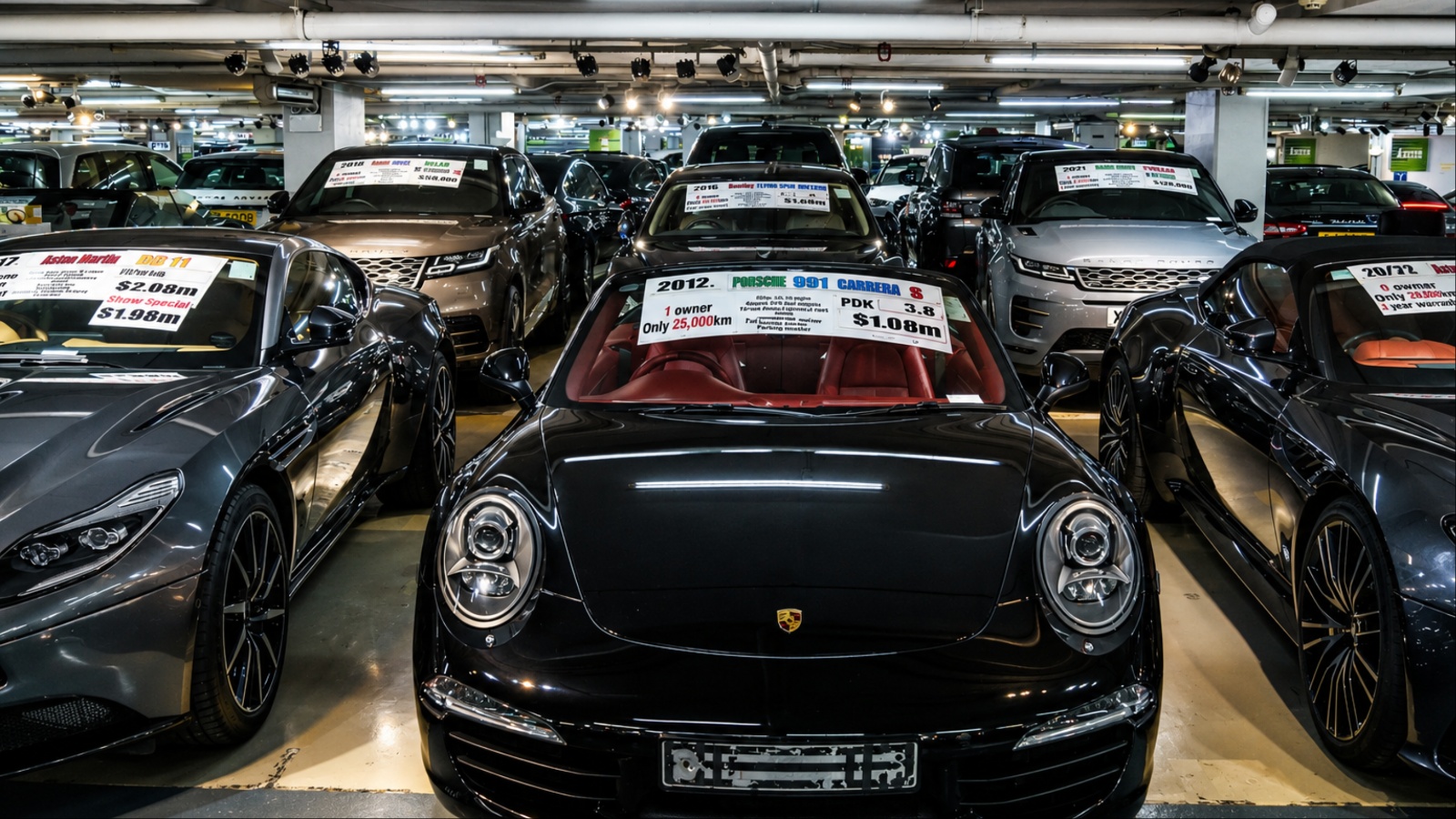
A new car can lose thousands of dollars without turning a single wrench. Depreciation is often the largest ownership expense, and some vehicles surrender value far faster than the industry average.
iSeeCars’ latest five-year depreciation study shows the average vehicle losing 41.8 percent of its value, but several luxury models and electric vehicles cross the 50-percent mark easily. In other words, five-year-old examples can be worth less than half of what buyers originally paid.
iSeeCars analyzed more than 950,000 five-year-old used vehicles sold from March 2025 through February 2026, comparing used prices with inflation-adjusted original MSRPs. EVs averaged 57.2-percent depreciation, while luxury vehicles dominated the worst-performing models.
The ten vehicles below are the study’s highest depreciators, meaning every one loses considerably more than half its original value within five years. For used buyers, that creates bargains. For original owners, the financial hit can be enormous.
1. Nissan LEAF – 63.1% Depreciation
The Nissan LEAF takes the unwanted first position in iSeeCars’ latest depreciation ranking. After five years, it loses an average of 63.1 percent of its original value, meaning only about 36.9 percent remains. The average dollar difference from MSRP is $17,743. That dollar loss is smaller than many luxury vehicles farther down the ranking, but the LEAF’s percentage decline is the steepest of any vehicle studied.
Electric-car depreciation has several forces working against it. Rapid improvements in battery range, charging speed, technology, and new-car incentives can make an older EV considerably less desirable even when it remains completely usable. The LEAF also spent much of this period competing with newer electric cars offering longer ranges and increasingly competitive prices.
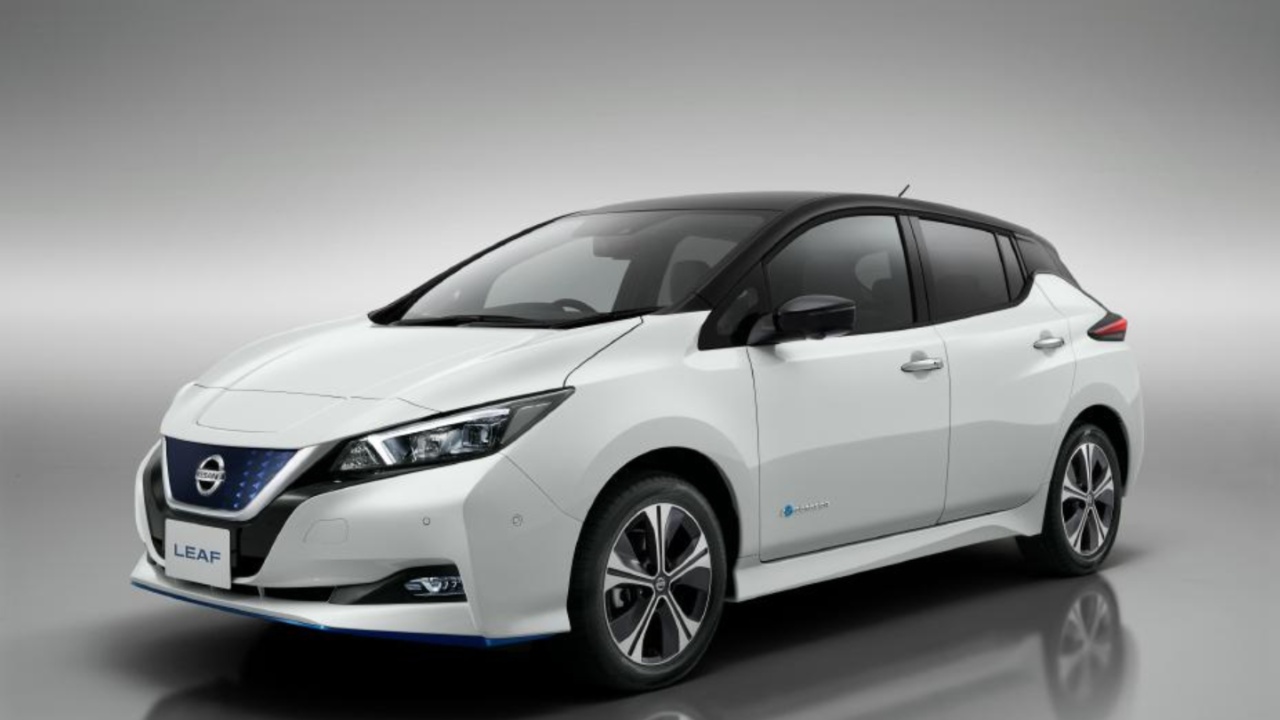
That makes the depreciation equation very different depending on which side of the transaction you are on. A new-car buyer absorbs the value loss, while someone purchasing the same LEAF at five years old can acquire an EV for a fraction of its original cost. Battery condition, remaining range, charging compatibility, and warranty coverage should therefore matter more than simply celebrating the low used price.
A representative 2021 LEAF uses a single front electric motor. Nissan rated the standard battery version at 147 horsepower and 236 lb-ft of torque.
Specifications:
- Engine: Single electric motor
- Horsepower: 147 hp
- Torque: 236 lb-ft
- Length: Approximately 176.4 inches
- Width: Approximately 70.5 inches
2. Infiniti QX80 – 62.8% Depreciation
The Infiniti QX80 ranks second, losing an extraordinary 62.8 percent of its value after five years. That leaves approximately 37.2 percent of the original value intact. Unlike the relatively affordable LEAF, the QX80 starts as an expensive full-size luxury SUV, so the average dollar loss is a much more painful $52,631.
iSeeCars points to an important factor behind the QX80’s result: the previous generation remained on the market for roughly 15 years before an all-new model finally arrived. A lengthy product cycle followed by a dramatic redesign can accelerate depreciation because the older vehicle suddenly looks and feels substantially more dated.
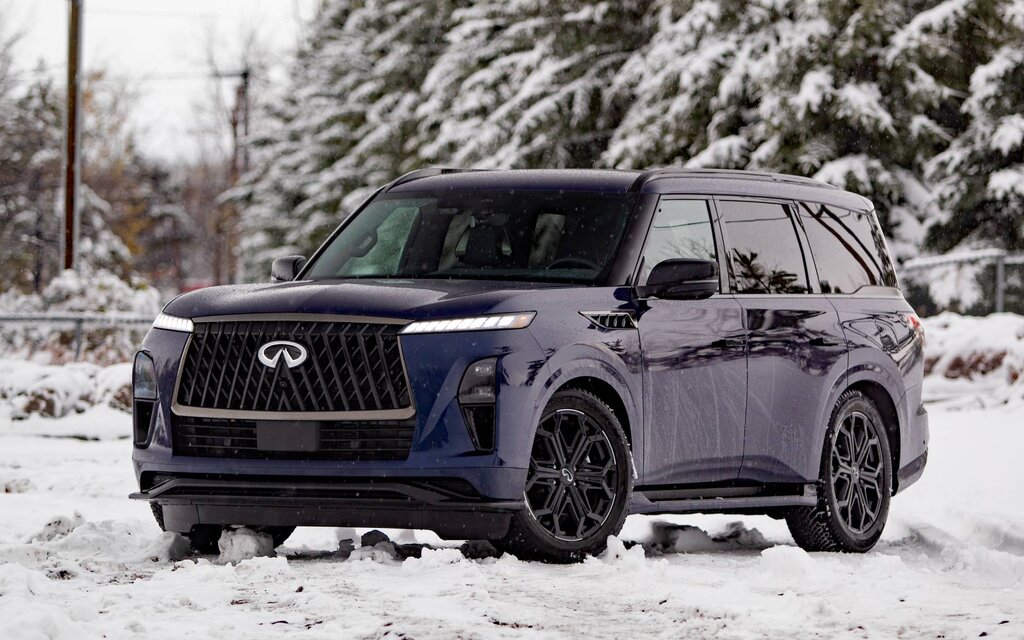
For used buyers, however, the equation reverses. A five-year-old QX80 provides a large naturally aspirated V8, three-row seating, substantial towing capability, and traditional luxury-SUV construction at a much lower purchase price. The concern is that fuel, tires, maintenance, and repairs still belong to a vehicle originally positioned as an expensive luxury model.
The 2021 QX80 used Infiniti’s 5.6-liter V8 producing 400 horsepower and 413 lb-ft. The same generation measured 210.2 inches long and 79.9 inches wide.
Specifications:
- Engine: 5.6L naturally aspirated V8
- Horsepower: 400 hp
- Torque: 413 lb-ft
- Length: 210.2 inches
- Width: 79.9 inches
3. Volkswagen ID.4 – 62.1% Depreciation
Volkswagen’s ID.4 is third with 62.1-percent depreciation after five years, leaving only 37.9 percent of its original value. iSeeCars calculates an average dollar difference from MSRP of $28,010. It is also the worst-performing small SUV in the study for five-year retained value.
The ID.4 highlights the depreciation challenges affecting the used EV market. According to the iSeeCars analysis, electric vehicles lose an average of 57.2 percent of their value after five years. That is more than 15 percentage points higher than the 41.8 percent average depreciation recorded across all vehicles.
New EV price cuts, incentives, faster charging systems, longer-range competitors, and quickly evolving software can make first-generation examples age economically faster than conventional gasoline vehicles.
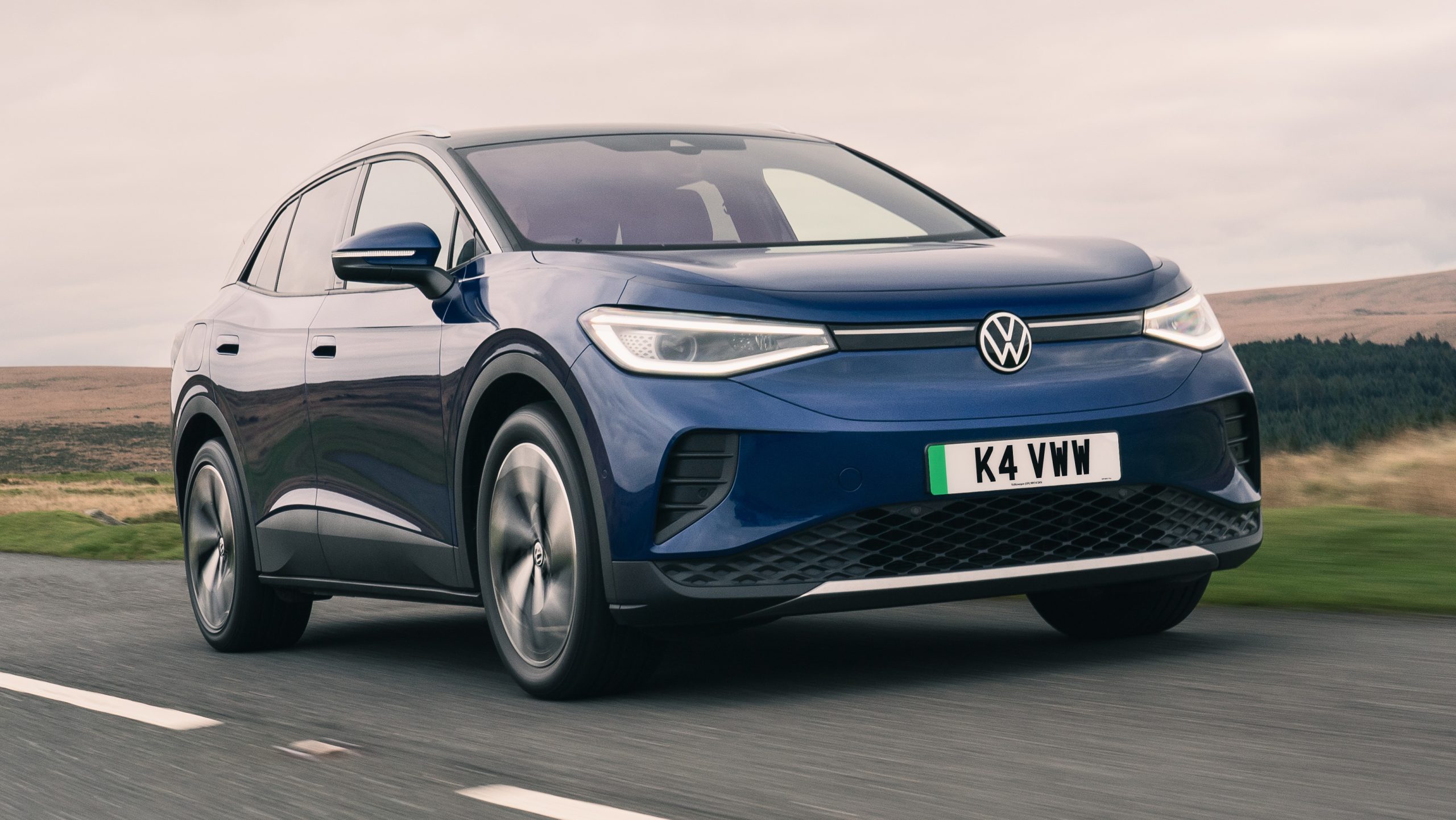
That does not automatically make a five-year-old ID.4 undesirable. For buyers able to charge at home, heavy depreciation can make the Volkswagen far more affordable on the used market than it was when new. Battery health and charging requirements become key considerations.
Volkswagen rated the rear-wheel-drive 2021 ID.4 at 201 horsepower and 229 lb-ft of torque using its rear-mounted permanent-magnet electric motor.
Specifications:
- Engine: Rear permanent-magnet electric motor
- Horsepower: 201 hp
- Torque: 229 lb-ft
- Length: Approximately 180.5 inches
- Width: Approximately 72.9 inches
4. Tesla Model S – 62.0% Depreciation
The Tesla Model S follows only one-tenth of a percentage point behind the ID.4. iSeeCars records 62.0-percent five-year depreciation, translating to an enormous average loss of $58,907. A five-year-old Model S therefore retains only about 38 percent of its inflation-adjusted original value.
The Model S highlights how quickly the market can reprice expensive technology. Tesla has repeatedly updated its vehicles, adjusted new-car pricing, improved range and performance, and introduced newer hardware. Those developments can benefit new buyers while simultaneously pushing older examples down the used-car pricing ladder.
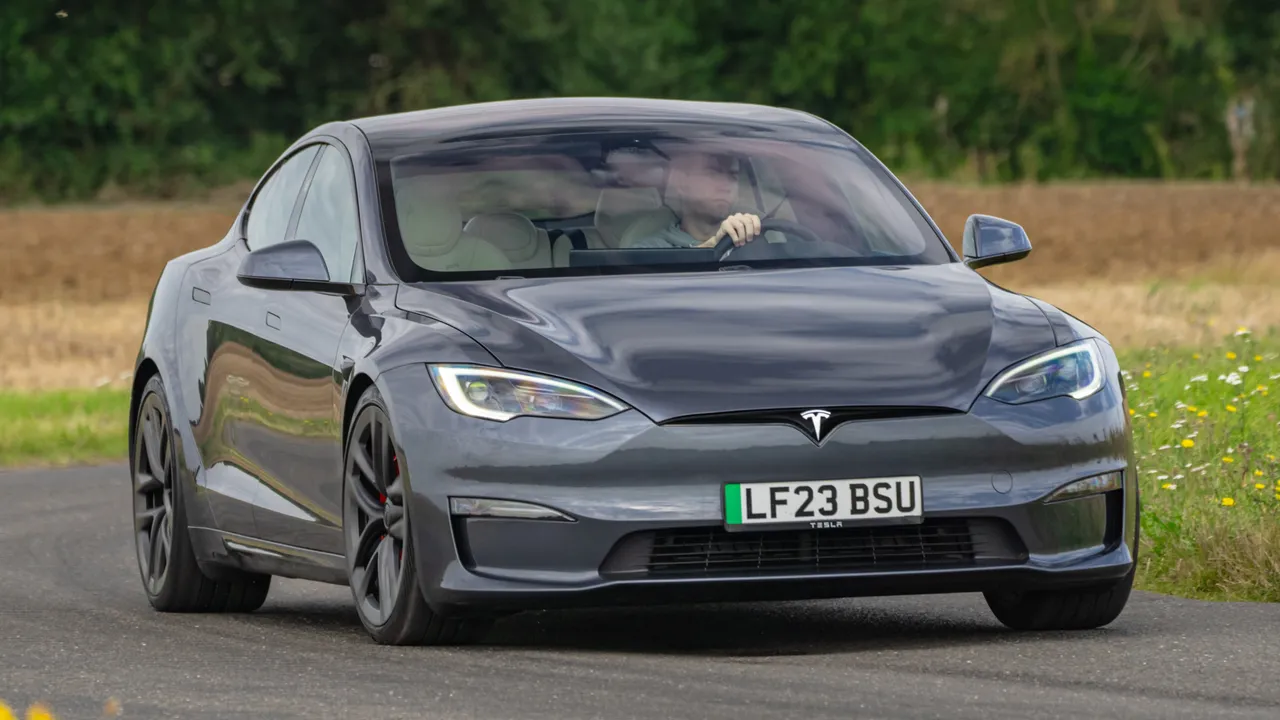
This does not mean an older Model S suddenly lacks performance. Even earlier versions deliver acceleration and technology that remain impressive. But resale buyers compare them not only against gasoline luxury sedans but also against newer Teslas. The price of a new equivalent therefore puts constant pressure on used values.
The Model S also demonstrates why dollar depreciation matters alongside percentage loss. Its 62-percent decline costs an original owner more than three times the dollar amount lost by the LEAF despite nearly identical percentage depreciation. Tesla’s owner documentation lists earlier Model S dimensions at approximately 196 inches long and 77.3 inches wide excluding mirrors.
Specifications:
- Engine: Electric motor system, configuration dependent
- Horsepower: Tesla did not publish a universal figure across configurations
- Torque: Configuration dependent
- Length: Approximately 196.0 inches
- Width: Approximately 77.3 inches
5. Land Rover Range Rover – 61.7% Depreciation
The Range Rover ranks fifth at 61.7-percent depreciation, leaving roughly 38.3 percent of its original value after five years. More significant is the dollar figure: iSeeCars calculates an average decline of $69,856, the largest loss among the top five vehicles.
That result demonstrates the brutal economics of high-end luxury depreciation. Materials, technology, prestige, and elaborate equipment add enormous value when a vehicle is new, but the used market does not necessarily pay the same premium once those features are five years old. iSeeCars specifically notes that luxury vehicles dominate its highest-depreciation list, accounting for 18 of the top 25 models.
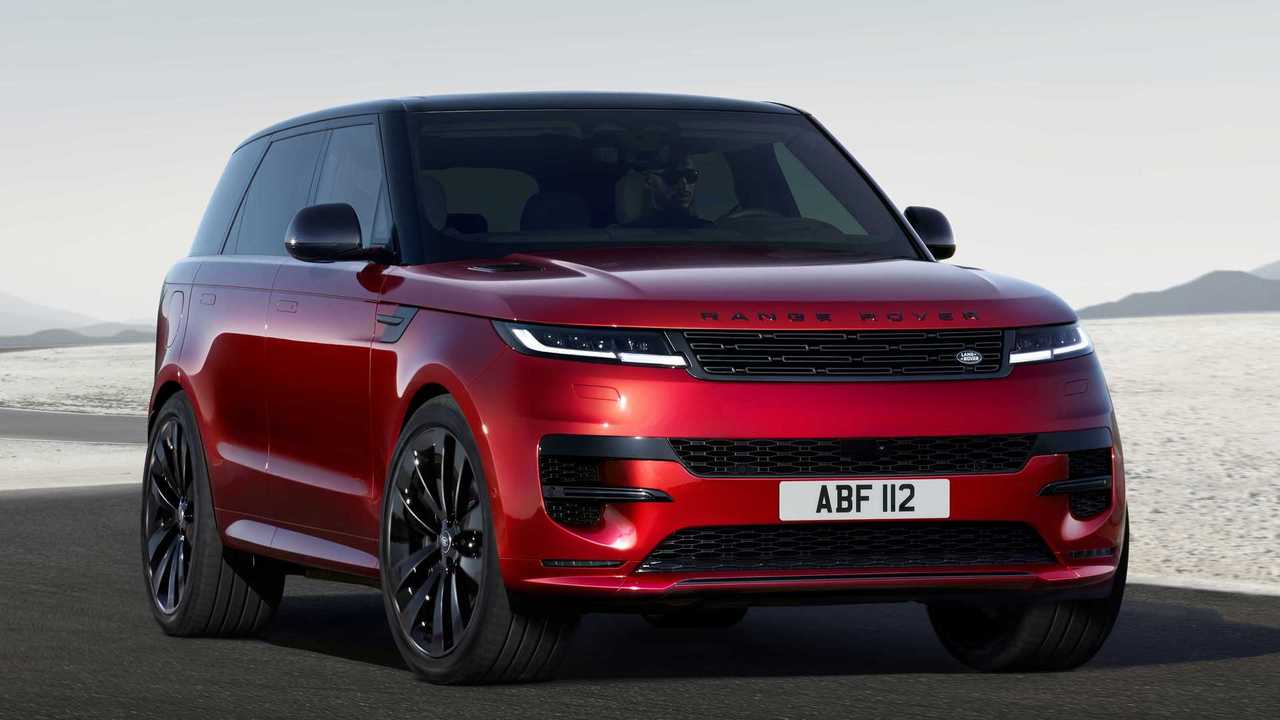
For used buyers, this creates one of the strongest examples of “someone else took the depreciation.” A five-year-old Range Rover can offer extraordinary luxury and off-road ability for far less than its original price. The caution is that maintenance expenses do not depreciate at the same rate as the vehicle.
The base 2021 Range Rover used a mild-hybrid 3.0-liter turbocharged Ingenium inline-six producing 355 horsepower and 365 lb-ft of torque. More powerful six-cylinder, hybrid, diesel, and supercharged V8 versions were also offered.
Specifications:
- Engine: 3.0L turbocharged mild-hybrid inline-six
- Horsepower: 355 hp
- Torque: 365 lb-ft
- Length: Approximately 196.9 inches
- Width: Approximately 78.1 inches
Also read: 10 Cars With the Most Gears in Their Transmission
6. BMW 7 Series – 61.6% Depreciation
BMW’s flagship sedan ranks sixth with 61.6-percent depreciation, producing an average five-year dollar loss of $61,141. That leaves just 38.4 percent of the original value, an extraordinary decline for a vehicle that sits near the top of BMW’s luxury hierarchy when new.
The 7 Series follows a familiar luxury-car depreciation pattern. Its sophisticated suspension, large displays, advanced driver-assistance systems, elaborate interior features, and powerful engines are major selling points when new. Once the car ages, those same systems can make used buyers cautious because a complicated flagship generally costs more to maintain than a mainstream sedan.
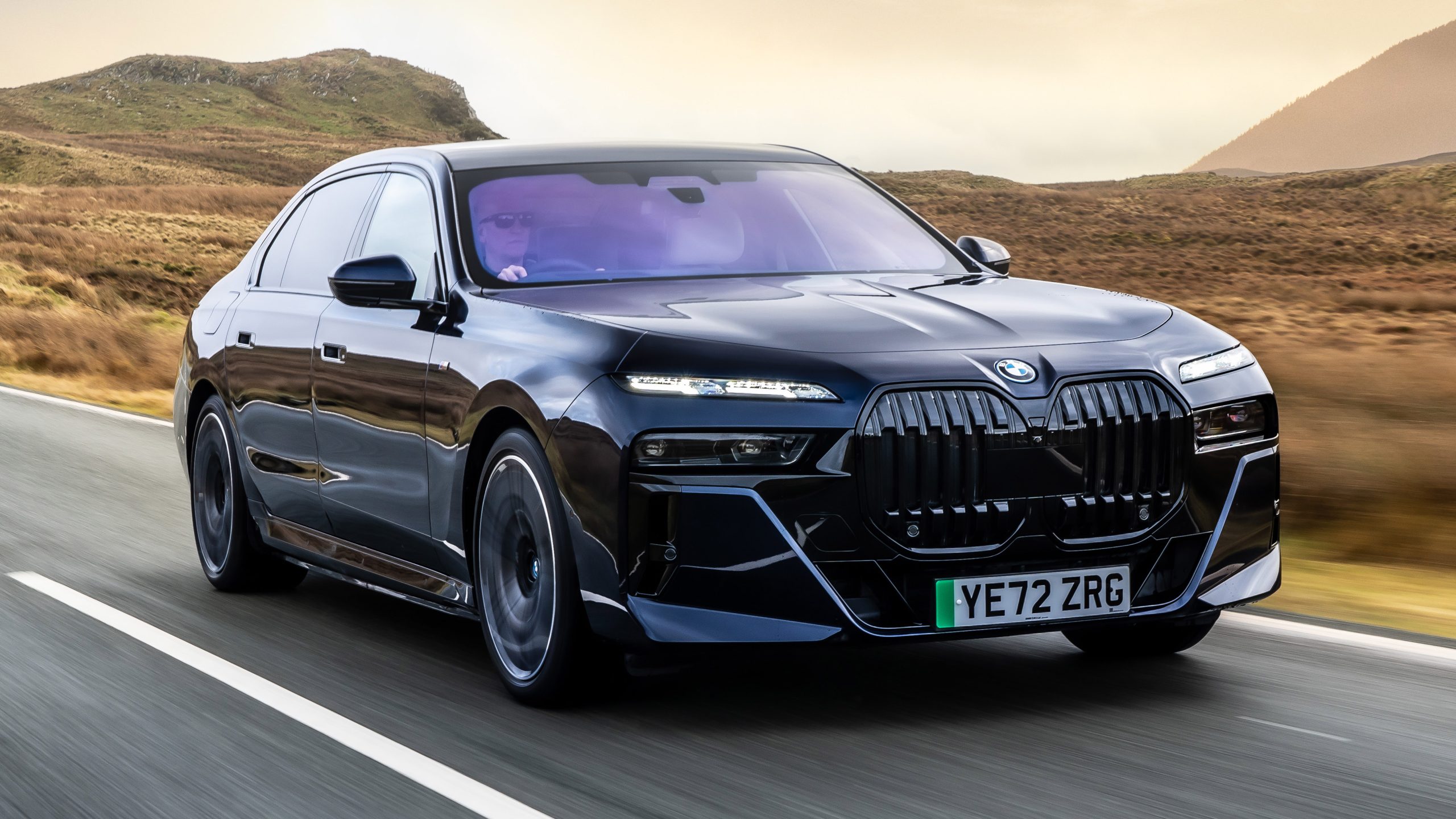
This produces a huge price gap between new and five-year-old examples. For a used buyer, the decline can make a 7 Series surprisingly attainable. For someone who purchased new and traded after five years, depreciation alone can exceed the original price of many new economy cars.
A representative 740i from this generation used BMW’s 3.0-liter turbocharged inline-six producing 335 horsepower and 330 lb-ft of torque. BMW listed the sedan at 207.4 inches long and 74.9 inches wide without mirrors.
Specifications:
- Engine: 3.0L turbocharged inline-six
- Horsepower: 335 hp
- Torque: 330 lb-ft
- Length: 207.4 inches
- Width: 74.9 inches
7. Tesla Model X – 61.2% Depreciation
Tesla appears for the second time with the Model X. iSeeCars finds that the electric SUV loses 61.2 percent of its value after five years, resulting in an average dollar difference from MSRP of $61,216. It retains only 38.8 percent, putting it among the weakest midsize SUVs for resale value.
The Model X is an unusual vehicle even within the EV world. Falcon Wing rear doors, powerful electric motors, a panoramic windshield, advanced software, and available three-row seating helped justify a premium price when new. Yet those features do not protect it from the same forces affecting other used EVs.
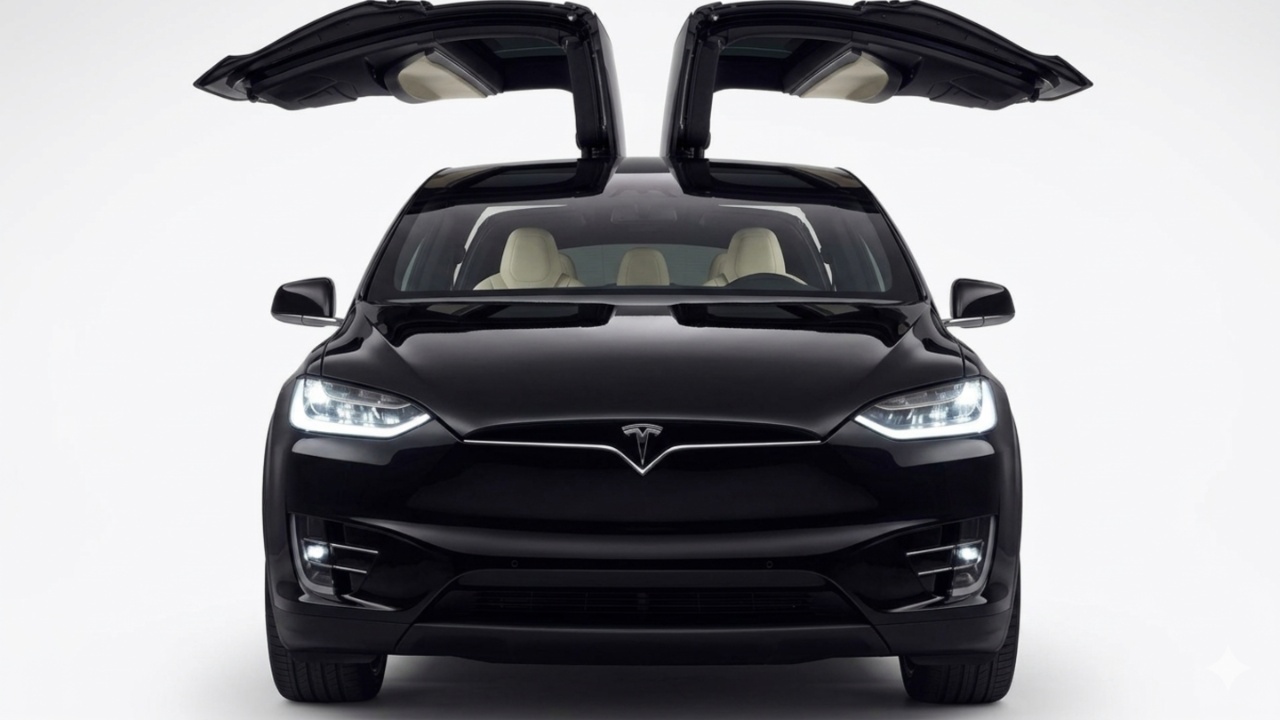
iSeeCars ranks the Model X as the highest-depreciating midsize SUV in its current segment comparison. Its five-year dollar loss is nearly three times the average dollar depreciation of the midsize-SUV segment.
For used shoppers, that drop can turn a formerly six-figure electric SUV into a far more accessible vehicle. Battery health, suspension condition, doors, electronics, and remaining warranty coverage should still be investigated carefully because the vehicle’s used price does not change the complexity of its components.
Specifications:
- Engine: Dual-motor electric system, configuration dependent
- Horsepower: Tesla did not publish one universal output across all configurations
- Torque: Configuration dependent
- Length: Approximately 198.3 inches
- Width: Approximately 78.7 inches
8. Ford Mustang Mach-E- 60.8% Depreciation
The Ford Mustang Mach-E ranks eighth with 60.8-percent depreciation after five years. That leaves only about 39.2 percent of its original value, with iSeeCars calculating an average dollar difference from MSRP of $22,976.
Like the ID.4, the Mach-E shows how difficult value retention can be for an EV competing in a fast-moving market. Ford has expanded the Mustang Mach-E lineup over time while battery range, charging performance, software, and pricing throughout the EV market have continued to change.
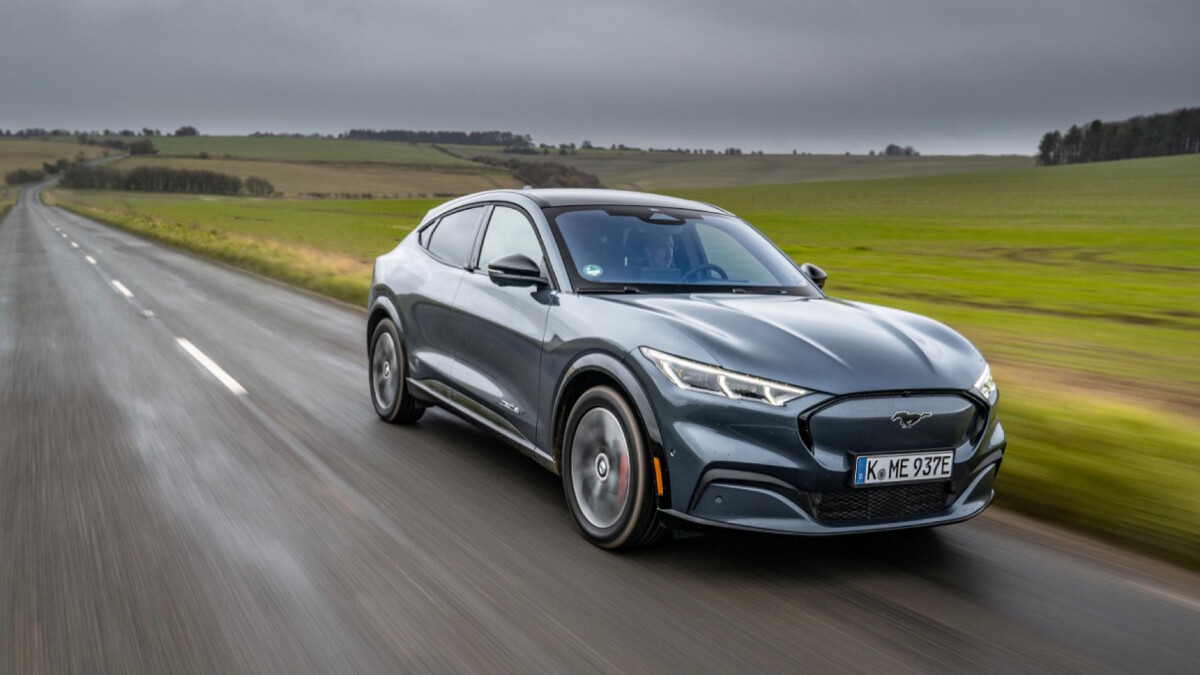
The important distinction is that heavy depreciation is bad news for a new-car owner but can be excellent news for a used buyer. Someone entering the market after the steepest part of the decline receives much of the same fundamental vehicle without absorbing the original MSRP loss.
Ford’s 2021 technical specifications offered several motor and battery combinations. An early rear-wheel-drive standard-range configuration was rated at 266 horsepower and 317 lb-ft of torque. The body measured approximately 186 inches long and 74 inches wide without mirrors.
The Mach-E therefore remains a capable electric crossover; it simply has not been able to protect its original transaction value in the way strong-resale gasoline and hybrid models have.
Specifications:
- Engine: Single electric motor, RWD
- Horsepower: 266 hp
- Torque: 317 lb-ft
- Length: 186.0 inches
- Width: Approximately 74.0 inches
9. BMW 5 Series Hybrid – 59.5% Depreciation
The BMW 5 Series plug-in hybrid ranks ninth on the list, with five-year depreciation reaching 59.5 percent. According to iSeeCars, that represents an average loss of $44,921 from the original MSRP, leaving the vehicle worth just 40.5 percent of its new-car price.
This result stands out because hybrids tend to retain their value better than most vehicles. The average hybrid loses 35.4 percent of its value after five years, compared with 41.8 percent across the industry. The BMW 5 Series plug-in hybrid bucks that trend, as steep luxury-car depreciation outweighs the usual value-retention advantage of hybrid power.
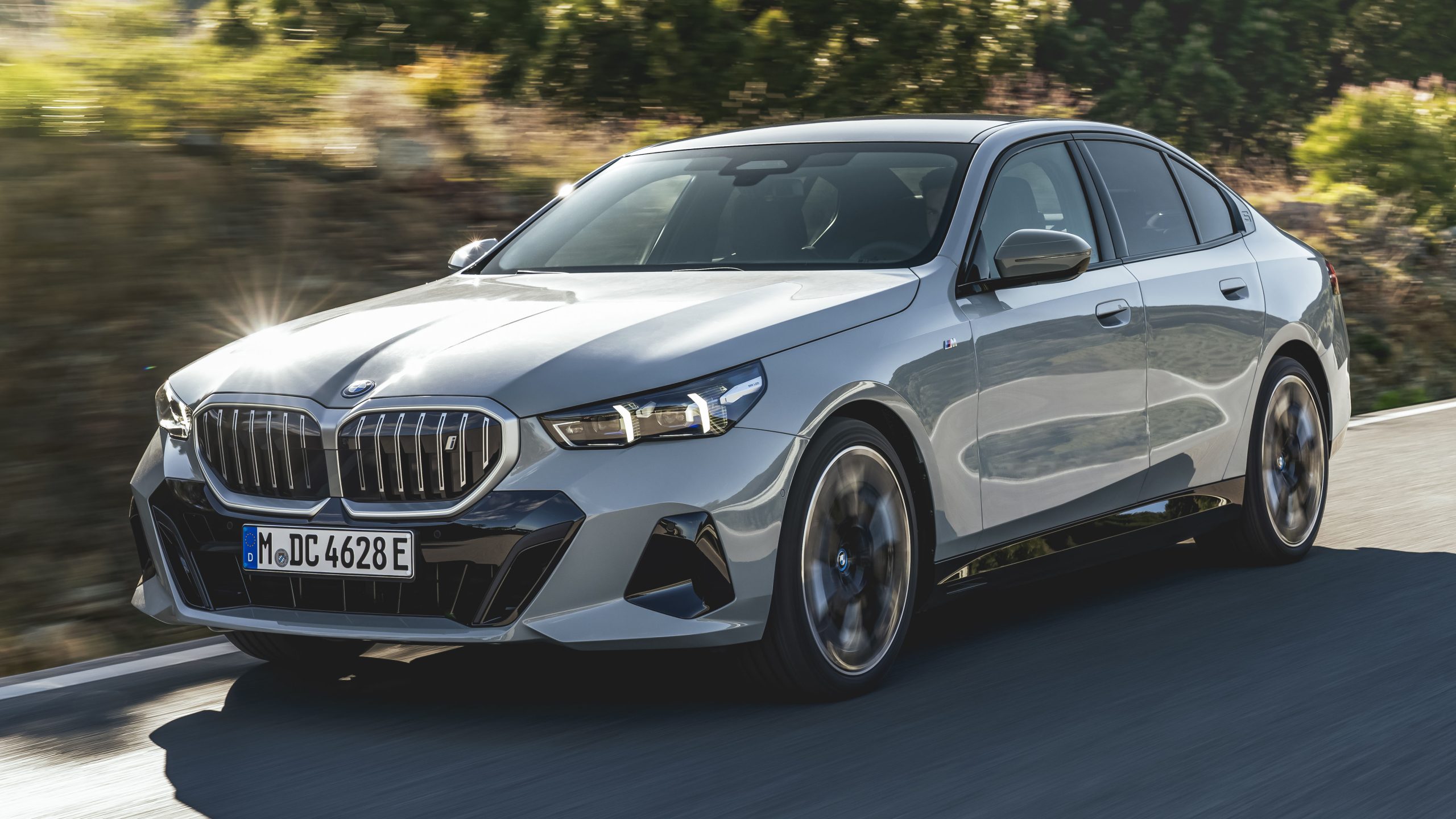
For a used shopper, that makes the 530e intriguing. It combines conventional gasoline operation with electric assistance and can be dramatically cheaper than when it was new. The tradeoff is added mechanical and electrical complexity compared with a basic gasoline sedan.
For 2021, BMW upgraded the 530e with a 2.0-liter turbocharged four-cylinder and electric motor. Combined output was 288 horsepower and 310 lb-ft of torque. BMW listed both the 530e and 530e xDrive at 195.8 inches long and 73.5 inches wide.
Specifications:
- Engine: 2.0L turbocharged PHEV inline-four
- Horsepower: 288 hp combined
- Torque: 310 lb-ft combined
- Length: 195.8 inches
- Width: 73.5 inches
10. Infiniti QX60 – 58.3% Depreciation
The Infiniti QX60 completes the top ten with 58.3-percent five-year depreciation. That means a typical example retains only 41.7 percent of its original value, while the average dollar difference from MSRP reaches $30,099.
The QX60 demonstrates that a vehicle does not need an exotic engine or six-figure MSRP to experience heavy luxury depreciation. It competes in the crowded three-row premium SUV market, where buyers have many mainstream and luxury alternatives. Once warranty coverage becomes shorter and a redesigned generation enters showrooms, used examples can face additional pricing pressure.
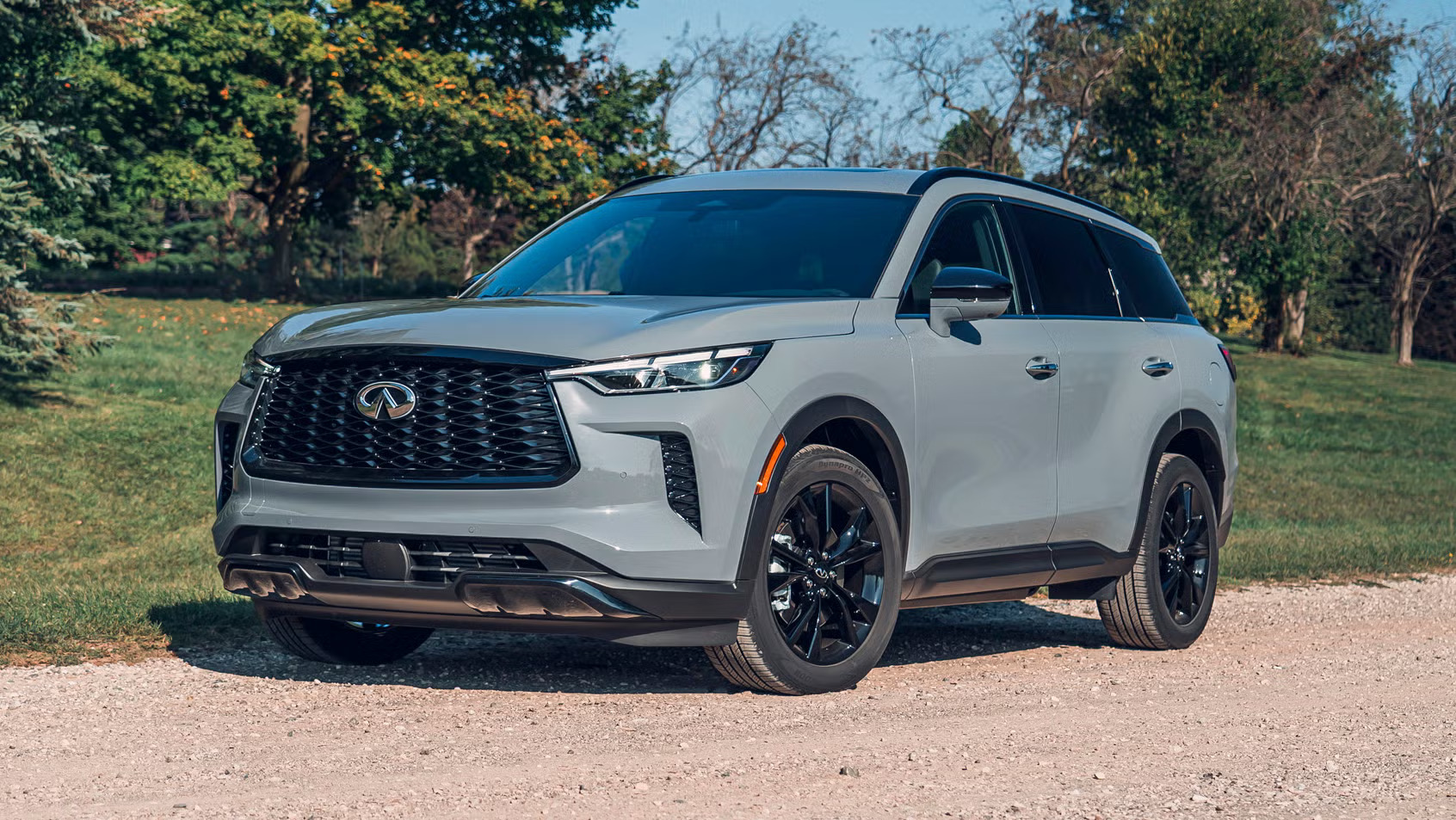
There was also a major generational transition around this period. Infiniti’s earlier QX60 used a CVT-equipped 3.5-liter V6, while the redesigned model that followed introduced new styling and substantial changes. That can make an older generation feel dated more quickly and affect what used buyers are willing to pay.
The 2020 QX60, representative of the generation feeding into today’s five-year used market, produced 295 horsepower and 270 lb-ft from its 3.5-liter naturally aspirated V6. Infiniti listed it at 200.6 inches long and 77.2 inches wide.
Specifications:
- Engine: 3.5L naturally aspirated V6
- Horsepower: 295 hp
- Torque: 270 lb-ft
- Length: 200.6 inches
- Width: 77.2 inches