
Continuously variable transmissions promised smoother power delivery and better fuel economy than traditional automatics. For more than a decade, automakers leaned hard into CVTs across compact and midsize SUV lineups.
Some CVTs have logged over 200,000 miles without a rebuild. Others have failed well before the end of a typical car loan. Owners of certain SUVs report shuddering, delayed acceleration, and overheating transmissions long before the odometer hits six figures. Complaints often cluster tightly around the 60,000 to 90,000-mile range.
That timing is not a coincidence. It lines up closely with the moment factory powertrain warranties expire, leaving owners to cover repair costs out of pocket.
This list examines ten SUVs with a documented pattern of CVT trouble inside that window. Each entry includes the affected model years, common failure symptoms, and full drivetrain specifications.
The goal isn’t to condemn CVT technology as a whole. Plenty of modern CVTs are dependable for well over a decade when properly maintained. Instead, this is a buyer’s guide built around specific models and model years where transmission trouble has shown up early and often, based on owner complaint patterns and independent repair shop data.
A common thread runs through nearly every entry here. Fluid maintenance, or the lack of it, tends to separate the SUVs that made it well past 90,000 miles from the ones that didn’t.
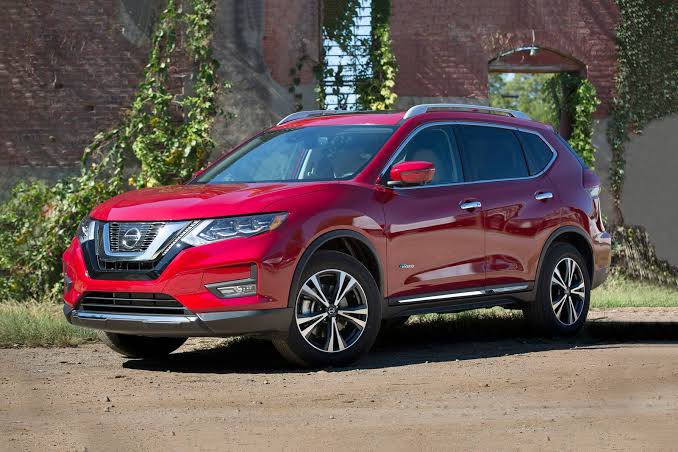
1. Nissan Rogue (2014–2019)
The second-generation Rogue is arguably the most-cited example of early CVT failure in the compact SUV class. Owners have reported shuddering at low speeds and sudden power loss on the highway.
Many of these failures occurred between 60,000 and 90,000 miles. That timing lines up closely with the end of Nissan’s standard powertrain warranty in a large share of ownership cases.
The core issue traces back to the transmission’s cooling system and fluid degradation. Nissan’s Xtronic CVT relies on a steel belt riding between two variable-diameter pulleys, a design that is especially sensitive to overheating fluid.
When that fluid breaks down prematurely, metal-on-metal contact accelerates wear inside the unit. This pattern has led to class-action litigation and extended warranty coverage on several affected model years.
Even with extended coverage, many owners outside the covered window have faced replacement costs running into several thousand dollars. Regular fluid changes every 30,000 miles are frequently cited by technicians as the single best preventive measure.
Owners who bought the Rogue used, without a documented fluid change history, appear to face the highest risk. Independent shops recommend a full inspection and fluid flush immediately after purchase for any Rogue from this generation.
Resale values on affected model years have softened slightly as the CVT’s reputation has spread among used-car shoppers. That makes the Rogue one of the more negotiable used SUVs on dealer lots today.
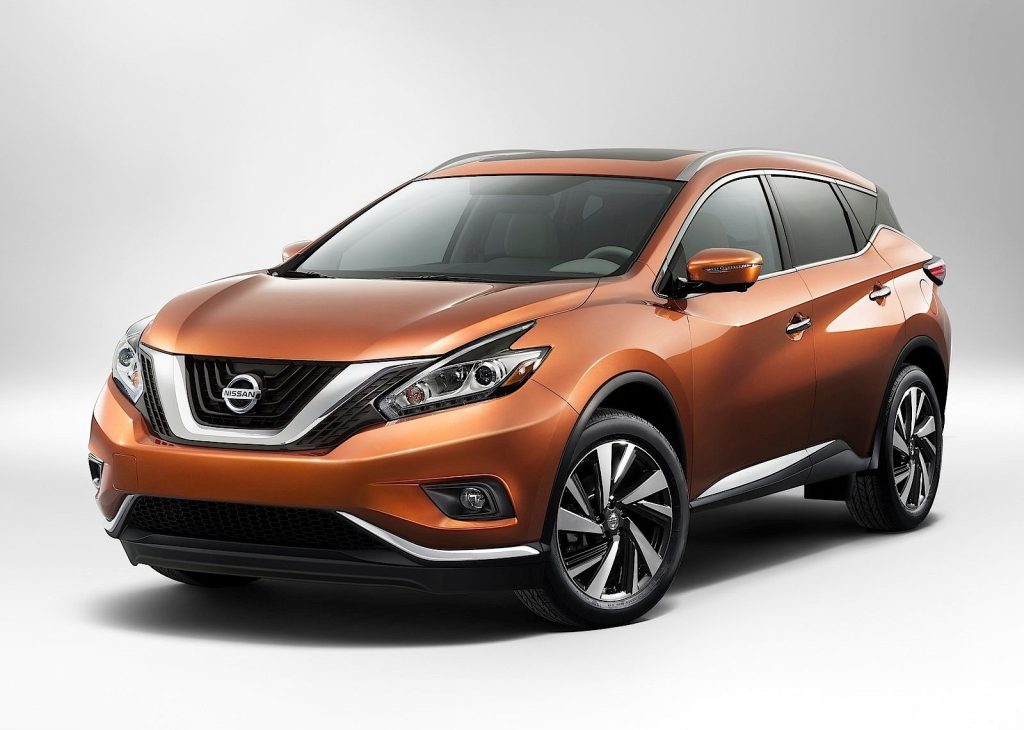
2. Nissan Murano (2015–2018)
The third-generation Murano pairs a V6 engine with the same generation of Nissan CVT that plagued the Rogue. That combination has proven especially hard on the transmission over time.
A V6’s higher torque output puts more strain on the belt and pulley assembly than a four-cylinder application. This has translated into a higher rate of early failures reported across Murano owner forums and complaint databases.
Symptoms typically start with a whining noise under acceleration, most noticeable when merging onto a highway. Left unaddressed, this progresses to hesitation, jerking, and eventually a transmission that refuses to engage at all.
Nissan extended CVT warranty coverage on affected model years after widespread complaints reached regulators. That coverage, however, was capped at a specific mileage and age threshold that many used-car buyers now fall outside of.
Independent transmission shops report that Murano CVT replacements are among the costlier repairs in the segment. The V6’s torque demands mean rebuilt or remanufactured units don’t always hold up as long as a factory-original transmission would have.
Some owners have opted to sell the Murano before reaching six-figure mileage rather than risk a costly failure. That decision has fed a steady supply of relatively low-mileage examples onto the used market.
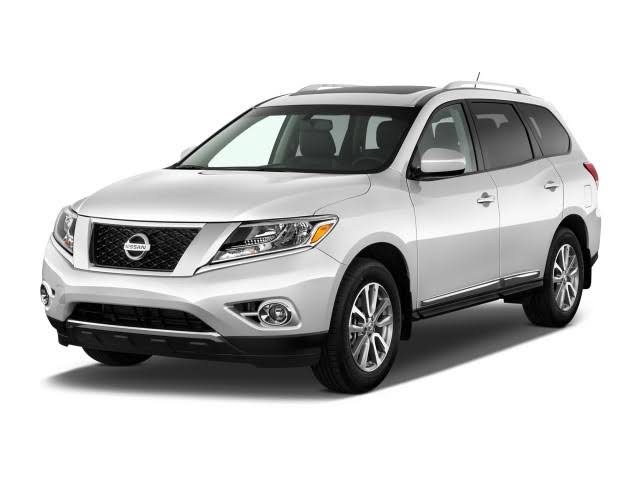
3. Nissan Pathfinder (2013–2014)
The fourth-generation Pathfinder’s launch years were rocky, specifically because of its CVT. Nissan moved the three-row SUV to a unibody platform and paired it with the same troubled transmission family.
Early owners reported violent shuddering during acceleration from a stop, sometimes strong enough to feel like a stall. In some documented cases, complete transmission failure occurred before 40,000 miles, well ahead of the 90,000-mile threshold this list focuses on.
Nissan issued a technical service bulletin addressing valve body and control module updates meant to smooth out the shifting behavior. Some owners found relief through a software reflash, while others still needed a full transmission replacement regardless of the update.
The 2013 and 2014 model years bore the brunt of these complaints before Nissan made hardware revisions for the 2015 model year and beyond. That makes these two specific years a particular risk on today’s used market.
Given the Pathfinder’s role as a family hauler, the added vehicle weight and towing demands appear to have accelerated wear on an already vulnerable design. Owners who used the vehicle for regular towing reported failures at the lower end of the mileage range.
Nissan’s hardware revisions for 2015 largely resolved the worst of these complaints going forward. That makes the two-year window from 2013 to 2014 a fairly narrow but important one to avoid.
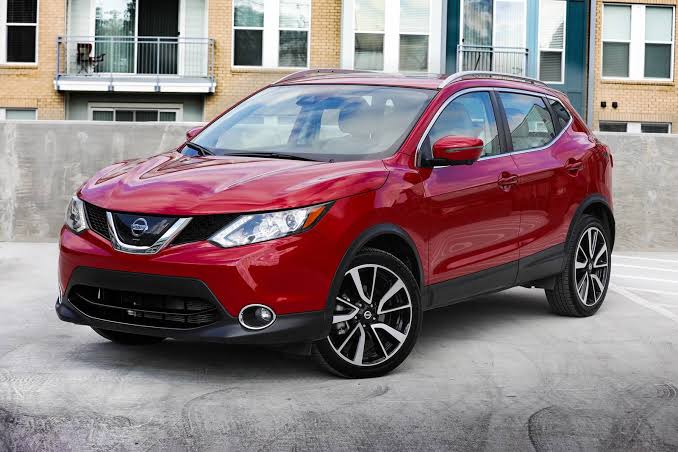
4. Nissan Rogue Sport (2017–2019)
Marketed as a smaller companion to the standard Rogue, the Rogue Sport carried over a related CVT design paired with a smaller four-cylinder engine. That didn’t spare it from similar complaints.
Owners report a distinct shudder when accelerating from a stop, especially noticeable in stop-and-go traffic. Several complaints describe the sensation as the vehicle briefly losing power before lurching forward unexpectedly.
Because the Rogue Sport shares underpinnings with the Nissan Qashqai sold overseas, some fixes and software updates originated from international service bulletins before reaching U.S. dealers. This created inconsistent repair experiences depending on the dealership and its access to updated documentation.
The smaller engine produces less torque than the Murano or Pathfinder, which has generally meant somewhat fewer catastrophic failures. Early degradation symptoms, however, still show up well within the 90,000-mile window covered here.
Owners who kept up with 30,000-mile fluid changes report noticeably better long-term smoothness compared to those who followed the original factory-recommended interval. That original interval was significantly longer and has since been criticized as inadequate.
Extended warranty providers have taken notice as well, with several offering specific CVT coverage riders for this model. That trend underscores how widely recognized the risk has become within the industry.
5. Nissan Kicks (2018–2019)
The Kicks is smaller and lighter than other Nissan crossovers on this list, which should theoretically ease strain on its CVT. Real-world complaint data tells a more mixed story than that logic would suggest.
Some early Kicks owners reported hesitation and rough shifting patterns similar to those seen in the Rogue. Because the model was new to the U.S. market, service technicians were initially less familiar with its specific failure points and diagnostic codes.
Nissan used a modified version of its Xtronic CVT in the Kicks, tuned specifically for the smaller 1.6-liter engine. The lower torque output has generally meant a lower failure rate than its larger, more powerful siblings.
Still, forum reports describe shuddering and delayed engagement showing up as early as 50,000 miles in a meaningful subset of vehicles. That’s notably early for a subcompact crossover marketed heavily on efficiency and mechanical simplicity.

Given the Kicks’ recent arrival to the market, long-term reliability data is still developing compared to older Nissan models. Early trends, however, mirror the broader pattern seen across Nissan’s CVT lineup during this era.
Owners are advised to treat the Kicks with the same maintenance discipline recommended for the Rogue. Shortened fluid change intervals appear to meaningfully reduce the risk of early failure.
Because the Kicks is positioned as an entry-level model, many owners are first-time buyers less familiar with CVT-specific maintenance needs. That knowledge gap may be contributing to a portion of the early complaints on record.
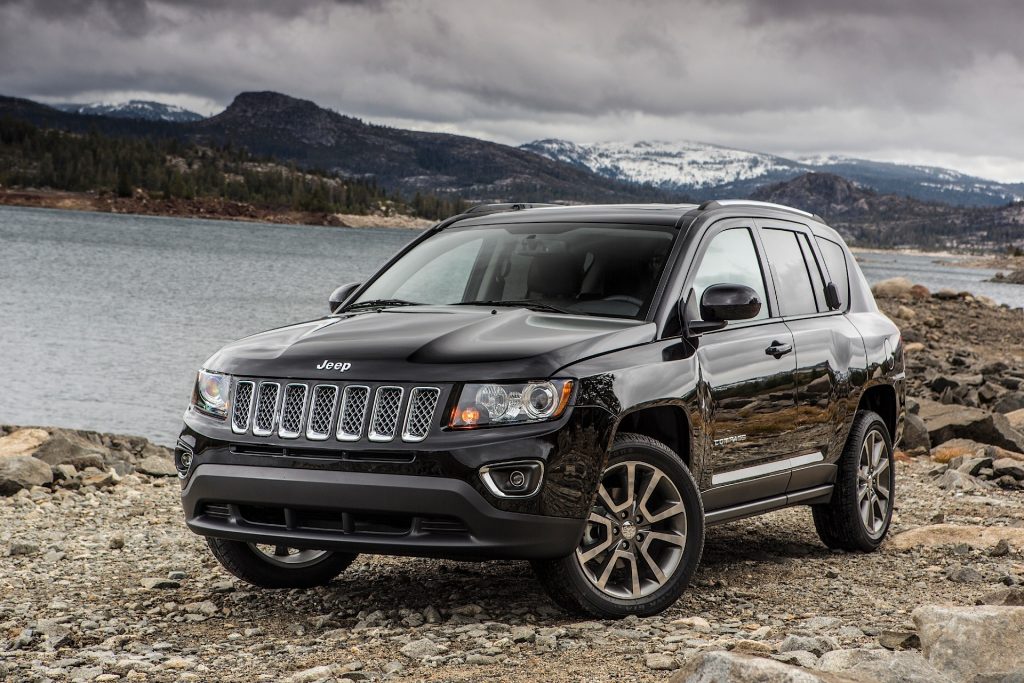
6. Jeep Compass (2011–2016)
The first-generation Compass used a CVT2 transmission adapted for Chrysler’s compact platform. Owner complaints describe shuddering, whining, and delayed shifts that worsen noticeably as the vehicle ages.
Many of these issues surfaced in the 70,000 to 90,000-mile range, squarely inside this list’s focus window. Complaints frequently mention a burning smell accompanying transmission slippage under load, particularly during hill climbs.
Unlike Nissan’s more publicized recalls, Chrysler’s response to Compass transmission complaints was less centralized and less consistent. Owners often found themselves negotiating repair costs directly with individual dealerships on a case-by-case basis.
The CVT’s difficulty handling the Compass’s available all-wheel-drive system compounded matters for buyers who opted for that configuration. Front-wheel-drive models reported somewhat fewer catastrophic failures than their all-wheel-drive counterparts.
Because the first-generation Compass sold in high volumes as an affordable compact SUV, its resale market remains large today. Buyers should specifically ask about transmission fluid service history before purchasing one from this era.
Independent mechanics note that many of these units were never serviced at all before failure. A simple fluid change, done proactively, appears to meaningfully extend the transmission’s usable life.
The Compass was redesigned for the 2017 model year with a conventional automatic transmission in most trims. That shift away from the CVT2 unit is itself telling of how the earlier design was perceived internally.
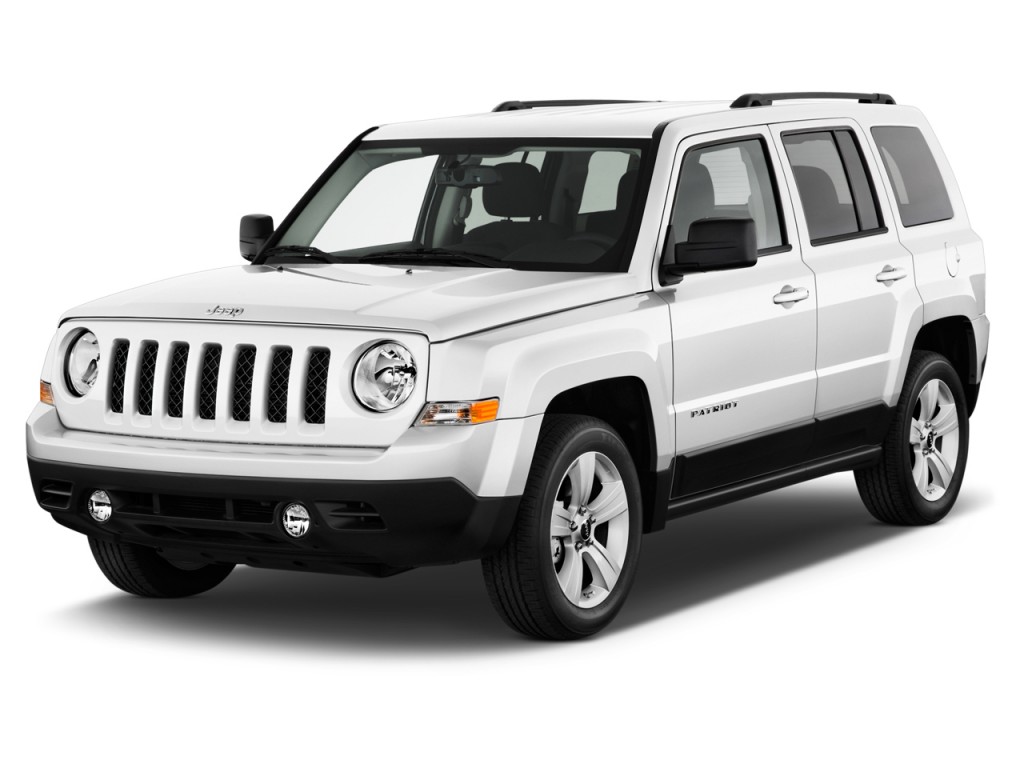
7. Jeep Patriot (2011–2016)
Built on the same platform as the Compass, the Patriot shared its transmission woes almost identically. The two models are frequently discussed together in owner forums and independent repair shop reports.
Symptoms again centered on shuddering under acceleration and a noticeable delay in power delivery from a stop. Several owners reported total transmission failure between 75,000 and 95,000 miles, right at the edge of this list’s threshold.
The Patriot’s boxier, more traditional SUV styling attracted buyers looking for off-road capability on a budget. That demographic often used the vehicle in more demanding conditions than the CVT was ever designed to handle over the long term.
Chrysler’s CVT2 unit in both the Compass and Patriot lacked some of the cooling refinements found in later transmission designs from other manufacturers. This made both models more vulnerable to fluid breakdown in hot climates or during heavy stop-and-go use.
Independent mechanics frequently recommend a full fluid flush immediately upon purchasing a used Patriot from this generation. Doing so early has been associated with meaningfully better long-term outcomes across dozens of documented repair cases.
Because parts availability for CVT2 units has grown over time, repair costs have become somewhat more predictable than in the technology’s earliest years. That said, full replacement remains a significant expense for most owners.
The Patriot was discontinued after the 2017 model year, meaning every example on the used market now carries meaningful age alongside its mileage. Both factors should be weighed together when evaluating a potential purchase.
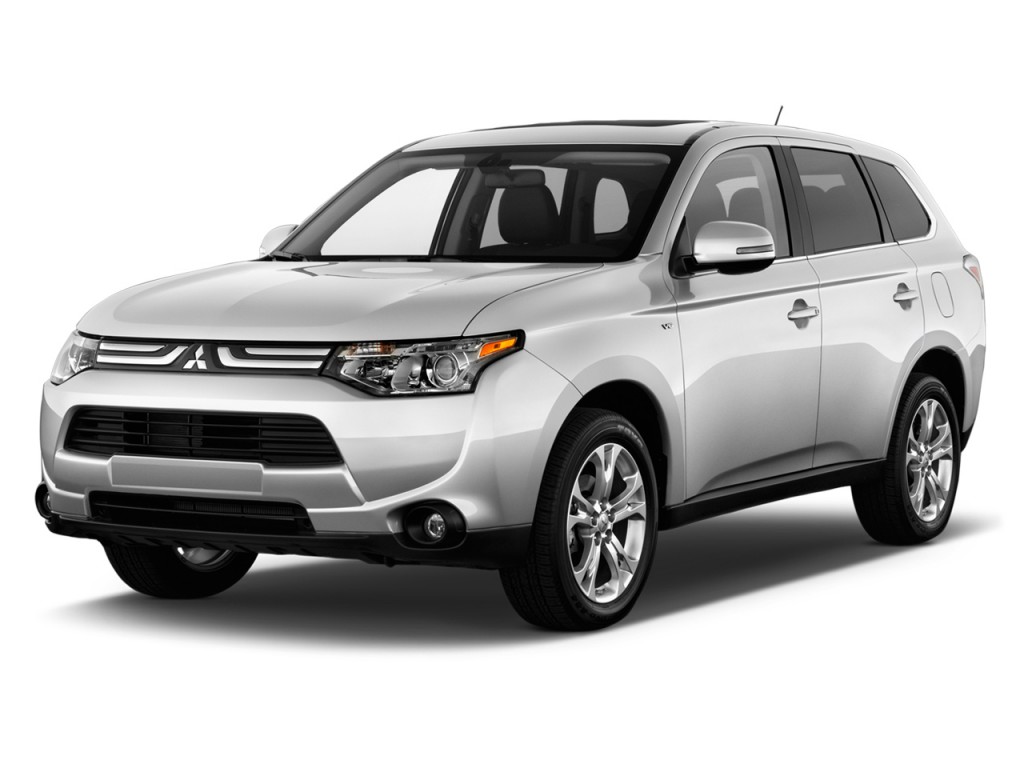
8. Mitsubishi Outlander (2014–2017)
Mitsubishi’s own CVT design in the Outlander has drawn a steady stream of owner complaints centered on hesitation and jerky low-speed operation. The issue is most pronounced during stop-and-go city driving.
Several owners describe a distinct clunk when shifting from park into drive. This is often followed by a noticeable delay before the vehicle actually begins moving, even with the accelerator pressed firmly.
Mitsubishi issued software updates aimed at smoothing out the transmission’s control logic on several affected model years. These updates addressed drivability complaints but didn’t fully resolve the underlying hardware wear reported by a subset of owners.
Complaints of complete CVT failure tend to cluster somewhat later than other entries on this list, often between 85,000 and 110,000 miles. That places a meaningful share of failures just inside, or just past the 90,000-mile line this article focuses on.
The Outlander’s relatively low U.S. sales volume compared to Nissan or Jeep models means less aggregate complaint data exists in public databases. What data is available, however, shows a consistent pattern that’s worth flagging for used buyers.
Mitsubishi’s smaller U.S. dealer network has also meant fewer specialized transmission technicians familiar with the Outlander’s specific CVT calibration. That can translate into longer repair wait times compared to more common competitors.
9. Subaru Crosstrek (2013–2016)
Subaru’s Lineartronic CVT has generally earned a better reputation than many competitors, but the earliest Crosstrek model years show a notable exception to that trend. Shuddering under light acceleration is the most commonly reported symptom.
Owners describe the sensation as similar to driving over rumble strips, occurring specifically between 45 and 55 miles per hour. Subaru attributed much of this behavior to torque converter clutch calibration rather than the CVT belt itself.
A technical service bulletin addressed the shudder through a fluid change combined with a software recalibration. For owners who caught the issue early and had the update performed, this fix often resolved the problem without further complications.
Owners who ignored the early symptoms, however, sometimes progressed to more significant transmission damage by the 80,000 to 90,000-mile mark. This makes early intervention particularly important for anyone driving this specific model.
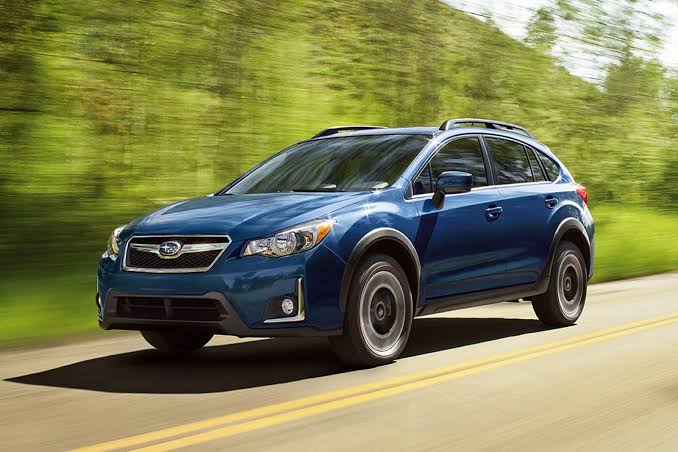
Because the Crosstrek shares its drivetrain with other Subaru models from this era, including the Impreza and early Forester, the fix has been well documented across dealership networks nationwide. That has made repairs more consistent than with some competitors on this list.
Later Crosstrek generations addressed the shudder concern through revised torque converter hardware rather than software alone. That change further supports the idea that the earliest examples carried a genuine design shortcoming.
10. Honda HR-V (2016–2018)
Honda’s entry into the subcompact SUV segment brought its own CVT design, and early model years drew a distinct set of complaints. Owners report jerky low-speed shifts and a noticeable delay in throttle response.
Some complaints describe the transmission slipping momentarily under hard acceleration, particularly when merging onto highways at speed. This created safety concerns significant enough to prompt several formal complaints filed with federal regulators.
Honda’s CVT in the HR-V uses a torque converter design intended to smooth out the low-speed hesitation common to belt-driven CVTs from other manufacturers. In practice, several owners reported this didn’t fully eliminate the issue during the model’s early production years.
Failures serious enough to require transmission replacement have been reported in the 70,000 to 90,000-mile range for a meaningful subset of owners. That’s notably earlier than Honda’s broader reputation for drivetrain durability would otherwise suggest.
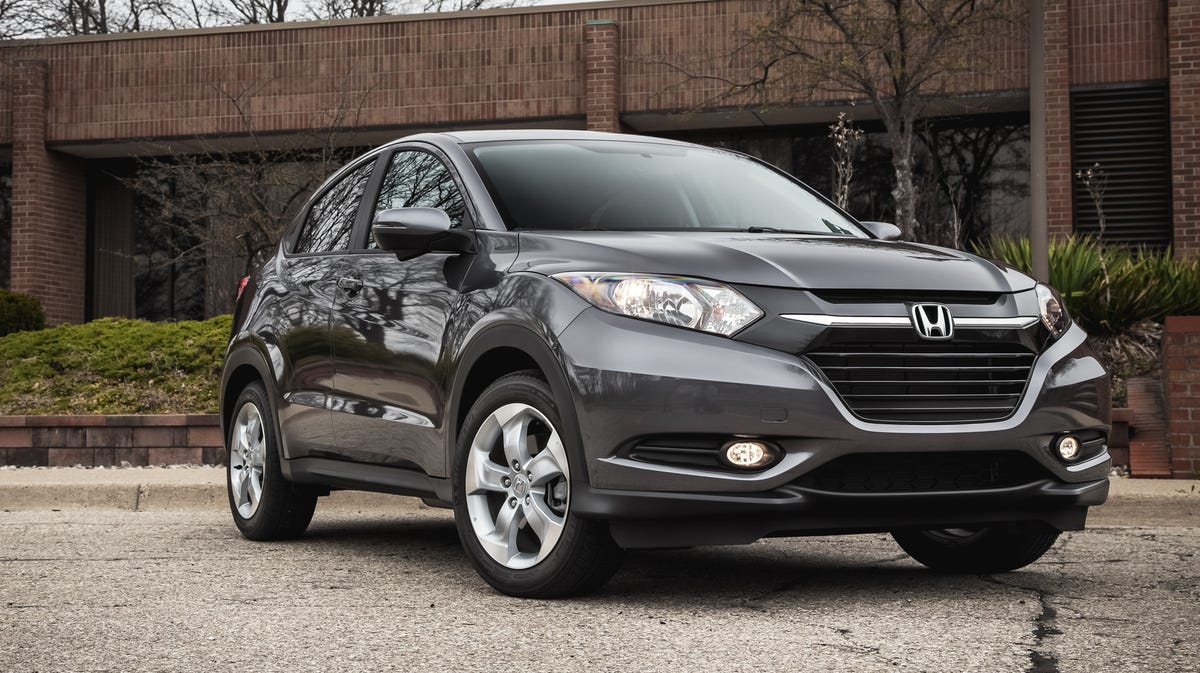
Later model years saw revisions to the transmission’s software calibration that appear to have measurably reduced complaint frequency. Buyers targeting the HR-V on the used market are generally steered toward 2019 and newer models as a result.
Across all ten entries on this list, the throughline is remarkably consistent. Early, disciplined fluid maintenance is the single factor most closely tied to whether a CVT survives well past 90,000 miles or fails before it.
