
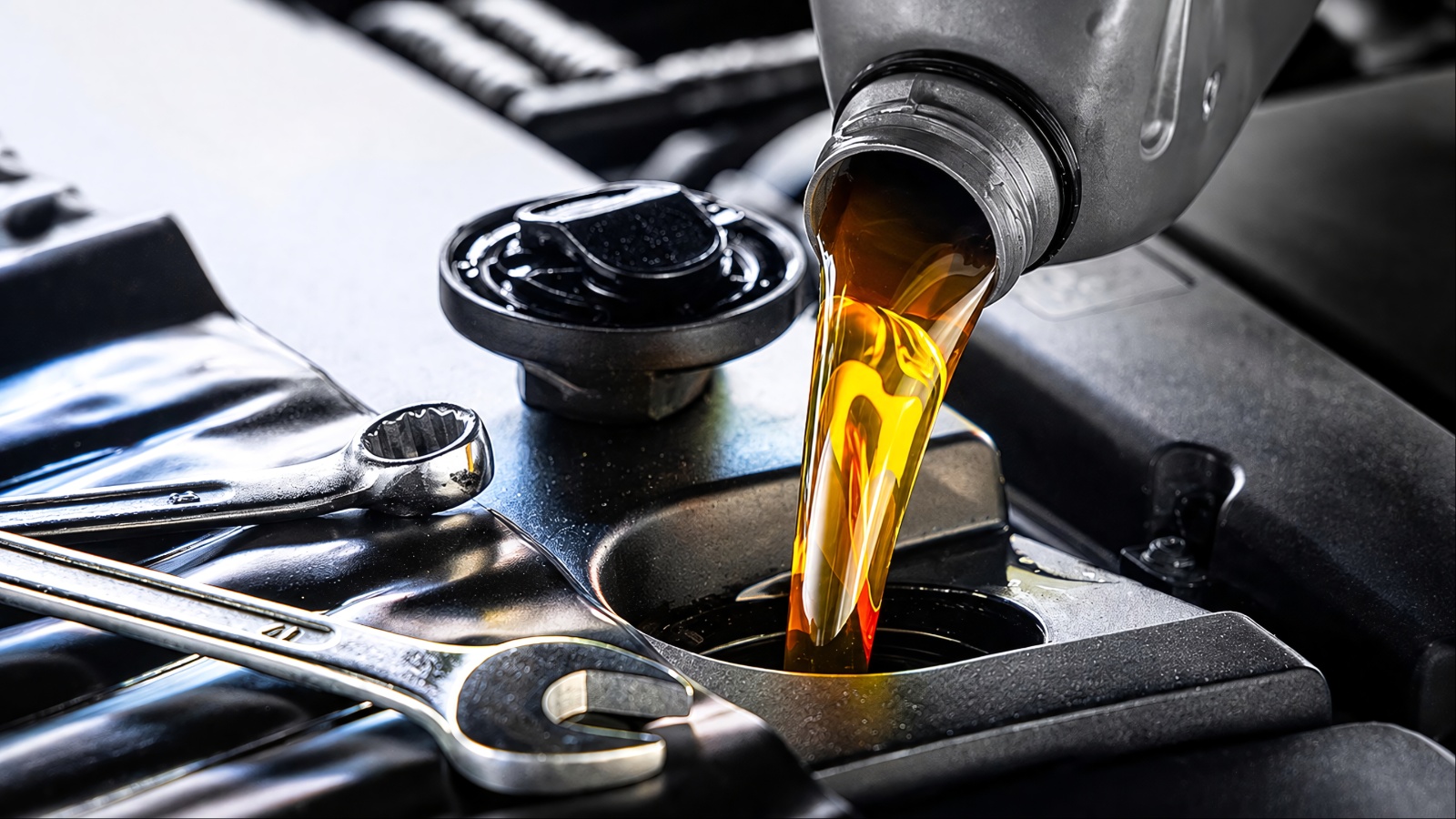
Engine sludge is not an urban legend. It is a documented mechanical failure caused by oxidized oil breaking down into a thick, tar-like paste. When oil sits too long without changing, heat and combustion byproducts turn it into sludge. This sludge clogs oil passages, starves bearings, and eventually seizes engines entirely.
Several automakers faced lawsuits, class actions, and extended warranty programs because of this exact problem. Some engines were more prone to it due to poor PCV design or tight oil galleries.
Others simply had owners who ignored maintenance intervals for years at a time. The result was the same: catastrophic, irreversible engine damage.
This list covers twelve real, well-documented cases of sludge-related engine failure. Each one has verifiable service bulletins, lawsuits, or manufacturer admissions behind it.
We’ve included full specifications for context, since displacement and design directly affected how badly each engine suffered. These aren’t hypothetical horror stories.
They are engines that ended up in landfills, junkyards, and class-action settlements because oil changes were skipped. Mechanics who tore these engines down photographed the damage extensively.
Those photos and repair records now serve as a permanent case study. They show exactly what happens when maintenance schedules get ignored for too long.
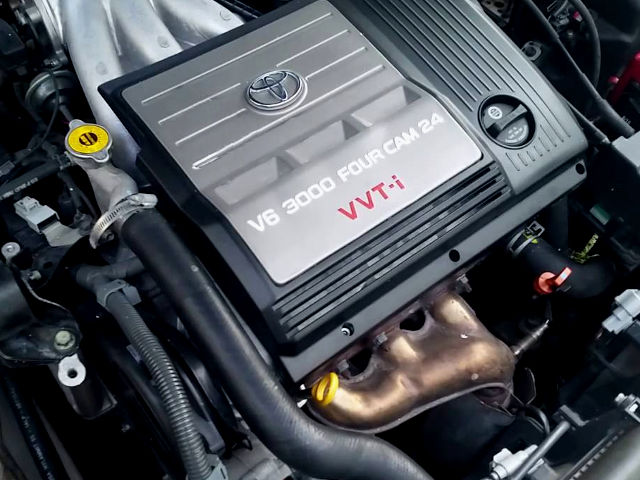
1. Toyota 1MZ-FE 3.0L V6 (1997–2002)
This is the most famous sludge case in automotive history. It affected Camry, Avalon, Sienna, Solara, and Lexus ES300 models. Toyota faced a massive class-action lawsuit over sludge buildup.
The company eventually extended warranty coverage to 8 years with unlimited mileage on affected vehicles. The root cause combined a tight oil-passage design with widespread owner neglect.
Many owners believed Toyota engines needed no real maintenance at all. Sludge formed in the upper valve cover area first. It then spread into the timing chain cover and oil pickup tube.
Once sludge blocked the pickup screen, oil starvation followed quickly. Camshafts and bearings wore out within a few thousand miles after that point.
Toyota’s technical service bulletins acknowledged the issue directly. Independent mechanics widely documented teardown photos showing black, solidified sludge deposits.
The company blamed a portion of the failures on infrequent oil changes. But internal reviews also pointed to a PCV design that trapped hot vapor near the valve cover.
That trapped vapor condensed faster than in competing engines. Combined with skipped changes, it created a near-perfect sludge-forming environment.
Owners who changed oil every 3,000 miles rarely saw major issues. Those who stretched to 7,500 or more miles saw sludge form within two to three years.
2. Chrysler 2.7L V6 (1998–2004)
The Chrysler 2.7L is arguably the worst sludge engine ever mass-produced. It powered the Concorde, Intrepid, Stratus, and Sebring. Its oil-passage design used extremely narrow galleries near the timing chain.
These galleries clogged almost instantly once sludge began forming. The timing chain tensioner sat in a low-oil-flow zone. Once sludge blocked flow there, the chain would stretch and skip.
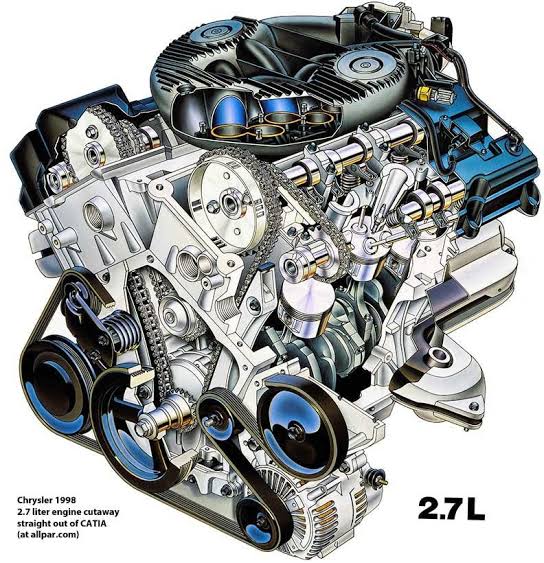
Complete engine failure often followed within days of symptoms appearing. Mechanics nicknamed it “the sludge monster” due to how consistently it failed.
Chrysler faced multiple lawsuits and settlements over this engine. Owner forums remain filled with sludge-related teardown documentation to this day.
Even owners with average maintenance habits reported failures. The design margin for error was simply too small to survive normal wear. Some mechanics refused to work on this engine after repeated warranty disputes. They considered it a lost cause once sludge symptoms appeared.
Replacement engines became a common repair shop recommendation. Rebuilding was often more expensive than sourcing a used unit from a salvage yard.
This engine is frequently cited in consumer advocacy reports. It remains a cautionary example taught in some automotive technician training programs.
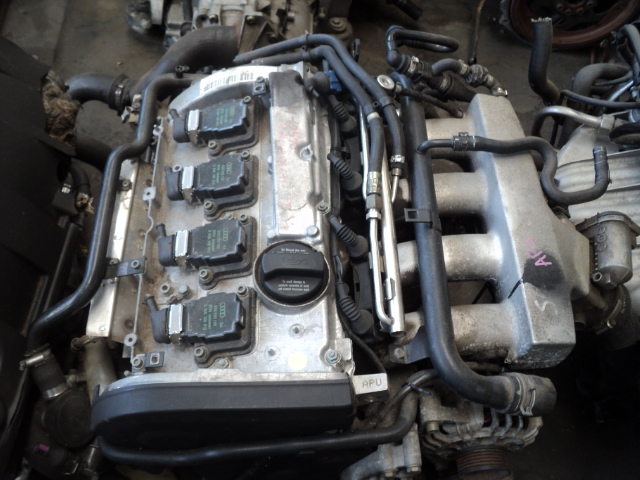
3. Volkswagen/Audi 1.8T (1997–2005)
The VW/Audi 1.8T turbo engine suffered sludge issues tied to extended oil-change intervals. VW originally recommended service every 10,000 to 15,000 miles.
That interval proved far too long for a turbocharged, high-revving engine. Turbo oil temperatures accelerate oxidation much faster than naturally aspirated engines. Sludge accumulated around the turbocharger oil feed and drain lines. This starved the turbo bearings and caused premature turbo failure.
VW eventually extended warranties for affected Passat and Audi A4/A6 owners. Internal documents confirmed the interval recommendation was a contributing factor. Later revisions shortened the recommended interval significantly. This is a textbook case of manufacturer guidance itself contributing to failure.
Owners who used synthetic oil fared noticeably better than those using conventional oil. The turbo’s high operating temperature made oil type a critical variable.
Turbo bearing failure often preceded full sludge diagnosis. Many owners replaced the turbocharger without realizing sludge was the underlying cause.
By the time sludge was identified, camshaft and head damage had frequently already occurred. This made repairs far more expensive than a simple turbo swap.
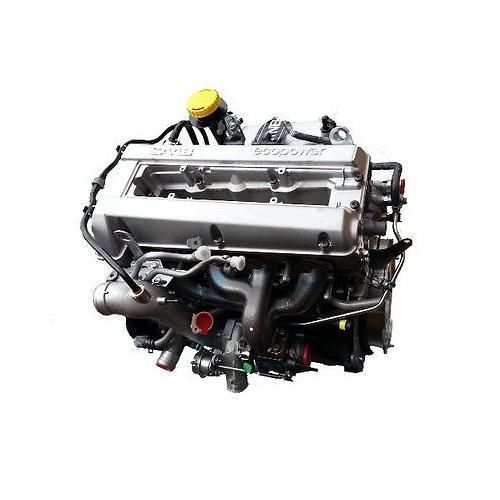
4. Saab 2.3L Turbo B235 (1999–2003)
Saab’s B235 turbo four-cylinder suffered documented sludge problems in the 9-3 and 9-5. GM’s ownership era brought cost-cutting to oil specifications during this period.
The PCV system routed hot vapor directly through narrow oil passages. Combined with long intervals, this created heavy carbon and sludge deposits.
Owners reported oil pickup screens clogged solid with tar-like residue. This led to camshaft scoring and turbo bearing failure over time. Saab technical bulletins recommended shorter intervals for turbo models specifically. Many owners never received or followed that updated guidance.
Enthusiast forums for Saab owners still discuss this issue extensively. It became a defining maintenance topic within the Saab community.
Specialists eventually recommended interval reductions to 3,500 miles for turbo models. This was far more aggressive than Saab’s original factory recommendation.
Engines that received frequent oil changes with quality synthetic oil rarely developed serious sludge. The difference in outcomes was stark between well-maintained and neglected examples.
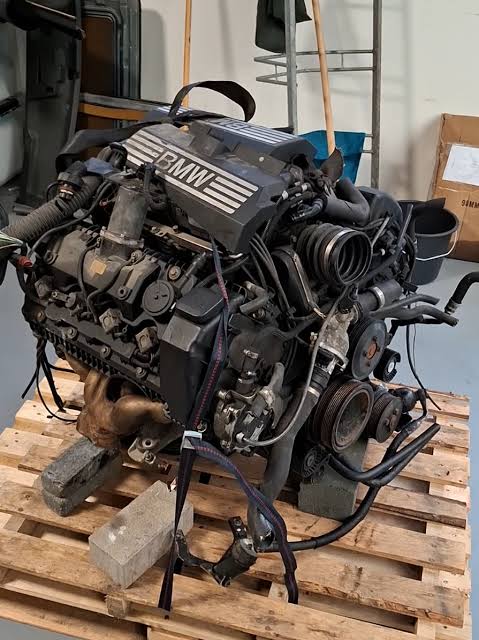
5. BMW N62 4.4L/4.8L V8 (2002–2005)
The BMW N62 V8 appeared in the 7-Series, 5-Series, and X5. It combined a complex design with sludge-prone oil separator components. Plastic oil separator housings degraded and dumped debris into the oil supply. Sludge then combined with this debris to block small internal passages.
Valve stem seals and VANOS solenoids suffered first from restricted oil flow. Symptoms included ticking noises and rough idle before full failure occurred.
BMW extended warranty coverage on some components tied to this issue. Owners who skipped Longlife-rated oil changes saw the fastest deterioration.
BMW’s Longlife service interval stretched to nearly 15,000 miles in some markets. Many independent mechanics considered this interval unrealistic for real-world driving.
Owners who followed factory intervals exclusively often reported more sludge complaints than those on shorter schedules. This became a point of contention in enthusiast circles.
Repair costs for full sludge remediation were extremely high on this V8. Some owners chose to sell affected vehicles rather than pay for extensive cleaning and repair.
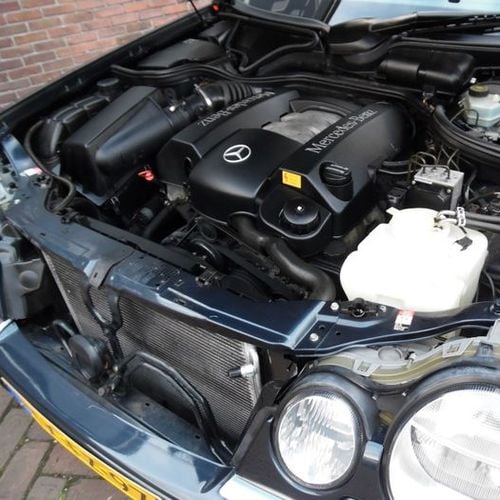
6. Mercedes-Benz M112 V6 (1998–2004)
The Mercedes M112 V6 appeared across C-Class, E-Class, and CLK models. It developed a reputation for sludge tied to extended service intervals.
Mercedes promoted extended 13,000-mile service intervals during this era. Many owners followed factory guidance and still developed sludge deposits. The intake manifold and balance shaft housing accumulated the worst buildup. This restricted oil delivery to critical rotating components.
Independent shops began recommending 5,000-mile intervals against factory advice. This directly contradicted Mercedes’ own service recommendations at the time.
Owners who trusted the dealership’s extended interval schedule were often surprised by sludge diagnoses. Some felt misled given how strongly Mercedes promoted the long service intervals.
This case became widely discussed in consumer and enthusiast publications. It raised questions about whether extended-interval marketing prioritized convenience over engine longevity.
Mercedes eventually revised guidance for newer models following the backlash. Later engines used improved PCV routing to reduce this specific failure mode.
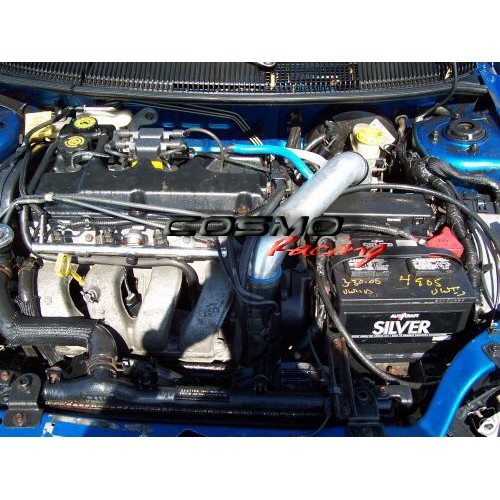
7. Dodge/Chrysler Neon 2.0L SOHC (1995–1999)
The first-generation Neon’s 2.0L engine developed a strong sludge reputation. Budget-oriented owners frequently stretched oil changes far beyond recommended intervals.
Head gasket failures often followed sludge buildup in the valve cover area. Overheating combined with old oil accelerated the sludge formation process.
Owner forums from the era document widespread teardown sludge photos. Many engines needed full replacement well before 100,000 miles were reached.
This engine illustrates how neglect alone, without design flaws, still causes catastrophic sludge damage. It became a common example in budget-car maintenance discussions.
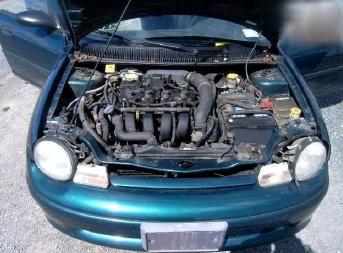
Used car buyers were often warned specifically about this generation of Neon. A sludge inspection became a standard pre-purchase checklist item for these cars.
Because the Neon was marketed as an economical first car, many owners had little maintenance experience. This combination of inexperience and neglect made sludge cases especially common.
8. GM 3.1L/3.4L V6 (1990s–2000s)
GM’s 3.1L and 3.4L V6 engines powered Lumina, Grand Am, and Malibu models. Intake gasket degradation combined with sludge to cause widespread failures. Coolant leaked into the oil through failed intake gaskets over time. This accelerated oil breakdown and sludge formation significantly.
Owners who skipped oil changes saw sludge combine with coolant contamination. This created a thick, milky sludge that clogged oil pickups fast.
GM issued technical bulletins acknowledging the intake gasket design flaw. Sludge-related complaints appeared consistently across owner and mechanic forums.
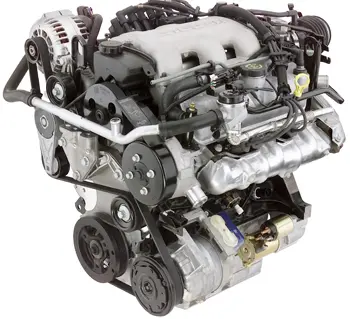
Mechanics often diagnosed this failure by checking the dipstick for a milky residue. That residue was an early warning sign many owners missed or ignored.
Vehicles driven mostly in short trips were particularly vulnerable. Short trips prevent oil from reaching full operating temperature, which worsens moisture and sludge buildup.
Fleet vehicles using this engine had notably fewer failures. Regular scheduled maintenance in fleet use prevented the neglect seen in private ownership.
9. Jeep 4.7L PowerTech V8 (1999–2004)
The Jeep 4.7L V8 in the Grand Cherokee developed documented sludge and oil-related failures. Sludge accumulated heavily around the oil pump pickup screen. Owners reported lifter tick and camshaft lobe wear tied directly to sludge. Restricted oil flow starved the top-end components first.
Chrysler’s own technical bulletins referenced sludge-related lifter noise complaints. Many owners misdiagnosed the ticking as a normal engine characteristic for years.
By the time symptoms became obvious, cam and lifter damage was already severe. Full engine replacement was common once sludge reached this stage.
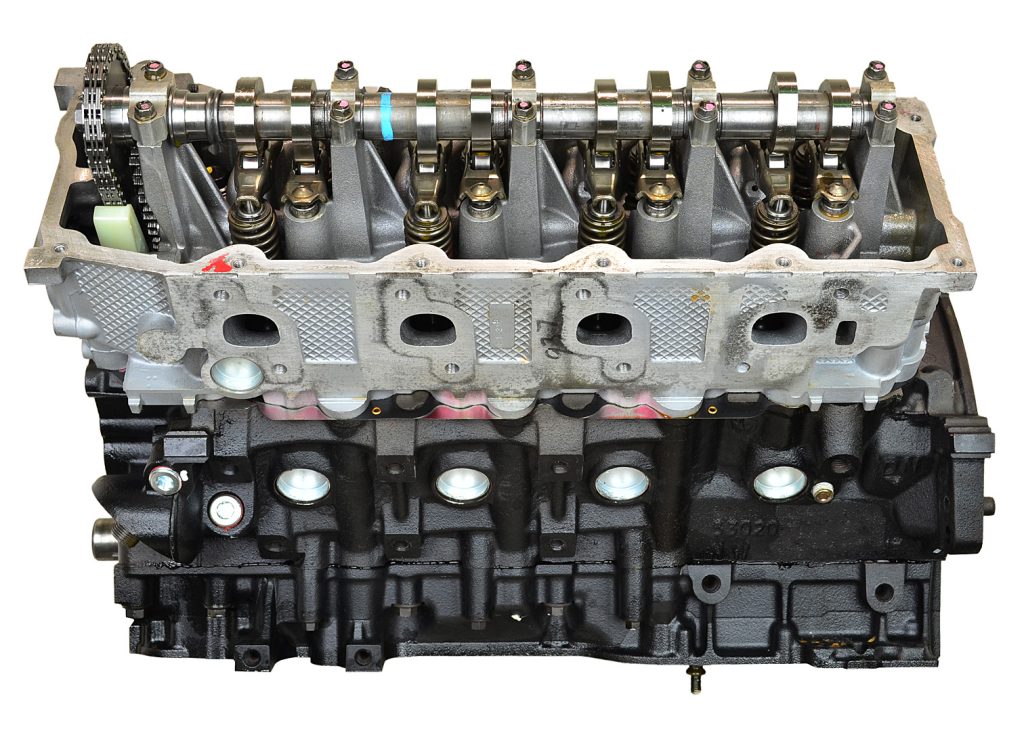
Off-road and towing use made this engine more vulnerable to sludge. Heavy loads increase oil temperature, which speeds up oxidation and breakdown.
Owners who towed frequently without shortening oil-change intervals saw the worst outcomes. Jeep dealers eventually recommended severe-duty intervals for these use cases specifically.
This engine remains a common topic in Jeep enthusiast maintenance guides. Sludge prevention is frequently cited as the top priority for long-term reliability.
10. Land Rover/Rover K-Series 1.8L (1990s–2000s)
The Rover K-Series 1.8L engine, used across Land Rover and MG Rover models, suffered severe sludge and head gasket issues together. The engine’s aluminum block design was sensitive to coolant and oil breakdown.
Sludge combined with chronic head gasket failure to worsen outcomes. Oil galleries clogged quickly once sludge began forming near the head. This starved the camshaft bearings of adequate lubrication.
UK owner forums extensively documented this failure pattern over two decades. It remains one of the most cited sludge cases in British automotive history.
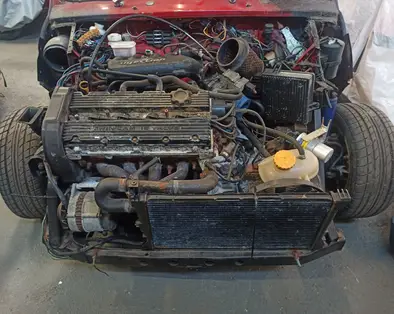
Specialist repair shops in the UK built entire service offerings around this engine’s known weaknesses. Preventative head gasket and cooling system upgrades became a common recommendation.
Owners who skipped both coolant and oil service saw the fastest failures. The dual neglect compounded internal damage far more than oil neglect alone.
This case is frequently referenced in UK consumer motoring publications. It remains a textbook example of how cooling and lubrication issues interact.
11. Nissan VQ35DE 3.5L V6 (2002–2004)
The Nissan VQ35DE, used in the Altima and Maxima, developed documented sludge complaints in early 2000s production years. Sludge formed primarily around the timing chain guides and tensioners. This caused premature chain stretch and rattling noises on cold start.
Nissan issued technical service bulletins addressing chain-related sludge complaints. Some owners received goodwill repairs outside standard warranty coverage. The problem was less severe than the Toyota or Chrysler cases. It still generated enough complaints to warrant manufacturer acknowledgment.
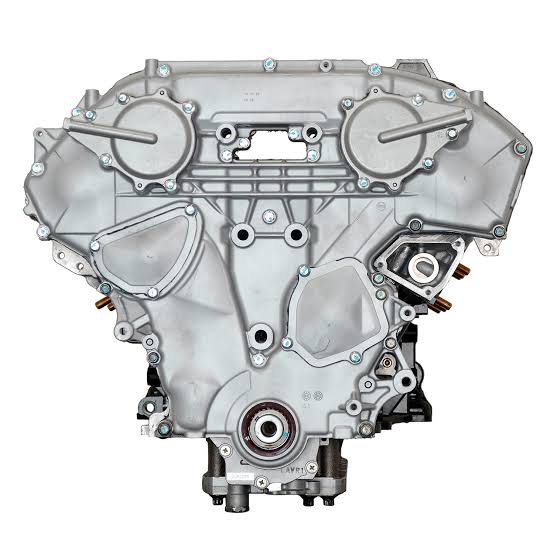
Later production years addressed the issue through revised chain guide materials. This reduced sludge-related chain failures in subsequent model years significantly.
Owners who caught the rattling noise early avoided the worst outcomes. Waiting too long often led to full timing chain replacement, a labor-intensive repair.
This engine is a reminder that even well-regarded engines can develop sludge issues. Reputation alone did not exempt Nissan from documented maintenance-related failures.
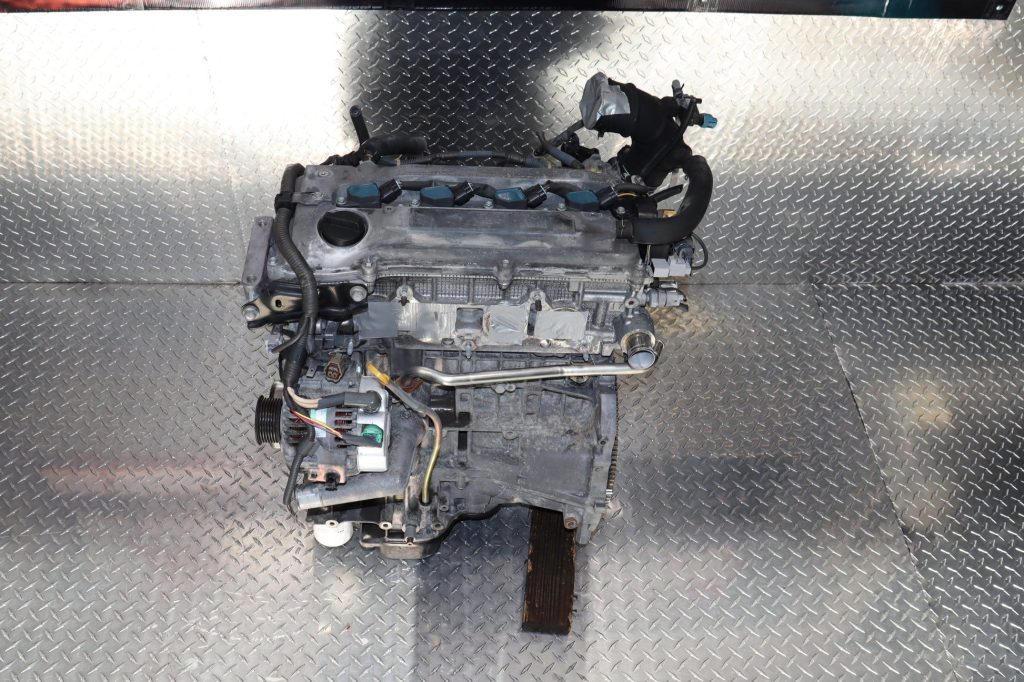
12. Toyota 2AZ-FE 2.4L (2002–2008)
The Toyota 2AZ-FE, used widely in the Camry and RAV4, developed later sludge and oil-consumption complaints distinct from the earlier 1MZ-FE case.
Piston ring design contributed to oil consumption alongside sludge buildup. Owners who didn’t top off oil between changes accelerated internal wear. Sludge combined with low oil levels to starve the timing chain area. This caused premature chain and guide wear in high-mileage examples.
Toyota extended warranty coverage on some oil-consumption-related claims. This case shows sludge problems persisted even after the earlier 1MZ-FE lawsuit.
Owners who checked oil levels monthly caught low-oil conditions before serious damage occurred. Those who relied solely on scheduled service intervals were more likely to run low.
This case highlights that oil consumption and sludge are related but distinct risks. Both required active owner attention rather than passive reliance on service reminders.
Toyota’s response to this second sludge-adjacent controversy was more measured than the first. The company avoided a full class-action outcome by addressing complaints case by case.
