
Every mechanic has a mental list. Mine gets longer every year. Cars aren’t built the same after the first owner walks away. Warranties end right around this point. Deferred maintenance from the first owner starts catching up fast.
Some vehicles simply were not engineered to reach six-figure mileage without requiring costly repairs. That is not merely an opinion. It is a pattern that repair shops encounter regularly.
130,000 miles is the number worth watching closely. It’s past the second major service interval on most cars. It’s usually past the point where a car’s original owner traded it in or sold it private-party.
That means the next owner inherits problems nobody disclosed. Timing chains stretch quietly for years before they announce themselves. Transmissions that were “fine” at 90,000 start slipping and shuddering.
Air suspension bags that held pressure for a decade suddenly won’t hold overnight. Electrical modules that never threw a code start throwing several at once. That doesn’t mean these cars are bad. Some are genuinely fun to drive, and a few are still enjoyable enough to justify ownership.
But too many of these have been torn down to recommend buying one blind past 130K without knowing exactly what you’re getting into. Here are ten I steer customers away from, and why each one earns its spot on this list.
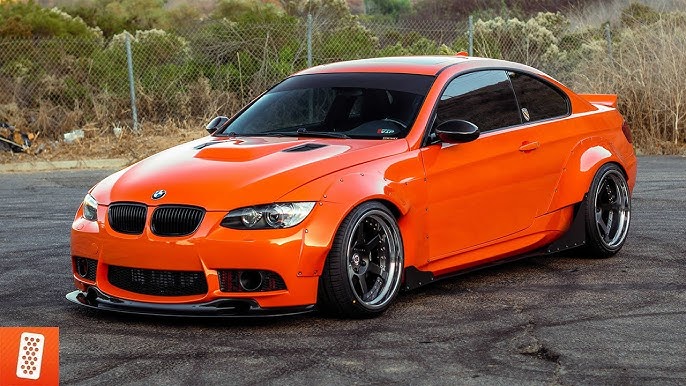
1. BMW 335i (N54 Twin-Turbo)
The N54 is a phenomenal engine on paper. It made BMW’s reputation for turbocharged performance in the mid-2000s. It’s also a parts-cannon waiting to go off. Almost every N54 seen past 130,000 miles has already had major fuel system work.
The high-pressure fuel pump is the big one. It fails often enough that BMW extended emissions warranty coverage to 120,000 miles or ten years. Past that mileage, owners are paying out of pocket entirely. Pumps run $600 to $1,100 for the part alone, before labor.
Wastegate rattle is next on my list of common complaints. It’s cosmetic at first, just an annoying metallic buzz on cold starts. Left alone, it gets worse and eventually affects boost control. Some owners live with it for years before addressing it.
Carbon buildup on the intake valves is a given by this mileage. Direct injection engines don’t get fuel washing the valves the way older port-injected engines did.
That buildup causes rough idle, misfires, and reduced throttle response over time. Walnut blasting the valves becomes a recurring service item, not a one-time fix.
Add in oil leaks from valve cover gaskets and degraded cooling system components. Water pumps and expansion tanks wear out around the same window on most examples.
VANOS solenoids can also gunk up with sludge and cause rough running. These repairs can quickly stack into the thousands of dollars when neglected. It’s a fun car with an expensive personality past 130,000 miles. Budget accordingly if you’re set on one.
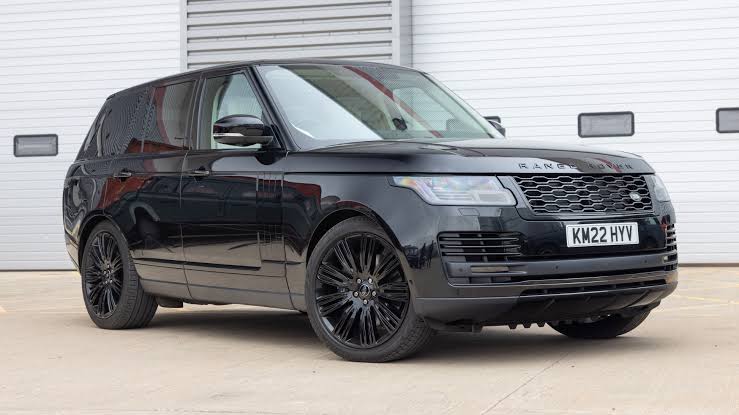
2. Land Rover Range Rover (L322/L405 Generation)
Range Rovers are engineering marvels until they aren’t anymore. The ride quality and refinement are genuinely impressive when everything’s working.
Air suspension is the first thing to go on high-mileage examples. The compressor and air bags wear out on a fairly predictable schedule. By 130,000 miles, most units have already needed at least one corner replaced. Many need the whole system redone within a year or two of that mileage.
Electrical gremlins show up right around the same time as the suspension issues. Multiple control modules on these trucks fail without much warning beforehand.
Phantom warning lights can take hours to trace back to a single fault. Sometimes the fix is a $40 sensor connector, and sometimes it’s a $2,000 module.
Timing chain guides on the supercharged V8 engines wear prematurely under normal use. That’s an engine-out job if it’s ignored too long and the chain skips.
Cooling system components are plastic in places where they really shouldn’t be. Radiators and thermostat housings crack from years of heat cycling.
Coolant loss from a cracked component can lead to overheating if it’s not caught. That’s a serious risk on the supercharged engines specifically. Parts aren’t cheap on these trucks, and labor runs long for most repairs.
Independent Land Rover specialists exist for a reason, and general shops often decline the work. Ownership costs past 130,000 miles routinely rival a car payment. That’s worth knowing before you fall for the leather and the ride height.
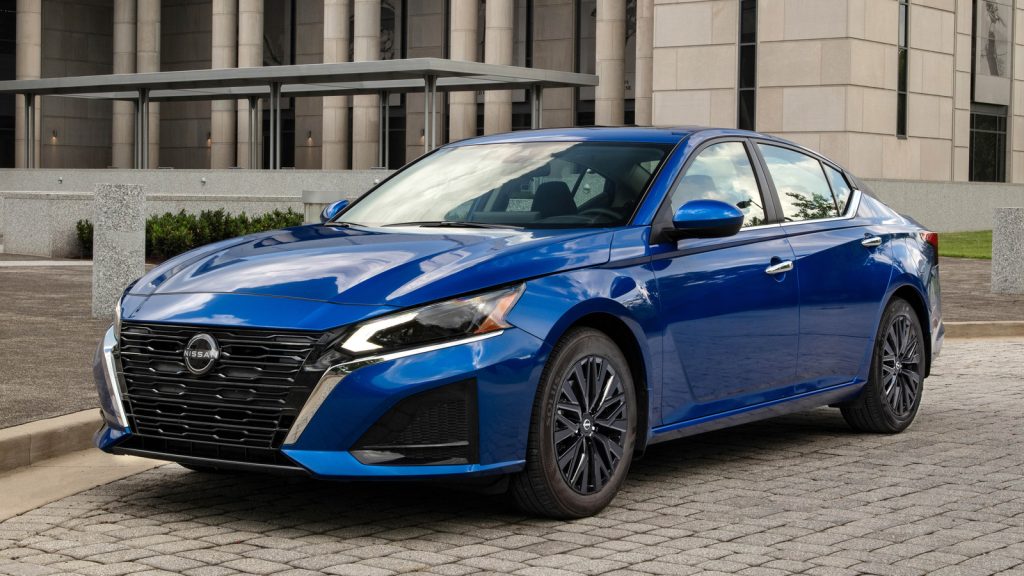
3. Nissan Altima (CVT Models)
Nissan’s CVT is one of the least trustworthy transmissions in daily drivers. It wasn’t designed for the loads and heat that owners actually put on it. Overheating is the root cause of most failures stem from overheating. The factory cooling system simply can’t keep pace with sustained highway driving or hot climates.
Symptoms start subtly, usually a whine or a shudder under acceleration. By the time it’s obvious to the driver, internal damage has usually already begun.
Many owners report failure symptoms as early as 70,000 to 100,000 miles. Past 130,000 miles, a fresh or remanufactured unit is often already necessary.
Some owners get lucky and stretch a CVT past 150,000 with careful driving. That outcome depends heavily on fluid maintenance, which most owners skip entirely.
Replacement isn’t cheap, and rebuilding one properly requires specialized equipment. Expect $3,500 to $5,000 for a full CVT replacement at an independent shop.
Nissan recommends CVT fluid changes every 60,000 miles under severe conditions. Most dealerships never mention this during routine service visits.
Whining or grinding noises usually point to bearing wear inside the oil pump. Jerking between park and drive often signals valve body wear inside the unit. It’s best to budget for this repair rather than hope to avoid it. On a high-mileage Altima or Sentra, it’s less a possibility and more a near-certainty.
4. Ford Focus / Fiesta (PowerShift Dual-Clutch)
The PowerShift transmission is a major reason these Ford small cars from this era earned a poor reputation. It’s a dry dual-clutch design that was never properly sorted out at launch.
Clutch packs wear prematurely under stop-and-go city driving conditions. That’s exactly how most owners of small commuter cars actually use them.
Symptoms include shuddering from a stop and hesitation during acceleration. Owners often mistake early symptoms for normal small-car roughness rather than a real fault.
By 130,000 miles, many units are already on their second or third clutch pack. Some have needed a full transmission replacement well before reaching that mileage.
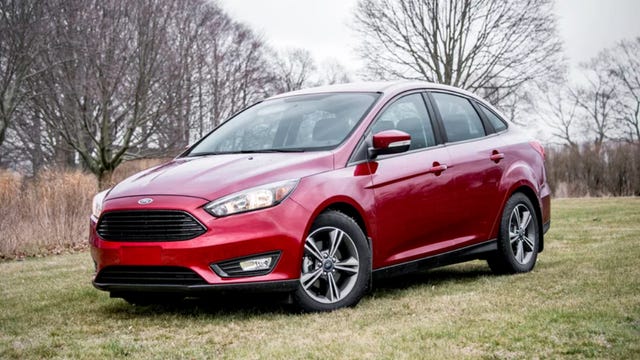
Ford faced class-action lawsuits over this transmission, and for good reason. The company issued extended warranties for clutch and TCM issues on affected model years.
Many of those extended warranties have since expired on higher-mileage cars. That leaves current owners fully exposed to the repair cost. Clutch packs and TCUs are replaced frequently on these vehicles. It’s not a matter of if a repair is needed, but when.
The transmission control module itself is a common failure point too. Replacement and reprogramming isn’t a job most general shops want to take on.
If you’re looking at one of these, get the transmission inspected first. A pre-purchase inspection focused specifically on shift quality isn’t optional here.
5. Volkswagen Jetta / Passat (EA888 2.0T)
VW’s turbo four is a strong engine when it’s healthy and well maintained. It’s also commonly seen once the timing system starts failing. The timing chain tensioner is where the trouble usually starts on early versions. Early tensioners were plastic-bodied and prone to premature failure under normal operation.
When they go, the chain can skip timing or snap outright. That’s catastrophic engine damage if it happens while the car is being driven. Bent valves are a common and expensive result of a jumped timing chain. A full head repair or engine replacement often follows once that happens.

Water pumps on these engines are electric and largely plastic in construction. They fail around the 100,000 to 130,000 mile mark with real consistency.
Oil consumption is another issue that shows up reliably by this age. Piston ring design in early production years wasn’t ideal for long-term oil control.
Carbon buildup on the intake valves is expected given the direct injection setup. Walnut blasting the valves becomes a recurring maintenance item rather than a one-off repair.
Checking for updated tensioner part numbers is always recommended on one of these cars. VW revised the tensioner design more than once to address the failure.
Knowing which revision is installed genuinely changes the risk profile of a used car. It’s worth the extra ten minutes to check during an inspection.
6. Chevrolet Cruze (1.4L Turbo)
The Cruze’s 1.4T is efficient but genuinely fragile over the long haul. It’s a common sight once cars cross the 130,000-mile mark. PCV system failures are extremely common by this point in the car’s life. A cracked PCV valve causes oil consumption, rough idle, and a check engine light.
It’s a cheap part on paper, but it fails again and again on these engines. Some owners replace it two or three times before finding the real fix. Timing chain stretch is the bigger concern once mileage climbs past 130,000. The chain and guides wear faster than GM originally intended for this engine.
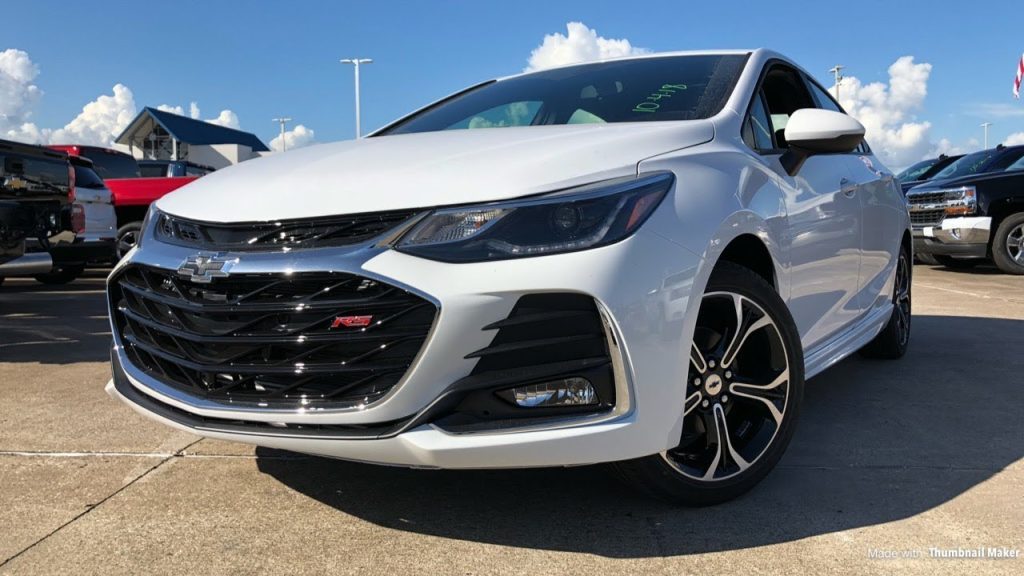
Coolant intrusion into the cylinders is a known and serious failure mode. It stems from a design flaw in the cylinder head casting itself. That repair alone can total out an older Cruze in many cases. Head replacement costs often exceed what the car is actually worth on the used market.
Turbocharger failure isn’t rare either once the car reaches this age. Oil starvation from delayed maintenance accelerates that failure timeline significantly.
Water pumps, thermostats, and intake manifolds round out the list of frequent repairs. None of them are individually catastrophic, but they add up fast.
Checking for updated tensioner part numbers is always recommended past this mileage. The economics just don’t favor major repairs on a car in this price bracket.
7. Jeep Grand Cherokee (3.6L Pentastar, WK2)
The Pentastar V6 itself is a reasonably durable and well-regarded engine. The electrical systems built around it are where the real problems live. The TIPM, or totally integrated power module, fails often on these SUVs. It controls the fuel pump relay and a long list of other functions.
A failing TIPM can cause random no-starts, stalling, or electrical gremlins. More Cruzes end up being parted out than properly repaired. Water pumps are located inside the timing cover on this engine design. Replacement means a much bigger and more expensive job than a typical water pump swap.
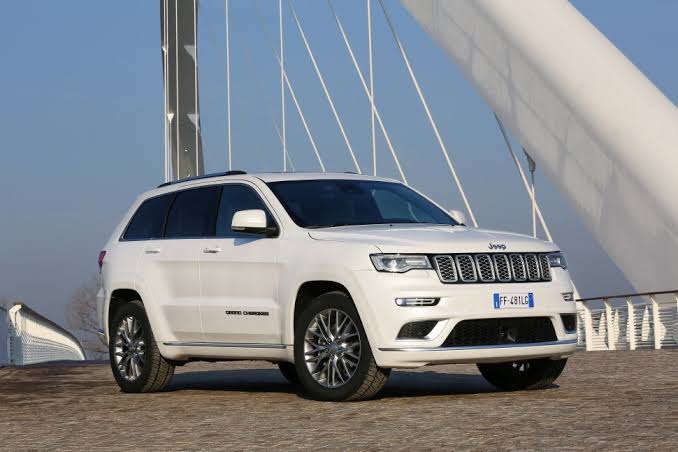
Rear axle actuator seals in the electronic locking differential tend to leak. That’s a common source of gear oil contamination and unusual drivetrain noise.
Suspension components wear faster on the air-ride equipped Overland and Summit trims. Compressors and height sensors are frequent replacements once you’re past 130,000 miles.
Evaporative emissions leaks are another recurring headache on these vehicles. Purge valves and charcoal canisters trigger check engine lights with real regularity.
Center console and infotainment electronics also age poorly on higher-mileage examples. Uconnect glitches and dead USB ports are extremely common complaints by this point.
It’s a comfortable and capable SUV, but the electronics test your patience. Budget for diagnostic time, not just parts, when pricing out repairs on these.
8. Mercedes-Benz ML-Class (Airmatic Suspension)
Mercedes builds a genuinely smooth ride, right up until the air suspension fails. Airmatic is the single biggest expense category on these SUVs long-term.
Air struts and bags degrade with age and constant heat cycling. By 130,000 miles, most original units have hardened, cracked, or started leaking slowly.
The compressor works overtime trying to compensate for those slow leaks. That extra workload shortens the compressor’s own lifespan considerably in the process.
Full replacement of all four corners runs into several thousand dollars easily. Some owners convert to aftermarket coil-over kits just to avoid the recurring expense.
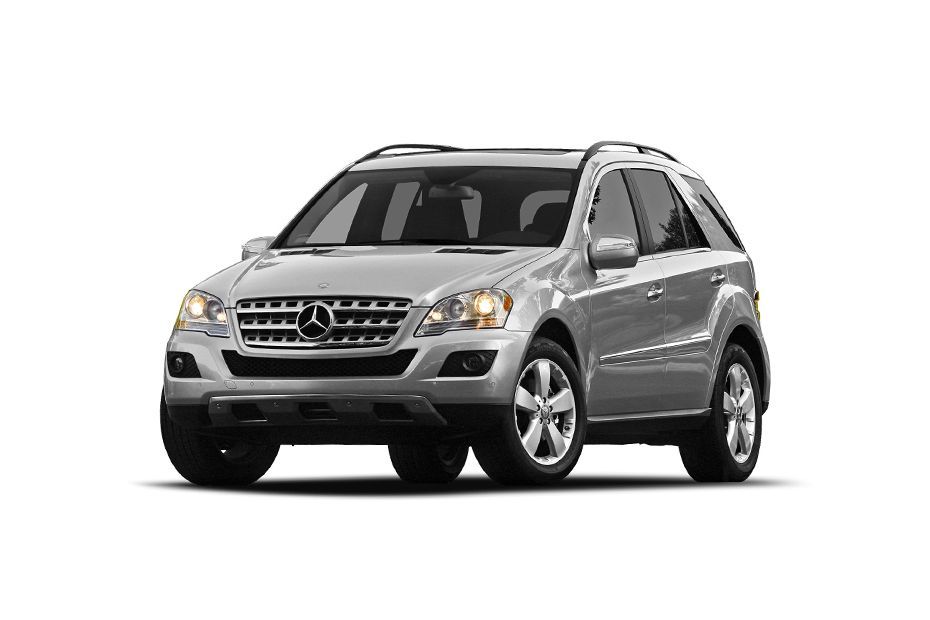
Electrical architecture on these SUVs is genuinely complex compared to most competitors. Multiple control modules communicate constantly, and one fault can cascade into several warning lights.
Wiring harness degradation is common given the vehicle’s age by this mileage. Rodent damage and corroded connectors add to an already long list of gremlins.
Balance shaft and timing chain wear on the V6 and V8 engines shows up too. Rattling on startup is a common early symptom that owners often ignore.
Transmission mounts and control arm bushings wear out faster under the vehicle’s curb weight. That translates to clunks and vague steering feel by this point in ownership.
These SUVs drive exceptionally well when everything is working correctly. Keeping everything working correctly is genuinely the expensive part of ownership.
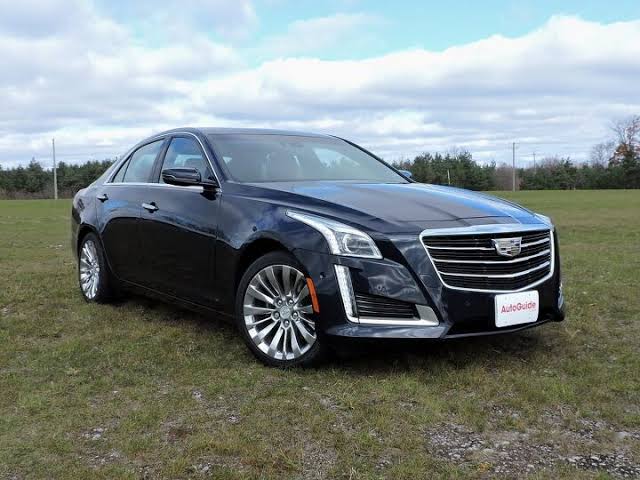
9. Cadillac CTS (3.6L V6, First Generation)
The CTS drives better than most people expect from a Cadillac of this era. Its 3.6L V6 has a timing chain problem that’s worth knowing about upfront.
Chain stretch triggers check engine lights related to cam timing correlation. It’s a labor-intensive repair once it starts happening, often requiring front engine disassembly.
Water pumps are also driven off this same timing system on early versions. Replacement means significant disassembly rather than a quick bolt-on swap.
Oil leaks from valve covers and rear main seals are extremely common by now. Most haven’t been addressed by prior owners since they’re slow, low-priority leaks.
Electrical issues with window regulators and door control modules pop up regularly too. They’re annoying rather than dangerous, but the repairs add up over time.
Interior electronics tend to age faster than the drivetrain in most examples. Climate control modules and infotainment head units are frequent failures past 130,000 miles.
Fuel pump and fuel level sending unit issues also show up around this mileage. Intermittent stalling or inaccurate fuel gauge readings are the usual telltale symptoms.
Suspension bushings and sway bar links wear out faster than the segment average. That shows up as clunks over bumps and looser handling than the car had when new.
It’s a genuinely good-driving car with a maintenance bill to match its ambitions. Buy one expecting these costs upfront, not hoping to avoid them entirely.
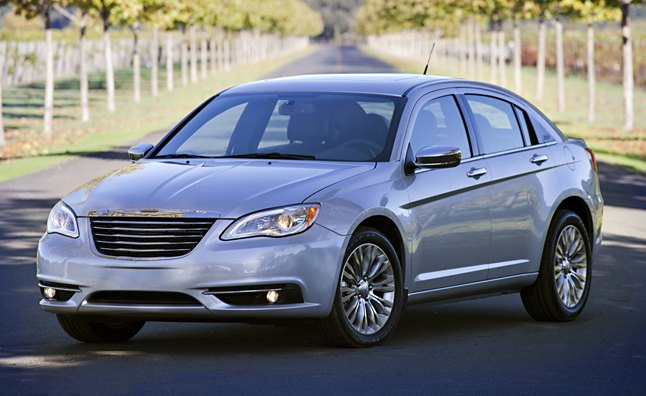
10. Chrysler 200 (9-Speed Automatic)
The ZF-sourced 9-speed automatic never got fully sorted out in this car. Rough shifting and hesitation are extremely common complaints by 130,000 miles.
Software recalibrations helped somewhat when the car was still newer and under warranty. Past this mileage, mechanical wear compounds whatever software issues were already present.
Complete transmission failure isn’t unusual on higher-mileage examples. Replacement units aren’t cheap, and independent rebuilds are inconsistent in quality across shops.
The engine itself, particularly the 2.4L Tigershark four-cylinder, has its own separate issues. Oil consumption and timing chain wear show up reliably around this same age.
Electrical gremlins affecting the electronic shifter module are also well documented online. Some cars have gotten stuck in park or refused to shift out of neutral entirely.
Resale values on these cars reflect the reputation, and it’s not a favorable one. Buyers who know cars tend to avoid this model already for good reason.
Water pumps and thermostats on the 2.4L engine fail earlier than average too. Coolant leaks are a near-guarantee by the time you’re shopping past 130,000 miles.
Front suspension components, particularly lower control arm bushings, wear out prematurely on this platform. That shows up as clunking and uneven front tire wear. This isn’t a model worth recommending past 130,000 miles. The transmission risk alone outweighs what the rest of the car has to offer.
