
Some cars get old and just need a battery. Others get old and start eating money. There’s a strange corner of the used car market where math stops making sense. A vehicle’s Kelley Blue Book value drops into the low thousands.
Meanwhile, a single repair a transmission, a suspension pump, a hybrid battery can cost more than the car is worth on paper. RepairPal’s own data backs this up. It found Porsche, Land Rover, and Jaguar sit atop the list of priciest brands to maintain.
That combination of steep depreciation and expensive parts creates a trap for used buyers. The car looks like a bargain at $6,000. Then the air suspension fails.
This list pulls together ten vehicles where that math regularly breaks. Each one pairs a RepairPal-documented repair cost against a realistic Kelley Blue Book resale figure.
In every case, the repair bill rivals or exceeds what the car is actually worth. These aren’t hypothetical worst-case scenarios either. They’re the routine failure points documented across thousands of real repair estimates. Buyers should treat this as a warning label, not entertainment. A cheap luxury car is rarely actually cheap.
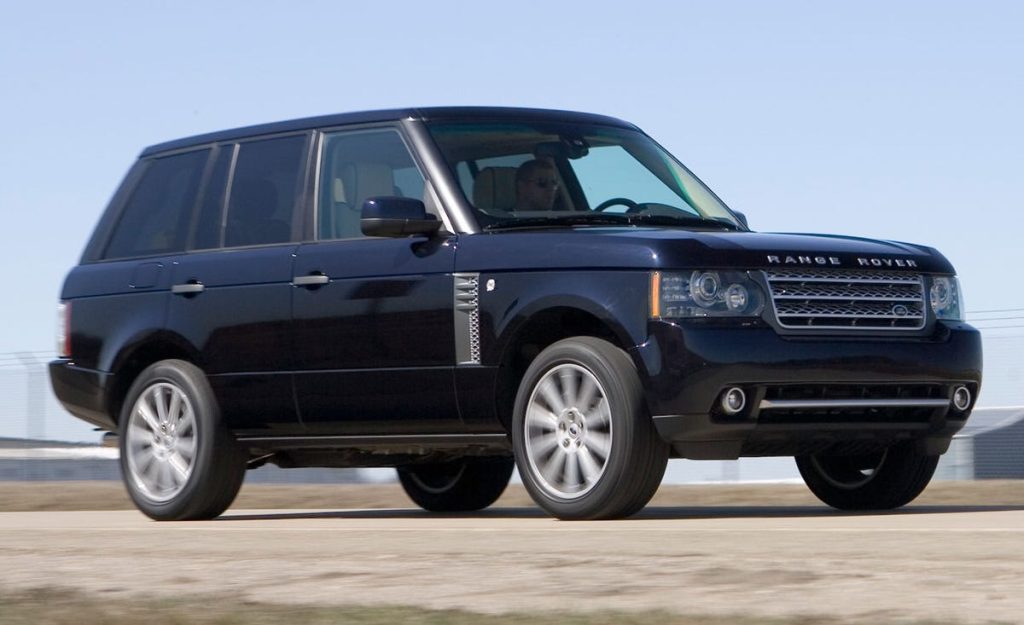
1. Land Rover Range Rover (Early-2010s Models)
Land Rover carries the lowest reliability rating among all 32 tracked brands. RepairPal ranks it 31st out of 32. Annual repair costs average $1,174 for the brand. That’s already well above the industry average of $652.
The Range Rover’s specific weak point is its air suspension system. It relies on air springs, a compressor, and multiple control solenoids to keep the body level.
A single active suspension air spring replacement runs $1,084 to $1,190. That’s just one corner of the car. Need the whole air compressor instead? RepairPal prices that job between $2,058 and $2,144. Add a steering knuckle failure and costs climb further.
A full suspension shock or strut replacement averages $3,130 to $3,249. Multiple simultaneous suspension failures aren’t unusual at high mileage.
Meanwhile, a 2011-era Range Rover in typical condition often trades for $6,000 to $9,000 today. One bad suspension cycle can eat a third of that value in a single visit. Buyers considering one should budget for suspension work as a certainty, not a possibility.
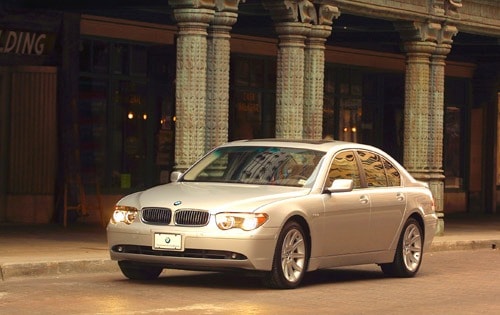
2. BMW 7 Series (2002–2012 Models)
The BMW 7 Series was engineered as a technology flagship. That complexity becomes a liability once warranty coverage ends. Owner reports repeatedly single out the transmission on early-2000s 745i and 750i models. Forum threads describe erratic shifting and expensive diagnostic loops.
One long-term owner summed it up plainly: spreading repair costs and depreciation across the car’s life made ownership financially indefensible after the warranty expired.
A 2004-era 7 Series now carries a private-party value around $3,425 to $6,175 according to Kelley Blue Book. That’s the entire car, not one part. Transmission failures on these platforms can approach or exceed that number once labor, fluid, and computer relearning are included.
The 2025 7 Series isn’t immune to steep costs either. KBB estimates roughly $66,327 in five-year depreciation, plus $4,632 in maintenance over that same span.
Suspension work is the other recurring pain point. Multiple owner reviews on newer 7 Series models flag suspension jobs as the priciest routine repair category. A car that once cost $70,000 new can become a $4,000 gamble within a decade and a half.
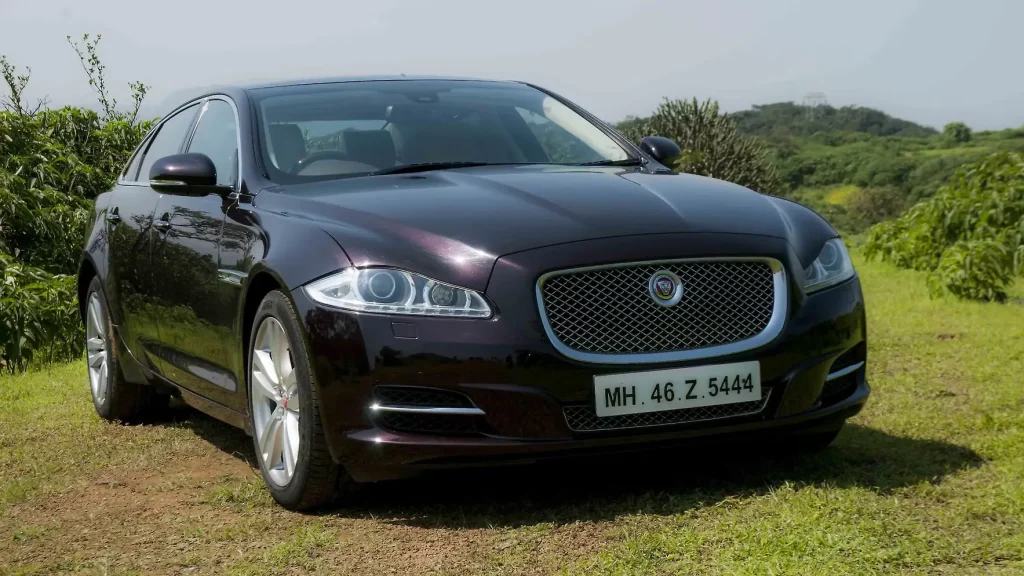
3. Jaguar XJ (Third and Fourth Generation)
Jaguar’s flagship sedan is a case study in depreciation outrunning repair economics. A well-optioned 1997-era XJ8 can now be purchased for around $5,000. Annual upkeep on these older cars runs closer to $430, which sounds manageable in isolation.
But the more modern X350-era Super V8, built on an aluminum unibody, tells a different story. These cars used a complex CATS air suspension system paired with a six-speed ZF transmission.
A clean 2005 Jaguar Super V8 with air suspension and nearly 400 horsepower can trade for around $8,000 to $12,000 today. The 2011-2019 XJ generation is arguably worse for repair economics. These cars are now available under $30,000 despite originally stickering well above $80,000.
At 30,000-mile intervals, owners face a long checklist: transmission fluid and filter service, rear axle fluid, power steering fluid, and battery maintenance to prevent electrical faults.
Air suspension failures on this generation aren’t rare. When a strut or compressor fails, repair costs frequently land in the $1,500 to $3,000 range depending on which component failed. A $20,000 flagship sedan with a $3,000 suspension bill is a common combination, not an outlier.
4. Mercedes-Benz S-Class (W220 and W221 Generations)
The S-Class W220, built from 2000 to 2006, pioneered mass-market Airmatic air suspension. It’s also become notorious for its failure rate. A single front air strut replacement typically runs $1,200 to $1,800 according to specialist Mercedes shops. That’s for one corner of the vehicle.
RepairPal-sourced estimates put a single Airmatic air spring replacement above $2,500 in some cases. Compressor replacement adds another $600 to $1,200.
The W221, produced from 2007 to 2013, inherited many of the same issues. Industry sources call it the most-repaired Airmatic chassis still on the road today.
Many owners of high-mileage W220 and W221 cars eventually convert to conventional coil suspension entirely. Conversion kits cost roughly $800 to $1,500, which is often cheaper than repeated OEM repairs.
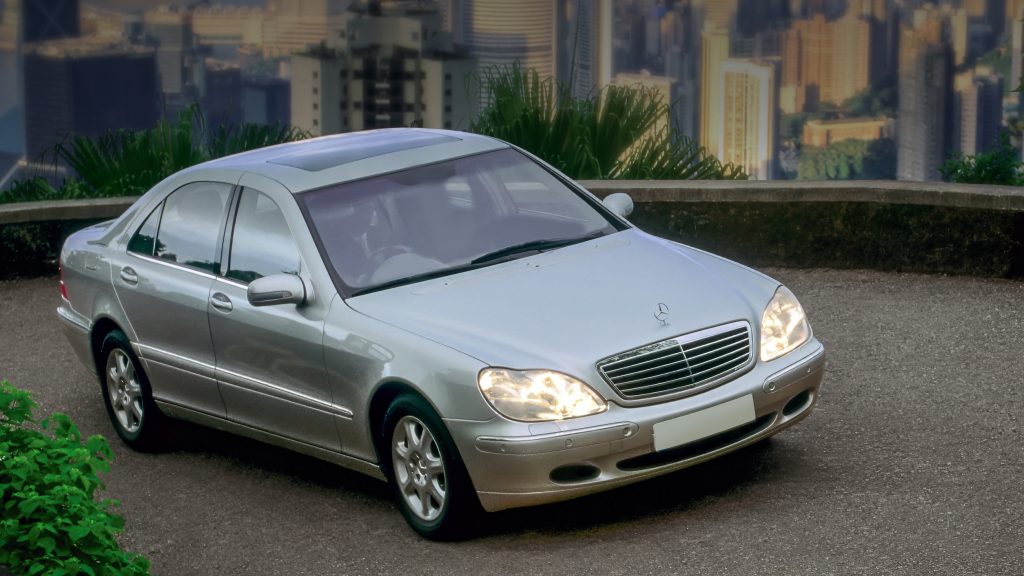
A used W220 S430 or S500 in typical condition can now sell for well under $8,000. Some examples with cosmetic issues dip into the $4,000 to $6,000 range.
Compare that to a full Airmatic restoration across all four corners, which can realistically exceed $6,000 once compressor and valve block work is included. The math here is stark. Full suspension repair can cost more than the car itself commands at trade-in.
5. Maserati Quattroporte (Sixth Generation, 2013–Onward)
Few cars depreciate as violently as the Quattroporte. Reports put its five-year value loss around 83%, turning a six-figure car into roughly $23,000.
That collapse happens for a reason. Parts availability is limited, and specialized service shops are scarce outside major metro areas. The sixth-generation Quattroporte shares engineering with the smaller Ghibli, including engines sourced from Ferrari. That heritage is appealing, but it doesn’t make parts cheaper.
Catastrophic engine failures aren’t common on this generation. Still, routine maintenance and repair work costs noticeably more than on a comparable German luxury sedan.
Electrical faults, suspension component wear, and transmission-related issues show up repeatedly in ownership reports. Each repair tends to require Maserati-specific diagnostic equipment.
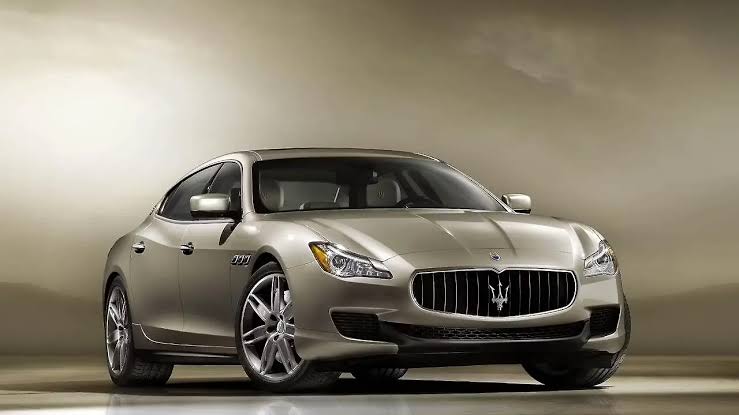
A well-kept 2014-2017 Quattroporte can now be found for under $20,000, occasionally near $19,651 according to used-market averages.
A single suspension or electrical repair bill in the $3,000 to $5,000 range isn’t unusual on these cars. That’s a meaningful chunk of the car’s total worth. Buying one cheap is easy. Keeping one running cheap is not.
6. Audi A8 (D3 and D4 Generations)
The Audi A8’s signature feature, adaptive air suspension, is also its biggest financial liability. A 2014 Audi A8 with the base 3.0T engine now starts around $11,000 in typical dealer condition. That’s down from an original MSRP near $76,000.
Air suspension failures on the A8 are not cheap fixes. RepairPal pricing shows an active suspension air spring replacement between $7,157 and $7,331. That figure alone can exceed the entire resale value of an older A8. Even the air compressor replacement, a smaller job, runs $2,035 to $2,093.
A full suspension shock or strut replacement lands between $4,316 and $4,471. Independent estimates elsewhere suggest the broader range runs $1,000 to $6,000 depending on which parts fail.
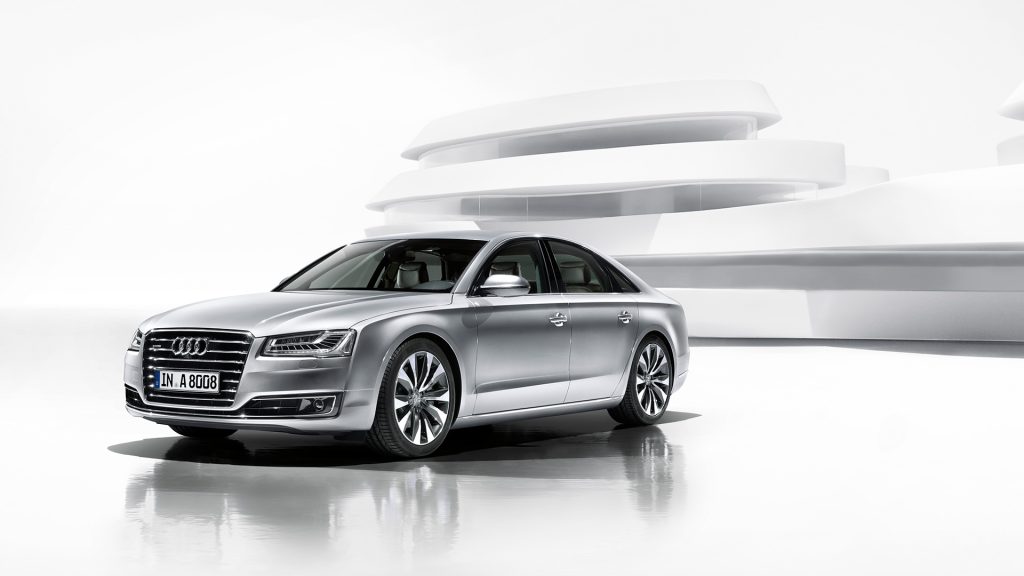
The A8’s twin-turbo and W12 engine options only compound the problem. More complex drivetrains mean more specialized, more expensive labor.
A 2010 A8 in decent shape can now be found for roughly $8,000 to $12,000. One major suspension failure can approach or surpass that entire figure. This is a car engineered for a smooth ride and a rough ownership experience once warranty coverage lapses.
7. Porsche Cayenne (First and Second Generation)
Porsche as a brand carries the highest average annual repair cost among mainstream-tracked automakers. RepairPal puts that figure at $1,192 per year.
The Cayenne, Porsche’s first SUV, shares mechanical roots with the Volkswagen Touareg and Audi Q7. That shared platform doesn’t translate to shared parts pricing, though.
Air suspension is again the recurring villain. Struts, compressors, and control modules on the Cayenne mirror the failure patterns seen on its Audi and VW cousins, but with Porsche-badge labor rates attached.
Timing chain tensioner issues on early V8 models are another well-documented expense. These repairs often require significant engine disassembly.
A first-generation Cayenne, now roughly 15-20 years old, frequently sells for $5,000 to $9,000 in usable condition. Some examples with cosmetic wear dip below $5,000.
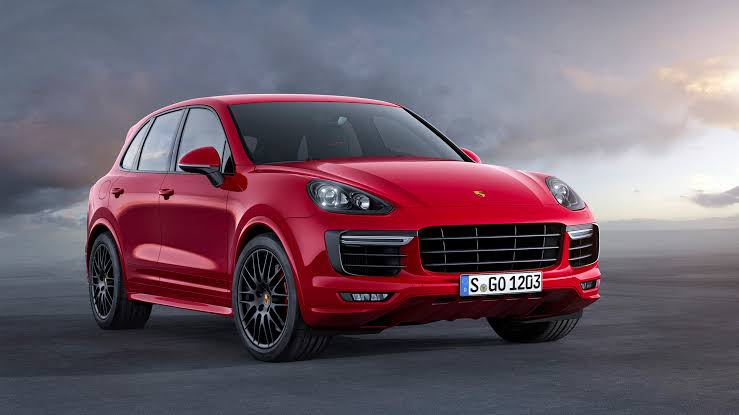
A single major suspension or engine repair on these cars can run $3,000 to $6,000. That’s a substantial percentage of what the SUV is actually worth.
Porsche’s own reliability data acknowledges the pattern. Higher-than-average repair frequency combines with premium parts pricing to inflate total ownership cost significantly. A Porsche badge on the hood doesn’t mean cheap repairs. It usually means the opposite.
8. Cadillac Escalade (2015–2020 Models)
The Escalade holds relatively strong resale value compared to most vehicles on this list. That’s actually part of the problem for buyers chasing a deal.
Recent recalls affect this generation broadly. Nearly 600,000 units were flagged for potential engine failure risk, and over 460,000 more for transmission control valve issues that could lock the rear wheels.
A transmission control valve failure isn’t a minor fix. Labor-intensive diagnosis plus valve body or full transmission replacement can run into several thousand dollars.
RepairPal’s basic component pricing shows even small jobs adding up. A battery replacement alone runs $376 to $410, and that’s the cheapest item on the list.
Escalade ESV models specifically have been documented losing around 62.9% of value across five years, translating to nearly $57,000 in depreciation on higher trims.
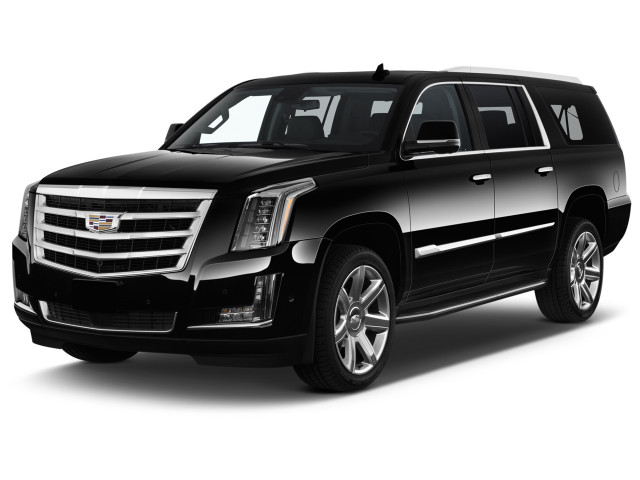
A high-mileage Escalade with a failed transmission or major electrical fault can see repair estimates land close to $5,000 to $8,000. That approaches what many used examples now sell for.
The luxury feature set, including massage seats and advanced driver assistance tech, adds further complexity and expense once sensors or modules fail. A recalled transmission valve and a used SUV price under $30,000 don’t mix well financially.
9. Chrysler 300 SRT (2012–2014 Hemi Models)
The standard Chrysler 300 actually rates reasonably well for reliability among domestic brands. The SRT performance variant complicates that picture.
The 6.4-liter Hemi V8 in SRT trims delivers strong performance but demands specialized service knowledge that fewer independent shops carry confidently.
Basic component costs on the 300 platform already run higher than expected for a domestic sedan. A battery replacement alone costs $554 to $581, above the segment norm.
Electrical and infotainment faults are common complaints on these SRT-badged cars as they age past 100,000 miles. Diagnosis alone can consume significant labor hours before parts are even ordered. A used 2013 Chrysler 300 SRT8 now frequently sells in the $10,000 to $15,000 range depending on mileage and condition.
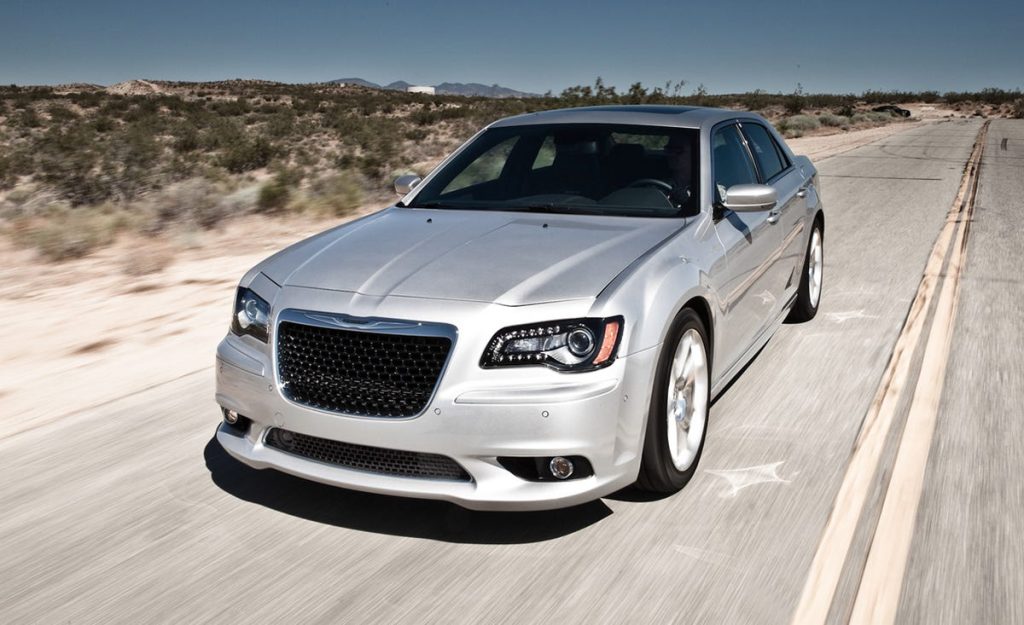
Major drivetrain work, including a Hemi engine rebuild or full transmission replacement, can realistically approach $6,000 to $8,000 at independent shops.
That repair bill can represent more than half the car’s total resale value. It’s a steep price for what looks like an affordable performance sedan on paper. A budget muscle sedan can quietly become a budget-breaking repair project.
10. Mini Cooper (R56 Generation, 2007–2013)
The Mini Cooper looks like an inexpensive city car. Its repair bills tell a different story entirely. RepairPal rates Mini’s reliability at 3.0 out of 5.0, with an average annual repair cost of $854. That’s about 31% above the industry average.
Consumer Reports independently ranks Mini among its top seven most expensive brands to maintain over a full decade of ownership. Common documented issues include premature clutch wear on manual transmission models.
Electric door lock failures and water pump leaks round out the recurring complaint list, especially on Countryman variants. The turbocharged engines in Cooper S models are particularly prone to timing chain tensioner failures. This repair often requires significant labor to access the affected components.
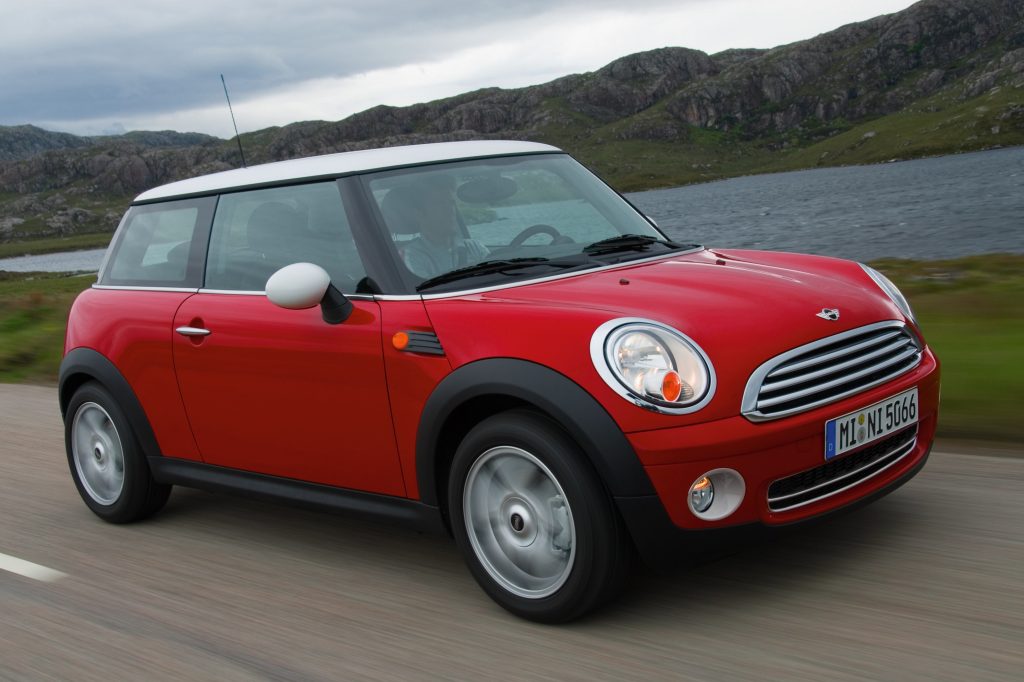
A used R56-generation Mini Cooper S with moderate mileage typically sells for $4,000 to $7,000 today. Some higher-mileage examples dip well below $4,000.
A major engine repair involving the timing chain system, combined with a clutch replacement, can realistically total $3,000 to $4,500 at a qualified shop. A small footprint doesn’t guarantee a small repair bill. This is the clearest lesson the Mini offers.
