
Buying a new car is supposed to be a long-term decision. Most buyers plan to keep their vehicle for years. The company tracked more than 18.5 million new-car sales from 2023 through 2024.
The findings are striking. On average, only 3.6% of new cars get resold within the first year of ownership. Some models blow far past that number. A few get resold four to eight times more often than the industry average.
Nearly every vehicle on this list wears a luxury badge. Land Rover, Mercedes-Benz, Porsche, BMW, and Jaguar dominate the rankings. Financial strain plays a role too. So does something less visible: dealer accounting practices involving loaner and demo vehicles.
Many dealerships register demo units as “sold” to boost monthly sales figures. Those same cars then reappear as used inventory within months. Reliability perception matters heavily as well. Several brands on this list score below average in initial quality surveys.
Buyer expectations also collide with reality fast in the luxury segment. Entry-level trims often disappoint owners expecting a fully loaded experience.
Whatever the mix of reasons, this fast turnover creates real opportunity. Shoppers can find nearly-new luxury vehicles at steep discounts. Here’s a deep, researched look at the ten new cars owners are most eager to part with.
1. Land Rover Discovery Sport
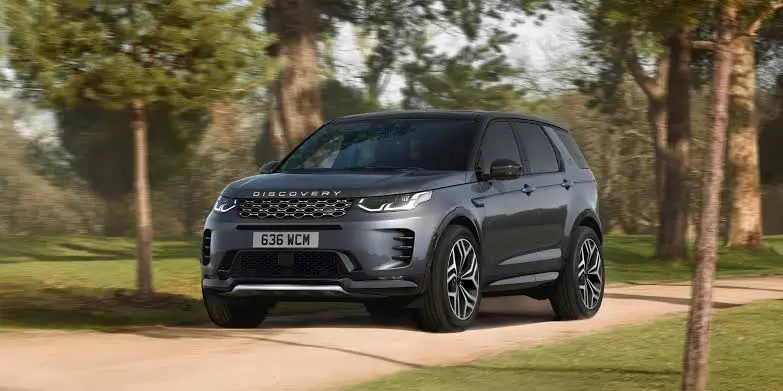
The Discovery Sport tops this list by a wide margin. A remarkable 28.3% of buyers resold theirs within a year. That’s nearly eight times the industry average. It’s the single highest first-year resale rate tracked in the entire study.
Average new price sits around $55,188. That’s a significant sum to walk away from so quickly. Several factors likely drive this exceptional churn rate. Land Rover has long struggled with reliability perceptions in the compact luxury SUV space.
Infotainment glitches and electrical faults are frequent owner complaints. Consumer Reports and J.D. Power surveys consistently rank Land Rover below the industry average.
First-time luxury buyers often expect flawless technology and smooth ownership. When that expectation isn’t met early, patience runs out quickly.
Dealer loaner programs add another major layer here. Land Rover dealerships heavily use Discovery Sports as service loaners and demo units. Those loaners get registered as sold, then quietly resold as “used” within months of that paperwork. This inflates the first-year resale statistic considerably beyond genuine owner turnover.
Interior packaging disappoints some buyers too. Rear cargo space and third-row-adjacent flexibility trail behind rivals like the Audi Q5. Maintenance costs run noticeably higher than mainstream competitors. Owners comparing service bills to a Toyota RAV4 or Honda CR-V often feel real buyer’s remorse.
Depreciation compounds the problem further. A vehicle already prone to quality complaints tends to lose value faster once resale anxiety sets in. For used-car shoppers, though, this creates genuine value. A one-year-old Discovery Sport can often be found well below its original sticker price, sometimes with warranty coverage still intact.
2. Porsche Macan
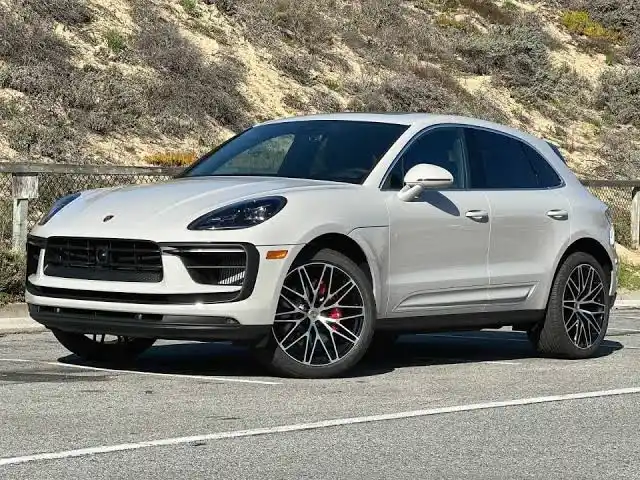
The Macan ranks second on the list, with about 22.2% of owners reselling their vehicles within the first year. Its average new price is approximately $77,727, while Porsche has the highest brand-wide first-year resale rate among the manufacturers studied at 16%.
Porsche buyers expect a distinct, sporty driving character. When base-trim Macans feel underpowered relative to the badge’s racing pedigree, disappointment follows fast.
Entry-level Macans lack many performance and comfort features buyers assume come standard. Many discover this only after signing the paperwork and driving off the lot.
Porsche’s à la carte options pricing is notorious in the industry. Buyers configuring their dream Macan can easily add tens of thousands of dollars in extras.
Once that final payment arrives, some owners reconsider the financial commitment. Trading in quickly becomes the simplest escape route. Porsche dealers also lean heavily on demonstrator and loaner fleets, much like Land Rover. These vehicles cycle back into inventory as “used” well before their first birthday.
The newer electric Macan variant adds another layer of complexity. Some early EV adopters found charging routines or real-world range didn’t match their driving habits.
Resale value for Porsche products remains historically strong across the brand. That actually makes fast flips more financially palatable for owners than with other luxury marques.
Despite the high first-year churn, used Macans remain in strong demand. Buyers value the badge, driving dynamics, and comparatively gentler depreciation curve.
3. Mercedes-Benz GLB
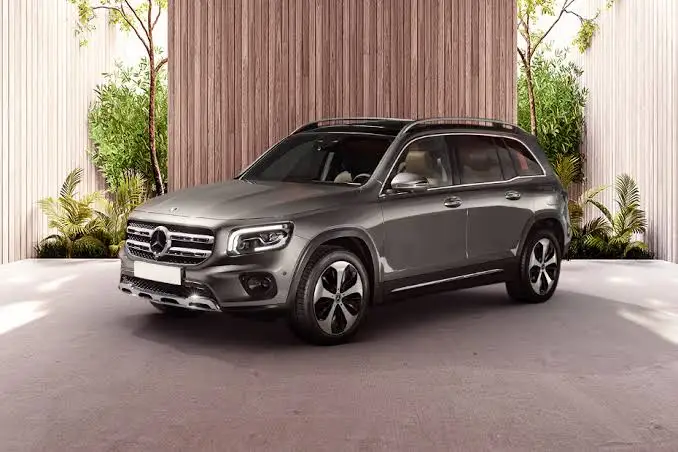
The GLB carries the highest resale rate of any single Mercedes-Benz model. Roughly 21.2% of buyers flipped theirs within just one year. The average new price comes in near $51,015. That’s relatively affordable compared to other vehicles on this list.
The GLB is marketed as a practical, three-row-capable compact SUV. It’s one of Mercedes’ most family-oriented offerings in the current lineup. That practicality promise is also its biggest weakness. Buyers expecting genuine third-row comfort often find those rearmost seats far too tight for regular passenger use.
First-time Mercedes owners sometimes underestimate long-term running costs. Insurance premiums, tire replacement, and scheduled service all cost noticeably more than mainstream SUV equivalents.
Entry-level GLB trims can feel underwhelming compared to pricier Mercedes models. Buyers stepping up from a mainstream brand sometimes feel the luxury experience falls short of expectations.
Mercedes dealerships run some of the most aggressive loaner and demo programs in the luxury segment. These units frequently return to the used market well under a year old.
Ride quality on smaller wheelbases can also feel busier over rough pavement than buyers anticipate. This surprises owners upgrading from larger, smoother-riding vehicles.
For someone shopping used, a low-mileage GLB represents a smart buy. It combines genuine practicality with the steep early depreciation typical of German luxury vehicles.
4. Mercedes-Benz CLA
The CLA sits fourth on this list. About 20.4% of new CLA buyers resold theirs within twelve months of purchase. It’s the second Mercedes-Benz model appearing in the top five. That pattern underscores a broader trend across the brand’s entry-level lineup.
The CLA is styled as a sleek, coupe-like four-door sedan. That distinctive styling comes with real trade-offs in everyday usability. Rear headroom is notoriously tight because of the sloping roofline design. Taller passengers frequently complain after just a handful of rides in the back seat.
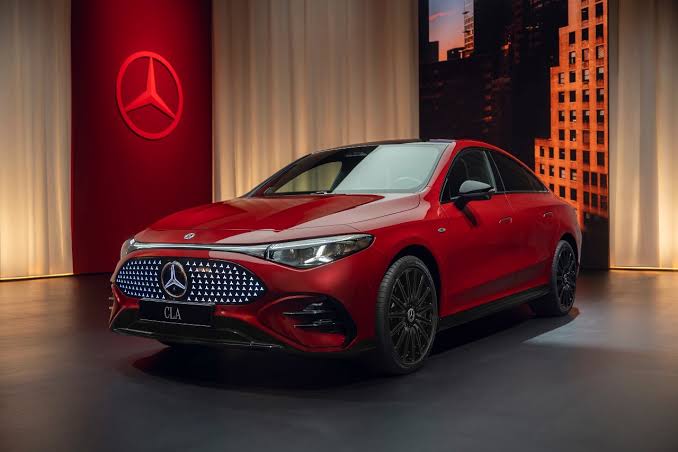
Ride quality on base suspension setups can feel firmer than expected. Buyers anticipating classic Mercedes comfort sometimes come away disappointed with the daily driving experience.
The CLA often serves as a buyer’s very first Mercedes-Benz purchase. Entry-level luxury buyers tend to be more price-sensitive and quicker to reconsider big financial decisions.
Fuel economy and long-term maintenance costs also surprise many new owners. These real-world figures rarely match the polished expectations set by the three-pointed star badge.
Interior cargo space is limited too, a natural consequence of the coupe roofline. Owners needing more practical hauling capacity often trade toward an SUV instead.
Dealer loaner fleets contribute meaningfully here as well. Demo CLAs cycle into used inventory faster than genuine owner-driven trade-ins alone would explain.
5. Mercedes-Benz GLA
The GLA rounds out Mercedes-Benz’s four total entries in this top ten list. Around 16.7% of buyers resold theirs within a year. Average new pricing is about $48,548. It’s actually the least expensive vehicle appearing anywhere on this entire ranking.
The GLA is Mercedes-Benz’s smallest and most accessible SUV offering. It often functions as a gateway vehicle for newcomers to the luxury segment.
That entry-level positioning cuts both ways for the brand. Buyers frequently trade up once their finances allow for a larger, better-equipped Mercedes model.
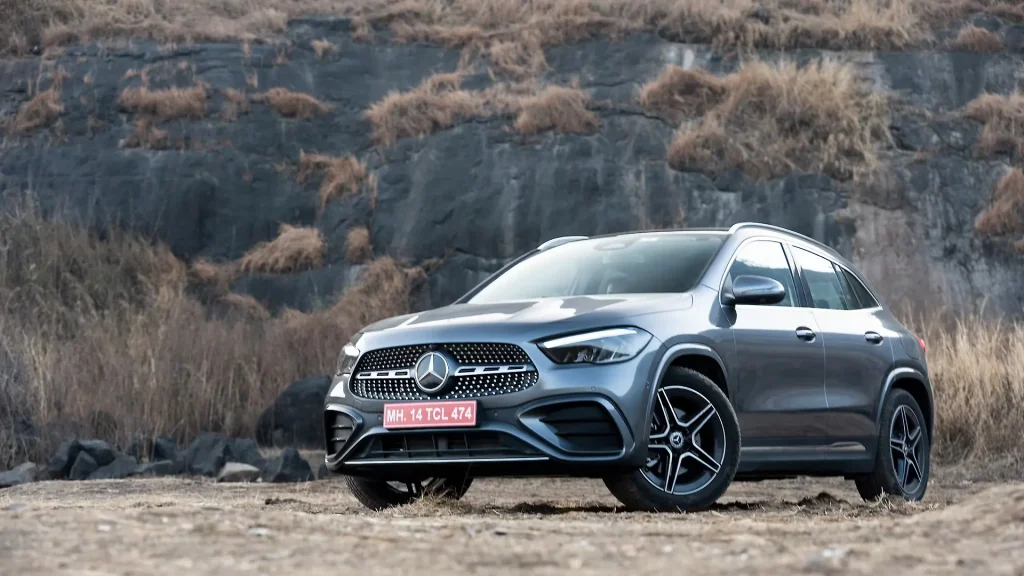
Interior space is genuinely limited compared to key rivals like the Audi Q3 or BMW X1. Cargo room in particular draws frequent, consistent criticism from real owners.
Base trims often lack driver-assistance features many buyers assume are standard equipment. Discovering these are costly extras frustrates new owners fairly quickly.
Like its GLB and CLA siblings, the GLA sees very heavy dealer loaner use across the network. That practice inflates the “resold within a year” statistic noticeably beyond organic churn.
Resale value holds up reasonably well despite the fast turnover pattern. The three-pointed star badge continues to command steady demand on the used market.
The GLA remains a popular used pick for budget-conscious luxury shoppers. Reasonable original pricing combined with brand prestige keeps resale demand consistently strong.
6. Land Rover Range Rover Evoque
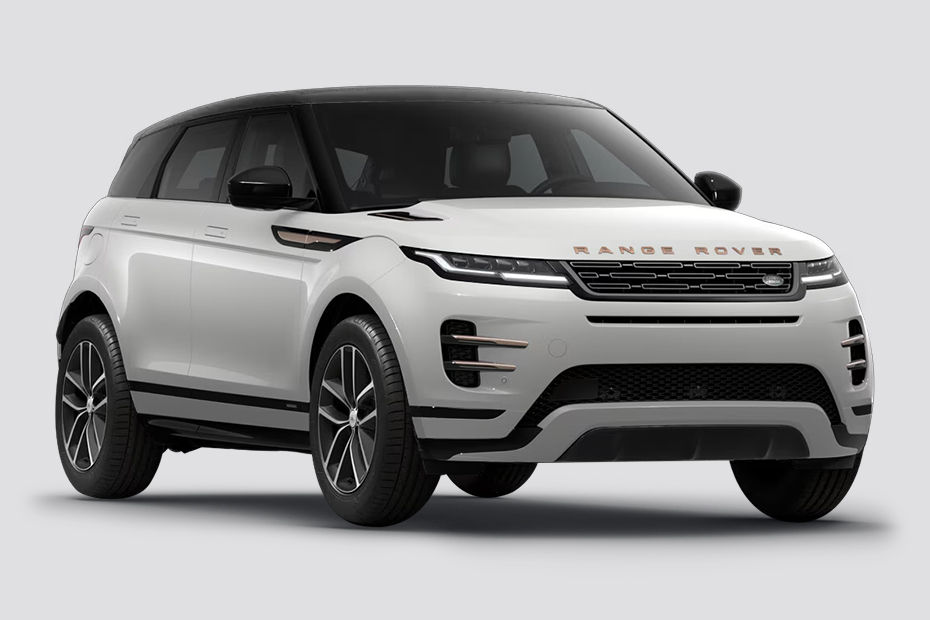
The Evoque is the second Land Rover model to make the list, with about 16.4% of buyers reselling theirs within the first year. Its average new price is approximately $58,492, putting its first-year resale rate at more than four times the industry average.
The Evoque is prized primarily for its striking, coupe-like exterior styling. It’s often chosen more for visual appeal than outright everyday practicality.
That style-first design philosophy naturally limits usable interior space. Rear headroom and total cargo capacity trail noticeably behind boxier competitors like the Audi Q5.
Reliability concerns follow the Evoque closely, much like other Land Rover products in the lineup. Infotainment freezes, and electrical faults remain recurring owner complaints across model years.
Ride comfort on larger optional wheel packages can feel notably harsh over rough road surfaces. Buyers expecting a plush, isolated luxury ride sometimes feel genuinely misled.
Maintenance and repair costs run considerably higher than mainstream compact SUV competitors. This financial reality becomes apparent quickly after the very first paid service visit.
Combined with Land Rover’s extensive use of dealer loaner fleets, these compounding factors push many Evoques back onto the used market within months of their original sale date.
Despite these challenges, the Evoque retains strong visual appeal on the secondhand market. Buyers seeking distinctive styling at a discount continue to find it an attractive used purchase.
7. Mercedes-Benz C-Class
The C-Class is Mercedes-Benz’s fourth and final model appearing in this top ten ranking. Roughly 14% of new buyers resold theirs within a year. Average new price is about $56,370. It remains one of the brand’s best-selling sedans in markets worldwide.
The C-Class competes in a brutally crowded and competitive segment. Rivals from BMW, Audi, Genesis, and Volvo all fight hard for the exact same buyer pool.
Interior technology has drawn genuinely mixed reviews across recent generations. Some owners find the heavily touch-based control layout fussy compared to simpler physical buttons.
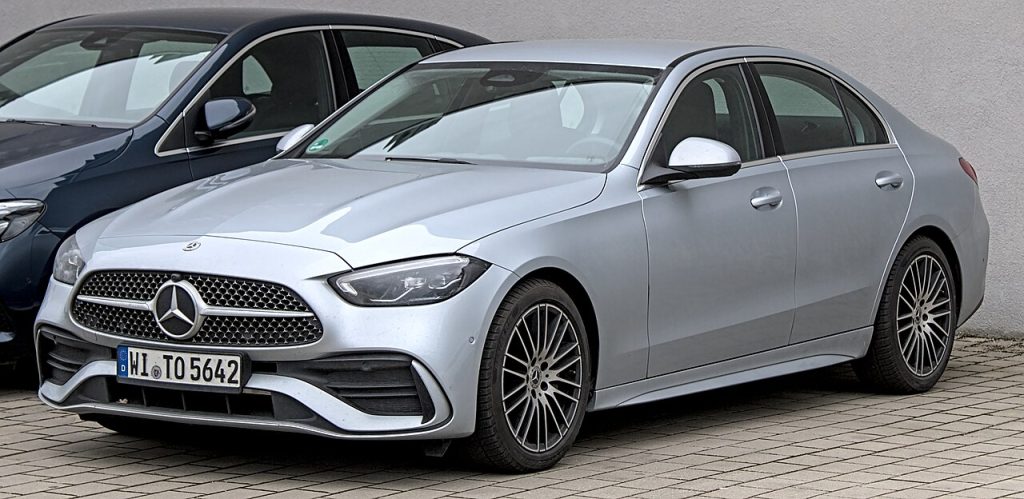
Rear-seat legroom is fairly snug for a car sitting at this price bracket. Taller adult passengers often note limited comfort during longer highway drives.
Depreciation on the C-Class has historically run steeper than some direct competitors. Buyers chasing strong long-term resale value sometimes reconsider their ownership plans relatively quickly.
Company car and corporate fleet programs also factor heavily into these numbers. Many C-Class units enter the used market as former lease returns or fleet vehicles.
Quality perception issues have dogged certain C-Class model years too. Some buyers report software glitches that don’t match the price point’s premium expectations.
Despite this fast churn, the C-Class remains a genuinely strong used-car value proposition. Its enduring badge appeal keeps demand healthy even amid higher mileage turnover rates.
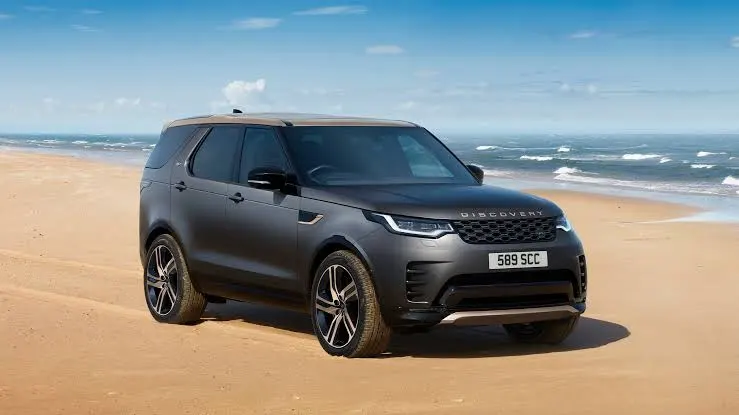
8. Land Rover Discovery
The Discovery is Land Rover’s third and final entry appearing on this list. About 13.6% of buyers resold theirs within twelve months. Average new price runs quite high, around $77,163. It’s one of the pricier vehicles appearing anywhere in this entire ranking.
The Discovery serves as Land Rover’s larger, family-oriented SUV offering. It’s built specifically to compete with established three-row rivals like the Audi Q7.
Reliability remains this model’s single biggest obstacle in the marketplace. Consumer surveys and dependability studies consistently rank it well below segment averages.
Software and electrical issues are frequently reported by real owners across model years. Infotainment freezes, sensor faults, and dashboard warning lights are common recurring frustrations.
At this considerable price point, buyers naturally expect near-flawless daily execution. When actual build quality doesn’t match the cost, trade-ins tend to happen very fast.
Fuel economy is also somewhat underwhelming given the vehicle’s substantial size and price tag. Owners comparing real-world running costs to rivals often feel genuinely disappointed.
Land Rover’s loaner-heavy dealer network compounds these resale numbers even further. Many vehicles labeled “used” actually began their life as service department loaner units.
Complex off-road and terrain-management technology, while impressive, adds another layer of things that can go wrong. Some owners simply never use these elaborate capabilities at all.
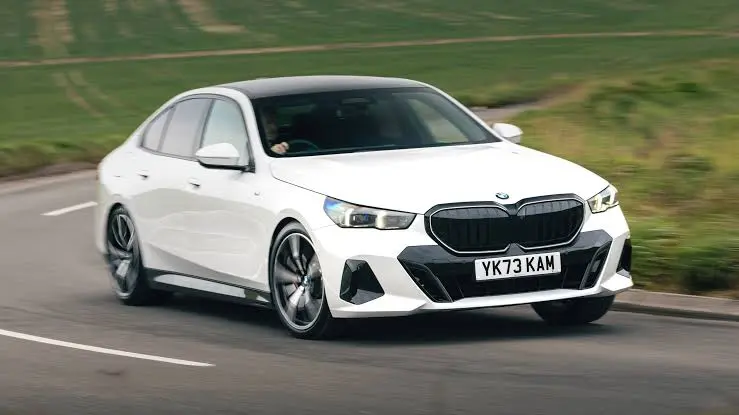
9. BMW 5 Series
The 5 Series stands as BMW’s lone entry appearing in this top ten ranking. About 13.4% of buyers resold theirs within a single year. Average new price is roughly $67,713. It functions as BMW’s flagship midsize executive sedan offering.
The 5 Series carries genuinely high expectations as BMW’s executive-class sedan. Buyers often anticipate a premium driving experience directly matching its substantial price tag.
Base four-cylinder models can feel somewhat underpowered for this competitive segment. Some buyers expect six-cylinder-level performance and are let down by the standard engine’s output.
BMW’s iDrive infotainment system, while genuinely advanced, carries a real learning curve. Not every buyer adapts comfortably to its menu-heavy, rotary-controller-based layout.
Corporate and executive fleet leasing also plays a significant role here. Many 5 Series units cycle back onto the market as former company or lease vehicles.
Maintenance costs after the initial warranty period expires can climb steeply. This financial reality becomes much clearer to owners once free scheduled service coverage runs out.
BMW’s brand-wide first-year resale rate sits considerably lower than most luxury rivals studied, at just 6.2%. Even so, the 5 Series clearly stands out as a notable exception.
Ride and handling remain genuine strengths for this model despite the churn. That keeps used demand relatively healthy among enthusiasts seeking the classic BMW driving character.
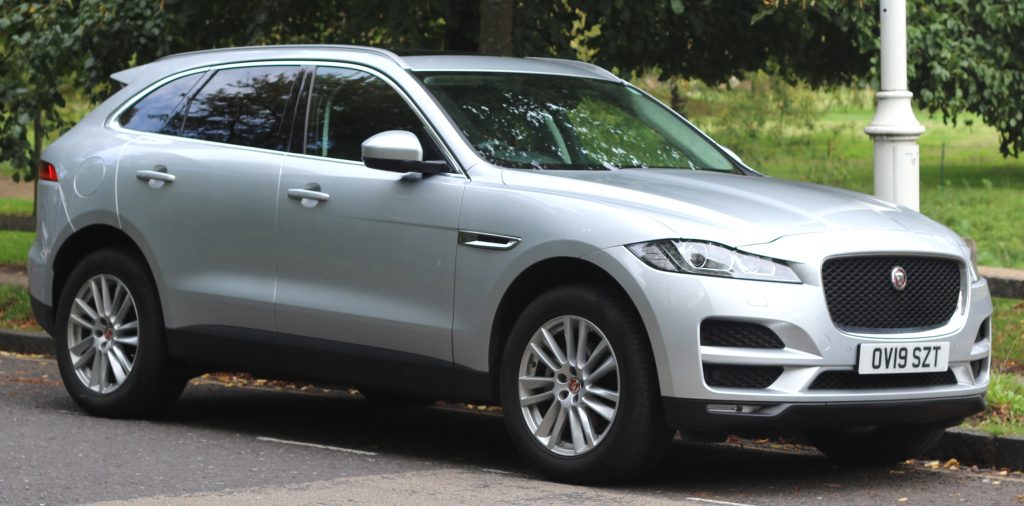
10. Jaguar F-PACE
The Jaguar F-PACE rounds out the list, with about 13.3% of buyers reselling their vehicles within the first year. Its average new price is approximately $71,210, while Jaguar’s brand-wide first-year resale rate stands at 10.7%.
The F-PACE is Jaguar’s best-selling model and effectively its only true SUV mainstay. It’s positioned to compete directly with the Porsche Macan and BMW X3.
Reliability has long been a persistent sore spot for Jaguar as an entire brand. Dependability studies routinely place Jaguar near the very bottom of industry rankings.
Owners frequently report recurring electrical issues and stubborn infotainment bugs. These problems often surface within just the first several months of regular ownership.
Resale value has historically run weak for Jaguar products across the board. Buyers aware of this reputation sometimes choose to sell early rather than absorb steeper future losses.
Jaguar’s dealer network is considerably smaller than its German rivals’ networks. This can mean fewer nearby service locations and longer repair wait times for owners.
Combined with Land Rover’s shared corporate ownership structure and similar loaner practices, F-PACE units frequently reappear on the used market well within their first year.
Styling and driving dynamics remain genuine strengths that keep some loyal buyers coming back. That helps sustain modest but steady demand despite the brand’s ongoing quality challenges.
