
Modern engines have changed what the word “repair” means. A traditional engine shop could bore cylinders, machine a crankshaft, fit new bearings, and return an engine to service. With some newer powertrains, manufacturers instead direct technicians toward short blocks, long blocks, or complete replacement assemblies after particular internal failures.
Tight machining tolerances, unusual cylinder construction, turbocharging, contamination, and complex internal mechanisms can make rebuilding the original engine too risky for an ordinary repair shop.
That does not mean these ten engines are physically impossible to rebuild. Dedicated machine shops and brand specialists can repair several of them successfully. The issue is whether the average independent garage has the equipment, technical information, parts supply, and willingness to warranty the result.
In the failures described below, factory procedures themselves sometimes specify engine replacement, which explains why owners may hear, “We can install another engine, but we will not rebuild yours.”
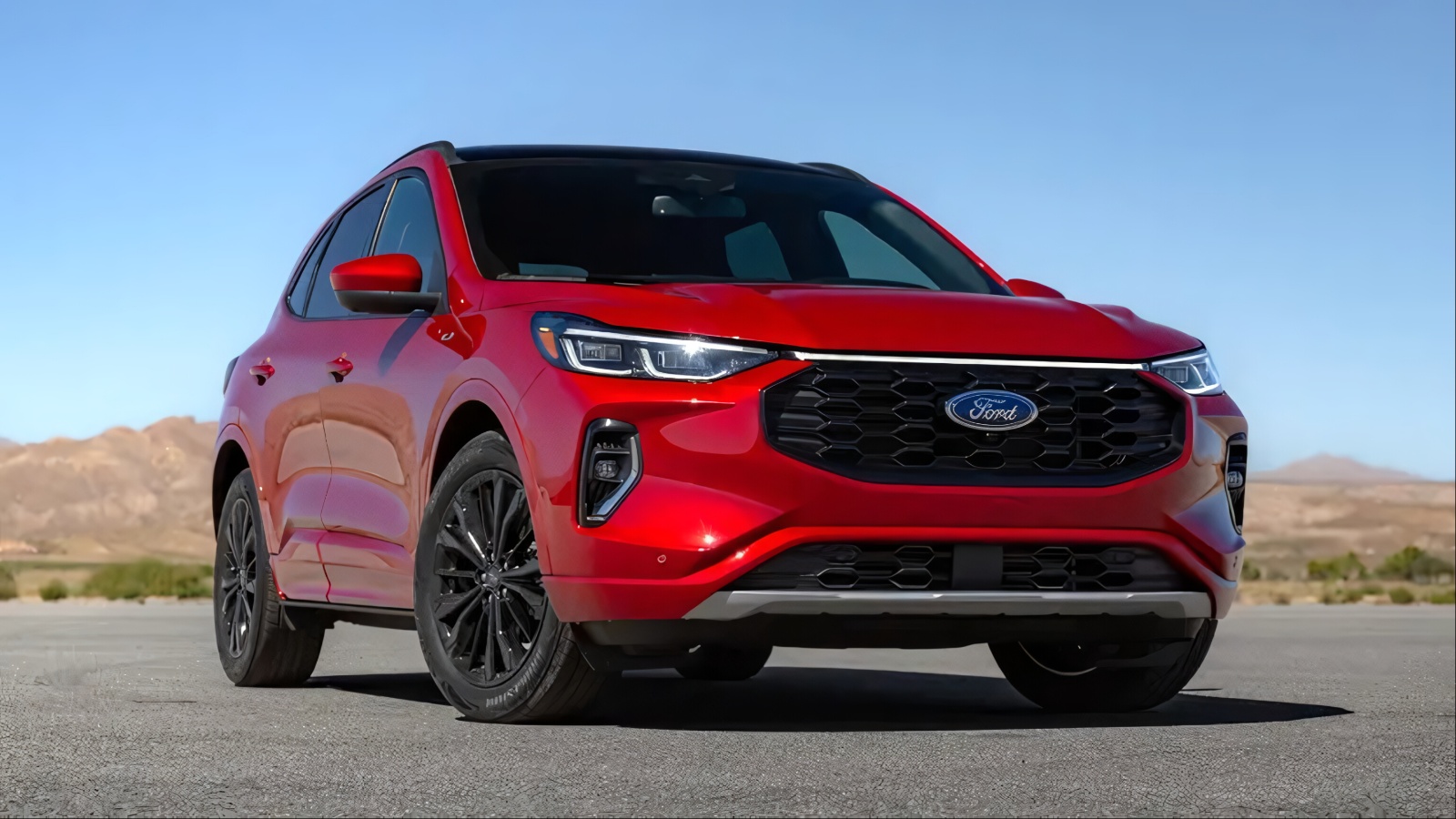
1. 2019 Ford Escape 1.5L EcoBoost
The 2019 Ford Escape’s 1.5-liter EcoBoost can present what initially sounds like an ordinary head-gasket problem. Coolant begins disappearing, the engine runs roughly on startup, white exhaust appears, or a cylinder-misfire code keeps returning. Ford documented this condition on certain Escape and Fusion models equipped with the 1.5-liter EcoBoost. The important part is the repair Ford prescribed.
For affected engines that meet the required diagnostic criteria, the repair path can involve replacement of the short block and head gasket rather than simply resurfacing the cylinder head and installing another gasket.
That distinction is why an ordinary machine shop may decline the job. Once the cylinder area or block itself is involved, the technician has to determine whether the original aluminum casting can be trusted after machining. Saving the block may require dimensional inspection, cylinder measurement, surface checks, piston inspection, and careful evaluation of everything exposed to coolant.
A replacement short block arrives with cylinders, pistons, rings, crankshaft components, and established clearances already handled. For a shop offering a warranty, that is much easier to stand behind.
A specialist engine builder can still inspect and rebuild an EcoBoost core. The problem is economic risk. If the rebuilt engine starts consuming coolant again six months later, the repair shop owns the comeback. When the manufacturer’s own procedure moves toward lower-engine replacement, many mechanics decide there is little reason to experiment with the original block.
2. 2018 Ford Edge 2.0L EcoBoost
The 2018 Ford Edge equipped with the 2.0-liter EcoBoost is an even stronger example because the published repair path goes farther than it does with the smaller 1.5-liter engine.
Certain Edge models can develop coolant loss, rough operation, white exhaust smoke, or misfire codes because coolant enters a cylinder. For the affected condition, the prescribed corrective procedure can involve replacing the long-block engine assembly.
A long block includes far more of the engine than a traditional head-gasket repair. From a mechanic’s perspective, that factory decision immediately changes how much confidence should be placed in the original engine.

Trying to rebuild it locally means completely determining why coolant entered the cylinder in the first place. The shop would need to inspect the cylinder walls, block surfaces, cylinder head, pistons, rings, bearings, and cooling passages. It also has to deal with the turbocharger and related oil and coolant plumbing before the engine goes back into service.
The technical challenge is only half the problem. The other half is warranty exposure.
If the vehicle comes back with coolant loss after a locally rebuilt engine was installed, the customer will reasonably expect the repair shop to fix it again. A replacement long block greatly reduces the number of uncertain internal components involved.
Experienced Ford or performance engine specialists can rebuild 2.0 EcoBoost engines. A normal independent repair shop may instead follow the manufacturer’s logic and install a known replacement assembly rather than gamble dozens of labor hours on a questionable aluminum core.
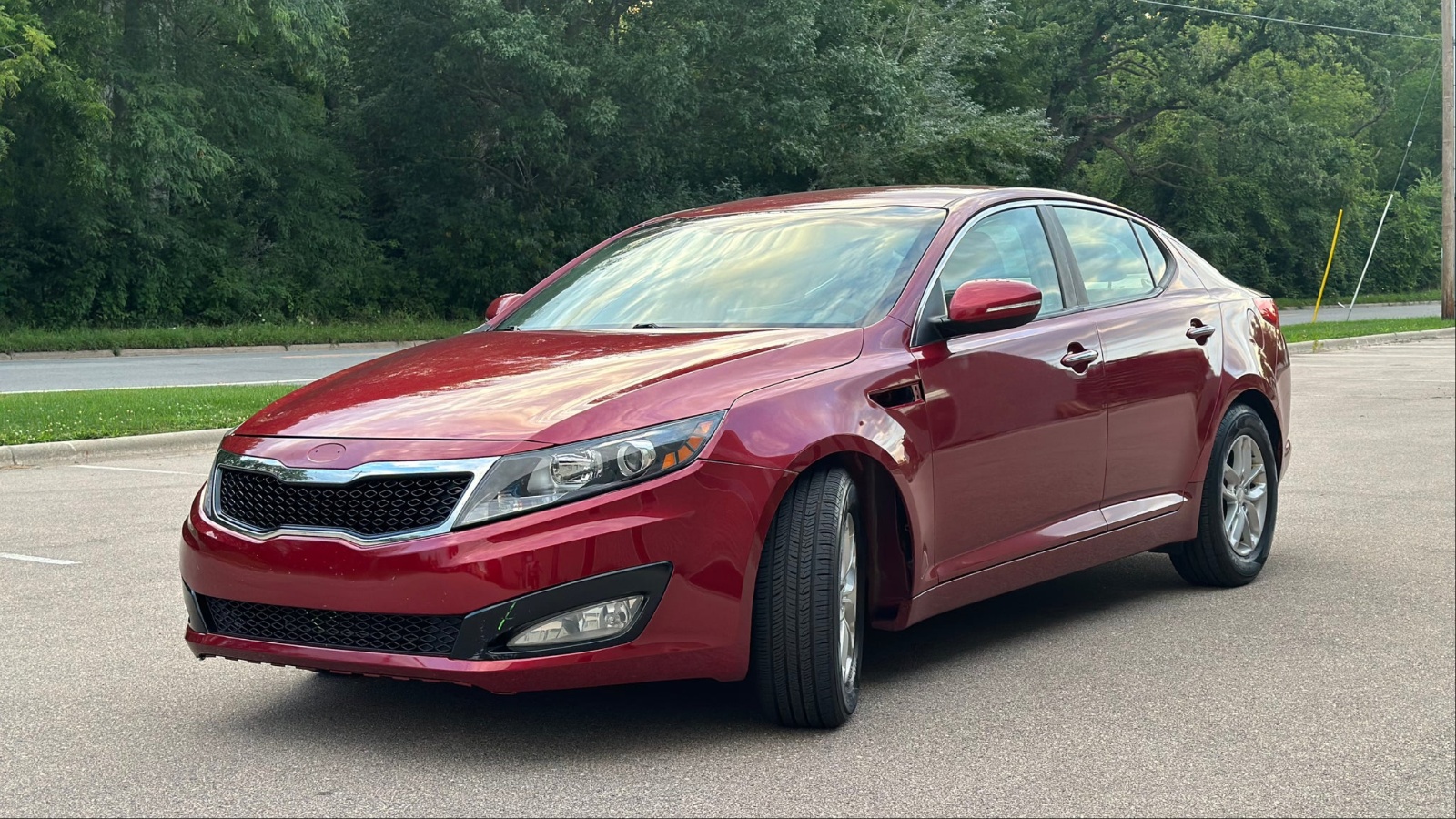
3. 2013 Kia Optima 2.4L GDI
The 2013 Kia Optima’s 2.4-liter Theta II engine became closely associated with another failure that makes rebuilding unattractive to many shops. The problem involves connecting-rod bearing wear and the damage that can occur once a bearing begins breaking apart inside the engine.
Recall and service procedures for affected Theta II engines included bearing inspection and engine replacement when the specified failure criteria were met. That replacement approach became common because bearing failure can contaminate much more than one journal.
A failed bearing does not stay politely inside one connecting rod. Metallic material can circulate through the oil system and reach the crankshaft, oil pump, journals, passages, and other lubricated surfaces. If a connecting rod or piston actually breaks, fragments can move into the intake or exhaust system as well.
A correct rebuild therefore requires complete disassembly and extremely thorough cleaning. The crankshaft has to be measured, rods inspected, oil passages cleaned, and every potentially contaminated component evaluated.
For a specialist engine machine shop, that work is possible. For a general repair facility, it can become a warranty nightmare. One missed fragment can destroy the replacement bearings and send the car back on a tow truck.
That is why replacement engines became a normal part of the Theta II repair conversation. The mechanic is not necessarily saying the original block is impossible to rebuild. The mechanic is saying that a replacement assembly provides a cleaner and more predictable foundation.
For many shops, predictable parts and a defined warranty are worth more than trying to save a badly contaminated engine core.
4. 2012 BMW 550i 4.4L N63 V8
The 2012 BMW 550i’s N63 twin-turbo V8 is not an engine most general shops want to learn on after it develops serious internal problems.
BMW placed the N63’s two turbochargers inside the valley of the V8. Around them sit direct-injection hardware, variable valve timing, cooling circuits, oil lines, timing components, electronics, and numerous seals. The compact layout provides tremendous performance, but it turns a full internal rebuild into a large technical project.

BMW’s own diagnostic procedures for oil consumption and other serious N63 concerns include extensive testing of compression, timing components, turbocharger condition, leaks, and other systems. In qualifying situations, replacement of the engine can become part of the repair path.
That is why an N63 rebuild can become financially dangerous for an ordinary shop. Once the engine is out, the technician may find worn cylinders, piston problems, valve-seal deterioration, timing wear, turbocharger leakage, bearing damage, or oil-system issues. Repairing only one problem may leave several expensive age-related failures behind.
BMW specialists rebuild N63s successfully because they work with these engines regularly and understand the tooling, tolerances, common failure patterns, and parts combinations.
A neighborhood garage may make a different decision. Removing and installing a professionally remanufactured or replacement engine is already a large job. Completely rebuilding the N63 internally adds another layer of responsibility.
When one comeback can consume dozens of additional labor hours, many shops will install an engine but refuse to become the company that built it.
5. 2023 Nissan Rogue 1.5L VC-Turbo
The 2023 Nissan Rogue uses an engine that looks ordinary until you examine how the pistons are connected to the crankshaft.
Its 1.5-liter KR15DDT VC-Turbo engine changes compression ratio mechanically. Instead of relying only on a conventional connecting rod and crankshaft arrangement, Nissan uses a multi-link mechanism that alters piston travel. That system allows the engine to vary compression ratio while driving.
Nissan later identified possible bearing failures in certain KR15DDT engines. The potential failures involve not only conventional main bearings but also components associated with the engine’s variable-compression link system.

That is where rebuilding becomes much more complicated than rebuilding a normal three-cylinder engine. A traditional rebuilder normally evaluates crank journals, connecting rods, pistons, cylinders, and bearings. The KR15 adds multiple links, pivots, and specialized bearing locations that are fundamental to how the engine changes compression ratio.
A shop now has to know what measurements make every part of that mechanism reusable. It also needs access to appropriate internal components and assembly procedures.
When metallic debris is found in the lower engine, complete engine replacement can become the preferred repair path. From a warranty standpoint, that makes sense because the entire variable-compression mechanism may have been exposed to the same contamination.
Nissan specialists may eventually become comfortable rebuilding these engines as more reach independent repair facilities. Most general mechanics, however, have little reason to experiment with such an unusual bottom end when a complete replacement assembly gives a much more predictable result. This is one engine where sophisticated engineering directly creates a repairability problem.
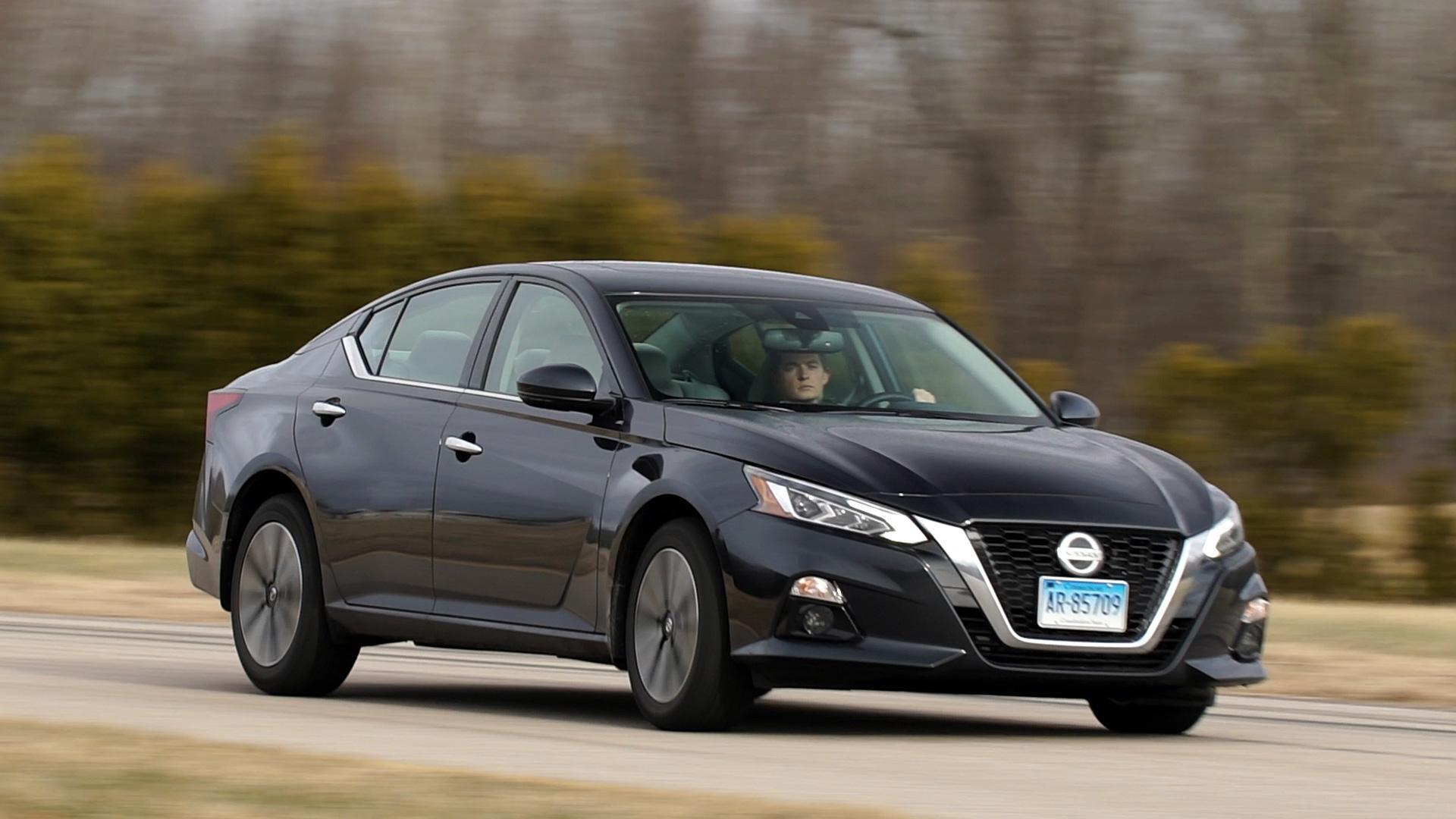
6. 2020 Nissan Altima 2.0L VC-Turbo
The 2020 Nissan Altima VC-Turbo uses the larger KR20DDET version of Nissan’s variable-compression engine. It is a 2.0-liter turbocharged four-cylinder, but its internal construction is much more complicated than that description suggests.
Like the Rogue’s KR15, the KR20 changes compression mechanically through a multi-link bottom-end mechanism. That means a serious bearing problem can involve much more than a conventional crankshaft and four connecting rods.
Certain Altimas with the 2.0-liter VC-Turbo were later included in a bearing-related safety recall. The concern involves potential internal bearing damage that can progress into complete engine failure.
The repair logic is important for this list. When specific metallic debris is discovered and confirmed, engine replacement can become the required remedy rather than an in-car bearing repair.
That approach makes sense from a shop perspective. If metal has circulated through the engine, the crankshaft is only one concern. The variable-compression links and their bearings also need to be assessed. Rebuilding the original unit requires specialized knowledge of clearances and link geometry that most neighborhood machine shops have never needed.
A specialist could tear one down and develop a successful rebuilding procedure. For the average independent garage, however, the first KR20 it sees should not become an expensive engineering experiment funded by a customer.
Replacement provides known internal geometry and dramatically reduces warranty risk. That is why a mechanic may be willing to replace a failed Altima VC-Turbo engine while refusing to rebuild its original short block.
The engine is technically repairable, but the unusual internal design makes replacement much more practical for many shops.
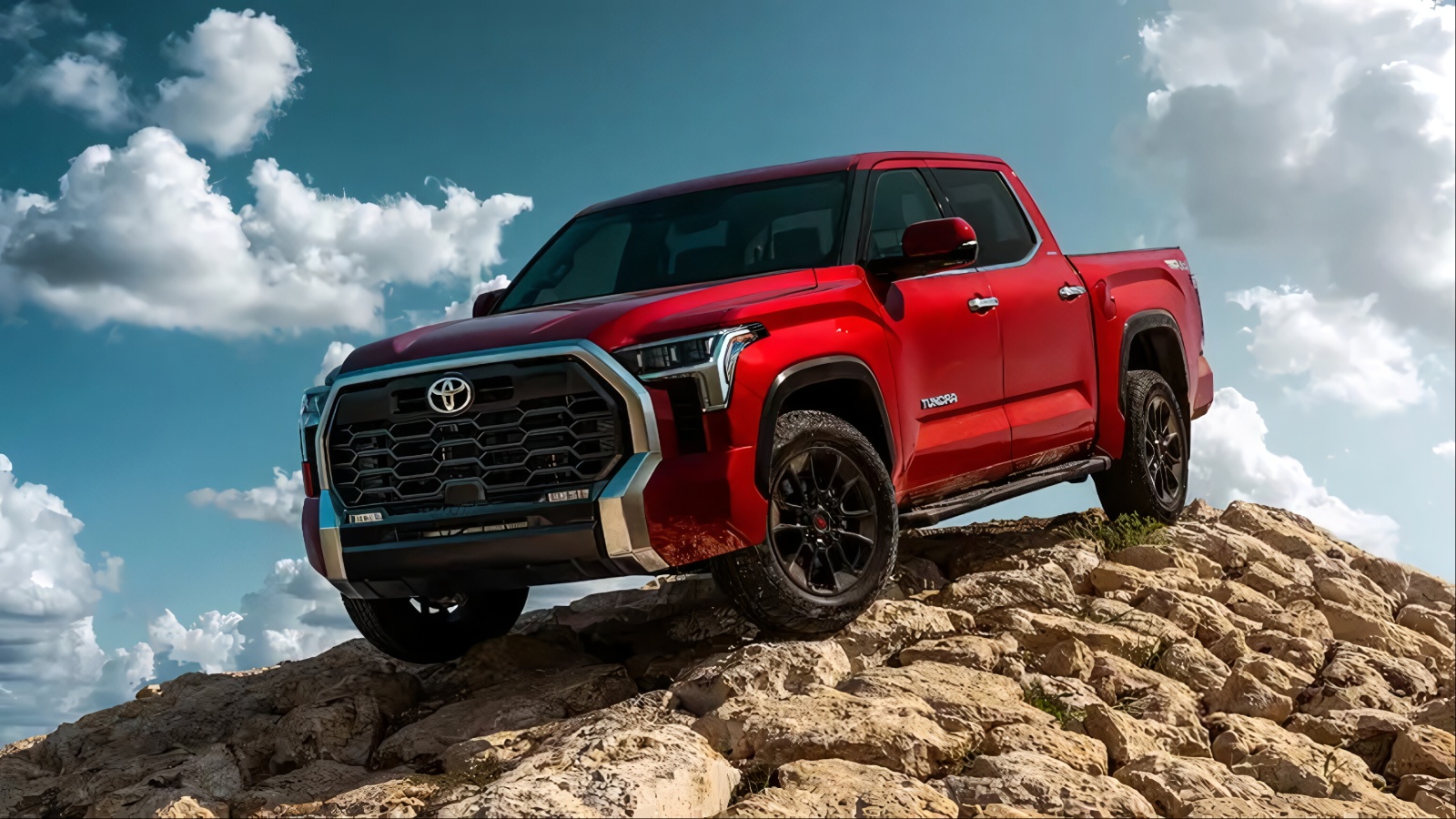
7. 2023 Toyota Tundra 3.4L Twin-Turbo V6
Toyota is rarely associated with engines that mechanics would rather replace than rebuild, which makes the 2023 Tundra’s V35A-FTS especially noteworthy.
Certain 2022 and 2023 Tundras were recalled because manufacturing debris could remain inside the engine and contaminate crankshaft main bearings. If the bearings deteriorate, the engine can begin knocking, run roughly, fail to start, or lose power while driving.
Toyota selected complete engine replacement as the remedy for many affected vehicles in the original campaign. Later procedures also use inspection steps that can lead to engine replacement when internal condition cannot be trusted.
From a mechanic’s standpoint, contamination is the key word. Replacing a damaged main bearing without knowing where the debris traveled would be a gamble. Metal can move through oil galleries and damage the crankshaft, pump, bearing surfaces, and other lubricated parts. The 3.4-liter V35A also has twin turbochargers and complex supporting systems that depend on clean lubrication.
A traditional rebuild could theoretically save a damaged engine. That would mean complete disassembly, meticulous cleaning, crankshaft measurement, bearing inspection, turbo oil-system evaluation, and verification that no damaging material remains anywhere inside the engine.
Toyota decided that an assembly replacement provided a more controlled remedy for the affected population.
Independent shops pay attention to decisions like that. If the manufacturer chooses a complete engine instead of rebuilding contaminated units at dealerships, a general mechanic has little incentive to offer a less predictable in-house rebuild.
The V35A is repairable by a properly equipped specialist. Severe bearing contamination simply makes replacement far easier to warrant.
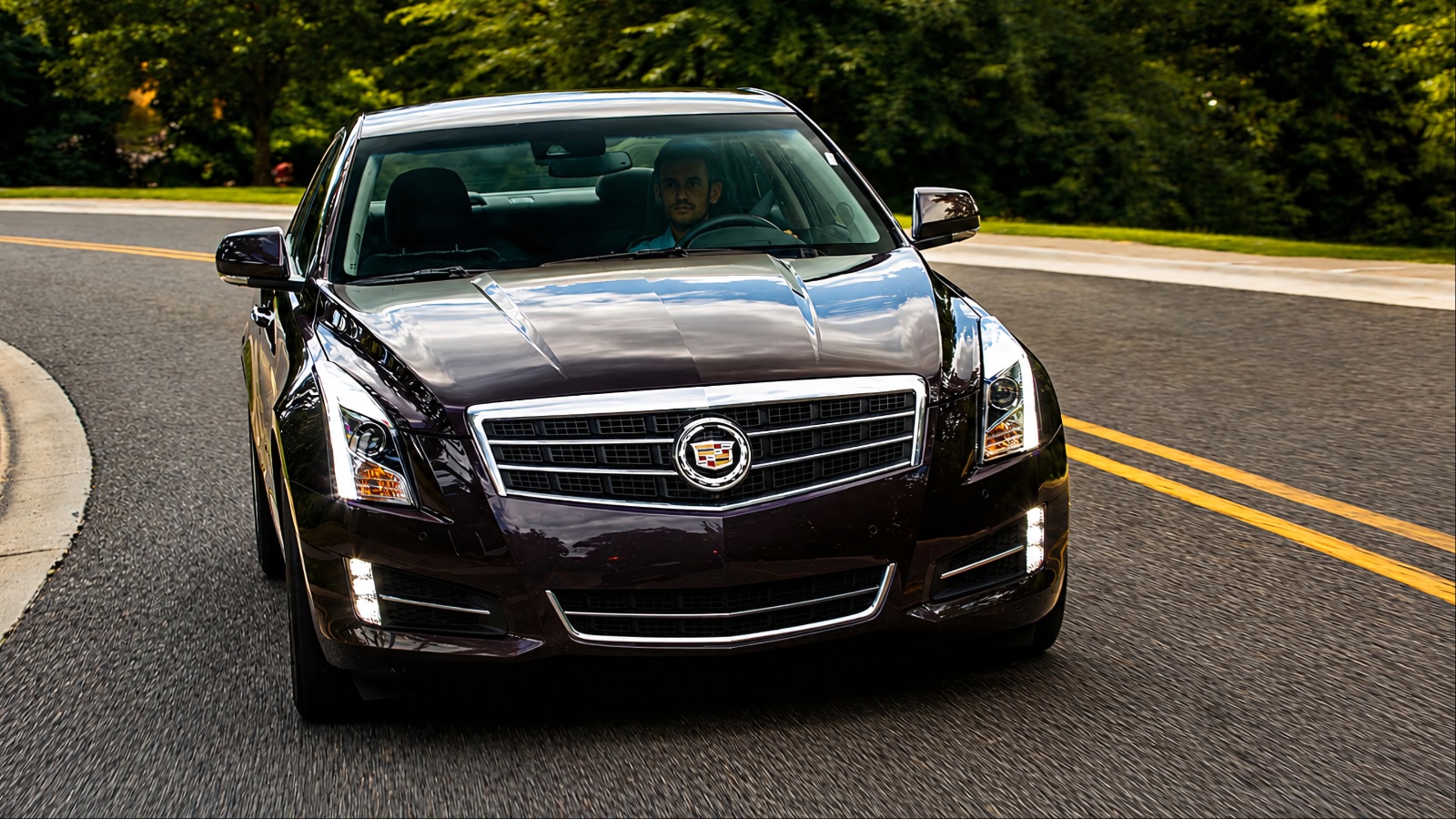
8. 2014 Cadillac ATS 2.0T
The 2014 Cadillac ATS with the 2.0-liter LTG turbo engine demonstrates that sometimes one damaged cylinder wall is enough to end the rebuild conversation.
General Motors issued service guidance covering certain LTG engines with misfires and damaged pistons. The factory procedure allows significant internal repair when the cylinder walls remain usable. Pistons, connecting rods, rings, and bearings can all be replaced when the block passes inspection.
The important dividing line is cylinder damage. If the cylinder-wall damage is severe enough that it can be clearly felt and the surface can no longer be considered serviceable, replacement of the engine assembly becomes the recommended direction. That distinction is easy for a mechanic to understand.

A broken piston can be removed. A scored cylinder wall becomes a machining problem. The shop now has to determine whether the bore can be honed, bored, sleeved, or otherwise restored while maintaining the surface finish and dimensions required by a turbocharged direct-injection engine.
Not every local machine shop wants to guarantee that repair. The LTG therefore is not an engine that cannot ever be opened. In fact, substantial internal work can be performed when cylinder condition remains acceptable.
The problem begins when the aluminum block itself becomes questionable. At that point, replacement provides a block with known cylinder geometry instead of an expensive experiment with machining.
For the ATS owner, this can make what sounds like a single damaged piston turn into a complete engine estimate. Once the cylinder is deeply scored, the block becomes the expensive part of the problem.
9. 2022 Volkswagen Atlas 2.0T
The 2022 Volkswagen Atlas 2.0T uses Volkswagen’s EA888 turbocharged four-cylinder, an engine family that specialists rebuild regularly. However, a particular connecting-rod issue shows why even a common engine can reach a point where the factory prefers complete replacement.
Certain Atlas and Atlas Cross Sport models were recalled after manufacturing deviations involving connecting rods were identified. The concern was that increased particles could appear in the engine oil circuit, potentially leading to bearing wear and eventual engine failure.
The inspection procedure used for affected engines can result in complete engine replacement when the engine fails the required test.

The reason is contamination. Once bearing material or other metallic debris enters the oil, it can travel beyond the failed connecting rod. The turbocharger receives engine oil. So do camshaft journals, timing-system components, and numerous precision surfaces.
A complete rebuild would require stripping the engine, cleaning every gallery, measuring the crankshaft, evaluating rods, checking the oil pump, and inspecting the turbocharger and other oil-fed components.
An experienced Volkswagen engine builder can do all of that. The ordinary repair shop may not want to assume the liability.
A complete replacement assembly gives an independent mechanic a strong reason to avoid an uncertain bearing repair after metal contamination has spread through the lubrication system.
A failed EA888 is not automatically disposable. Once widespread contamination is confirmed, however, replacing the assembly can be much safer than discovering after the rebuild which damaged or contaminated component was overlooked.
The issue is not lack of repair skill. It is controlling the risk attached to the completed job.
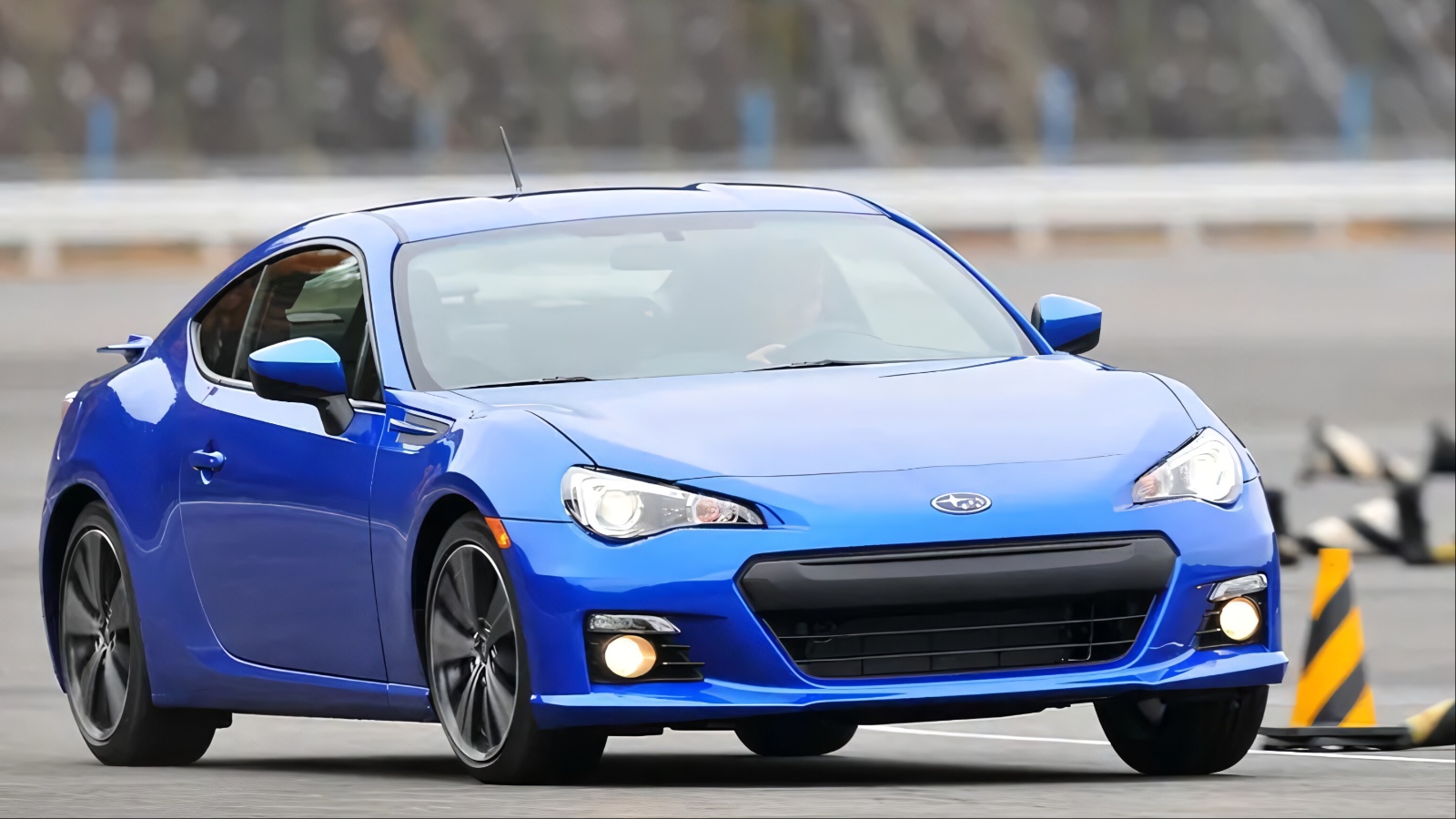
10. 2013 Subaru BRZ 2.0L FA20
The 2013 Subaru BRZ’s FA20 demonstrates a different reason ordinary shops may refuse an engine rebuild. The engine is absolutely rebuildable, but its boxer construction makes the job specialist territory compared with a conventional inline-four.
The horizontally opposed engine places two cylinder banks on opposite sides of a split crankcase. Major bottom-end work requires the engine to come out, the case halves to be separated, and numerous sealing and clearance procedures to be performed correctly.
Even relatively focused internal work on the FA20 can require significant disassembly, specialized tooling, and careful timing-system procedures. A complete short-block rebuild goes much farther.
The builder must establish bearing clearances inside the split case, inspect the crankshaft, evaluate the horizontally opposed cylinders, prepare sealing surfaces, apply case sealant correctly, and then reinstall the cylinder heads, timing system, direct-injection hardware, and accessories.
Subaru specialists do this routinely. Performance shops also build FA20 engines capable of handling considerably more power than the original version.
The general repair shop down the street may see only risk. If its technicians rebuild one boxer engine every several years, buying special fixtures and taking responsibility for the complete assembly may make little business sense.
That is why many shops will remove a failed FA20 and install a factory short block or professionally built replacement, yet refuse to rebuild the original engine themselves.
The BRZ proves the important distinction behind this list. Some modern engines are not impossible to repair. They are simply no longer practical for every repair shop to rebuild internally.
