
A reliability record becomes much more valuable when it stretches across several model years instead of relying on one unusually good year. Consumer Reports bases its reliability ratings on owner-reported problems across areas such as engines, transmissions, electrical systems, climate systems, and in-car electronics.
For its used-car recommendations, CR requires models to have consistently above-average reliability for multiple years, along with strong road-test results and appropriate safety equipment.
Its latest used-car analysis also notes that vehicles generally become more trouble-free during a generation as manufacturers correct problems. The models below stand out for maintaining strong multi-year reliability records rather than depending on a single favorable survey.
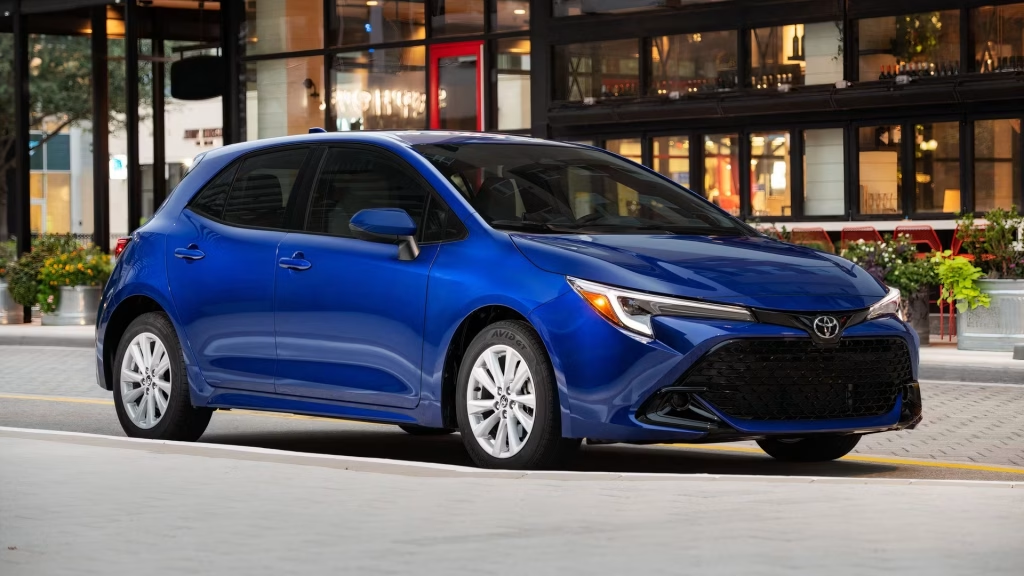
1. Toyota Corolla
The Toyota Corolla has built one of the strongest long-term reliability records in Consumer Reports’ database, making it an obvious starting point for a list focused on consistency.
CR has repeatedly identified the Corolla as an above-average or better performer, and its recent reliability surveys continue to place the model among the stronger choices in the compact-car class.
What makes the Corolla particularly interesting is not that it never develops problems. No mass-produced vehicle can make that promise. The important distinction is how frequently owners report problems compared with other vehicles from the same model year.
Consumer Reports evaluates numerous trouble areas and gives greater weight to problems that can leave owners stranded or require expensive repairs.
The Corolla has benefited from Toyota’s relatively conservative approach to engineering. The company has generally avoided constantly replacing proven components with completely new systems, allowing problems identified through owner feedback to be addressed during a generation.
CR has specifically pointed to this type of incremental development as one reason Toyota and Lexus have maintained strong reliability records over time.
The model’s long production history also gives buyers a large amount of reliability information to examine. Instead of relying on a prediction for an all-new vehicle, shoppers can look back at several years of owner data and identify which versions have performed best.
That is precisely what makes the Corolla useful for a reliability-focused used-car buyer. A strong historical record does not eliminate the need for a pre-purchase inspection, but it reduces the gamble associated with buying an older vehicle.
- Engine: 2.0L four-cylinder
- Torque: 151 lb-ft
- Horsepower: 169 hp
- Length/Width: 182.3 inches / 70.1 inches
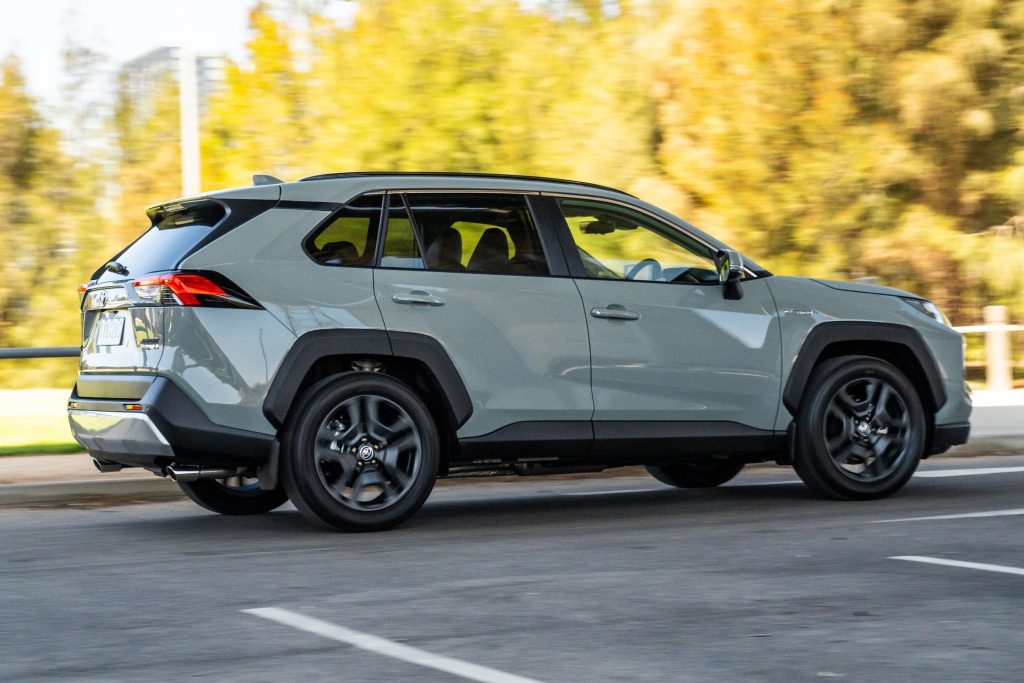
2. Toyota RAV4
The Toyota RAV4 has demonstrated the kind of multi-year reliability consistency that Consumer Reports looks for when recommending used vehicles.
CR’s current used-car analysis includes the RAV4 Hybrid among its recommended choices, while its reliability surveys have repeatedly placed the broader RAV4 lineup at average or above-average levels depending on model year and powertrain.
That last point is important because the RAV4 has not produced identical results across every version. The conventional model and hybrid can have different reliability histories, and CR has sometimes reported stronger scores for one configuration than another.
A buyer should therefore investigate the exact model year and powertrain rather than assuming every RAV4 carries precisely the same record.
The 2016-2018 RAV4 Hybrid is a particularly strong example. Consumer Reports says reliability climbed from above average to well above average for the 2017 and 2018 model years. That progression illustrates why examining several years of data can be more useful than looking at one isolated score.
The RAV4 also benefits from Toyota’s established hybrid technology. CR has repeatedly found conventional hybrids to be among the more reliable electrified vehicles, while plug-in hybrids have tended to produce more problems. That distinction matters when comparing different used RAV4 versions.
For buyers, the real attraction is predictability. The RAV4 is not necessarily the most exciting vehicle on the market, but its long-running reliability history can make ownership easier to budget.
Maintenance records still matter, especially on higher-mileage examples, yet a model with several years of strong owner-reported reliability gives shoppers a better starting point than an unproven redesign.
- Engine: 2.5L four-cylinder or 2.5L hybrid four-cylinder, depending on version
- Torque: Up to 219 lb-ft
- Horsepower: Up to 219 hp
- Length/Width: 180.9 inches / 73.0 inches
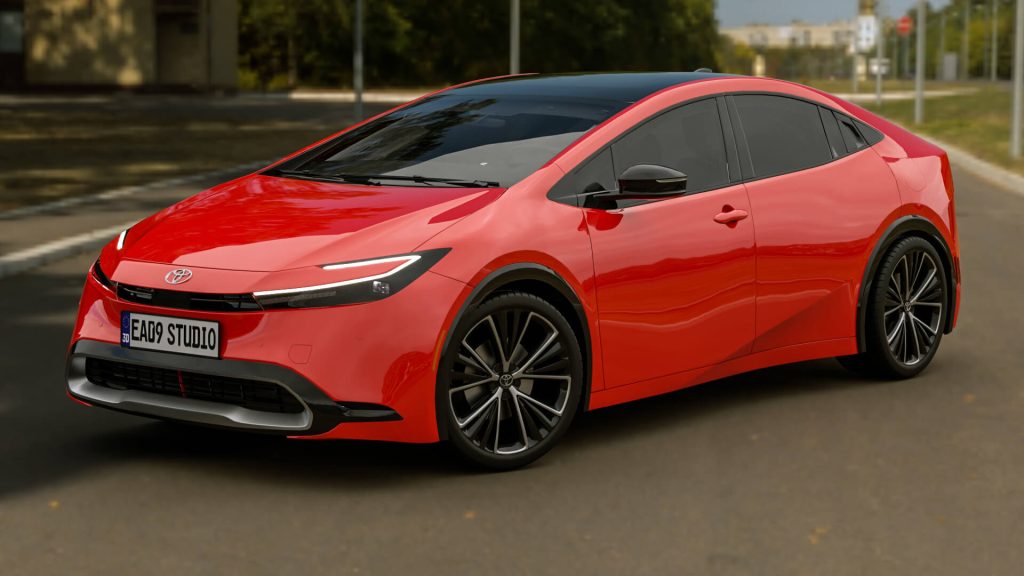
3. Toyota Prius
The Toyota Prius is one of the strongest examples of a hybrid, proving that additional technology does not automatically mean poor long-term reliability. Consumer Reports’ reliability history shows the Prius consistently performing better than the average vehicle in many model years.
For example, CR rates the 2016 Prius as more reliable than other vehicles from the same model year, and its 2019 and 2023 reliability histories also show above-average performance.
That multi-year consistency is exactly what makes the Prius interesting for a used-car buyer. Rather than relying on a single strong result, shoppers can examine years of owner-reported data across multiple generations.
CR evaluates 20 potential trouble areas, ranging from engines and transmissions to electrical systems, climate systems, and in-car electronics. Its used-car methodology examines vehicles from five to 10 years old, using owner reports to identify how models actually hold up as they age.
The Prius also benefits from Toyota’s long experience with conventional hybrid technology. Consumer Reports has repeatedly found Toyota and Lexus vehicles to be among the most consistent performers, and the organization says the brands’ conservative redesign strategy and incremental improvements contribute to their long-term reliability.
None of that makes every Prius trouble-free. Individual vehicles can still have recalls, battery problems, worn suspension components, or neglected maintenance. The key advantage is the depth of historical evidence available to buyers.
For someone shopping for a used hybrid, that extensive record makes the Prius one of the safer bets when reliability is the priority.
- Engine: 2.0L four-cylinder hybrid
- Torque: 139 lb-ft
- Horsepower: 194 hp combined
- Length/Width: 181.1 inches / 70.2 inches
4. Mazda CX-5
The Mazda CX-5 has developed an unusually strong reliability reputation over a long production run. Consumer Reports recently noted that the CX-5 has proved to be very reliable over the past 11 years, a remarkable stretch for a vehicle that has remained in a highly competitive compact-SUV segment.
That history is particularly valuable for used-car shoppers because the CX-5 has not depended on a single model year to build its reputation.
Its long-running generation gave Mazda years to identify problems and make incremental improvements rather than forcing owners to deal with the uncertainty that often accompanies a completely new design.
Consumer Reports’ broader used-car research reinforces the value of that consistency. Its 2025 analysis ranked Mazda third among 26 brands for the reliability of five- to 10-year-old vehicles, behind only Lexus and Toyota. CR calculated those brand results using vehicles from the 2016 through 2021 model years and more than 140,000 vehicles in its survey sample.
There is an important caveat for shoppers looking at newer CX models. Consumer Reports says Mazda’s new-car reliability position has been affected by its shift toward new ground-up designs, including the CX-70 and CX-90.
The CX-5’s long-running history is therefore more relevant to used-car buyers than assumptions based on Mazda’s newest SUVs.
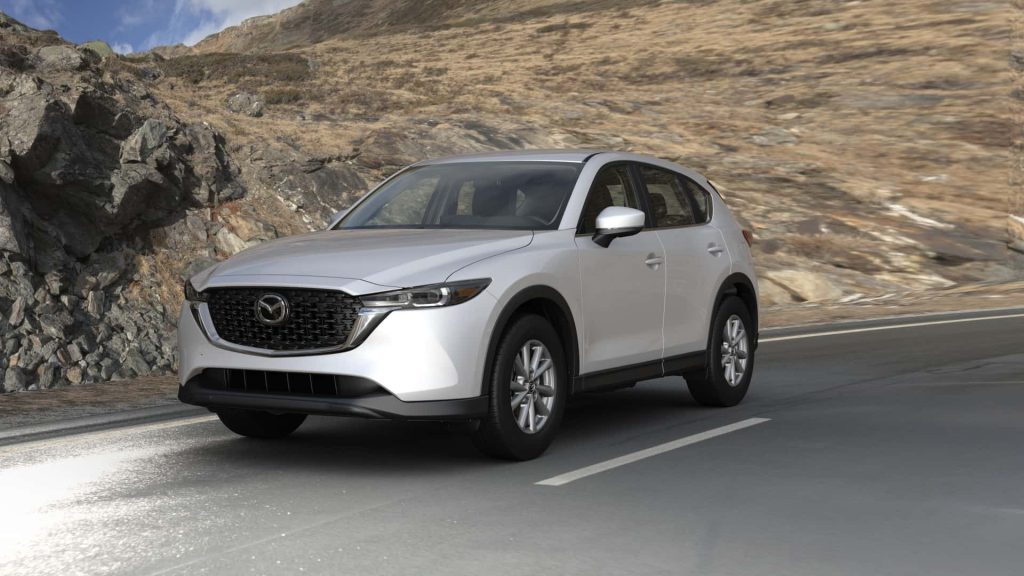
That distinction makes the CX-5 especially interesting. It combines a conventional powertrain with years of accumulated reliability data, giving buyers considerably more evidence than they would have with an all-new model.
A well-maintained CX-5 can still develop ordinary age-related problems, but its unusually long stretch of strong Consumer Reports reliability results makes it one of the more compelling used compact SUVs for buyers who want to minimize mechanical surprises.
- Engine: 2.5L four-cylinder
- Torque: 186 lb-ft
- Horsepower: 187 hp
- Length/Width: 180.1 inches / 72.5 inches
5. Toyota Camry
The Toyota Camry is one of the clearest examples of why a reliability reputation should be judged across many years instead of a single survey result. Consumer Reports’ reliability database contains records for Camry model years stretching back decades, allowing buyers to compare how the sedan has performed across multiple generations.
CR’s current database says its reliability history is based on survey information covering about 380,000 vehicles and evaluates 20 potential trouble areas, including engines, transmissions, electrical systems, brakes, and in-car electronics.
The Camry has repeatedly delivered strong results, but there is an important qualification for this particular list. It would be too absolute to claim that every Camry year has literally never fallen below average.
Consumer Reports’ ratings can vary by model year, and the 2025 redesign represents a new generation that deserves to be evaluated separately from the long-running 2018-2024 generation. CR specifically identifies 2025 as a redesign year, noting that extensive redesigns can carry greater reliability uncertainty.
That actually strengthens the case for older used Camrys. Buyers have a deep reliability history to examine rather than relying on predictions for a completely new design.
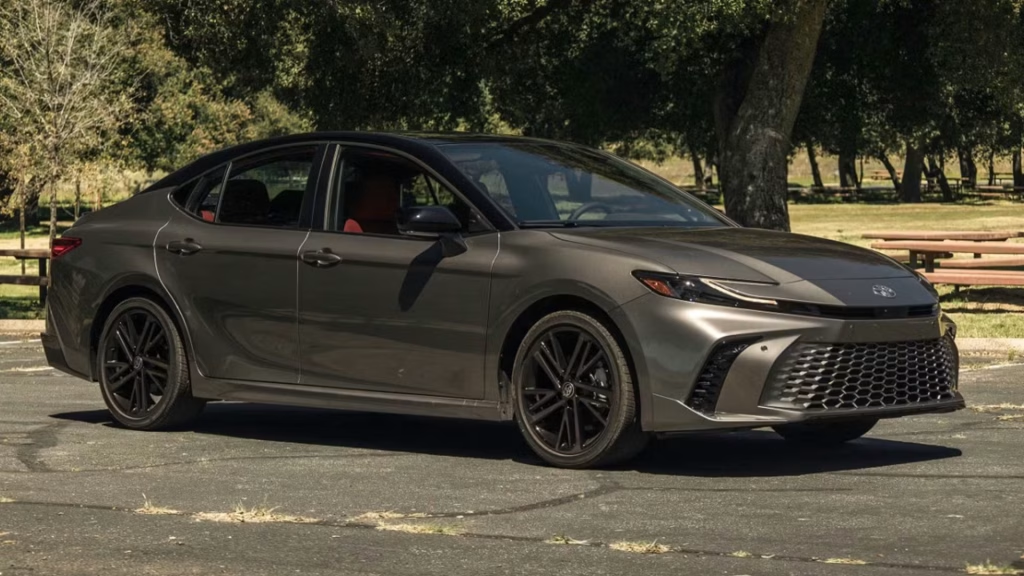
The 2025 Camry is now hybrid-only, while the previous generation offered four-cylinder, V6 and hybrid powertrains. A used buyer therefore has considerable choice depending on budget and priorities.
The Camry’s appeal is ultimately predictability. It has accumulated years of owner data, giving shoppers far more evidence than they get with a newly introduced vehicle.
- Engine: 2.5L four-cylinder or 2.5L hybrid four-cylinder, depending on model year
- Torque: Up to 184 lb-ft
- Horsepower: Up to 208 hp combined, depending on model year
- Length/Width: 192.1 inches / 72.4 inches
6. Lexus RX
The Lexus RX has spent years building a reliability record that makes it one of the more compelling choices for buyers who want a luxury SUV without accepting the repair uncertainty sometimes associated with premium vehicles.
Consumer Reports’ reliability database includes RX results across numerous generations, providing a substantial amount of owner-reported information rather than relying on a handful of recent model years.
There is an important reason to separate the conventional RX from newer electrified variants, however. Consumer Reports currently rates the 2025 gasoline RX as much more reliable than other vehicles from its model year, while its 2025 RX Hybrid rating is less favorable. The RX Plug-in Hybrid is rated around average.
That difference shows why a blanket statement about an entire nameplate can be misleading. The strongest historical reliability case belongs to the established RX versions that have accumulated years of owner data.
The RX also benefits from Lexus’ relationship with Toyota, which has consistently produced strong results in Consumer Reports’ reliability research. CR’s used-car analysis has repeatedly placed Lexus among the strongest brands for older vehicles.
For a used luxury-SUV buyer, this matters because reliability can have a bigger financial impact when repairs involve premium components. A vehicle that combines upscale equipment with a long-established powertrain can be a more sensible proposition than buying a newer luxury SUV with little reliability history.
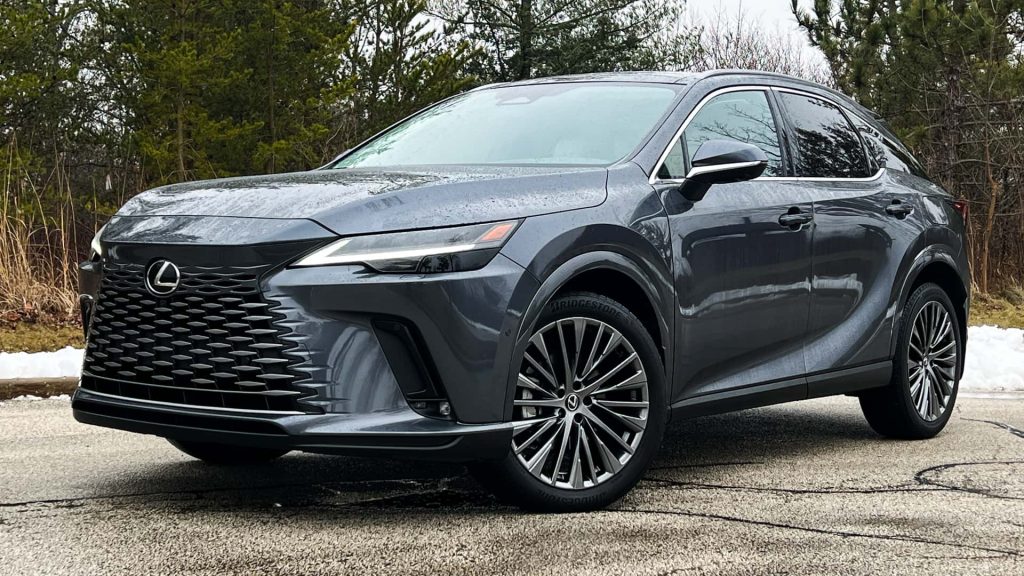
The RX is not immune to recalls or individual failures. Consumer Reports currently lists recalls on newer RX models, reinforcing the need to check the VIN before buying.
Still, its extensive multi-year record gives used buyers something extremely valuable: evidence.
- Engine: 2.4L turbocharged four-cylinder or 2.5L hybrid four-cylinder, depending on version
- Torque: Up to 406 lb-ft
- Horsepower: Up to 366 hp
- Length/Width: 192.5 inches / 75.6 inches
7. Honda CR-V
The Honda CR-V has earned its place among the strongest long-running reliability performers in Consumer Reports’ database, although the exact rating varies by model year. That distinction matters because a reliability record should be judged across generations rather than by assuming every CR-V is identical.
Consumer Reports’ current reliability history covers CR-Vs stretching from 2000 through 2025 and evaluates 20 potential trouble areas, including major engine problems, transmission issues, electrical systems, suspension, brakes, climate systems, and in-car electronics.
The organization expects the 2026 CR-V to be more reliable than the average new vehicle, based on reliability data from the 2023, 2024, and 2025 models.
The CR-V’s strength comes partly from its long production history. Buyers have extensive owner data available for older examples, making it easier to identify which model years have fewer reported problems.
That is particularly useful when shopping for a five- to 10-year-old vehicle, where maintenance history becomes just as important as the model’s reputation.
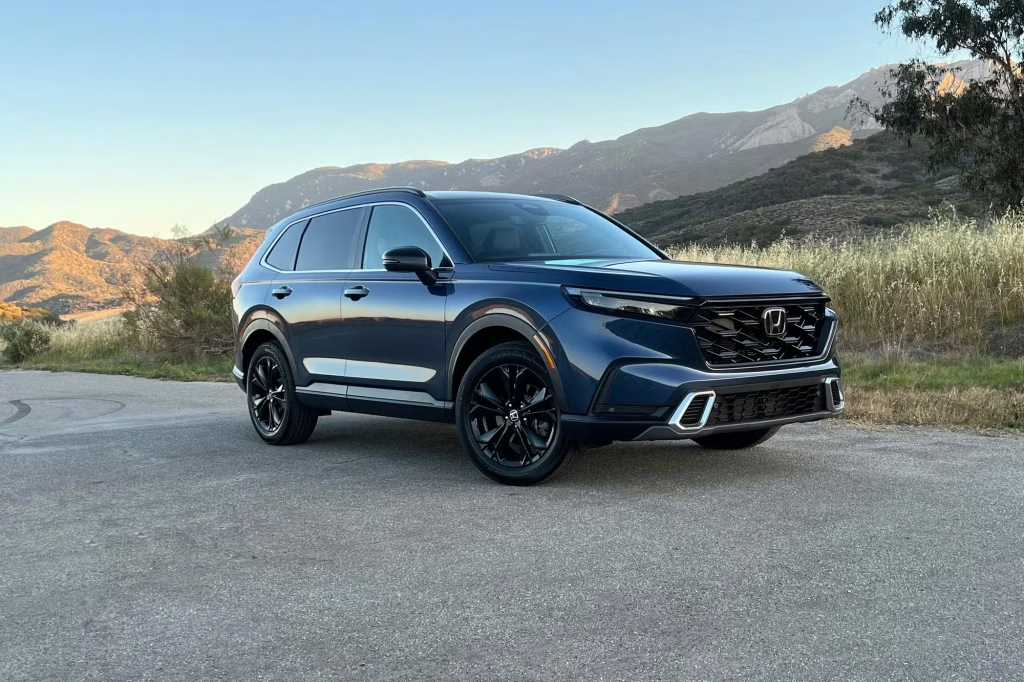
There have certainly been individual problem areas and recalls across different generations. That is why a buyer should check the VIN for outstanding recalls and examine maintenance records before purchasing.
Still, the CR-V remains one of the more dependable choices in the compact SUV segment. Its combination of a huge U.S. owner base, extensive reliability history and generally strong Consumer Reports results gives used buyers considerably more evidence to work with than an unfamiliar model.
- Engine: 1.5L turbocharged inline-4
- Torque: 179 lb-ft
- Horsepower: 190 hp
- Length/Width: 184.8 inches / 73.5 inches
8. Subaru Forester
The Subaru Forester has developed a strong multi-year reliability record, particularly during established generations, but its history also demonstrates why individual model years should never be ignored. Consumer Reports currently rates the 2024 Forester as more reliable than other vehicles from the same model year, while the 2025 model is rated about average.
That variation does not erase the Forester’s broader record. CR’s reliability database contains information covering Forester model years from 2000 through 2025, giving used-car shoppers a substantial history to examine before choosing a particular example.
The 2024 model is particularly useful for illustrating the point. Consumer Reports rated it above other vehicles from its model year, while the organization expects the 2026 Forester to have about average reliability based on the 2025 model. The difference shows why it would be inaccurate to describe every Forester ever produced as equally reliable.
For used buyers, the advantage is having enough historical information to identify stronger years rather than buying blindly. A well-maintained example from a proven model year can make considerably more sense than choosing a newer vehicle with little reliability data.
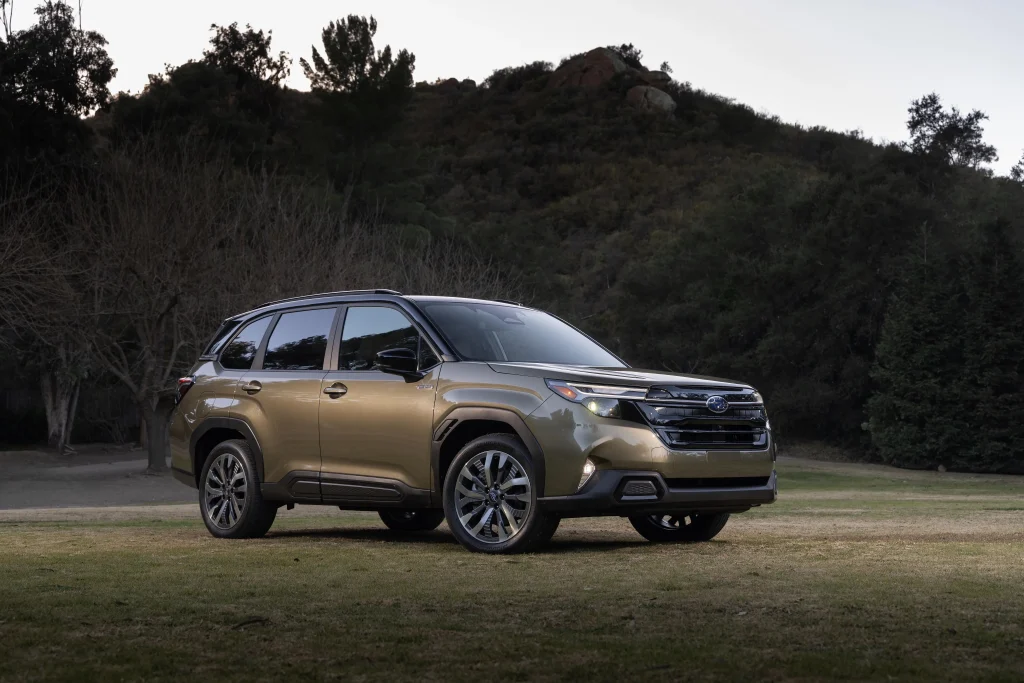
The Forester’s conventional gasoline powertrain in many used examples also gives shoppers a relatively familiar mechanical package. Buyers should still inspect the vehicle carefully for oil leaks, suspension wear, electrical issues, and evidence of poor maintenance.
Its long history, practical design, and extensive Consumer Reports data make the Forester worth considering for buyers who prioritize predictable ownership.
- Engine: 2.5L horizontally opposed four-cylinder
- Torque: 176 lb-ft
- Horsepower: 180 hp
- Length/Width: 182.7 inches / 72.2 inches
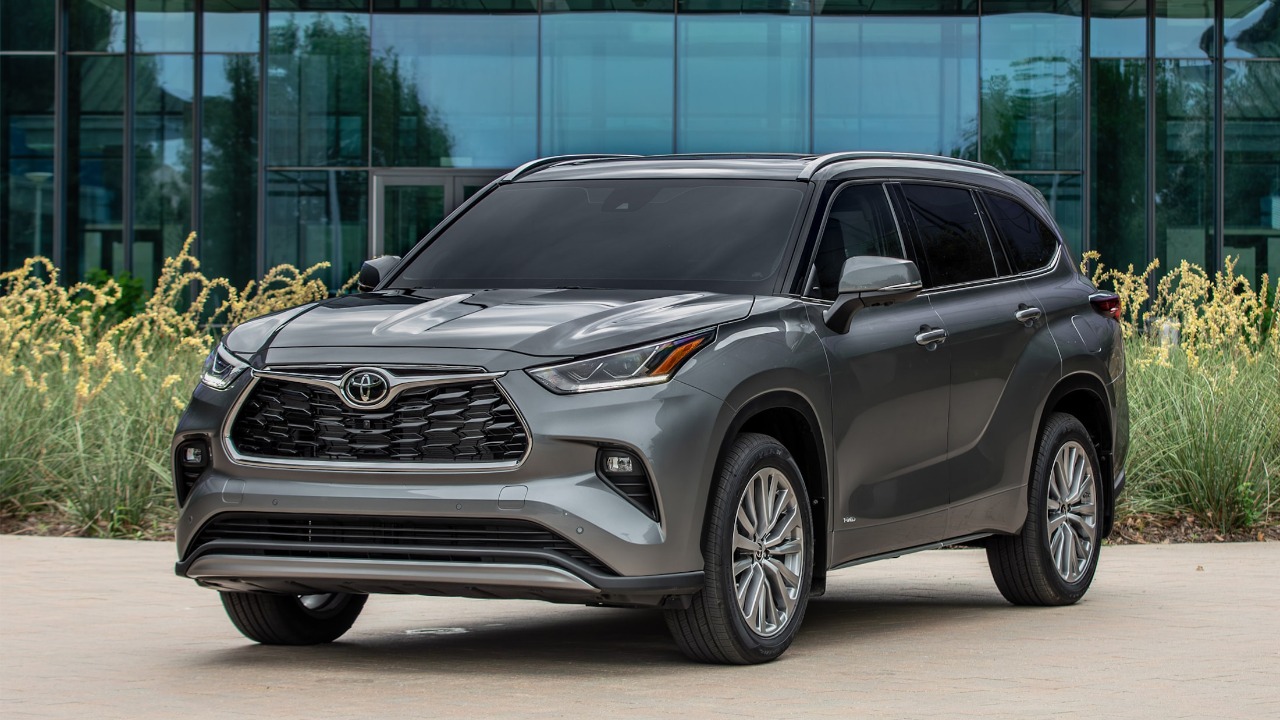
9. Toyota Highlander
The Toyota Highlander has built a strong reliability reputation across multiple generations, giving used-car buyers a substantial amount of Consumer Reports data to examine. Rather than relying on one strong survey result, shoppers can compare numerous Highlander model years and identify which versions have maintained the most consistent performance.
Consumer Reports evaluates reliability across 20 trouble areas, including engine, transmission, electrical system, suspension, brakes, climate system, and in-car electronics. That broad approach is particularly useful with an SUV such as the Highlander because its equipment and powertrains have changed considerably over the years.
The Highlander’s history is not perfectly uniform. Consumer Reports ratings can vary by model year and powertrain, so buyers should not assume that every Highlander has identical reliability.
The newer generation also introduced turbocharged and hybrid powertrains, making it important to distinguish them from older naturally aspirated V6 versions when researching a used vehicle.
For shoppers considering an older Highlander, the advantage is the depth of available owner information. A five- or 10-year-old example can be evaluated against years of reliability reports rather than an educated prediction about how an unfamiliar design might age.
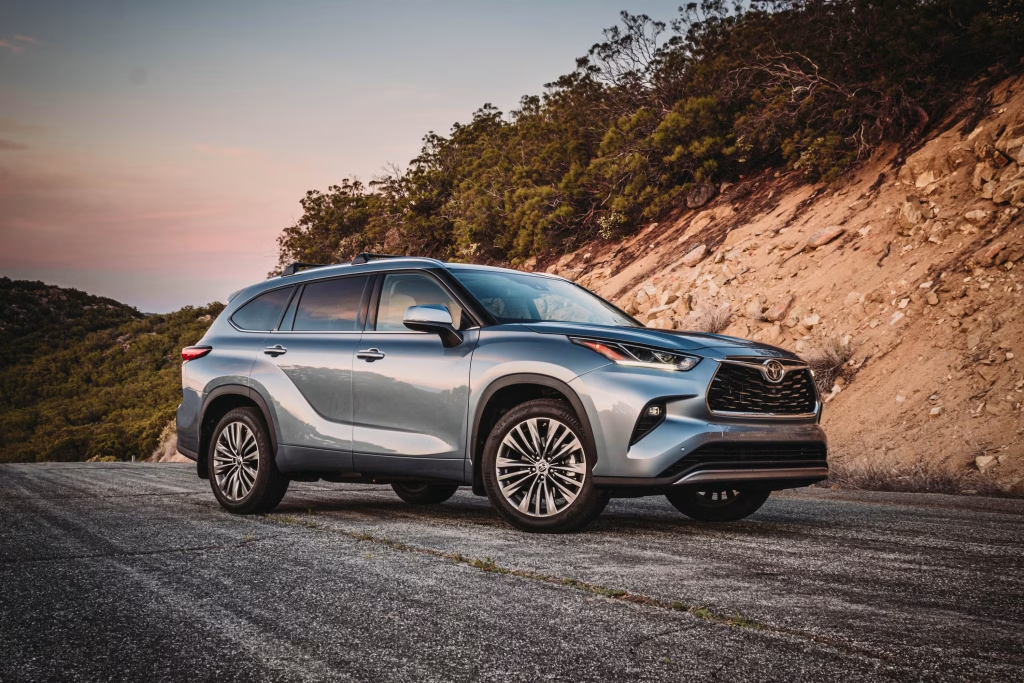
Maintenance records remain essential. A poorly maintained Highlander can develop expensive problems despite the model’s strong reputation, while a carefully serviced example can benefit from the vehicle’s established mechanical history.
That combination of extensive owner data, Toyota’s long reliability record, and a large U.S. population makes the Highlander a strong candidate for buyers who value predictable long-term ownership.
- Engine: 2.4L turbocharged four-cylinder or 2.5L hybrid four-cylinder
- Torque: Up to 310 lb-ft
- Horsepower: Up to 265 hp
- Length/Width: 194.9 inches / 76.0 inches
10. Lexus ES
The Lexus ES rounds out the list because it combines a long-running Toyota-derived engineering foundation with luxury-car equipment. Consumer Reports has maintained reliability data for the ES across numerous model years, giving used buyers an unusually deep record to study before choosing a particular generation.
The ES has not produced identical reliability results every year, so the strongest approach is to compare individual model years rather than treating the nameplate as universally trouble-free.
Consumer Reports’ methodology is particularly useful here because it gathers owner information across multiple mechanical and electronic categories, allowing recurring weaknesses to become visible over time.
The ES is also interesting because luxury equipment can potentially introduce more electronic components than a basic family sedan. Despite that added complexity, established ES generations have generally maintained a strong reputation for dependability.
For someone shopping the used market, that historical consistency can be more valuable than having the newest technology. A proven ES with complete maintenance records can provide a clearer picture of expected ownership costs than a recently redesigned luxury sedan with limited long-term data.
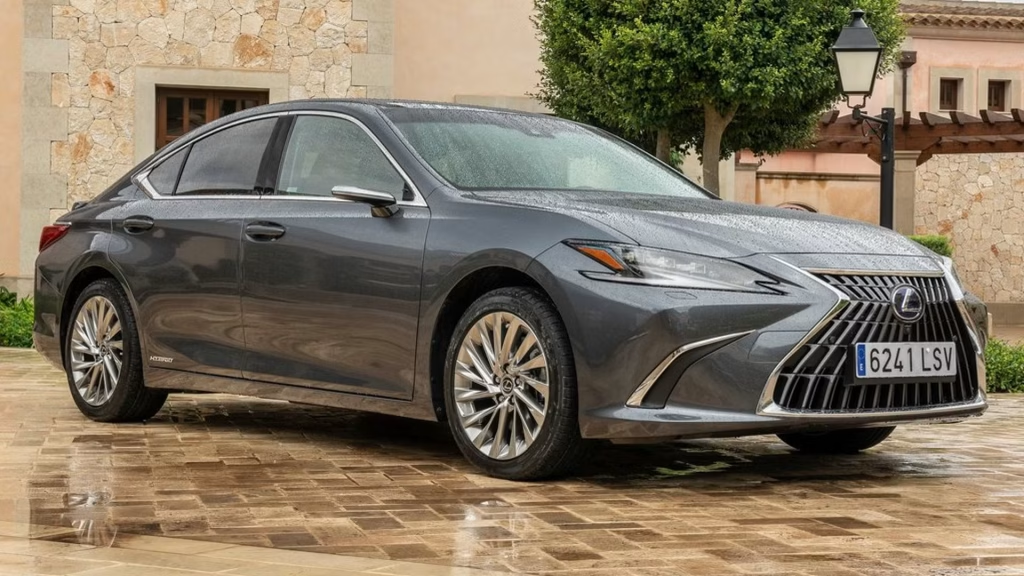
Buyers should still inspect the suspension, electronics, air-conditioning system and powertrain carefully, especially on higher-mileage examples. Checking recalls and service records is equally important.
The ES therefore earns its position not because every individual example is guaranteed to be trouble-free, but because its long history gives buyers substantial evidence to evaluate before purchase.
- Engine: 2.5L four-cylinder hybrid or 3.5L V6, depending on model year
- Torque: Up to 267 lb-ft
- Horsepower: Up to 302 hp
- Length/Width: 195.9 inches / 73.4 inches
