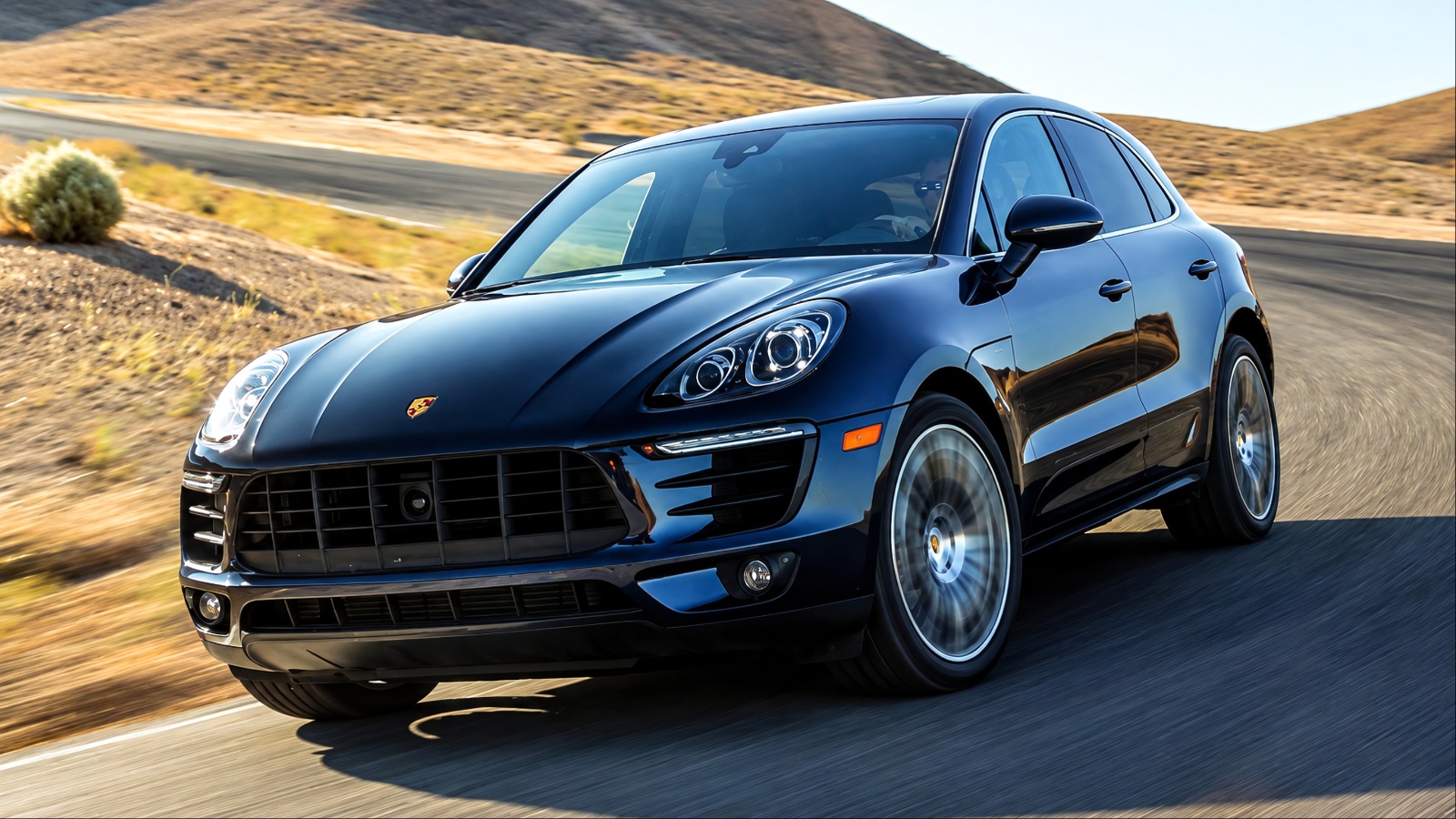
The Porsche Macan has built a reputation as one of the most desirable luxury compact SUVs on the market, combining sports-car performance with the practicality of a crossover. Yet a surprising number of its first owners do not keep it for very long.
According to iSeeCars, 22.2% of new Porsche Macan buyers resold their vehicles within the first year, making the Macan the second-most frequently resold new vehicle in the study.
Only the Land Rover Discovery Sport had a higher first-year resale rate, at 28.3%. The difference between the two is substantial, but both models were far above the study’s 3.6% average first-year resale rate across all vehicles.
iSeeCars reached these findings after analyzing more than 18.5 million new-car sales from 2023 and 2024 and identifying vehicles that returned to the used market within their first year.
The numbers might initially suggest widespread dissatisfaction with the Macan, but iSeeCars specifically warns that a high first-year resale rate does not automatically mean a vehicle is unreliable or defective.
Owner dissatisfaction is one possible explanation, but financial circumstances, dealer practices, and other factors can also cause a nearly new vehicle to return to the used market.
That distinction is particularly important with luxury vehicles, because every model in iSeeCars’ top 10 list came from a luxury brand. The Macan’s position is therefore less about Porsche producing a universally disliked SUV and more about the unusual buying behavior associated with expensive vehicles.
Why So Many Macan Owners Sell So Quickly
The Porsche Macan’s 22.2% first-year resale rate is almost 6.2 times the 3.6% average for all vehicles in iSeeCars’ study. In other words, for every 100 new Macans sold in the study population, roughly 22 were resold within a year, compared with fewer than four vehicles across the broader market.
That is an extraordinary difference, but it should not be interpreted literally as 22% of every Macan owner deciding they hated the vehicle. iSeeCars’ methodology identifies vehicles that were resold as used within 12 months, meaning the statistic measures early resale behavior rather than a survey of owner satisfaction.
The company points out several possible explanations. Executive Analyst Karl Brauer said owner dissatisfaction is the most obvious reason, but financial hardship and dealer accounting practices can also increase the number of vehicles appearing in the used market so quickly.
Some dealers may register demonstration vehicles as sold to improve sales numbers, for example. The financial side is especially relevant to luxury vehicles.
iSeeCars put the Macan’s average new-vehicle price at $77,727 in the study, well above the $46,773 average for all new vehicles. That higher entry price means Macan buyers are making a much larger financial commitment from the start, making changes in personal finances more significant when deciding whether to keep the vehicle.
Luxury vehicles can also attract buyers who change vehicles more frequently. A customer may lease or finance a vehicle with the intention of switching into another model relatively soon, while another buyer may purchase a vehicle expecting to keep it for many years.
The Macan’s high first-year resale rate therefore needs to be viewed in the context of the market it occupies.
The rest of iSeeCars’ top 10 reinforces this point. After the Macan, the Mercedes-Benz GLB had a first-year resale rate of 21.2%, followed by the Mercedes-Benz CLA at 20.4% and the Mercedes-Benz GLA at 16.7%.
The Range Rover Evoque reached 16.4%, while the Mercedes-Benz C-Class came in at 14.0%. The Land Rover Discovery, BMW 5 Series, and Jaguar F-PACE also appeared in the top 10.
Seven of the top eight models came from either Land Rover or Mercedes-Benz, while Porsche, BMW, and Jaguar supplied the remaining entries.
That concentration is difficult to ignore. If first-year resale rates were primarily caused by mechanical problems, it would be unusual to see luxury brands dominate the list so completely.
Instead, the data suggest that the buying patterns of luxury customers are an important part of the explanation.
There is another reason the Macan’s position is particularly interesting. The model itself performs relatively well in iSeeCars’ longer-term depreciation analysis.
The company estimates that a new gasoline-powered Macan loses 40.1% of its value after five years, leaving it with approximately 59.9% residual value. The average luxury compact SUV loses 48.8% over the same period.
That means the Macan’s high first-year resale rate does not automatically translate into unusually poor long-term resale performance.
In fact, iSeeCars currently ranks the Macan fourth among luxury small SUVs for resale value, with an estimated five-year residual value of about 59.9%.
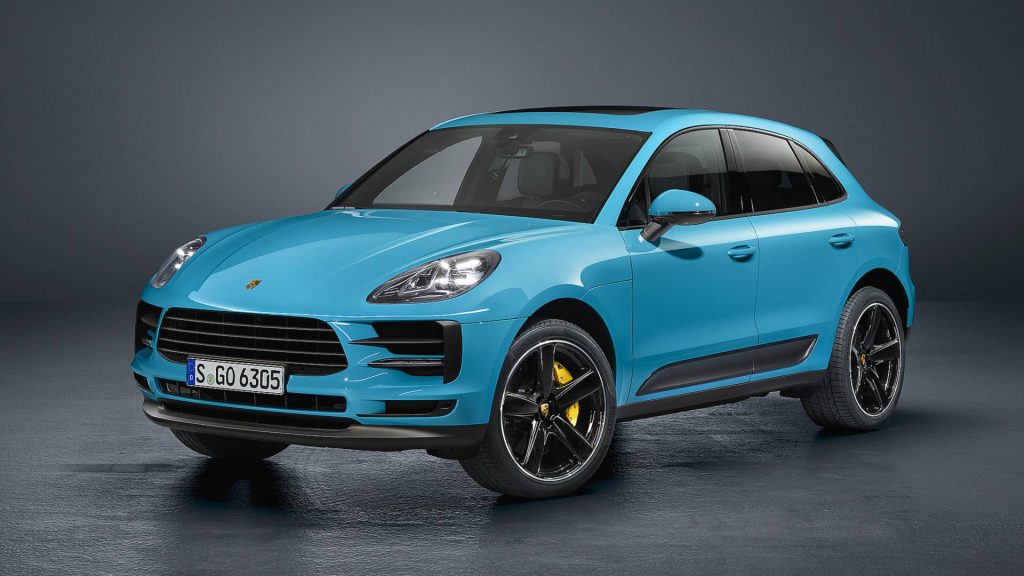
This is an important distinction. A vehicle can have a high rate of early owners selling it and still retain its value relatively well once it enters the used market.
The Macan’s Used-Car Position Tells a Different Story
The Porsche Macan presents an unusual resale pattern that makes it both intriguing for new buyers and potentially attractive to used-car shoppers. According to iSeeCars, 22.2% of Porsche Macans in its analyzed sample were resold within the first year, giving the model the second-highest early-resale rate in the study, behind the Land Rover Discovery Sport at 28.3%.
The figure may initially suggest widespread dissatisfaction, but iSeeCars measures resale behavior rather than reliability or mechanical problems. A first-year resale can have many explanations, including short-term ownership, demonstrations, financial circumstances, or a buyer simply deciding the vehicle was not suitable.
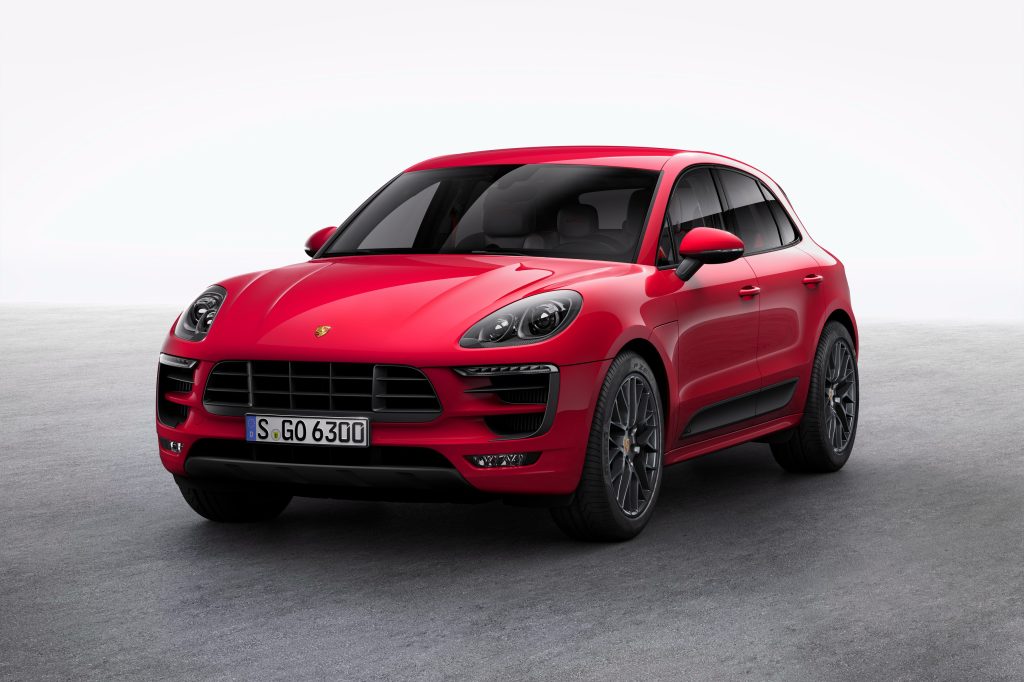
The Macan becomes even more interesting when its longer-term depreciation is considered. The gasoline model loses about 13.7% of its value after three years, leaving an estimated resale value of $56,423. After five years, depreciation reaches 40.1%, with an estimated value of $39,154.
Those figures compare favorably with the luxury compact SUV category, where the average vehicle loses 28.2% after three years and 48.8% after five years. This means the Macan can experience unusually frequent early resale while still retaining value better than many competitors over longer ownership periods.
That combination could create an opportunity for used-car shoppers. Buyers looking for a nearly new luxury SUV may be able to purchase a Macan after its first owner has absorbed part of the initial depreciation.
iSeeCars identifies rapidly resold vehicles as potential opportunities because they can reach the used market with relatively low mileage and meaningful discounts from their original prices. The Macan’s Porsche badge, performance-oriented engineering, and SUV practicality can further strengthen its appeal among used buyers.
However, an early-resale Macan should not automatically be considered a bargain. Buyers still need to examine maintenance records, accident history, mileage, and equipment. The resale statistic also should not be interpreted as evidence of poor reliability. The data only describe how quickly owners resold their vehicles.
The broader Porsche results add another layer to the story. Porsche had the highest first-year resale rate among brands in the iSeeCars study at 16%, compared with a 3.6% average. The Macan contributed substantially to that result, while the Cayenne also appeared among the 20 models most likely to be resold within one year. This suggests the trend may reflect luxury-vehicle ownership behavior rather than a problem unique to the Macan.
The study covered vehicles sold during 2023 and 2024, so its findings describe behavior during that period and may change as market conditions shift. Interest rates, incentives, leasing terms, vehicle prices, and consumer preferences can all influence resale activity.
The Macan has also entered a major product transition with the introduction of an electric version. iSeeCars estimates 55.8% five-year depreciation for the electric Macan, substantially higher than the 40.1% figure for the gasoline model. This difference shows why shoppers need to distinguish between powertrains when evaluating resale value.
The Macan’s 22.2% first-year resale rate tells a more complicated story than simple buyer dissatisfaction. The model combines frequent early ownership changes with strong long-term value retention.
For new buyers, that could encourage careful consideration before committing to a nearly $80,000 luxury SUV. For used buyers, however, those frequent resales could provide opportunities to acquire a relatively new Porsche at a significantly lower price.