
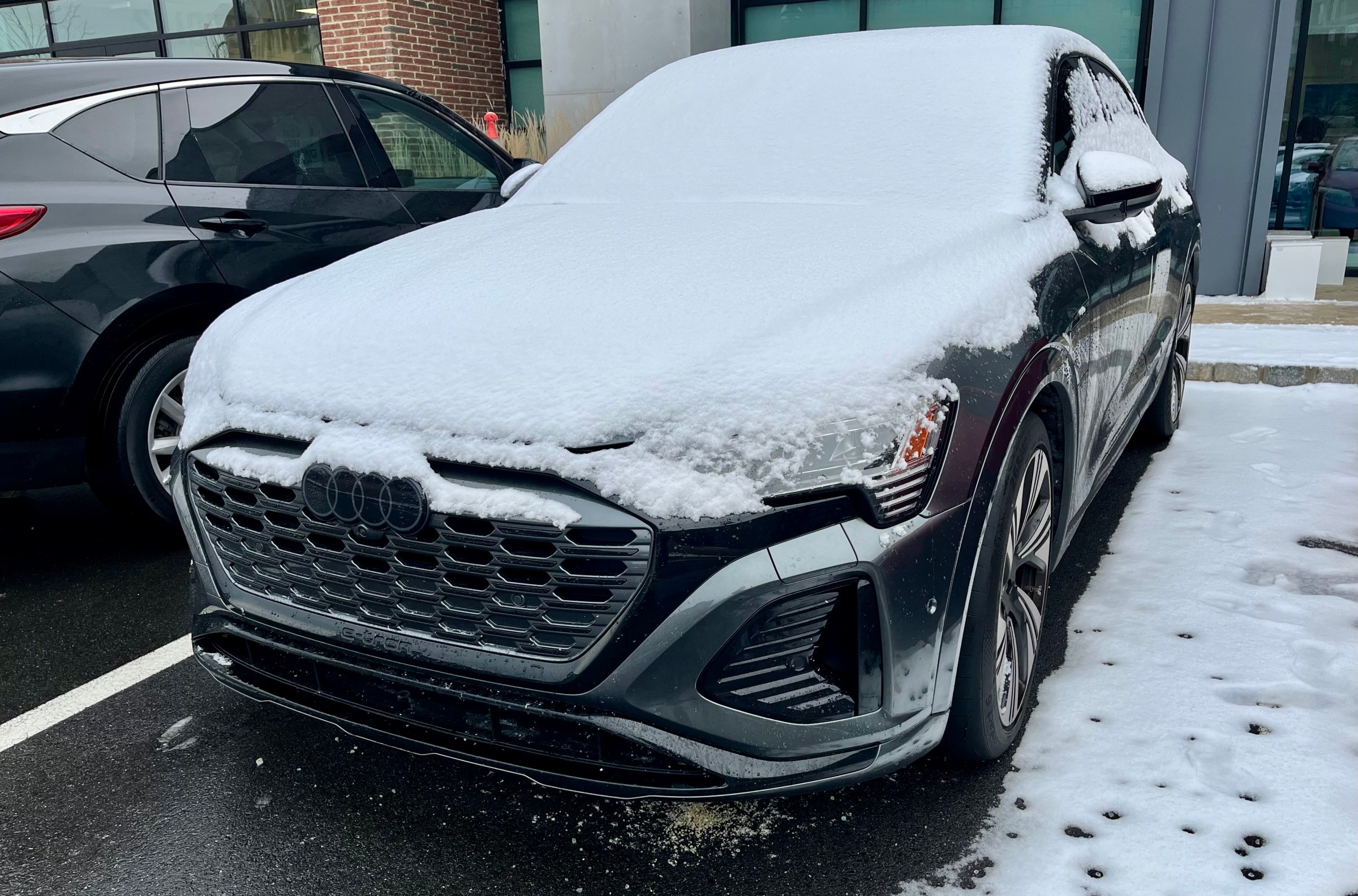
Winter is coming, and if you drive an electric car, you have probably heard the warnings. Cold weather drains batteries, shortens trips, and turns a confident daily commute into a nail-biting guessing game. But how much range actually disappears when the temperature drops? A fresh round of testing gives drivers a real number to work with instead of rumors and worst-case stories.
The takeaway is refreshingly simple: most electric vehicles hold onto roughly 78 percent of their range once temperatures hit freezing. That is not perfect, but it is far from the doom-and-gloom picture some people imagine. Here is what the data actually shows, why it happens, and how you can keep more miles in your battery when the mercury drops.
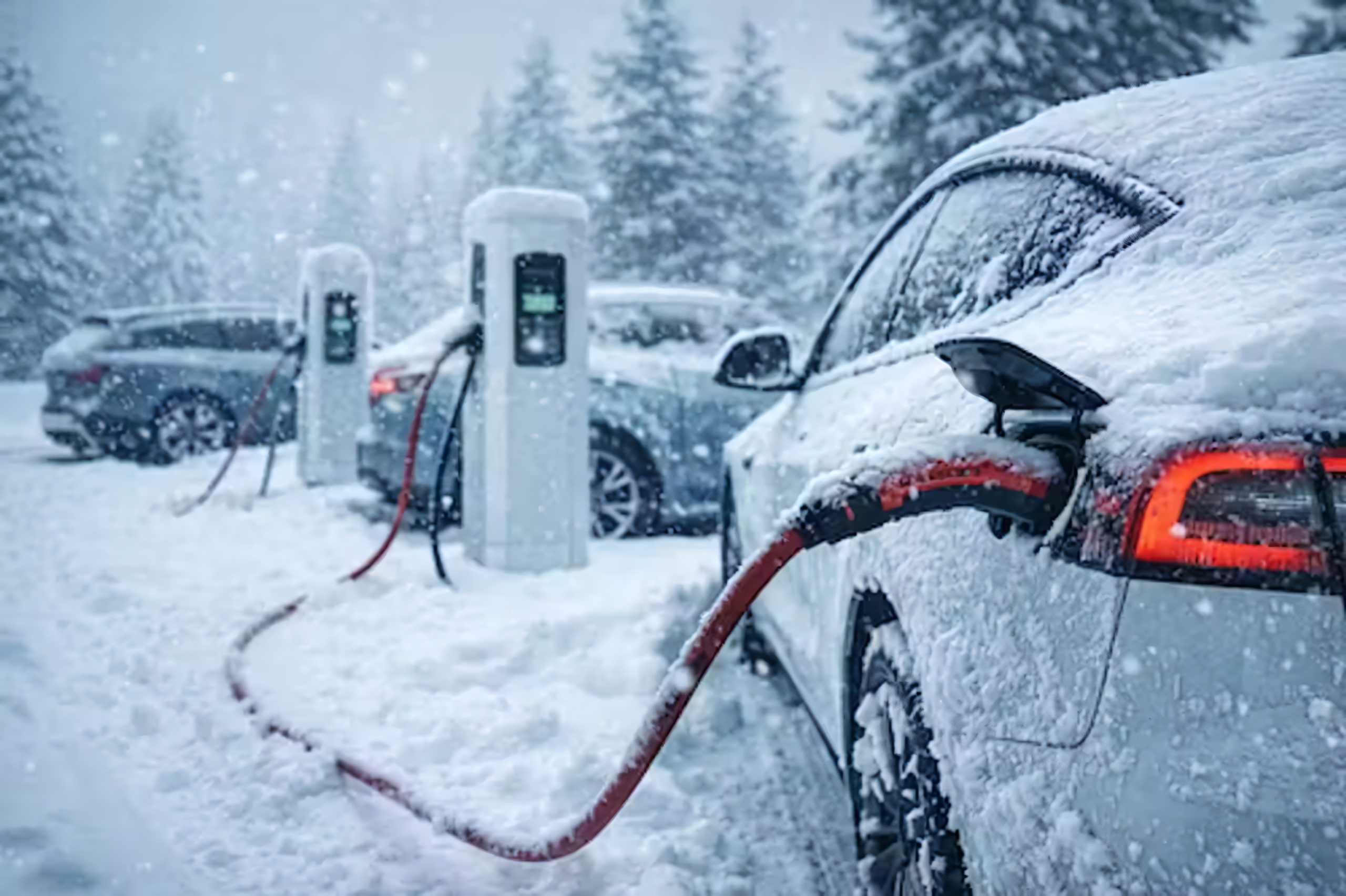
What the New Cold Weather Study Found
Researchers put a wide range of electric vehicles through cold weather testing to see exactly how much driving distance gets lost once temperatures fall to around 32 degrees Fahrenheit. The results landed close together across brands and price points, which is honestly the most reassuring part of the whole exercise.
On average, vehicles retained close to four-fifths of their advertised range, a number that lines up with earlier findings from similar cold weather testing programs. Some cars performed a bit better, some a bit worse, but nothing tested fell off a cliff.
What makes this data useful is context. A car rated for 300 miles on a mild day should still deliver somewhere around 234 miles once the cold sets in. That is a real drop, no question. Yet it is nowhere near the 50 percent losses that circulate in casual conversation or social media posts written by people who never actually tested a vehicle in freezing conditions.
Testing teams controlled for variables like tire pressure, cabin heating, and driving speed to make sure the comparison stayed fair between models. That level of care matters because sloppy testing produces sloppy headlines.
Owners now have a benchmark grounded in actual road testing rather than manufacturer estimates built for ideal weather. For anyone shopping for a new EV or planning a winter road trip, that kind of clarity is worth far more than a marketing brochure.
Why Cold Temperatures Reduce EV Range
Batteries do not enjoy the cold any more than people do. Lithium-ion cells rely on chemical reactions to store and release energy, and those reactions slow down as temperatures fall. Picture syrup on a cold morning versus a warm one. It pours differently, and battery chemistry behaves in a similar way.
Slower internal reactions mean less usable power reaches the wheels, even though the battery still holds the same amount of stored energy on paper. There is also the matter of cabin comfort. Unlike gas engines, which throw off plenty of waste heat that can warm the cabin for free, electric vehicles must pull heating energy directly from the battery.
Running the heater, defrosting the windshield, and warming the seats all draw from the same pool of electrons that would otherwise push the car down the road. That extra draw accounts for a large share of the range loss drivers notice in winter.
Rolling resistance climbs too. Cold air is denser, tires stiffen slightly, and lubricants inside the drivetrain thicken. None of these factors alone would cause much trouble, but stacked together during a freezing commute, they add up.
Add wind resistance from winter storms and the occasional snow-covered road, and the small losses compound into the noticeable dip drivers feel on the coldest mornings of the year.
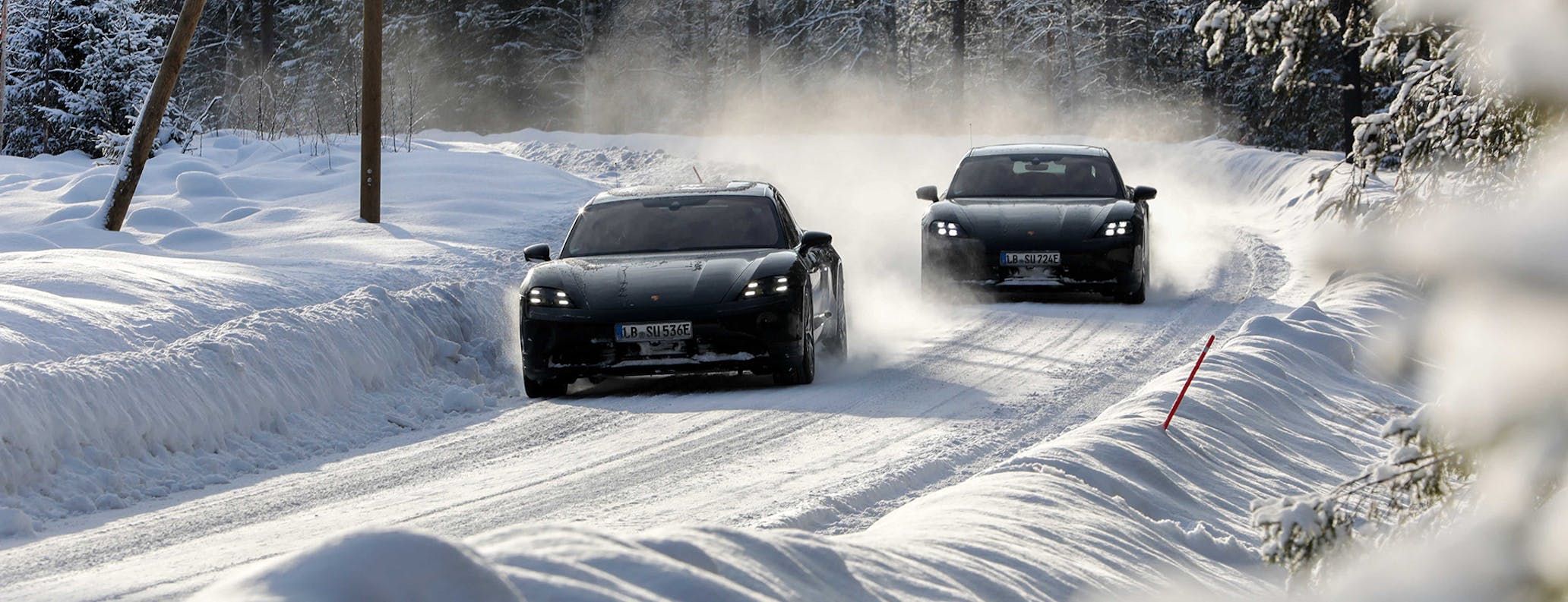
Which EV Models Held Up Best in Freezing Conditions
Not every EV loses range at the same rate, and buyers curious about winter performance have reason to compare notes before signing a lease or purchase agreement. Vehicles equipped with heat pumps, rather than traditional resistive heaters, tended to hold onto more of their range during testing.
Heat pumps move warmth more efficiently, similar to how a refrigerator moves heat rather than generating it from scratch, and that efficiency pays off when the battery has less spare energy to spend.
Battery chemistry played a role as well. Some models use thermal management systems that actively warm the battery pack before a drive begins, especially when the car is still plugged in. Preconditioning like this lets the pack reach an ideal operating temperature using power from the wall outlet instead of stored battery energy, which preserves range once the car pulls away.
Larger battery packs did not automatically perform better, which surprised some observers. A big pack with poor thermal management could still lose a hefty chunk of range, while a smaller pack paired with smart preconditioning held steady.
Drivers shopping with cold climates in mind should look past raw battery size and pay closer attention to how a manufacturer handles heat pump technology and preconditioning features before making a final decision.
Simple Tips to Protect Your EV Range This Winter
Small habits make a real difference once temperatures drop. Start with preconditioning. Warming the cabin and battery while the car is still connected to a charger uses grid power instead of stored energy, giving you a head start before you even pull out of the driveway.
Parking matters more than most drivers realize. A garage, even an unheated one, shields the vehicle from wind chill and keeps the battery a few degrees warmer than it would be sitting outside overnight.
Seat heaters and steering wheel warmers use far less energy than blasting the cabin heater. Swapping one habit for the other on short trips can stretch your range noticeably.
Tire pressure drops in cold weather, and underinflated tires increase resistance. Checking pressure monthly keeps rolling resistance in check and protects both range and tire wear.
Charging habits count too. Keeping the battery between 20 and 80 percent for daily use, rather than routinely charging to 100, helps maintain battery health over the years, which supports stronger performance during future winters.
Route planning rounds out the list. Mapping charging stops before a long winter trip removes guesswork and stress, especially on days when range calculations already feel less predictable than usual.
Does This Mean Anything for the Future of Electric Vehicles?
The 78 percent figure gives the industry something concrete to build on rather than vague reassurance. Automakers already racing to improve battery chemistry and thermal management now have a clear target for how much winter loss counts as competitive.
Expect heat pumps to become standard equipment rather than a premium upgrade, and expect preconditioning software to grow smarter about scheduling itself around a driver’s daily habits.
Charging networks stand to benefit from this data too. Stations built with cold climate reliability in mind, including battery buffering and heated charging cables, could reduce the frustration some drivers report during winter road trips.
For everyday buyers, the message is straightforward. Cold weather range loss is real, but it is predictable, manageable, and shrinking as technology matures. A car that keeps close to four-fifths of its range through a freezing month is a car that can still handle a normal commute, a grocery run, and most weekend plans without drama.
Electric vehicles are not losing their place on winter roads. They are adjusting to them, one software update and one smarter battery pack at a time.
