Pop-up headlights became a defining feature of sports cars for decades, giving low-slung designs a clean appearance when the lamps were switched off. By 2004, however, this once-popular feature had nearly vanished from new-car showrooms.
Two models remained at the end of the era: the Chevrolet Corvette C5 and the Lotus Esprit. Both were performance cars with long histories, yet their retractable lamps represented a fading chapter in automotive design.
The final production examples arrived as regulations, aerodynamics, lighting technology, and changing styling preferences made fixed headlights more practical. Their disappearance marked the end of a distinctive feature that still holds strong appeal among car enthusiasts today.
The Chevrolet Corvette C5 Was Among the Final Pop-Up Headlight Cars
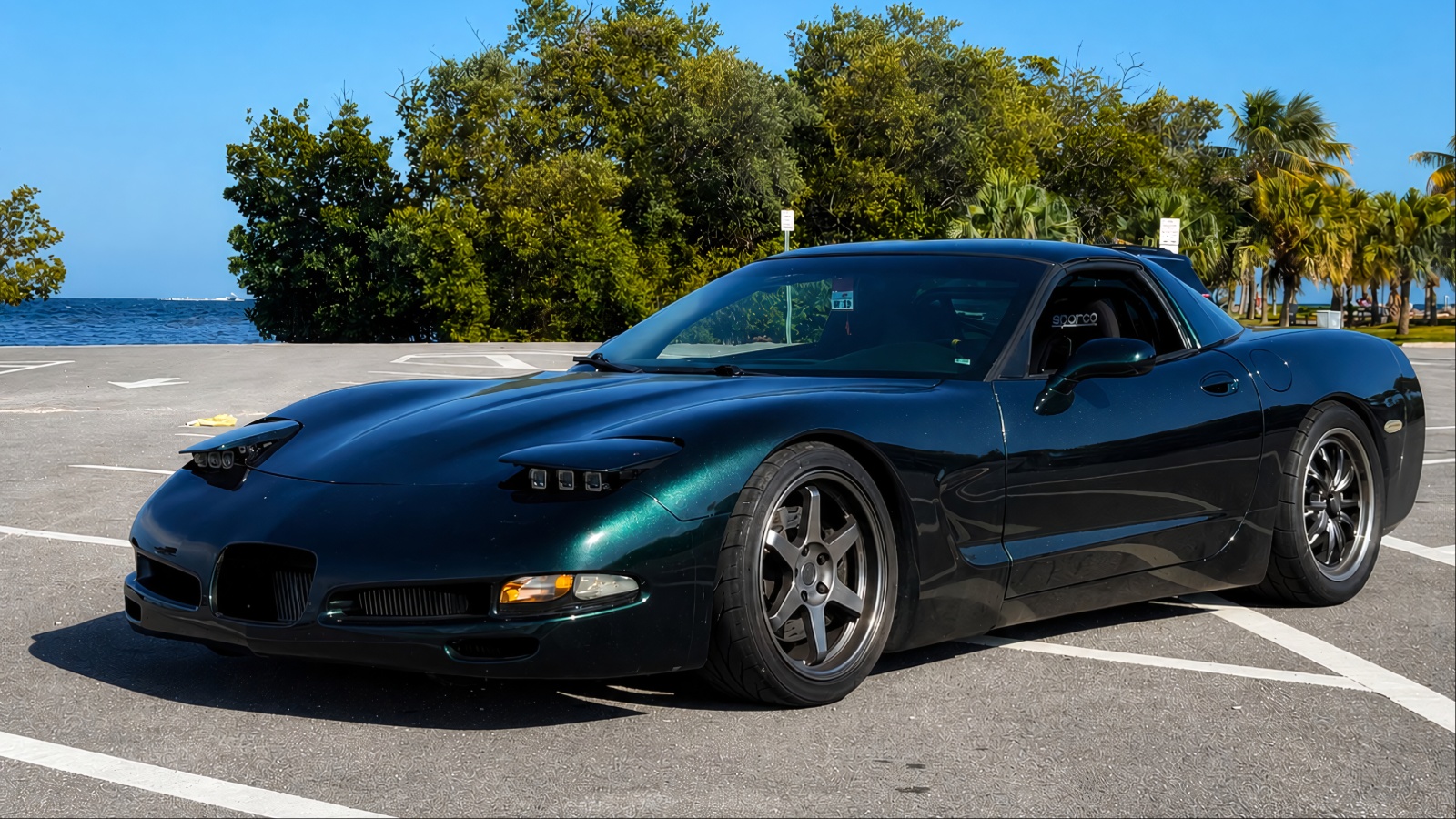
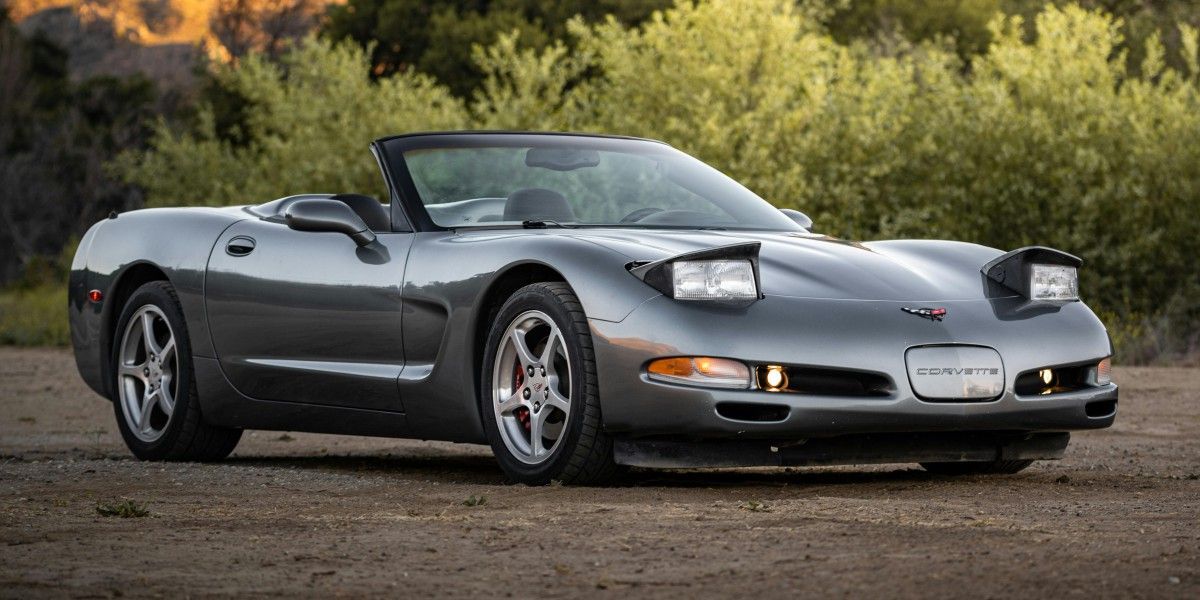
The Chevrolet Corvette C5 carried pop-up headlights into the early 2000s, giving the fifth-generation Corvette a direct connection to several earlier generations. Introduced for the 1997 model year, the C5 brought major changes to the Corvette formula, including a new platform, updated chassis technology, improved aerodynamics, and the LS1 V8 engine.
Yet its front-end design retained the familiar retractable headlamps. With the lights closed, the Corvette had a smooth nose that emphasized its long, low shape. With the lights raised, its character changed instantly, creating the unmistakable appearance associated with classic Corvettes.
The C5 represented the final chapter of a Corvette tradition that began decades earlier. Chevrolet had introduced hidden headlights on the Corvette during the 1960s, and the feature remained associated with the model for generations. The C5 therefore did more than provide a nostalgic styling touch.
It preserved a mechanical design solution that had become closely connected with the Corvette name. When the C5 ended production in 2004, the succeeding C6 adopted fixed exposed headlamps, bringing the Corvette’s pop-up era to a close.
The 2004 Corvette was particularly significant because it represented the final production year for the C5. The last C5 rolled off the production line on July 2, 2004. Its replacement was already waiting in the wings, and the C6 introduced a different visual identity.
Fixed headlights allowed Chevrolet to reduce mechanical complexity while creating a more modern front-end treatment. For buyers who wanted a brand-new Corvette with retractable headlights, 2004 was therefore the final opportunity. Once the C5 disappeared, the Corvette name moved into an era of fixed lighting that continues today.
The C5 also demonstrated why pop-up headlights had survived for so long. When closed, the lamps could be hidden within the bodywork, helping designers create a cleaner nose without permanently displaying a large headlight assembly. This approach was especially useful when lighting regulations placed limitations on headlamp placement and shape.
As lighting technology improved and regulations changed, manufacturers gained greater freedom to design compact fixed lamps with aerodynamic shapes. The advantages of retractable systems became less important, while their additional motors, linkages, wiring, weight, and maintenance requirements remained.
The Lotus Esprit Reached the End of Its Long Production Run
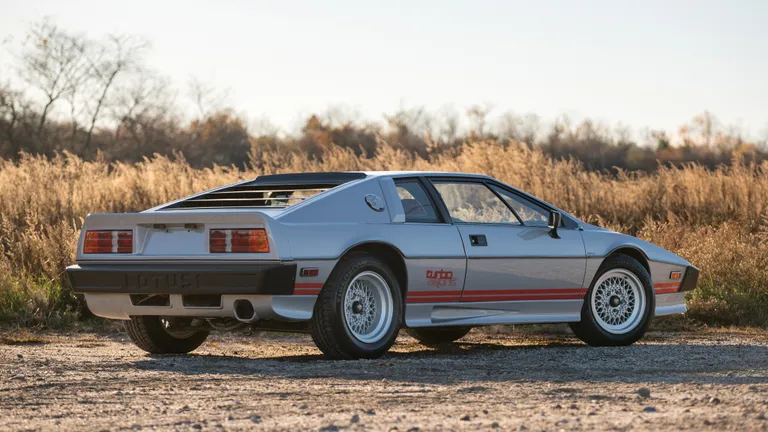
The Lotus Esprit was the other major name that carried pop-up headlights into 2004. First introduced in 1976, the Esprit had an exceptionally long production life for a sports car. Its sharp, wedge-shaped styling became closely associated with the era of dramatic performance cars, and its concealed headlights played an important role in creating that appearance.
The Esprit remained in production through several major updates, allowing the basic concept to survive while many rivals had already moved to newer designs. The final Esprit was produced in 2004 after 28 years of production.
The Esprit’s design changed substantially during its life. Giorgetto Giugiaro’s original shape gave the car a sharp, angular appearance, while later revisions softened the body and modernized its proportions. Peter Stevens redesigned the car during the late 1980s, and further styling changes followed during the 1990s and early 2000s.
The basic pop-up headlight arrangement survived these changes. That continuity made the Esprit an unusual survivor, since its retractable lamps belonged visually to an earlier period while the car itself continued receiving modern updates.
By the final years, the Esprit had evolved into a sophisticated performance machine. Lotus introduced the twin-turbocharged 3.5-liter V8 in 1996, giving the car substantially more power than its earlier four-cylinder versions. Later examples benefited from continued refinement and styling revisions.
The final 2002 update, designed under Russell Carr, included changes to the exterior and rear lighting. Yet the retractable headlights remained. The final Esprit left the production line on February 20, 2004, marking the end of a remarkable run.
The Esprit’s survival was partly connected to its low-volume nature and long-running design. High-volume manufacturers had stronger incentives to update vehicles around changing regulations, production costs, and consumer expectations. Lotus could continue building a specialized sports car with a distinctive architecture for a much longer period.
That gave the Esprit a rare ability to preserve features that had disappeared from mainstream vehicles. Its pop-up headlights were not simply a styling gimmick. They were part of the visual identity that had followed the Esprit through several generations of development.
The final Esprit and the final C5 Corvette reached the end of their production lives within the same year. This timing is why 2004 is frequently identified as the closing point for factory-built pop-up headlights.
The Esprit ended production first, followed by the C5 several months later. After these cars left production, new vehicles with traditional retractable headlamps effectively disappeared from the market.
Why Pop-Up Headlights Disappeared From New Cars
Pop-up headlights had a clear purpose during their peak years. They allowed designers to hide the lamps when they were not needed, creating a smooth front end while still meeting lighting requirements.
Sports cars benefited particularly well because their low noses could retain a clean shape without placing prominent headlamps directly into the bodywork. Cars such as the Mazda RX-7, Toyota Supra, Honda NSX, Ferrari Testarossa, Porsche 928, and many others became closely associated with this design. The mechanism also gave owners a memorable visual feature that fixed headlights could not reproduce.
Over time, however, the engineering disadvantages became harder to justify. A retractable headlight system needs moving components, including motors, gears, linkages, electrical connections, and mounting hardware. These parts add weight and create additional maintenance points.
A fixed headlight can perform its job without opening and closing every time the driver switches the lights on. For manufacturers focused on efficiency, reliability, production cost, and weight reduction, the simpler arrangement became increasingly attractive.
Aerodynamics also played a role. A closed pop-up lamp can produce a smooth surface, but the raised unit creates additional airflow disturbance whenever the headlights are operating.
Modern vehicle design became increasingly dependent on careful aerodynamic management, particularly as manufacturers worked to improve fuel economy and high-speed stability. Fixed lighting allowed engineers and designers to integrate headlights into the body more precisely. This approach could support smoother airflow while also reducing mechanical complexity.
Pedestrian protection became another important consideration. A raised headlight assembly creates a rigid structure that can affect how a vehicle interacts with a pedestrian during a collision. Pop-up headlights were not simply banned outright.
Instead, changing safety requirements made traditional retractable systems more difficult and expensive to engineer while meeting modern standards. Manufacturers increasingly found that fixed lamps offered a more straightforward path toward compliance. As safety expectations increased, the business case for retaining retractable headlights became weaker.
Lighting technology also changed the equation. Earlier automotive lighting systems needed relatively large lamp assemblies, which made hidden headlights useful for certain designs. Modern headlamp technology allows manufacturers to create compact, highly integrated lighting units.
Designers can now place headlights into narrow sections of a vehicle while maintaining strong illumination and a distinctive appearance. This removed much of the original motivation for hiding the lamps. By 2004, the Chevrolet Corvette C5 and Lotus Esprit were the final survivors of a design trend that had once been widespread across the automotive industry.
The end of pop-up headlights in 2004 was therefore more than the retirement of a mechanical feature. It reflected a broader transformation in automotive design.
Cars were becoming more aerodynamic, safety requirements were becoming more demanding, lighting systems were becoming more advanced, and manufacturers were paying greater attention to weight and complexity. The 2004 Chevrolet Corvette C5 and Lotus Esprit happened to arrive at the finish line at almost the same time, making them lasting symbols of that transition.