California does not publish a simple blacklist of models that private owners can never possess. The real prohibition applies when a new or near-new vehicle is not certified for California emissions requirements or was built for a foreign market without the approvals needed for American road use.
California Air Resources Board rules generally prevent a new vehicle with fewer than 7,500 miles from being sold within or imported into the state for road use when it lacks the required California certification. Federal safety requirements create another barrier for gray market imports.
That distinction shapes this list. The eight vehicles below are specific 2026 foreign market models that cannot legally be offered as California road cars in their original overseas specification. They are not permanently banned model names, and much older examples can fall under different federal rules. The problem is the individual new vehicle, its certification, and its intended road use in California.
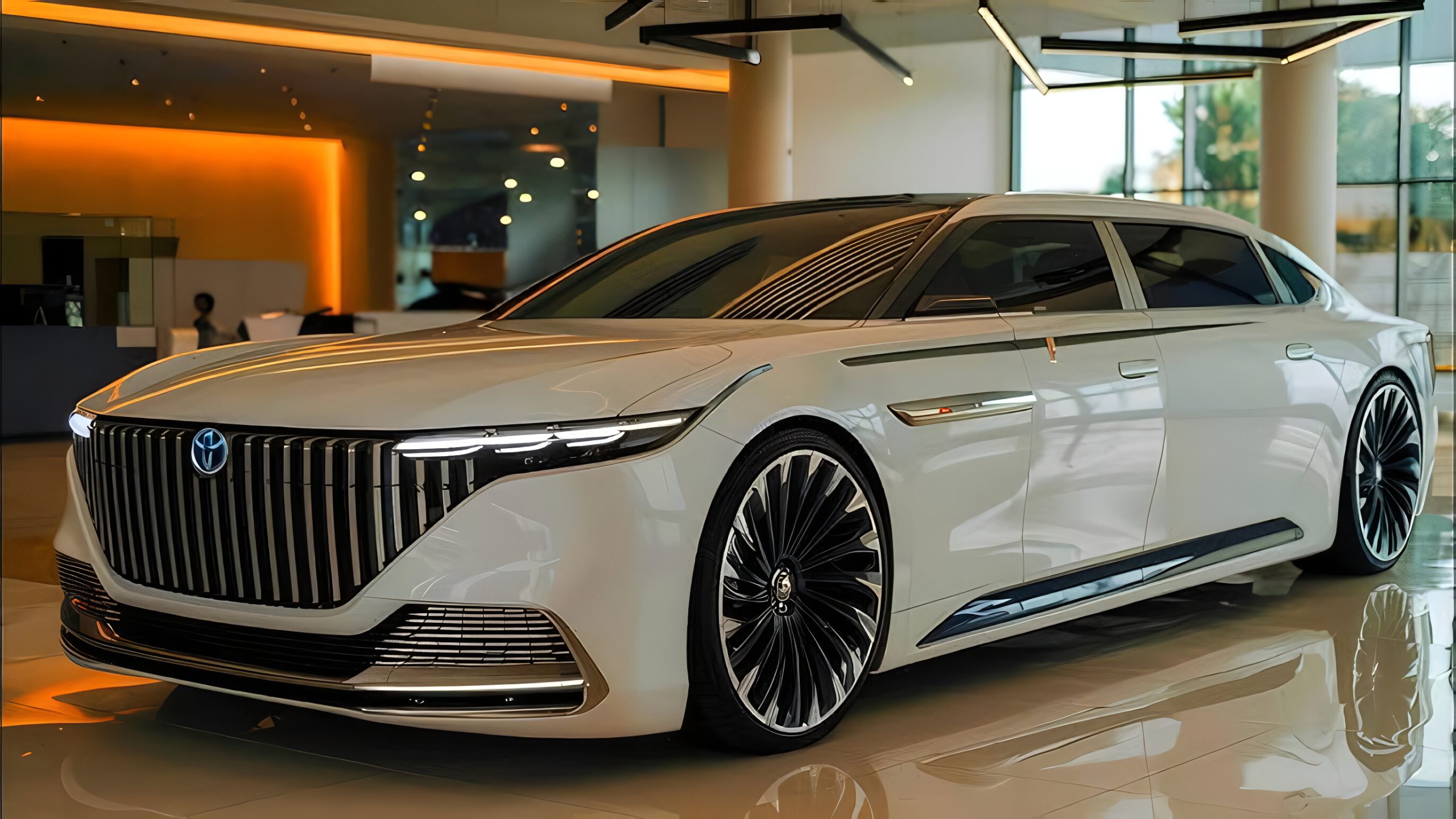
1. 2026 Toyota Century Sedan
The 2026 Toyota Century Sedan is a clear example that price and prestige do not create a California exemption. Toyota sells the Century in Japan as a flagship chauffeur sedan with an unusually luxurious interior and specialized equipment.
A California collector may be willing to pay a substantial amount for one, but a new Japanese market Century still has to satisfy the same certification framework that applies to other new gray market vehicles.
California requires the appropriate emissions certification before a new road vehicle can be normally sold for use in the state. A current gray market vehicle that enters California shortly after production can be treated as new, which prevents an owner from using the rules intended for older imported classics.
Federal law adds another obstacle. Vehicles under 25 years old that were not originally manufactured and certified to applicable American safety standards generally cannot be permanently imported for unrestricted road use unless they qualify through an approved process.
The Century’s sophistication does not change that analysis. Expensive safety systems, hybrid hardware, advanced electronics, and exceptional build quality are not substitutes for formal certification.
A newly imported 2026 Century Sedan therefore cannot simply be offered as an ordinary California road car because the buyer can afford it. In original Japanese specification, its certification status remains the key barrier.
The model itself is not permanently forbidden. A much older Century may eventually qualify under very different federal import rules.
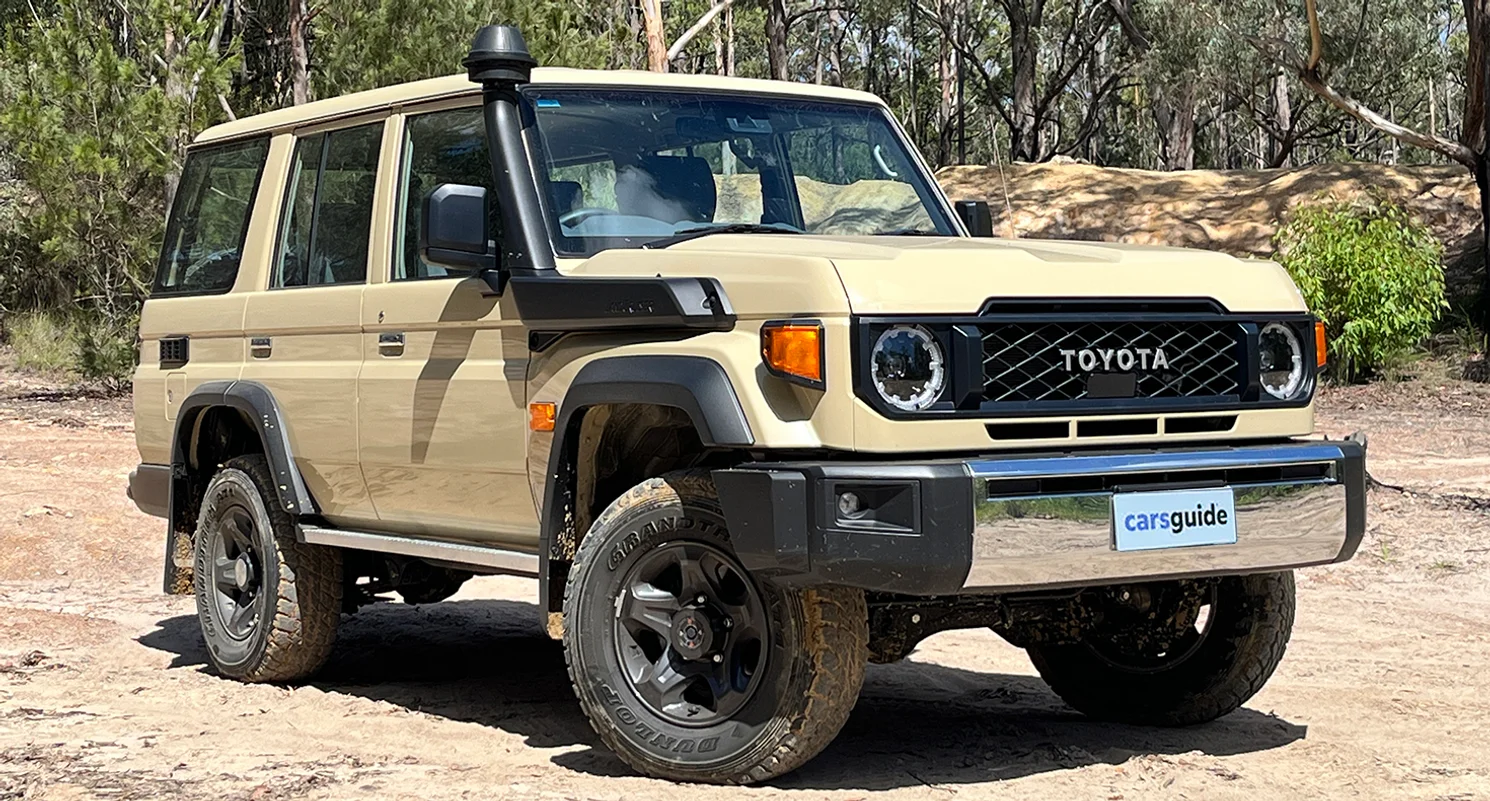
2. 2026 Toyota LandCruiser 76 GXL Wagon
The 2026 Toyota LandCruiser 76 GXL Wagon seems almost designed for California desert travel. Toyota continues to sell the 70 Series overseas with a 2.8-liter turbo diesel engine, low-range Four Wheel Drive hardware, and the rugged wagon body that enthusiasts have wanted in the United States for years. Its capability is not the problem. Its certification status is.
California requires new on-road vehicles sold in the state to meet applicable emissions certification requirements. A new gray market vehicle that enters California shortly after production can be treated as a new vehicle rather than an old imported classic.4
Federal law creates an additional obstacle. A 2026 LandCruiser 76 built for an overseas market does not automatically satisfy American safety requirements simply because Toyota sells other Land Cruiser models in the United States. Federal regulators look at the certification of the particular vehicle.
A nonconforming vehicle under 25 years old generally cannot be permanently imported for ordinary unrestricted road use without an approved compliance pathway. Its overseas diesel engine can create another emissions issue.
The practical result is straightforward. A California dealer or private seller cannot simply treat a newly imported 2026 LandCruiser 76 GXL as an ordinary road-ready Toyota and sell it for California registration.
Decades from now, federal age exemptions may change the situation. In 2026, however, the overseas specification wagon remains a new gray market vehicle without the ordinary California certification that a normal new road vehicle needs.
3. 2026 Honda N-BOX Custom Turbo
The 2026 Honda N-BOX Custom Turbo is tiny, efficient, and visually harmless, but none of those qualities create an exemption from California’s new vehicle rules. Honda sells the N-BOX in Japan as a kei car with four seats and a compact turbocharged engine. Its size makes it look easier to legalize than a diesel pickup, yet many of the same barriers still apply.
California’s rules focus on whether the vehicle was built and certified for the applicable market. A new vehicle with fewer than 7,500 miles that is not certified to California standards generally cannot simply be sold within or imported into California for normal road use.
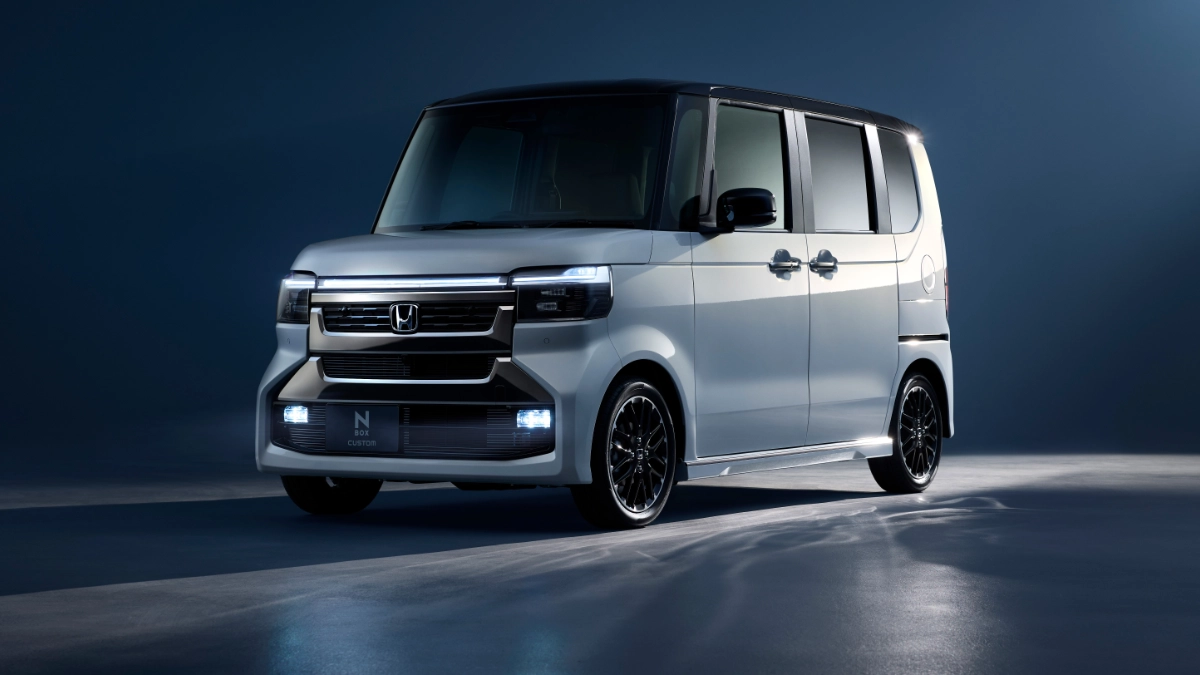
The steering wheel being on the right is not the central problem. Right-hand drive vehicles can be legally registered in the United States. The important issue is whether the individual vehicle meets federal safety requirements and California emissions requirements or qualifies under an approved exception.
A current N-BOX is also far younger than the federal 25-year threshold that allows many older foreign vehicles to be imported under less restrictive safety rules.
A 2026 N-BOX Custom Turbo imported directly from Japan therefore cannot simply be advertised as an ordinary street-legal California kei car. A buyer may see older Japanese kei vehicles operating legally in the state, but those cars can fall under very different federal and state rules.
The 2026 Honda remains a new gray market vehicle. Its small engine and modest performance do not make certification requirements disappear.
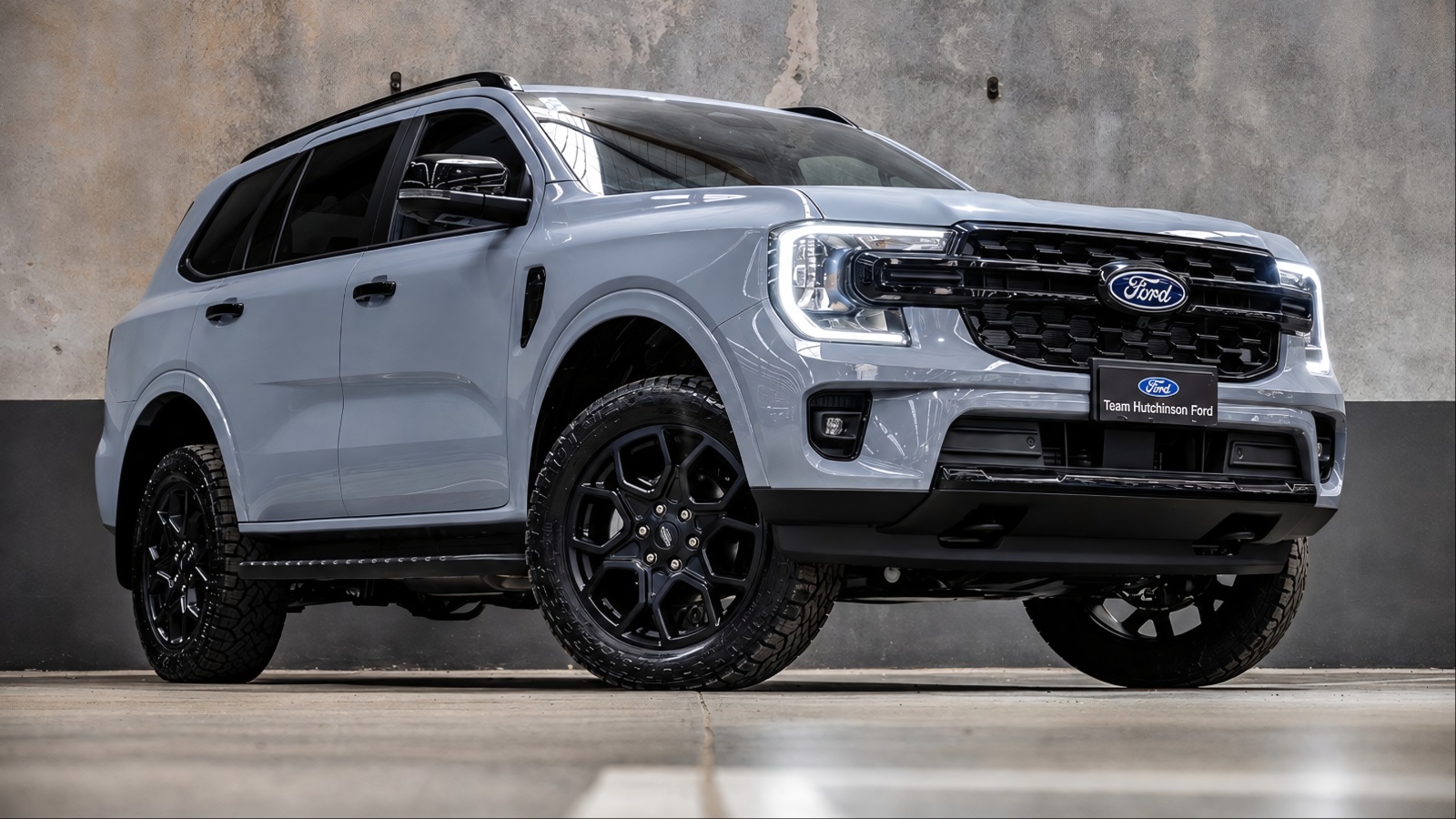
4. 2026 Ford Everest Sport 3.0 V6 Turbo Diesel
The 2026 Ford Everest Sport can be more misleading than most gray market vehicles because the badge is familiar. Ford sells the Everest overseas with a 3.0-liter V6 turbo diesel, and the SUV shares engineering roots with the Ranger family. A buyer may reasonably wonder why a modern Ford that looks ready for American roads cannot simply be sold in California.
The answer is that certification follows the exact vehicle, not the corporate logo. California requires new vehicles to satisfy the state’s applicable emissions requirements before they can be normally sold for road use.
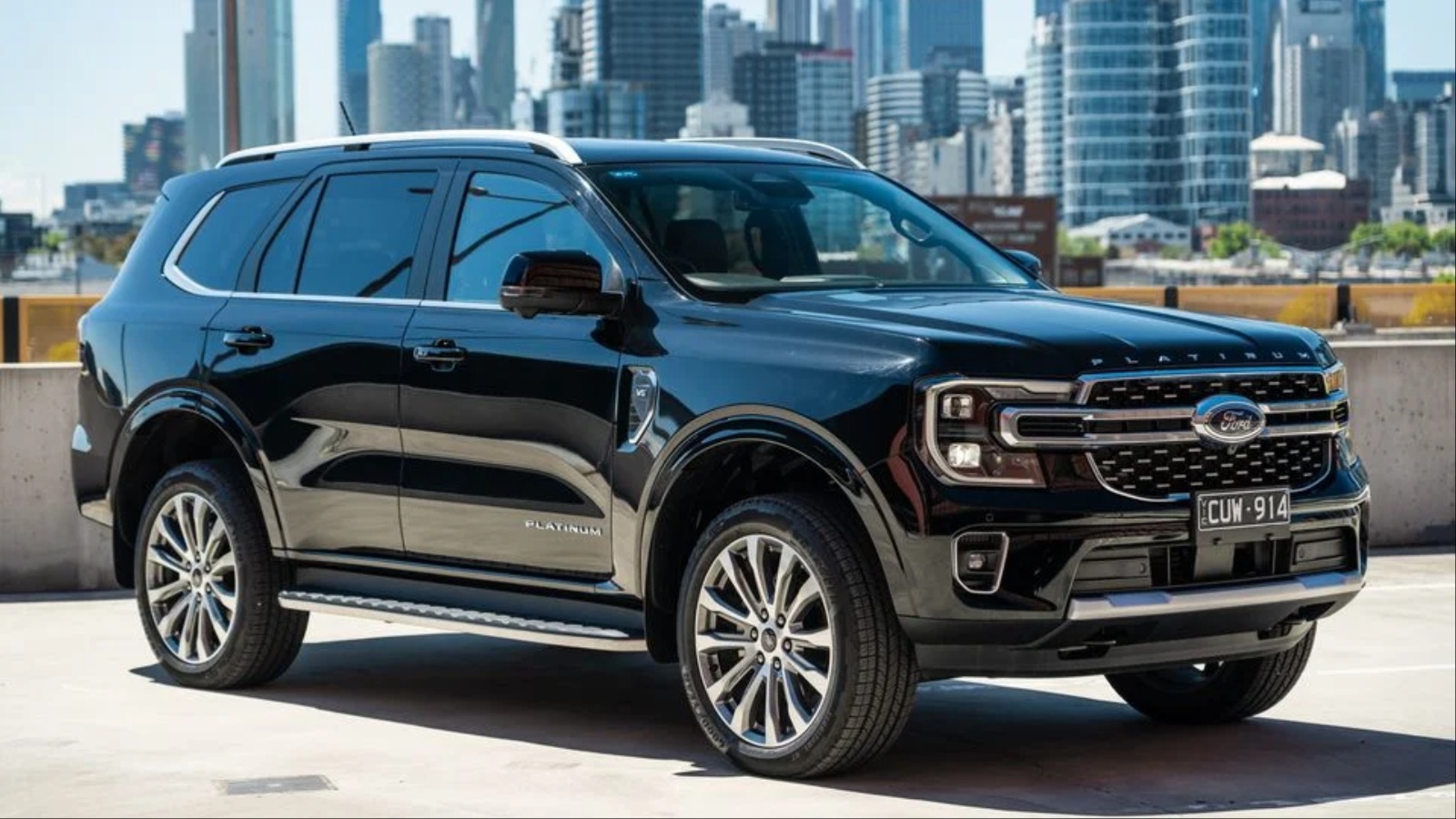
A foreign market Everest is built for overseas regulations. There is no automatic California approval simply because Ford also manufactures Rangers, Broncos, and Explorers that are certified for the American market.
Federal safety law creates another problem. A vehicle less than 25 years old that was not originally manufactured and certified to applicable federal safety standards cannot ordinarily be permanently imported for unrestricted road use unless it qualifies through the required import process.
The Everest’s shared engineering with the Ranger does not substitute for that certification. Its foreign market diesel engine can also create additional federal and California emissions issues.
A 2026 Everest Sport may therefore be perfectly legal for sale in Australia or another overseas market while remaining unsuitable for ordinary California road registration in its original form. A seller cannot solve the problem simply by importing the SUV and finding a California buyer willing to purchase it.
5. 2026 Toyota HiLux Double Cab 2.8 Diesel
The 2026 Toyota HiLux Double Cab is one of the easiest gray market trucks to understand and one of the hardest to legally sell as a new California road vehicle. Toyota sells the new generation HiLux in overseas markets with a 2.8-liter turbo diesel engine across work and recreational configurations. It may look like a natural alternative to a Tacoma, but California law does not treat platform similarity as certification.
For a new vehicle to be offered for sale for road use in California, it generally needs the applicable emissions certification. A new non-California certified vehicle with fewer than 7,500 miles may not normally be sold or imported into the state for road use.
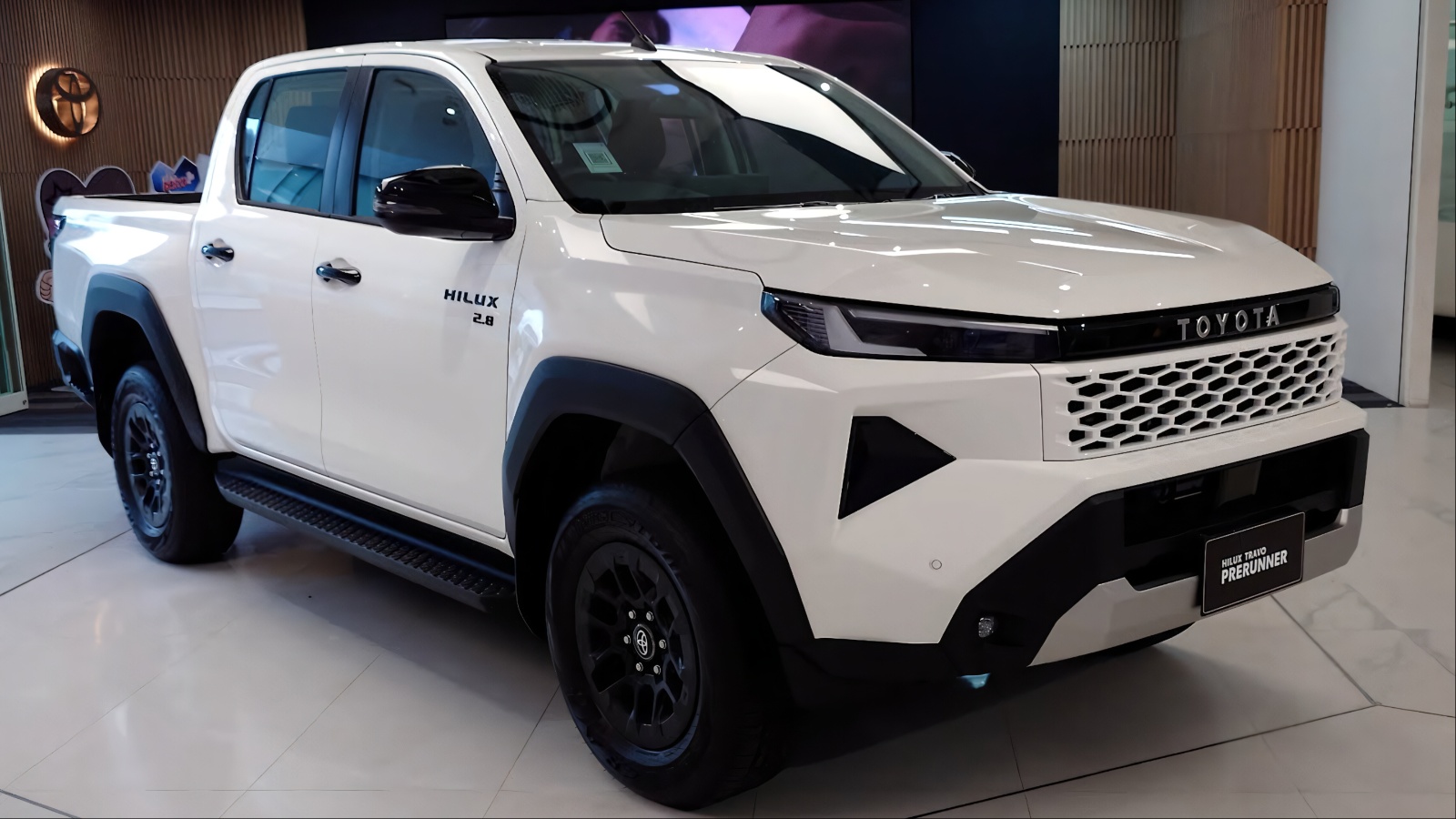
A new overseas HiLux also faces federal barriers. A vehicle under 25 years old that was not originally manufactured and certified to applicable federal safety standards cannot normally be permanently imported unless it goes through an approved federal compliance process. Federal emissions requirements apply separately.
Toyota selling other trucks in California does not make this HiLux automatically compliant. Certification applies to the particular model and configuration.
Unless an individual example entered through a lawful federal route and carries the certification required for California road use, a 2026 HiLux Double Cab cannot be legally retailed as an ordinary new California highway vehicle.
The truck may be perfectly legal in Australia, Thailand, or another market while still being unsuitable for normal California registration in its original specification.
6. 2026 Honda Step WGN eHEV Spada
The 2026 Honda Step WGN eHEV Spada is another Japanese market vehicle that seems ordinary until import law enters the discussion. Honda sells the current Step WGN as a family minivan with multiple seating configurations, hybrid technology, and modern driver assistance equipment.
From a legal standpoint, a new Japanese specification example is still a gray market vehicle. Its hybrid system, practical cabin, and family-oriented design do not create a special exemption from California certification requirements.
New passenger vehicles sold for normal road use in California generally need to satisfy the state’s applicable certification rules. A new non-California certified vehicle with very low mileage cannot simply be imported and sold in the same way as a vehicle originally certified for California.
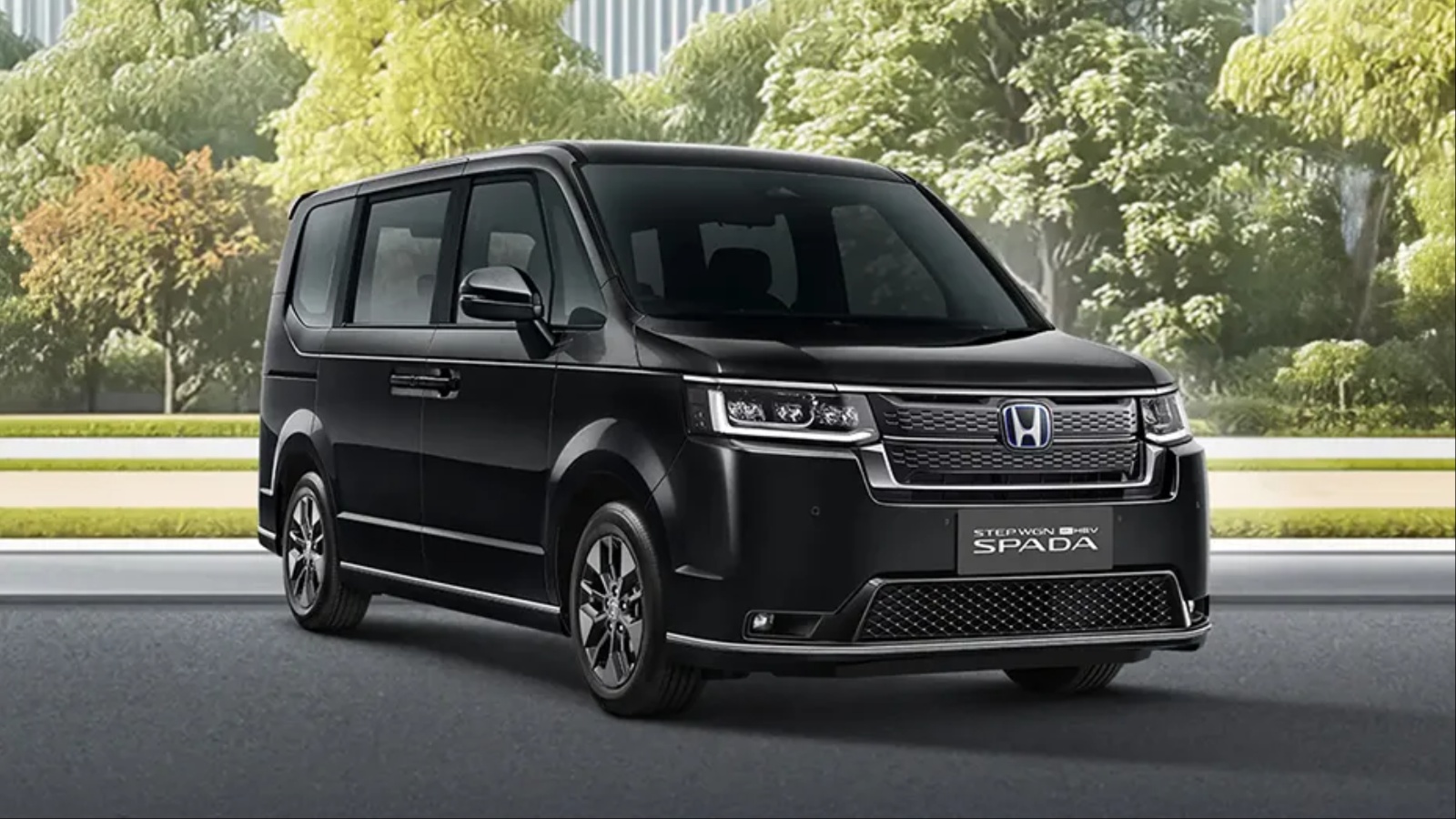
Federal rules add another barrier. A vehicle under 25 years old that was not manufactured and certified to applicable Federal Motor Vehicle Safety Standards generally cannot be permanently imported for ordinary unrestricted road use unless an approved import pathway applies.
Honda’s American presence does not certify the Japanese Step WGN. The company may sell numerous compliant vehicles in California while a completely different Japanese domestic market model remains outside that certification system.
This is why a much older imported Honda can sometimes be legally registered while a brand new Step WGN cannot follow the same process. Vehicle age and original certification change the legal analysis.
A 2026 Step WGN eHEV Spada therefore cannot simply be imported from Japan and sold as an ordinary new California road vehicle in its original Japanese market specification.
7. 2026 Suzuki Jimny Nomade FC
The 2026 Suzuki Jimny Nomade is exactly the kind of vehicle that can tempt a California enthusiast. Suzuki sells the five-door model in Japan with a 1.5-liter engine, part-time Four Wheel Drive, and the same compact off-road character that made the Jimny famous. It looks completely usable on American streets, which is why the legal problem can surprise buyers.
California treats a new gray market vehicle very differently from an older classic import. A new vehicle with fewer than 7,500 miles that is not certified to California standards generally may not be sold within or imported into the state for normal road use. A gray market vehicle obtained by a California resident within two years of production or entering California within two years of production can also be treated as new.
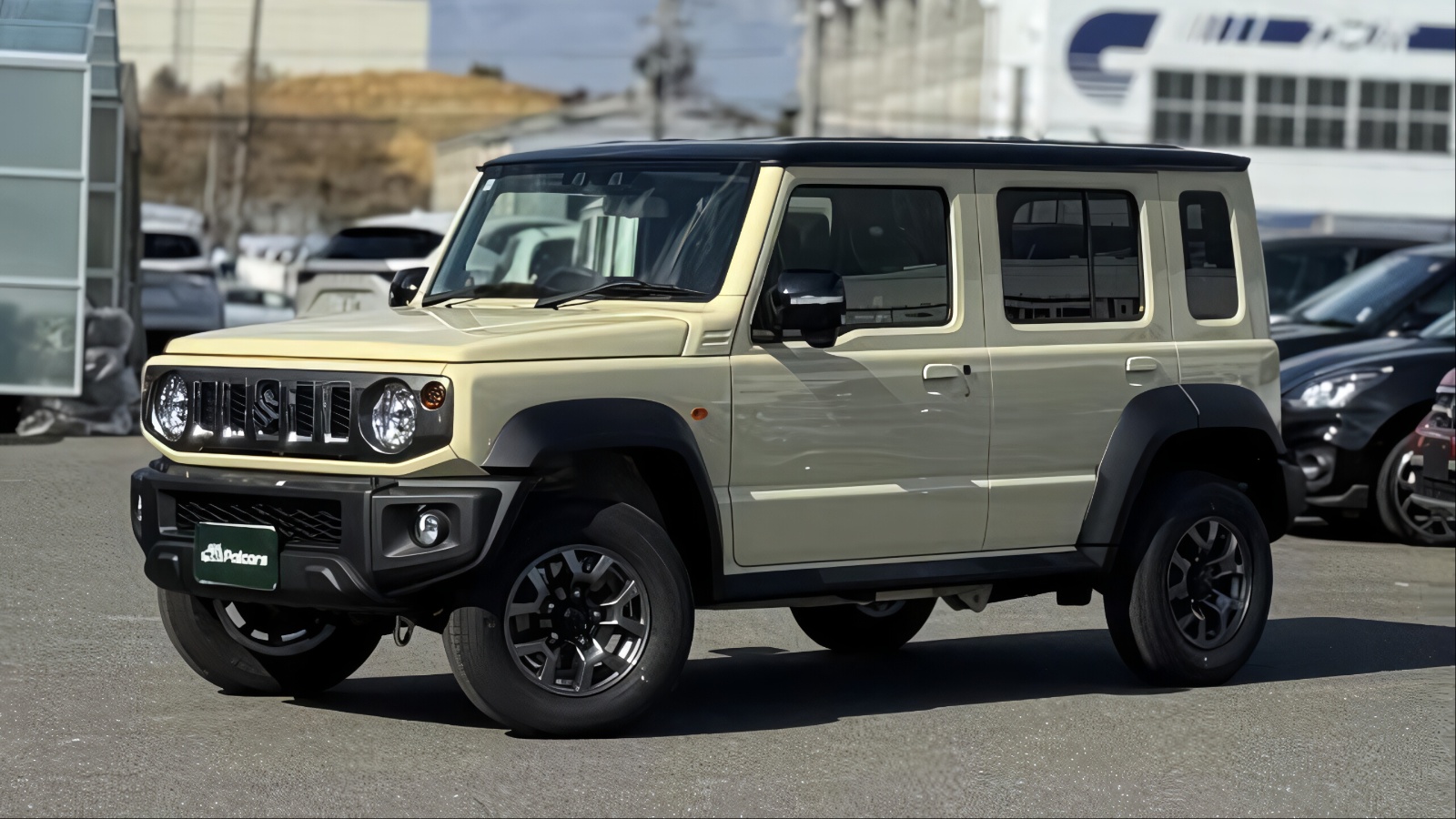
Federal law creates another hurdle before state rules even matter. A vehicle less than 25 years old that was not originally manufactured and certified to applicable Federal Motor Vehicle Safety Standards generally cannot be permanently imported for unrestricted road use unless it qualifies through an approved federal import process.
That means a brand new Jimny Nomade cannot simply be purchased in Japan, shipped to Los Angeles, and legally offered as a normal California road car. An older Jimny may eventually qualify under different federal rules, but the 2026 model in original Japanese specification does not have the same straightforward pathway.
8. 2026 Toyota Alphard PHEV Executive Lounge
The 2026 Toyota Alphard PHEV Executive Lounge shows that California’s gray market restrictions are not limited to inexpensive kei cars or diesel trucks. Toyota sells the Alphard plug-in hybrid in Japan as a luxury minivan with a 2.5-liter electrified powertrain and an elaborate rear cabin.
It can cost more than many vehicles already certified and sold in California, but price and technology do not create legal eligibility. The fact that a vehicle is sophisticated and expensive does not mean it has been certified for the American market.
California requires the applicable certification before a new road vehicle can be normally sold in the state. A recent gray market vehicle entering California can be treated as new rather than as an older imported vehicle.
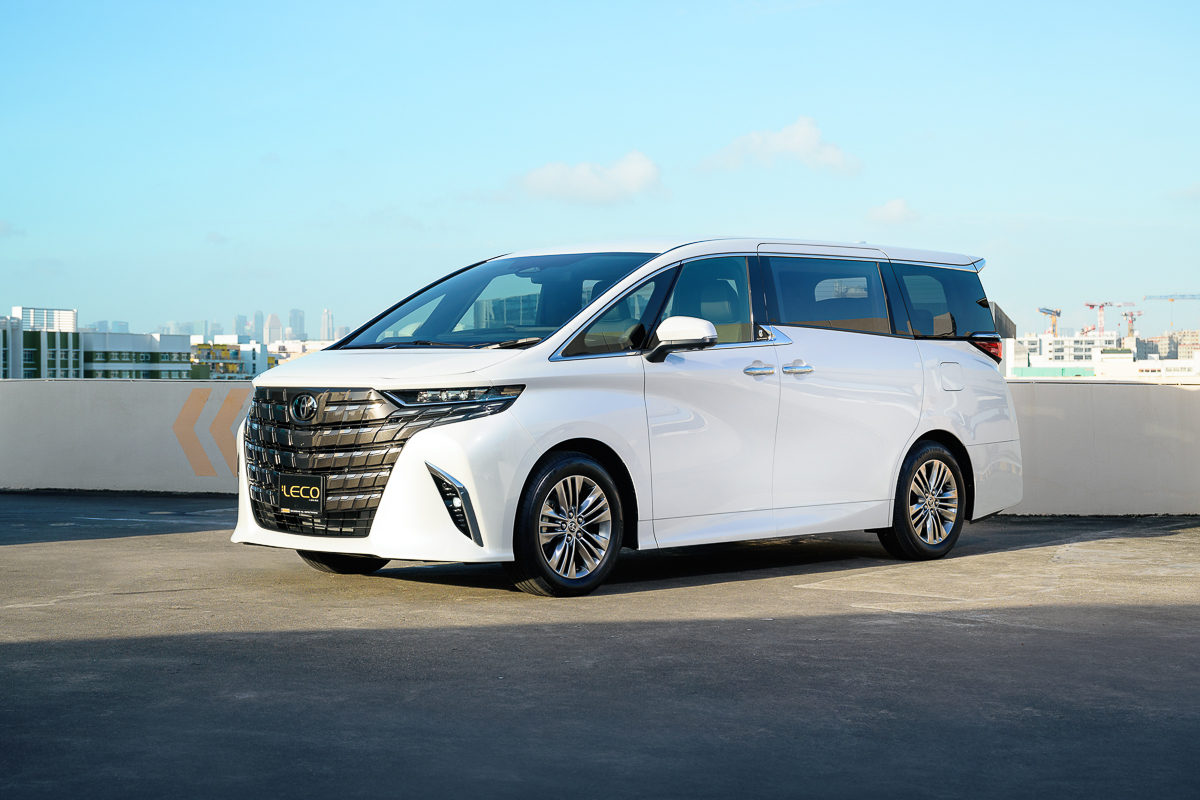
Federal requirements also matter. A vehicle under 25 years old that was not originally manufactured and certified to applicable American safety standards generally cannot be permanently imported for ordinary road use without an approved federal compliance pathway.
The Alphard can be deceptive because it looks like a vehicle Toyota easily could have sold in America. It has modern airbags, driver assistance technology, hybrid hardware, and sophisticated electronics. None of those features substitutes for formal certification.
A newly imported 2026 Alphard PHEV Executive Lounge therefore cannot simply be offered as a normal California road vehicle because the seller possesses a Japanese title and import documents. Its federal and California certification status remains the deciding issue.