
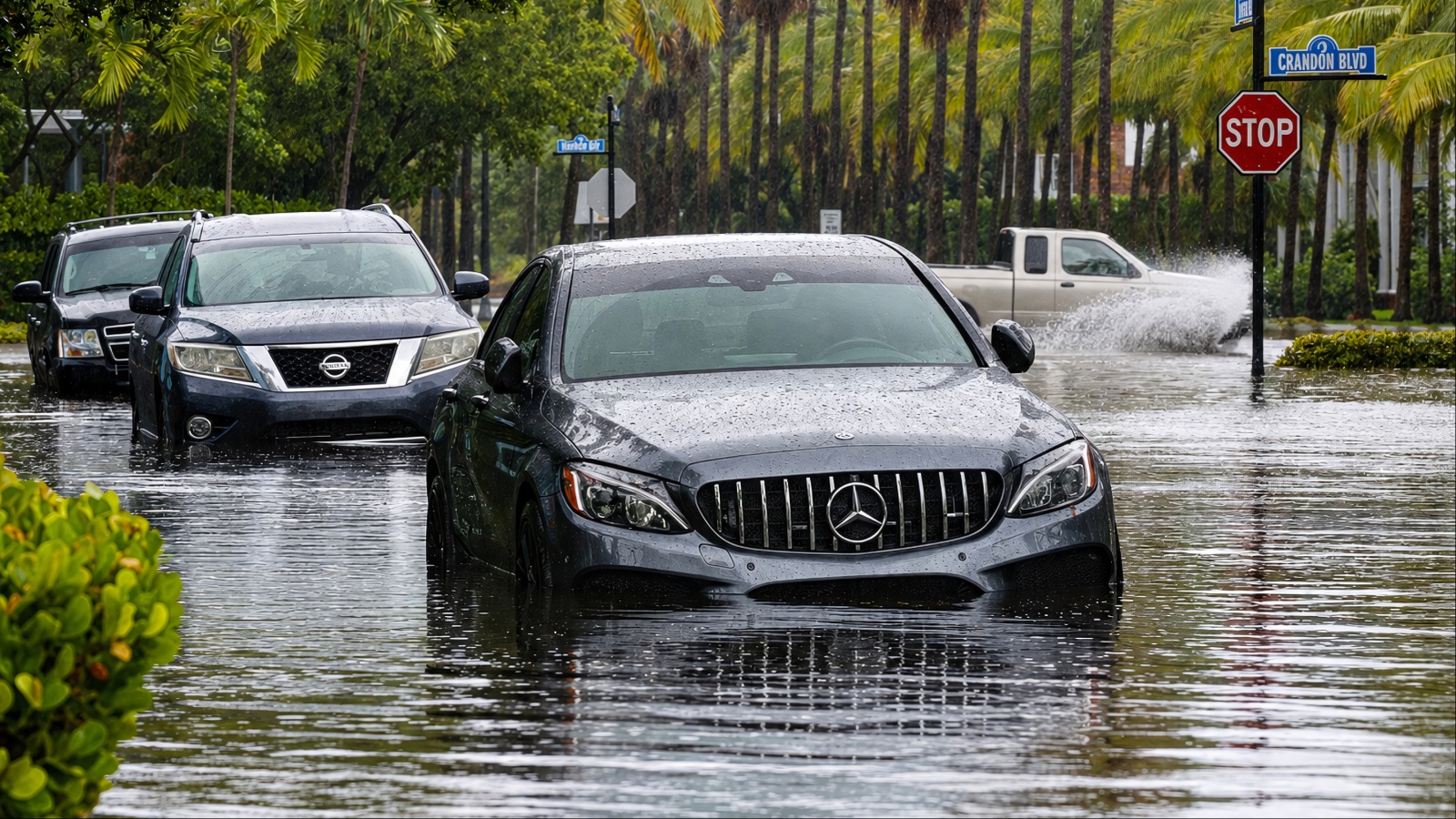
Shopping for a used car should feel exciting, not risky, but hurricane season leaves a mess behind that isn’t always visible on a dealer’s lot. Florida sees more than its share of flooding, and thousands of water-damaged vehicles get cleaned up, dried out, and quietly resold every single year, sometimes far from the state where the damage actually happened.
A flooded car might look perfectly fine at first glance while hiding corroded wiring, mold, or electronics that fail months down the road. The good news? A little detective work goes a long way. Here are eight signs that can help you spot a flood car before you sign anything, so you can shop with confidence instead of crossing your fingers.
1. Musty Odor or Excessive Air Freshener
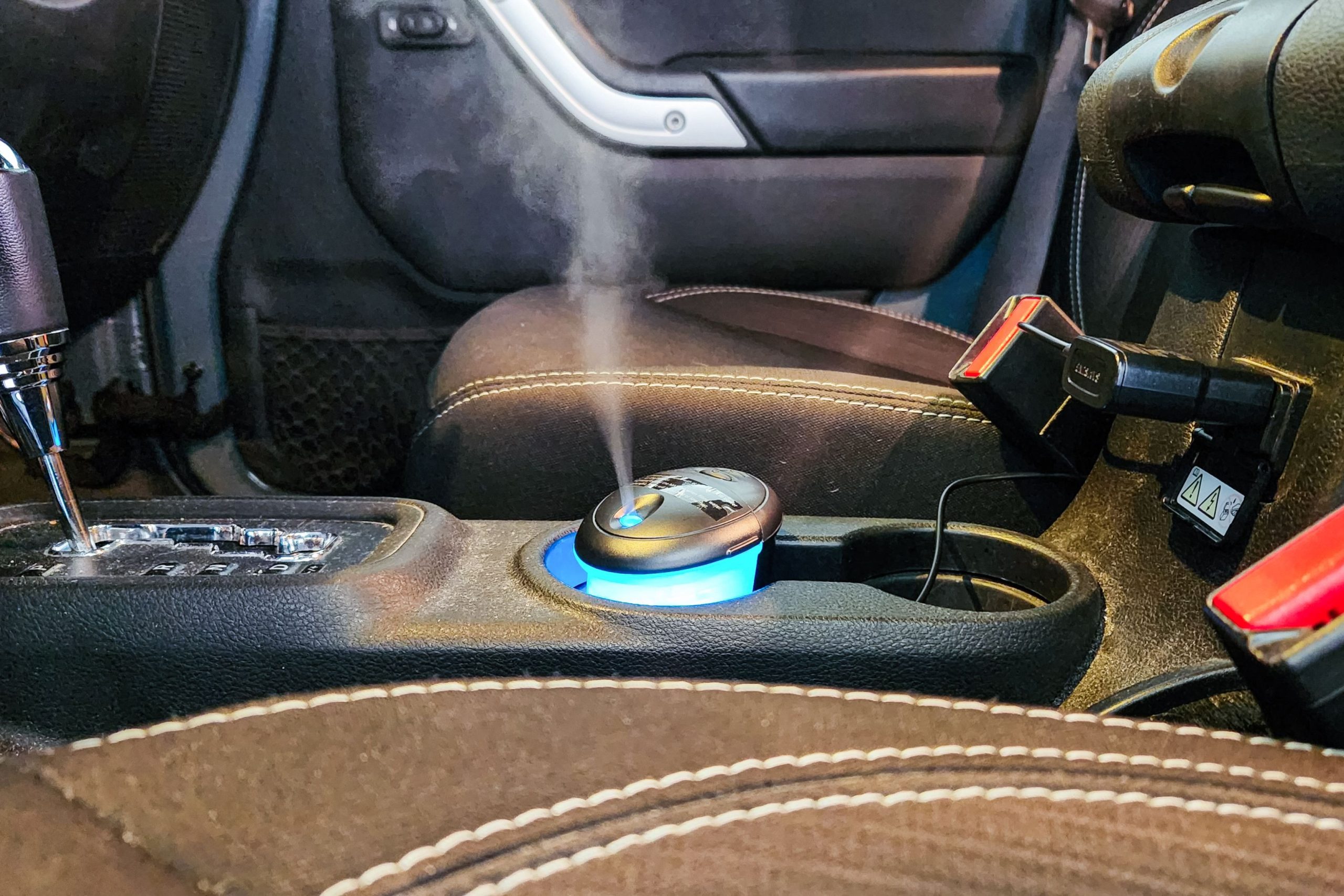
Open the door, lean in, and just breathe. Your nose is one of the most reliable tools you have on a used car lot, and it costs nothing to use. A damp, mildew-like smell lingering inside the cabin often signals that moisture soaked into carpeting, padding, or upholstery at some point and never fully dried out.
Mold doesn’t need a flood to grow, but a persistent musty smell paired with other warning signs deserves serious attention. Here’s the tricky part, though. Sellers trying to unload a flood-damaged vehicle know that smell is a dead giveaway, so many of them fight it with heavy doses of air freshener, scented sprays, or fresh detailing products applied right before a showing.
If a car smells like a candle store the moment you open the door, that’s worth questioning rather than appreciating. Ask yourself why someone felt the need to mask anything in the first place. Try rolling up the windows, turning off the fan, and sitting inside for a few minutes without the seller hovering nearby.
Odors have a way of resurfacing once artificial scents fade, especially in enclosed spaces on a warm afternoon. Checking under seats and inside door pockets, where fabric traps moisture longest, can also reveal smells that dashboard sprays never quite reach. Trust your instincts here. If something smells off, it usually is.
2. Rust or Corrosion in Unusual Places
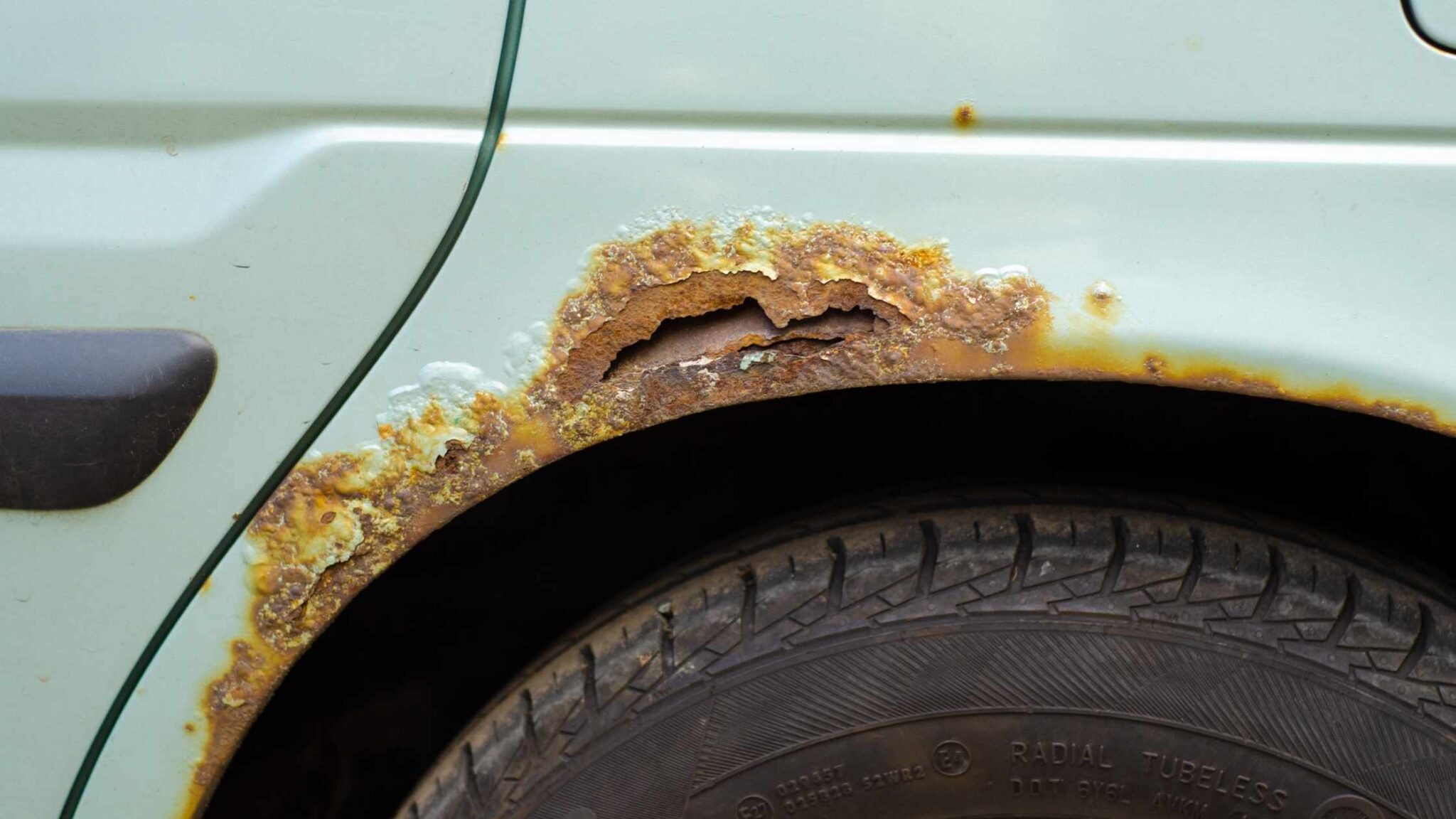
Cars are built to handle rain, road spray, and humidity in specific areas, which means engineers designed drainage and protection accordingly. Rust showing up somewhere it shouldn’t exist is one of the clearest clues that water reached places it was never supposed to touch.
Start by checking seat rails underneath the front and rear seats. These metal tracks sit low in the cabin and rarely see moisture unless water pooled on the floor at some point. Pedals deserve a look too, since rust forming on brake or gas pedal springs suggests standing water inside the footwell rather than typical wear from years of driving.
Door areas, including hinges and the metal strike plates, can also reveal corrosion that shouldn’t be there on a vehicle with reasonable mileage. Pop the hood and check the latch mechanism, then do the same in the trunk. Both areas sit higher up and generally stay dry, so rust or pitting here raises real questions about what that car sat in previously.
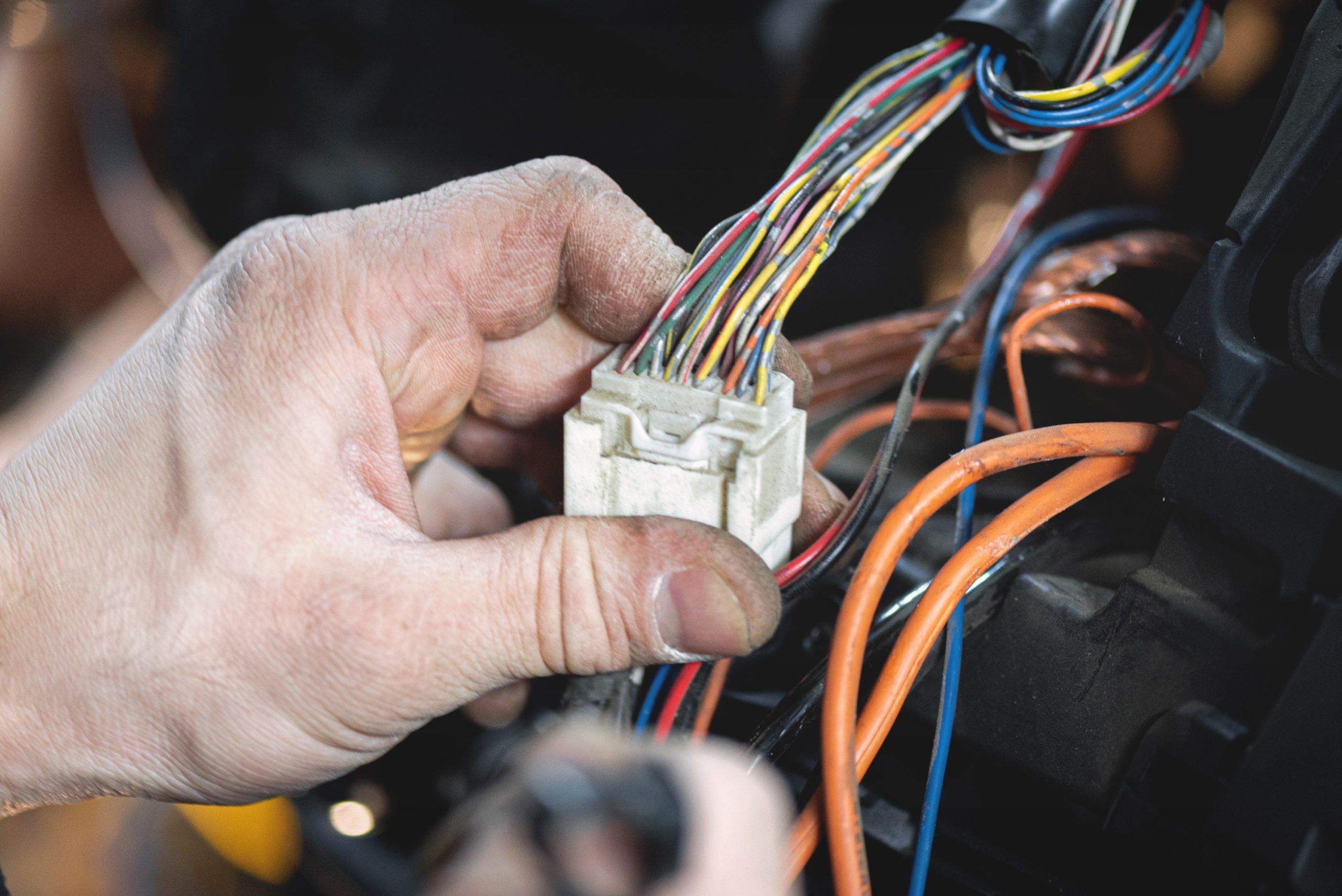
Electrical connectors deserve extra attention during this inspection. Corrosion around connector pins, often appearing as a white or greenish crust, points toward water intrusion that likely affected more than just the metal surface. Bring a flashlight, get down low, and take your time. Rust in the wrong spot tells a story that a clean exterior wash can’t hide.
3. Mud, Sand, or Silt in Hidden Areas
Floodwater rarely stays clean. It picks up dirt, sand, road debris, and organic material as it moves, then leaves that sediment behind once the water finally recedes. Even after a thorough cleaning, tiny traces often remain tucked into spots that detailing crews tend to overlook.
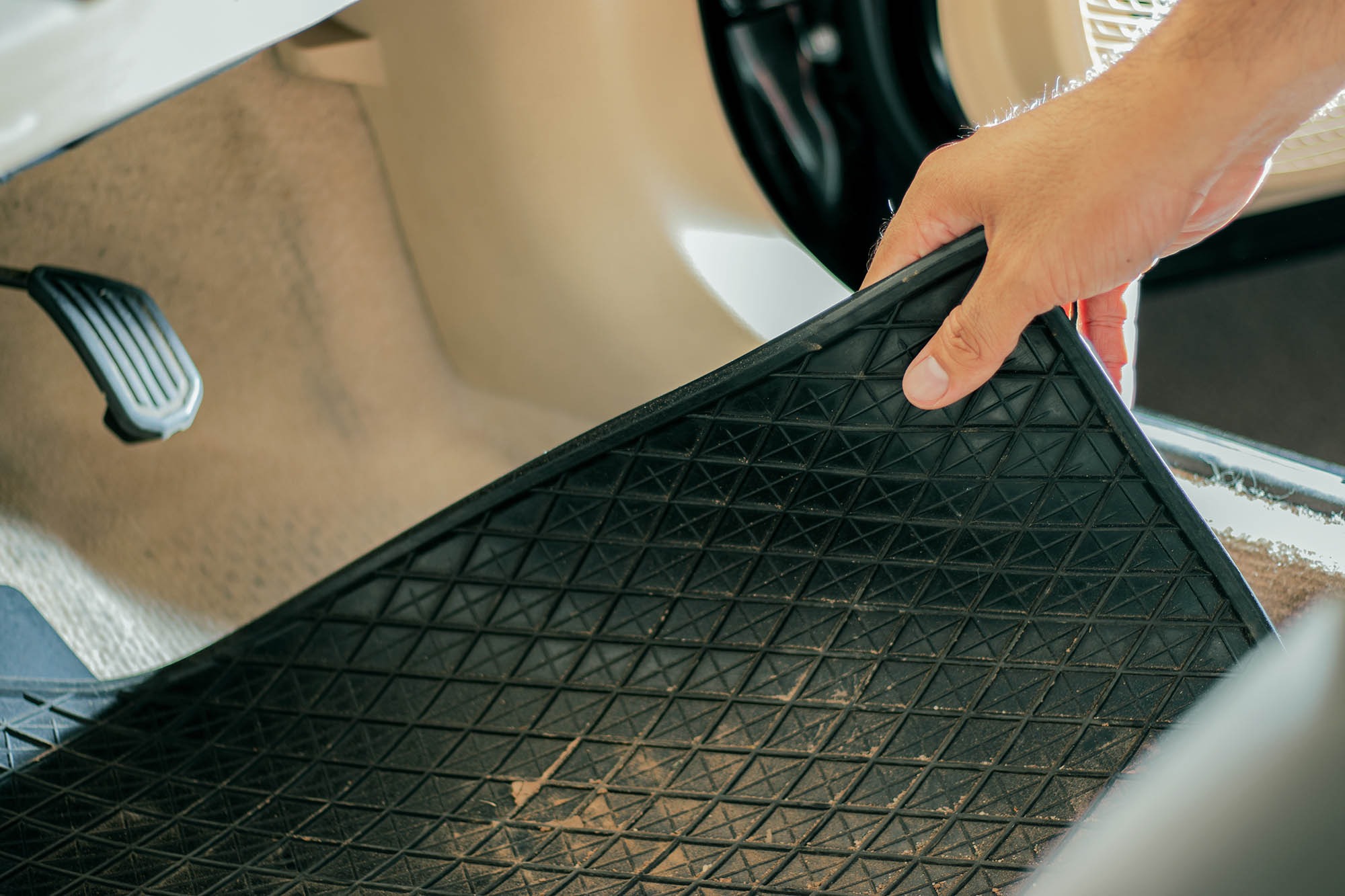
Pull back a corner of the carpet if you can, or ask the seller for permission to peek underneath the floor mats. Sediment trapped beneath carpeting is a strong red flag, especially if it looks gritty or sandy rather than typical dust buildup from normal use. Reach under the seats too, running your hand along the tracks and floor pan where debris tends to settle and stay hidden from a casual glance.
The spare-tire compartment deserves particular attention, since this space sits low in the trunk and rarely gets cleaned during routine detailing. Lift the panel, check around the spare tire itself, and look for water lines, silt, or a musty smell trapped in that enclosed space.
Don’t skip the glove box either. Open it fully, feel along the back corners, and check for grit or staining that wouldn’t make sense on a car with an otherwise tidy interior. These hidden compartments are exactly where sellers preparing a flood car for resale tend to run out of patience during cleanup, which makes them some of the most reliable spots for spotting trouble.
4. New, Stained, Loose, or Mismatched Carpet
Carpeting inside a car should generally match its age. A ten-year-old vehicle with worn seats, faded trim, and scuffed door panels shouldn’t have carpet that looks brand new, tightly stretched, and free of any staining or wear. That kind of mismatch is one of the easier flood signs to catch once you know what you’re looking for.
Get down and examine the edges of the carpet closely, particularly where it meets the door sills and center console. Replacement carpet installed after water damage often fits slightly loose or shows uneven trimming around these edges, since aftermarket installation rarely matches factory precision exactly. Compare the color and texture against the trunk liner or seat fabric, which should show similar wear patterns if everything in the cabin aged naturally together.
Water stains are another giveaway worth checking for directly. Even carpet that wasn’t replaced can show discoloration, faint ring patterns, or a slightly different shade near the edges compared to the middle of the floor. Press down gently in a few spots and see if any dampness or sponginess comes through, since padding underneath carpet can retain moisture for a surprisingly long stretch after flooding.
If a seller mentions the carpet was “recently replaced” without a clear explanation tied to something like a spilled drink or a specific repair, treat that detail as worth investigating further rather than brushing it aside.
5. Fogging or Moisture Inside Lights
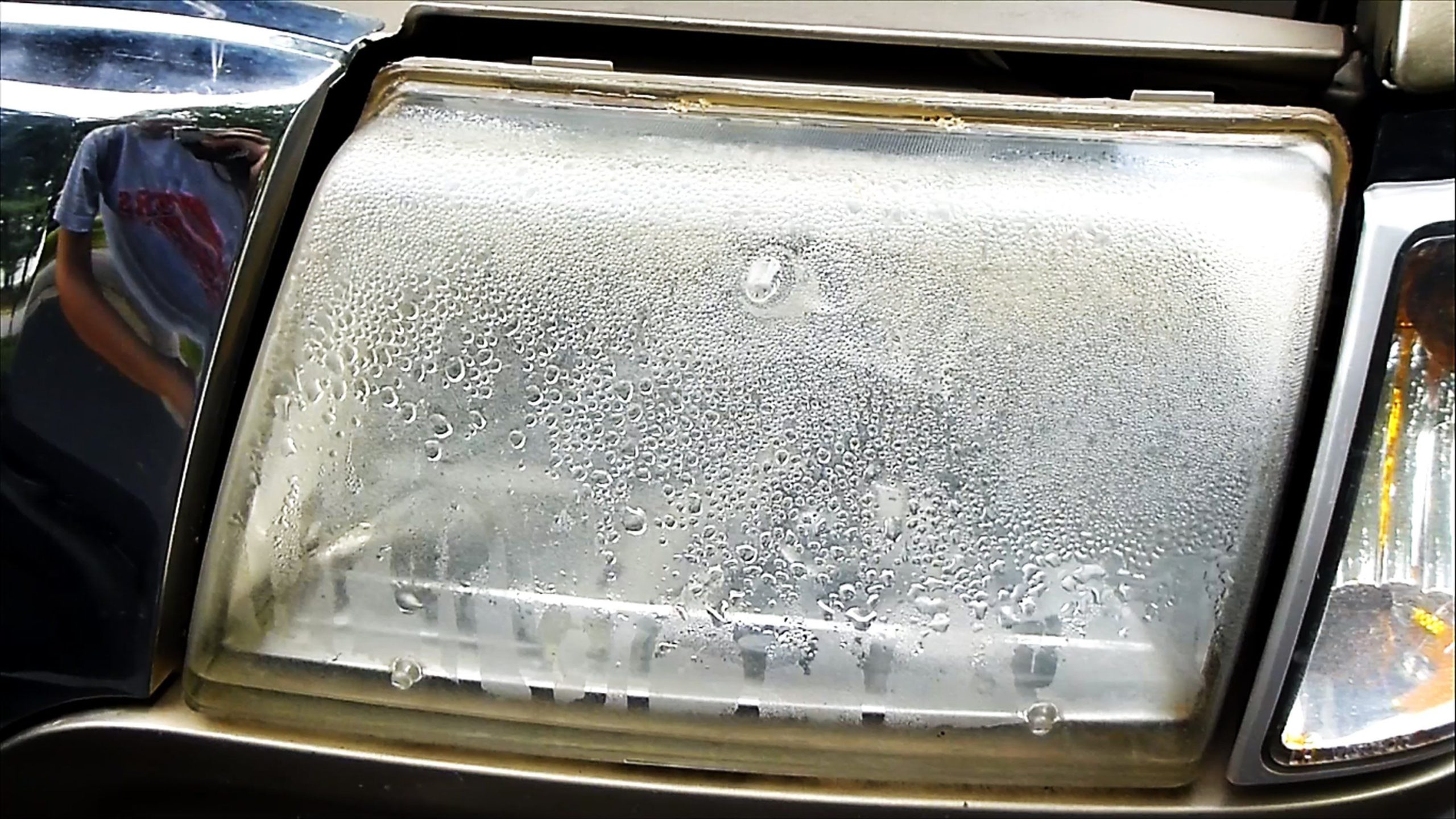
Headlights and taillights are sealed components, built specifically to keep moisture out through gaskets and weatherproofing designed to last the vehicle’s entire lifespan. When water manages to get inside these sealed housings anyway, that’s rarely a coincidence, and it often points toward a vehicle that sat submerged or parked in standing water for a stretch of time.
Walk around the car during your inspection and look closely at each headlight and taillight assembly. Condensation appearing as fogging, water droplets, or visible beads inside the lens is a sign that moisture breached a seal that should have held under normal conditions.
This applies to interior lighting too, so check dome lights, map lights, and any illuminated buttons on the dashboard while you’re at it. The instrument panel deserves a close look as well. If gauges appear foggy behind the glass, or if warning lights flicker inconsistently without an obvious reason, moisture may have worked its way into components that electrical systems depend on to function properly.
It’s worth being fair here. Moisture inside a light housing doesn’t automatically confirm flood damage on its own, since a cracked seal or a minor manufacturing defect can occasionally cause similar symptoms. What matters is context.
If fogged lights show up alongside musty odors, hidden sediment, or unusual rust, that combination becomes far more convincing than any single clue standing alone.
6. Electrical Problems
Modern cars run on electricity almost as much as they run on gasoline, with wiring harnesses controlling everything from power windows to safety sensors. Water and electrical systems have never mixed well, which makes a thorough electrical test one of the most revealing steps in spotting a flood car.
Roll every window up and down individually, listening for grinding, hesitation, or delayed response that might suggest a struggling motor or damaged wiring. Test each turn signal, both from inside the cabin and by walking around the exterior to confirm the bulbs actually respond correctly.
Wipers deserve attention too, running through each speed setting to check for smooth, consistent movement rather than jerky or inconsistent operation. The radio and climate controls can reveal plenty as well.
Cycle through radio stations, adjust the volume, and test the air conditioning along with the heating system across multiple settings. Dashboard functions like the odometer display, warning lights, and any onboard trip computer should all respond normally without flickering, freezing, or displaying garbled information.
Here’s something worth remembering: flood-related electrical trouble doesn’t always show up immediately. Corrosion inside connectors can take weeks or months to cause a noticeable failure, meaning a car that tests fine today might develop serious problems later once corrosion spreads further along a wiring harness.
This delayed pattern is exactly why a clean test drive alone can’t fully rule out water damage sitting quietly beneath the surface.
7. Flood, Salvage, or Other Branded Title
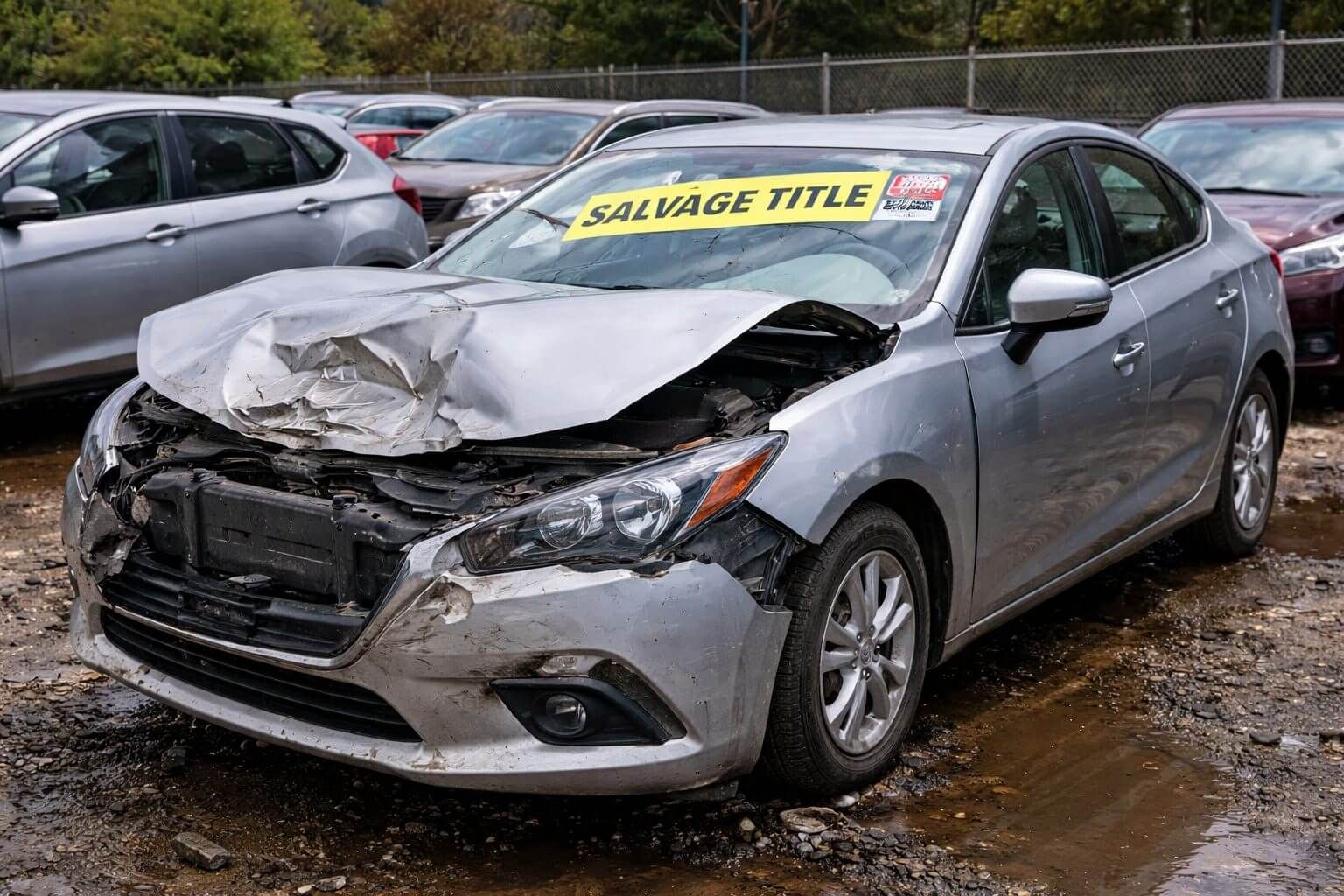
Paperwork tells its own story, and checking a vehicle’s title should be one of the very first steps in any used car purchase, not an afterthought handled during closing paperwork. States generally require insurers and dealers to brand a title when a car has sustained flood damage, salvage-level loss, or a rebuild following major repair, and skipping this check means skipping one of your strongest protections.
Request a vehicle-history report before committing to anything, and read through it carefully rather than skimming for a passing glance. Look specifically for language mentioning flood damage, salvage status, or rebuilt designation, since any of these terms should immediately raise questions about the car’s full history and what repairs, if any, followed the original damage.
Here’s the part buyers often miss, though. A clean title doesn’t guarantee a clean history. A practice known as title washing allows dishonest sellers to move a flood-damaged vehicle across state lines, sometimes multiple times, until the paperwork trail becomes muddled enough that a fresh title gets issued without any damage disclosure attached.
This loophole exists because title branding laws vary from state to state, creating gaps that some sellers exploit deliberately. Cross-reference the vehicle identification number through more than one reporting service if possible, since different databases sometimes catch different pieces of history.
Treat a spotless title as a good sign, not a guarantee, and keep pairing that paperwork check with the physical inspection steps.
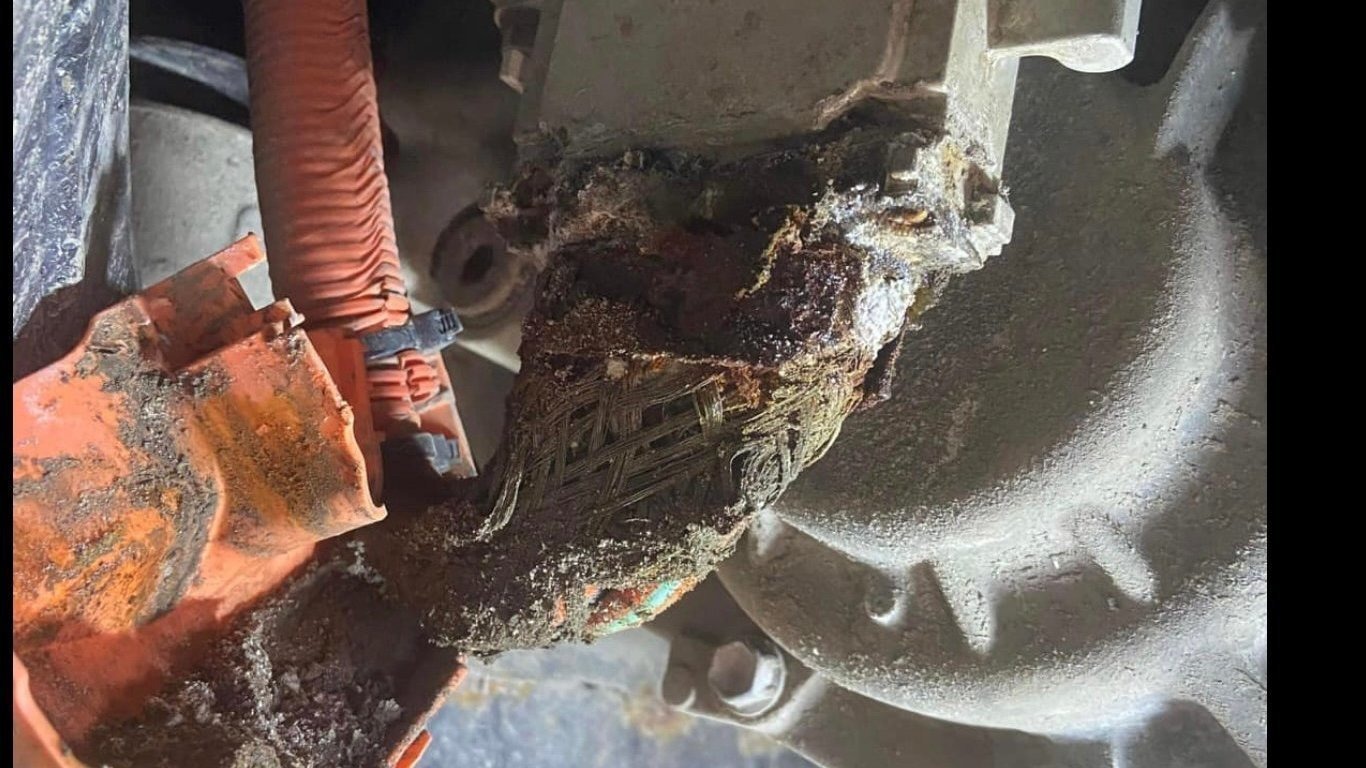
8. Corroded or Brittle Wiring Under the Hood
Popping the hood open gives you access to one of the most honest parts of any used car, since engine bay components are harder to clean thoroughly and harder to fake compared to interior surfaces. Wiring, connectors, and metal components under the hood tend to hold onto evidence of flooding long after a seller has scrubbed the cabin spotless.
Look closely at copper wiring connections throughout the engine bay. Green corrosion forming around these connection points is a strong indicator that moisture reached components that should have stayed completely dry throughout the vehicle’s life. Aluminum parts tell a similar story through a different pattern, often developing a white, chalky powder or visible pitting where water exposure has eaten into the metal’s surface as time goes on.
Ferrous metal components, meaning anything made from iron or steel, show their own warning signs through standard rust formation. Check brackets, mounting hardware, and structural components tucked around the edges of the engine bay where a casual glance might miss developing corrosion.
Wiring itself deserves a careful touch test where safe to do so. Brittle insulation that cracks or flakes when gently flexed suggests the wiring has been compromised, whether through age, heat, or previous water exposure that damaged its protective coating from the inside out.
Damaged connectors, meaning bent pins, corrosion buildup, or loose-fitting plugs, round out this final check, giving you one more solid piece of evidence before deciding whether a used car deserves your trust or your walk away.
