
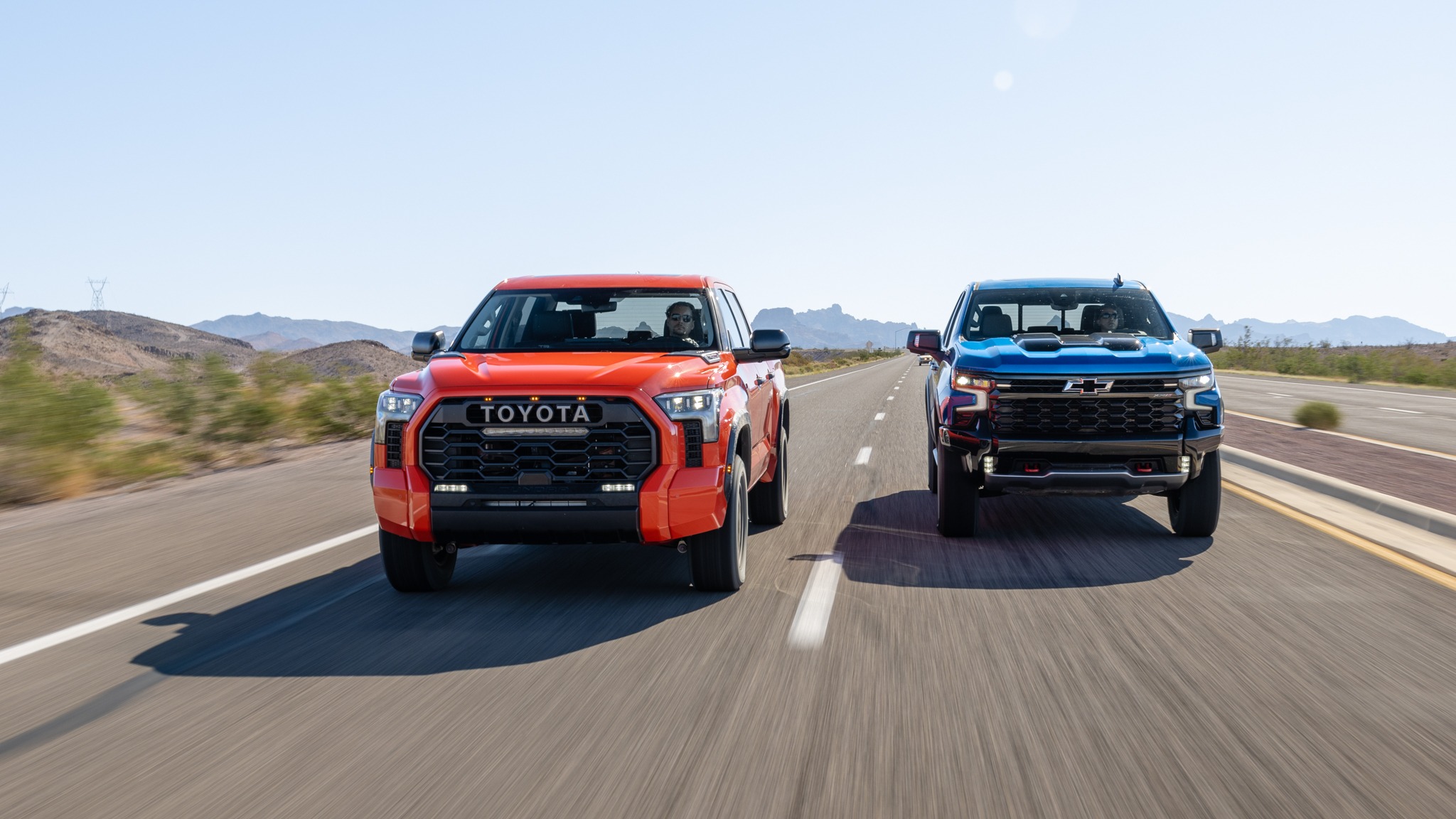
The Chevrolet Silverado 1500, GMC Sierra 1500, and Toyota Tundra all compete for buyers who want a full-size pickup that can handle commuting, hauling, towing, and weekend use. On paper, their numbers can look remarkably close, but the details matter. Engine choices, fuel economy, maximum towing capacity, payload, and crash-test results can point buyers in different directions.
The Silverado and Sierra also share much of their mechanical foundation, while the Tundra uses Toyota’s twin-turbo V6 and available hybrid system. Looking at EPA fuel-economy ratings, SAE J2807-based towing information, and IIHS evaluations provides a more useful comparison than relying on badges or styling alone.
Engine Choices and Everyday Performance
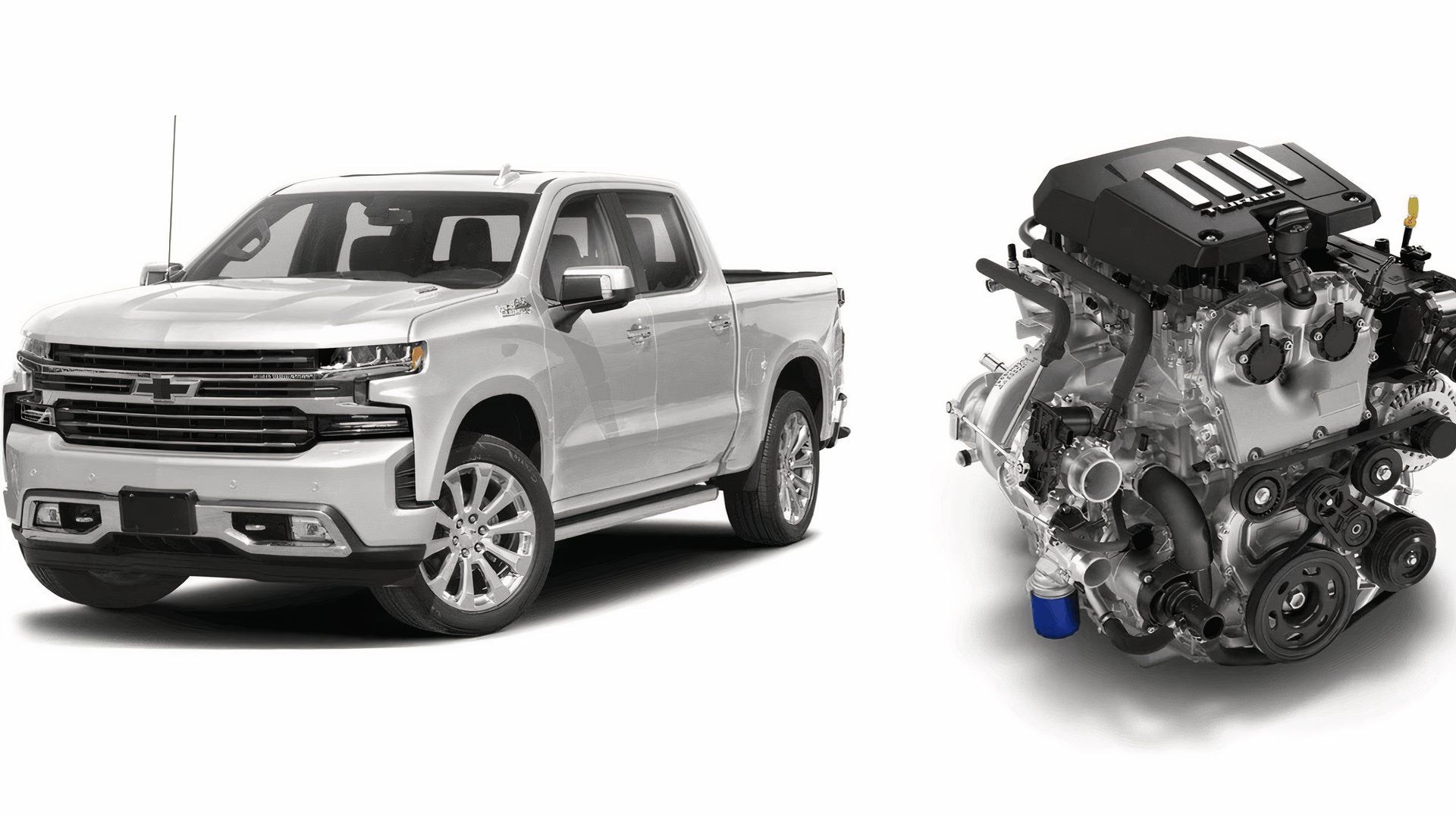
The Silverado 1500 and Sierra 1500 offer four engine options, including a TurboMax four-cylinder, 5.3-liter V8, 6.2-liter V8, and 3.0-liter Duramax diesel. The diesel produces 305 horsepower and 495 lb-ft of torque, while the 6.2-liter V8 delivers 420 horsepower and 460 lb-ft of torque.
GMC offers the same basic engine lineup in the Sierra 1500. The shared mechanical package means the two GM trucks have very similar performance figures, although equipment, configuration, and weight can affect the result.
Toyota takes a different approach. The 2026 Tundra uses a 3.4-liter twin-turbo V6, with up to 389 horsepower and 479 lb-ft of torque. The available i-FORCE MAX hybrid raises output to 437 horsepower and 583 lb-ft.
For everyday driving, all three provide substantial power. The GM trucks offer greater engine variety, while the Tundra places more emphasis on its turbocharged V6 and hybrid powertrain.
EPA Fuel Economy
Fuel economy depends heavily on engine, cab, drivetrain, tires, and equipment, so there is no single MPG figure that represents every version of these trucks.
The Silverado’s available Duramax diesel is especially efficient for a full-size pickup. Chevrolet lists up to 28 mpg highway, while published 2026 EPA figures show diesel configurations reaching as high as 23 city/29 highway/26 combined for certain 2WD versions.
The Sierra follows a similar pattern because it uses the same powertrains. Published 2026 figures list the 3.0-liter diesel at up to 23 city/29 highway/26 combined with 2WD, while four-wheel-drive versions are rated lower.
The Tundra’s gas models reach 18 city/24 highway/20 combined in the SR with rear-wheel drive. Its i-FORCE MAX hybrid can reach 20 city/24 highway/22 combined in certain rear-wheel-drive configurations.
That gives the Silverado and Sierra a fuel-economy advantage when equipped with their diesel engines, while the Tundra offers an appealing hybrid option for buyers who want a gasoline-electric powertrain.
Interior Space and Comfort
Spending hours behind the wheel makes cabin comfort matter just as much as horsepower figures, and each of these trucks approaches interior design a little differently.
The Silverado has earned recognition for offering some of the roomiest front-seat head and legroom in its class, a detail that matters plenty for taller drivers or anyone who spends long stretches commuting or working from the driver’s seat.
Its cabin leans toward a practical, functional layout, with clearly organized controls that prioritize usability over flash, which some buyers appreciate, and others find a bit plain compared to flashier competitors.
The Sierra, sharing its platform with the Silverado, offers a similar amount of space but distinguishes itself through GMC’s more upscale trim offerings and material choices, particularly in higher Denali and AT4 configurations where the interior feels noticeably more refined.
Toyota’s Tundra takes a more rugged approach in certain trims, especially the TRD Pro, where the cabin design emphasizes durability and off-road character over polish, sometimes at the expense of the premium feel buyers find in a well-equipped Silverado or Sierra.
Reviewers have pointed out that the Tundra’s interior quality can feel a step behind its two domestic competitors upon closer inspection, despite its strong mechanical and safety credentials elsewhere.
Buyers who prioritize maximum front-seat space and a more premium-feeling cabin may lean toward the GM trucks, while those drawn to a rugged, straightforward layout might find the Tundra’s approach more to their taste.
SAE J2807 Towing Ratings
Towing numbers require careful attention because maximum capacity applies only to specific configurations. The SAE J2807 standard was developed to create a consistent testing procedure for tow ratings, covering areas such as acceleration, braking, grade performance, and vehicle control.
Toyota has used the standard for Tundra ratings for many years. For 2026, Chevrolet lists the Silverado 1500 with up to 13,300 pounds of available towing capacity when properly equipped.
The 3.0-liter Duramax can provide substantial towing capability, depending on cab, drivetrain, package, and wheels. GMC lists up to 13,300 pounds for the 2026 Sierra 1500 in a properly equipped Double Cab 2WD configuration using the Duramax, Max Trailering Package, and 20-inch wheels.
Toyota lists a maximum 12,000-pound towing capacity for the 2026 Tundra. These figures should never be treated as universal limits for every version. Trailer weight, passengers, cargo, options, drivetrain, and the exact truck configuration can reduce the allowable load.
Towing and Payload Capacity
Numbers on a spec sheet mean the most when they’re backed by real capability, and towing is where this comparison gets interesting.
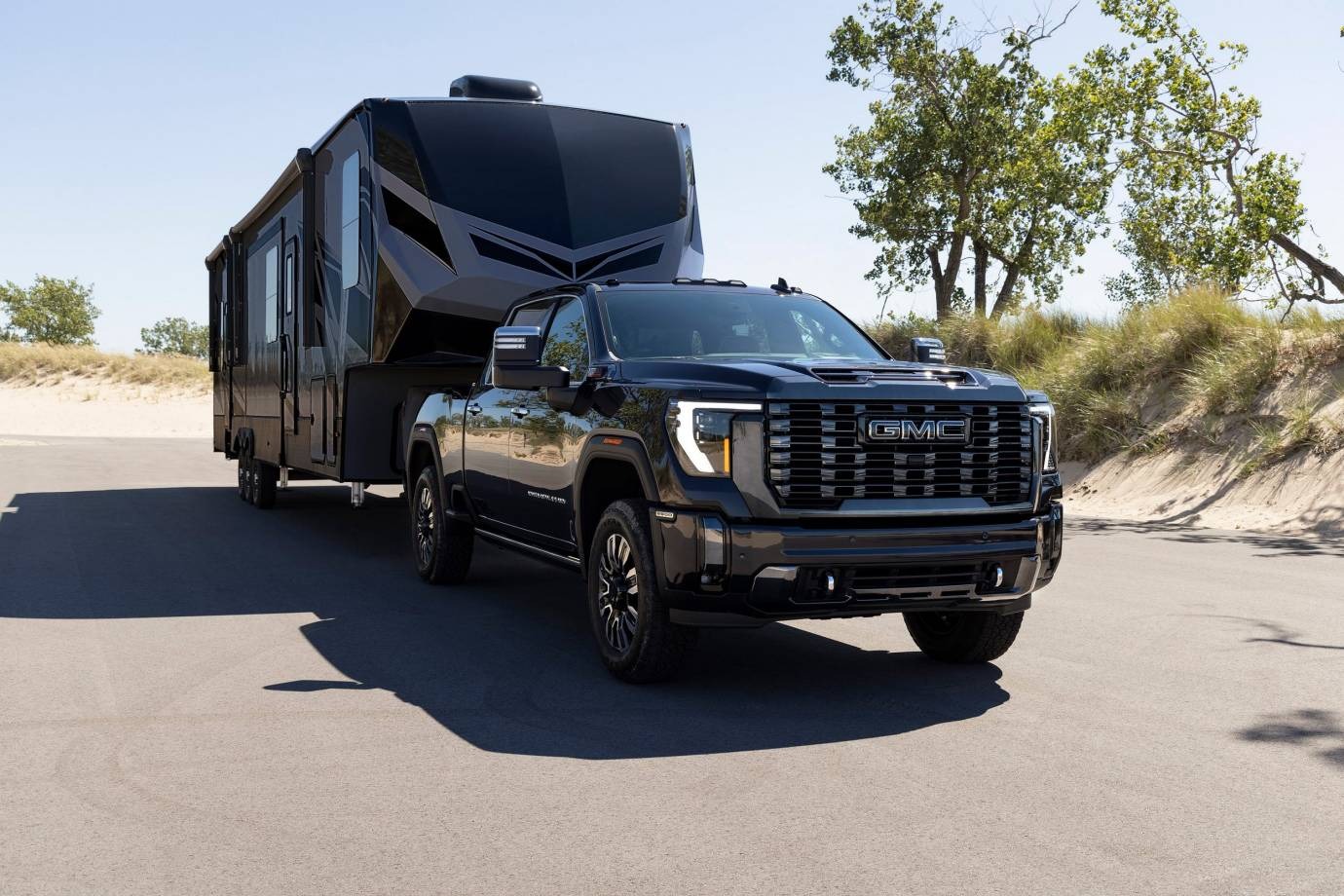
The GMC Sierra 1500 currently claims the top spot among this trio, with a maximum towing capacity reaching up to 14,500 pounds when properly equipped, matching the Silverado’s own ceiling since both trucks share the same maximum-capability drivetrain options.
That figure requires the right combination of engine, axle ratio, and towing package, so shoppers chasing the highest number need to configure carefully rather than assume every trim hits that peak rating.
The Silverado’s turbodiesel and 6.2-liter V8 both push toward the truck’s strongest towing figures, with the diesel reaching 13,300 pounds and the gas V8 close behind at 13,200 pounds in several configurations.
Toyota’s Tundra tops out lower by comparison, with the standard i-FORCE engine rated up to 12,000 pounds and the hybrid i-FORCE MAX slightly behind at 11,450 pounds, a gap that matters for buyers regularly hauling heavier trailers, boats, or equipment.
Payload tells a similar story, with the Tundra’s gas engine rated around 1,700 pounds and the hybrid coming in just slightly under that.
For buyers whose top priority is maximum towing muscle, the Sierra and Silverado currently hold a real advantage over the Tundra, though Toyota’s numbers remain plenty capable for the vast majority of everyday hauling needs most truck owners actually encounter.
IIHS Crash-Test Performance
Safety results give this comparison another dimension. IIHS lists the 2026 Toyota Tundra as a Top Safety Pick, with Good ratings in the small-overlap front and updated side tests.
Its headlights receive an Acceptable rating, while standard pedestrian front crash prevention also receives an Acceptable rating. The 2026 Silverado 1500 has a different IIHS profile.
The current IIHS page lists a Marginal small-overlap front rating for the large-pickup evaluation, a Poor rating for the updated moderate-overlap front test, and an Acceptable side rating. Its tested headlights are rated Poor.
The 2026 Sierra 1500 also receives a Marginal small-overlap front rating in the IIHS large-pickup results, while its headlights receive a Poor rating. Its standard pedestrian front crash-prevention system receives an Acceptable rating.
IIHS results can apply to particular cab styles, equipment, or model ranges, so shoppers should check the exact truck configuration being considered. The current 2026 awards list identifies the Tundra Crew Cab as a Top Safety Pick.
Cabin, Bed, and Technology
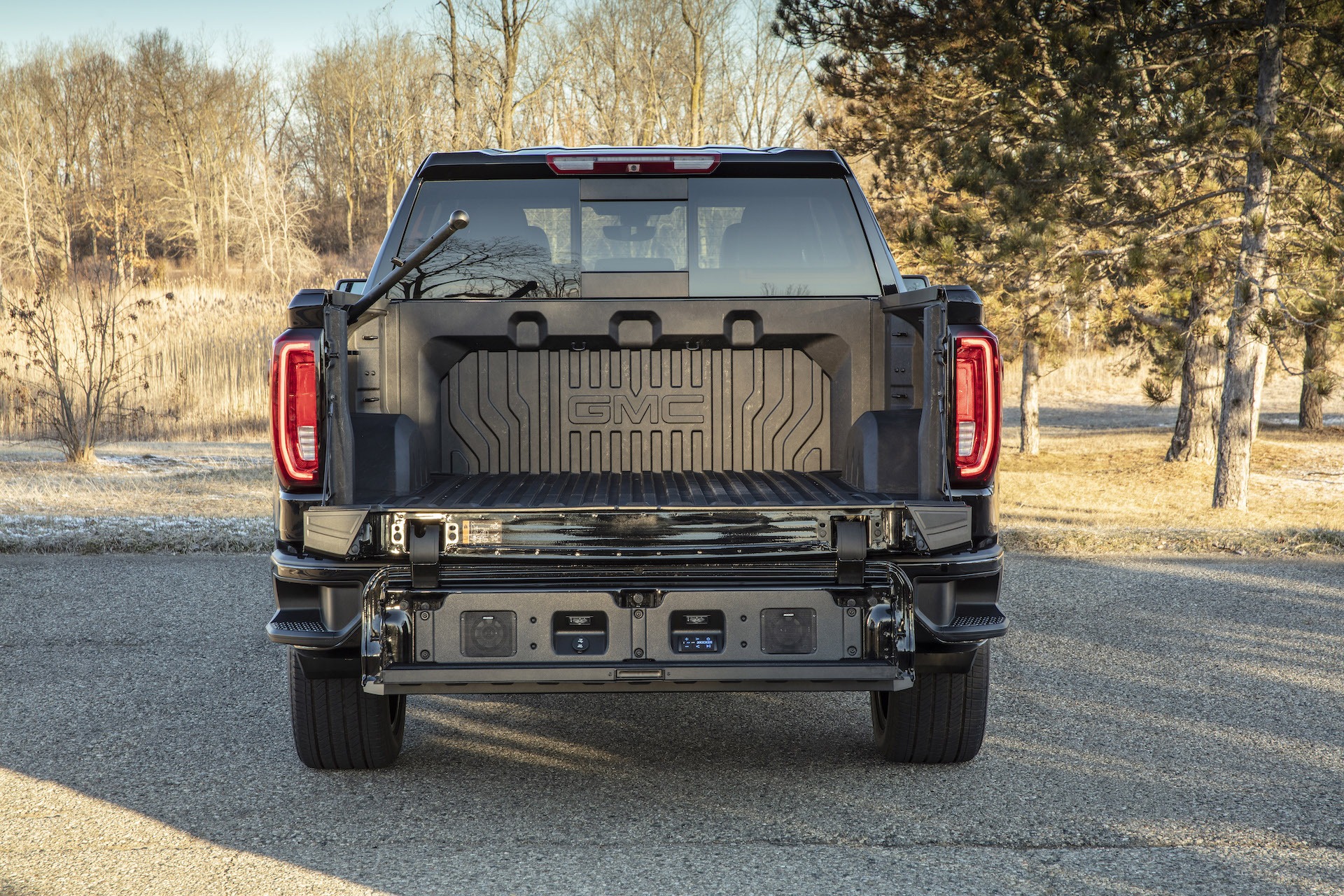
The Silverado and Sierra share substantial mechanical hardware, but Chevrolet and GMC give them different personalities. Silverado emphasizes a broad range of work-oriented and upscale configurations, while Sierra adds GMC-specific design, materials, and available features.
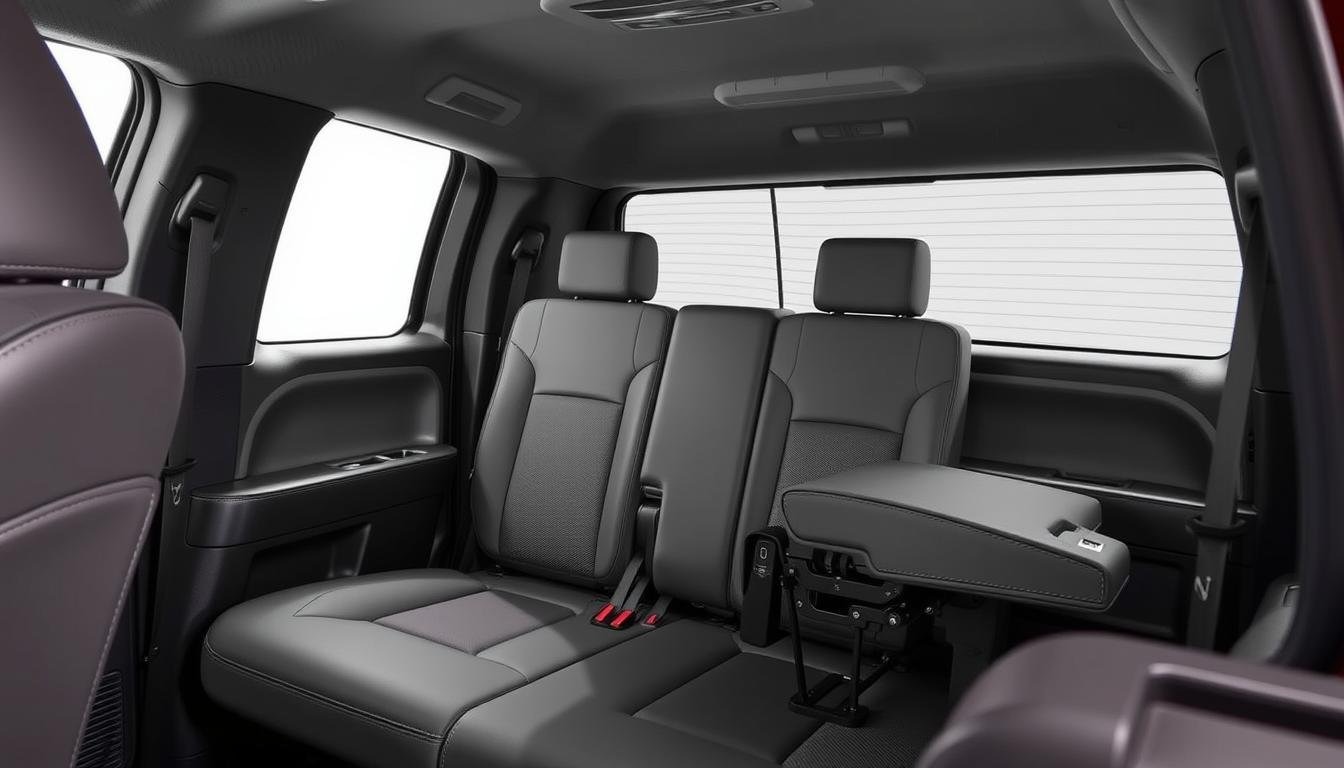
Both trucks offer multiple cab and bed arrangements, giving buyers room to tailor the truck toward work, family use, or recreational towing. The Sierra Crew Cab provides 43.4 inches of rear legroom, according to GMC.
The Silverado offers its Multi-Flex tailgate and Durabed, with Chevrolet claiming 89.1 cubic feet of standard cargo volume. Toyota takes a different approach with the Tundra.
Its standard composite bed is available in 5.5-foot, 6.5-foot, and 8.1-foot lengths, while its multi-link rear suspension uses coil springs. The choice here can come down to how the truck will be used.
A contractor may care more about bed configuration and payload, while a family buyer may place greater value on rear-seat room, ride quality, technology, and available comfort features.
Which Truck Fits Your Needs
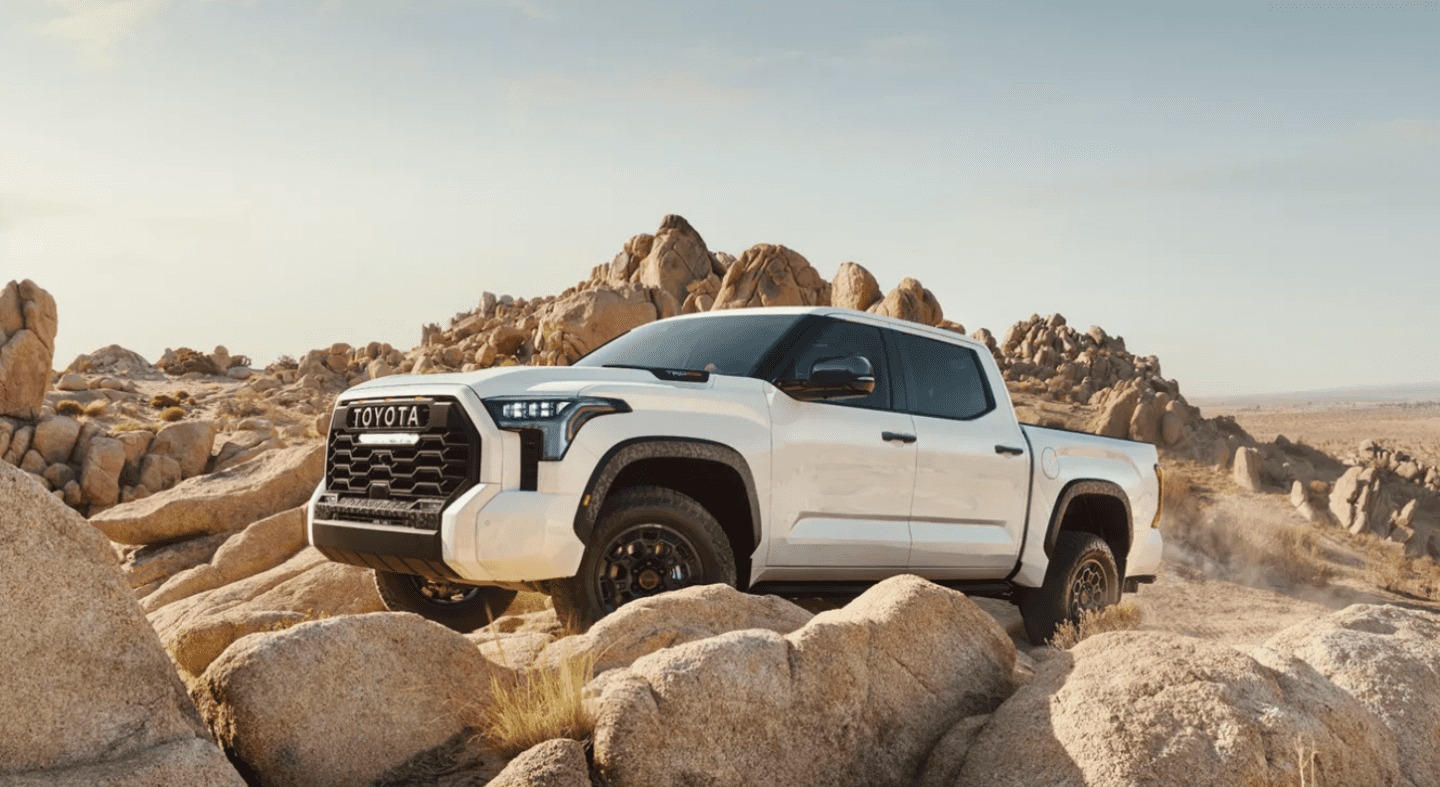
There’s no single winner here, and that’s genuinely the point. Buyers who want maximum towing capability paired with a traditional V8 feel should lean toward the Sierra or Silverado, particularly given their shared 14,500-pound towing ceiling and roomy front-seat cabin space that holds up well for daily driving and long hauls alike.
Those focused specifically on fuel efficiency without sacrificing serious power have a strong case for the Tundra’s hybrid i-FORCE MAX, which delivers competitive torque alongside genuinely useful real-world mpg gains over a traditional V8 setup.
Families or anyone prioritizing top-tier crash safety credentials should give real weight to the Tundra’s IIHS Top Safety Pick+ distinction, a mark neither the Silverado nor Sierra currently holds.
Buyers focused on resale value and long-term ownership costs will find the Tundra’s stronger depreciation numbers compelling, even if it means paying more upfront compared to a comparably equipped Silverado.
GMC’s Sierra makes the most sense for buyers who want Silverado-level capability wrapped in a more upscale cabin and styling package, provided the added cost of higher trims fits the budget.
None of these three trucks is a poor choice, and the right pick genuinely depends on which specific priorities matter most to you, whether that’s raw towing muscle, fuel savings, safety credentials, interior refinement, or how much value the truck holds onto once it’s time to sell.
