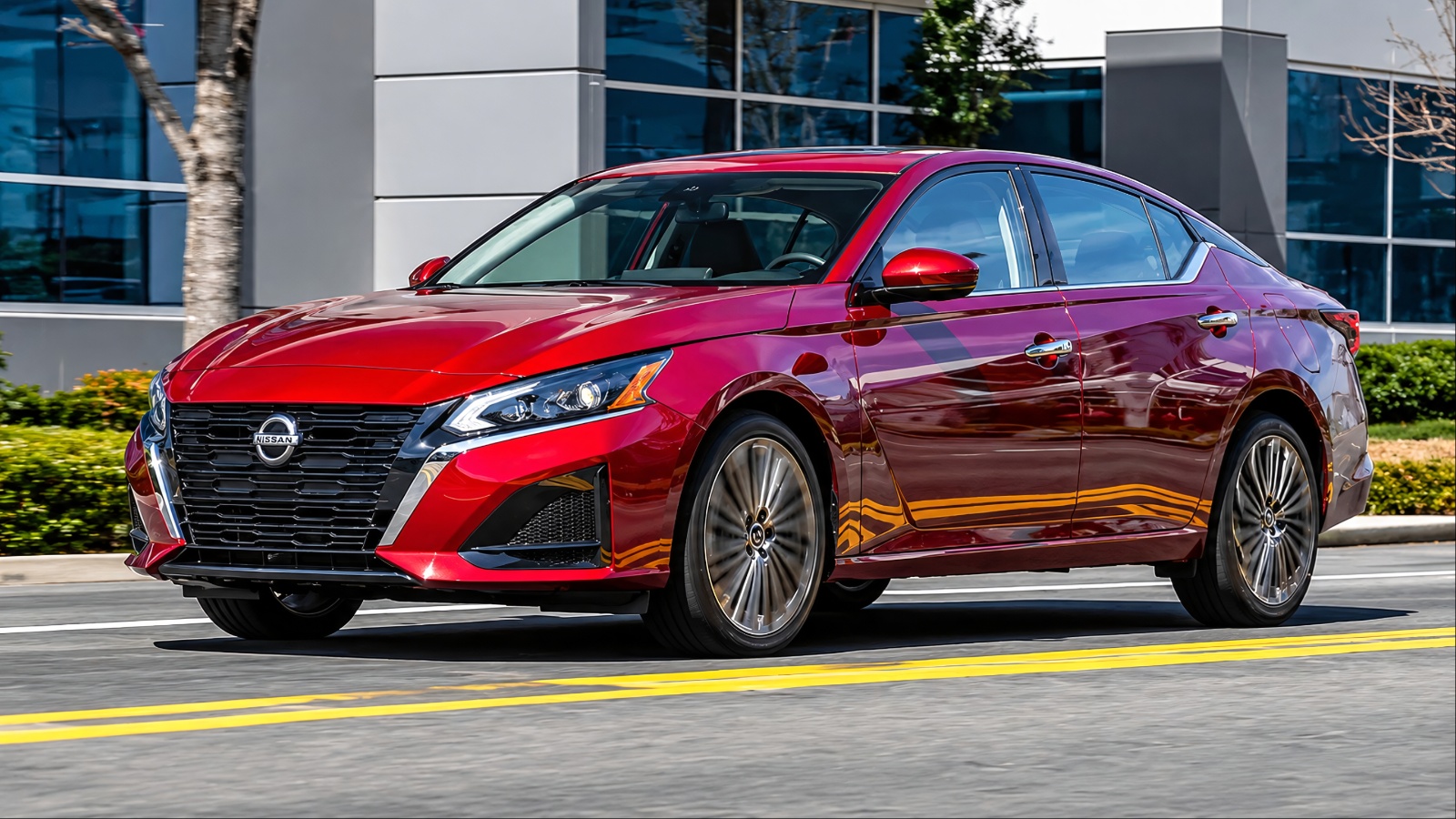
Ohio does not require every privately owned passenger car to pass a statewide annual safety inspection. However, Ohio law allows State Highway Patrol officers to order inspections of vehicles suspected of being unsafe, and political subdivisions that operate inspection programs must follow state equipment standards. Salvage and self-assembled vehicles are also inspected against many of these requirements before they can return to normal road use.
That distinction matters for the eight cars below. None of these models automatically fails merely because of its badge or model year. Each represents a specific condition that would violate an item Ohio inspectors are required to examine, including tires, brakes, lights, steering, glass, exhaust equipment, window tint, and fuel systems. Ohio can issue a repair order or remove a vehicle from highway operation when an inspection determines that it is unsafe.
1. 2015 Subaru WRX With Extremely Dark Front Window Tint
A modified 2015 Subaru WRX with extremely dark tint on the driver and front passenger windows can run into trouble during an Ohio equipment inspection. The WRX itself is completely legal, but the aftermarket film can make an otherwise well-maintained car noncompliant. This is particularly relevant because dark tint remains one of the easiest modifications for an inspector to identify without taking anything apart.
Ohio regulates how much visible light can pass through the windshield and the windows immediately beside the driver. The front side windows generally must allow at least 50 percent light transmission within the tolerance specified by state rules. Windshield tint has stricter limitations, and reflectorized material is not permitted on the windshield or vehicle windows. Medical exemptions can apply when the required documentation is carried.
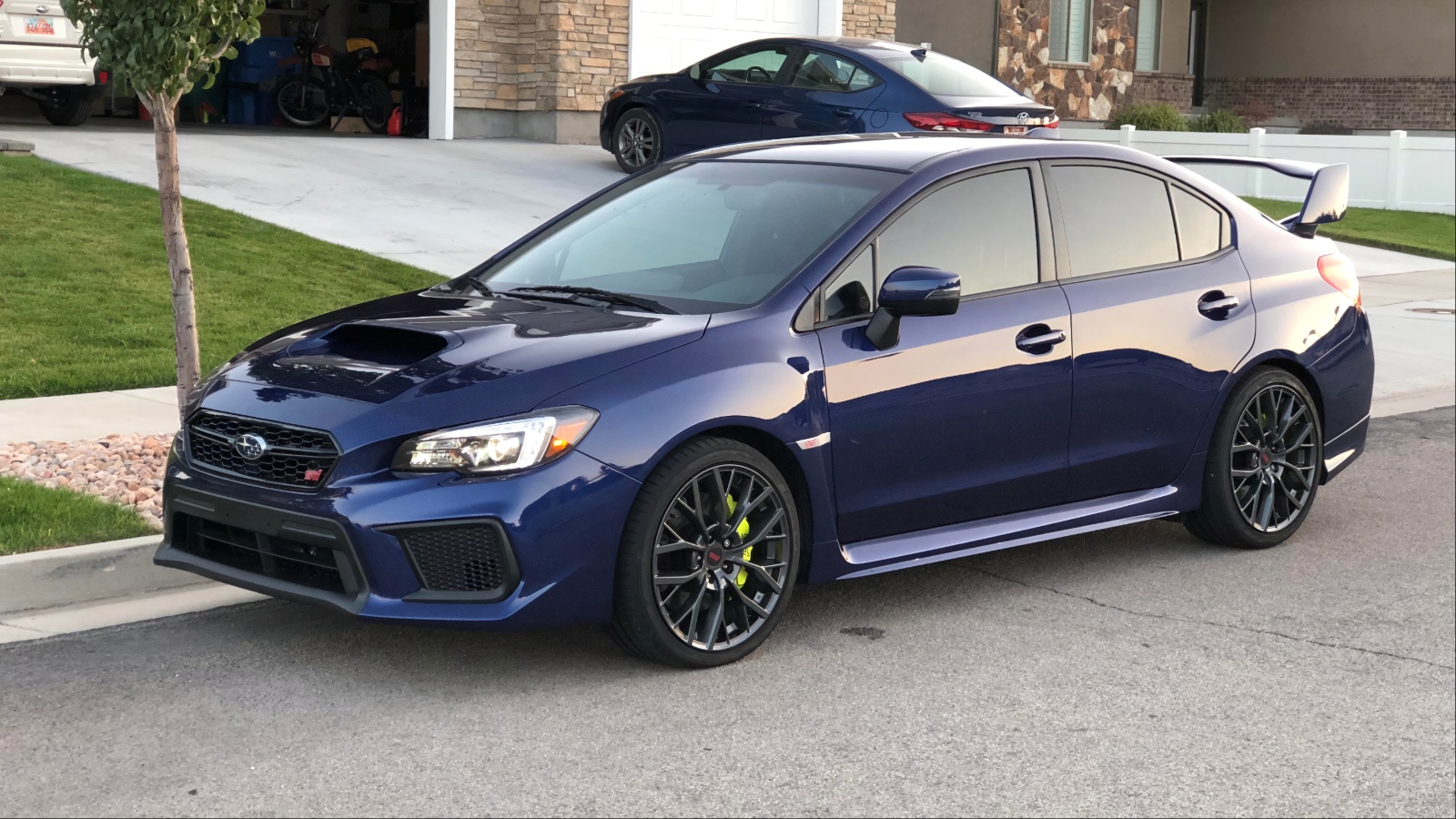
Imagine a used WRX fitted with 5 percent limousine-style tint on every window. That may deliver the dark appearance the owner wants, but the front side windows are far below the normal Ohio requirement. An inspection would not overlook the modification simply because visibility seems adequate to the driver.
The cure is usually much easier than repairing a mechanical defect. The illegal film can be removed and replaced with compliant material before the vehicle is inspected again.
The lesson is that aftermarket modifications count during a safety inspection. A WRX can have perfect brakes, fresh tires, and no warning lights and still have an equipment violation because the glass no longer complies with Ohio rules.
2. 2014 Chevrolet Cruze With Bald or Damaged Tires
A 2014 Chevrolet Cruze sitting on four worn tires can fail an Ohio equipment inspection even if the engine runs perfectly and the dashboard shows no warning lights. Tires are specifically included among the components Ohio inspection stations and officers are instructed to examine. The rules establish a measurable minimum rather than leaving the decision entirely to an inspector’s opinion.
Ohio requires a minimum tread depth of one-sixteenth of an inch on the road surface. That equals 2/32 of an inch, which is the point where the tread wear indicators on many passenger tires become flush with the surrounding tread. The rule also rejects tires with major bulges, breaks, thrown tread, or another condition that makes them unsafe.
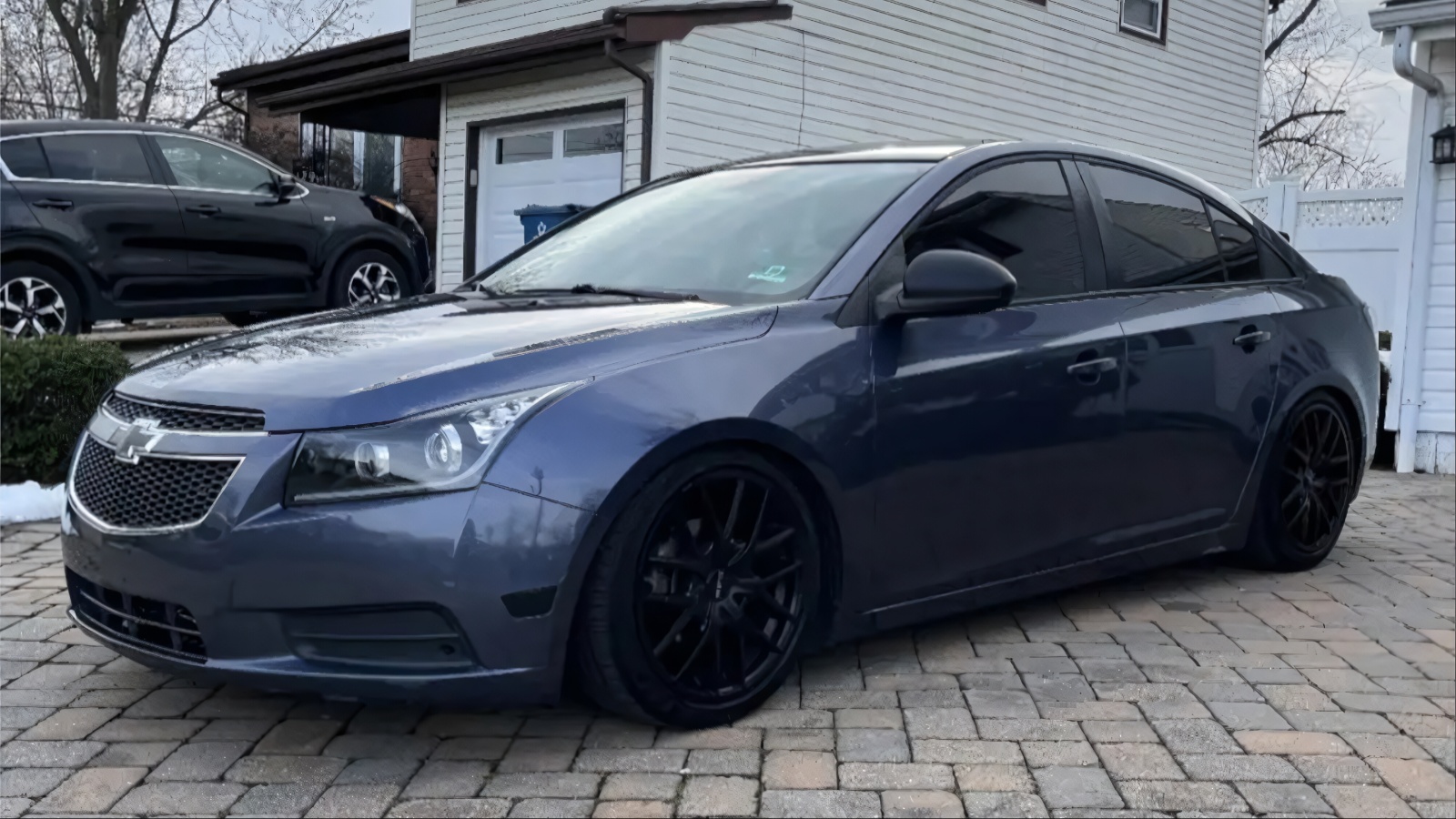
Consider an older Cruze that has spent years commuting through Ohio weather. The front tires may be nearly smooth because of mileage, while one rear tire has a sidewall bulge after hitting a pothole. The owner might still drive the car every morning because it has not actually suffered a blowout.
An inspection looks at the condition that exists now rather than waiting for the tire to fail. Tires below the legal tread requirement or showing major structural damage would need replacement before the car could satisfy the standard.
This is one reason cheap used cars can become expensive immediately after purchase. A buyer may focus on the engine and transmission while overlooking four tires that are already finished. On a Cruze with inexpensive market value, replacing an entire set can materially change whether the bargain was really a bargain at all.
3. 2013 Ford Focus With Leaking or Ineffective Brakes
A 2013 Ford Focus with a soft brake pedal or hydraulic fluid leaking at one wheel has a much more serious problem than an annoying maintenance item. Ohio’s inspection standards specifically test the service brakes and emergency brake. A vehicle that cannot meet the braking requirements is exactly the type of car the state’s unsafe-vehicle law is designed to keep from normal highway operation.
The inspection standard checks whether the hydraulic system can maintain pedal height under pressure. Inspectors also look for leakage at the wheel cylinders or braking system. A passenger vehicle equipped with brakes on all wheels must be capable of stopping within 30 feet from 20 mph under the conditions described by the state rule. The parking or emergency brake must also hold the vehicle properly.

Picture a Focus that needs the brake pedal pumped twice before it becomes firm. One rear caliper is damp with brake fluid, and the parking brake barely keeps the car from rolling on a driveway. The vehicle may still slow down in ordinary traffic, but those symptoms show that the braking system cannot be trusted.
An Ohio inspection is not based on whether the driver has learned to compensate for the problem. The car has to satisfy the actual equipment requirements.
The repair may involve a leaking caliper, wheel cylinder, brake hose, master cylinder, or another hydraulic component. After repairs, the system must be bled correctly and the braking performance restored.
A cheap Focus with serious brake problems is therefore not ready for the road simply because it can move under its own power.
4. 2015 Nissan Altima With Broken Headlights and Turn Signals
A 2015 Nissan Altima with one dead headlight and a nonfunctioning turn signal would have an obvious problem during an Ohio safety equipment inspection. Ohio specifically includes headlights, stop lamps, and directional signals among the equipment that inspectors examine. These are not optional convenience features once the vehicle is operated on a public road.
Ohio requires motor vehicles to have functioning headlights. Directional signals on vehicles manufactured after January 1, 1954 also have to be in working order, and the signal lamps must be visible from at least 300 feet under normal sunlight. Current Ohio law also requires most passenger vehicles to carry at least two functioning stop lights.
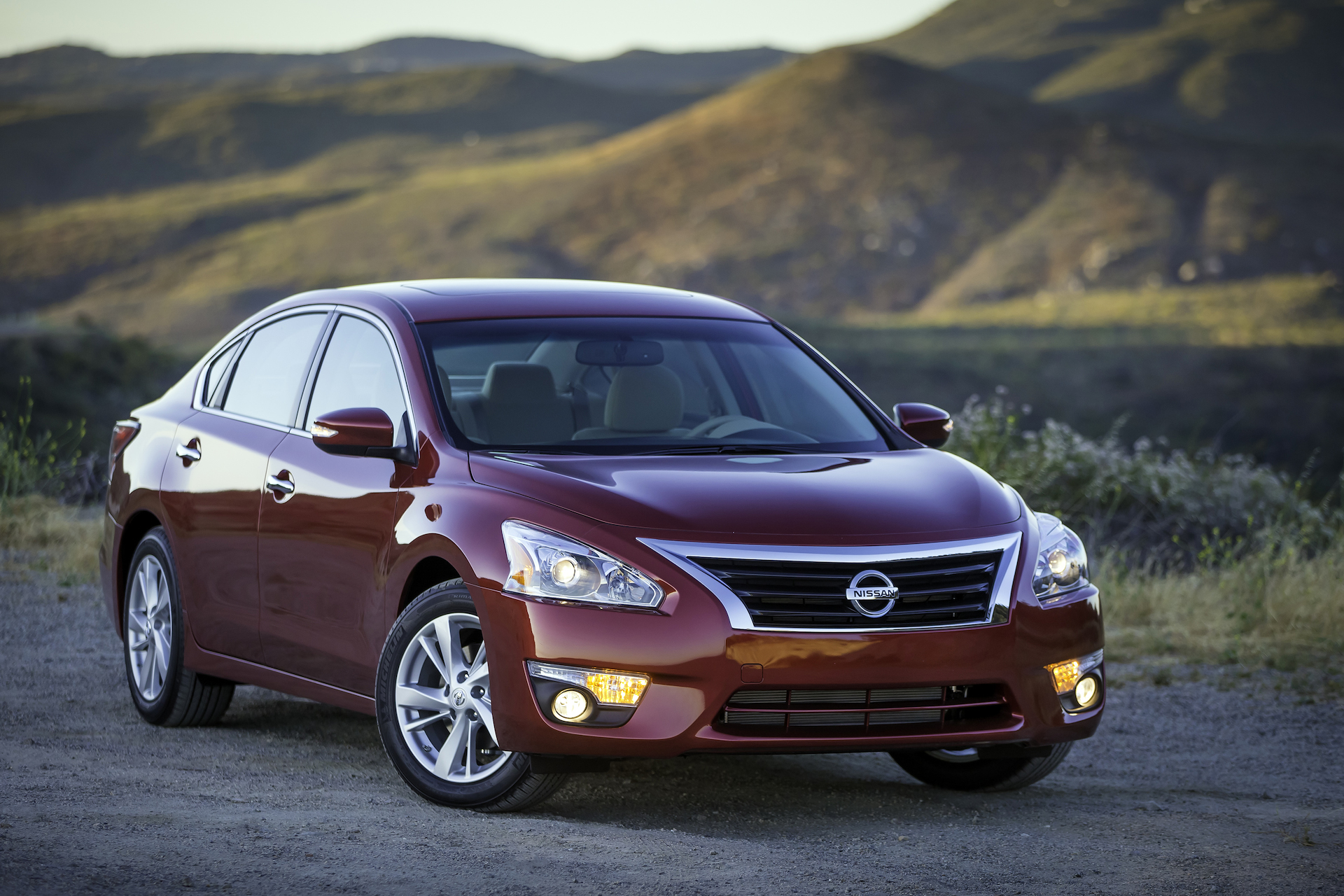
Consider an Altima that was involved in a minor front-end collision. The bumper has been replaced, but one headlight connector was damaged, and the front turn signal on that side no longer works. The owner may postpone repairing it because the other headlamp still provides enough light to drive home.
That does not make the equipment compliant.
Problems can also appear after inexpensive aftermarket lighting modifications. Poorly installed LED bulbs may flicker, fail completely, or produce an improper beam. A damaged socket or corroded connector can create an intermittent problem that returns whenever the vehicle hits a bump.
The solution may be as easy as replacing a bulb, but collision damage can turn it into a wiring or complete lamp assembly repair.
For inspection purposes, the important point is simple. The required lighting has to work properly when the car is presented, not only when conditions happen to make the defect less noticeable.
5. 2014 Jeep Grand Cherokee With Excessive Steering Play
A 2014 Jeep Grand Cherokee with loose steering may still travel down the highway, but excessive play is something Ohio’s inspection standards specifically address. Steering is one of the major categories inspectors are instructed to examine because a failure can immediately affect the driver’s ability to control the vehicle.
Ohio’s inspection rule requires the steering assembly to operate normally. Power steering systems are permitted no more than two inches of steering-wheel movement under the inspection standard, while manual steering systems are permitted up to three inches. The sector shaft must be secure, and the system cannot have binding or excessive lash.

Imagine a high-mileage Grand Cherokee that wanders across the lane and requires constant corrections. The steering wheel moves noticeably before the front wheels react. That could point to worn tie-rod ends, ball joints, steering gear components, bushings, or another part of the steering linkage.
The inspector does not need to wait until something separates completely. Excessive looseness itself indicates that the steering system is no longer operating within the prescribed standard.
This is also why steering complaints should not be dismissed as an alignment problem until the suspension and linkage have been physically inspected. An alignment machine cannot compensate for worn mechanical components.
A Grand Cherokee used on rough roads can accumulate wear in several places simultaneously. Replacing one part may reveal another component that is already near the end of its service life.
Until the excessive steering play is corrected, the vehicle may be drivable in the everyday sense, but it is not in the condition Ohio’s inspection rules consider acceptable.
6. 2012 Honda Accord With a Cracked Windshield and Failed Wipers
A 2012 Honda Accord with a badly cracked windshield and dead windshield wipers can run perfectly while still failing an Ohio equipment inspection. Ohio requires inspectors to examine the windshield, window glass, and windshield wipers. The rules treat clear outward visibility as basic safety equipment rather than a cosmetic condition.
Ohio inspection standards require automotive safety glass and say the glass should be free from cracks, discoloration, diffusion, and unauthorized obstructions. State law also requires a windshield on ordinary passenger vehicles and requires a device capable of clearing rain, snow, or other moisture. That device has to remain in good working order.

Consider an Accord with a crack running from the passenger side across the driver’s viewing area. The wiper motor has also stopped working, so the owner keeps a bottle of water and a towel in the car during bad weather.
Neither workaround satisfies the equipment standard. A windshield crack can spread rapidly after a temperature change or a hard pothole impact. Failed wipers create an even more immediate visibility problem during heavy Ohio rain or snow.
Repairs are usually straightforward compared with an engine or transmission failure. The windshield may need replacement, while the wiper problem could involve the motor, linkage, switch, fuse, wiring, or damaged arms.
The important part is restoring the equipment before inspection rather than arguing that the driver can still see through the remaining clear glass.
A mechanically healthy Accord can therefore be considered unsafe when the driver cannot reliably maintain a clear view of the road.
7. 2015 Ford Mustang GT With a Straight-Pipe Exhaust
A modified 2015 Ford Mustang GT can create an inspection problem when its factory exhaust has been replaced with a straight-pipe system or an exhaust cutout. Performance cars are commonly modified for more sound, but Ohio’s inspection rules specifically cover the exhaust system and do not simply ask whether the pipes are physically attached to the car.
Ohio requires an internal-combustion vehicle to have an exhaust system in good working order and constant operation. The rules prohibit muffler cutouts, bypasses, and similar devices. They also prohibit exhaust systems that produce excessive or unusual noise and require an appropriate standard muffler or another system meeting the applicable requirements.
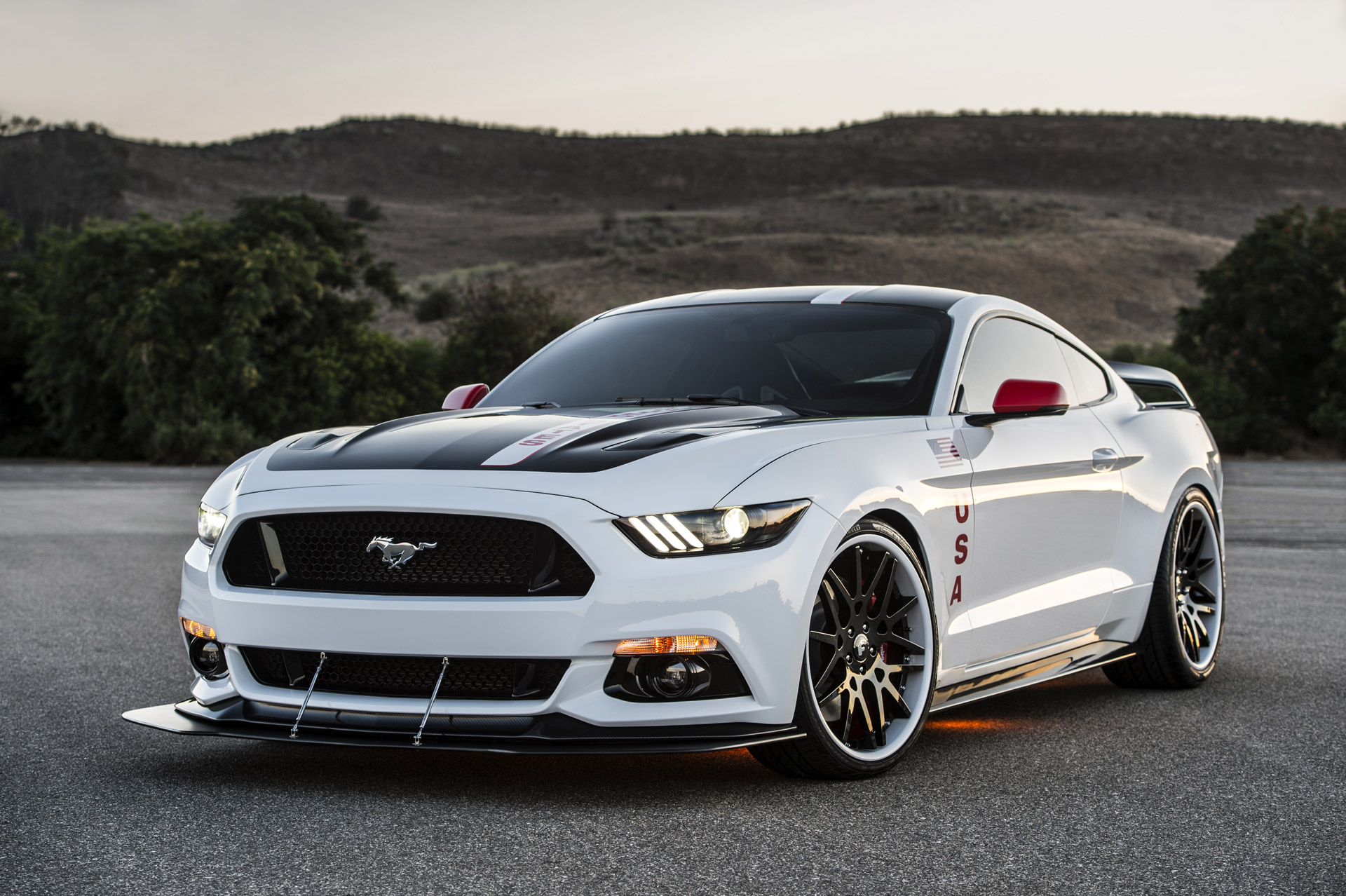
Imagine a Mustang owner who removes the mufflers and installs electrically controlled cutouts. With the valves open, exhaust gases bypass most of the normal sound-control system and the car becomes dramatically louder.
The owner may consider that an entertainment feature. An inspector evaluating the vehicle against Ohio equipment rules sees a bypass device and an exhaust system capable of producing excessive noise.
Rust damage can create the same result without intentional modification. A broken pipe ahead of the muffler can leak exhaust underneath the passenger compartment and make the car substantially louder.
Fixing the problem does not necessarily require returning every component to factory specification. A compliant aftermarket exhaust can still be used if it satisfies the applicable requirements.
The key is that performance modifications do not receive their own exemption. A Mustang may produce hundreds of horsepower and still fail inspection because one of its simplest mechanical systems no longer meets Ohio’s road equipment standards.
8. 2016 Hyundai Sonata With a Fuel Leak or Removed Emissions Equipment
A 2016 Hyundai Sonata leaking gasoline from a fuel line would present one of the clearest reasons for an Ohio inspector to reject a vehicle as unsafe. Ohio’s inspection standards require fuel-system components to be securely fastened and prohibit fuel leakage. The rules also address pollution-control equipment originally installed on vehicles manufactured from 1968 onward.
The fuel system rule says hoses, lines, tanks, and tubes cannot contact moving components or areas of extreme heat. A filler cap must be installed, and the system must not leak. When a vehicle was manufactured with a certified pollution-control device, the equipment must remain correctly installed and in good working order.
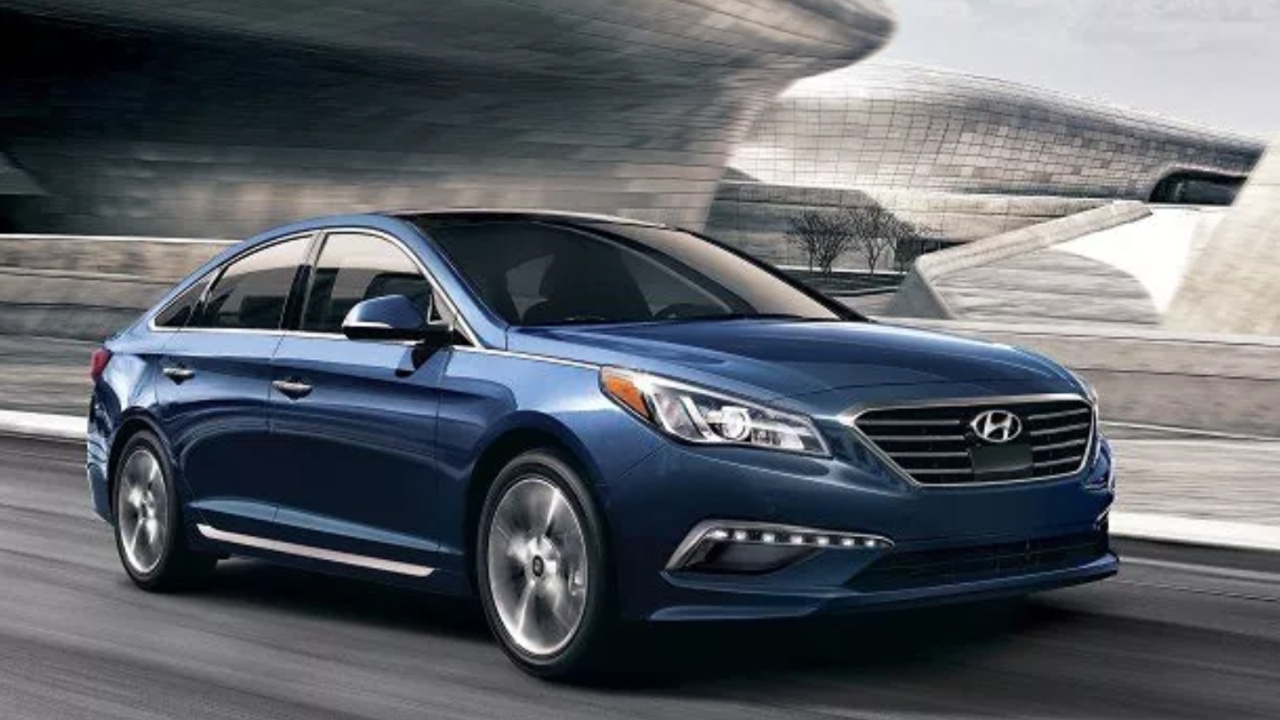
Consider a Sonata that smells strongly of gasoline after being parked overnight. Looking underneath reveals wetness near a fuel line, but the owner keeps driving because the engine still starts normally and no fuel is visibly pouring onto the ground.
That is not a defect to postpone.
Fuel can ignite when it reaches a sufficiently hot component or ignition source. Even a relatively small leak deserves immediate diagnosis.
Another example would be a car whose emissions hardware was deliberately removed during an engine or exhaust modification. Even if the car runs, missing required pollution-control equipment can create a separate inspection issue.
Ohio’s equipment rules focus on whether the complete vehicle remains safe and properly equipped. Engine performance alone does not determine roadworthiness.
A Sonata with a fuel leak should therefore be repaired before it returns to normal driving. If the defect is serious enough to create an unsafe condition, Ohio law allows an inspecting officer to order the vehicle removed from highway operation until repairs are completed.