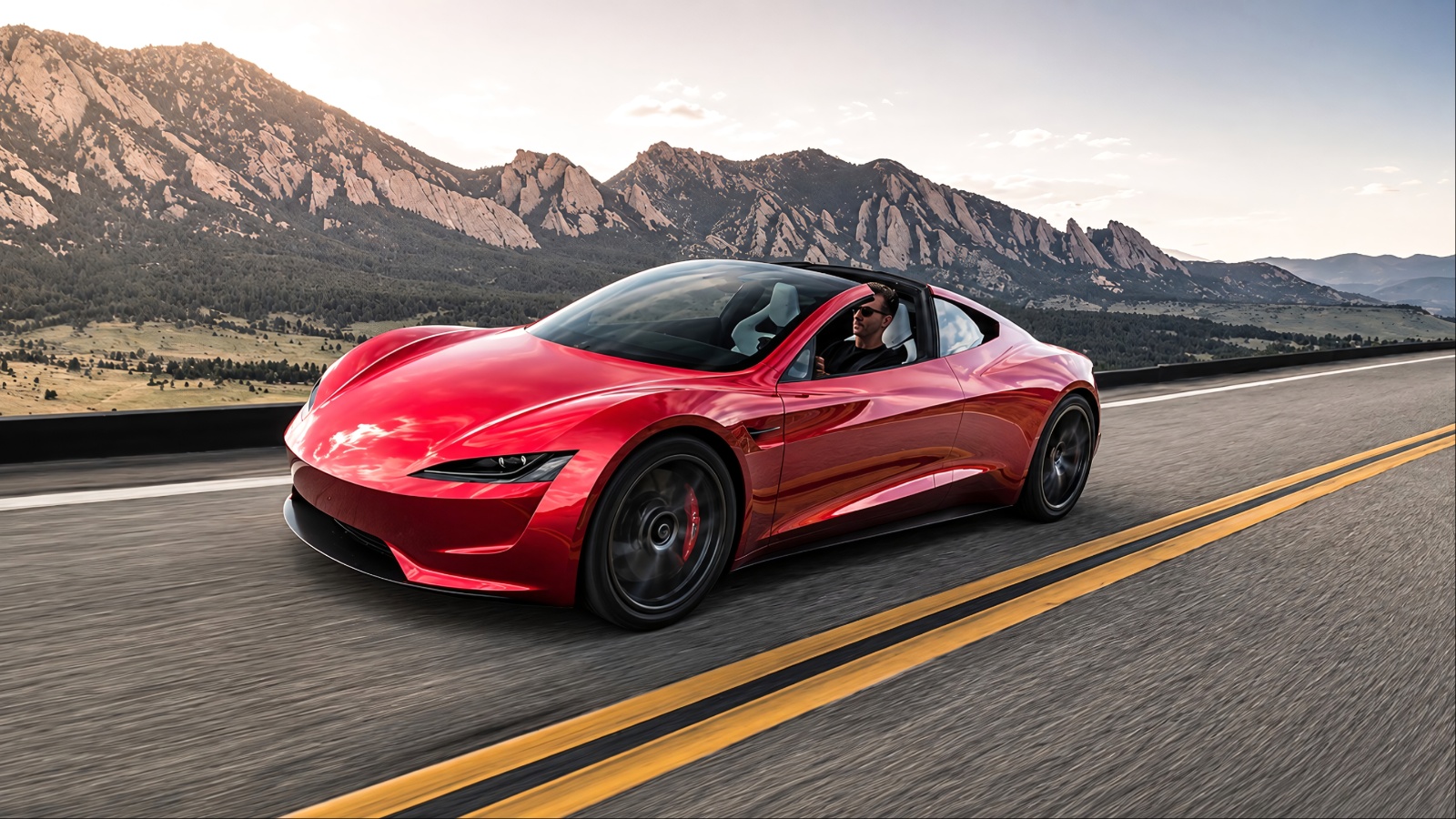
The automotive industry and Tesla enthusiasts have spent nearly a decade waiting for the true successor to the original Tesla Roadster, a car that originally redefined the possibilities of electric mobility when it was first introduced. Now, emerging reports indicate that Tesla is preparing for a high-stakes, highly anticipated public showcase of its next-generation Roadster.
Yet, rather than presenting a traditional commercial vehicle ready for mass production, this upcoming event is shaping up to be an extraordinary technical demonstration one that leans heavily into theatrical spectacle, aerospace engineering, and extreme design experiments, while underscoring a widening gap between conceptual prototypes and consumer reality.
Tesla Eyes SpaceX Test Site for High-Risk Roadster Thruster Demonstration
According to reports originating from major automotive and financial reporting circles, Tesla has targeted a public showcase of the new Roadster as early as this month. The venue chosen for this milestone is not a traditional auto show floor or a standard corporate stage, but rather SpaceX’s rigorous rocket test site located in McGregor, Texas.
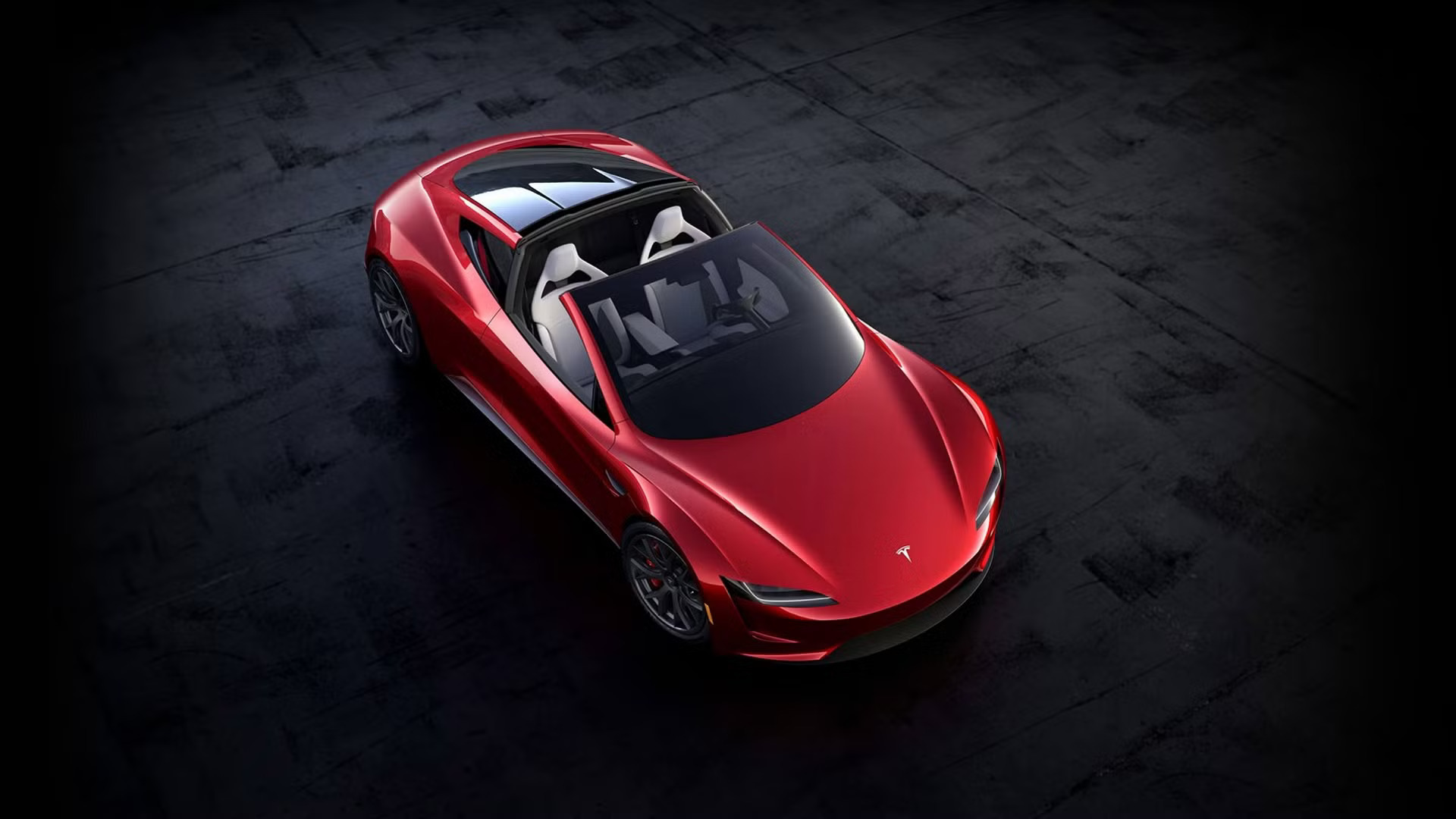
This choice of location is far from accidental; it serves as a physical and symbolic testament to the deep technical crossover between Tesla and its sister aerospace enterprise, SpaceX, as the vehicle’s defining party trick relies directly on rocket-derived technology.
At the heart of the demonstration is the long-discussed “A71” package, an internal code name designating a specialized suite of SpaceX-developed cold-gas thrusters.
These thrusters are intended to push vehicle dynamics into uncharted territory, providing compressed-gas jets that can theoretically assist with rapid acceleration, enhanced cornering grip, and even temporary vertical lift. However, integrating rocket propulsion physics into a passenger vehicle chassis introduces staggering logistical hurdles.
Safety remains one of the biggest concerns surrounding the demonstration. The cold gas thrusters are expected to operate at extremely high pressures, producing an intense blast that could cause serious hearing damage to anyone nearby. For that reason, Tesla plans to conduct the test under tightly controlled conditions.
The Roadster will reportedly be driven remotely without anyone inside the cabin, while spectators will have to remain several hundred yards away. This arrangement will allow the audience to watch the demonstration from a safe distance while keeping them away from the powerful forces generated by the thruster system.
The planned demonstration has also been scaled back considerably in recent months. Earlier versions of the stunt were far more ambitious and theatrical, with engineering concepts reportedly presented to Elon Musk featuring an elaborate sequence of maneuvers.
The Roadster was envisioned racing up a specialized magnetized ramp, traveling upside down along an overhead track, flipping back into its normal position in midair, and even achieving a brief period of sustained hover.
As engineering teams grappled with the brutal realities of aerodynamics, structural stress, and weight distribution, those initial, hyper-ambitious plans were systematically pared down.
Musk has reportedly been actively managing expectations among internal staff, warning employees that the demonstration is fraught with technical risks, highly difficult to execute cleanly, and prone to failure, though he has emphasized that it will remain deeply entertaining regardless of the outcome. Whether Tesla chooses to broadcast the event live to the global public or merely release heavily edited highlight footage afterward remains an open question.
Tesla Abandons Model S Foundations for Radical Carbon Fiber Roadster Development Path
The journey toward this current iteration of the Roadster is a story of internal pivots, discarded architectures, and a relentless pursuit of hypercar exclusivity. For years, the developmental timeline was clouded by silence, but retrospective insights reveal how the project evolved from a stretched concept into a bespoke carbon-fiber machine.
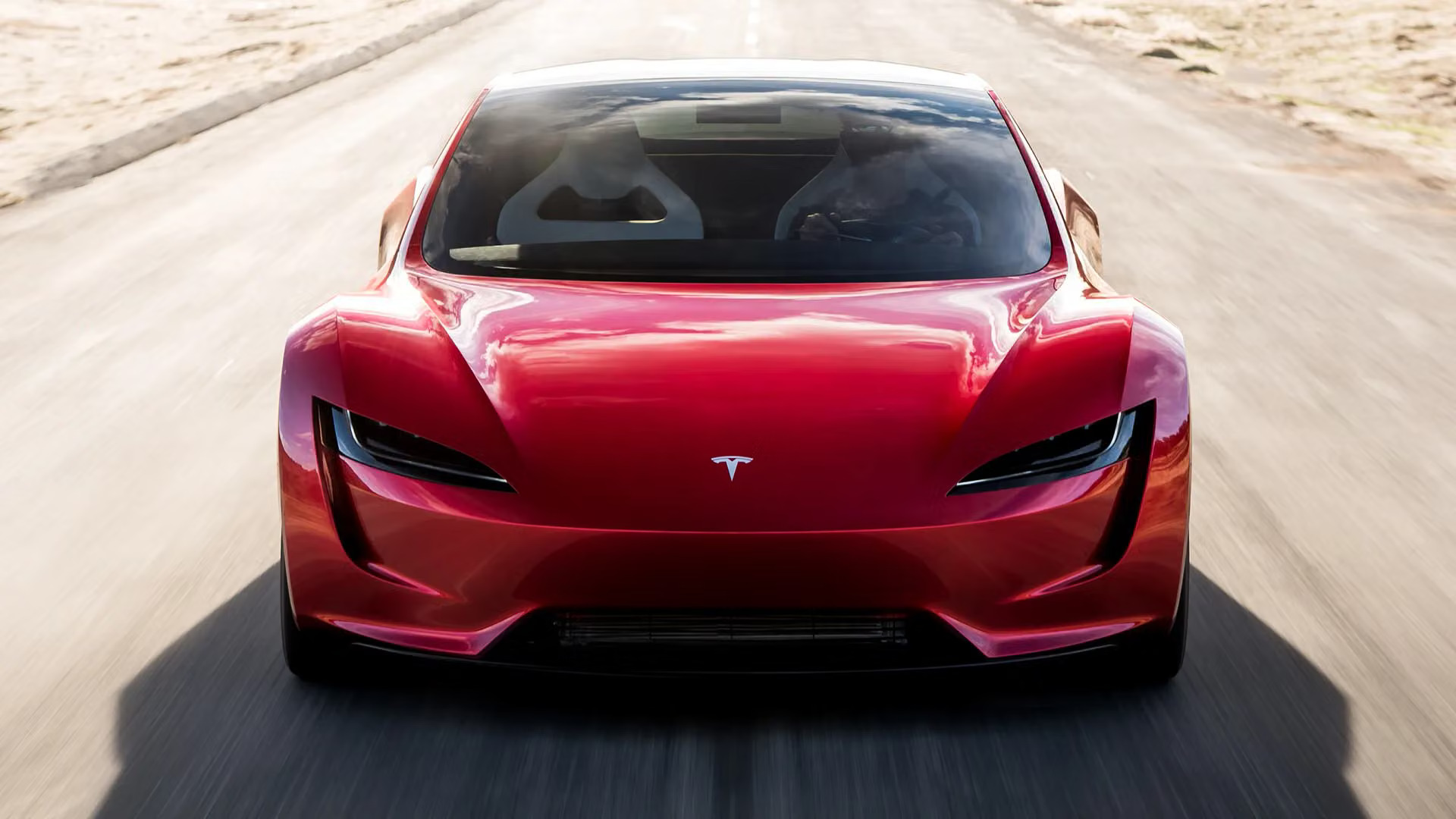
In 2022, Tesla’s design and engineering studios were polarized between two fundamentally different paths. One faction within the company advocated for an evolutionary approach: building a new Roadster shell utilizing the existing structure, components, and powertrain elements of the high-performance Model S Plaid. To test this feasibility, engineers literally tore apart a Model S, evaluating whether a stretched version of the 2017 prototype architecture could serve as a viable foundation.
At the same time, another group within Tesla believed a true halo car needed its own dedicated architecture rather than borrowing components from a mainstream sedan.
Their proposal called for a clean-sheet design built around an ultra-light carbon-fiber tub, a construction method favored by leading hypercar makers and racing teams for its combination of strength, rigidity, and low weight. After reviewing both approaches, Elon Musk backed the carbon-fiber solution and made it clear that the team needed to build the Roadster properly or walk away from the project.
This executive decision effectively killed the shortcut of reusing legacy Tesla vehicle architecture, forcing the company to pivot into uncharted territory. Designing a true carbon-tub hypercar required specialized engineering expertise that Tesla did not possess in-house at the time.
To bridge this gap, the company went on a recruiting spree, hiring veteran engineers from premier Italian supercar marques, including Stefan Nothdurfter, who previously served as the head of body engineering at Lamborghini. Though Nothdurfter has since moved on from Tesla, his influence, along with that of other imported talent, permanently altered the vehicle’s structural development.
Stylistically, the Roadster underwent a fascinating identity crisis. Franz von Holzhausen, Tesla’s chief designer, openly favored aesthetic cues inspired by the wedge-shaped Lamborghini Countach during various phases of the studio work.
Later, the design philosophy shifted toward evoking the aggressive, utilitarian lines of the Lockheed SR-71 Blackbird spy plane, a thematic inspiration that directly birthed the “A-71” internal code name for the thruster initiative.
By late 2025, the exterior lines had matured into a more conservative, refined evolution of the Countach-inspired studies, culminating in the construction of a fully running, two-seat prototype equipped with striking butterfly doors.
Franz von Holzhausen publicly noted that the production-intent Roadster was drawing closer to reality, yet the physical manifestation continues to dance on the razor’s edge between science fiction and automotive engineering.
Tesla’s Thruster Roadster Faces Legal Barriers, Extreme Pricing, And Lingering Customer Frustration
As the Roadster moves closer to its public debut, major questions remain about its market potential, legality, and accessibility. The specialized version equipped with thrusters and planned for a demonstration in Texas is not approved for use on public roads.
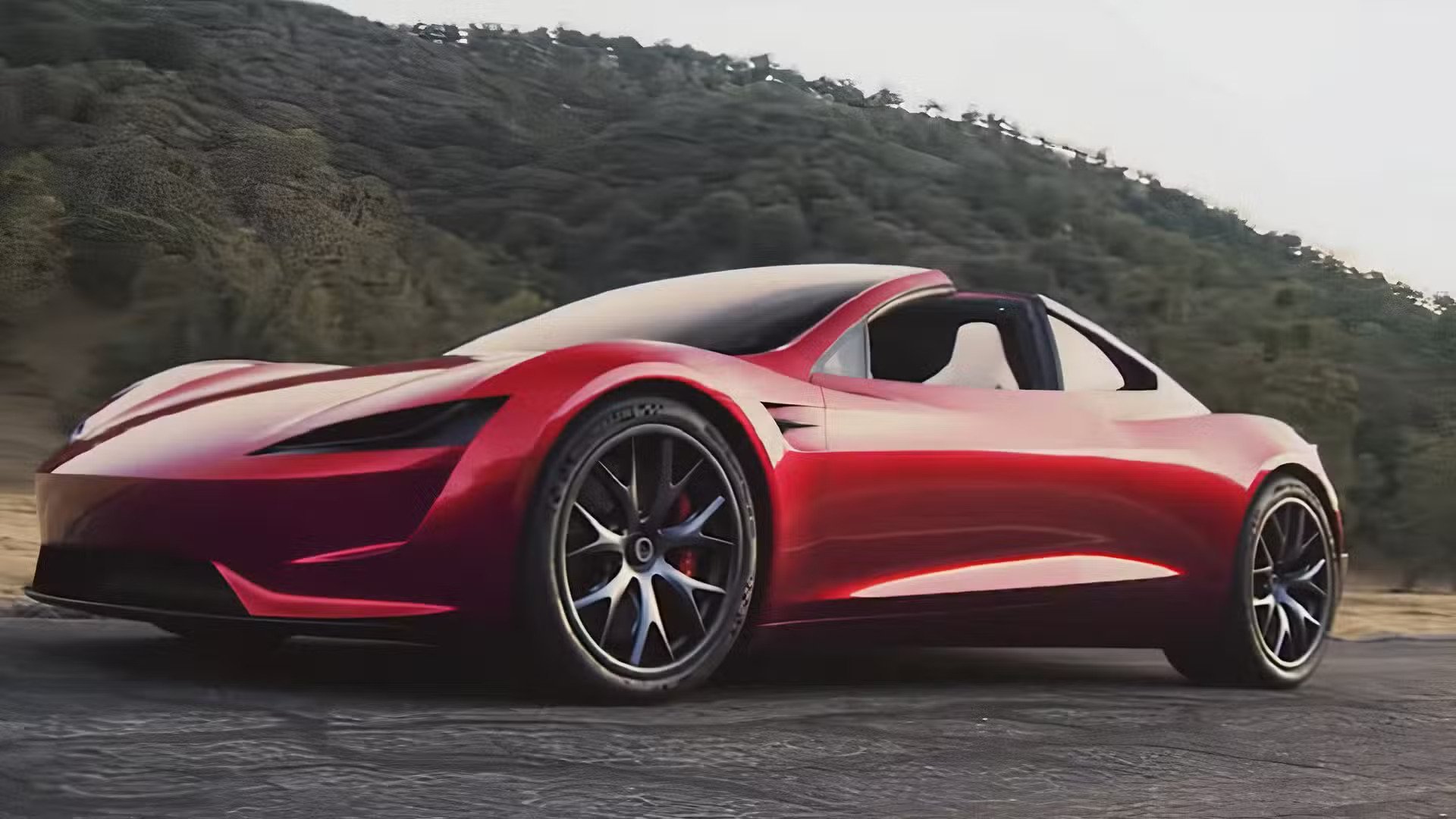
Regulatory bodies across the globe, ranging from the National Highway Traffic Safety Administration (NHTSA) in the United States to international equivalents in Europe and Asia, have established strict safety standards regarding pedestrian protection, structural crash structures, and exterior protrusions that would instantly disqualify a vehicle equipped with high-pressure gas expulsion nozzles from public roads.
Tesla could position the thruster-equipped Roadster as a highly exclusive collector car rather than a conventional vehicle for everyday use. The limited production model is expected to cost hundreds of thousands of dollars, with top versions potentially reaching into the millions.
The company has also considered an ownership model similar to Ferrari’s XX Programme, where customers purchase specialized track cars that are stored and maintained by the manufacturer and used only during controlled events at closed racing circuits.
The cold gas thruster system also presents major challenges for the Roadster’s interior layout. Early concepts reportedly considered turning the car into a single-seater to make room for the large composite overwrapped pressure vessels and air tanks needed to power the thrusters.
Even with the current configuration, having someone inside the vehicle while the system is operating would be extremely difficult due to the intense noise and forces produced during activation.
This move toward an ultra-exclusive model stands in stark contrast to the experience of Tesla’s early customers and long-time reservation holders. When Tesla first introduced the next-generation Roadster prototype in November 2017, eager buyers provided significant upfront funding. Customers placed $50,000 deposits for the standard version, while those seeking the exclusive Founders Series paid the full $250,000 price in advance.
Over the subsequent nine years, the delivery timeline shifted continuously, slipping through at least eight major internal revisions. While Elon Musk has occasionally joked about the “long-suffering” nature of these reservation holders during annual shareholder meetings, the delays have severely tested public goodwill.
High-profile early supporters, including prominent tech figures and content creators, have publicly confirmed canceling their reservations after growing weary of the perpetual timeline extensions. Although Tesla filed fresh trademark applications for the Roadster nameplate, offering a faint glimmer of administrative progress, the fundamental obligation to the original customer base remains unfulfilled.