
A vehicle’s purchase price is only one part of its ownership expense. Fuel can quietly become one of the highest recurring costs, especially for drivers covering long distances every year. Even popular models with strong sales and loyal owners can consume considerably more gasoline than buyers initially expect.
Engine size, drivetrain, vehicle weight, driving conditions, and fuel requirements all influence the final bill. Using US Environmental Protection Agency fuel-economy figures, this list examines seven familiar vehicles and their estimated annual gasoline expenses.
The comparisons use specific 2025 configurations and highlight why checking fuel costs before purchasing matters.
1. Ford F-150 2WD 2.7L EcoBoost V6
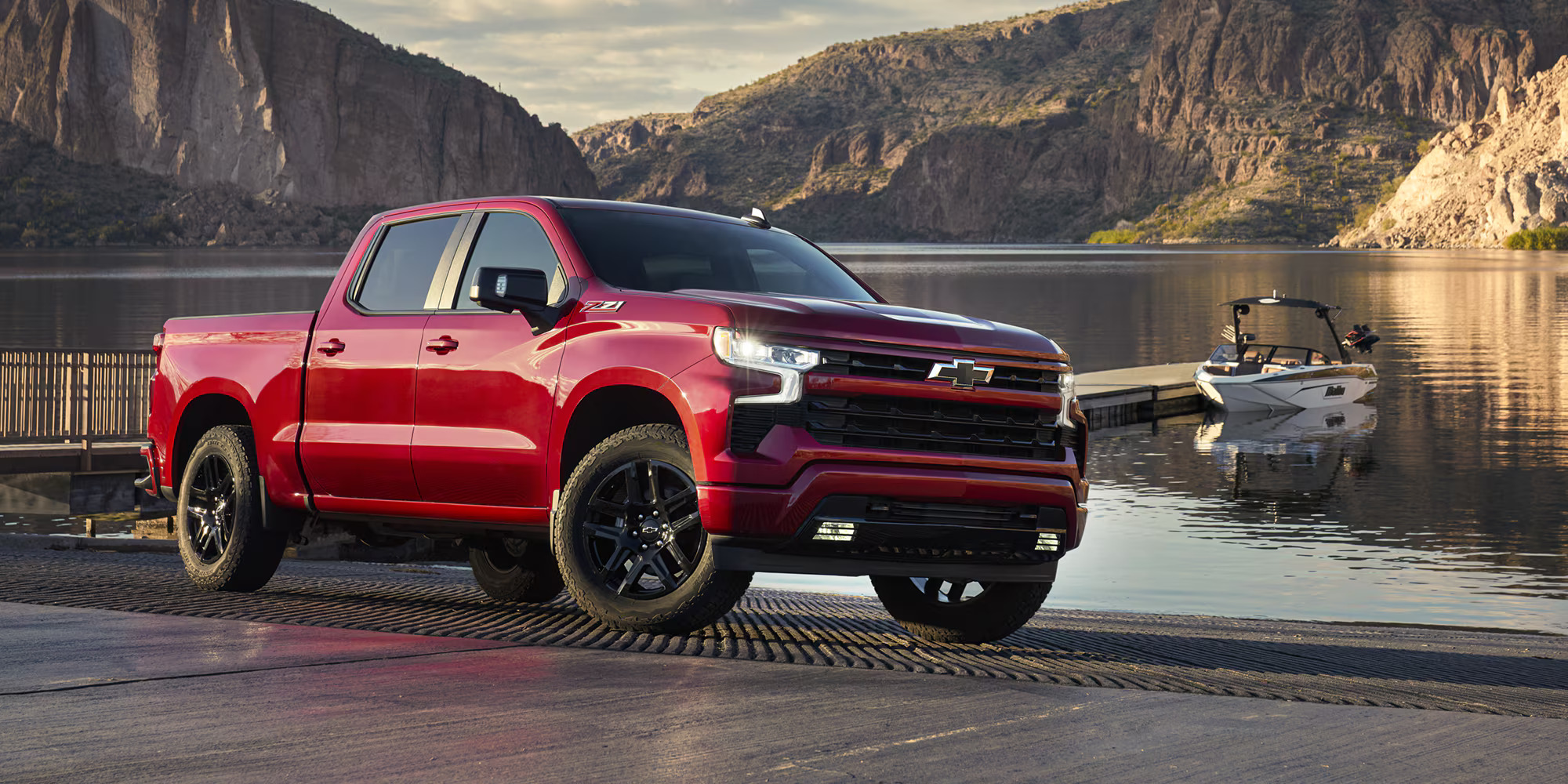
The Ford F-150 is America’s best-selling vehicle line, but its popularity does not necessarily mean inexpensive day-to-day ownership.
Buyers often concentrate on towing capacity, engine performance, cabin features, and purchase price while overlooking how much gasoline a full-size pickup can consume during an ordinary year. Even the relatively smaller 2.7-liter EcoBoost V6 requires a meaningful fuel budget.
For the 2025 model year, the rear-wheel-drive F-150 equipped with the 2.7-liter turbocharged V6 and automatic transmission receives an EPA-estimated 21 MPG combined, with 19 MPG in city driving and 25 MPG on the highway.
The EPA calculator lists an estimated annual gasoline expense of approximately $2,600, assuming 15,000 miles of driving.
That figure becomes easier to understand when looking at fuel consumption. At 21 MPG, covering 15,000 miles requires approximately 714 gallons of gasoline. Frequent city driving, towing, carrying heavy equipment, or spending time in traffic can push real-world consumption higher.
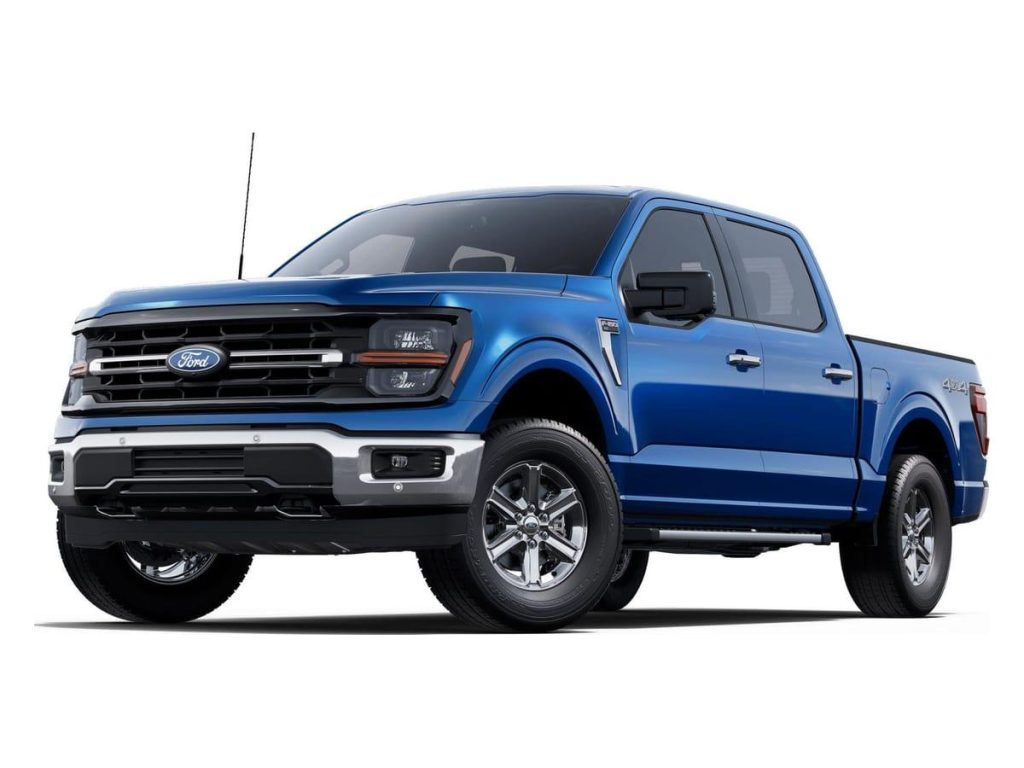
The drivetrain also makes a difference. The four-wheel-drive 2.7-liter version receives an EPA combined rating of 20 MPG, compared with 21 MPG for the rear-wheel-drive configuration. Buyers choosing larger engines or heavier equipment packages should check their exact ratings rather than assuming every F-150 has identical running costs.
For someone using a pickup primarily for commuting, these expenses deserve serious consideration. The F-150 can be an excellent working vehicle, but its annual fuel budget should be calculated before choosing it over a smaller SUV or sedan.
2. Chevrolet Silverado 1500 2WD 5.3L V8
A V8-powered pickup delivers a different ownership experience, particularly for drivers who regularly tow equipment or prefer traditional naturally aspirated power. The Chevrolet Silverado 1500 remains one of America’s most popular trucks, but its 5.3-liter V8 configuration can bring a surprisingly substantial gasoline bill.
The difference becomes noticeable when the vehicle is driven throughout the year rather than occasionally used for hauling.
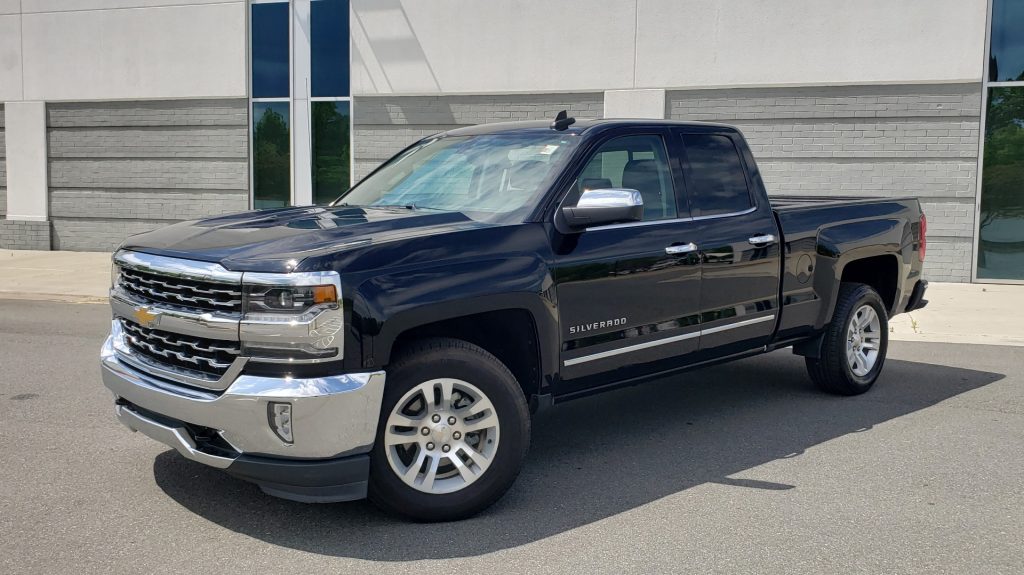
Consider the 2025 Silverado 1500 with rear-wheel drive, a 5.3-liter V8, and a 10-speed automatic transmission. According to the EPA, this configuration achieves 18 MPG combined, including 16 MPG in the city and 21 MPG on the highway.
Its estimated annual fuel expense is approximately $3,350, based on 15,000 miles of annual driving and the fuel prices used by the EPA calculator.
That works out to roughly 833 gallons of gasoline annually. The calculation shows why a seemingly small difference in combined fuel economy matters when a vehicle covers thousands of miles every month.
Compared with the 21-MPG F-150 configuration discussed above, the Silverado requires approximately 119 additional gallons over the same 15,000-mile distance.
The situation can become more expensive with four-wheel drive, off-road tires, frequent towing, or substantial payloads. The 2025 Silverado’s 5.3-liter four-wheel-drive versions can receive lower combined ratings depending on configuration.
For buyers who genuinely need V8 capability, this expense may be justified by the truck’s intended workload. However, someone purchasing it primarily for everyday commuting should calculate the annual gasoline budget before committing. A lower advertised purchase price does not necessarily translate into cheaper long-term ownership.
3. 2025 Jeep Wrangler Unlimited 3.6L V6
The Jeep Wrangler Unlimited is designed for adventure, off-road driving, and challenging terrain, but its rugged construction comes with a fuel-economy compromise.
Buyers often focus on its four-wheel-drive capability, removable roof, ground clearance, and trail performance without calculating how much gasoline the vehicle can consume during everyday commuting.
Consider the 2025 four-door Wrangler equipped with the naturally aspirated 3.6-liter Pentastar V6 and eight-speed automatic transmission. According to FuelEconomy.gov, this configuration achieves 20 MPG combined, with 18 MPG in city driving and 23 MPG on the highway.
Its estimated annual gasoline expense is approximately $2,850, assuming 15,000 miles of annual driving and the EPA calculator’s fuel-price assumptions.
That means the Wrangler requires approximately 750 gallons of gasoline annually to cover 15,000 miles at its combined EPA rating. For someone commuting through congested urban areas, the expense can become noticeable because the city rating falls to 18 MPG.
The vehicle’s shape also influences its fuel consumption. Its upright windshield, boxy body, and off-road-oriented design create more aerodynamic resistance than the streamlined shape of a conventional crossover. Larger tires, aftermarket accessories, roof racks, and frequent four-wheel-drive use can further influence real-world mileage.

Buyers should also distinguish between Wrangler configurations. The 2.0-liter turbocharged four-cylinder automatic version receives a 21-MPG combined rating, while the 6.4-liter V8 Rubicon 392 is considerably less efficient at 14 MPG combined.
For someone who regularly uses the Wrangler’s off-road capabilities, its gasoline expense may be a reasonable trade-off. However, drivers purchasing one mainly for city transportation should calculate the annual fuel budget before choosing it over a more efficient SUV.
4. 2025 Toyota RAV4 2.5L Gasoline
The Toyota RAV4 is generally associated with practical transportation, dependable ownership, and reasonable fuel economy. Nevertheless, buyers should not assume that every version delivers the same running costs.
The conventional gasoline model has a different fuel-consumption profile from the hybrid, and the distinction matters when calculating annual expenses.
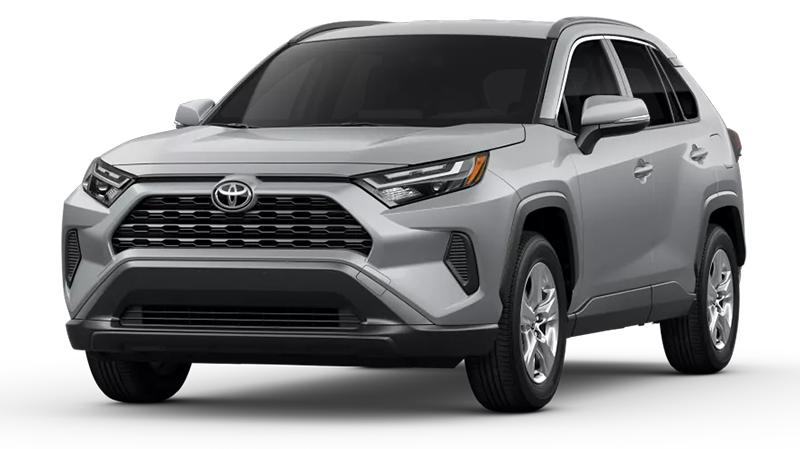
For 2025, the front-wheel-drive RAV4 equipped with the 2.5-liter four-cylinder engine and eight-speed automatic transmission receives an EPA-estimated 30 MPG combined, including 27 MPG in the city and 35 MPG on the highway.
FuelEconomy.gov lists its estimated annual gasoline expense at approximately $1,800, based on 15,000 miles of annual driving and the calculator’s fuel-price assumptions.
At that combined rating, covering 15,000 miles requires approximately 500 gallons of gasoline. That is considerably less than the amount consumed by the full-size pickups and off-road SUVs discussed earlier. However, the difference between the gasoline and hybrid versions deserves attention.
The 2025 RAV4 Hybrid AWD achieves approximately 39 MPG combined, while the conventional front-wheel-drive model delivers 30 MPG. The hybrid therefore requires substantially less gasoline over the same annual distance, although its purchase price and ownership costs should also be considered.
Driving conditions can change the calculation. Frequent short trips, heavy traffic, aggressive acceleration, and carrying additional cargo may reduce real-world mileage. Buyers should also remember that all-wheel-drive gasoline configurations have different EPA ratings from the front-wheel-drive version.
The RAV4 remains relatively economical compared with many larger vehicles, but choosing the wrong configuration can increase annual expenses. Check the exact drivetrain and EPA rating before purchasing rather than relying on the RAV4 name alone.
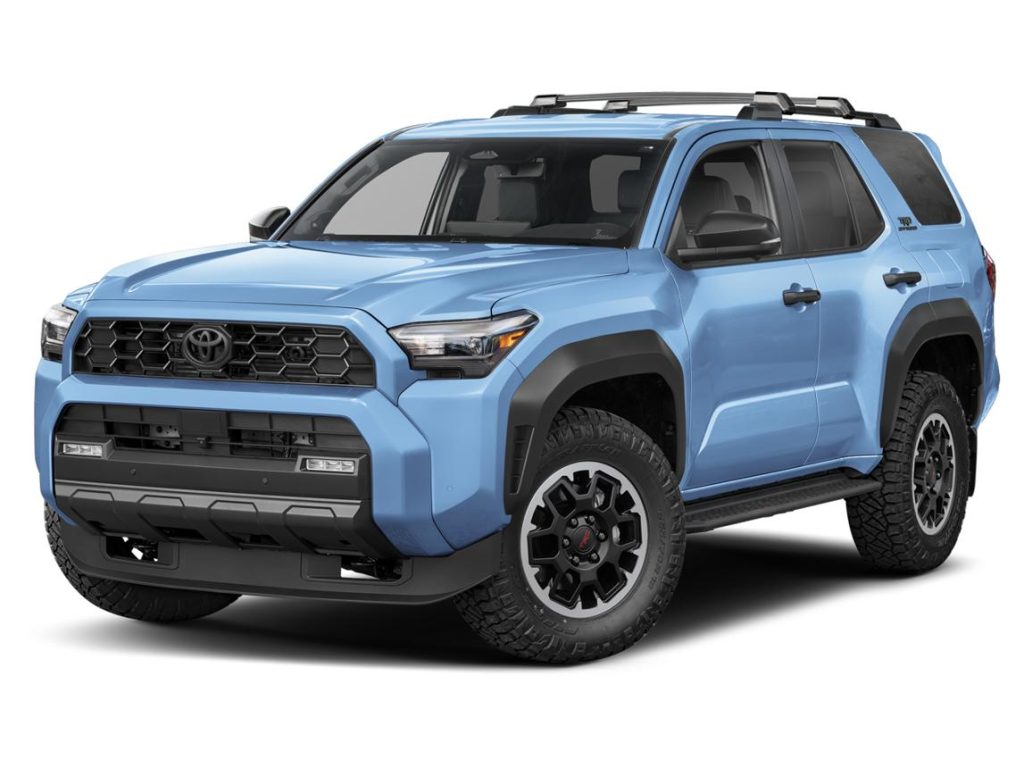
5. 2025 Toyota 4Runner 4WD 2.4L Turbo
The Toyota 4Runner has built a loyal following among American SUV buyers who value off-road capability, durability, and practical utility. Its redesigned 2025 generation introduced a turbocharged 2.4-liter four-cylinder engine, replacing the previous generation’s naturally aspirated V6.
Although the smaller engine brings modern performance technology, buyers should not assume that it makes this body-on-frame SUV inexpensive to fuel.
The conventional 2025 4Runner 4WD configuration equipped with the 2.4-liter turbocharged engine and eight-speed automatic transmission receives an EPA-estimated 21 MPG combined, including 19 MPG in the city and 25 MPG on the highway.
FuelEconomy.gov lists an estimated annual gasoline expense of approximately $2,700, based on 15,000 miles of annual driving and current fuel-price assumptions.
That works out to approximately 714 gallons of gasoline annually. For someone using the 4Runner for daily commuting, weekend trips, and occasional highway journeys, the fuel requirement can become a noticeable part of the ownership budget.
The 4Runner’s body-on-frame construction, four-wheel-drive hardware, and off-road-oriented design contribute to its utility, but they do not provide the efficiency of a lighter passenger crossover. Buyers should also distinguish the conventional gasoline model from the hybrid configuration, which has a different EPA rating.
Driving conditions can make a substantial difference. Long highway journeys may produce better results than repeated short urban trips, while larger tires, roof accessories, heavy cargo, and off-road driving can increase consumption.
For buyers who genuinely need the 4Runner’s trail capability, the expense may be justified. However, someone purchasing it mainly for everyday transportation should compare its annual gasoline budget with smaller crossovers before deciding.
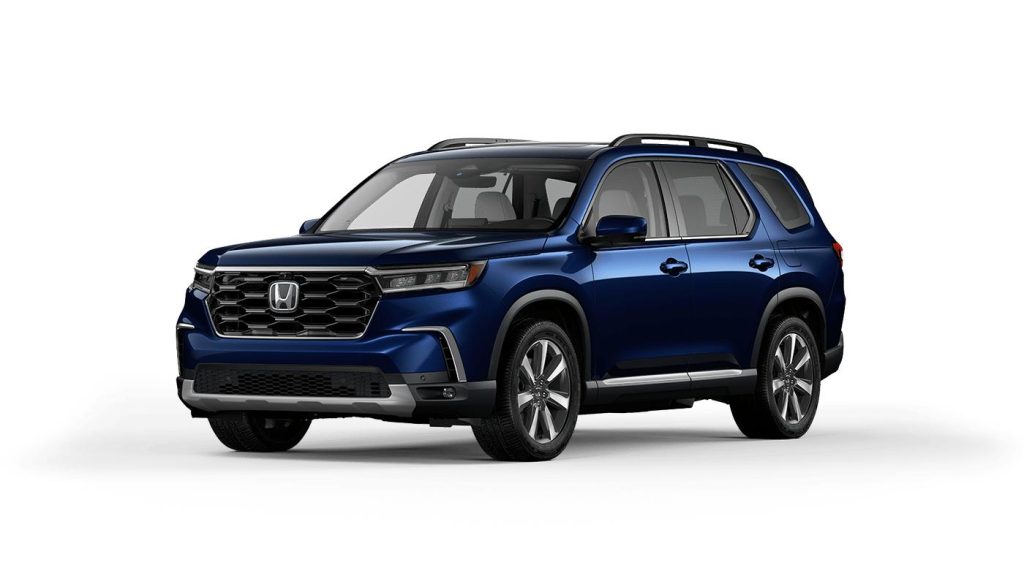
6. 2025 Honda Pilot AWD 3.5L V6
The Honda Pilot is frequently considered a sensible family SUV because it offers three rows of seating, a spacious interior, and a naturally aspirated V6 engine. However, its size and all-wheel-drive hardware mean that fuel expenses can be higher than buyers expect when comparing it with smaller Honda models.
For 2025, the Pilot AWD uses a 3.5-liter V6 paired with a 10-speed automatic transmission. According to FuelEconomy.gov, this configuration achieves 21 MPG combined, with 19 MPG in city driving and 25 MPG on the highway.
Its estimated annual gasoline expense is approximately $2,600, assuming 15,000 miles of annual driving and current fuel-price assumptions.
At that rating, covering 15,000 miles requires approximately 714 gallons of gasoline. This is a considerable amount for a vehicle commonly purchased for school runs, commuting, family holidays, and everyday transportation.
The TrailSport version deserves separate attention because its more rugged equipment changes the fuel-economy calculation. Honda lists an EPA rating of 20 MPG combined for the 2025 Pilot TrailSport AWD, compared with 21 MPG for several other AWD trims.
Another factor is driving style. Carrying seven passengers, filling the cargo area, driving through heavy traffic, and frequently using air conditioning can affect actual fuel consumption. Buyers should also remember that the Pilot uses regular unleaded gasoline, so it does not require premium fuel.
The Pilot remains a practical option for families needing three-row seating, but its annual gasoline expense deserves attention before purchase. If most journeys involve one or two occupants, a smaller crossover or hybrid SUV could provide lower fuel expenses without requiring the additional space.
7. 2025 Nissan Armada 4WD 3.5L Twin-Turbo V6
The Nissan Armada offers full-size SUV practicality, three-row seating, substantial towing capability, and a powerful twin-turbocharged V6. It is designed for buyers who need space and performance, but its fuel requirements can make it one of the more expensive vehicles in this comparison to operate throughout the year.
For 2025, the four-wheel-drive Armada uses a 3.5-liter twin-turbocharged V6 paired with a nine-speed automatic transmission. FuelEconomy.gov gives this configuration an EPA-estimated 17 MPG combined, with 16 MPG in city driving and 19 MPG on the highway. Unlike several other vehicles in this article, it requires premium gasoline.
The estimated annual fuel expense is approximately $4,150, assuming 15,000 miles of annual driving and current fuel prices. That makes it substantially more expensive to fuel than the Honda Pilot AWD or Toyota 4Runner.
The calculation becomes particularly interesting when considering the amount of gasoline required. At 17 MPG, the Armada consumes approximately 882 gallons over 15,000 miles. Its 23.6-gallon fuel tank also means that regular long-distance driving can involve frequent visits to the gas station.
Nissan designed the Armada for more demanding work than ordinary family transportation. Its towing capacity reaches 8,500 pounds when properly equipped, making it useful for drivers hauling trailers, boats, and recreational equipment. However, towing can increase fuel consumption beyond the EPA estimate.
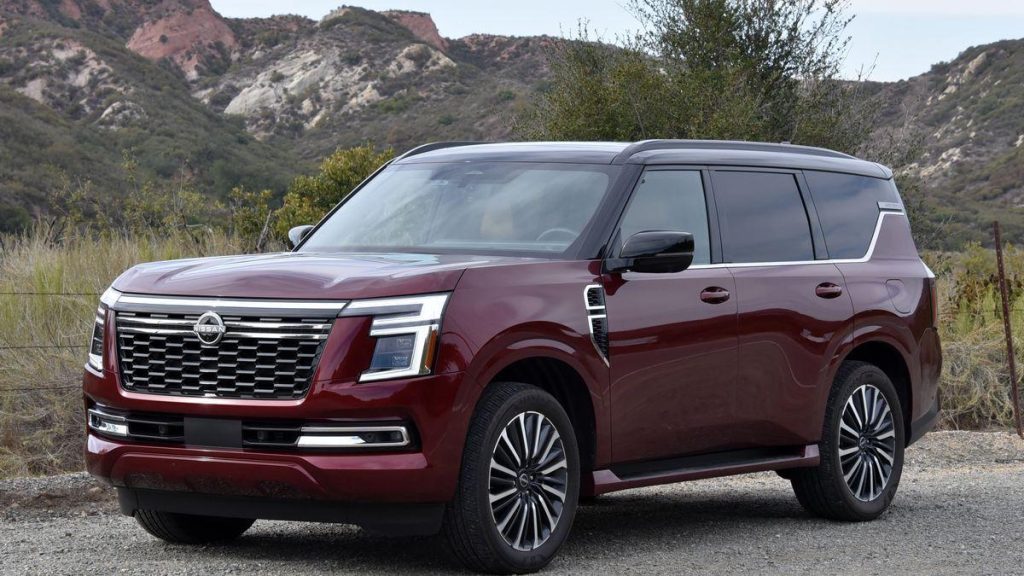
Buyers should also distinguish the standard four-wheel-drive model from the PRO-4X. The latter receives an even lower EPA combined rating of 16 MPG, with an estimated annual fuel expense of approximately $4,700.
For someone who needs a powerful full-size SUV, the Armada offers genuine utility. However, buyers should budget for premium gasoline rather than judging affordability by the vehicle’s purchase price alone.