
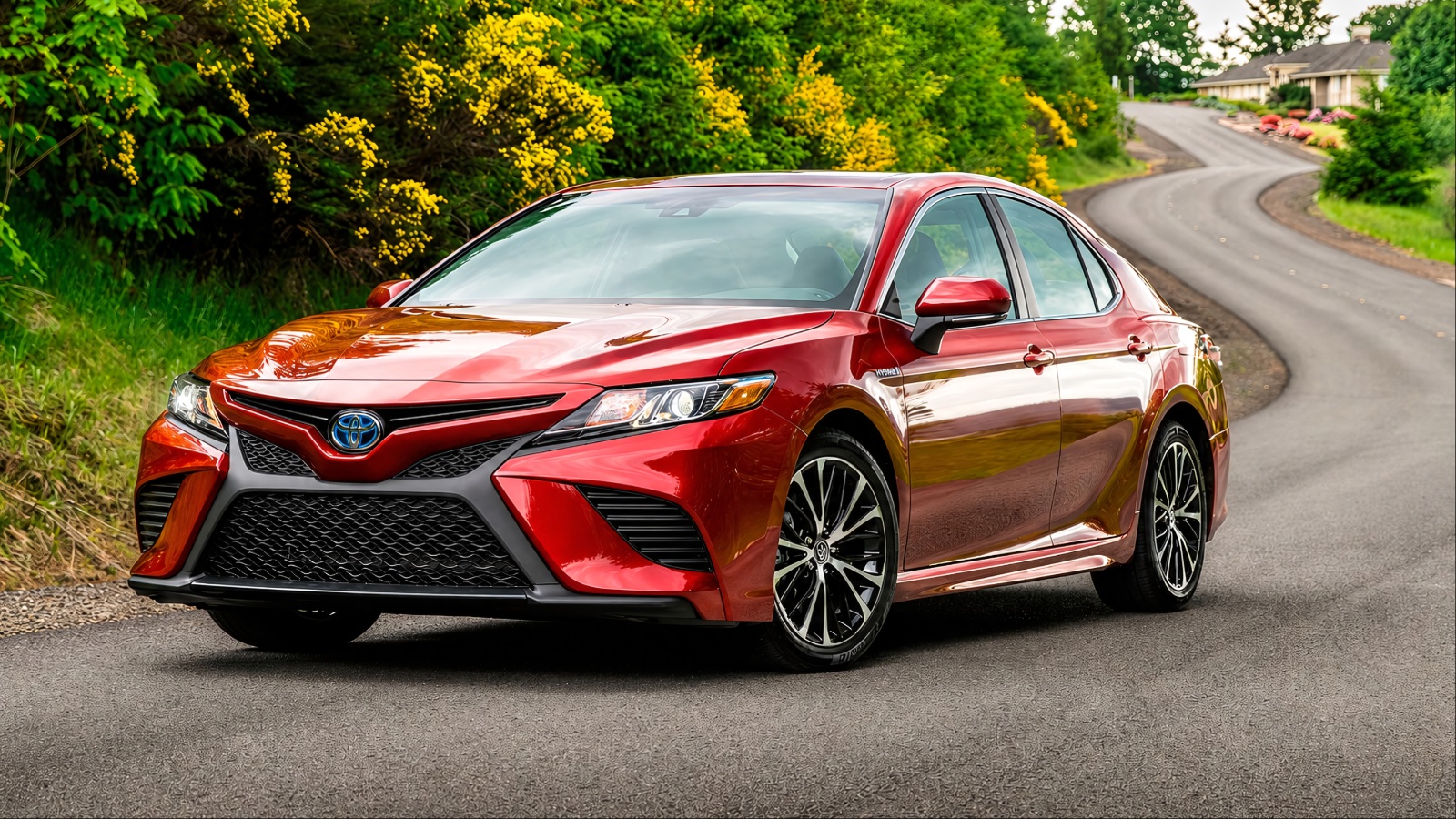
Toyota is recalling more than 500,000 Camry Hybrid sedans in the United States because a software problem can cause the instrument-panel display to remain blank when the vehicle starts.
The defect is more serious than a typical infotainment-screen malfunction because the affected 7-inch combination meter controls or displays information tied to several important vehicle functions.
According to the National Highway Traffic Safety Administration (NHTSA), the recall covers 508,354 2025 and 2026 Toyota Camry Hybrid vehicles produced between August 15, 2024, and June 9, 2026.
The affected vehicles use a specific 7-inch combination meter and software supplied by Visteon. NHTSA’s recall report identifies the campaign as 26V511, with Toyota recall numbers 26TB16 and 26TA16.
Reuters reported that Toyota is recalling the vehicles because the instrument cluster can fail to display critical safety information, increasing the potential risk of a crash or injury. The issue is particularly concerning because the failure can also affect the operation of the turn signals, hazard lights, and certain warning buzzers.
Toyota has identified a software update as the remedy. Owners will be asked to take their vehicles to a Toyota dealership, where technicians will update the combination-meter software at no charge.
What Is Wrong With the Camry Hybrid Display?
The problem centers on the 7-inch combination meter positioned in front of the driver. This is not the larger center infotainment screen used for navigation, audio, and other multimedia functions. Instead, the combination meter is responsible for displaying important driving information and operating certain warning and indicator functions.
According to NHTSA’s official recall filing, an error can occur during the meter’s startup sequence. When that happens, the combination meter may become completely blank.
The agency says the condition can occur randomly at vehicle startup, meaning an affected vehicle may operate normally on one occasion and experience the problem during another startup. The consequences extend beyond losing access to information on the driver’s display.
NHTSA says the malfunction can also cause the turn signal lamps and hazard-light function to become inoperative. Certain warning buzzers may also stop working, including the reminders for an unbelted driver or passenger and the warning associated with a key being left in the vehicle.
That combination of problems is what turns the issue into a safety recall rather than a simple electronic inconvenience.
A blank instrument cluster can prevent the driver from seeing certain telltales and indicators. At the same time, if the turn signals or hazard lights do not function, other road users may not be able to recognize the driver’s intention to turn or the presence of a vehicle hazard.
NHTSA specifically determined that these conditions could increase the risk of a crash. The agency also noted that failure of the seat-belt reminders could increase the risk of occupant injury in a crash if someone is not wearing a seat belt.
The problem is therefore not that the Camry Hybrid suddenly loses its ability to drive. Rather, several systems that communicate important information to the driver and other road users may not work correctly at the same time. That distinction is important for owners trying to understand the recall.
How Toyota Discovered the Problem and What the Recall Covers
Toyota’s investigation into the issue took considerably longer than might be expected because engineers initially struggled to reproduce the failure.
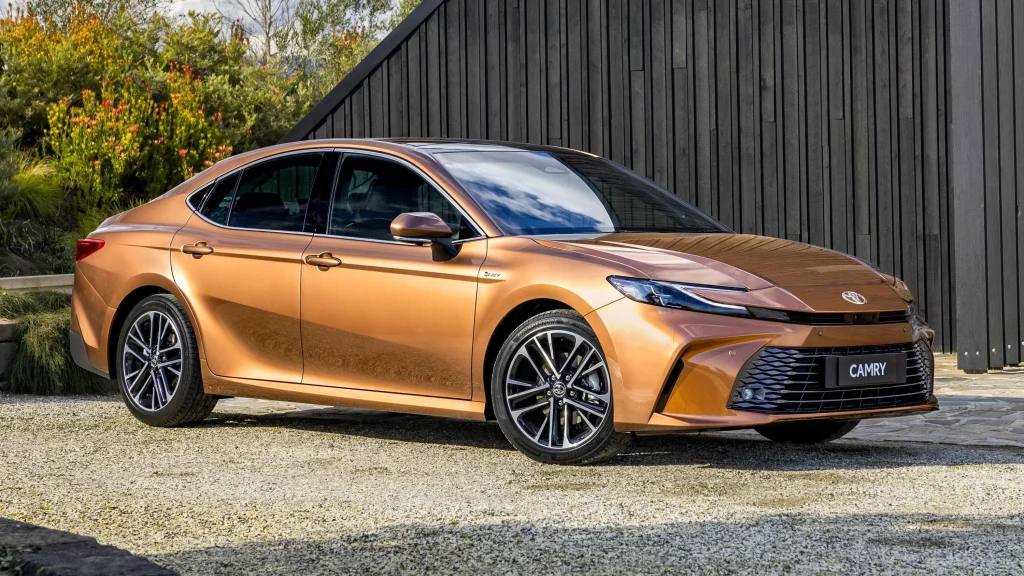
According to the NHTSA recall chronology, Toyota began receiving reports in July 2024 alleging that the 7-inch combination meter could remain blank after startup. Components were recovered from vehicles and sent to the supplier for investigation, but the problem could not initially be reproduced.
Beginning in October 2025, Toyota and its supplier investigated additional reports and began suspecting that the problem involved software initialization. Engineers developed specialized equipment capable of collecting more detailed data from vehicles experiencing the problem.
That work eventually allowed the supplier to reproduce the suspected software initialization problem during bench testing.
The investigation continued through 2026. Toyota and the supplier began testing the system in a complete vehicle in June, and by late July they were able to reproduce the condition on an actual vehicle.
The testing confirmed that the blank display could occur in a real-world vehicle and that the problem could also cause the turn signals and hazard lights to become inoperative.
Toyota determined on July 31, 2026, that the affected vehicles contained combination-meter software capable of producing the problem and that the vehicles could fail to meet several federal motor-vehicle safety requirements. The company subsequently decided to conduct the recall.
The recall specifically covers certain 2025 and 2026 Camry Hybrids equipped with the affected 7-inch combination meter.
The production window listed by NHTSA runs from August 15, 2024, through June 9, 2026, and the U.S. population is 508,354 vehicles. NHTSA also notes that not every vehicle produced within the broader production period was necessarily sold in the United States.
Globally, the problem is considerably larger. The Associated Press reported that Toyota is recalling approximately 655,000 Camrys worldwide, with affected vehicles produced across plants in the United States, Japan, and Thailand. More than 508,000 of those vehicles are the 2025 and 2026 Camry Hybrids sold in the U.S.
This means the U.S. campaign represents the majority of the global recall, making it a particularly significant consumer-safety issue for American Camry owners.
The recall does not mean every affected vehicle will experience the problem. NHTSA specifically states that the condition may occur randomly at startup.
However, because the affected software is present in the recalled population, Toyota is addressing the issue across the applicable vehicles rather than waiting for individual owners to experience a failure.
What Camry Hybrid Owners Need to Do
Toyota’s planned repair is relatively straightforward compared with recalls involving major mechanical components.
According to NHTSA, dealers will update the combination-meter software free of charge. The remedy does not require replacement of the entire instrument cluster under the recall plan.
Toyota’s recall schedule states that owner notifications are planned to begin on September 21, 2026, with the phased mailing campaign expected to continue through October 5. Dealers were notified on August 6.
The Associated Press likewise reported that Toyota expects U.S. owner letters to begin arriving September 21 and continue through early October. Owners can check whether their vehicle is included using Toyota’s recall lookup system or NHTSA’s recall database.
For owners, the most important point is that the repair will be performed without charge. Toyota’s recall documentation states that affected owners will be notified to return their vehicles to a Toyota dealer for the software update.
Drivers who experience a blank instrument display before receiving the recall notice should take the situation seriously because the failure can involve more than the loss of visible information. If the turn signals and hazard lights are also affected, the vehicle may not communicate its intentions to surrounding traffic normally.
The recall is also notable because it demonstrates how software problems are becoming increasingly important in vehicle safety. Modern cars rely on electronic displays and software-controlled modules for functions that once depended primarily on mechanical components and simple warning lights.
That creates new opportunities for convenience and advanced functionality, but it also means a software initialization error can affect multiple safety-related systems simultaneously.
For Toyota, the Camry Hybrid recall affects a model that has traditionally been associated with reliability and efficiency.
The company has responded by identifying the software problem, reproducing it under testing, and developing a free corrective update rather than waiting for the issue to become more widespread.
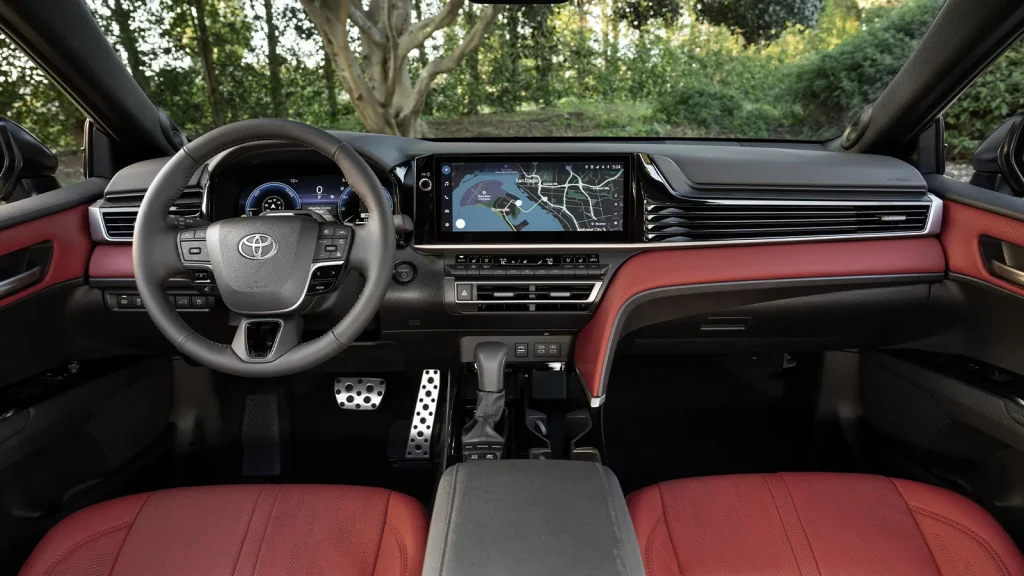
The scope of the campaign nevertheless makes it important for owners to verify their vehicles. More than half a million U.S. Camry hybrids are included, covering vehicles produced across nearly two years.
According to Reuters, NHTSA considers the defect capable of increasing crash or injury risk because critical information and signaling functions may be unavailable.
For consumers, the good news is that the remedy is a software update rather than a major mechanical repair. The important step is making sure the update is completed once Toyota sends the recall notification or the vehicle appears in the official recall lookup.
The Camry Hybrid remains a major part of Toyota’s U.S. lineup, but this recall is a reminder that even highly established vehicles can develop safety problems as their electronic systems become more sophisticated.
In this case, a software issue hidden inside the instrument cluster can potentially affect the driver’s information, turn signals, hazard lights, and warning systems, giving owners a strong reason to check their VIN and complete the repair promptly.
