
Ever left your car parked for weeks, only to return and turn the key to nothing but silence? A dead battery after a short break can wreck your morning plans and your wallet. But here’s the good news: some cars are built to sit quietly for a month without draining a drop, while others seem to lose power just from sitting in your driveway.
This guide breaks down five vehicles that handle long stretches of rest like champions, and five that struggle to stay charged. Whether you’re heading out of town or just parking your second car, knowing which category yours falls into could save you a headache.
5 Cars That Can Sit for a Month Without the Battery Dying
1. Toyota Camry
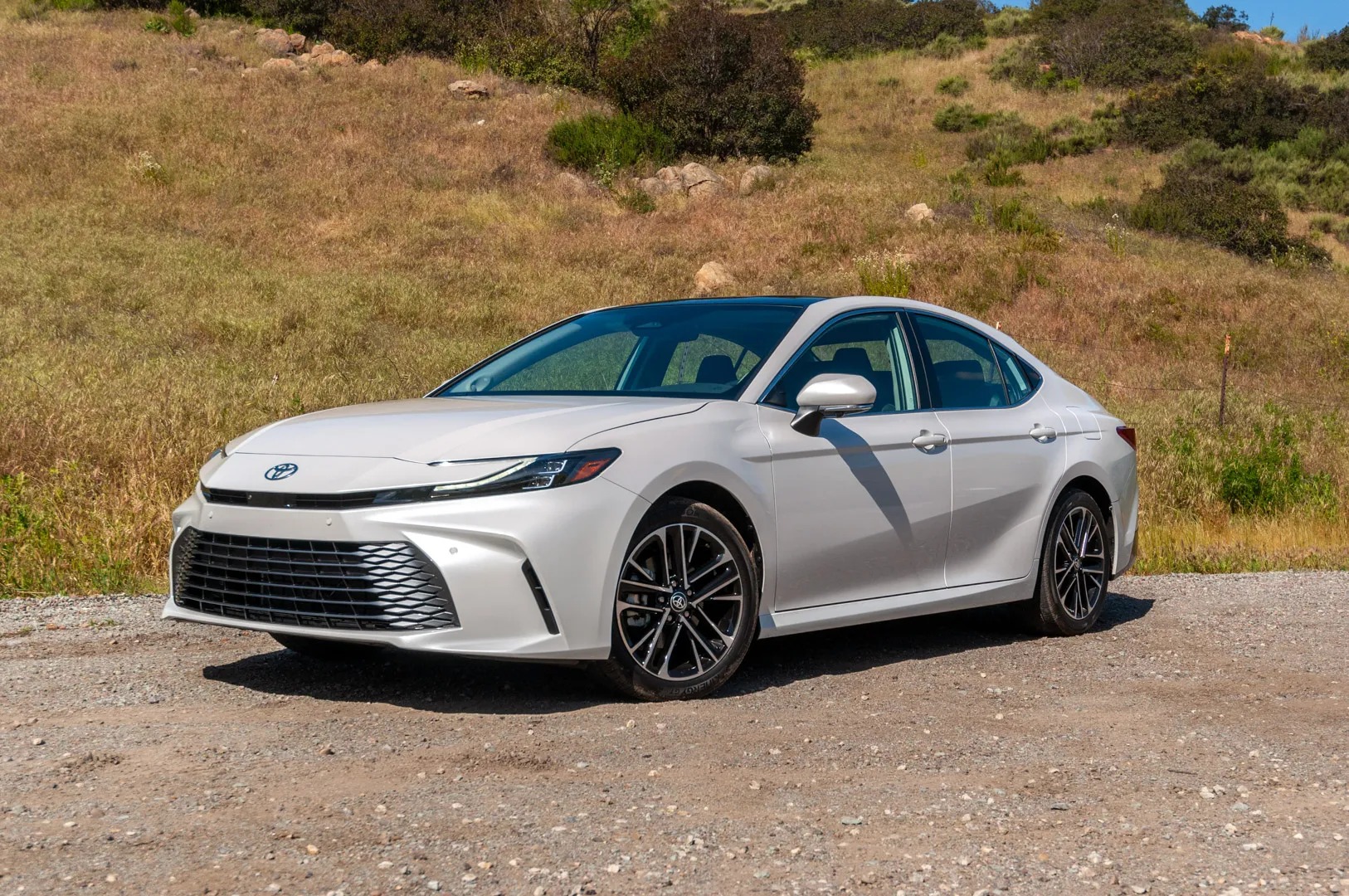
The Camry has earned a reputation for reliability, and its electrical system backs that up. When the car sits unused, its computer modules shut down almost everything that isn’t strictly necessary. This deep sleep behavior means the alternator doesn’t need to work overtime replenishing lost charge, because there’s barely any loss to begin with.
Owners who travel frequently often mention how the Camry starts right up after sitting for weeks. That’s not luck. Toyota engineers designed the vehicle’s software to recognize periods of inactivity and cut standby power accordingly.
Small draws like the clock, alarm system, and onboard computer memory still pull a tiny bit of energy, but nowhere near enough to threaten a fully charged battery within thirty days. This matters more than people realize.
Many modern cars keep dozens of modules lightly active at all times, checking sensors, syncing data, or waiting for a signal. The Camry avoids that trap by aggressively powering down anything not required for basic function.
For anyone who parks their car at the airport for a work trip, or leaves a backup vehicle sitting in the garage, this kind of behavior offers peace of mind. You’re not going to need a jump-start the moment you get back. The battery holds its charge because the car simply isn’t fighting itself, drawing power it doesn’t need while nobody’s driving it.
2. Honda Civic
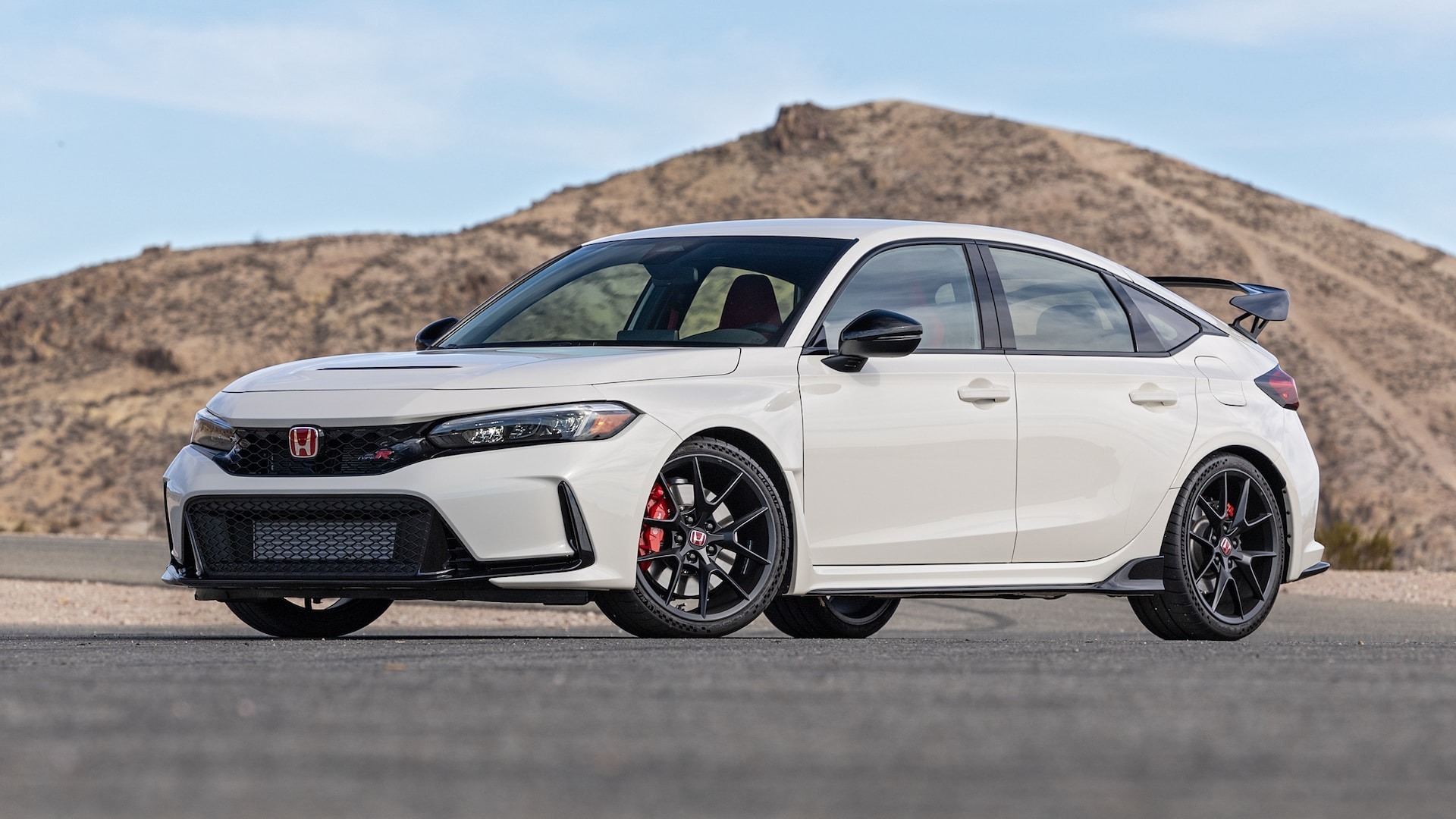
Honda has built a reputation for making dependable vehicles without adding unnecessary systems, and the Civic remains a good example. Its electrical setup is designed to handle daily driving without placing excessive demands on the 12-volt battery when the car is parked.
When a vehicle sits unused, small electronic systems can continue drawing power. The Civic generally keeps this demand under control instead of constantly running numerous features in the background. With fewer systems consuming electricity while parked, the battery has a better chance of retaining enough charge for the next start.
Many owners who leave their Civic parked for several weeks say the car starts normally when they return. That kind of reliability can be especially useful for people who travel regularly or need their vehicle ready for work and other daily activities.
Honda’s approach to vehicle electronics also plays a role. The company tends to focus on useful functions instead of adding features that constantly consume electricity. This can help reduce unnecessary battery drain when the car is sitting unused.
For buyers looking at compact sedans, this can be a practical advantage. A vehicle that manages its parked power consumption well is less likely to leave its owner dealing with a weak battery after a long period without driving.
Still, battery condition matters. An aging battery, extreme temperatures, aftermarket accessories, or a fault in the electrical system can cause problems even when the vehicle normally has low standby power use.
Regular checks are worthwhile if the Civic will remain parked for an extended period. This is especially helpful before long trips or seasonal storage, when discovering a weak battery can cause unnecessary inconvenience.
3. Chevrolet Bolt EV / EUV
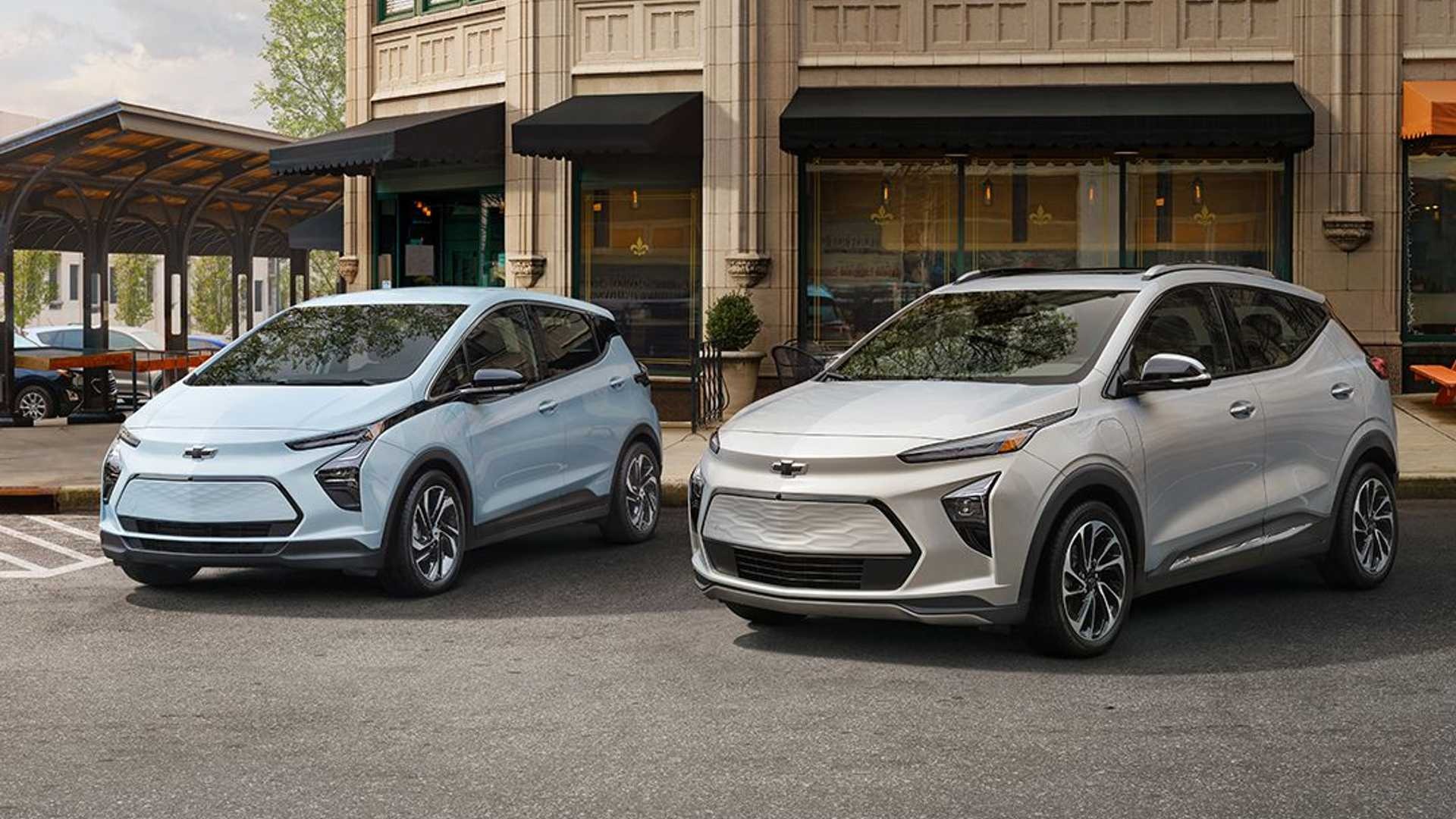
The Chevrolet Bolt EV and EUV use an electrical system that handles long periods of parking differently from many gasoline vehicles. A large high-voltage battery supplies the power needed to drive the car and also helps maintain the smaller 12 volt battery when necessary.
When the vehicle remains parked for several weeks, the high voltage system can monitor the 12 volt battery and provide support when its charge gets low. This reduces the chance of returning to a car with a completely drained 12 volt battery after an extended period without driving.
For owners, the process happens automatically without requiring regular attention. The vehicle manages the battery system itself, so there is no need to manually recharge the 12-volt battery simply because the car has been sitting unused for some time.
This arrangement can be useful for people who do not drive every day. Someone with another vehicle, a long commute schedule, or frequent travel may leave the Bolt parked for weeks at a time. Having the vehicle manage its own low voltage battery can make that situation less stressful.
Still, the system does not make the Bolt immune to battery problems. A weak or damaged 12-volt battery can still fail, and unusually long storage may require additional preparation. Cold weather, battery age, and other electrical faults can also affect performance.
For many owners, though, the Bolt’s battery management system offers a practical advantage. Instead of depending entirely on the smaller battery while parked, the vehicle can use its larger battery pack to help maintain the 12-volt system.
That design can make extended parking more convenient for people who do not use their EV every day.
4. Nissan Leaf
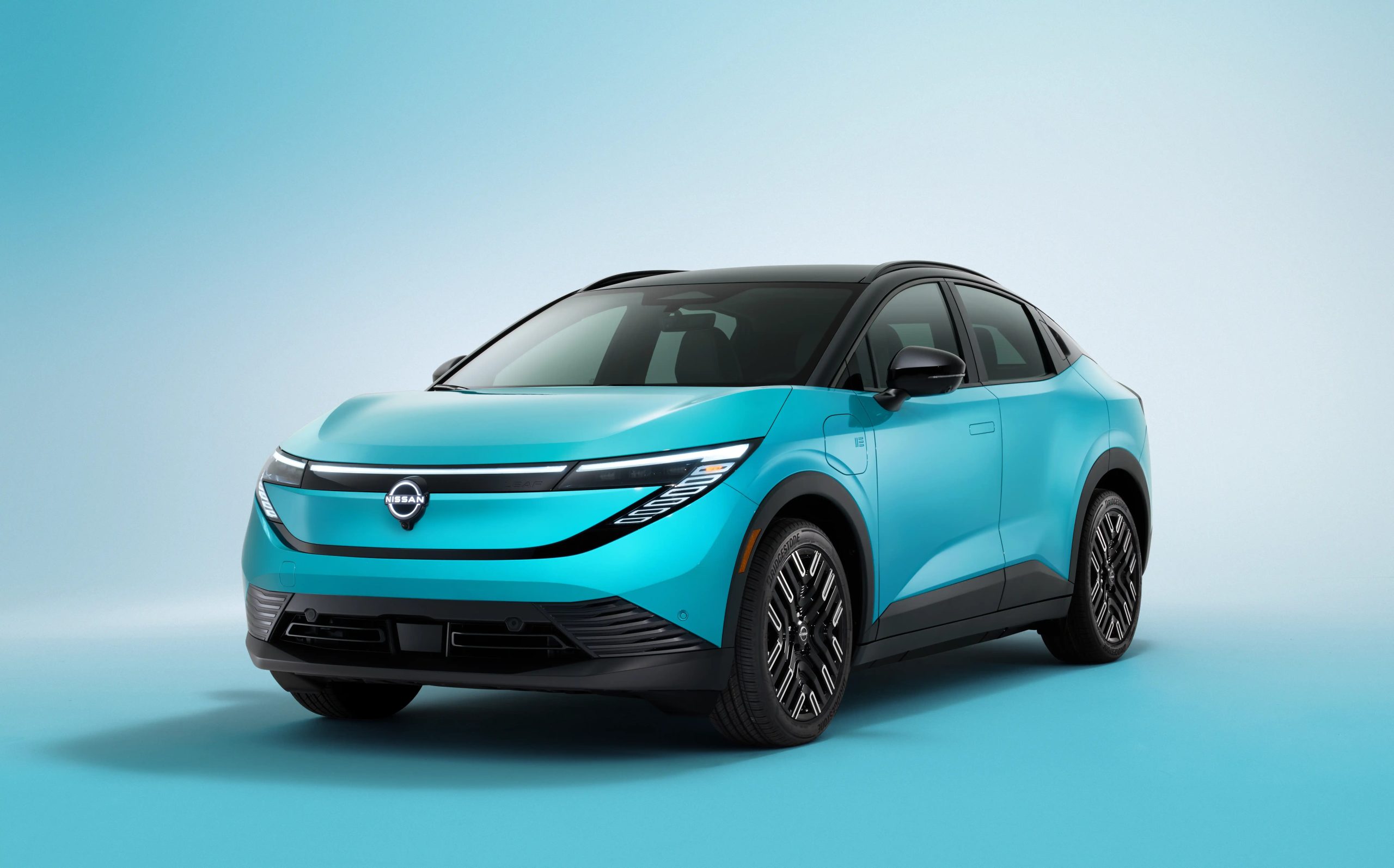
Much like the Bolt, the Nissan Leaf takes a proactive approach to battery health. Its main traction battery doesn’t just sit idle while the car is parked. It actively monitors the smaller 12-volt battery and steps in to recharge it whenever levels drop too low.
This is a fairly smart piece of engineering, and it addresses a problem that plagued early electric vehicles. In the past, EV owners sometimes found themselves stuck with a fully charged main battery but a dead 12-volt battery, which controls basic functions like unlocking doors and powering the dashboard. Nissan solved this by linking the two systems more closely.
So what does this mean for someone parking their Leaf for a month? Very little, in terms of stress. The car essentially babysits its own smaller battery, stepping in before a full discharge becomes possible. There’s no need to manually check voltage levels or worry about corrosion building up on neglected terminals.
Owners who’ve left their Leaf parked at home while traveling abroad often come back to a car that starts exactly as expected. That reliability builds confidence in the vehicle, particularly for those newer to electric ownership who might otherwise assume EVs are more fragile than gas cars when left unused.
It’s a quiet feature, but one that makes daily life noticeably easier.
5. Toyota 4Runner (Older Generations)
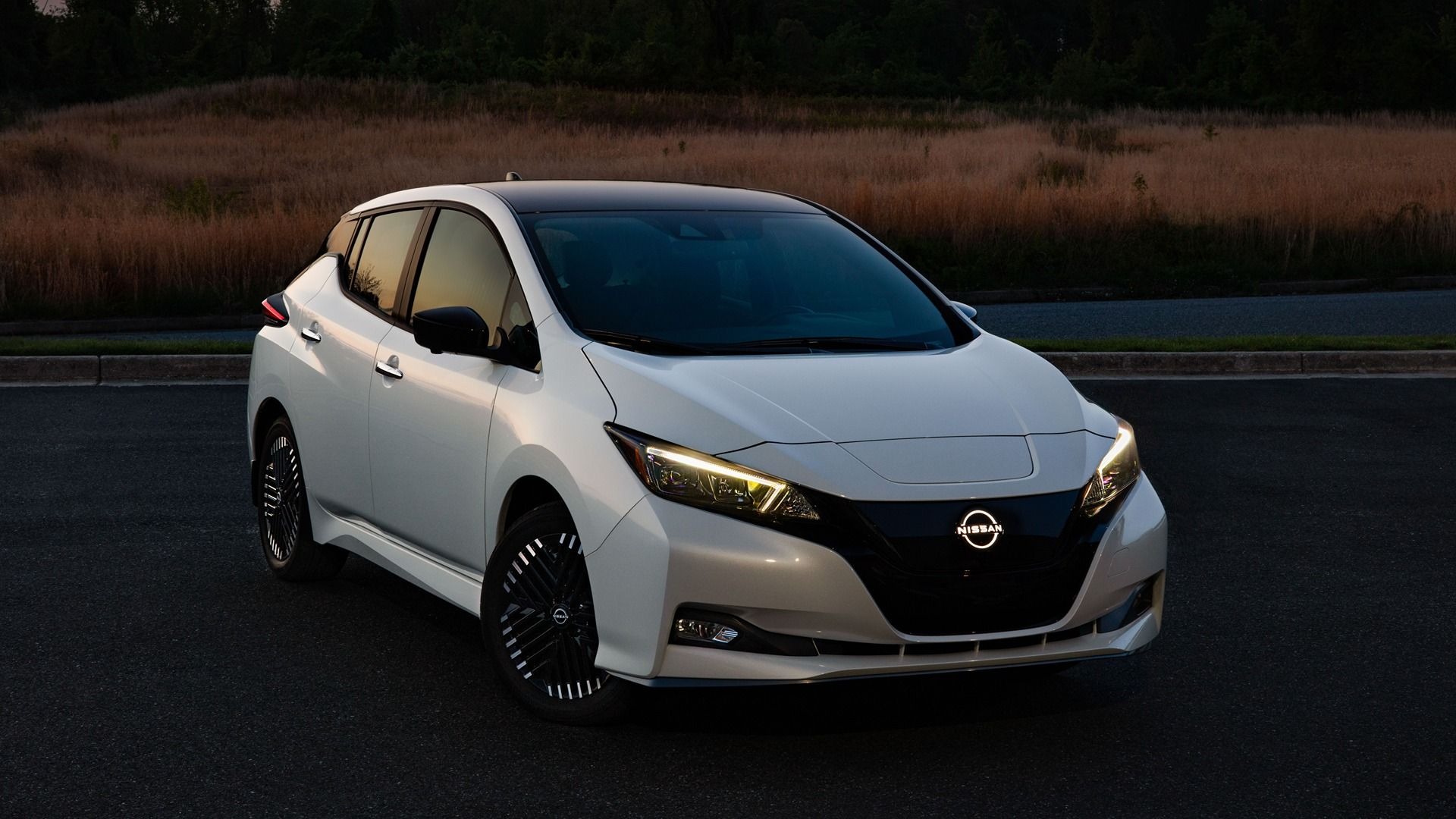
Older 4Runner models come from an era before cars were packed with constant connectivity features. That might sound like a downside in some ways, but when it comes to battery life during long periods of parking, it’s actually a major benefit.
These earlier generations weren’t built to maintain cellular connections, run background software updates, or track location data around the clock. Without those systems constantly pulling small amounts of power, the battery simply isn’t asked to work as hard while the truck sits still.
Owners of these older 4Runners often praise their toughness, and that reputation extends to electrical reliability too. A vehicle that isn’t juggling dozens of always-on modules has far less opportunity to slowly bleed its battery dry over the course of several weeks.
This becomes especially relevant for people who use their 4Runner as a weekend vehicle, off-road rig, or seasonal truck that doesn’t see daily use. Parking it for a month rarely causes any trouble, because there’s so little demand placed on the battery to begin with.
There’s something almost refreshing about a vehicle built with fewer digital distractions. While newer trucks pack in features that constantly monitor and communicate, the older 4Runner simply waits patiently, using barely any power until you’re ready to drive it again.
5 Cars Prone to a Dead Battery Within a Month
1. Tesla Model 3 / Model Y
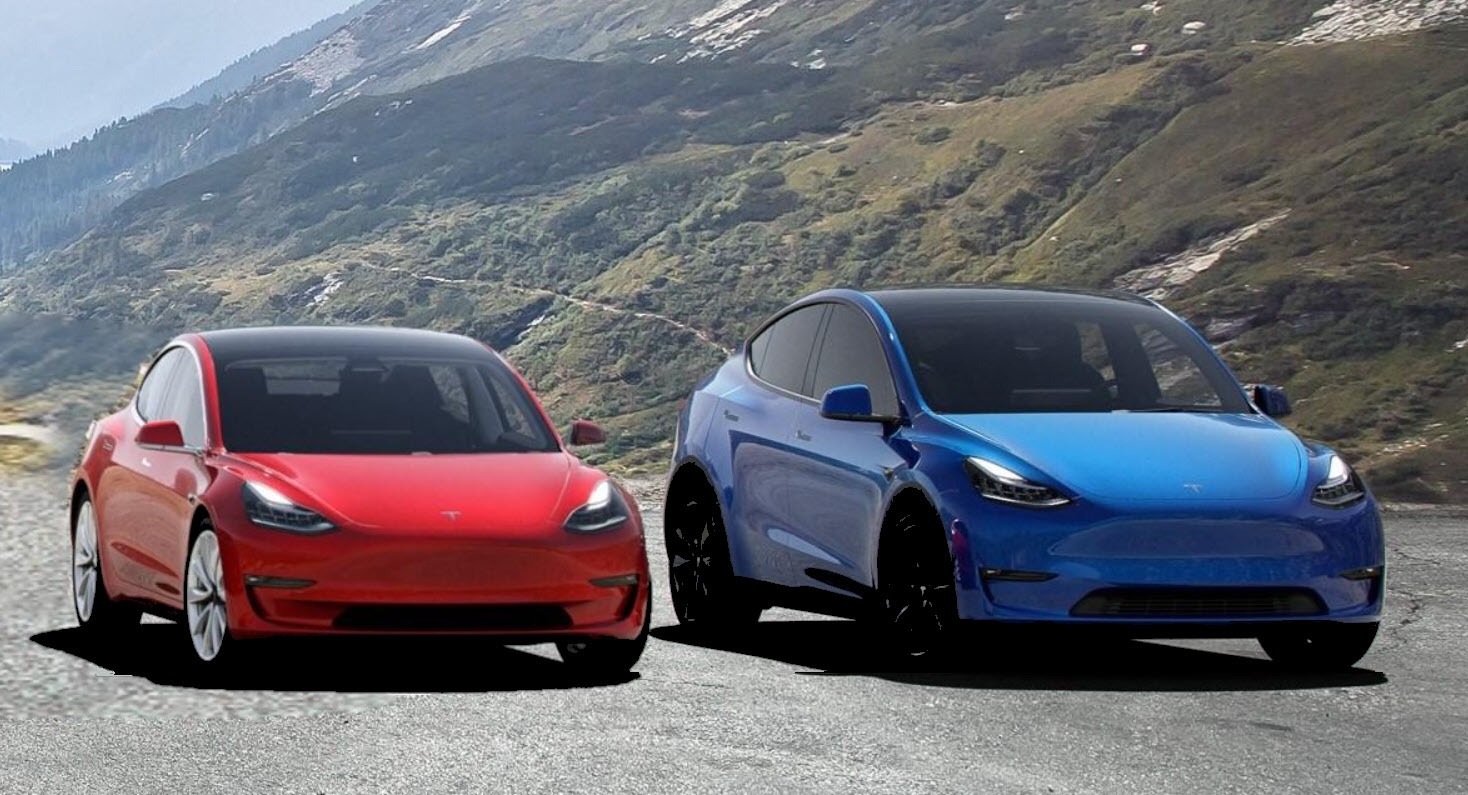
Tesla’s Sentry Mode can be useful when a vehicle is parked, since it uses the car’s cameras and computer to watch for activity nearby. However, keeping the feature active for many days can consume a significant amount of battery power.
When Sentry Mode is running, several systems remain active instead of allowing the vehicle to enter its lowest power state. The cameras monitor the surroundings, while the onboard computer processes and stores recorded footage.
That continued activity requires more electricity than leaving the car parked with Sentry Mode turned off. This can become a concern for owners who leave their Model 3 or Model Y unused for weeks. A vehicle that starts with a healthy battery may lose a considerable amount of charge during a trip, especially when Sentry Mode remains active throughout the parking period.
Tesla provides settings that allow owners to control when Sentry Mode operates and where monitoring is enabled. Checking these options before leaving the vehicle unattended for an extended period can help reduce unnecessary battery consumption.
Anyone planning a trip should review the car’s security and battery settings before leaving. Turning off Sentry Mode when unnecessary can help preserve charge and reduce the chance of returning to a vehicle with a low battery.
Sentry Mode itself is not a problem, but it should be used with the parking period in mind. Owners who need continuous monitoring should expect higher power use, while those leaving the car for weeks may prefer to disable the feature.
2. Ford Mustang GT (Modern Generations)
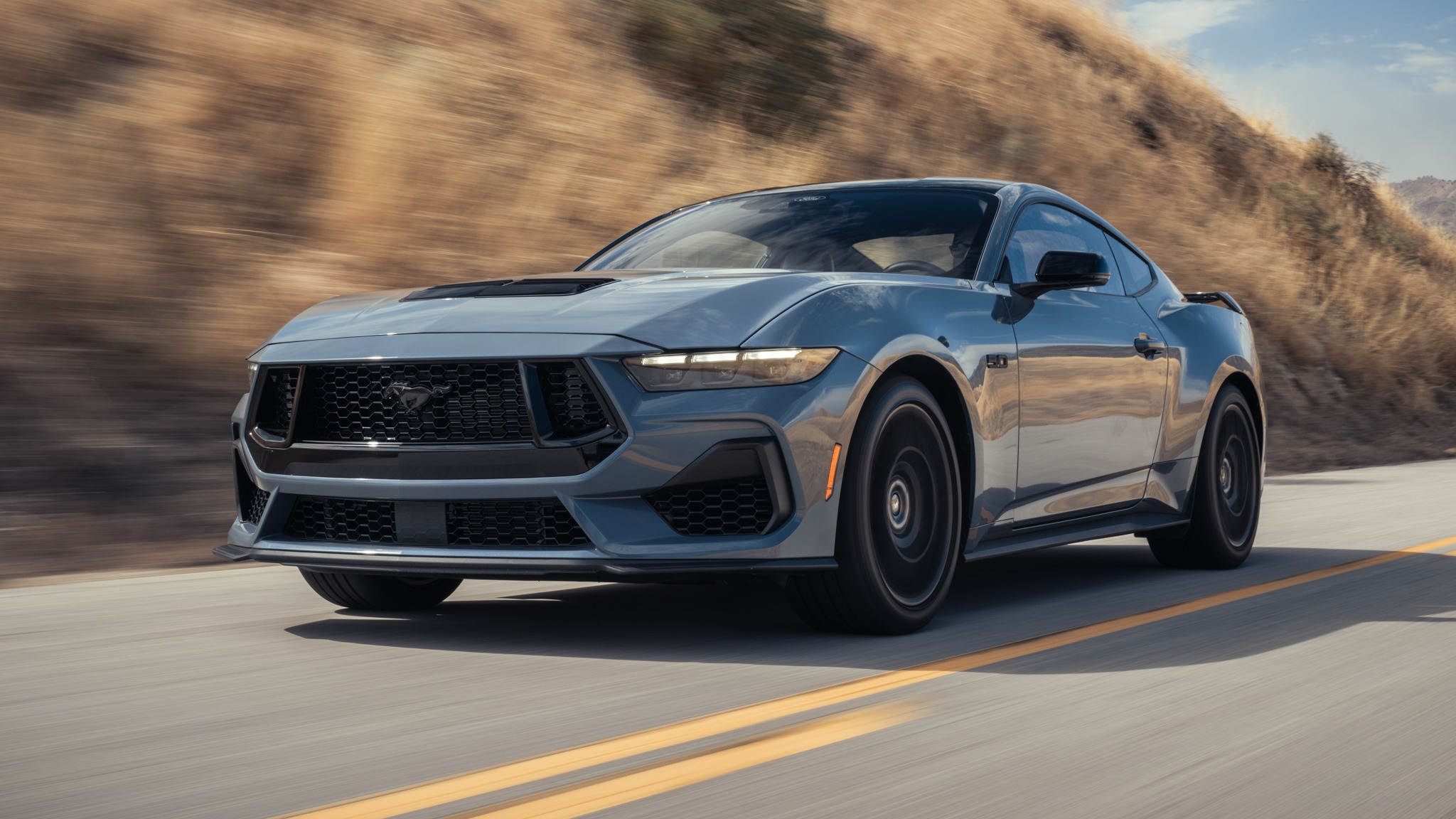
Today’s Mustang GT is packed with technology that older muscle car fans might find surprising. Beyond the roaring engine and aggressive styling, there’s a web of background modules quietly running behind the scenes, even when the car is parked and untouched.
These systems handle everything from security monitoring to connectivity features that keep the car linked to smartphone apps and remote start functions. Each module on its own might not draw much power, but combined, they add up to a steady parasitic drain that chips away at the battery day after day.
Owners who park their Mustang for a month without driving it sometimes discover the battery has dropped to a point where starting the engine becomes difficult, or impossible without assistance. This tends to catch people off guard, especially those coming from older Mustang generations that didn’t carry nearly as much onboard electronics.
Modern performance cars increasingly walk a fine line between offering exciting features and managing the power those features require. The Mustang GT leans heavily toward the feature-rich side, which means convenience comes with a tradeoff in long-term parking situations.
For owners planning extended time away from their car, using a battery maintainer or disconnecting the terminal can prevent an unpleasant surprise. Without that precaution, a month of sitting idle is often enough to leave the battery too weak to turn the engine over.
3. BMW 7 Series
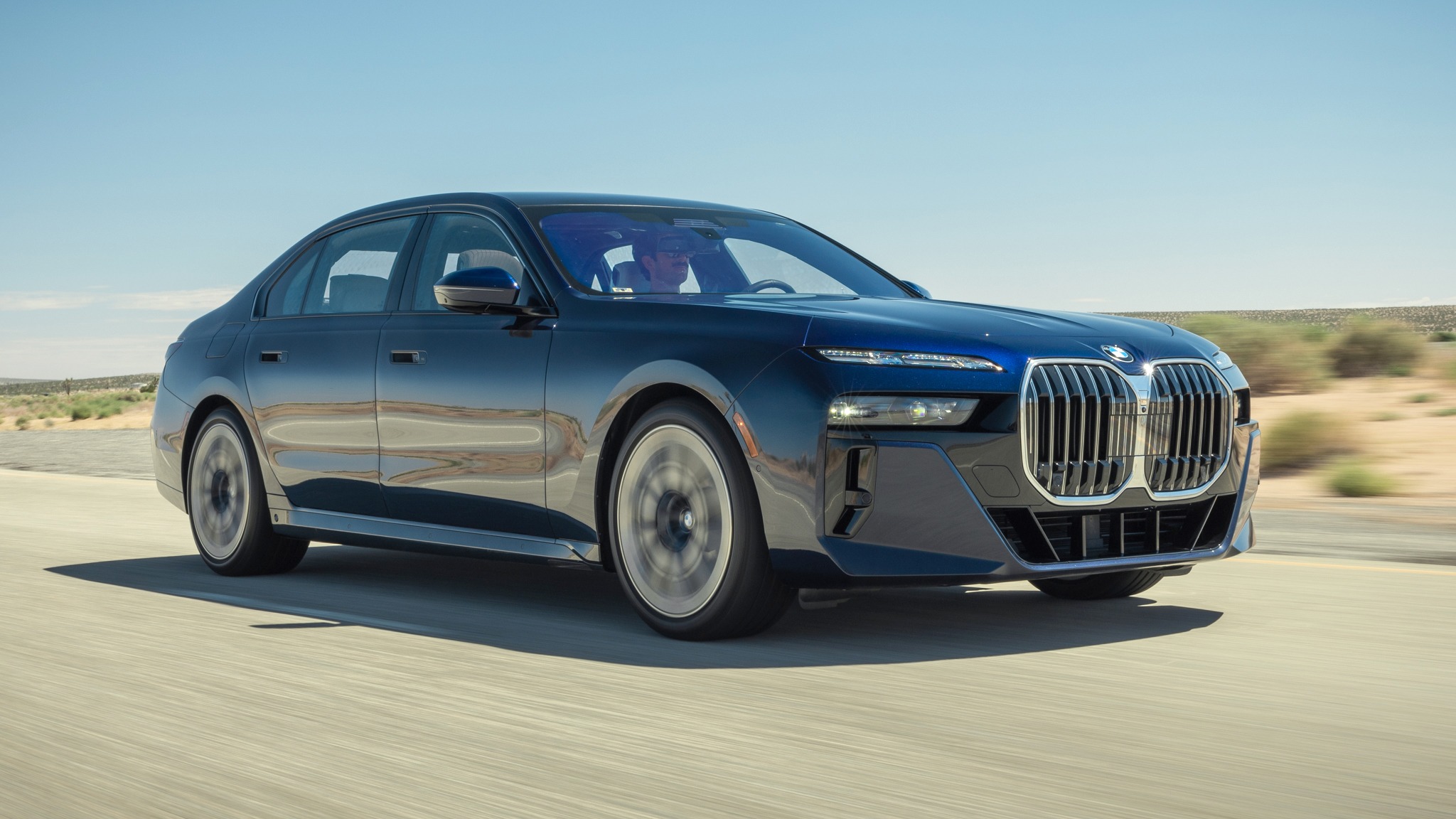
The 7 Series represents BMW’s flagship luxury sedan, and with that title comes an enormous amount of onboard technology. Unfortunately, all that sophistication requires power, and much of it continues running even when the car appears to be completely off.
Background systems in the 7 Series regularly check for software updates, scan for the presence of a nearby key fob, and maintain security tracking features. None of these tasks happen just once. They repeat continuously, drawing small amounts of energy that accumulate into a real problem over the course of several weeks.
This is a common frustration among luxury car owners generally, and BMW’s flagship sedan is no exception. Drivers who leave their 7 Series parked for a month, especially without connecting it to a trickle charger, often find themselves needing roadside assistance or a battery replacement sooner than expected.
Part of the issue lies in how connected these vehicles have become. Features that once required the car to be running now function passively, always ready to respond, which sounds convenient until you realize the cost in stored energy.
Owners who understand this tendency tend to invest in maintainers or ask a neighbor to start the car periodically during long trips. Without that kind of intervention, the 7 Series simply isn’t built to handle a month of complete silence very gracefully.
4. Range Rover
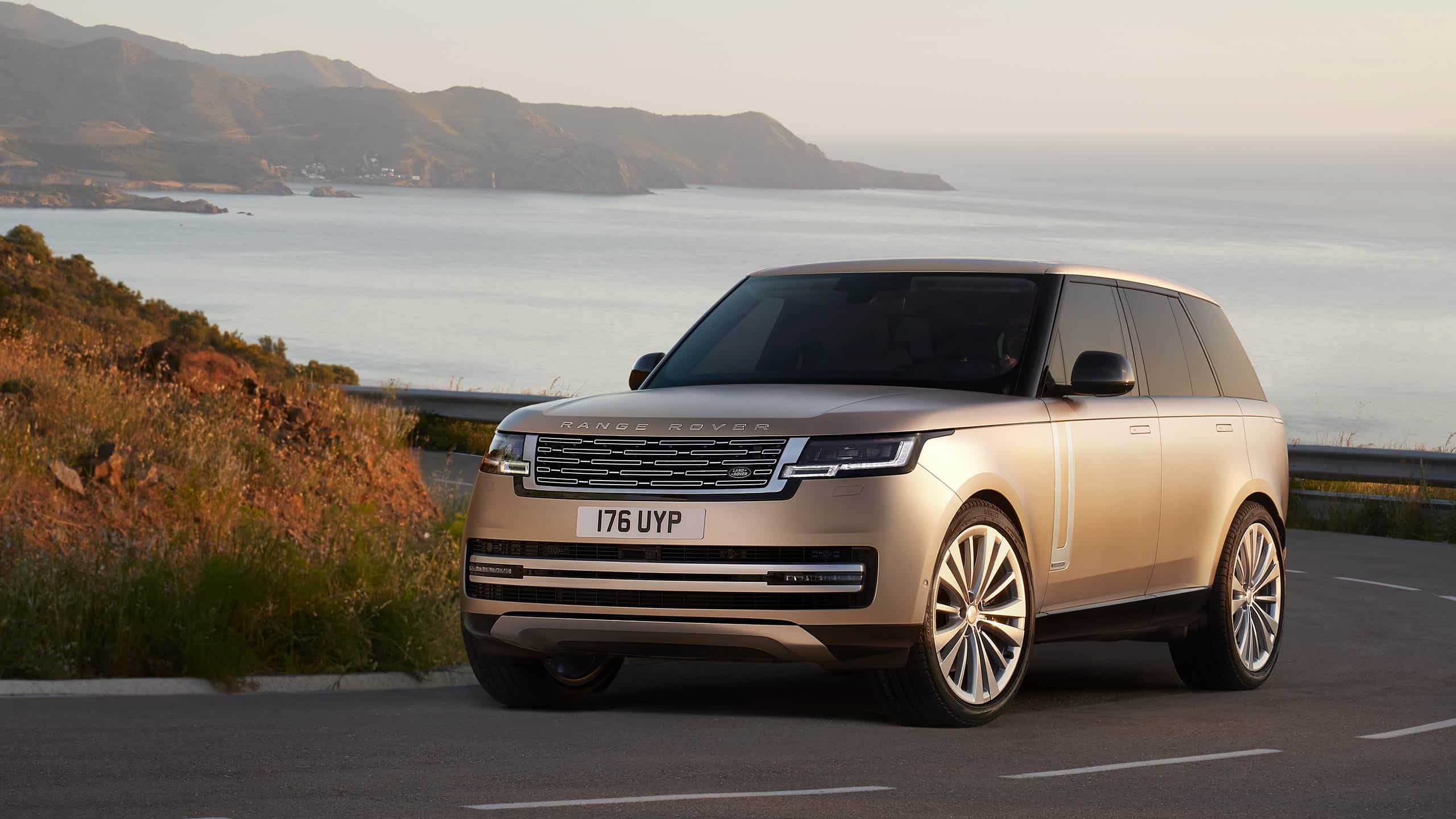
Range Rover owners often praise the smooth ride that comes from the vehicle’s air suspension system, but that same feature becomes a liability when the car sits parked for too long. The computers managing air suspension don’t simply switch off; they continue monitoring ride height and adjusting as needed, even without a driver present.
Layered on top of that are active security networks designed to protect against theft, which likewise remain partially powered around the clock. Combined, these systems create a steady draw on the battery that most drivers don’t fully appreciate until it’s too late.
Stories of Range Rover owners returning from vacation to a completely dead battery are common enough to be something of a running joke among luxury SUV circles. It’s not a design flaw exactly, more a tradeoff that comes with offering such an advanced ride and security experience.
Unlike simpler vehicles that quiet down almost entirely when parked, the Range Rover keeps working behind the scenes, protecting itself and maintaining comfort features that most owners never think about until the battery fails.
For anyone planning to leave their Range Rover parked for a month, a battery maintainer isn’t just a nice extra step. It’s close to a requirement if you want to avoid a frustrating and often costly situation upon your return.
5. Porsche 911 (Modern Generations)
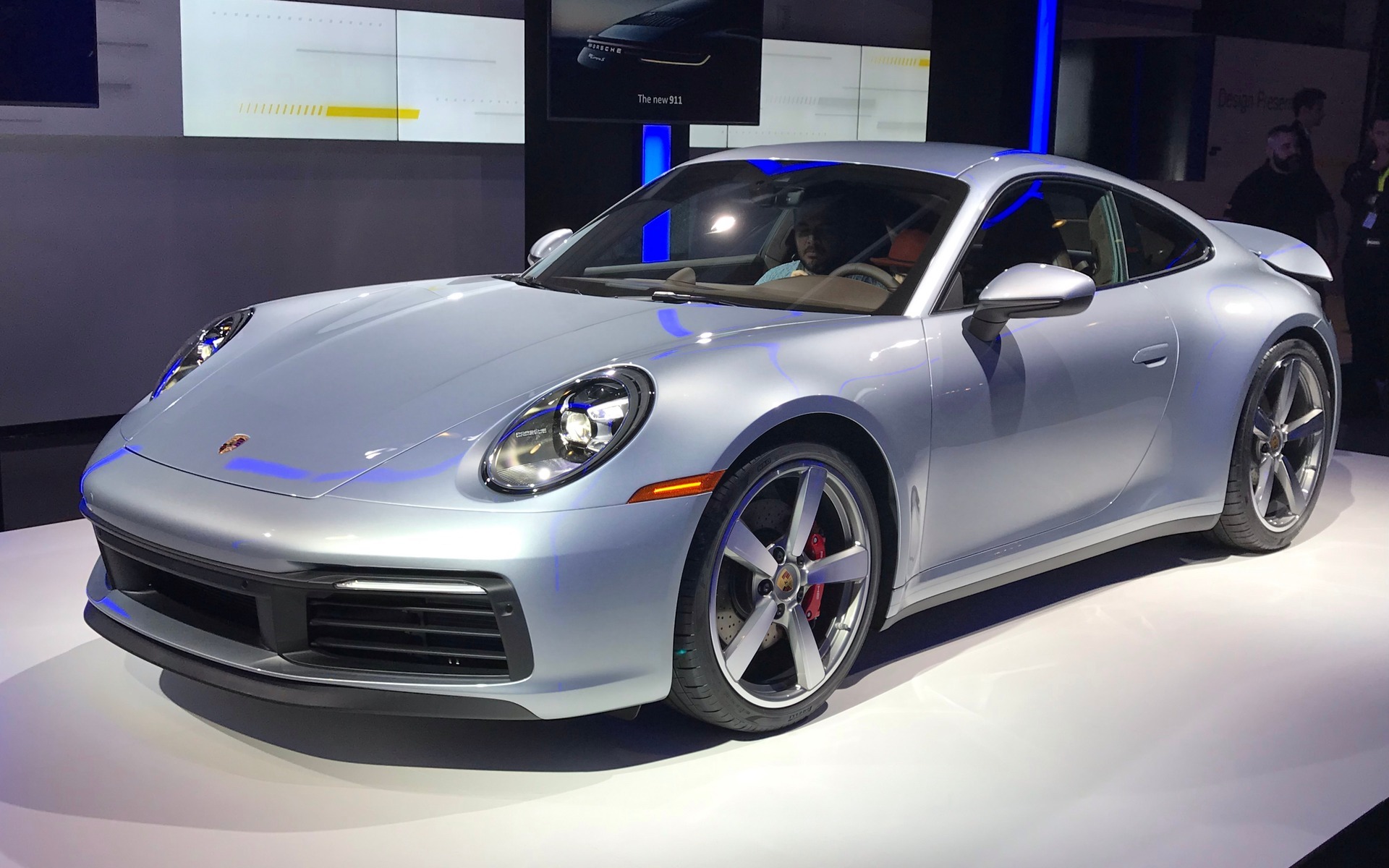
The Porsche 911 shows how performance-focused engineering can sometimes create a practical problem for owners. Porsche works hard to keep the car light, so the battery may be smaller than what some people expect from a vehicle with many electronic features and luxury equipment.
At the same time, the car has security, tracking, and other electronic systems that continue using power while it is parked. This can become a problem when the 911 stays unused for several weeks.
A smaller battery has less reserve power, and the constant demand from electronic systems can gradually reduce that reserve. If the car is parked for a long period, there may not be enough power left to start the engine when the owner returns.
Many 911 owners who store their cars during colder months or leave them parked while travelling use a battery maintainer. Keeping the battery connected to a maintainer helps prevent it from losing too much charge while the car is not being driven.
This is connected to Porsche’s focus on performance. Adding a larger battery could provide more reserve power, but it would also add weight, which Porsche generally tries to avoid.
For owners who do not drive their 911 regularly, planning for long parking periods is important. A good battery maintainer can help keep the battery in proper condition and make starting the car easier after weeks of inactivity. It is a precaution that can save the owner from returning to a car that will not start when needed.
