
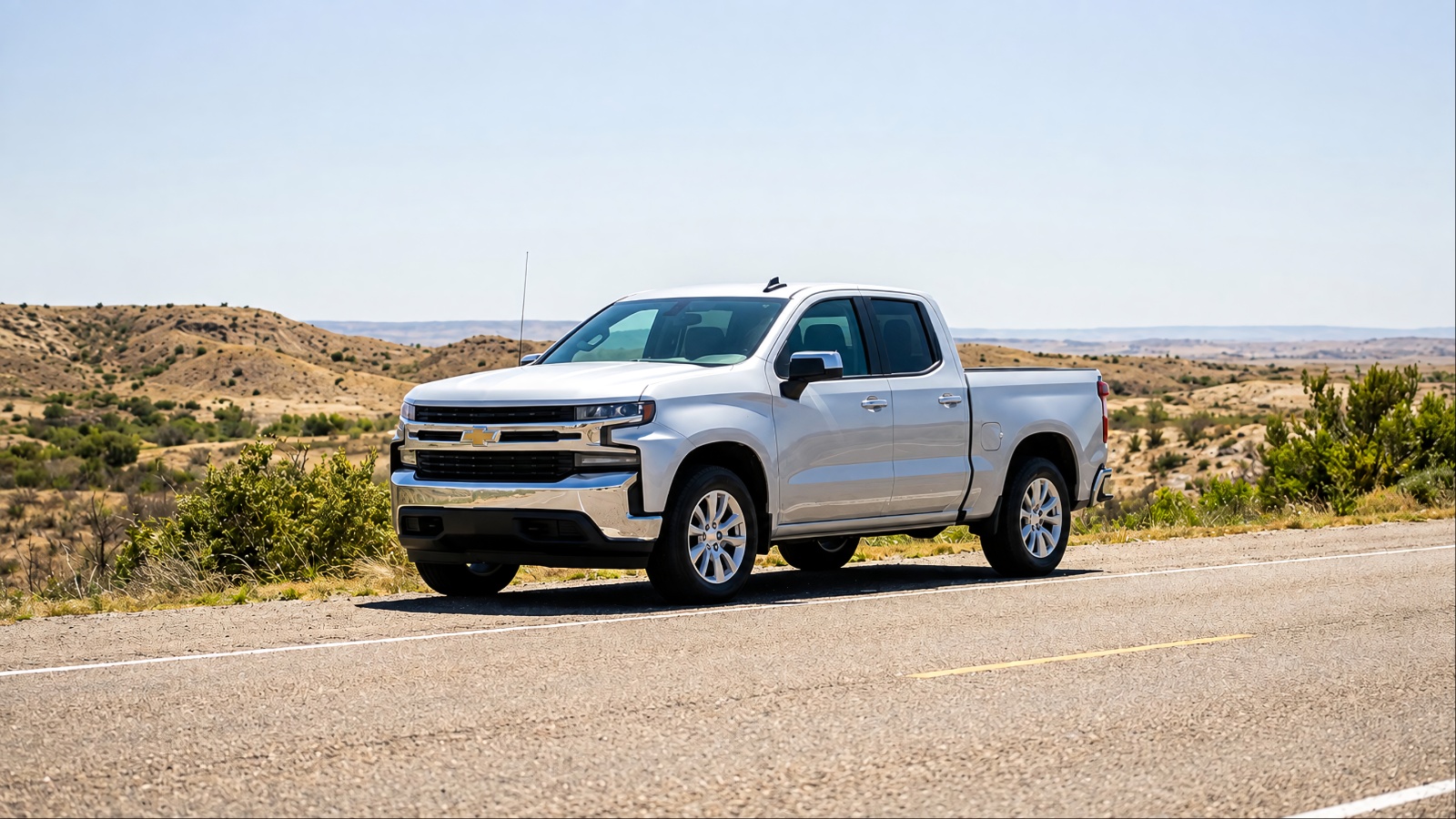
Texas driveways tell a story that differs from the rest of the country. Distances are longer here. Trucks work harder, and vehicles cover more highway miles between coastal cities and inland ranches. That reality shapes which vehicles Texans hold onto rather than trade in.
Ownership research from automotive analysts consistently shows a pattern. Reliability and utility beat trend-chasing. Texans skew toward vehicles that shrug off heat, hauling duty, and high mileage. Toyota, Chevrolet, and Ford dominate the list for good reason.
These are not random picks. They come from ownership-length studies, reliability data, and repair-cost analysis across millions of vehicles sold nationally.
Regional registration and resale patterns specific to Texas back up the national numbers. The two data sets tell the same story from different angles.
Climate plays a role too. Texas heat and long dry stretches are gentler on undercarriages than the salted, icy roads found in much of the Midwest and Northeast.
That means a Texas-owned vehicle often ages better mechanically than the same model driven elsewhere. Owners notice this and factor it into how long they keep a car.
What follows are the ten vehicles Texas owners are statistically most likely to keep well past the average 8-year ownership window. Each one earns its spot through documented durability, not nostalgia.
Some are trucks built for ranch work. Others are sedans and SUVs valued for low repair costs and dependable highway comfort. Together, they explain why Texas has one of the highest average vehicle ages in the country. Owners here don’t trade in what still runs.
1. Toyota Land Cruiser
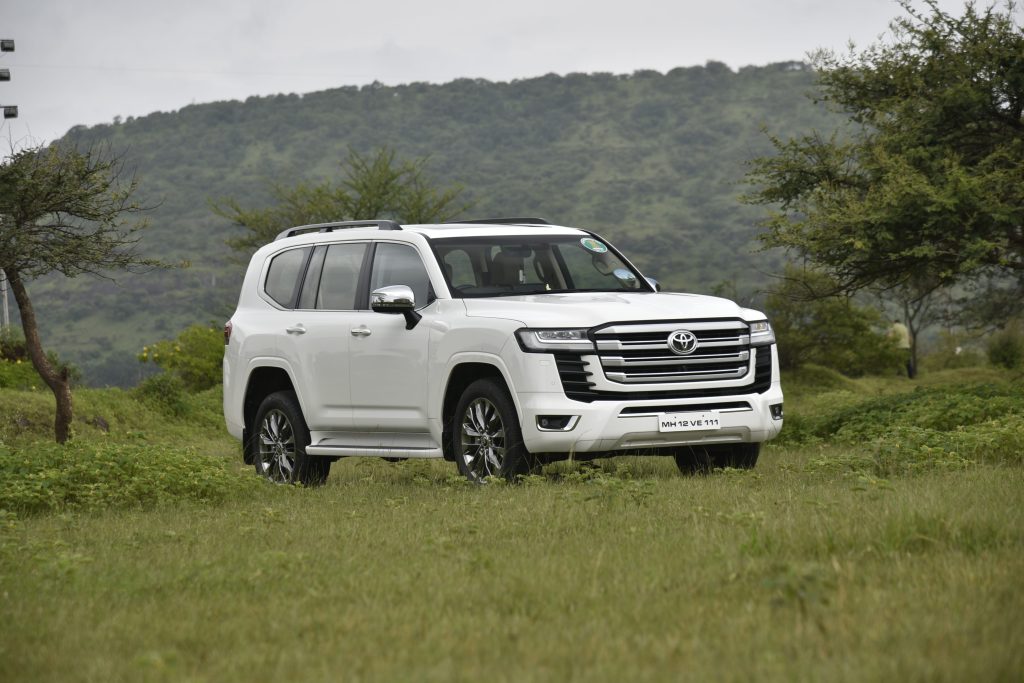
The Land Cruiser tops nearly every longevity study conducted in the last decade. National ownership research places it at roughly 11.4 years before the average owner sells.
In Texas specifically, regional studies have found Land Cruiser owners hold on even longer, often past 11 years. The model’s body-on-frame construction and simple mechanical layout are the reasons.
Texas buyers gravitate toward this SUV because it was engineered for punishing conditions. Ranch use, desert heat, and long highway hauls barely faze it.
Toyota discontinued the traditional Land Cruiser nameplate in the U.S. after 2021, which only strengthened resale demand. Owners now hold onto existing units rather than risk losing access to the platform.
Parts availability remains strong nationwide, and independent mechanics know the drivetrain well. That combination keeps repair costs predictable even as the vehicle ages past 200,000 miles.
Land Cruiser owners are also disproportionately original buyers. Fewer than average trade in for a newer model within the first decade. That loyalty compounds over time. A well-maintained Land Cruiser from the 2000s is still considered a dependable daily driver in much of Texas today.
Border regions like El Paso show particularly strong retention numbers for this model. Researchers studying regional ownership patterns found Land Cruisers there kept even longer than the national average.
The SUV’s reputation for off-road capability also matters in West Texas and the Hill Country. Owners there rely on the vehicle for unpaved roads that would wear down less rugged competitors quickly.
Even as the vehicle climbs past 250,000 miles, many owners report only routine maintenance rather than major repairs. That track record is difficult for any competitor to match.
Insurance costs also factor in. Because Land Cruisers rarely suffer catastrophic mechanical failure, long-term insurance premiums tend to stay stable rather than climbing with age like less reliable models.
2. Toyota 4Runner
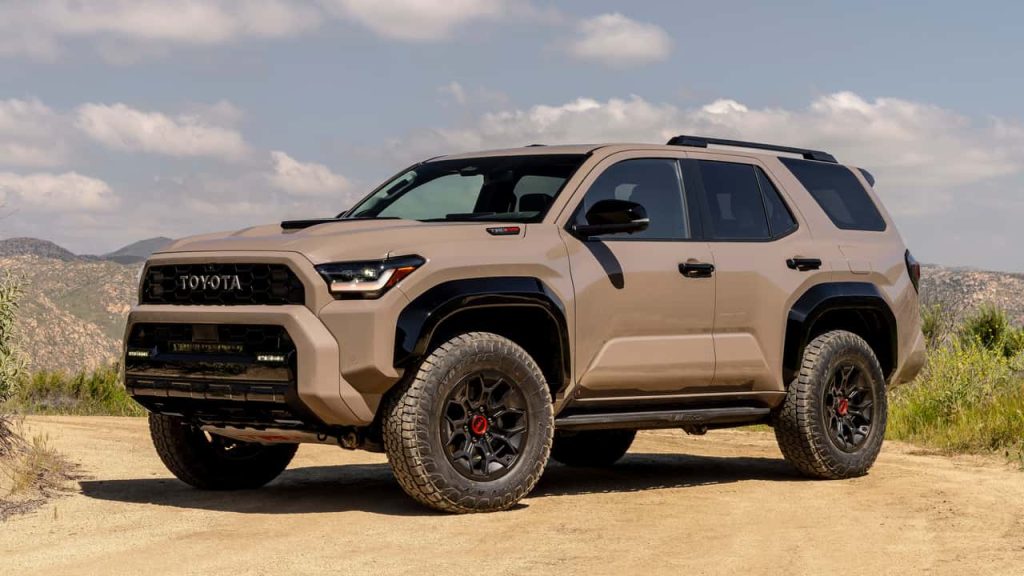
The 4Runner consistently ranks in the top ten nationally for length of ownership, and Texas data mirrors that trend closely. Owners keep it an average of nine to ten years.
Its body-on-frame design, shared loosely with the Tacoma pickup, gives it off-road capability that sedans and crossovers can’t match. That matters across rural Texas terrain.
Unlike many competitors, Toyota resisted switching the 4Runner to a car-based unibody platform. That decision kept the SUV mechanically simple and easier to repair long-term.
Texas buyers frequently cite towing capacity and ground clearance as reasons for holding onto the vehicle rather than upgrading. It handles both city commuting and rural work equally well.
Reliability data shows the 4Runner has one of the highest percentages of units surpassing 200,000 miles among midsize SUVs. That statistic alone drives long-term retention.
Resale value stays unusually strong too. Owners often calculate that keeping the vehicle costs less than replacing it with something newer and less proven.
The interior technology lags behind newer competitors, which some owners view as a downside. Most Texas 4Runner owners consider that a fair trade for mechanical simplicity.
Regional studies covering border cities have specifically named the 4Runner among the top vehicles kept by local owners. It regularly appears alongside the Land Cruiser and Sequoia in those rankings.
Owners often point to the solid rear axle and separate frame as reasons the SUV tolerates rough ranch roads better than crossover-based rivals. That durability translates directly into fewer suspension repairs over time.
Because Toyota kept the same basic platform for over a decade before a recent redesign, mechanics across the state became deeply familiar with its quirks. That familiarity keeps labor costs lower than average.
Families in suburban Texas also value the 4Runner’s cargo flexibility, noting that it handles everything from school runs to camping trips without needing a second vehicle for hauling gear.
3. Ford F-150
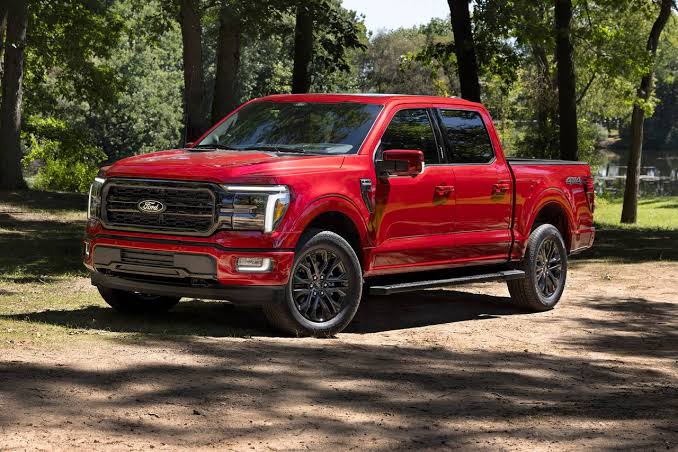
No vehicle sells in higher volume across Texas than the F-150, and ownership-length data reflects that dominance. Many owners keep the truck close to a decade or longer.
Ranch work, construction, and long commutes make the F-150 a functional necessity rather than a lifestyle choice for a large share of Texas buyers. That practicality drives retention.
Aluminum body panels introduced in 2015 reduced rust concerns significantly, addressing a longtime complaint from truck owners in humid parts of the state. That change extended usable vehicle life.
Engine options range from efficient V6 turbocharged units to larger V8s, giving buyers flexibility based on towing needs. Most variants have proven durable well past 150,000 miles.
Parts availability is unmatched. Nearly every town in Texas has a shop capable of servicing an F-150, which keeps repair costs manageable over a long ownership period.
Owners frequently report using the same truck for over a decade of daily work duty. Resale demand for used F-150s remains high even at higher mileage.
That resale strength paradoxically encourages owners to keep the truck longer. Selling means losing a proven vehicle for an unknown replacement at a premium price.
The F-150’s dominance in Texas sales charts for decades running means service networks and aftermarket parts are especially deep here. That infrastructure advantage isn’t available to less common trucks.
Fleet buyers, ranchers, and tradespeople frequently keep F-150s well beyond typical consumer ownership windows because replacement costs for a comparable new truck have risen sharply.
Many owners also point to the truck’s flexibility, noting that a single F-150 can serve as both a work vehicle during the week and a family vehicle on weekends. That versatility reduces the need for a second car.
Even high-mileage F-150s tend to retain strong towing performance if maintained properly, which matters to owners who depend on the truck for trailers, livestock, or equipment year-round.
4. Chevrolet Suburban
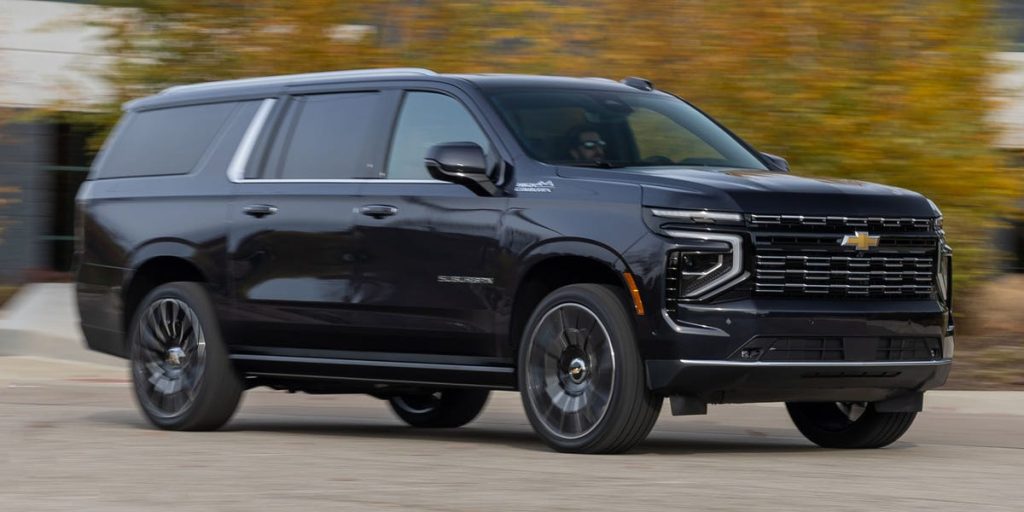
Few vehicles fit Texas’s blend of large families and long-distance travel better than the Suburban. Ownership studies place it among the longest-held full-size SUVs nationally.
Its third-row seating and cargo capacity make it a practical choice for families who need to cover hundreds of miles at a stretch, a common Texas reality.
The Suburban’s body-on-frame platform, shared with the Tahoe and Silverado, gives it durability advantages over unibody competitors. Drivetrain components are well understood by mechanics statewide.
Texas owners frequently cite towing capability as a primary reason for long-term retention. Boats, trailers, and livestock equipment all factor into that calculation.
Fuel costs are higher than smaller SUVs, but Texas gas prices have historically run below national averages. That softens the economic case for trading down to something smaller.
Interior space also plays a role in extended ownership. Families often keep the vehicle through a full cycle of children growing up rather than downsizing early.
Its size and stability at highway speeds make it well suited to the long straight roads common across Texas, reducing driver fatigue on extended trips.
Multi-generational households in Texas frequently point to the Suburban’s seating flexibility as a reason it stays in the family longer than a typical SUV. Folding rows accommodate cargo one week and passengers the next.
Because the platform shares so many parts with Chevrolet’s full-size trucks, repair costs stay reasonable even as the vehicle accumulates high mileage. That shared parts bin is a meaningful cost advantage.
Owners in rural counties also note that the Suburban’s ground clearance and four-wheel-drive options hold up well on unpaved roads, extending its usefulness well past a decade of service.
Longtime owners often mention that the vehicle’s high seating position and commanding road presence add to a sense of safety on Texas interstates, another reason families are slow to let it go.
5. Toyota Tacoma
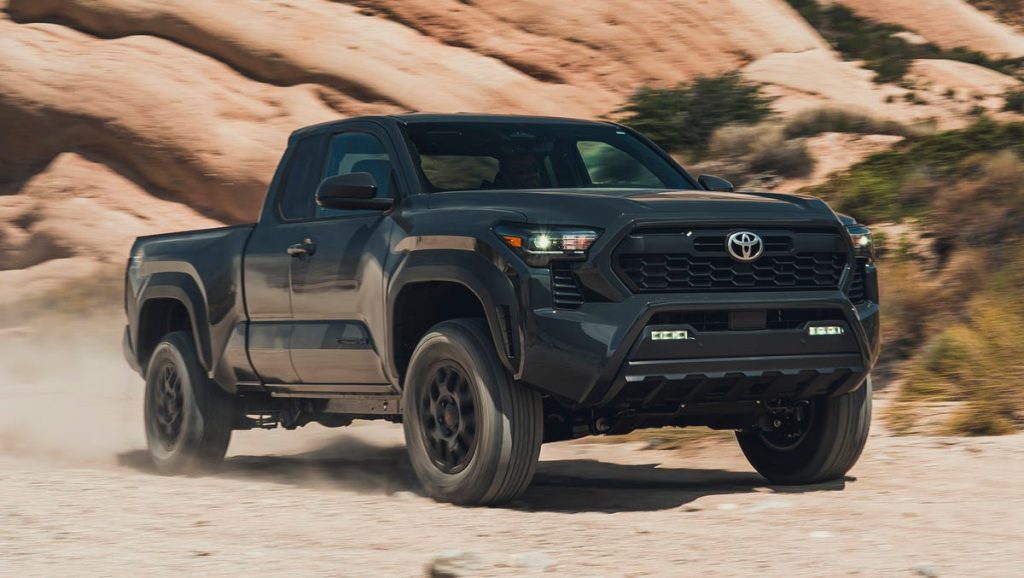
The Tacoma has led midsize truck reliability rankings for years, and Texas ownership data reflects strong long-term retention. Many owners keep the truck past the ten-year mark.
Its reputation for resisting rust and mechanical failure stems from a simple, proven platform that Toyota has updated cautiously rather than overhauled frequently.
Texas buyers favor the Tacoma for its balance between full-size truck capability and easier daily maneuverability. That middle ground appeals to suburban and rural drivers alike.
Resale values for used Tacomas are unusually high relative to other trucks in its class. Owners often note that trading in early makes little financial sense.
Independent studies analyzing vehicles that reach 200,000 miles consistently place the Tacoma near the top of its segment. That durability record reinforces owner confidence.
Many Texas Tacoma owners report using the same truck through multiple jobs, moves, or life stages. The truck’s low mechanical complexity makes DIY maintenance realistic for many owners.
Even as newer trucks add technology features, Tacoma loyalists tend to prioritize proven mechanical reliability over updated infotainment systems.
Smaller footprint compared to full-size trucks also makes the Tacoma appealing for city driving in Austin, San Antonio, and Houston, where parking space is at a premium. That dual usefulness extends its appeal across different lifestyles.
Owners frequently mention the truck’s strong holding of resale value as a reason to delay replacement. Some report their used Tacoma sold for a surprisingly small depreciation gap compared to when they bought it.
Because the Tacoma has built a loyal following among outdoor and off-road enthusiasts statewide, a strong secondhand market exists for both buying and selling, which further supports long ownership cycles.
Younger Texas buyers in particular describe the Tacoma as a starter truck that ends up becoming a decade-long companion, outlasting expectations set at the time of purchase.
6. Chevrolet Corvette
The Corvette stands out on this list as the rare sports car Texans keep for the long haul. National studies have found average ownership periods near nine years.
Unlike daily-driver vehicles, Corvettes are often treated as a secondary or weekend car. That reduced mileage accumulation naturally extends the vehicle’s usable lifespan.
Texas has a strong enthusiast community around American performance cars, and Corvette clubs are active in most major metro areas. That culture encourages long-term ownership and careful maintenance.
Owners frequently describe the car as a long-term investment rather than daily transportation. Garage storage and limited seasonal use protect the vehicle from wear.
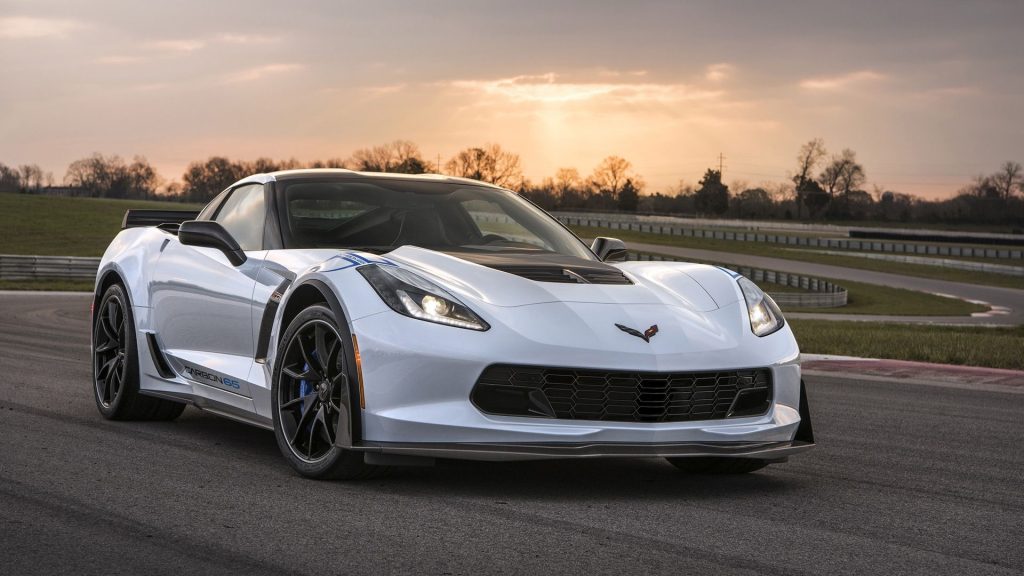
Because the Corvette has a strong collector market, owners are less inclined to sell during ordinary trade-in cycles. Value often holds steady or even appreciates for certain model years.
Mechanical simplicity in earlier generations also plays a role. V8 engines used across multiple decades are well understood by specialty shops throughout the state.
Some owners describe the Corvette as the one car in the household they’d never consider trading, treating it more like a hobby than transportation.
7. Toyota Tundra
The Tundra has built a reputation for extreme durability, particularly in earlier generations powered by Toyota’s proven V8 engines. Long-term ownership studies rank it highly for reaching high mileage.
Texas buyers use the Tundra similarly to the F-150, favoring it for towing, hauling, and long highway commutes across the state’s wide geography.
Reliability research shows a notably higher percentage of Tundras surpassing 200,000 miles compared to the broader full-size truck segment. That statistic drives long-term owner confidence.
Rust resistance and engine longevity are frequently cited reasons Texas owners avoid trading in the truck early. Many mechanics consider the drivetrain nearly bulletproof under normal maintenance.
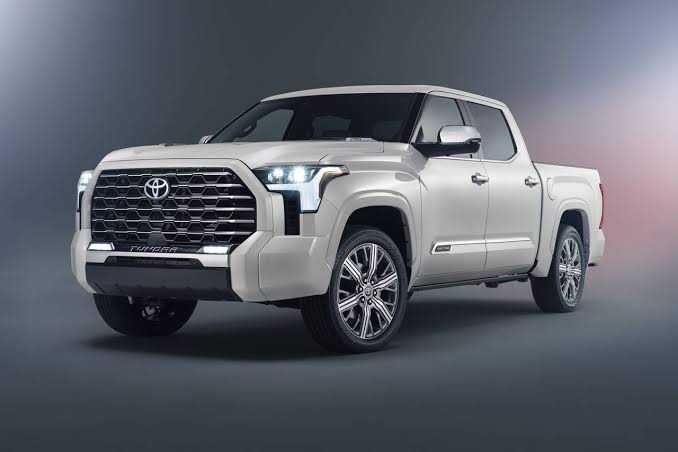
Because Toyota updates the Tundra less frequently than domestic competitors, older models remain mechanically compatible with newer parts for extended periods. That simplifies long-term repairs.
Resale value stays strong well into high mileage territory, which further discourages early trade-ins. Owners often find the used market values their aging Tundra more than expected.
Many Texas ranch and construction operations rely on Tundras specifically because they’ve proven reliable across a decade or more of heavy-duty use.
Owners in rural counties also mention that Tundras handle mixed pavement and dirt-road commutes with fewer suspension issues than some competitors, adding to their long-term appeal.
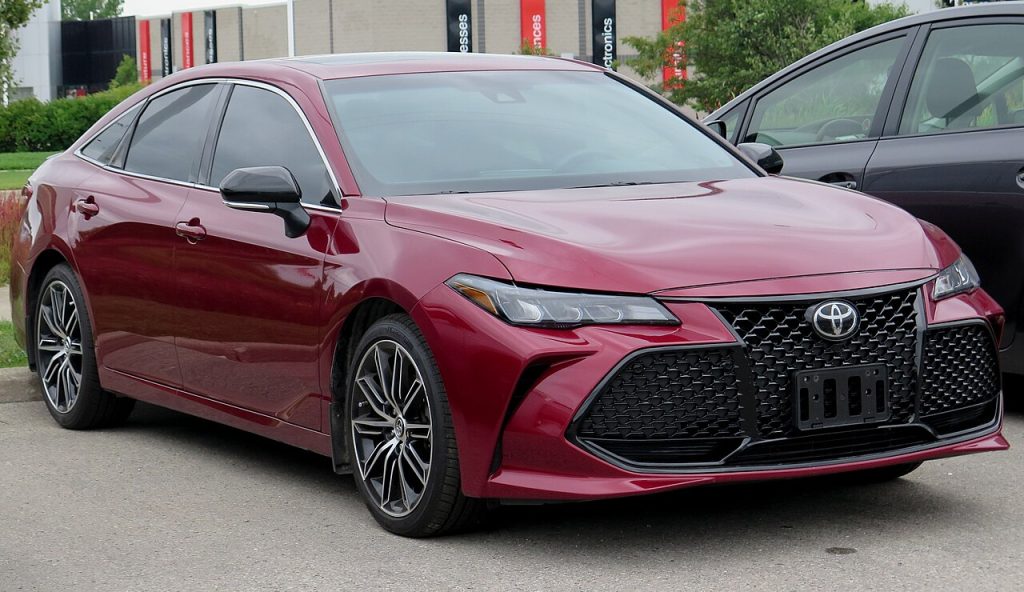
8. Toyota Avalon
Among sedans, the Avalon consistently ranks as the longest-kept passenger car nationally, with average ownership periods approaching ten years. Texas data follows that same pattern closely.
Its spacious cabin and smooth highway ride make it well suited to Texas’s long-distance commuting culture, particularly across sprawling metro areas like Houston and Dallas.
Reliability data places the Avalon among sedans most likely to exceed 200,000 miles, a factor that keeps owners from trading in early for a newer model.
Toyota discontinued the Avalon in 2022, shifting future buyers toward the Crown. That discontinuation increased retention rates among existing owners protective of a proven platform.
Repair costs for the Avalon remain moderate compared to luxury sedans with similar interior space. That affordability extends its practical ownership life significantly.
Texas owners frequently mention comfort on long highway stretches as a primary reason for holding onto the car well past a decade of use.
With production ended, remaining Avalons on Texas roads are increasingly viewed as a dependable known quantity, which keeps demand steady in the used market and encourages current owners to hold on rather than sell.
Some owners describe the discontinuation as a reason to keep their Avalon even longer, since finding a direct replacement with the same ride quality has proven difficult.
9. Honda Accord
The Accord has long been recognized for reliability and resale value, and national ownership studies place it consistently among sedans with above-average retention periods.
Texas commuters, particularly in high-traffic metro corridors, favor the Accord for its fuel efficiency and low long-term maintenance costs relative to comparable sedans.
Reliability data shows a strong percentage of Accords reaching well past 200,000 miles, particularly among four-cylinder variants known for mechanical simplicity.
Owners frequently cite the car’s balance of comfort, fuel economy, and repair affordability as reasons for keeping it far beyond the typical trade-in window.
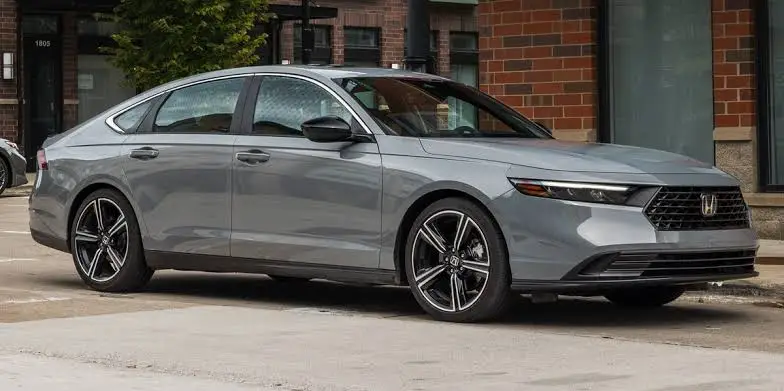
Because Honda has maintained consistent engineering quality across generations, older Accords remain functionally competitive with newer sedans in daily use.
Resale demand for used Accords stays healthy throughout Texas, which further reduces financial pressure to replace the vehicle early.
Owners who commute long distances into major Texas cities often say the Accord’s fuel efficiency alone justifies keeping it well past the point when a newer model would otherwise tempt them.
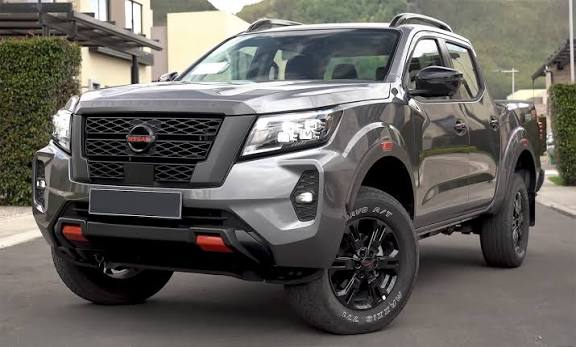
10. Nissan Frontier
Rounding out the list is the Frontier, which ownership studies identify as the longest-kept vehicle among light-duty pickup trucks nationally, averaging roughly nine years per owner.
Texas buyers value the Frontier as an affordable alternative to larger full-size trucks, particularly for owners who need towing capability without maximum size or fuel cost.
Its simple mechanical layout, largely unchanged for years before a recent redesign, made it easy and inexpensive to maintain across a long ownership period.
Owners frequently describe the Frontier as a practical work truck rather than a status vehicle, a mindset that aligns with extended, utility-focused ownership.
Reliability research shows the Frontier holding up well past 150,000 miles with routine maintenance, reinforcing owner confidence in keeping it long-term.
Because the truck occupies a smaller, more affordable segment, Texas buyers on tighter budgets are especially likely to keep it well past a decade of use.
Many describe it as an overlooked value in the truck market, noting that its lower initial cost combined with strong reliability makes long-term ownership an easy decision.
