
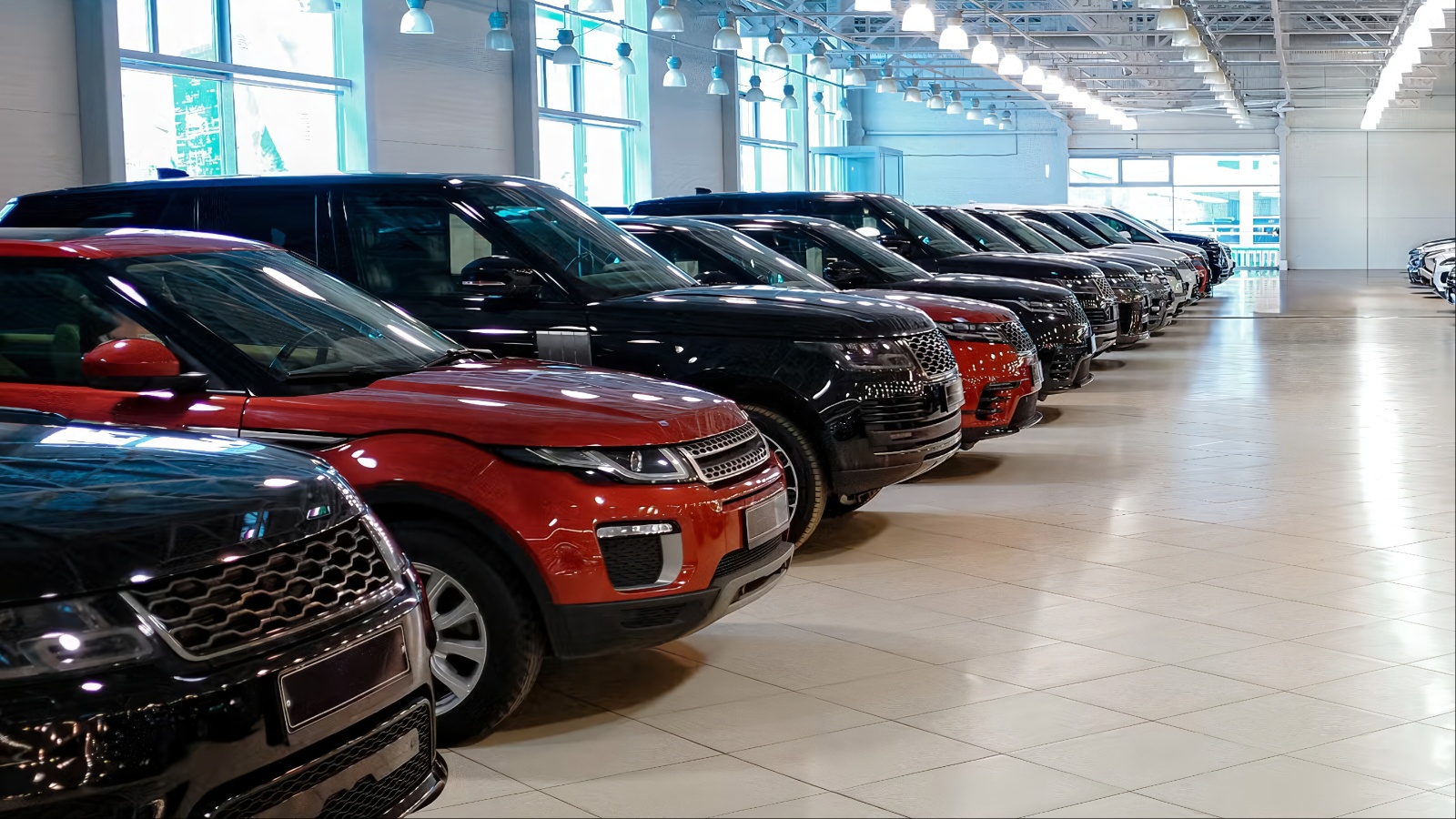
Buying a car feels straightforward until the paperwork comes out. Suddenly there’s a list of fees stacked below the sticker price. Some are legitimate. Sales tax, title, and registration are set by your state and go straight to the government.
But many others exist purely to pad the dealer’s bottom line. They wear official-sounding names like “documentation fee” or “market adjustment.”
In reality, they cost the dealer almost nothing to provide. The paperwork behind a doc fee takes under an hour. Nitrogen in your tires costs pennies. VIN etching takes a technician five minutes.
Yet dealers charge hundreds of dollars for each one. Multiply that across thousands of sales a year, and these fees become a serious profit center.
Understanding which fees are real and which are manufactured is the single best way to protect your wallet. This article breaks down twelve of the most common junk fees.
For each one, you’ll learn what it claims to cover, what it actually costs the dealer, and how to push back. Knowing the difference between a legal fee and a profit grab puts negotiating power back in your hands.
1. The Documentation (Doc) Fee
The doc fee is the most universal junk fee in the industry. Dealers say it covers paperwork: title transfer, lien filing, and contract prep. In reality, that paperwork takes an admin staffer about 30 to 45 minutes. Even at $50 an hour, that’s under $40 in labor.
Yet the national average doc fee in 2026 sits between $350 and $500. In uncapped states, some dealers charge $700 to $999 or more. Florida is a well-known example. Its dealers routinely charge close to $1,000, while there is no legal ceiling in place.
Compare that to California, which caps doc fees at just $85 by law. Same paperwork, wildly different price tag. Only 22 states currently limit how high doc fees can go. In every other state, dealers can charge whatever the market will tolerate.
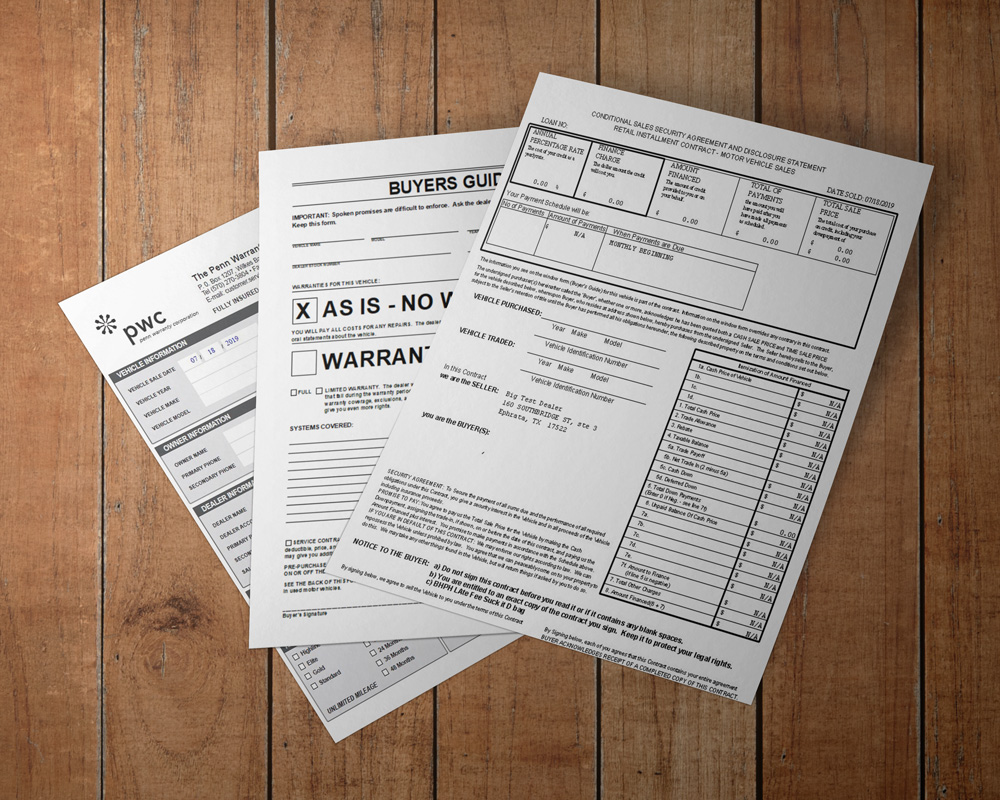
Doc fees also don’t scale with vehicle price. A $15,000 used sedan and a $60,000 truck require the same filing work. Yet dealers often charge the identical doc fee on both.
That flat pricing is a clear sign the fee has nothing to do with actual cost. Your best defense is negotiating the out-the-door price as one number. Refuse to let the doc fee get treated as separate from the car’s price.
2. The Dealer Prep or Vehicle Prep Fee
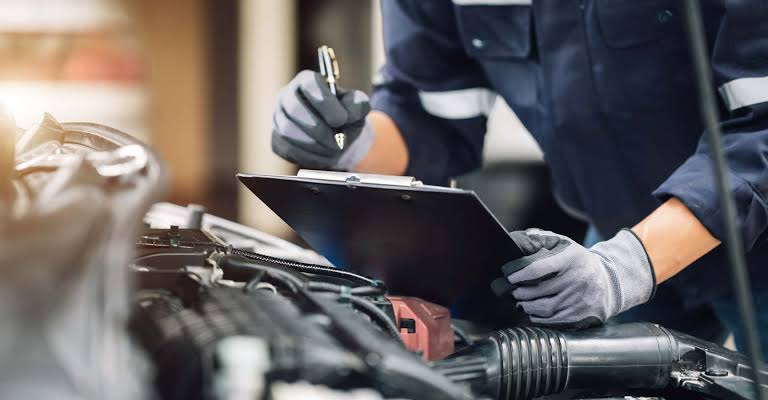
Every new car goes through a pre-delivery inspection before it reaches the lot. Technicians remove shipping materials, check fluids, and test electronics.
Manufacturers already pay dealers for this work. It’s built into the destination charge you see on the window sticker. So when a dealer adds a separate “vehicle prep fee” or “predelivery service fee,” they’re double-charging you. You’re paying twice for work that’s already been compensated once.
This fee can range anywhere from $100 to over $500 depending on the dealership. It rarely appears on the manufacturer’s suggested sticker. Instead, it shows up later, buried in the dealer’s own addendum. Many buyers don’t notice it until they’re deep into signing paperwork.
Ask directly whether this fee duplicates anything covered by the destination charge. In almost every case, it does. If a dealer refuses to remove it, that’s a red flag.
It usually means they’re testing how much extra profit they can extract. Walking away or shopping a competing dealer often makes this fee disappear entirely. Competition is still your strongest negotiating tool here.
3. Market Adjustment (Additional Dealer Markup)
Market adjustment, often abbreviated ADM, is pure supply-and-demand profit. It has nothing to do with any actual dealer cost. When a model is in high demand or short supply, dealers tack on thousands above sticker. This is completely legal, but entirely optional.
You’ll see this most on limited-production vehicles. Think new Corvette trims, off-road trucks, or freshly redesigned SUVs in their first year. On common, high-volume vehicles like a Honda CR-V or Toyota RAV4, ADM has no justification.
There’s no scarcity to justify the markup. Dealers rely on buyer urgency to make this fee stick. If you seem eager, they assume you’ll pay almost anything to drive it home today.
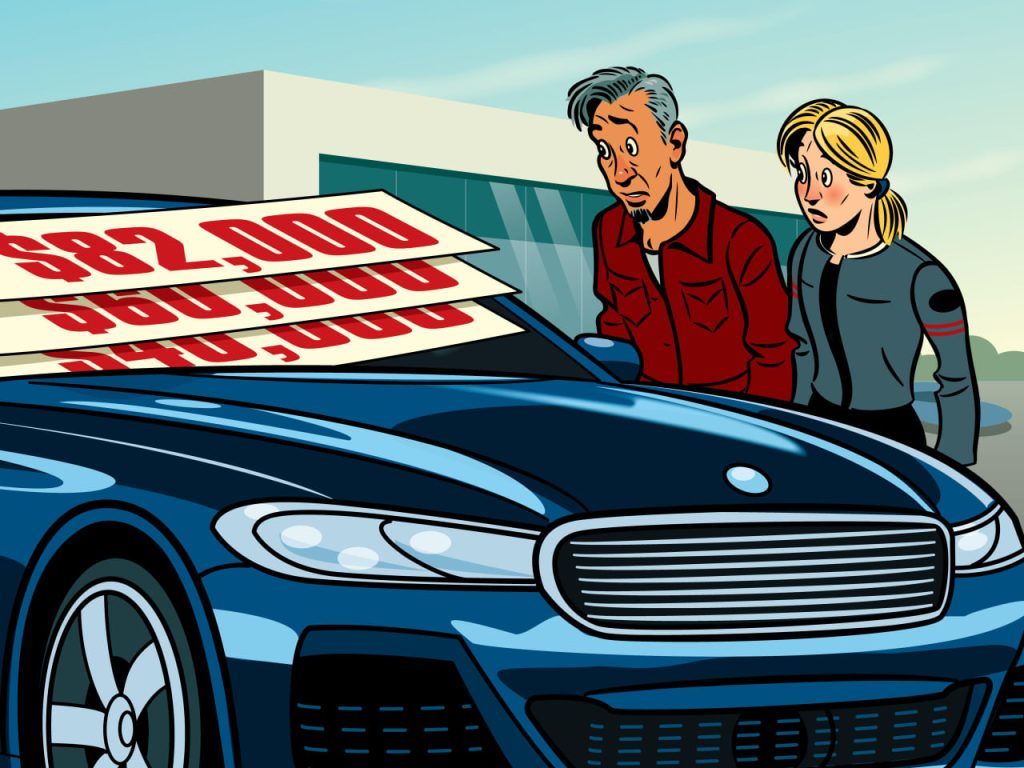
The fix is patience. Waiting three to six months after a hyped launch usually makes ADM shrink or vanish. You can also simply refuse and walk. With thousands of dealerships nationwide, someone nearby is selling at sticker price. Never treat ADM as a fixed cost. It’s a markup, not a fee, and markups are always negotiable.
4. VIN Etching
VIN etching involves engraving your vehicle identification number onto the windows. The idea is theft deterrence, since it makes stolen glass traceable.
The actual process takes a technician about five minutes with a stencil kit. Materials cost the dealer just a few dollars per vehicle. Despite that, dealers commonly charge $200 to $400 for VIN etching. Some bundle it into a “theft protection package” to make it sound more valuable.
Here’s the catch: this service is rarely required by any manufacturer or law. It’s presented as standard, but it’s entirely optional. Some dealers even etch the VIN before you arrive. Then they claim you’re obligated to pay since it’s “already done.”
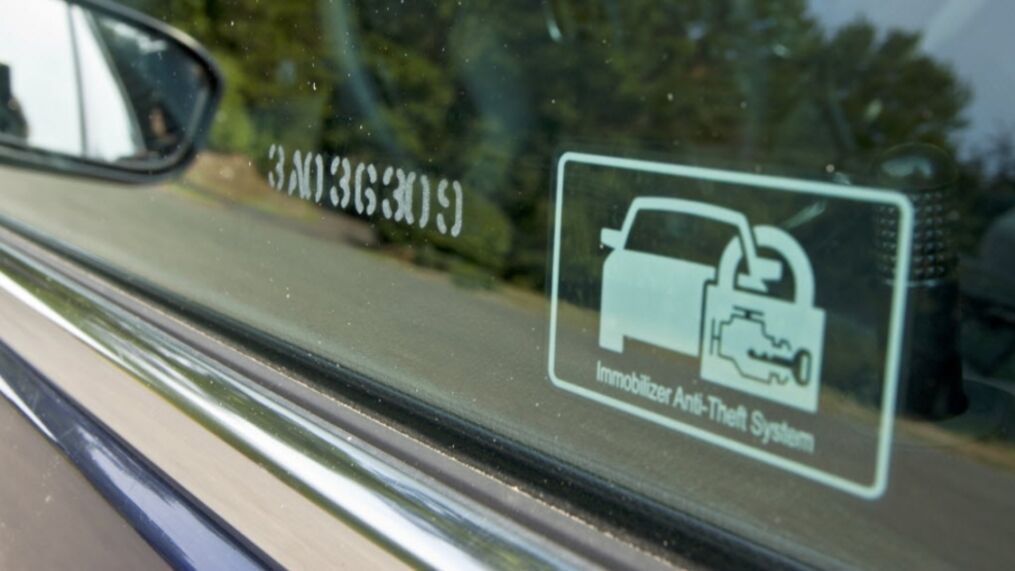
That claim is false. You are never legally required to pay for a service you never authorized. If your insurance already offers a discount for VIN etching, you can often do it yourself.
Some auto parts stores offer etching kits for under $30. Push back firmly if this fee appears. Ask the dealer to remove it from the price entirely, not just discount it.
5. Nitrogen-Filled Tires
Nitrogen tire fills are marketed as a performance upgrade over regular air. The pitch is better pressure stability and improved fuel efficiency. In practice, the difference is minimal for everyday drivers. Regular air is already about 78% nitrogen to begin with.
Filling four tires with pure nitrogen costs a dealer just a couple of dollars in gas. Some shops even get it free through compressor systems. Yet dealers routinely charge $150 to $300 for this “upgrade.” That’s an enormous markup on a nearly free service.
The performance benefit, if any, is negligible for average commuting. Racing teams use nitrogen for consistency at extreme conditions, not daily drivers. Worse, once your tires need air later, most gas stations only offer regular air. Mixing the two erases most of the supposed benefit anyway.
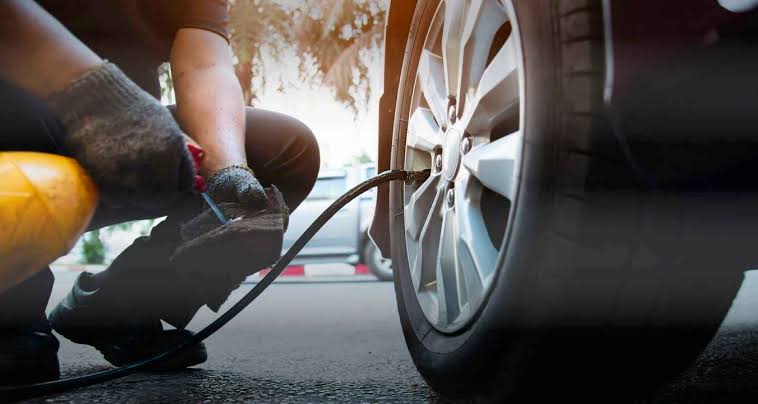
This fee is almost always a pure add-on with no real value. Decline it without hesitation when it appears on your paperwork. If a dealer insists it was already applied, treat it the same as VIN etching. You never agreed to pay, so you’re not obligated to.
6. Paint and Fabric Protection
Paint sealant and fabric protection packages promise long-lasting shine and stain resistance. Dealers often present them as essential for a new car. The products used are typically low-cost commercial sprays. A bottle costs the dealership just a few dollars per vehicle application.
Despite that, these packages often run $300 to $900 depending on the dealership. Some bundle paint and fabric protection together for an even higher combined price.
Similar consumer-grade products are available at any auto parts store. You can apply comparable protection yourself for under $50. Many new vehicles also already come with factory-applied clear coats. Those coatings offer protection the dealer’s add-on largely duplicates.
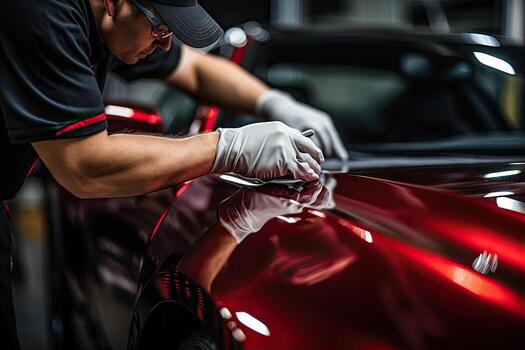
Dealers often apply this “protection” before you even see the car. Then they use the same trick: claiming it’s already done, so you must pay. Don’t fall for it. You can always insist the fee be removed from the price entirely. If a salesperson won’t budge, that’s a strong signal it’s built into their profit margin. Consider it a test of how much you’ll accept.
7. Extended Warranty Markup
Extended warranties, or vehicle service contracts, aren’t inherently junk. Some buyers genuinely benefit from extra mechanical coverage. The problem is the markup dealers add on top. Finance managers often mark warranty prices up by 50% to 100% over wholesale cost.
A warranty that costs the dealer $800 wholesale might get sold to you for $1,800. That difference goes straight into dealer profit, not your protection.
These are typically pitched during the finance office visit. That’s intentional, since buyers are often mentally fatigued by that point in the process. You can buy extended warranties independently after your purchase. Third-party providers often charge significantly less for comparable coverage.

If you do want a dealer warranty, negotiate it separately from the car price. Never let it get folded into your monthly payment without knowing the true cost.
Ask for the wholesale or “dealer cost” price directly. Some finance managers will lower it substantially just from being asked. Treat warranty pricing the same way you’d treat the vehicle price itself. It’s negotiable, not fixed.
8. GAP Insurance Markup
GAP insurance covers the difference between what you owe and what your car is worth if it’s totaled. It’s genuinely useful for buyers with small down payments. The issue again is markup. Dealers frequently charge two to three times what the same coverage costs through your own auto insurer.
A GAP policy that costs $200 to $300 through your insurance company might be sold for $600 to $900 at the dealership. That gap, ironically, is pure profit.
Dealers bundle GAP into your financing so the extra cost disappears into your monthly payment. Most buyers never notice the true price difference. Before agreeing to dealer GAP coverage, call your existing auto insurer. Many offer GAP as a small add-on to your regular policy.

If you finance through a bank or credit union, ask them too. They frequently offer GAP coverage at lower rates than dealership finance offices. Only buy GAP through the dealer if the price is genuinely competitive. Otherwise, you’re paying extra for identical protection. Always request the itemized GAP cost in writing before signing anything.
9. Advertising Fee
Some dealerships add a line-item advertising fee to every sale. The stated purpose is covering marketing costs like online listings and local ads. This is different from the manufacturer’s regional advertising fee, which is sometimes legitimately baked into the invoice price.
This version is added independently by the dealership itself. Advertising fees typically range from $100 to $300 per vehicle. They rarely appear on the manufacturer’s window sticker.
The dealership’s marketing budget is a cost of running their business. It’s no different than paying rent or employee salaries. Passing that cost directly to individual buyers as a separate fee is a way to boost margin. It shouldn’t be treated as a required charge.
If you see this fee, ask specifically what it funds. Vague answers usually confirm it’s just added profit. Many dealers will drop this fee quickly if challenged. It’s often one of the easier line items to get removed entirely. Treat it the same as the doc fee: negotiate the total out-the-door price and let the dealer sort out their own line items.
10. Rustproofing and Undercoating
Rustproofing and undercoating are pitched as protection against corrosion. The sales pitch is especially common in colder, salt-heavy states. Modern vehicles already come with factory rust protection. Galvanized steel and factory-applied coatings handle most of what aftermarket undercoating claims to add.
Despite that, dealers charge $200 to $600 for an aftermarket application. The product itself often costs under $30 in materials. Independent studies have repeatedly found little difference in corrosion rates between treated and untreated modern vehicles. The factory protection is usually sufficient on its own.
Some manufacturers even warn that aftermarket undercoating can void portions of the factory warranty. Trapped moisture under improperly applied coatings can actually accelerate rust in specific spots.
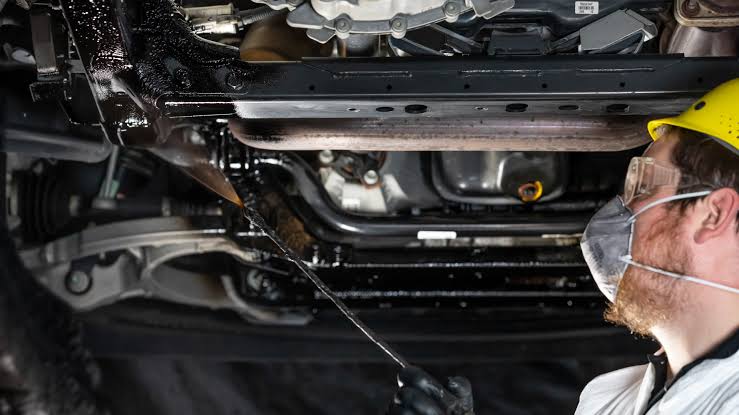
If you genuinely want extra rust protection, independent shops offer it for a fraction of dealer pricing. You’ll also have more control over the product used.
This fee is almost always safe to decline outright. It rarely offers value beyond what your vehicle already has built in. Ask your dealer to point to specific factory documentation before agreeing to pay anything extra.
11. Reconditioning Fee on Used Cars
Reconditioning fees appear almost exclusively on used vehicle purchases. The stated purpose is covering detailing, minor repairs, and inspection before resale.
Reconditioning is a normal part of preparing any used car for sale. It’s a standard cost of doing business, not a special service performed for you. Yet many dealers add a separate line item charging $300 to $800 for this work. It gets tacked on top of the car’s already-marked-up asking price.
The vehicle’s listed price should already account for whatever reconditioning was done. Charging separately is effectively billing you twice for the same preparation work.
This fee is especially common on certified pre-owned vehicles. Dealers use the “certified” label to justify extra charges that may already be covered by the certification process.
Push back by asking what specific work was performed and why it isn’t reflected in the price. Vague answers are a strong signal the fee is unjustified.
A firm response is simple: reconditioning is included in the asking price, or the price needs to come down. There’s no reasonable middle ground here. Many dealers will quietly drop this fee rather than lose the sale entirely.
12. Finance Reserve Markup
This is the least visible fee on this list, and often the most profitable. When you finance through the dealership, they submit your application to lenders.
Lenders approve you at a specific interest rate based on your credit. Dealers are then legally allowed to mark that rate up before presenting it to you.
The difference between the lender’s approved rate and what you’re offered is called finance reserve. It goes directly into the dealership’s pocket. A markup of even 1% to 2% can add hundreds, sometimes thousands, of dollars over a loan’s life. Most buyers never realize this markup exists.
The trick works because buyers rarely know their actual approved rate. The dealer simply presents their marked-up number as the only offer available.

Protect yourself by getting pre-approved through your bank or credit union first. Walk into the dealership already knowing your baseline rate. If the dealer can beat that rate, great. If not, you already have a fallback that skips their markup entirely.
Always ask directly: “What rate did the lender actually approve?” Some finance managers will lower the number simply because you asked the right question.
