
New cars start losing value the moment they leave the dealership lot. Some models handle this gracefully. Others fall off a financial cliff. According to a 2026 study of nearly a million five-year-old vehicle sales, average depreciation improved to 41.8% this year.
Every major vehicle segment retained more value compared to last year. Trucks and hybrids led that recovery, both losing under 36% on average. But a specific group of cars ignored that broader trend entirely.
Electric vehicles and full-size luxury models dominated the bottom of the rankings. Five EVs cracked the top ten worst performers. Three luxury SUVs and two German luxury sedans joined them.
The common thread across all ten is simple. High original sticker prices, rapidly evolving technology, and shrinking secondhand incentives all conspire against these vehicles. Buyers paying full MSRP on these models are effectively pre-paying for a loss that shows up fast.
Electric vehicles as a category lost 57.2% of their value on average. That’s far worse than the 41.8% industry average. Luxury brands fared little better across nearly every body style.
Eighteen of the twenty-five worst-depreciating vehicles this year came from luxury nameplates. This list ranks the ten single worst performers by percentage depreciation over five years. Each entry includes real dollar losses, the market forces behind the decline, and what it means for shoppers.
If you already own one of these, this won’t change your ownership costs. But if you’re cross-shopping a new vehicle, this list is worth reading first.
1. Nissan LEAF
The Nissan LEAF tops the 2026 depreciation list. It loses 63.1% of its value after five years. That works out to a $17,743 drop from original MSRP. No other vehicle in the study loses a higher percentage of its sticker price.
The LEAF’s problem isn’t reputation. It’s technology age. Nissan’s older CHAdeMO charging standard fell out of favor industry-wide. Most new charging infrastructure now favors other connector types.
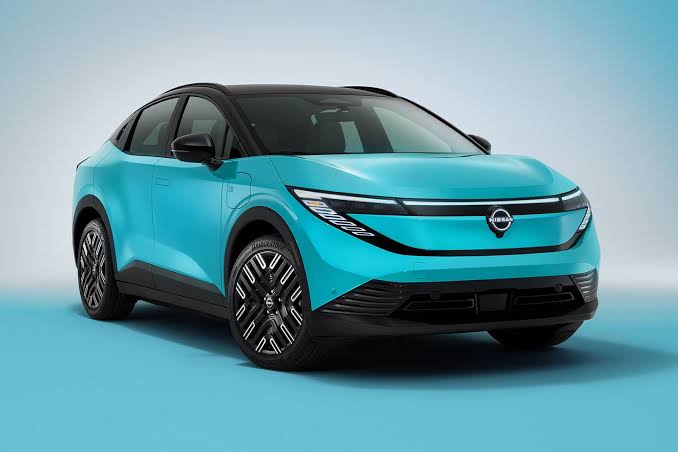
That leaves used LEAF buyers facing real charging limitations. Finding a compatible fast charger has grown harder every year. Add a modest driving range compared to newer EVs.
Buyers simply won’t pay a premium for it. The dollar loss is comparatively small at under $18,000. That’s because the LEAF was never expensive to begin with.
Its federal tax credit eligibility also expired, further compressing its resale ceiling. Percentage-wise, though, nothing depreciates faster. Even well-maintained, low-mileage LEAFs struggle to attract strong used offers.
Dealers often price them aggressively just to move inventory. That pattern reinforces the steep drop for every LEAF that follows. Battery degradation over time adds another layer of buyer hesitation.
Shoppers worry about reduced range on higher-mileage examples. That concern pushes offers even lower than condition alone would suggest. For budget-conscious used shoppers, though, this steep drop is actually good news. A cheap, low-range commuter EV becomes very affordable once it’s five years old.
2. INFINITI QX80
The INFINITI QX80 posts the second-worst depreciation rate in the study. It loses 62.8% of its value in five years. In dollar terms, that’s a massive $52,631 loss.
Only two vehicles on the entire list lose more money. This one comes down to timing. The QX80 rode on largely unchanged underpinnings for roughly 15 years. Then INFINITI finally redesigned it. That combination is brutal for resale.
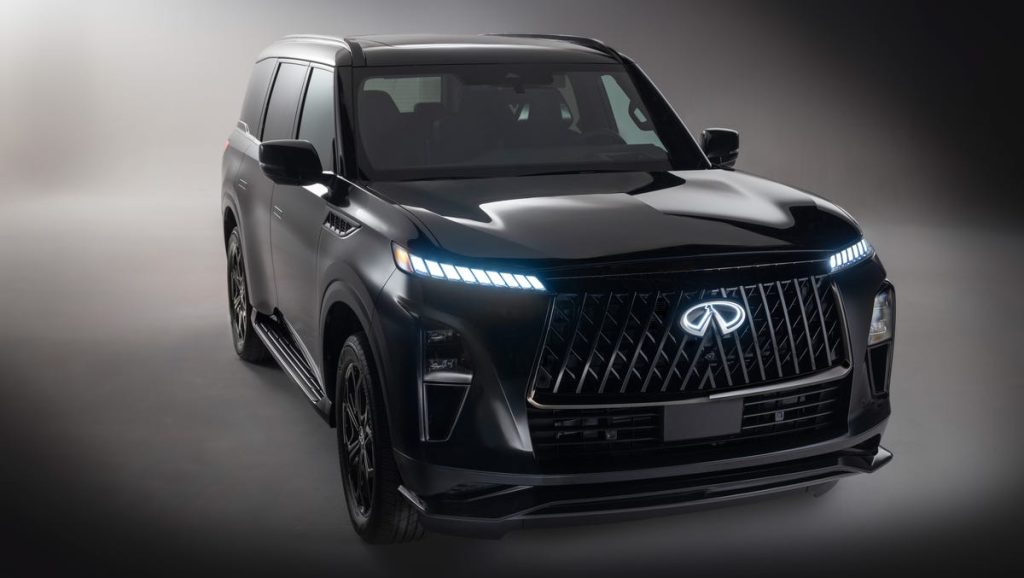
Older versions suddenly look dated next to the new model. Buyers shopping used luxury SUVs gravitate toward the redesigned version instead. The QX80’s high original price amplifies the dollar hit.
Full-size luxury SUVs already depreciate faster than average. A generational redesign made it worse. Shoppers eyeing a used QX80 from the outgoing generation can expect steep discounts.
Dealers holding older-generation inventory often discount aggressively too. That further drags down private-party resale expectations across the board. Fuel costs on a large V6-powered SUV also weigh on demand.
Used buyers increasingly compare it against more efficient three-row alternatives. That comparison rarely favors the QX80. Brand perception plays a role as well.
INFINITI lacks the same resale strength that Lexus enjoys in this segment. That gap shows up clearly whenever these two brands are cross-shopped used.
3. Volkswagen ID.4
The Volkswagen ID.4 depreciates 62.1% over five years. That’s a $28,010 loss from its original sticker price. It’s also the worst-depreciating small SUV in the entire study.
No other compact crossover, gas or electric, loses value this fast. The ID.4 entered a brutally competitive EV segment. Rivals from Tesla, Hyundai, and Chevrolet undercut it on price or range. Volkswagen also cut new ID.4 prices repeatedly to stay competitive.
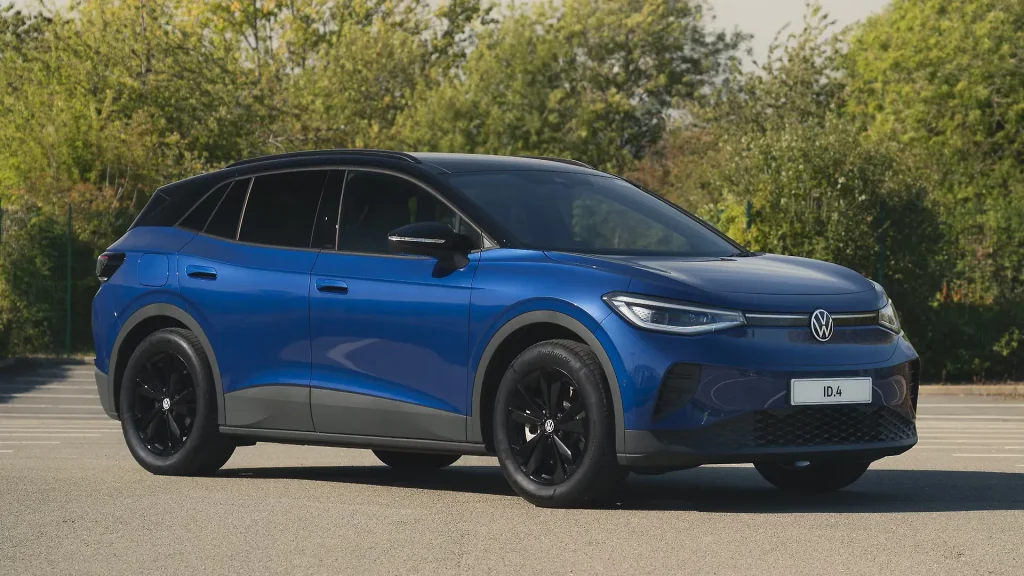
Every price cut directly erodes used values. Software and infotainment complaints didn’t help either. Early ID.4 owners reported inconsistent charging and touchscreen glitches.
Those issues followed the car into the used market. Buyers simply had cheaper, more polished EV alternatives to choose from. Federal incentive changes also shifted buyer behavior mid-cycle.
That volatility made long-term value harder to predict for used shoppers. Range anxiety compared to newer competitors compounds the problem.
Many rivals now offer notably longer range for similar money. That gap makes the ID.4 a harder sell on the used lot. Volkswagen’s broader EV strategy has shifted several times in recent years. That inconsistency makes buyers nervous about long-term support and updates. Used shoppers factor that uncertainty directly into their offers.
4. Tesla Model S
The Tesla Model S depreciates 62.0% after five years. That’s a staggering $58,907 loss. Only two vehicles on this list lose more in raw dollars.
It remains one of the most expensive cars to own long-term. Tesla’s own pricing strategy is the biggest culprit. The company has cut Model S prices multiple times since launch.
Every cut instantly devalues every used Model S on the road. New buyers effectively compete against their own future resale value. Rapid software and hardware iteration compounds the problem.
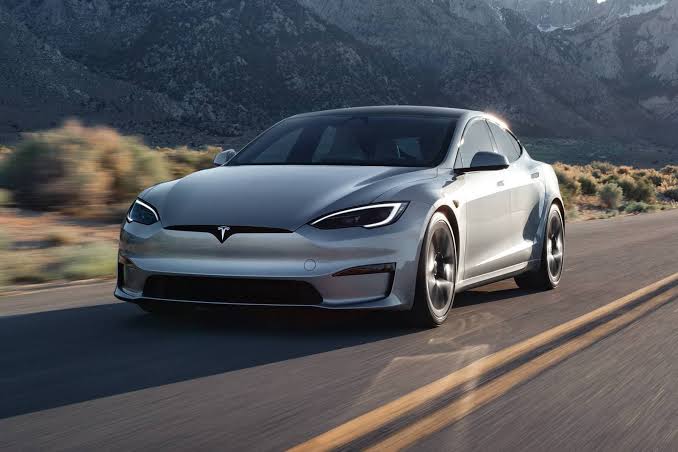
Newer Teslas ship with better range and updated Autopilot hardware. Older Model S units feel outdated within a couple of years. Luxury flagship pricing also means there’s simply more value to lose.
Battery replacement anxiety lingers among used buyers as well. That uncertainty pushes offers lower than the car’s condition might otherwise justify. Competition from newer luxury EV sedans has grown sharply too.
Buyers now have far more choice than when the Model S launched. That expanded competition keeps downward pressure on resale prices. Even strong performance figures don’t fully offset these concerns.
Used luxury sedan buyers increasingly prioritize predictability over raw speed. The Model S doesn’t win on that particular metric.
5. Land Rover Range Rover
The Range Rover posts the highest dollar loss on this entire list. It depreciates 61.7% over five years. That equals $69,856 in lost value, more than most cars cost new.
Few vehicles anywhere lose this much money in such a short window. Reliability perception drives much of this decline. Land Rover consistently ranks near the bottom of dependability studies. Used buyers factor in likely repair costs before making an offer. Expensive parts and specialized service further scare off resale buyers.
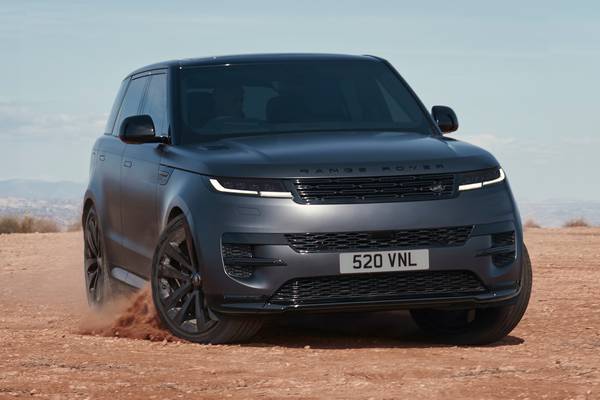
The Range Rover’s extremely high original MSRP also plays a role. There’s simply more sticker price available to lose. Luxury SUV buyers who want prestige without depreciation risk often look elsewhere.
That leaves the Range Rover absorbing an outsized hit. Air suspension and electronics faults are common used-market concerns too. Buyers price that risk directly into their offers.
Insurance and maintenance costs also stay high well past the warranty period. That ongoing expense discourages many used buyers from taking the plunge. The result is a resale market that discounts heavily to compensate.
Independent shops often charge as much as dealers for major repairs. That reputation for costly upkeep follows the Range Rover throughout its life. Few luxury nameplates face this level of persistent buyer caution.
6. BMW 7 Series
BMW’s flagship sedan depreciates 61.6% after five years. That’s a $61,141 loss in real dollars. It’s the highest-depreciating traditional luxury sedan in the study.
Even other large luxury sedans don’t fall quite this hard. Full-size luxury sedans have struggled industrywide for years. Buyers increasingly prefer SUVs even in the premium segment.
That shrinking demand pool hits resale values hard. The 7 Series also carries complex electronics and driver-assist tech. Used buyers worry about expensive repairs once warranties expire.
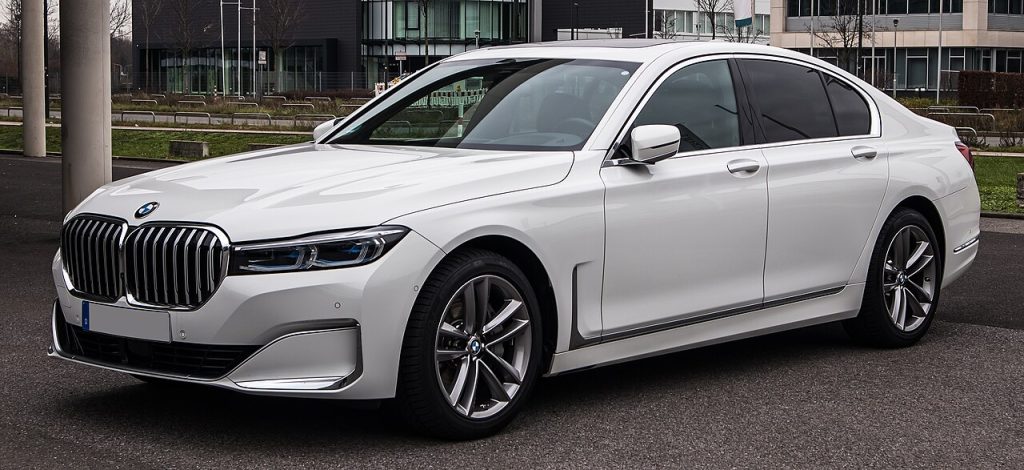
Rapid model-year technology updates make older units feel dated quickly. Combine shrinking demand with a very high original price. The result is one of the steepest depreciation curves in the luxury sedan class.
Even loyal BMW buyers often trade in rather than resell privately. That trade-in cycle keeps flooding the used market with discounted units. Limited buyer interest outside enthusiast circles narrows the resale pool further.
That scarcity of demand keeps offers well below what owners expect. Sedans have lost significant market share to crossovers in recent years. Flagship sedans feel that shift more acutely than any other body style. The 7 Series sits right at the center of that decline.
7. Tesla Model X
The Tesla Model X loses 61.2% of its value in five years. That’s $61,216 gone, nearly matching the 7 Series in dollar terms. It carries the highest original average sale price of any Tesla model.
That high starting point leaves plenty of room to fall. The Model X shares the Model S’s core problem. Frequent Tesla price cuts erode resale value across the lineup.
But the Model X faces an added issue. Its complex falcon-wing doors have a history of reliability complaints. Used buyers factor in potential repair costs for that unique hardware.
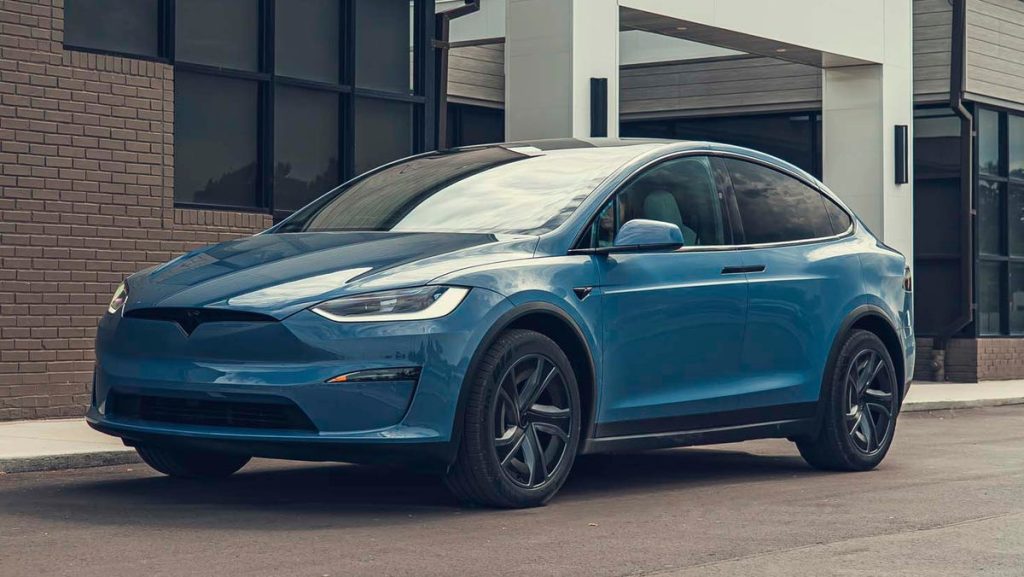
Competing luxury electric SUVs have also matured significantly. Newer entrants offer comparable range with more conventional, lower-risk designs. That combination pushes Model X depreciation even higher than its sibling sedan.
Maintenance costs for the unique door mechanisms remain a recurring concern. That reputation follows the car well into its used-market life. Buyers shopping this price bracket now have far more choice than before.
That competition keeps chipping away at used Model X values every year. Insurance premiums also run higher than average for this model. That added cost further narrows the pool of interested used buyers. Fewer interested buyers means sellers must accept steeper discounts to close a deal.
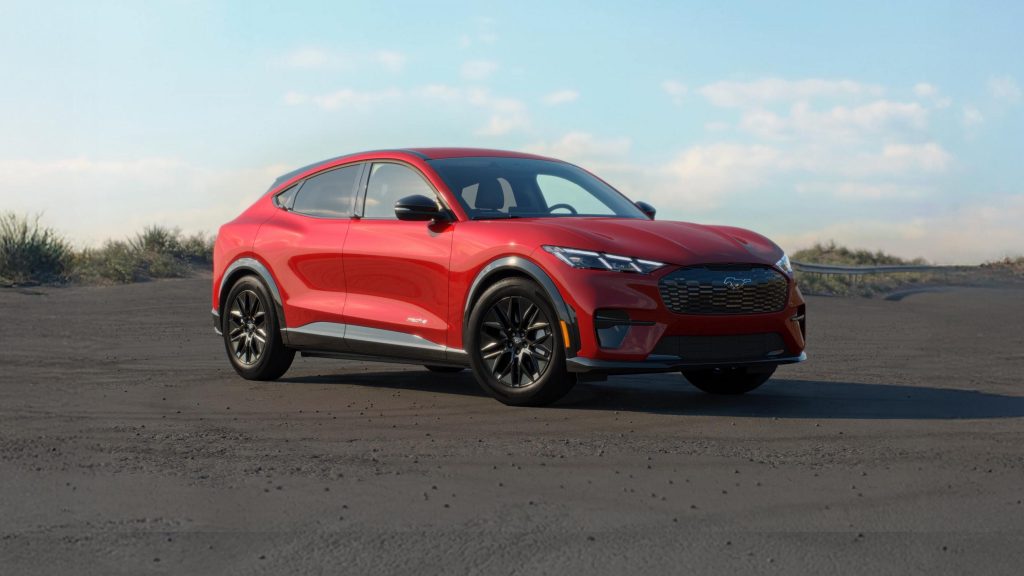
8. Ford Mustang Mach-E
The Mustang Mach-E depreciates 60.8% over five years. That’s a $22,976 loss. It’s the second-worst small SUV for value retention in the study.
Only the Volkswagen ID.4 performs worse in this segment. Ford cut Mach-E prices aggressively to stay competitive with Tesla. Those repeated cuts hammered resale values for existing owners.
Charging reliability complaints added another layer of used-market hesitation. Some early owners also reported software update issues. The Mach-E borrows the Mustang name but not a gas engine. That branding mismatch occasionally confuses cross-shoppers.
Traditional Mustang buyers often skip it entirely. EV-focused buyers compare it directly against cheaper, longer-range rivals. Fierce competition in the compact electric SUV space keeps pricing pressure constant.
That pressure trickles straight down into resale values. Federal incentive shifts also changed the calculus for new buyers repeatedly. That unpredictability makes the used Mach-E harder to price confidently.
Ford has continued refreshing the EV lineup at a rapid pace. Each refresh makes earlier Mach-E versions look comparatively behind. That constant refresh cycle is common across the entire EV market right now.
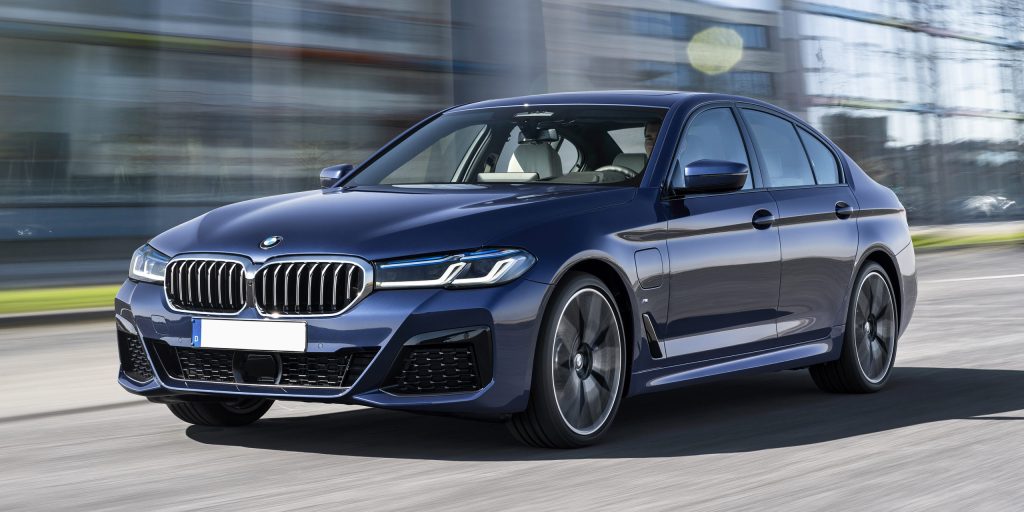
9. BMW 5 Series (Hybrid)
The hybrid BMW 5 Series depreciates 59.5% in five years. That’s a $44,921 loss from original MSRP. It’s the worst-performing hybrid in the entire study.
Not even close competitors come near this depreciation rate. This result highlights an important distinction. Not all hybrids retain value equally. Mainstream hybrids like the Toyota RAV4 Hybrid depreciate around 25%.
Luxury hybrids depreciate far closer to full EV rates. The plug-in hybrid 5 Series carries a steep price premium over gas trims. Used buyers aren’t willing to pay that premium secondhand.
Battery degradation concerns also weigh on hybrid resale value. Buyers shopping used luxury sedans often prefer simpler, proven gas powertrains instead. Complex plug-in hardware adds another layer of long-term repair anxiety.
That anxiety directly suppresses what used buyers are willing to pay. Luxury sedan demand remains soft compared to SUVs. That broader market shift only adds to this model’s steep decline.
Owners drawn to the hybrid for tax incentives rarely recoup that premium later. The used market simply doesn’t value the plug-in hardware the same way. That mismatch between new-car incentives and used-car demand defines this model’s resale story.
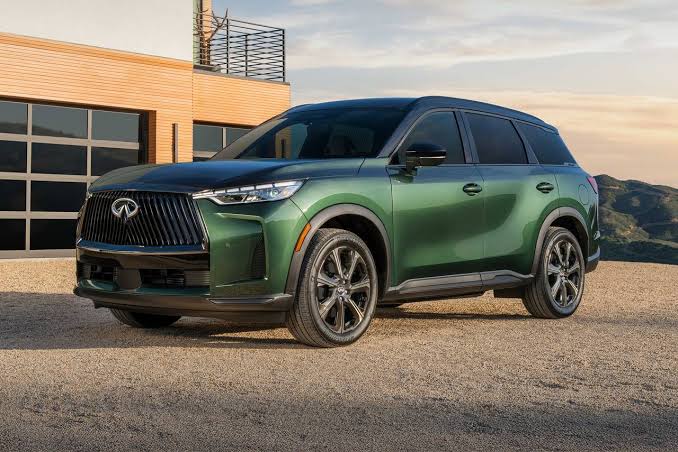
10. INFINITI QX60
Rounding out the list, the INFINITI QX60 depreciates 58.3%. That’s a $30,099 loss over five years. It’s the second INFINITI model to appear in the worst ten.
That’s a notable showing for one brand across such a small list. INFINITI as a brand struggles with resale value broadly. Its luxury positioning doesn’t always translate to strong demand.
Competing three-row luxury SUVs from Lexus and Acura hold value far better. The QX60 also faces reliability perception issues in used-car circles.
Transmission complaints from earlier model years linger in buyer memory. That reputation follows even newer, improved model years. Combine that with typical luxury-brand depreciation trends.
The QX60 lands firmly among 2026’s worst value performers. Weak brand loyalty compared to rivals compounds the problem further. That leaves used QX60 pricing consistently soft nationwide.
Dealer incentives on new models also stay generous to move inventory. Those incentives push used values down in a similar ripple effect. Family SUV buyers often prioritize long-term dependability above all else. INFINITI’s mixed track record makes that a harder sell than rival brands. That hesitation shows up directly in every used QX60 listing.
