
Buying a used car can save thousands of dollars, but a suspiciously cheap vehicle can sometimes hide a much bigger problem. Stolen cars may be given altered identification numbers, forged paperwork, swapped license plates, or convincing stories designed to make a quick sale.
Even careful buyers can be fooled when the vehicle looks clean, and the seller appears legitimate. Knowing the warning signs can help you avoid losing both the car and your money after a purchase.
No single clue proves that a vehicle was stolen, and innocent explanations are possible for many irregularities. The safest approach is to examine the car, compare its identification details with its paperwork, verify ownership records, and investigate anything that does not match.
If several warning signs appear together, stop the transaction until the vehicle’s history can be confirmed through the appropriate motor-vehicle agency, law-enforcement database, insurer, or other official source.
1. The VIN Looks Altered, Damaged, or Inconsistent
The Vehicle Identification Number, or VIN, is one of the most important things to examine before buying a used car. Modern vehicles normally display the VIN in several locations, commonly including the dashboard near the windshield, the driver-side door area, and vehicle documentation.
These numbers should agree. If the visible VIN plate appears scratched, bent, loosely attached, covered, unusually clean compared with the surrounding area, or otherwise disturbed, treat it as a serious warning sign. Damage alone does not prove theft because repairs and accidents can affect VIN locations, but unexplained alterations deserve investigation before money changes hands.
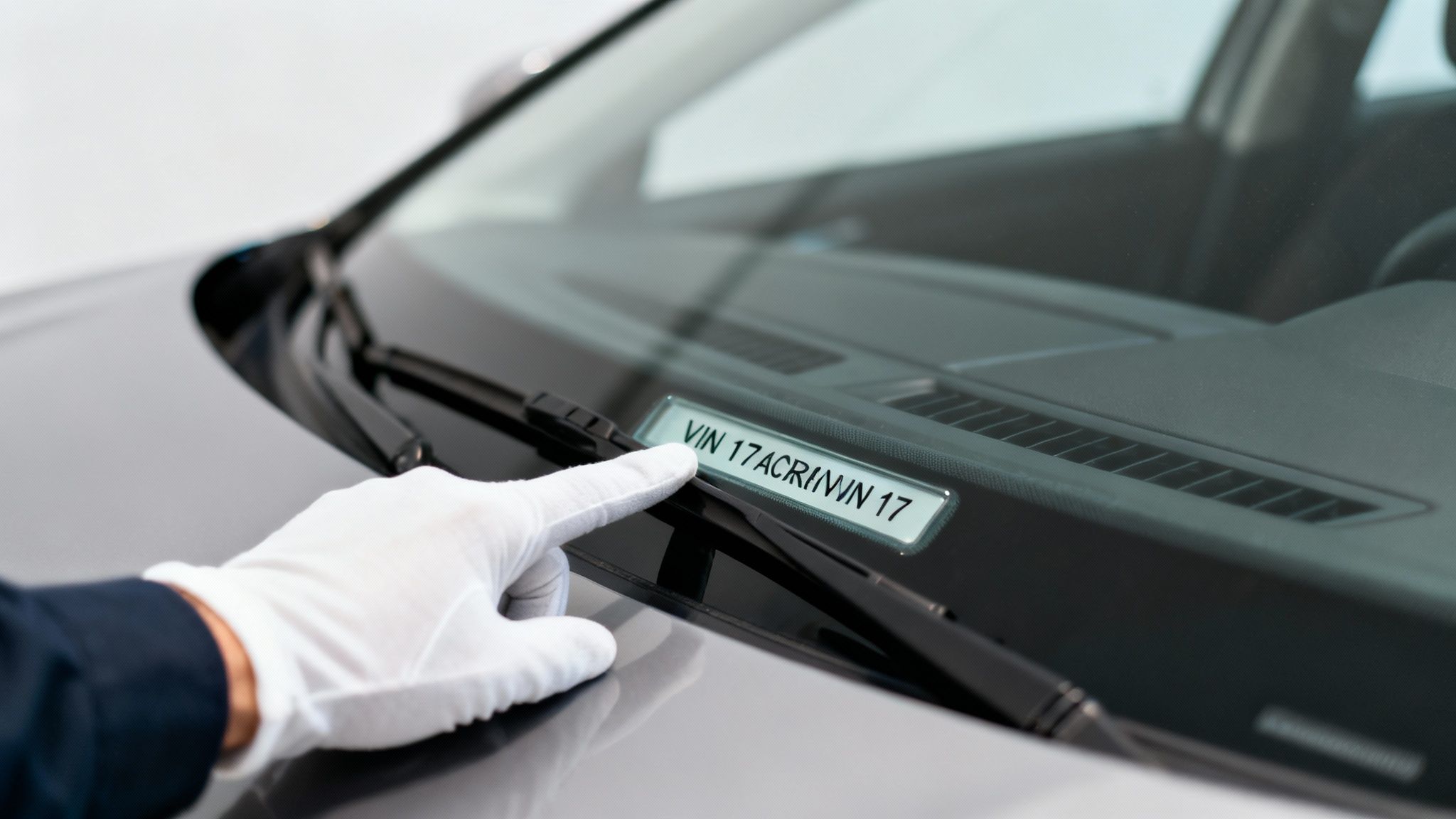
Compare the VIN on the vehicle with the VIN printed on the title, registration, bill of sale, service records, and any available history report. Even one incorrect digit can point to a clerical mistake, but multiple mismatches are much more concerning. Buyers should also pay attention when a seller discourages them from checking the VIN or refuses to provide it before the purchase.
Vehicle identification numbers are routinely used to check recall information and vehicle histories, so legitimate sellers normally have little reason to conceal one. If the VIN cannot be verified or appears intentionally altered, do not attempt to resolve the issue simply by accepting the seller’s explanation. Have the vehicle inspected or verified through the relevant authorities before proceeding.
2. The Title and Registration Do Not Match the Seller
A seller who cannot demonstrate a clear connection to the vehicle’s title deserves extra scrutiny. Ideally, the person selling a privately owned vehicle should be the individual named on the ownership document or should have legitimate documentation showing why they are authorized to sell it.
Be cautious when someone claims they are selling the car for a friend, relative, former partner, employer, or another person who cannot be contacted. Some legitimate sales involve representatives, estates, dealerships, or family members, but the paperwork should still establish the seller’s authority to transfer ownership.

Compare the seller’s identification with the name and information shown on the vehicle documents whenever local rules allow. Also check that the VIN, make, model, model year, and other identifying details match the actual vehicle. Watch for paperwork containing obvious corrections, inconsistent fonts, unexplained blanks, missing signatures, or details that contradict one another.
Another warning sign is a seller who insists that ownership paperwork will be provided later after payment. A vehicle can look completely legitimate while its title situation is not. If ownership cannot be verified before the transaction, postpone the purchase.
Losing a deposit is frustrating, but buying a vehicle that another person legally owns can be far worse. Depending on local law, authorities may recover a stolen car from an innocent buyer without reimbursing the purchase price.
3. The Price Is Far Below the Normal Market Value
Everyone likes finding a bargain, but a used car priced dramatically below similar vehicles should trigger questions rather than excitement. Stolen vehicles may be offered cheaply because the seller wants to complete the transaction quickly and disappear before the buyer discovers a problem.
Compare the asking price with several similar vehicles of the same model year, trim, mileage, condition, and geographic market. A modest discount can be perfectly normal, especially when a seller needs money quickly or the vehicle requires repairs. A price thousands below comparable cars without a convincing explanation is different.

Listen carefully to the story explaining the low price. Claims such as an immediate relocation, emergency expense, sudden deployment, divorce, inheritance, or urgent need for cash can occasionally be genuine, but they should never replace proper verification.
Be particularly cautious when the low price is combined with pressure to pay immediately, incomplete paperwork, refusal to meet at a traceable location, or demands for payment methods that are difficult to reverse. A legitimate seller with a genuinely underpriced vehicle should still be able to provide proper ownership documentation and allow reasonable checks.
Instead of asking only whether the deal seems affordable, ask why the vehicle is being offered for substantially less than its apparent value. If the answer depends on urgency rather than evidence, consider walking away until its history and ownership can be independently confirmed.
4. The Seller Avoids Questions About the Car’s History
Most genuine owners can answer basic questions about a vehicle they have been driving. They may know when they purchased it, approximately how long they have owned it, where it has been serviced, whether it has been involved in an accident, and why they are selling it.
A seller does not need to remember every repair, and dealerships may know less about individual vehicles than longtime private owners. Still, vague or contradictory answers to simple questions can become suspicious, particularly when the seller claims to have personally owned the car for years.

Ask questions naturally rather than treating the conversation like an interrogation. Compare what the seller tells you with service receipts, registration dates, inspection records, vehicle-history information, and the physical condition of the car. A seller who claims long-term ownership but cannot explain basic features of the vehicle or provide any supporting paperwork deserves additional verification.
Also watch for stories that repeatedly change. One explanation might be innocent, but several inconsistencies combined with missing documents can indicate that the person does not know the vehicle’s genuine history. Pressure is another important clue.
If reasonable questions make the seller impatient or they repeatedly try to redirect the conversation toward payment, do not allow urgency to replace verification. Buyers should have enough time to inspect a vehicle and review its ownership information before completing a private transaction involving thousands of dollars.
5. The Keys or Lock System Seem Unusual
An unusual key situation can sometimes indicate that a vehicle’s ownership history deserves closer examination. Many modern cars originally come with more than one key or electronic fob, although used vehicles are frequently sold with only one. A missing spare key by itself is not evidence of theft.
What becomes more concerning is a combination of unexplained key problems, damaged locks, broken trim around the steering column, missing ignition components, or signs that the vehicle’s access system has been repaired in an unusual way.
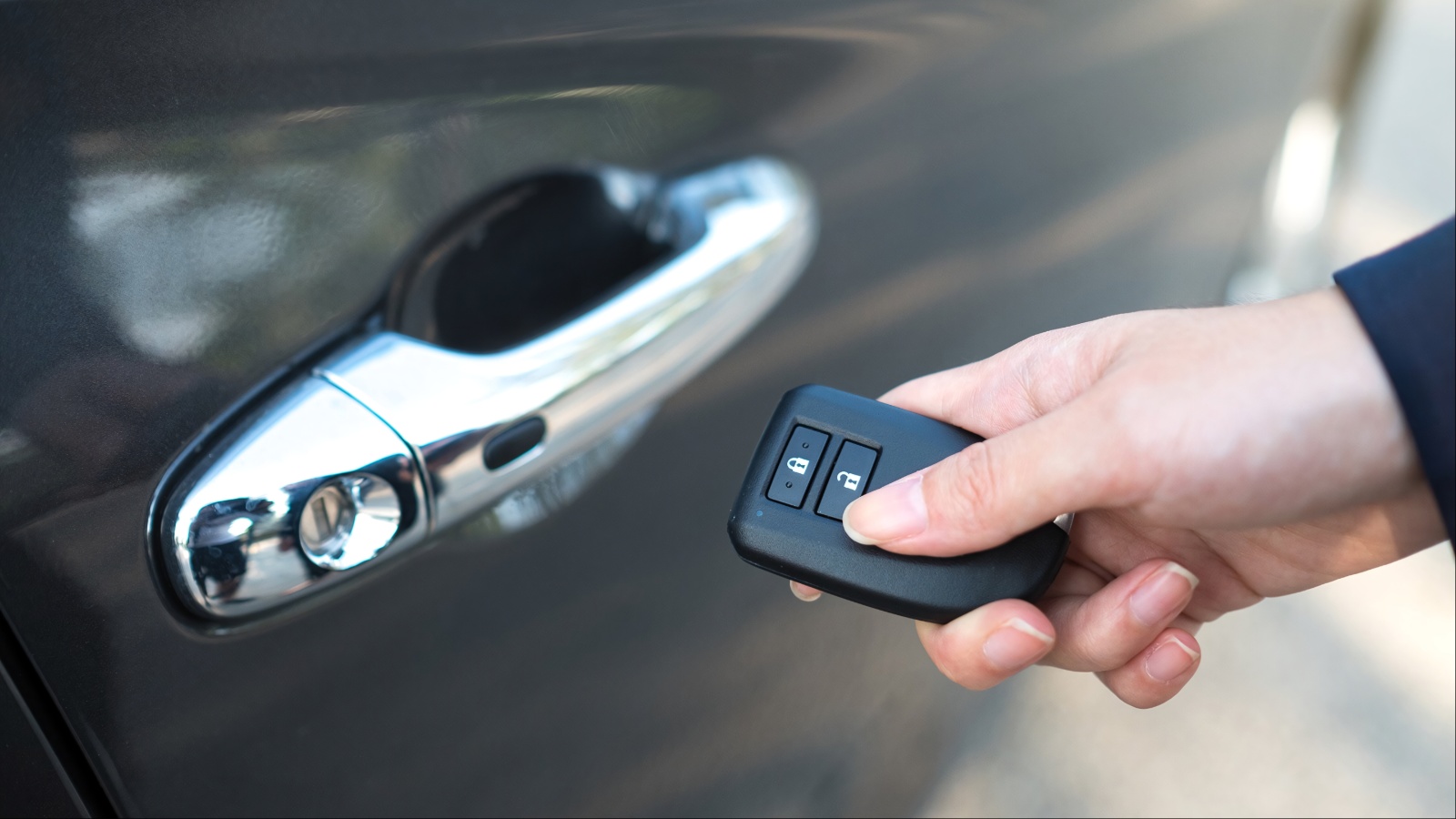
Ask the seller why only one key is available and whether replacement keys or lock repairs were performed. Legitimate owners may have simple explanations, such as losing a spare or purchasing the car used with only one fob. The explanation should still make sense when compared with the vehicle’s paperwork and service history.
On newer vehicles, replacement keys can be expensive because they may require electronic programming, so documentation from a dealership or locksmith can help explain recent key work. Buyers should avoid trying to determine exactly how a suspicious vehicle might have been entered or started; the important question is whether its ownership can be verified.
If damage around the locks or ignition appears inconsistent with ordinary wear, combine that observation with VIN and title checks. Several unexplained signs together deserve far more attention than a single missing key.
6. The License Plates and Vehicle Details Do Not Match
License plates provide another useful consistency check, although registration systems differ between jurisdictions. Before buying, compare the plate information with the registration documents and the vehicle itself. The listed make, model, color, body type, and VIN should correspond with what is sitting in front of you.
A plate attached to the wrong vehicle can have innocent explanations in limited circumstances, particularly where temporary registrations or dealer plates are allowed, but unexplained discrepancies should be resolved before the transaction.

Examine temporary tags carefully as well. A recently purchased vehicle may legitimately have temporary registration, yet the seller should still be able to explain when and where the vehicle was acquired and provide supporting documents.
Be cautious when plates appear recently changed, but the seller claims long-term ownership, or when the registration belongs to a different vehicle or person without a clear legal reason. Do not assume that a valid-looking license plate proves that the vehicle itself is legitimate. Plates can be lost, stolen, transferred incorrectly, or associated with records that do not match the car being offered.
The safest approach is to verify the VIN separately rather than relying only on the plate number. If the registration details do not agree with the physical vehicle, stop the purchase until the discrepancy has been explained through official records rather than verbal assurances from the seller.
7. The Seller Refuses an Inspection or Official Verification
A seller who strongly resists reasonable verification may be telling you more through their behavior than through their paperwork. Before purchasing an unfamiliar used vehicle, buyers commonly request a pre-purchase inspection by an independent mechanic.
This inspection is mainly intended to identify mechanical and structural problems, but it also provides another opportunity to spot inconsistent identification information, unusual repairs, or evidence that something about the vehicle deserves further investigation. A seller who immediately rejects any outside inspection should provide a credible reason.

The same principle applies to ownership and history checks. If you want to verify the VIN, review the title carefully, or complete the transaction somewhere where documentation can be checked, a legitimate seller should generally understand why.
Be cautious if the seller insists that the vehicle must be purchased exactly where it is, refuses to let you photograph or record identifying information, or says another buyer is arriving within minutes unless you pay immediately. High-pressure tactics are especially concerning when combined with a low price or questionable paperwork.
Of course, sellers also need protection from scams and unreasonable demands, so not every boundary is suspicious. What matters is whether they allow normal due diligence. A used-car purchase should survive basic verification. If checking the vehicle’s identity or ownership somehow threatens the deal, the safest decision is usually to delay the purchase rather than surrender your ability to investigate.
8. The Vehicle History Contains Unexplained Gaps or Contradictions
A vehicle-history report can provide useful information about previous registrations, title events, reported accidents, mileage readings, service visits, insurance records, and other events, although no database contains every incident. A completely clean report does not guarantee that a car was never stolen, and missing information is not automatically suspicious.
What buyers should look for are contradictions between the history and the seller’s story. For example, the seller may claim continuous ownership in one location while the records show recent activity somewhere else, or the mileage displayed on the odometer may not fit earlier recorded readings.

Pay particular attention to sudden changes in registration, ownership, title status, or vehicle description that the seller cannot explain. Recent paperwork combined with an older claimed ownership period should prompt additional questions. Also compare recorded colors, trim information, and identifying details when available.
Errors can occur in vehicle history databases, so a single discrepancy should be verified before reaching any conclusions. Greater concern arises when several warning signs appear together, such as unusual documents, questionable VIN details, an evasive seller, and an unusually low asking price. If a history report raises doubts, confirm the vehicle’s records through official sources before completing the purchase.
Used-car buyers should treat history reports as one part of a broader investigation rather than a substitute for inspecting the vehicle, checking identification numbers, reviewing ownership paperwork, and confirming that the person selling the car has the legal right to do so.