

A new-car warranty can protect owners from expensive repair bills, but it does not make every mechanical failure the manufacturer’s responsibility. Factory warranties generally cover defects in materials or workmanship for a specified period or mileage.
Problems caused by maintenance neglect, accidents, misuse, outside damage, or unauthorized alterations can fall outside that promise. The FTC also distinguishes factory warranties from separately purchased service contracts, which may have their own exclusions and claim procedures.
There is no public industry-wide database ranking every denied automotive warranty claim by frequency, so this list should not be read as a statistical ranking. Instead, these are recurring denial reasons found in manufacturer warranty documents and federal consumer guidance.
Toyota, Ford, and Hyundai warranty materials repeatedly identify many of the same exclusions, including improper maintenance, misuse, collision damage, modifications, environmental damage, normal wear, and certain vehicle-history conditions.
1. Engine Damage Blamed on Missed Oil Changes
An engine failure during the warranty period does not automatically mean the manufacturer has to replace the engine. One of the clearest reasons coverage can be refused is evidence that the owner failed to perform required maintenance.
Engine oil is particularly important because running too long between changes, operating with insufficient oil, or using an unsuitable lubricant can damage bearings, cylinder walls, turbochargers, timing components, and other expensive parts. Toyota specifically warns that failure to check oil levels and replace engine oil and filters at the recommended intervals can lead to severe damage that is not covered by its New Vehicle Limited Warranty.
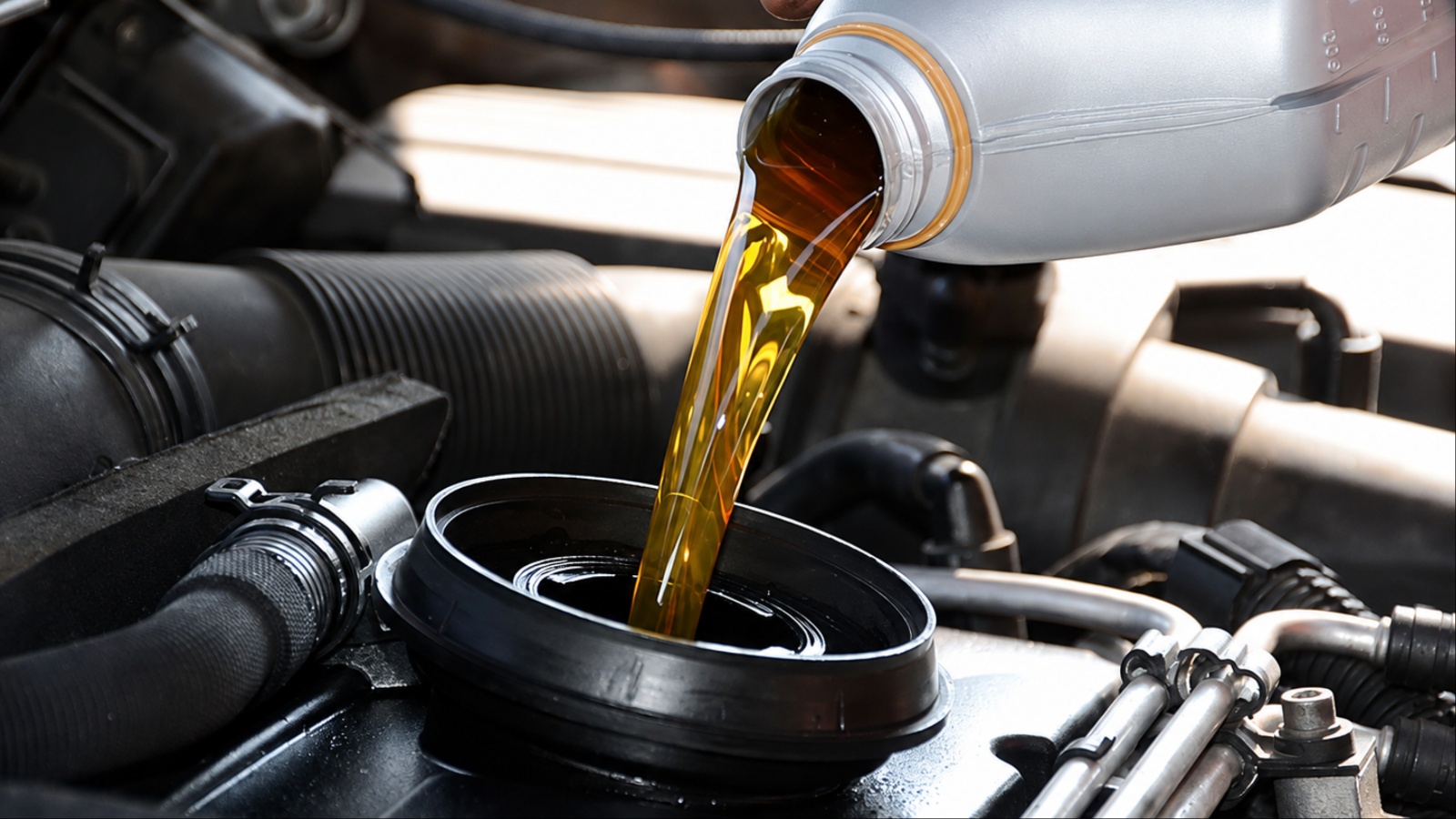
The important distinction is causation. A manufacturer should not simply reject an unrelated electrical or mechanical defect because an owner cannot produce every oil-change receipt. Toyota states that it will not deny a claim solely because maintenance records are missing, while the FTC recommends keeping receipts because records can help establish that proper maintenance occurred.
Owners should retain invoices showing dates, mileage, oil specification, filters, and other scheduled service. People who perform their own maintenance should keep parts receipts and record when the work was completed. If an engine fails and sludge, oil starvation, or neglected maintenance is found, proving that the failure resulted from a manufacturing defect becomes considerably more difficult.
2. Brake Pads, Wiper Blades, and Other Wear Items
Many owners assume a bumper-to-bumper warranty means nearly every component is covered until the warranty expires. In reality, normal wear is one of the most common categories specifically excluded from factory coverage.
Components designed to wear down during ordinary driving are usually treated differently from parts that fail because of a defect. Toyota’s warranty guide excludes normal deterioration and lists maintenance items such as worn wiper blades, brake pads, brake linings, clutch linings, fluids, filters, spark plugs, and similar service items.
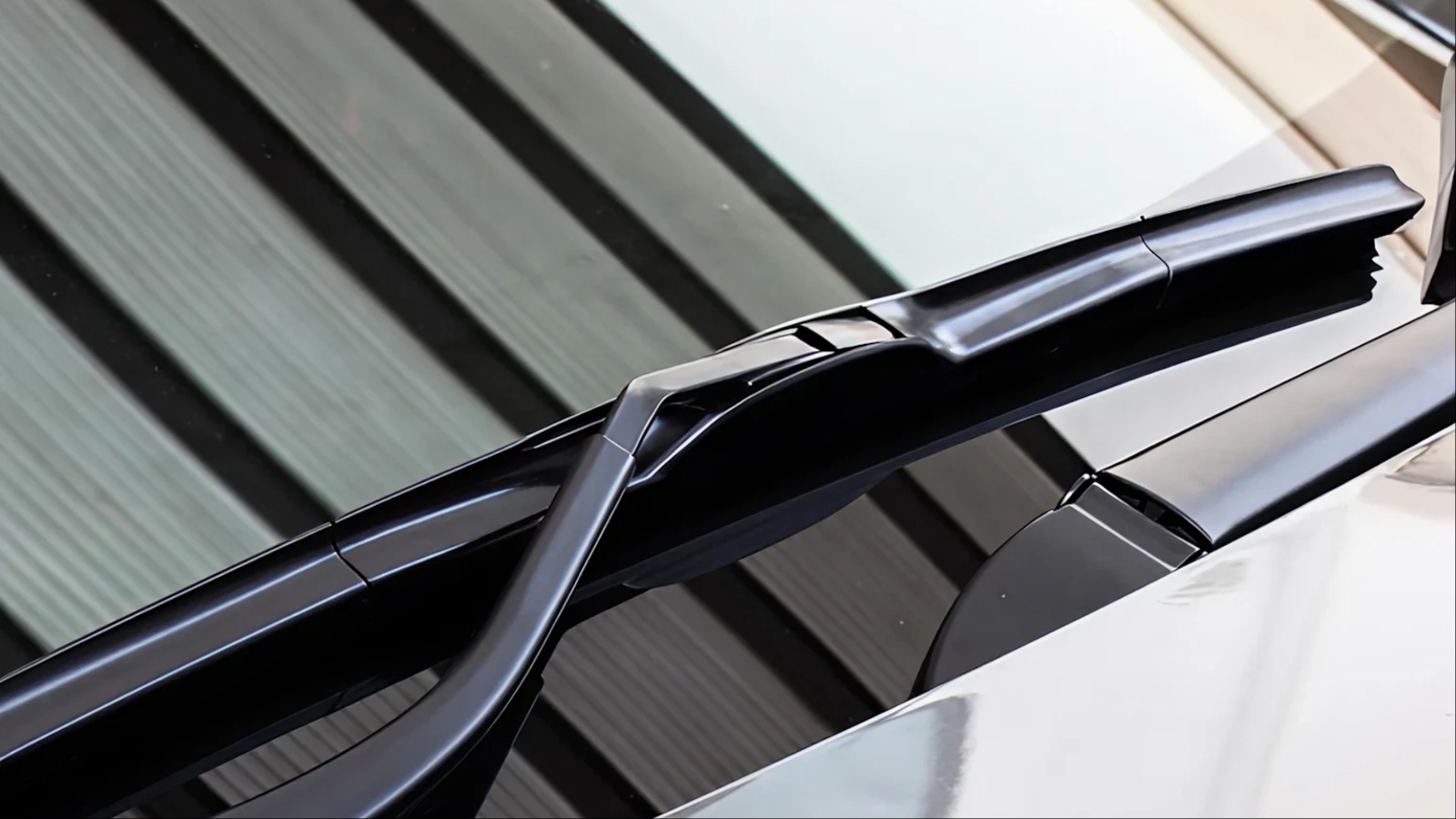
That distinction can become confusing when a component wears unusually quickly. A brake pad that gradually reaches its service limit after thousands of miles is maintenance. A brake caliper that remains applied because of a manufacturing defect and destroys the pad prematurely may create a legitimate warranty issue involving the defective caliper. The underlying cause matters more than the appearance of the worn part.
Tires can also surprise owners because some manufacturers treat them under separate tire-manufacturer warranties rather than the vehicle’s basic factory warranty. Toyota, for example, identifies tires as separately warranted.
Owners should therefore read the exact coverage terms before assuming consumable components will be replaced free of charge. A warranty is primarily protection against defects, not a prepaid maintenance program. Separate maintenance plans may cover selected wear items, but their benefits should not be confused with the original vehicle warranty.
3. Damage Caused by Aftermarket Modifications
Installing aftermarket wheels, suspension components, exhaust systems, intake parts, tuning software, lighting, or other accessories does not automatically erase an entire factory warranty. The FTC says manufacturers generally cannot deny warranty coverage simply because an owner used an aftermarket or recycled part.
If an aftermarket component or its installation causes damage, however, coverage for that resulting damage can legitimately be denied. The manufacturer or dealer must be able to connect the aftermarket part to the failure at issue.

This distinction is especially important with highly modified vehicles. Imagine an owner installs an engine tune that increases turbocharger boost and the engine subsequently suffers piston damage.
The manufacturer may investigate whether operating parameters outside the factory calibration contributed to the failure. Similarly, an incorrectly installed suspension modification could damage wheel bearings, steering components, or drivetrain parts.
Toyota lists alteration, tampering, and damage resulting from installation of non-genuine accessories or parts among conditions that can fall outside warranty coverage. Ford warranty materials likewise identify unapproved modifications as a potential basis for denying certain warranty claims.
The key point is that modification alone and modification-caused damage are not the same thing. Owners concerned about warranty disputes should document modifications, use reputable installers, retain original parts, and understand which vehicle systems the modification affects before making major mechanical or software changes.
4. Failures Following Improper Repairs
Taking a car to an independent repair shop does not automatically void its factory warranty. Federal consumer guidance is clear that manufacturers generally cannot require routine maintenance and repairs to be performed exclusively by a dealership unless the required service is provided free under the warranty. The problem begins when outside work is performed incorrectly and that work damages something that otherwise would have been covered.
Examples are easy to imagine. An improperly installed oil filter could leak and cause engine damage. Incorrect transmission fluid might lead to internal failure. Poor electrical work could create shorts that damage control modules.
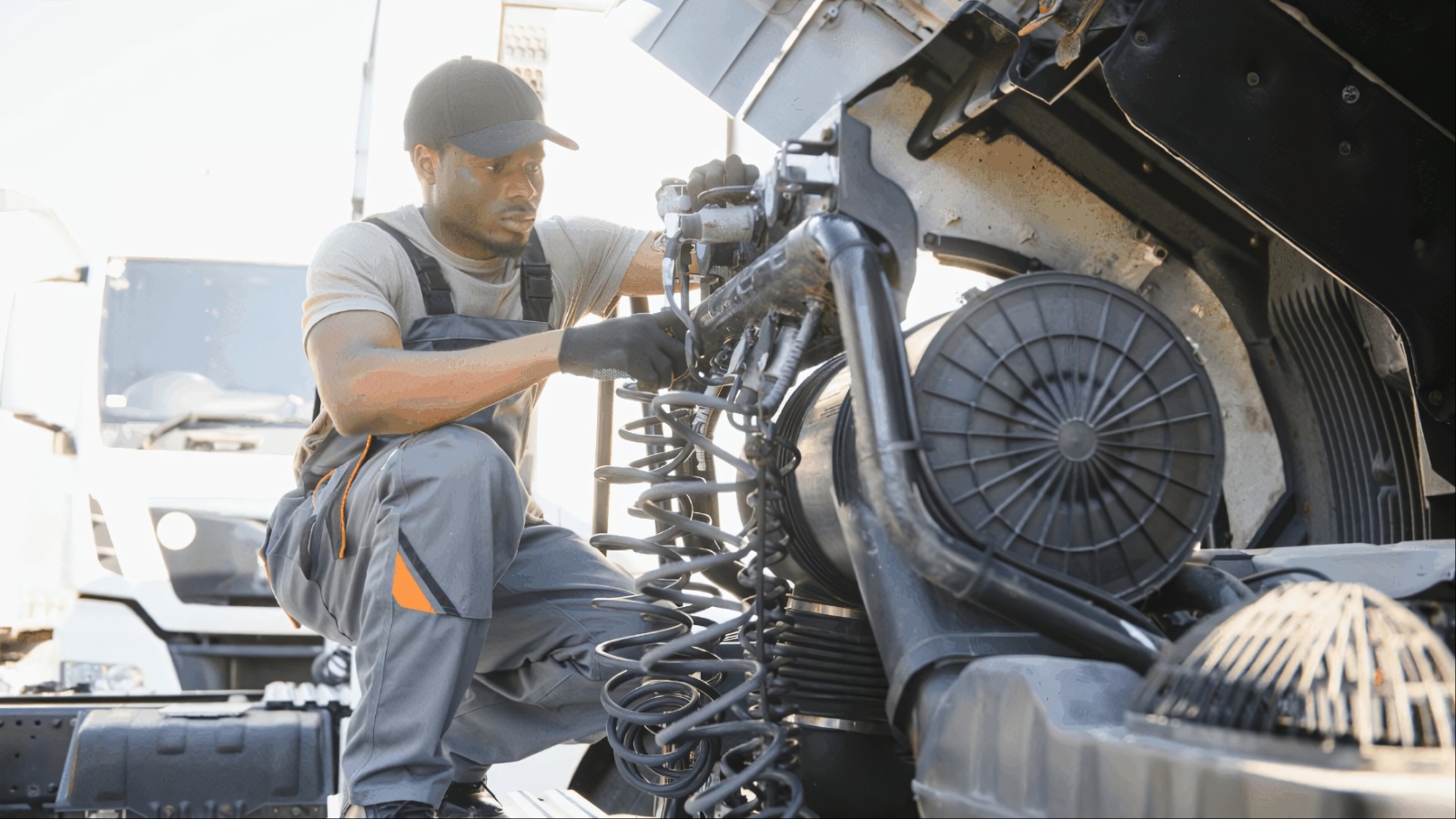
Incorrectly installed aftermarket suspension parts could affect wheel bearings or steering components. In these cases, the dispute is not simply about who performed the repair but whether that work caused the later failure.
Toyota explicitly states that owners may use an automotive service provider of their choice and that warranty coverage will not be denied solely because maintenance or repairs were performed outside a Toyota dealership. It also states that failures caused by improper maintenance or repairs are not covered.
That is why documentation matters. Keep detailed invoices describing what was repaired, which parts were installed, fluid specifications, and vehicle mileage. If a later warranty claim is challenged, those records can help establish whether the previous repair was unrelated to the new defect or directly contributed to it.
5. Damage From Racing, Abuse, or Overloading
Performance cars and trucks may be advertised with impressive horsepower, towing capacities, off-road capability, and track-inspired engineering, but warranties still distinguish normal operation from damage caused by misuse.
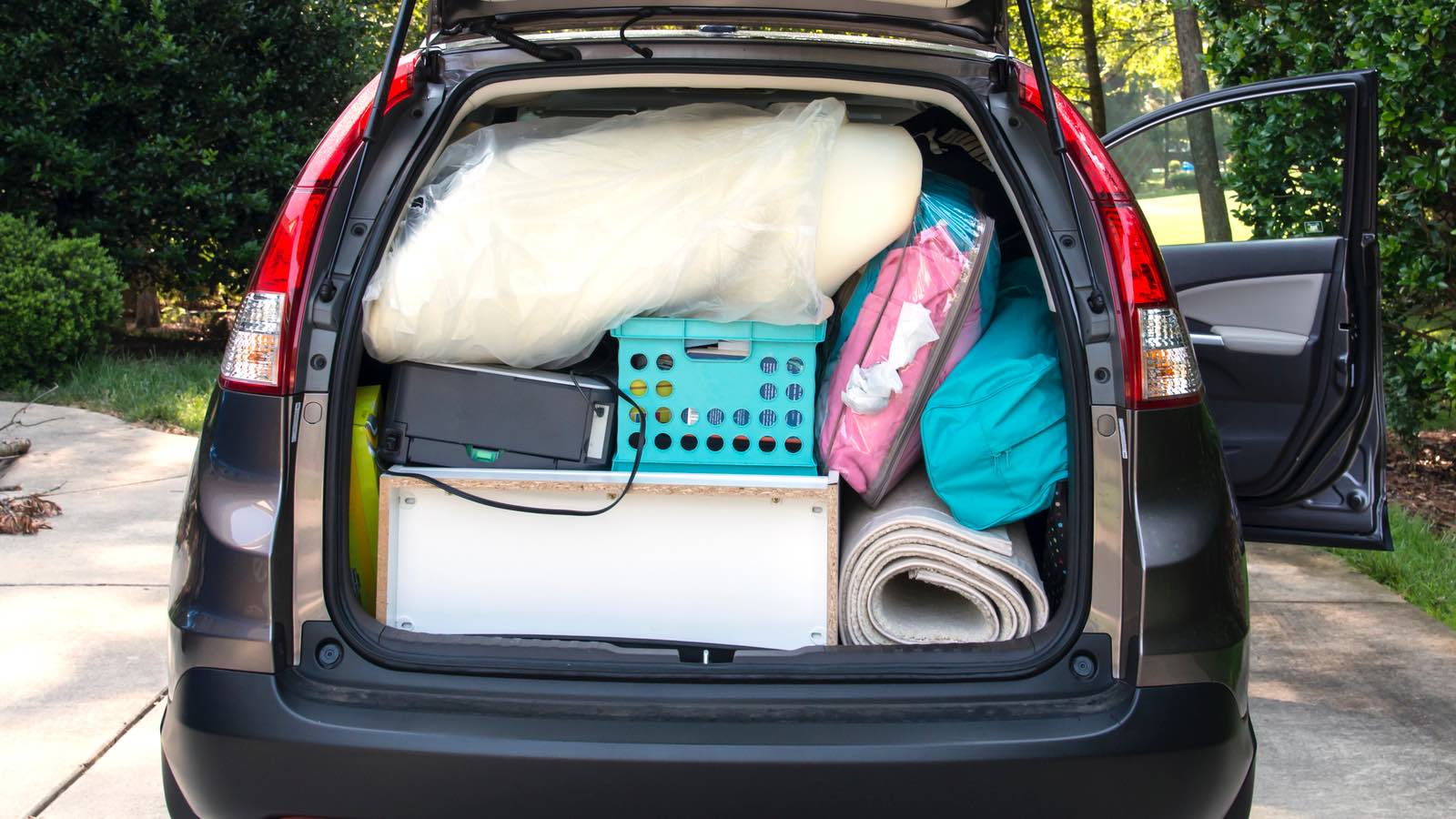
Toyota lists abuse, negligence, racing, overloading, and certain motorsports-related damage among circumstances that can be excluded. Ford also identifies misuse such as racing, overloading, and other operation outside intended conditions in warranty exclusions.
The important issue is not necessarily whether the vehicle ever entered a racetrack or carried a heavy load. Toyota’s current language, for example, notes that simply participating in certain high-performance driving activities does not automatically eliminate all warranty coverage. Damage caused by abuse or misuse during such activity, however, may not be covered.
A transmission failure after repeated launches, an overheated differential after severe track use, or suspension damage caused while operating beyond the vehicle’s design limits could therefore lead to a disputed claim. Trucks can face similar questions when payload or towing limits are exceeded.
Manufacturers increasingly have access to electronic diagnostic information that may help technicians determine operating conditions surrounding a failure.
Owners should know their vehicle’s published limitations rather than assuming a rugged appearance guarantees unlimited use. A warranty protects against defects in the product; it generally does not function as insurance against damage created by operating the vehicle beyond its intended limits.
6. Collision and Accident Damage
Factory warranties and automobile insurance serve different purposes. A warranty generally addresses defects in materials or workmanship, while collision and comprehensive insurance are intended to address many forms of accidental or external damage. Owners sometimes discover the difference after an accident when a component fails later, and they attempt to submit the repair as a warranty claim.
Toyota specifically excludes failures resulting from fire, accidents, and theft from its New Vehicle Limited Warranty. Ford warranty documents similarly identify collision, fire, theft, vandalism, flooding, and objects striking the vehicle as examples of damage that may not be covered.
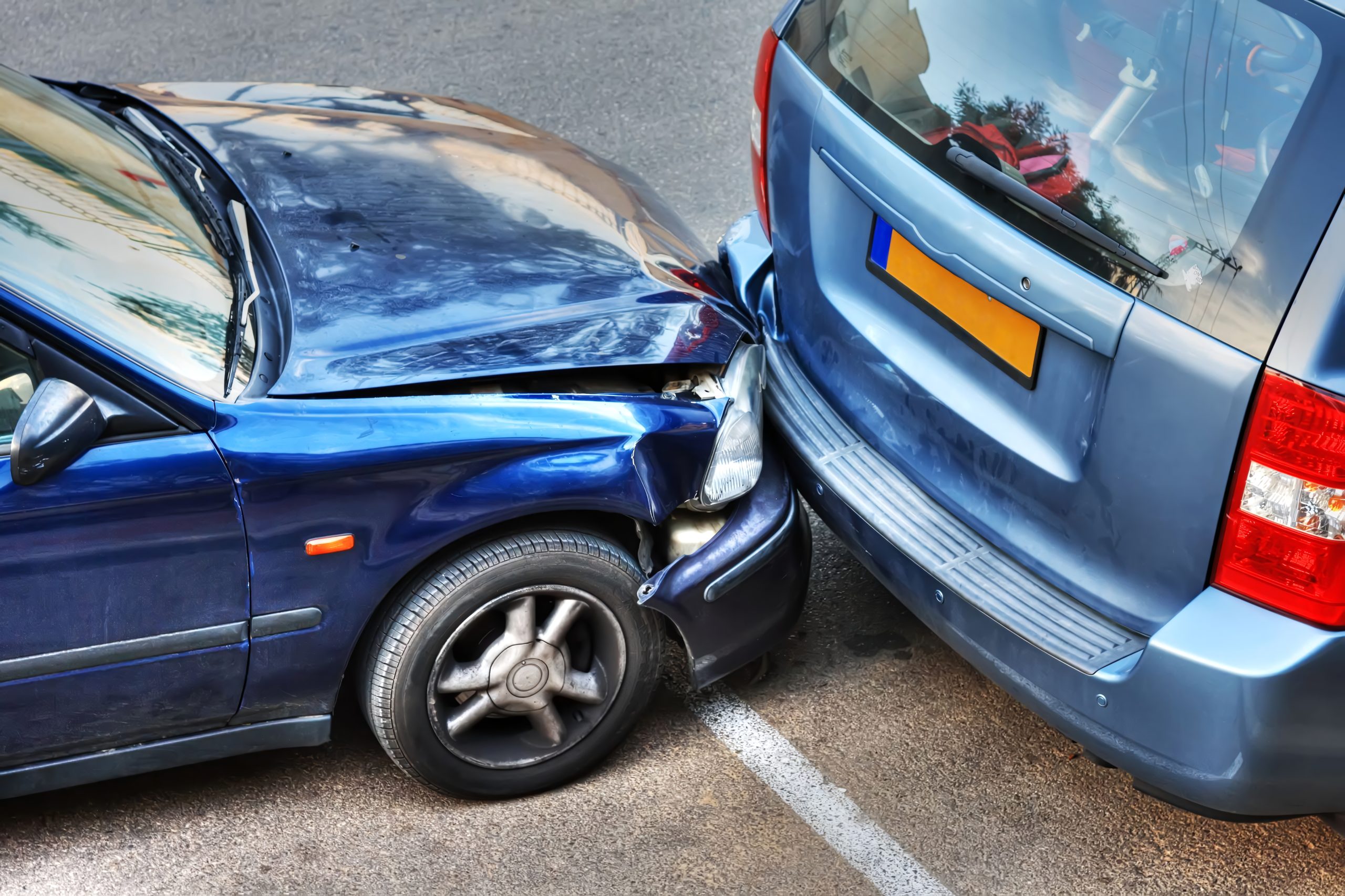
The difficult cases are those in which accident damage is not immediately obvious. A hard impact may damage cooling-system components, wiring, sensors, suspension pieces, wheel bearings, or battery protection structures.
The car can continue operating for weeks before a related symptom appears. If technicians later find physical evidence connecting the failure to the collision, the manufacturer may classify it as accident-related rather than a factory defect.
Owners should therefore document all accident repairs carefully and make sure the repair facility investigates hidden damage. If a warranty dispute occurs later, repair estimates, photographs, alignment measurements, and insurance records can help establish what was damaged and what was repaired.
A component failing independently after an accident may still be warrantable. The existence of an accident itself should not automatically transform every future failure into accident damage; the cause of the specific failure remains crucial.
7. Contaminated Fuel or the Wrong Fluids
Fuel-system repairs can become extraordinarily expensive, particularly on modern direct-injection gasoline engines and high-pressure diesel systems. Unfortunately, contamination caused by incorrect fuel, water, debris, or unsuitable fluids may fall outside factory warranty protection because the problem did not originate from a defect in the vehicle.
Toyota’s warranty terms exclude failures caused by lack of or improper maintenance, including the use of fluids and fuel other than those specified in the owner’s manual. Water contamination is also specifically identified among excluded causes.
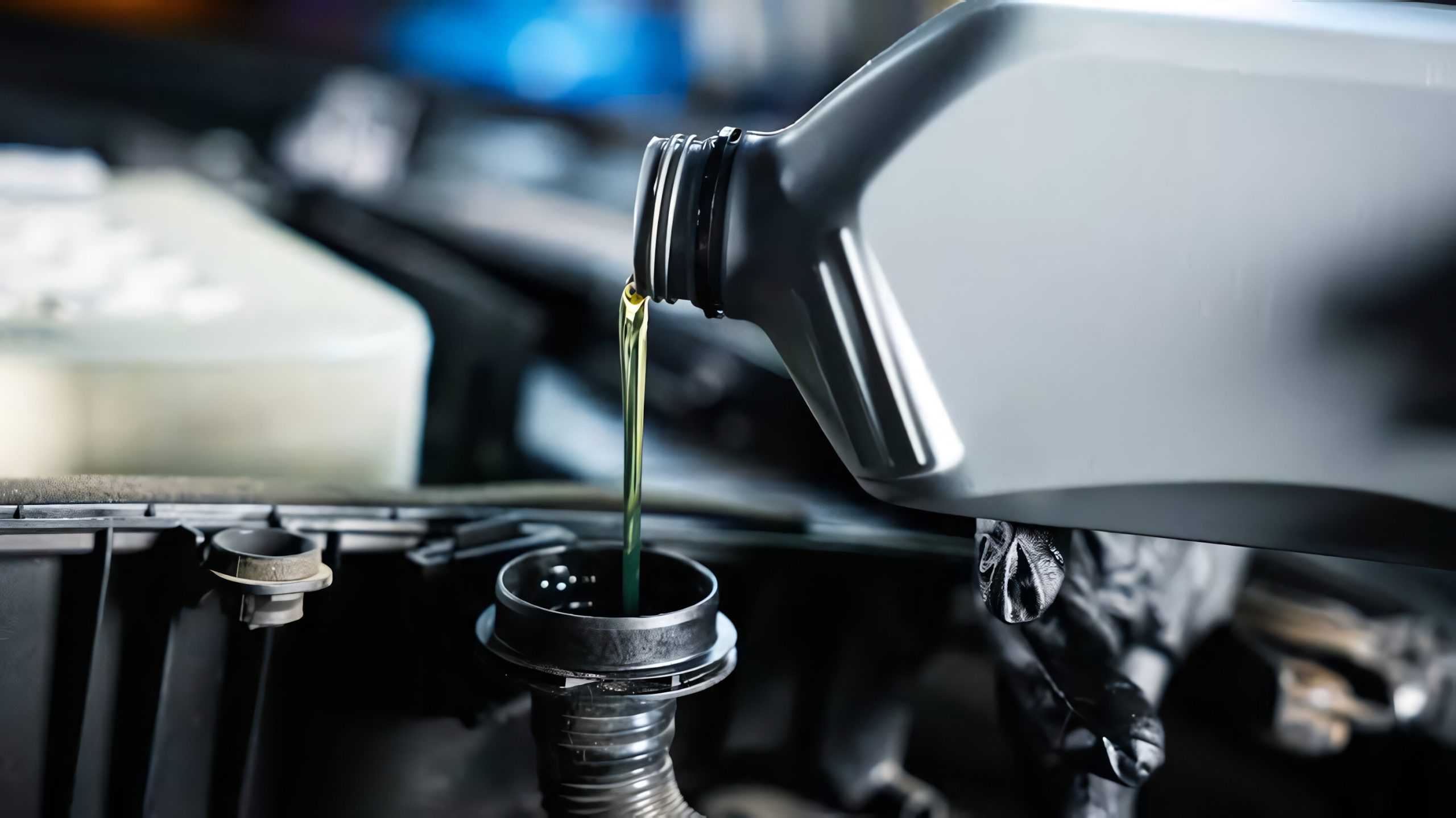
The same principle applies beyond fuel. Putting the wrong coolant, transmission fluid, engine oil, or other chemical into a vehicle can lead to mechanical damage. If a technician can demonstrate that the incorrect fluid caused the failed component, the claim may be denied even though the part itself would ordinarily fall within the warranty period.
Misfueling is another straightforward example. Filling a gasoline vehicle with diesel or introducing diesel exhaust fluid into the fuel system can require extensive cleaning or replacement of components. Such damage is generally very different from an injector or fuel pump that independently fails because of defective materials or workmanship.
Drivers should save fuel receipts when contamination is suspected and avoid continuing to operate a vehicle after obvious misfueling. If multiple vehicles experience contamination after using the same station, documentation can also become important when determining who is financially responsible for the resulting repairs.
8. Damage Caused by Potholes, Rocks, Weather, or Road Debris
A cracked windshield, bent wheel, chipped paint, punctured underbody panel, or damaged suspension component may feel like something a new-car warranty should handle, particularly when the vehicle is only months old. Factory warranties, however, typically distinguish defects from external damage.
Toyota’s exclusions include road debris, stone chips, salt, hail, flooding, wind storms, lightning, airborne chemicals, tree sap, and other environmental conditions. Ford likewise lists objects striking the vehicle, flooding, freezing, and other outside events among examples of damage outside normal warranty protection.
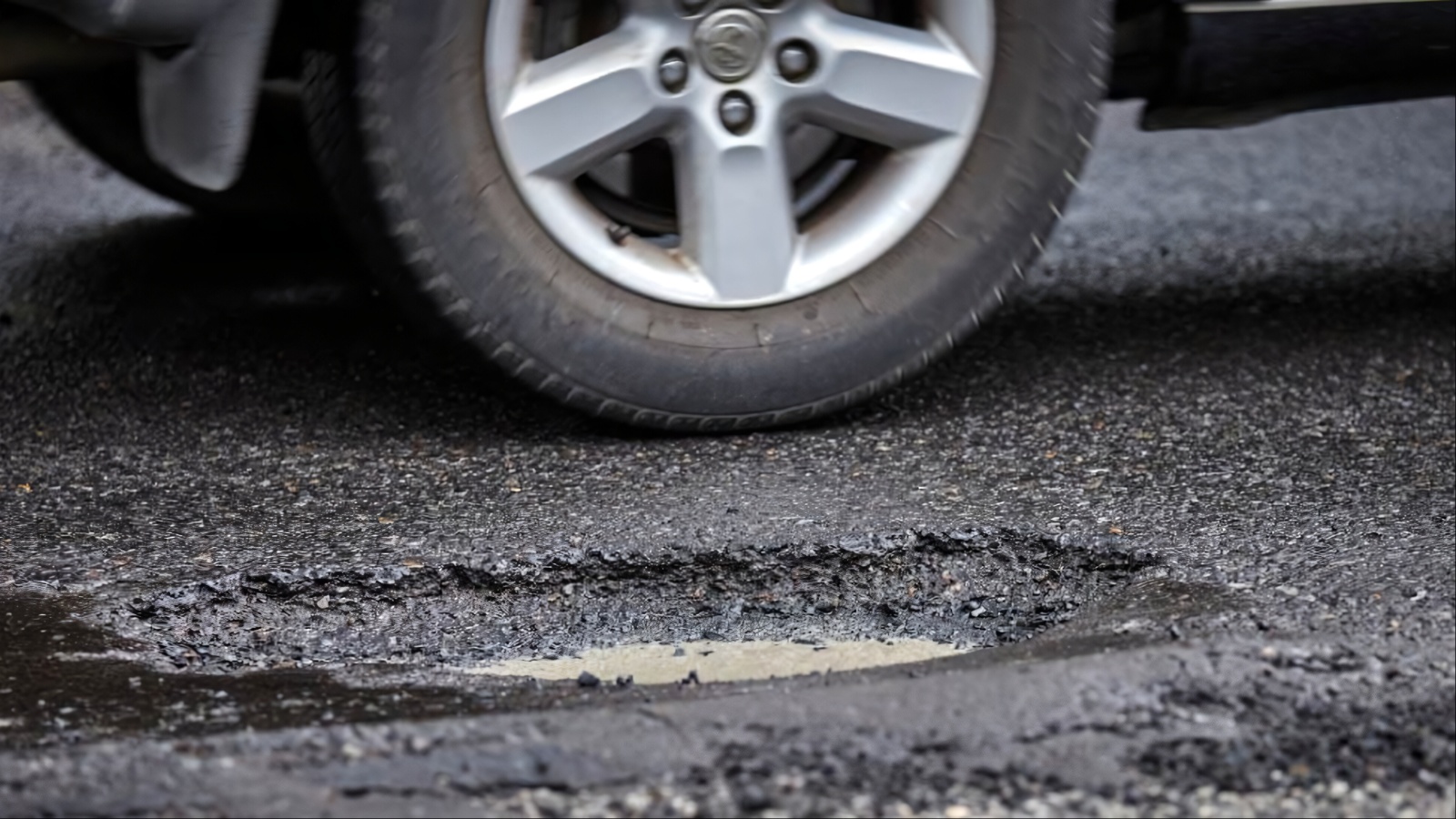
Consider a wheel that develops a crack. If metallurgical analysis or inspection shows a manufacturing defect, warranty coverage may apply. If the wheel is visibly bent and the tire has impact damage after striking a pothole, the manufacturer may reasonably classify it as road-hazard damage.
Windshields create similar disputes. Stress cracks associated with defective glass or installation may qualify for coverage, while chips originating from flying stones generally do not. Owners sometimes purchase separate tire-and-wheel, windshield, or road-hazard plans specifically because these events are outside standard factory protection.
Photographing damage before repairs can help. So can documenting exactly when symptoms began. The key question remains whether the component failed on its own or because something outside the vehicle damaged it. Warranties usually address the former, while insurance or supplemental protection products may be needed for the latter.
9. Rust That Does Not Meet the Corrosion Warranty
Many new vehicles include corrosion protection, but owners are sometimes surprised to learn that a corrosion warranty may not cover every visible patch of rust. The wording matters. Some manufacturer warranties emphasize perforation or “rust-through,” meaning corrosion must progress far enough to create a hole through an original body panel before the longer corrosion warranty applies.
Toyota’s corrosion perforation coverage, for example, applies to original body panels that develop perforation from corrosion, subject to stated exclusions. The same warranty excludes environmental causes such as salt, road debris, chemicals, hail, and flooding from general coverage. Hyundai’s warranty material also distinguishes between perforation and certain forms of cosmetic or surface corrosion, with different terms applying to each.
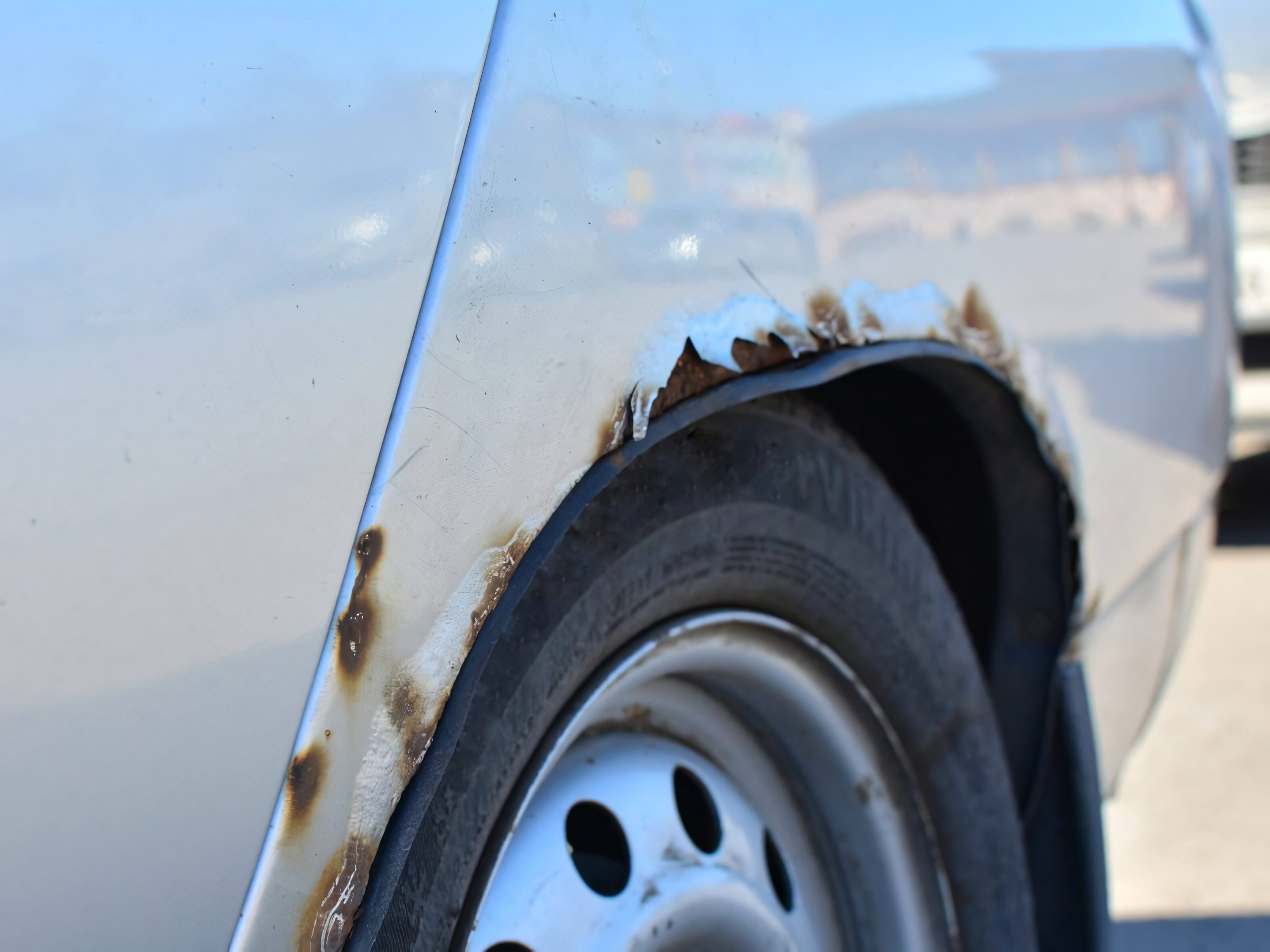
That means a vehicle may show surface rust without satisfying the requirements for a long-term rust-through claim. Corrosion caused by accident repairs, chipped paint, neglected damage, environmental exposure, or replacement body panels may also be treated differently.
Owners in snow-belt regions should pay particular attention to warranty language because road salt creates severe corrosion conditions. Washing the underbody and repairing paint chips can help reduce exposure, but coverage still depends on the exact warranty.
Before assuming rust is covered, determine whether the claim falls under paint coverage, basic warranty coverage, or a separate corrosion-perforation warranty. Each can have different time limits and exclusions.
10. Claims on Vehicles With Altered Odometers
Warranty coverage is frequently measured by both time and mileage, which makes an accurate odometer essential. If the vehicle’s true mileage cannot be established because the odometer has been disconnected, altered, replaced without proper documentation, or tampered with, the manufacturer may be unable to determine whether the warranty is still active.
Toyota’s current warranty guide specifically excludes failures on vehicles whose odometer has been altered so that actual mileage cannot readily be determined. Ford warranty materials have also contained exclusions for vehicles where odometer alteration or extended inoperability prevents the true mileage from being established.

Not every odometer replacement is fraudulent. Instrument clusters can fail and legitimately require replacement. In such cases, proper repair documentation becomes critical. Dealer invoices, mileage disclosures, service history, state records, and replacement-cluster paperwork can establish the relationship between displayed mileage and actual vehicle mileage.
Problems become especially serious for used-car buyers who unknowingly purchase a vehicle with inconsistent mileage records. A powertrain component may appear to fail within a 60,000-mile warranty when the vehicle actually traveled substantially farther.
Before purchasing a newer used vehicle that still appears to have factory coverage, compare the displayed mileage with service records and vehicle-history information. Any unexplained rollback or large mileage inconsistency should be investigated immediately. Accurate mileage protects not only resale value but also the owner’s ability to demonstrate eligibility for mileage-limited warranty coverage.
11. Claims on Salvage or Total-Loss Vehicles
A repaired vehicle can look nearly perfect while carrying a title history that dramatically changes its factory warranty protection. Vehicles declared total losses after major collisions, floods, fires, theft recoveries, or other severe events may receive salvage or branded titles. Some manufacturers restrict or terminate significant portions of their new-vehicle warranty once this happens.
Toyota states that vehicles branded salvage, total loss, true mileage unknown, or similarly classified can be excluded from its New Vehicle Limited Warranty, although specific exceptions remain for certain emissions warranties and open safety recalls or service campaigns. Hyundai’s used-vehicle warranty provisions likewise identify salvage-title status among conditions affecting eligibility for specific warranty coverage.

This matters because buyers sometimes focus only on the vehicle’s current mileage. A two-year-old car with 15,000 miles may appear to have years of factory coverage remaining, yet its prior total-loss history can change that assumption.
Before purchasing a rebuilt or previously totaled car, obtain the VIN and ask the manufacturer or an authorized dealer what warranty coverage remains. Do not rely exclusively on a seller’s statement that the vehicle “still has factory warranty.”
Safety recalls are different from ordinary warranty repairs and may remain available even where other warranty coverage has been restricted. Buyers should therefore verify each type of coverage separately instead of assuming salvage status either eliminates everything or changes nothing.
12. The Warranty Has Already Expired
Perhaps the simplest denied claim is also one of the easiest to misunderstand: the vehicle is no longer inside the applicable warranty period. Factory warranties commonly expire when either a time limit or mileage limit is reached, whichever happens first. A component can therefore fail shortly after the mileage threshold even though the car is still relatively new.
Toyota’s 2025 Grand Highlander warranty, for example, provides basic coverage for 36 months or 36,000 miles and powertrain coverage for 60 months or 60,000 miles, whichever comes first. Individual systems can have different limits. The FTC similarly notes that manufacturer warranties commonly last for a specified number of months or miles.

Owners can also misunderstand when the clock begins. Warranty coverage normally starts from the vehicle’s in-service date rather than the day a second or third owner purchases it. A used car advertised as having “factory warranty remaining” may therefore have much less coverage than expected.
Another complication is that different components can have separate warranties. Emissions equipment, hybrid or EV batteries, corrosion protection, restraint systems, and powertrain components may have longer or different coverage than the basic warranty.
Before authorizing an expensive repair, verify the vehicle’s in-service date, current mileage, and the exact warranty covering the failed component. A repair being outside the basic warranty does not necessarily mean every possible factory coverage has expired.
