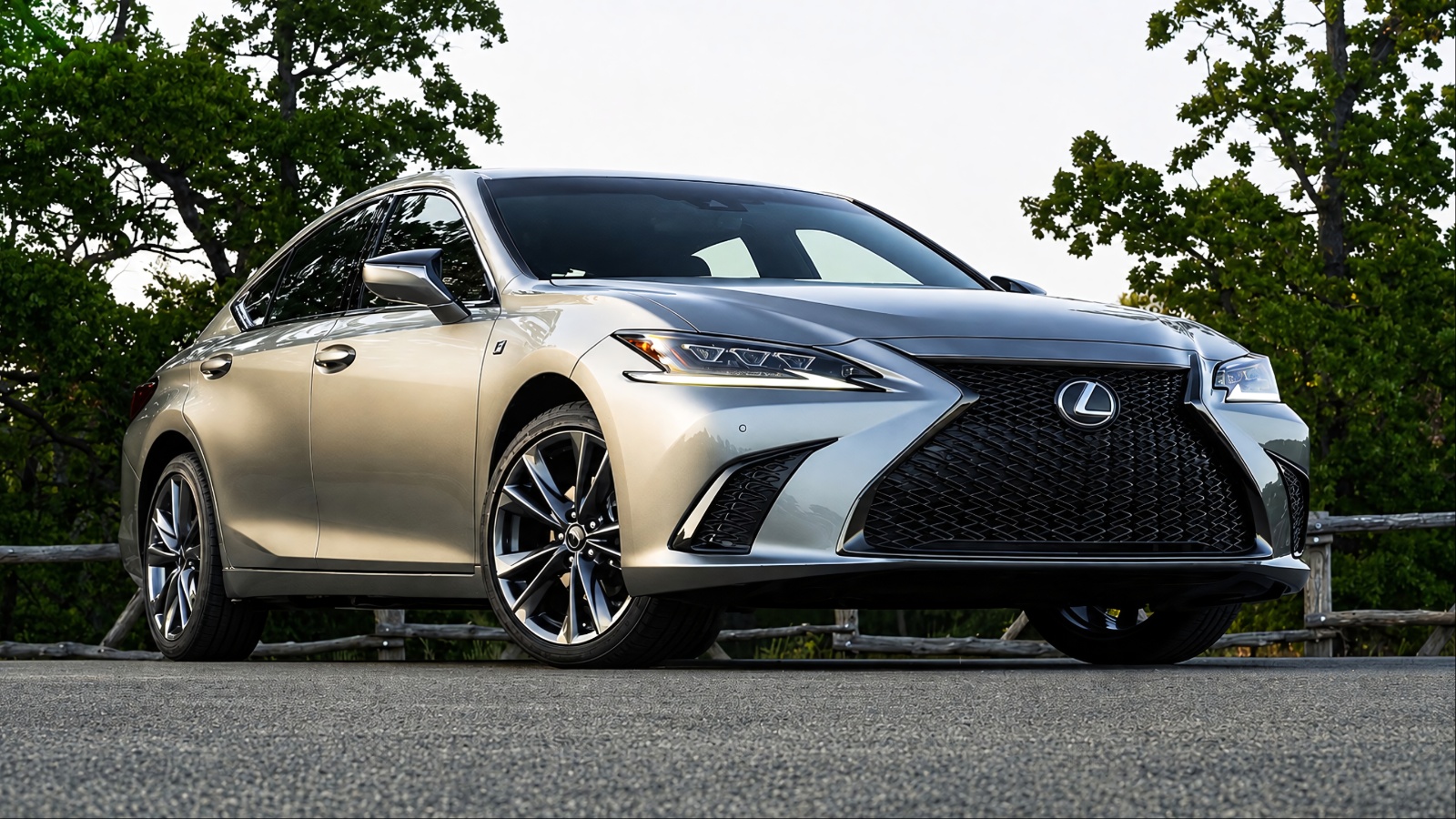
A car can look impressive when it is new, but the real test comes years later when the seats, dashboard, door panels, switches, and trim have endured thousands of hours of use. Some vehicles manage to keep their cabins looking remarkably fresh, with durable materials, sturdy controls, and surfaces that resist everyday wear.
Others develop an entirely different reputation as their soft-touch coatings deteriorate, dashboards become tacky, or buttons turn gummy with age. This article looks at both sides of that divide, highlighting five cars known for aging particularly well and five that have developed notorious sticky-material problems over time.
5 Cars That Keep Their Cabin Fresh for Years
1. Toyota Land Cruiser
Few vehicles make durability such a central part of their identity as the Toyota Land Cruiser. Its cabin has traditionally been designed around the expectation that the vehicle will spend years dealing with rough roads, long journeys, and demanding conditions. That philosophy is visible in the materials and construction rather than simply being a marketing claim.
The Land Cruiser’s cabin has generally favored sturdy controls and hard-wearing surfaces over fragile decorative pieces. Reviews of the 2009 to 2023 generation have specifically praised its rattle-free construction, with Carbuyer noting that the absence of squeaks and rattles reflected its strong build quality.
That characteristic is particularly valuable as a vehicle ages. A dashboard can still look attractive after many years, but loose trim, rattling panels, and worn controls can make an otherwise expensive vehicle feel old. The Land Cruiser’s robust construction helps it avoid that problem.
The newer 300 Series follows the same philosophy. Reviews have highlighted its durable materials, solid switchgear, and strong fit and finish. One assessment described the controls as reassuringly substantial, with the cabin feeling engineered for years of hard use rather than merely designed to impress when new.
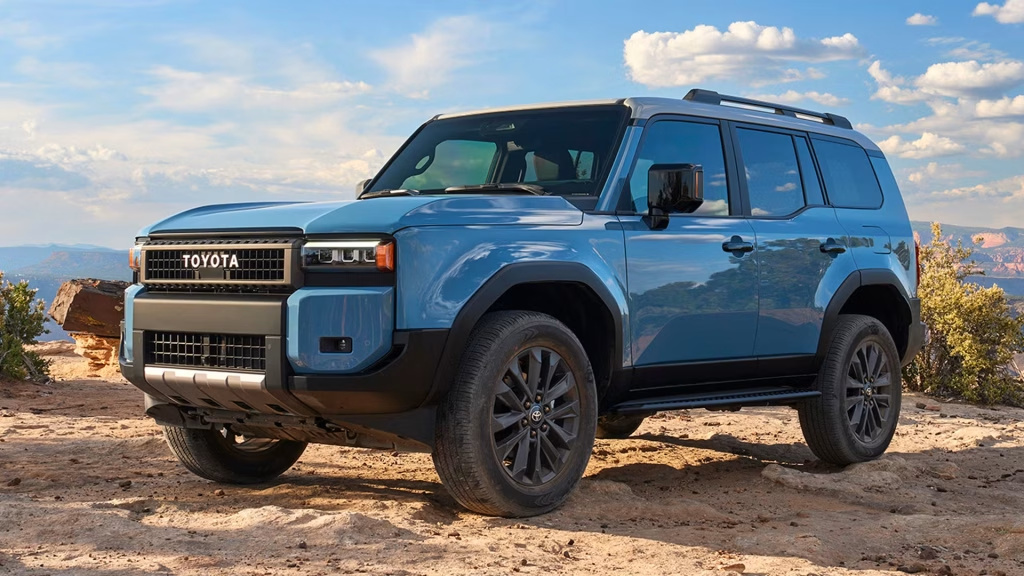
The Land Cruiser also benefits from its intended use. Its cabin has to tolerate occupants climbing in and out, equipment being carried, rough terrain, and frequent use of physical controls. That puts greater demands on the materials than a vehicle designed mainly for occasional highway trips.
For this list, the Land Cruiser is important because it demonstrates that a durable cabin does not have to look basic. Depending on the generation and trim, buyers can still get leather, wood, or metal-look trim and substantial seating while retaining the rugged construction that has defined the model.
2. Honda Accord
The Honda Accord takes a very different approach from the Land Cruiser, but it has also demonstrated a strong ability to maintain a pleasant cabin experience. Rather than relying on extravagant materials, the Accord generally combines sensible construction with straightforward controls and practical surfaces.
That formula has helped the model remain appealing as it ages. Long-term testing of the 2018 Accord praised the cabin’s material quality, describing it as comparable to what buyers could expect from entry-level luxury vehicles.
The same assessment noted that the cabin was well sorted and spacious, with a practical layout that avoided unnecessary gimmicks.
The Accord’s strength comes partly from restraint. Its cabin does not need to rely on exotic finishes or complicated decorative treatments to feel substantial. The controls are designed for regular use, while the seating and surrounding materials provide a comfortable environment without making durability secondary to appearance.
That matters on older examples because heavily used vehicles reveal weaknesses quickly. Door armrests, steering wheels, seat bolsters, and frequently touched controls receive years of repeated contact. When those areas remain presentable, the vehicle can continue to feel significantly newer than its age suggests.
There is one important qualification. Not every Accord generation or trim is immune to wear. Honda has used glossy black trim in newer models, and long-term testing has shown that such surfaces can accumulate scratches, dust, and fingerprints very easily.
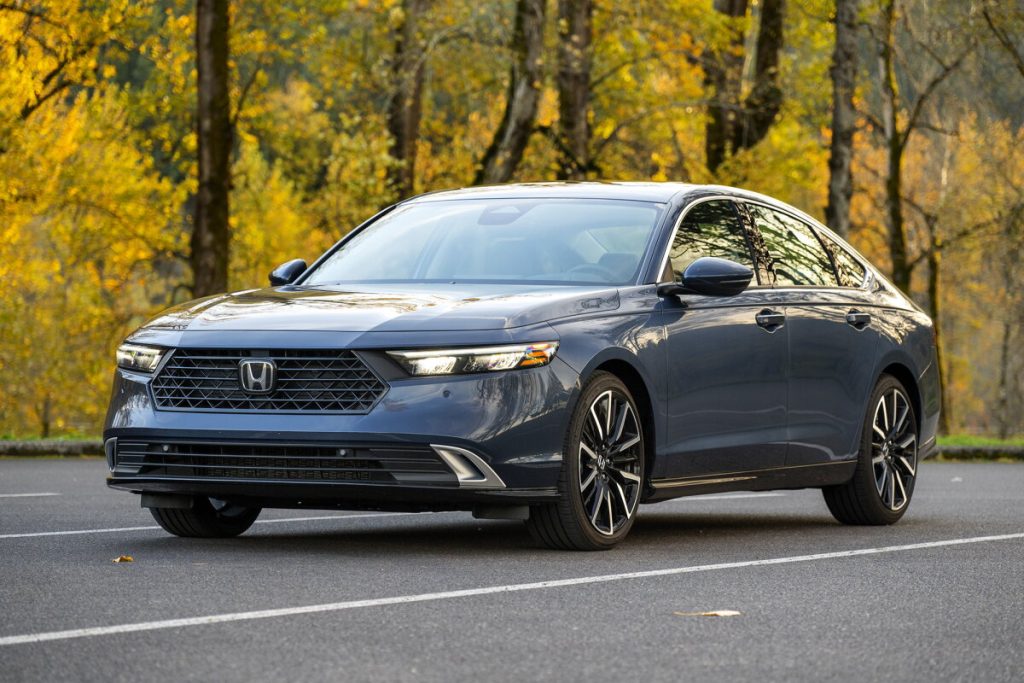
Still, the Accord earns its place because its broader cabin design has generally prioritized usability and solid materials. Its reputation is not based on one spectacular trim piece. Instead, it comes from putting together a practical, comfortable, and durable environment that can continue looking respectable after years of daily driving.
For used-car buyers, that is arguably more valuable than a cabin that looks spectacular during its first year but becomes difficult to maintain later.
3. Toyota 4Runner
The Toyota 4Runner takes a more rugged approach to long-term cabin durability. Its design may not win awards for being the most modern or luxurious, but that is part of the reason it works so well for buyers who prioritize longevity.
The 4Runner has relied heavily on physical controls, straightforward materials, and a functional layout, reducing the number of delicate surfaces that can become problematic with age.
The previous-generation model is a particularly good example. By 2022, the same basic generation had been on sale since the 2010 model year, yet reviewers still found that its cabin was well put together.
Autoblog praised its simple, tactile controls and chunky climate knobs, while noting that the materials remained reasonably durable despite the dated design.
That distinction is important. A cabin can look old without actually being worn out. The 4Runner’s dashboard and infotainment system certainly began showing their age stylistically, but the underlying construction remained solid. Physical knobs and buttons also tend to be easier to live with over many years than fragile touch-sensitive surfaces.
The model’s rugged mission reinforces this approach. A 4Runner is designed to tolerate outdoor use, passengers carrying equipment, and the general abuse associated with an off-road-oriented SUV. Its cabin therefore benefits from a philosophy centered on function rather than delicate decoration.
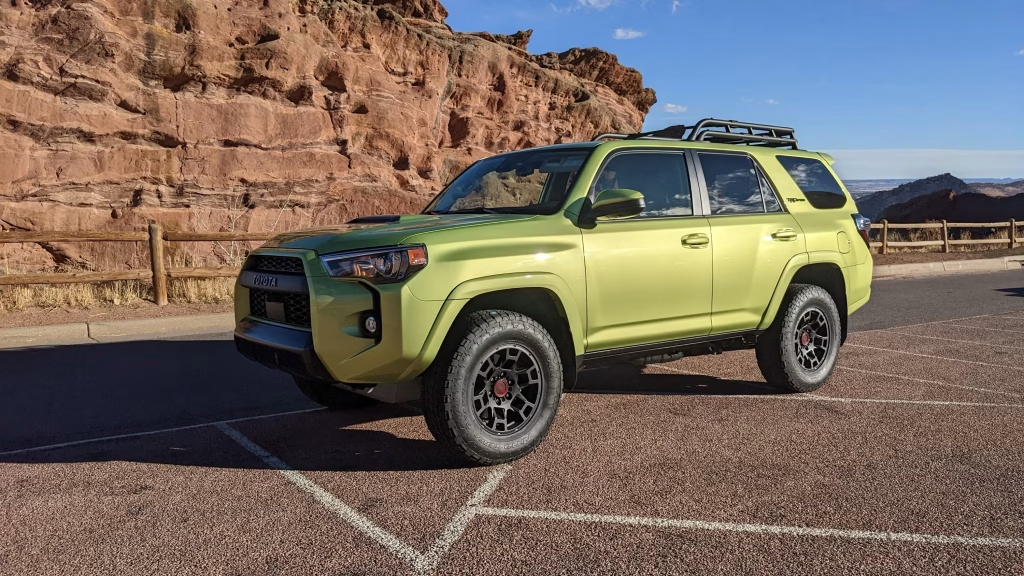
This is why the 4Runner belongs on the list. It may not look cutting-edge after a decade, but looking dated is very different from looking deteriorated. For a used buyer, that can be a worthwhile trade.
4. Lexus LS
The Lexus LS represents the luxury side of long-term cabin quality. Unlike the 4Runner, it does not rely on basic materials or rugged simplicity. Instead, the LS combines leather, wood, metal, and carefully finished surfaces with exceptionally precise construction.
The current-generation LS has been praised for the quality of its plastics, metals, and leather, while reviewers have also highlighted the precision of its construction. Its controls use a mixture of buttons and knobs rather than forcing every function through a touchscreen, helping preserve the tactile character expected from a flagship sedan.
Long-term testing of the LS has reinforced that impression. MotorTrend’s extended evaluation of the 2007 LS 460 praised its rich cabin ambience, ergonomics, and first-rate build quality after a year of use.
There is, however, an important caveat when discussing older LS models. Certain 2007 to 2012 examples developed problems with soft-touch materials, including sticky or deteriorating surfaces. Owner reports also document melting or delaminating trim on some earlier cars.
That means the LS should not be interpreted as a model where every generation and every surface is guaranteed to age perfectly. Later examples generally have a better reputation, while condition and previous exposure to heat matter considerably.
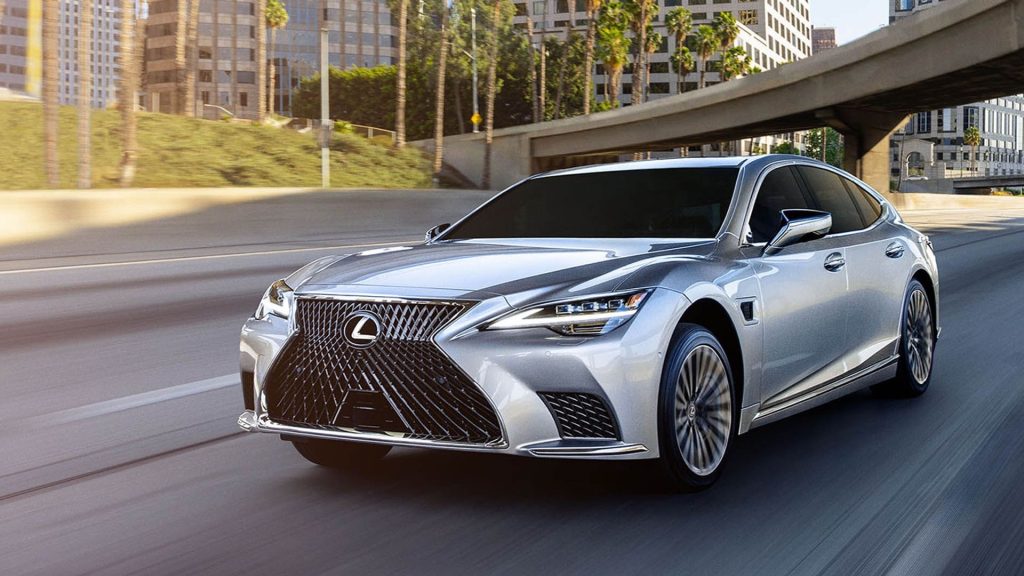
The reason it remains on this side of the list is the strength of its construction when the materials are holding up properly.
A well-kept LS can retain a remarkably substantial, luxurious feel for years, demonstrating how careful assembly and high-quality materials can make an aging cabin feel far more expensive than its age suggests.
5. Honda CR-V
The Honda CR-V earns the final spot because long-term testing has repeatedly shown that its cabin can withstand the kind of daily abuse expected from a family crossover.
The 2017 CR-V, for example, was subjected to extended use and accumulated more than 20,000 miles during Edmunds’ long-term evaluation, with the seats and leather showing no abnormal wear or discoloration at that stage.
That durability becomes even more convincing when looking at longer-term use. An extended CR-V test reported that the cabin held up well to family use and abuse, including trips where sand and other debris were brought inside. The vehicle reportedly remained remarkably fresh, with no rattles or squeaks developing during the test period.
The model’s material choices help explain that performance. Reviews of the 2016 to 2023 generation describe the material quality as broadly solid, while the cabin’s construction gives the impression that it was designed for regular family use rather than occasional pampering.
Another advantage is the CR-V’s practical layout. It does not depend on excessive decorative trim to create an upscale impression. Instead, the cabin combines straightforward surfaces with useful storage, comfortable seating, and controls that are easy to operate repeatedly.
That approach can pay dividends as the vehicle ages. A family SUV typically experiences more abuse than a commuter sedan because children, groceries, luggage, and outdoor equipment regularly move through it. The CR-V’s ability to remain presentable under those conditions is exactly why it belongs in this group.
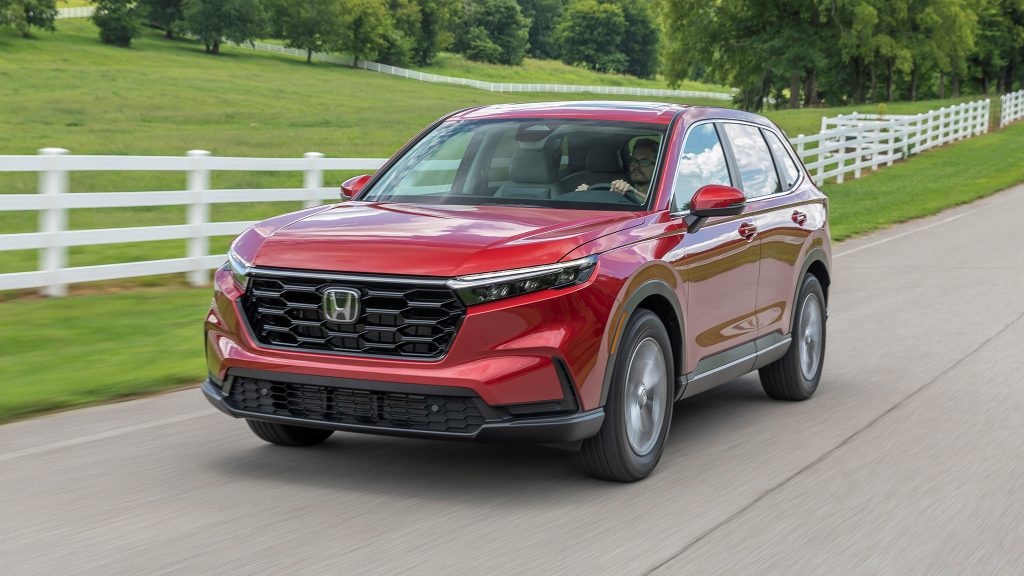
For used buyers, the CR-V offers an appealing combination: a cabin that was designed for everyday practicality and evidence from long-term testing that the materials can withstand years of normal use without immediately looking worn out.
5 That Turn Sticky
1. Toyota Camry
The Toyota Camry is normally associated with durability, which makes its sticky-dashboard problem particularly notable. Certain 2007 through 2011 Camry and Camry Hybrid models were included in Toyota’s warranty enhancement program for dashboards that could become cracked, sticky, or appear to melt under certain conditions.
Toyota specifically attributed the condition to combinations of high temperatures and humidity.
The problem goes beyond a dashboard simply looking older than the rest of the vehicle. As the surface deteriorates, it can develop a shiny appearance and become unpleasantly tacky. That can allow dust and debris to cling to the surface, while a glossy dashboard can also produce reflections in the windshield.
Toyota’s decision to establish a dedicated replacement program makes the Camry an important example for this list. The company acknowledged the condition and provided coverage for affected vehicles under the program, with replacement of the damaged dashboard being the prescribed remedy.
Heat appears to be a major factor. Vehicles spending years parked outdoors in hot, humid environments can be particularly vulnerable, although exposure conditions vary between individual cars.
For a used-car buyer, this means the Camry deserves a hands-on inspection rather than a quick visual check. A dashboard that appears unusually glossy may be showing early deterioration, while genuine stickiness is a much clearer warning sign.
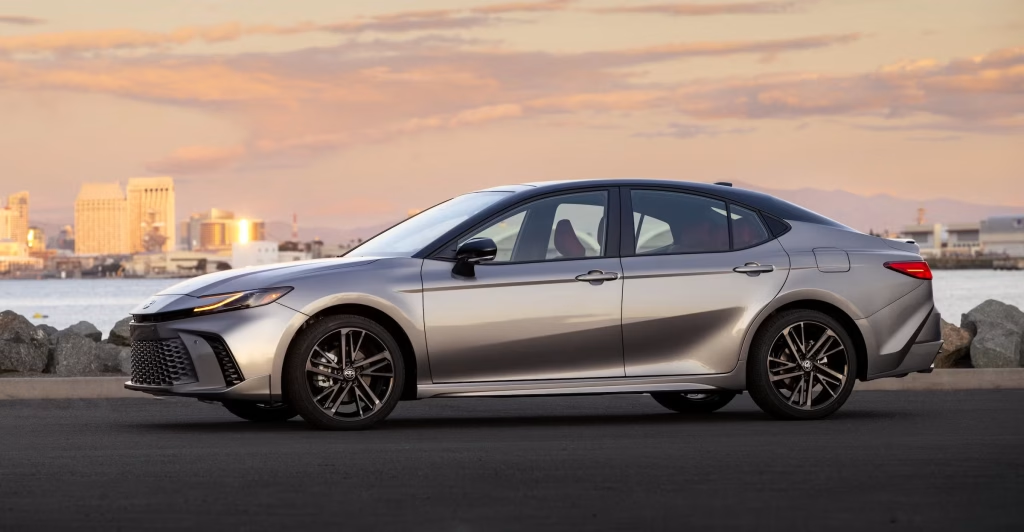
The issue does not make every Camry from these years a bad purchase. It does mean buyers should verify the condition of the dashboard and determine whether the vehicle falls within the applicable program or has already received a replacement.
2. Nissan Altima
The Nissan Altima provides another example of how heat can turn a normally ordinary dashboard surface into a major annoyance. Owner reports involving several 2008 to 2013 Altimas describe dashboards becoming shiny, sticky, and apparently melted, particularly in hot climates.
One long-running Altima owner discussion contains reports from both sedan and coupe owners experiencing the condition.
The deterioration can become severe enough to affect the driving experience. Owners have reported surfaces that remain permanently tacky, with objects and cloth becoming stuck to the dashboard. Some complaints also mention intense glare from the glossy surface when sunlight hits the windshield.
That last point makes this more than a cosmetic irritation. A highly reflective dashboard can create distracting glare directly in the driver’s field of vision, especially when the vehicle is driven toward the sun.
The problem appears particularly associated with heat exposure. Reports from owners in states such as Florida and Texas describe dashboards deteriorating under prolonged high temperatures. This does not mean every Altima from the affected years will develop the problem, but it is a condition worth checking carefully on an older example.
For buyers, the best inspection is simple: touch the dashboard. A healthy surface should feel consistent rather than gummy or unusually soft. Look closely for an excessive shine, cracking, or areas where dust appears permanently embedded.
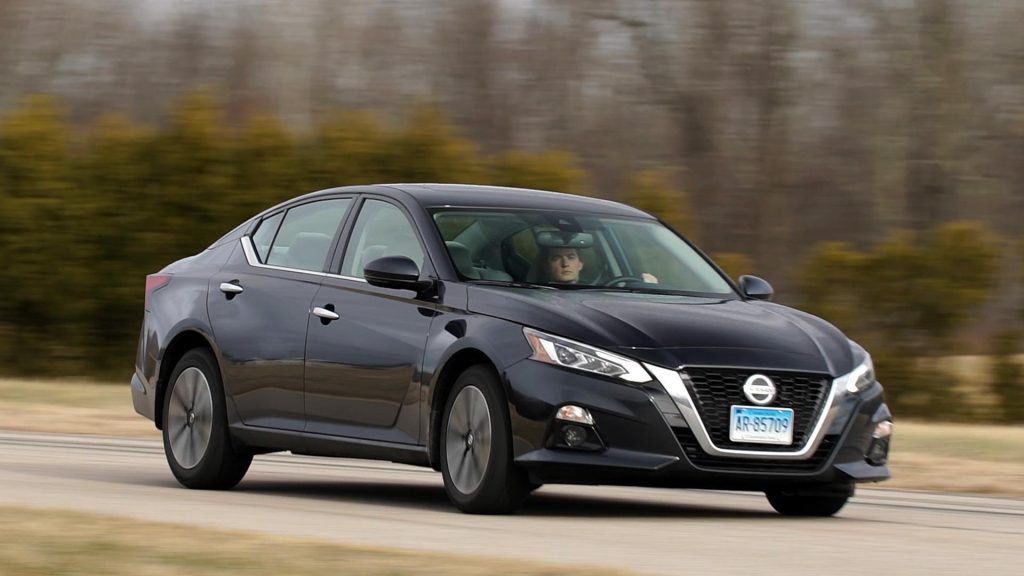
The Altima therefore earns a place here because its sticky-dashboard issue has generated years of documented owner complaints, making it one of the problems worth checking before buying an older example.
3. Lexus IS
The Lexus IS is one of the clearest examples of a vehicle whose cabin materials can develop serious age-related deterioration.
Lexus issued a U.S. technical service bulletin covering 2006 to 2008 IS 250 and IS 350 models after reports of dashboard and door-panel surfaces becoming cracked, shiny, degraded, and sticky. The bulletin specifically identifies the affected surfaces and provides a repair procedure.
The problem can become particularly unpleasant in hot conditions. Lexus’s documentation notes that a surface may appear chalky when the vehicle is away from heat and humidity, then return to a sticky or shiny condition after being exposed to heat. That makes the problem easy to underestimate during a quick inspection on a cool day.
Once deterioration becomes severe, the dashboard can develop an unusually glossy finish. Owner reports have also described substantial glare through the windshield, making the condition more than a simple cosmetic annoyance.
The issue was not limited to the dashboard. Lexus’s bulletin also covers certain door trim panels, meaning a buyer needs to inspect more than the surface directly in front of the driver.
The IS earns a place in this group because the problem is backed by manufacturer documentation rather than being based solely on scattered complaints. Lexus acknowledged the condition and developed revised panels to address it.
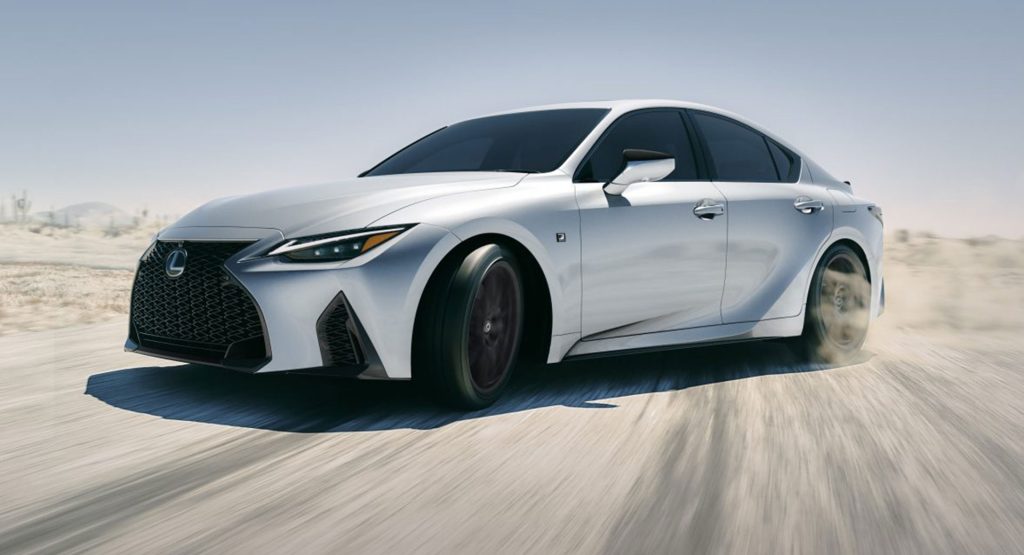
For someone shopping for an older IS, checking the dashboard and door panels is therefore essential. A seemingly attractive example can hide expensive material deterioration, especially if it spent years in a hot climate.
4. Lexus LS 460
The Lexus LS 460 is an unusual addition to this list because it was designed as a flagship luxury sedan, yet certain examples from the late 2000s developed exactly the kind of sticky and degraded surfaces that buyers would not expect from a premium vehicle.
Lexus issued technical service information covering certain LS 460 models, including the 2007 model year, for dashboards and related trim that could become cracked, sticky, or develop a shiny, degraded appearance. Later Lexus documentation also covered 2007 to 2014 LS 460 models under a repair-coverage program involving the dashboard and certain trim panels.
The issue becomes particularly noticeable when the material changes from its original matte appearance to a glossy surface. Heat and humidity were identified by Lexus as contributing conditions, meaning vehicles exposed to demanding climates could be especially vulnerable.
Owner complaints involving the LS 460 describe dashboards, door panels, and other soft-touch surfaces becoming sticky or deteriorating over time. Some reports also mention glare caused by the increasingly reflective dashboard surface.
That makes inspection especially important on an older LS. A buyer should not assume that a luxury badge guarantees flawless aging. The vehicle may have superb leather, wood, and craftsmanship in many areas while still suffering from a specific material problem.
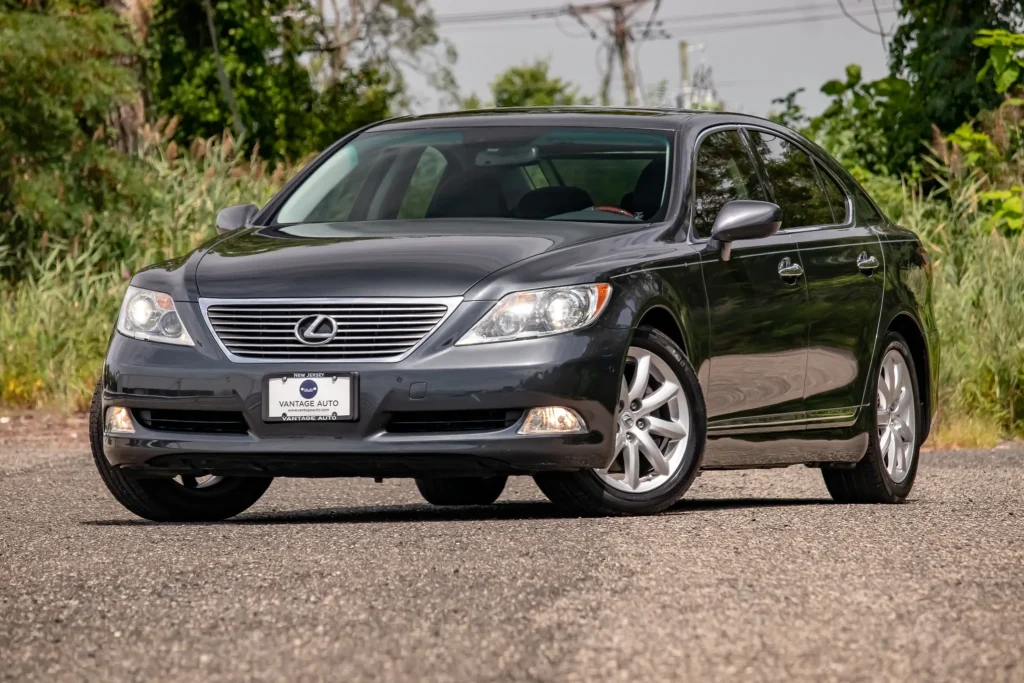
The LS 460 belongs here because the documented issue affected a vehicle that was positioned near the top of Lexus’s lineup. It is a reminder that material selection can matter just as much as assembly quality when judging how a cabin will age.
For anyone considering one today, the dashboard and door trim deserve careful hands-on inspection. A clean-looking LS can still have early-stage deterioration that becomes much more obvious after exposure to heat.
5. Lexus ES 350
The Lexus ES 350 completes the sticky group because several model years were associated with dashboard and trim deterioration involving cracked, shiny, or sticky surfaces.
Lexus later included certain ES 350 vehicles in its repair-coverage information, reflecting reports that heat, humidity, and light intensity could contribute to the material breaking down.
The issue is particularly relevant to the 2008 to 2012 ES 350 generation. Lexus’s documentation states that combinations of high humidity, high temperatures, and light intensity could cause the dashboard and certain trim panels to become cracked and/or sticky over time.
That makes the ES 350 a good example of why a used-car inspection should involve touch as well as sight. A dashboard might initially appear normal, especially when the vehicle is parked in a cool environment. Once it sits in the sun, however, a deteriorating surface can become noticeably tacky.
The problem can also change the appearance of the dashboard. Instead of retaining its intended finish, the material may become shiny and reflective. Owner reports from affected Lexus vehicles have described this type of glare as distracting when sunlight reaches the windshield.
The ES 350 therefore earns its place not because every example develops the defect, but because the condition was sufficiently recognized to generate manufacturer repair information. That makes it a meaningful consideration when evaluating an older example.
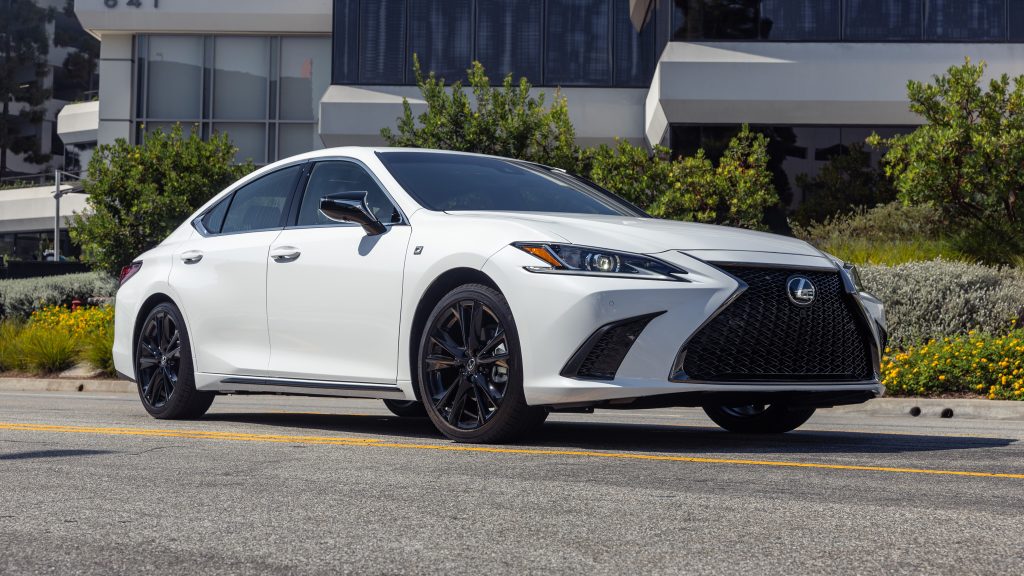
A prospective buyer should inspect the dashboard, door trim, and other soft-touch surfaces carefully. If the material feels unusually soft, tacky, or glossy, it is worth determining whether the vehicle has already received replacement parts.
The lesson from the ES 350 is straightforward: even a luxury sedan with a strong reputation for comfort and quality can have specific materials that age badly. Knowing which models and model years are vulnerable can prevent an unpleasant surprise after purchase.